Because these two sectors performed the best yesterday, standing out amidst the sharp decline, many have drawn this conclusion.
The robotics sector, primarily composed of auto parts stocks, has been on a downward trend alongside the automotive industry, becoming one of the hardest-hit sectors along with semiconductors. Both semiconductors and robotics experienced a weak rebound for a few days, so why did robotics rise while semiconductors fell yesterday? Only Tesla within the robotics sector saw an increase. The semiconductor sector was reduced by the integrated circuit fund, with the recently strongest stock, Tuojing, being cut by 3%. This fund is the largest short seller.
I believe the correction in robotics is insufficient; the speculation has been too intense, so let’s first observe the rebound. Yesterday’s rebound also lacked volume.

AI application software was initially speculated on by retail investors yesterday, specifically targeting small-cap stocks, reportedly including those on Liu Yi Middle Road.
However, the logic is sound, stemming from Google’s Gemini 3. This model excels in multimodal expression, with strong capabilities in generating images and audio/video, significantly enhancing the development efficiency of advertising and media companies. Thus, yesterday’s speculation focused on media, short dramas, and visual directions.
In the afternoon, Zhongjun Xiaoguangbiao and Kunlun were also lifted, indicating that large funds were entering the market, although they both plummeted. This suggests a positive outlook for the sustainability of this direction.
Zhongjun Xiaoguangbiao is expected to follow the trend; why did funds choose Xiaoguangbiao over Kunlun? Because large models have made technology no longer a bottleneck; what is needed are application scenarios. Xiaoguangbiao has a revenue of 80 billion, with thin profits. If large models reduce costs and increase efficiency, raising the profit margin by 1% could add 800 million in profit, presenting enormous potential. In contrast, Kunlun and Xunfei, which are burning cash to research large models, seem to be struggling without much reward. Of course, Kunlun’s application scenarios and user base are also considerable, but with a large market cap, it requires substantial institutional funds to drive it up.
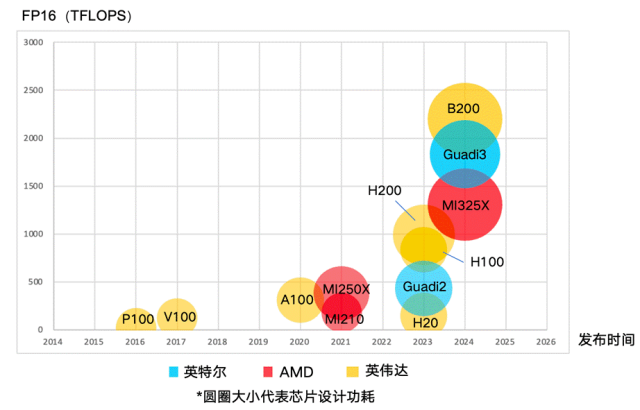
Yesterday, U.S. stocks rebounded, but NVIDIA remained weak; there’s no way around it, as valuations have reached their limits. The valuation of A-share computing hardware is even more hopeless; their valuations should inversely correlate with applications, so I see a fivefold potential for application software.
Among hardware, I only have a positive outlook on storage (Samsung, Hynix, and other original manufacturers). However, U.S. stocks like SanDisk and Micron plummeted the day before yesterday, with a mediocre rebound yesterday. SanDisk has increased tenfold in three months, and such a short-term surge could easily lead to a halving, but it does not affect the growth logic of storage. A significant reason for their decline is the substantial production shifts and expansions by Samsung and Hynix, with new capacities expected to be released by the end of next year. Until then, storage prices should rise. They are abandoning outdated processes and shifting to advanced processes. Our side’s expansion in storage is also unstoppable, benefiting semiconductor equipment and materials.
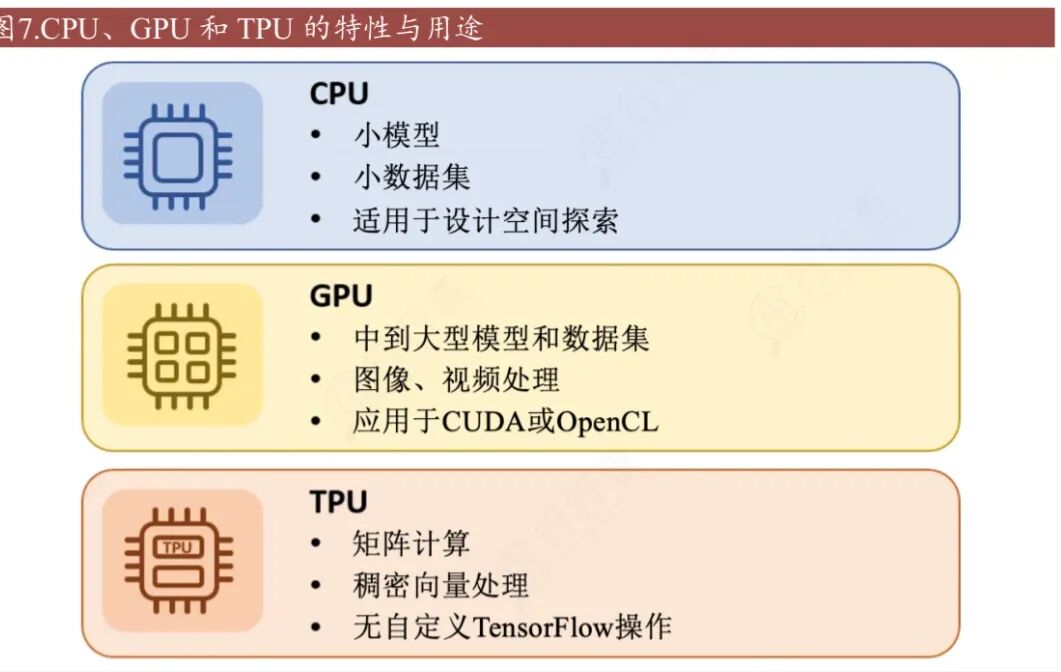
Some people have become accustomed to speculating on hardware and are now promoting the potential of Google’s TPU. The computing chain of NVIDIA, including Zhongji, also supplies Google, and they are trying to elevate these stocks further. However, where is the bottom for software?
Yesterday, the hardest hit was not technology but mining; any stock associated with mining or resources was hammered down to the limit. There are two reasons: the Russia-Ukraine conflict is expected to cease, and the Federal Reserve is unlikely to cut interest rates in December. Gold has not dropped significantly, but gold stocks have been in a long-term decline, and just as they showed signs of rebound, they were heavily sold off again. This is not unusual; sharp sell-offs before a rally are common, and the darkest hour is just before dawn.
The current international situation is complex:
The U.S. is forcing Ukraine to sign a humiliating ceasefire agreement, with some saying it resembles the post-World War I oppression of Germany, which could lead to greater conflict. Even more absurdly, Trump did not inform Europe! The performance of Russia on the battlefield has been mediocre; why is the U.S. forcing them to reap the fruits of victory? Because the U.S. wants to use Russia to contain Europe. In this war, both Russia and Europe are falling, while the U.S. emerges as the biggest winner.
Militarism is rising, threatening us. Some say that the U.S. hastily ending the Russia-Ukraine conflict aims to shift focus to the Asia-Pacific. Perhaps. When the second and third powers fight, the first remains the most benefited. The second and third powers mutually restrain each other, allowing manufacturing strongholds like China, Japan, and Europe to consume themselves, while the U.S. can sit back and watch the fight, revitalizing its own manufacturing.
Upstream resource stocks have risen significantly, and the correction has been sufficient, waiting for a major rebound. Isn’t the probability of a rate cut in December back up to 70%? Even if there is no cut in December, there will definitely be one in January.
Yesterday afternoon, photoresists fell again, while aquaculture stocks rose. Retail investors are speculating on small stocks, trading as they please. Zhongjun Nanda and Tongcheng have fluctuated, while Yake has been dragged down by storage, and Jingrui has also been affected by storage, along with slight reductions in holdings, which aligns with the characteristics of a sector just starting up (despite small-cap stocks hitting daily limits).
If there is a major rebound on Monday, as the Wildman said, the stocks that resisted the decline on Friday may perform poorly, or even catch up on losses. We should observe as we go; do not determine the main line based on a single day’s rise or fall; at least look at the weekly line. Rebounds and corrections mean that the more a stock has fallen, the better it will perform in a rebound. If you are not optimistic about a certain direction, you can reduce your holdings during the rebound; do not chase the rebound.