1.Introduction
In C++ design patterns, the Visitor Pattern is a type of behavioral design pattern whose core idea is to separate data structures from data operations, allowing new operations to be defined without modifying existing object structures. This pattern is particularly suitable for scenarios where the data structure is stable but operations change frequently, such as document processing and compiler syntax tree analysis.
2.Structure Analysis
The Visitor Pattern consists of the following core components:
·Visitor: Defines the interface for visiting operations for each specific element class.
·Concrete Visitor: Implements specific operation logic.
·Element: Declares the method to accept visitors (accept).
·Concrete Element: Implements the accept method, calling the specific operations of the visitor.
·Object Structure: Manages a collection of elements and provides traversal interfaces.
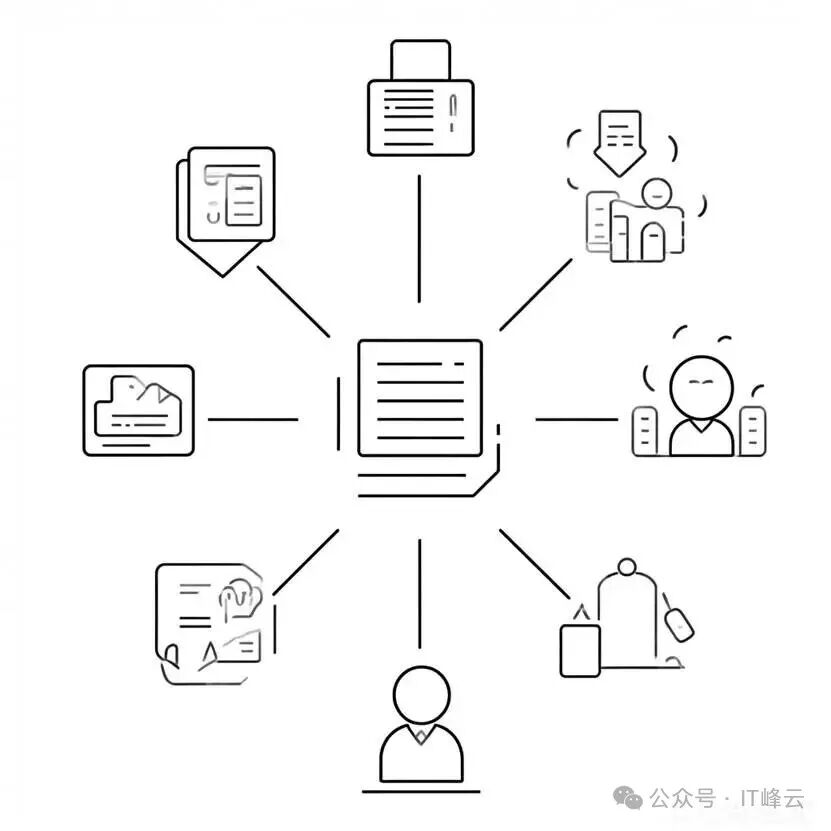 Figure: UML Class Diagram Structure of the Visitor Pattern
3.Working Principle
Dynamic binding is achieved through the Double Dispatch mechanism:
1.The object structure traverses the collection of elements.
2.Each element calls the accept method, passing itself as a parameter.
3.The visitor executes the corresponding visit method based on the element type.
4.The specific visiting logic is implemented in the concrete visitor class.
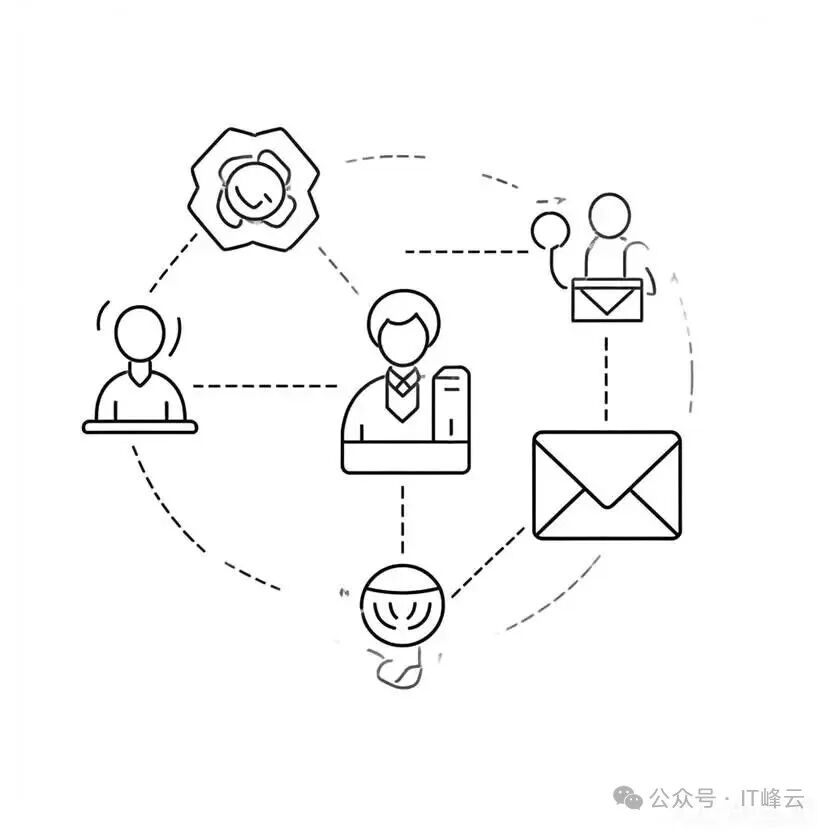 Figure: Workflow Diagram of the Visitor Pattern
4.Core Advantages
1.Open/Closed Principle: New operations can be added by simply adding a visitor class without modifying the element classes.
2.Single Responsibility: Operation logic is centralized in the visitor, while element classes focus on data structure.
3.Flexible Extension: Easily add new operations (e.g., exporting documents to HTML/plain text).
4.Decoupling: Separates data structures from operation logic, improving code maintainability.
5.Main Disadvantages
6.Difficulty in Element Extension: Adding new element classes requires modifying all visitor interfaces.
7.Encapsulation Violation: Visitors need to access internal details of elements (e.g., private members).
8.System Complexity: Increased number of classes raises maintenance costs.
9.Dependency on Object Structure: Not suitable for scenarios where elements change frequently.
10.Typical Application Scenarios
1.Document Processing Systems: Such as exporting to different formats (e.g., HTML/XML/plain text).
2.Compiler Design: Syntax tree traversal and semantic analysis.
3.Hardware Detection: Specialized detection of CPU/GPU/sound cards by system utilities.
4.Composite Pattern Extension: Traversing tree structures to perform differentiated operations.
cpp
|
// Example Code: Employee Statistics |
|
class Engineer : public Employee { |
|
public: |
|
void accept(Visitor* v) override { v->visit(this); } |
|
}; |
|
class WorkStatsVisitor : public Visitor { |
|
public: |
|
void visit(Engineer* e) override { |
|
totalHours += e->getWorkHours(); |
|
} |
|
}; |
|
// Client Call |
|
ObjectStructure employees; |
|
employees.addElement(new Engineer(“Alice”, 40)); |
|
employees.accept(new WorkStatsVisitor()); |
11.Conclusion
The Visitor Pattern achieves high decoupling through separation of operations and structure, performing excellently in scenarios where the data structure is stable but operations vary frequently. However, the cost is the difficulty in extending element classes, necessitating a balance between the Open/Closed Principle and system complexity. It is recommended to prioritize this pattern in systems with stable object structures and frequently changing operations, such as compiler design and document processing engines.