Today’s Share
【Introduction】From real-time data collection to predictive maintenance, from improving energy efficiency to enhancing user experience, the Internet of Things (IoT) is reshaping the management of modern buildings.
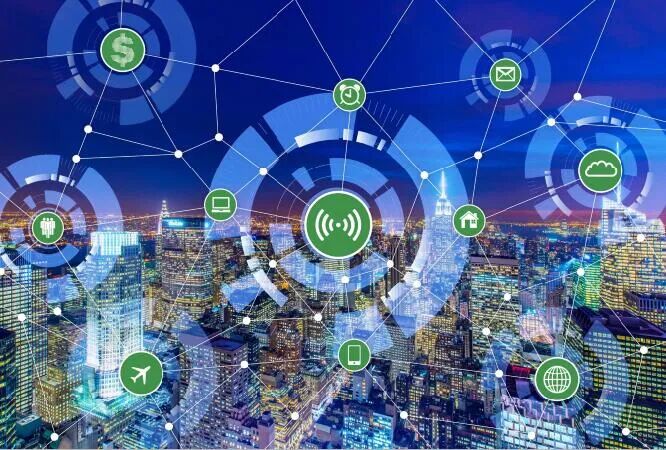 In today’s era of technological advancement, IoT devices have become game changers, fundamentally transforming various industries, including smart buildings. These interconnected devices, equipped with sensors and advanced analytical capabilities, play a crucial role in transforming traditional buildings into smart, efficient, and sustainable spaces. This article will delve into the applications of IoT devices in smart buildings and their role in promoting sustainability.
What are IoT Devices?
Internet of Things (IoT) devices are physical objects embedded with sensors, software, and connectivity capabilities, enabling them to collect and exchange data over the internet. These devices can range from everyday items like appliances, thermostats, and lighting systems to complex systems like industrial machinery and vehicles.IoT devices are designed to interact with their environment, collect data, and communicate with other devices or systems, enabling automation, monitoring, and control.In the context of smart buildings, IoT devices play a vital role in transforming traditional buildings into smart, interconnected spaces. Here are some key aspects of their contributions:
- Connectivity and Data Collection: IoT devices, such as sensors, actuators, and meters, provide connectivity for different systems and collect real-time data on various parameters within the building. This data includes occupancy rates, temperature, humidity, lighting usage, energy consumption, air quality, and more.
- Monitoring and Control: IoT devices enable continuous monitoring of building systems and environments. They can detect changes, anomalies, or inefficiencies and provide instant notifications to facility managers or building automation systems. These devices also allow for remote control and automation of building systems, including HVAC, lighting, refrigeration, and more.
- Predictive Maintenance: IoT devices enable predictive maintenance practices by continuously monitoring the health and performance of building equipment and systems. They can detect patterns, anomalies, or signs of equipment failure and generate alerts or work orders for maintenance personnel. By proactively addressing issues, building operators can reduce downtime, extend equipment lifespan, and optimize maintenance costs.
- Data Analysis and Insights: IoT devices generate vast amounts of data that can be processed and analyzed to extract valuable insights. By leveraging advanced analytical techniques, building operators can identify patterns, trends, and inefficiencies, enabling data-driven decision-making for better resource allocation, optimization, and long-term planning.
IoT devices form the foundation of smart building management by providing connectivity, data collection, monitoring, control, and analytical capabilities. They enable energy efficiency, predictive maintenance, occupant comfort, safety, and security, ultimately enhancing operational efficiency, sustainability, and cost reduction for building owners and occupants.
The Growing Adoption of IoT Devices in Smart Buildings
The adoption of IoT devices in smart buildings is experiencing significant growth and is expected to revolutionize the management and operation of buildings. Here are some key factors driving the increasing prevalence of IoT devices in the context of smart buildings:1. Increased ConnectivityThe proliferation of IoT devices is driven by advancements in connectivity technologies such as 5G, Wi-Fi 6, and LPWAN (Low Power Wide Area Network). These technologies provide robust and reliable connections, enabling seamless communication between devices within building infrastructure.2. Cost ReductionThe cost of IoT devices has significantly decreased over the past few years, making them more affordable and accessible for building owners and operators. This affordability encourages broader adoption of IoT devices across various aspects of smart building management.3. Standardization and InteroperabilityIndustry organizations are working to standardize protocols and frameworks for IoT devices to achieve interoperability among devices in smart buildings. Standards such as BACnet, Zigbee, and MQTT ensure interoperability between devices from different manufacturers, making it easier to integrate and manage various IoT devices within the building ecosystem.4. Advancements in Sensor TechnologySensors are the backbone of IoT devices, and their technology is rapidly evolving. Sensors are becoming more accurate, affordable, and energy-efficient, capable of continuously monitoring various parameters such as temperature, humidity, occupancy, air quality, and energy consumption.5. Cloud Computing and Big Data AnalyticsThe emergence of cloud computing and powerful data analytics platforms has propelled the adoption of IoT devices. These technologies provide scalable storage and processing capabilities, enabling real-time analysis of the vast amounts of data generated by IoT devices. Building operators can extract valuable insights and actionable information from this data, leading to more informed decision-making and efficient building management.6. Regulatory and Environmental FactorsGovernment regulations and environmental concerns are driving building owners to adopt sustainable practices. IoT devices can better manage energy, optimize resources, and achieve sustainability in buildings, aligning with these regulatory requirements and environmental goals.7. Remote Monitoring and ControlIoT devices enable remote monitoring and control of building systems, reducing the need for manual intervention. Facility managers can access real-time data and control building systems from anywhere, improving operational efficiency, reducing costs, and accelerating responses to issues or emergencies.The increasing application of IoT devices in smart buildings is attributed to technological advancements, cost reductions, standardization efforts, and the benefits they bring in terms of efficiency, sustainability, and tenant comfort. As the IoT ecosystem continues to evolve, we can expect more innovative applications and greater integration of IoT devices in smart building management.
Core IoT Devices in Smart Buildings
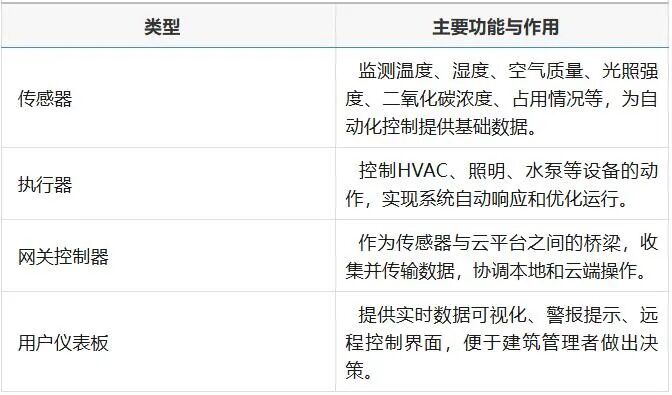 IoT-driven smart buildings are equipped with a network of interconnected devices, sensors, and systems that collect, exchange, and analyze data to optimize the overall operation and efficiency of the building. IoT technology is the backbone of these smart buildings, enabling seamless communication and control between various components.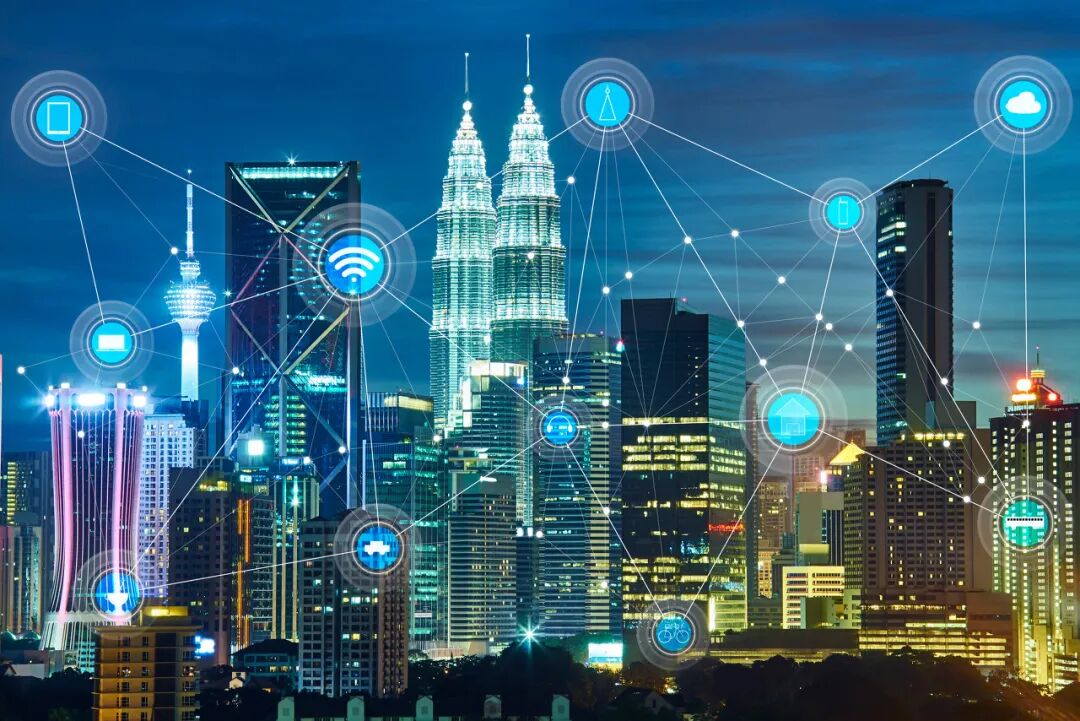
Advantages of IoT-Driven Smart Buildings
When IoT devices are integrated into smart buildings, they offer numerous advantages. Some of the key benefits include:1. Enhanced Energy EfficiencyIoT devices play a crucial role in optimizing energy consumption within smart buildings. By continuously monitoring environmental temperatures, return water temperatures, lighting conditions, etc., IoT sensors can automatically adjust HVAC systems, lighting controls, and other energy-consuming devices to match actual demand. This dynamic and adaptive approach helps reduce energy waste, lower utility costs, and improve overall energy efficiency.2. Improved Comfort and ProductivityIoT devices enable personalized and responsive environments, enhancing occupant comfort and productivity. For example, smart thermostats can adjust temperature settings based on individual preferences, occupancy levels, and outdoor weather conditions.Lighting systems can be programmed to create optimal lighting conditions or adjust brightness levels based on occupancy and natural light. These personalized settings create a comfortable and efficient environment for users within the building.3. Reduced Operational CostsIoT devices facilitate predictive maintenance in smart buildings. By continuously monitoring equipment performance and collecting data on vibrations, temperatures, and energy consumption, IoT sensors can detect anomalies and patterns indicating potential equipment failures.This allows for preventive maintenance scheduling, preventing unexpected failures and reducing downtime. By addressing maintenance needs before they become emergencies, smart buildings can minimize disruptions and optimize the lifespan of building systems.4. Data-Driven Decision MakingIoT devices generate vast amounts of data regarding various aspects of building operations, including energy usage patterns, environmental conditions, occupancy levels, and equipment performance. This data can be analyzed using advanced analytics and artificial intelligence techniques to extract valuable insights.Building managers can leverage this information to make data-driven decisions, optimize resource allocation, identify areas for improvement, and implement more effective energy management, maintenance, and operational efficiency strategies.5. Scalability and FlexibilityIoT devices provide scalability and flexibility in smart buildings. As the needs and requirements of the building evolve over time, additional IoT devices can be easily integrated into the existing infrastructure without causing significant disruptions. This scalability allows the IoT ecosystem of the building to expand in the future and adapt to new technologies and systems.Overall, the integration of IoT devices in smart buildings brings numerous advantages, including energy efficiency, occupant comfort, predictive maintenance, safety, data-driven decision-making, and scalability. These benefits collectively contribute to making buildings more sustainable, intelligent, and user-friendly.
Data Analysis and Insights
Data analysis is crucial in maximizing the potential of IoT devices in several ways:1. Real-Time Monitoring and InsightsIoT devices generate vast amounts of data in real-time. Data analysis can collect, process, and analyze this data to provide real-time monitoring and insights. By leveraging analytical techniques such as stream processing, anomaly detection, and pattern recognition, organizations can gain valuable insights into the performance, status, and behavior of building assets and equipment.2. Predictive MaintenanceIoT devices, such as sensors and actuators, are often deployed in critical infrastructure or industrial environments. Data analysis can predict equipment failures or maintenance needs based on historical data and sensor readings. By analyzing patterns and anomalies in the data, organizations can identify potential issues and schedule proactive maintenance, reducing downtime and optimizing maintenance costs.3. Optimization and EfficiencyData analysis enables organizations to optimize the performance and efficiency of building systems. By analyzing sensor data, energy consumption patterns, and environmental conditions, organizations can identify opportunities to optimize resource usage, improve energy efficiency, and reduce costs. For example, analysis can identify areas where energy is being wasted in a building, allowing for adjustments to HVAC systems or lighting controls for better energy management.4. Informed Decision MakingData analysis enables organizations to make data-driven decisions based on insights derived from IoT device data. By analyzing historical data and real-time sensor data, organizations can identify trends, correlations, and patterns that inform the decision-making process. This can include optimizing supply chain management, improving operational efficiency, and enhancing overall business performance.Data analysis allows organizations to extract meaningful insights from IoT device data, enabling them to make informed decisions, optimize operations, enhance user experiences, and improve overall efficiency and effectiveness to leverage the potential of IoT devices.
Conclusion
IoT devices have become a significant engine driving the intelligence and sustainability of buildings. They enable intelligent control and efficient management of energy, environment, and facilities by creating a highly interconnected building ecosystem.
From real-time data collection to predictive maintenance, from improving energy efficiency to enhancing user experience, IoT is reshaping the management of modern buildings. As technology continues to advance, future smart buildings will become even smarter, more efficient, and more user-friendly, providing strong support for achieving carbon neutrality and green development goals.