Introduction
As a core technical position, the career development path and income level of PLC engineers have always been hot topics in the industry. Many electrical engineers with over ten years of experience find that once their salary reaches the range of 20,000 to 30,000 yuan per month, they often encounter a career ceiling that is difficult to break through.
This is because income distribution is conducted to maintain the long-term operation of the company, and engineers’ salaries are subject to certain limitations. So how can one break through this ceiling?This phenomenon hides the unique salary structure logic of the manufacturing industry, but through systematic career planning, there are still multiple paths to break through.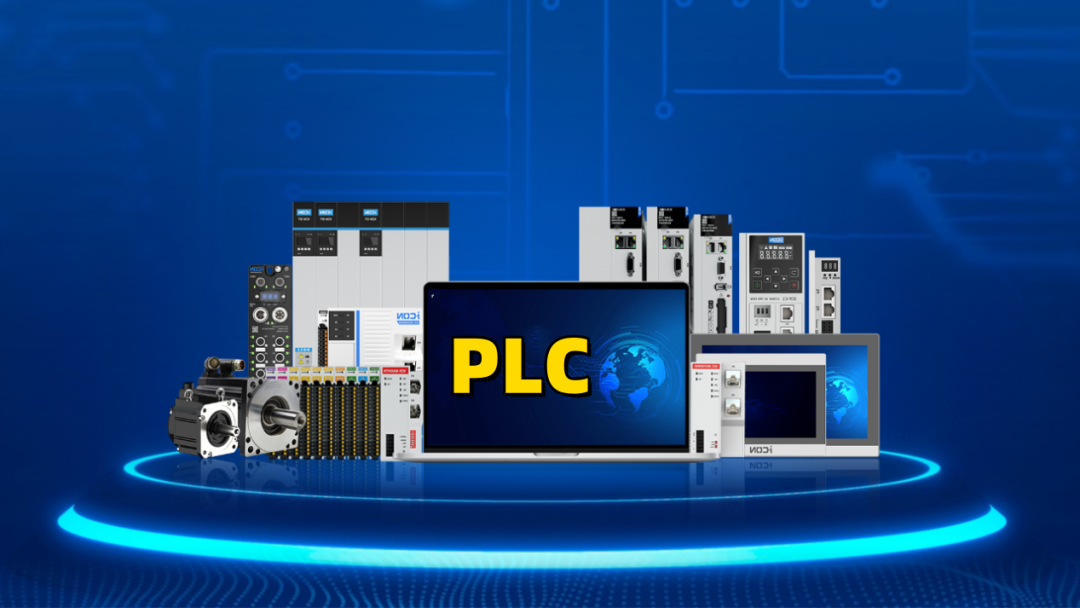
As an experienced PLC engineer, to break through the salary ceiling, one can start from the following aspects:
1. Enhance Professional Skills
- Deepen Learning of New TechnologiesWith the continuous development of industrial automation, new technologies and concepts are emerging one after another. For example, learning about the Industrial Internet, smart manufacturing, and robot programming, and integrating PLC technology with these emerging technologies can expand one’s skill boundaries, enabling one to handle more complex and cutting-edge projects, thereby enhancing market value.
- Obtain Advanced CertificationsAcquire advanced certifications related to PLC, such as those issued by the International Society of Automation (ISA) or senior engineer certifications from well-known brands like Siemens and Mitsubishi. These certifications can, to some extent, prove your professional capabilities and increase your leverage in job hunting and salary negotiations.

2. Expand Project Experience
- Participate in Complex ProjectsActively seek to participate in large and complex projects within the company, which often involve more advanced technologies and higher requirements. By solving various challenges encountered in these projects, one can accumulate valuable experience and enhance problem-solving abilities.
- For example, participating in the overall design and transformation of an automated production line, from planning, hardware selection, programming to on-site debugging, can comprehensively enhance project management and technical application capabilities.
- Cross-Industry PracticeTry to participate in projects from different industries to understand the process characteristics and automation needs of various sectors. Different industries have different application scenarios and requirements for PLC, and cross-industry experience can help you master the application of PLC technology more comprehensively, broaden your horizons, and increase your competitiveness.
- For instance, transitioning from projects in traditional manufacturing to emerging industries like renewable energy and semiconductors, which typically require a higher degree of automation, can also bring higher returns.
 3. Transition and Expand Career Directions
- Transition to Management RolesIf you possess certain leadership and organizational abilities, consider transitioning to project management or technical management roles. Leading a team to complete projects and being responsible for aspects such as project progress, quality, and cost control can not only enhance your overall quality but also lead to higher salaries and performance bonuses in management positions.
- For example, serving as a project manager for automation projects, coordinating resources, and promoting the smooth progress of projects can create greater value for the company.
- Engage in Technical Consulting and TrainingLeverage your rich experience to become a technical expert within the company or industry, providing technical consulting and training services to other engineers. This can generate additional income through sharing your experience while also enhancing your visibility and influence in the industry.
- For instance, conducting PLC technology training courses within the company or providing technical consulting services to other enterprises to help them solve PLC-related technical challenges.
 We welcome everyone to leave comments and engage in discussions!