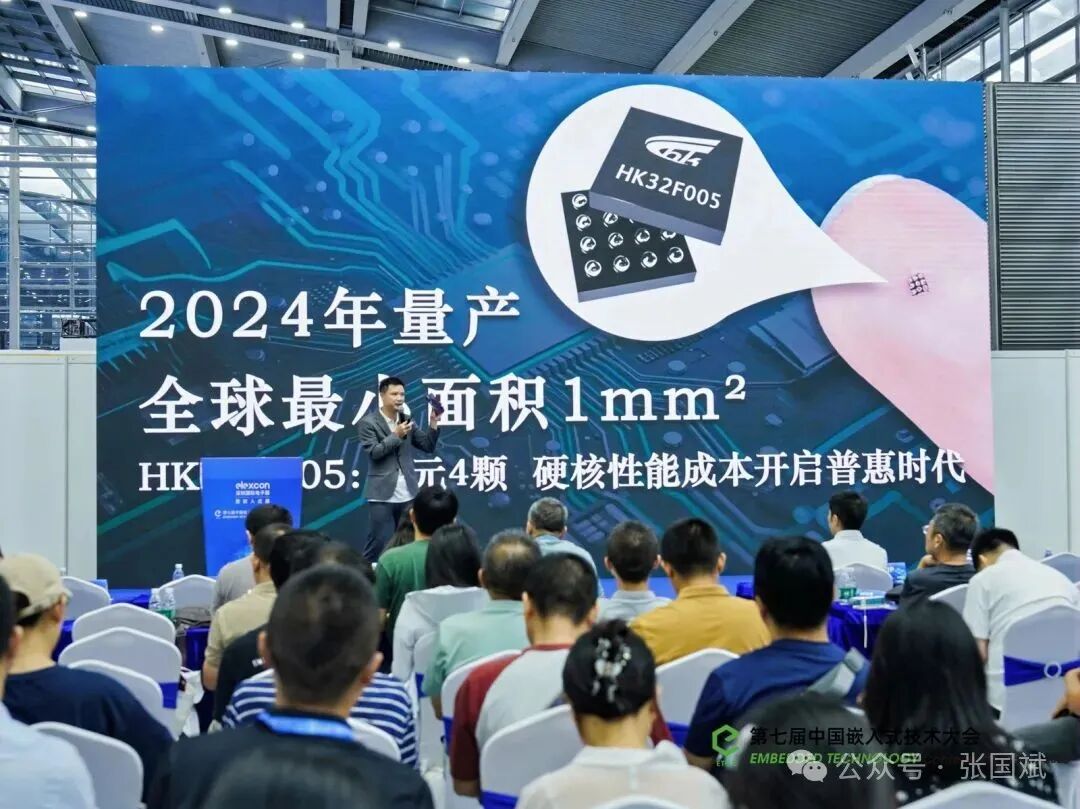
At the Shenzhen International Electronics Show and Embedded Exhibition that opened this week, the local MCU company “Hangshun” showcased the mass-produced1mm² M0 core HK32F005 chip, which is even smaller thanTexas Instruments (TI)’s so-called“world’s smallest MCU” released in June this year, which has a size of 1.38mm². This ultra-small MCU has shocked many industry players! How did Hangshun achievethe 1mm² MCU?
It is reported that this MCU utilizes 3D heterogeneous integration technology, which vertically stacks chips or chip modules with different functions together, achieving high integration through advanced packaging technology. This technology can significantly reduce the planar area of the chip while maintaining or enhancing performance.
The HK32F005 employs 3D heterogeneous integration technology and achieves ultra-miniaturization of 1mm² through wafer-level packaging (WLP), reducing the area by 28% compared to competing products. This technology not only reduces the physical size of the chip but also increases the storage density per unit area, reaching 64KB/mm², which is four times that of international competitors.
Integrating more storage resources within a limited chip area requires advanced storage technologies and processes. The HK32F005 uses high-density NOR Flash storage technology, capable of integrating 64KB of storage capacity within a 1mm² chip area. This high-density storage integration allows the HK32F005 to store complete machine learning models (such as the TinyML heart rate detection algorithm), meeting the demands of complex applications.
Additionally, this MCU reduces both static and dynamic power consumption through optimized circuit design and advanced low-power processes. The HK32F005 incorporates various low-power design techniques, including low-power modes and sleep modes. Its static power consumption is as low as 0.3μA, meeting the needs for battery power and low-power energy-saving requirements. This low-power design makes the HK32F005 particularly suitable for applications with high power consumption requirements, such as smartwatches and fitness bands.
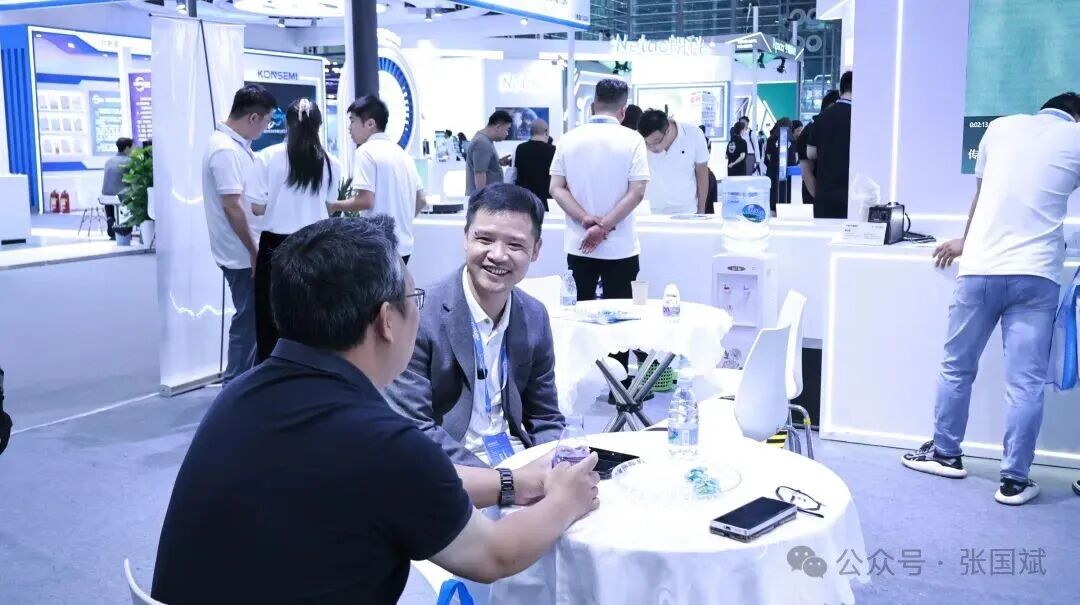
On August 28 at 10 AM, Hangshun’s founder Liu Jiping delivered a keynote speech titled“The Past, Present, and Future of China’s 32-bit MCUs and the Struggle of Hangshun’s HK32 MCU.” He believes that when technological barriers are not broken, overseas brands monopolize and reap excessive profits; however, when local companies achieve breakthroughs, a wave of entrepreneurship and mass production follows, leading to a process of elimination after the growth dividends fade. This process is essentially a refinement from “quantitative accumulation” to “qualitative leap”—a path that closely aligns with the development trajectory of the semiconductor industries in Japan, Europe, and the United States, ultimately filtering out companies with core barriers and pushing China’s MCUs onto the global competitive stage.
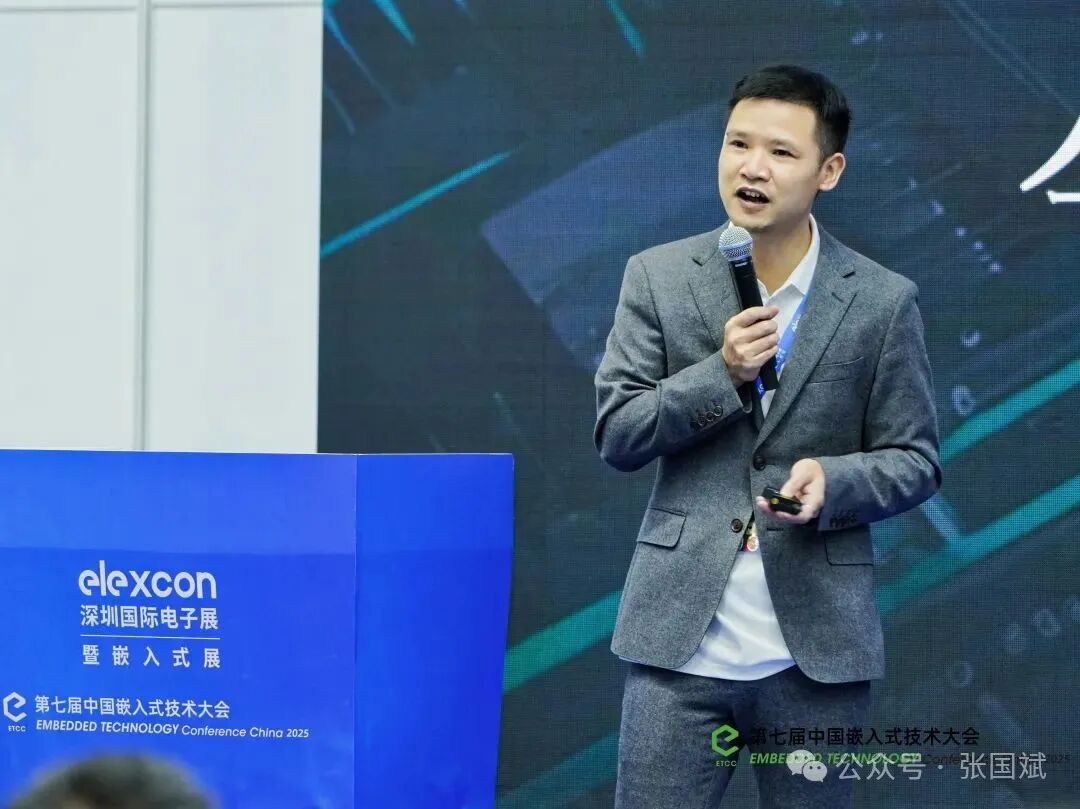
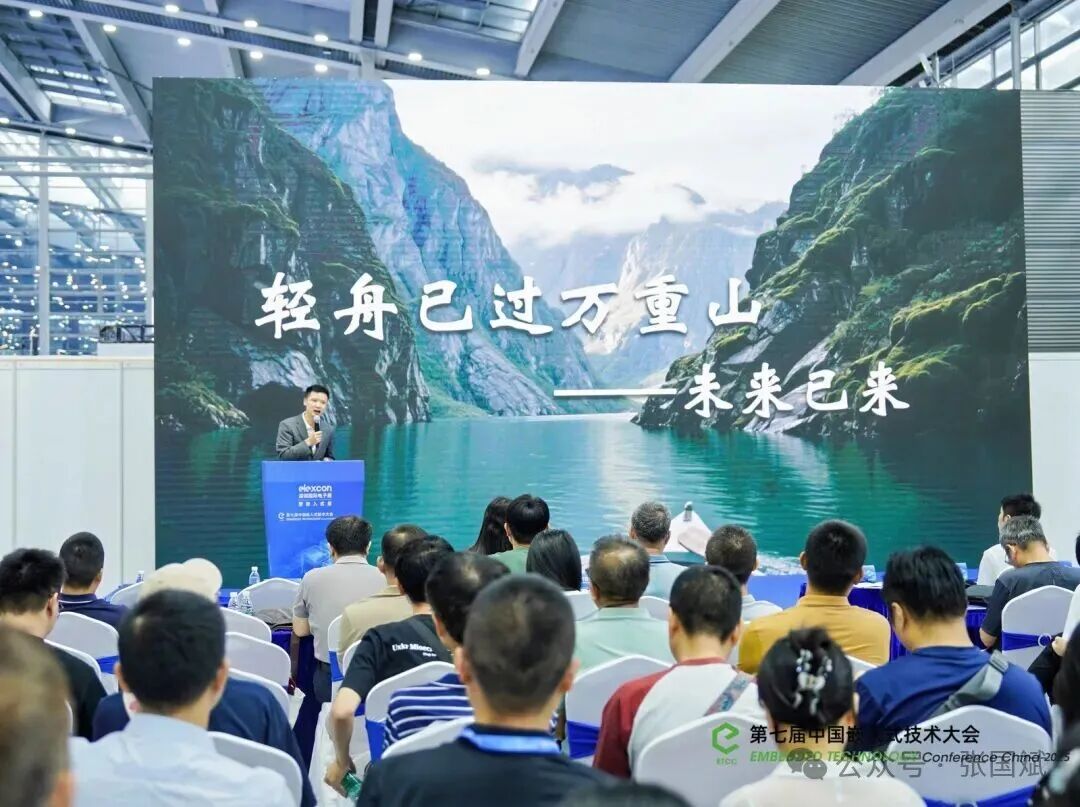
In response to the core question of “how to break through in the midst of internal competition,” Liu Jiping proposed a logic of building “five moats”: using financial reserves as strategic backing, core talent and product competitiveness as the technical core, market support through channel penetration and supply chain resilience, and talent management mechanisms as organizational guarantees. Discussing the essence of entrepreneurship, he shared a deeper perspective: “Surviving against the odds is the norm, yet one must not lose the sense of reverence—do not belittle peers in success, do not lose the spirit of a hero in setbacks, refuse ineffective socializing, and uphold the fundamentals of products and talent.” He concluded with the phrase “the light boat has passed through ten thousand mountains,” which reflects both a profound sentiment about the tempering of China’s 32-bit MCUs and a firm expectation for the industry to forge ahead.
Recommended Exciting Articles
1、From the perspective of understanding the car, how does Liyang chip seize the great opportunity of the era!
2、How to build a computing power foundation for the future? — A comprehensive reveal of Chip Origin’s AI strategy
3、Can light achieve a breakthrough in domestic computing power? Xizhi Technology presents two globally leading technologies!2Domestic EDA makes a big move!
4、Will another semiconductor giant “fall”? Huawei and BYD have both invested in it
5、Starting from Plato’s Allegory of the Cave, how does Honor Magic V5 reconstruct the narrative of technology and humanities in the AI era??
6、Heavyweight! Unisoc is about to go public!
7、Who is the real competitor of Hongmeng Intelligent Travel?
8、Foldable phones have reached their limit in thinness; it’s time to focus on enhancing the experience
9、Breaking the ADI and TI monopoly! The first domestically produced, internationally leading, Chengdu Huamei releases a new generation of high-speed, high-precision RF direct sampling ADC!
10、In response to the US’s supply cut of EDA and IP, the “Enlightenment” system released by the Chinese Academy of Sciences has made American netizens exclaim, “Another market lost!”
11、Countering the heavens! Taiwan Province of China has surprisingly listed Huawei and SMIC on the export control list!
12、Smart glasses are selling like hotcakes! Revealing the smart glasses industry chain!
13、Foreign media: Ren Zhengfei says that China can cope with US technology restrictions using open-source and chip packaging technology