The Troubles of Plaster
“Crack!” After a fracture, what do you fear the most? Besides the pain, many people dread having to wear heavy plaster—it’s hot, itchy, and you can’t take a shower, which can even lead to skin ulcers. However, a new technology is changing this situation: instant 3D printed fixators. They are like custom-tailored suits for bones, lightweight, breathable, and allow for showering, gradually replacing traditional plaster worldwide.
1. Plaster: The Modern Dilemma of a Century-Old Technology
1. The Three Major Pain Points of Plaster
“Air-tight”: Plaster completely encloses the affected limb, easily leading to skin eczema and pressure sores (data shows about 15% of patients experience skin issues).
“One-size-fits-all” design: It cannot adjust the support strength based on the type of fracture, resulting in inconsistent healing outcomes.
Inconvenience: It typically needs to be worn for 4-8 weeks, making showering and dressing a challenge.
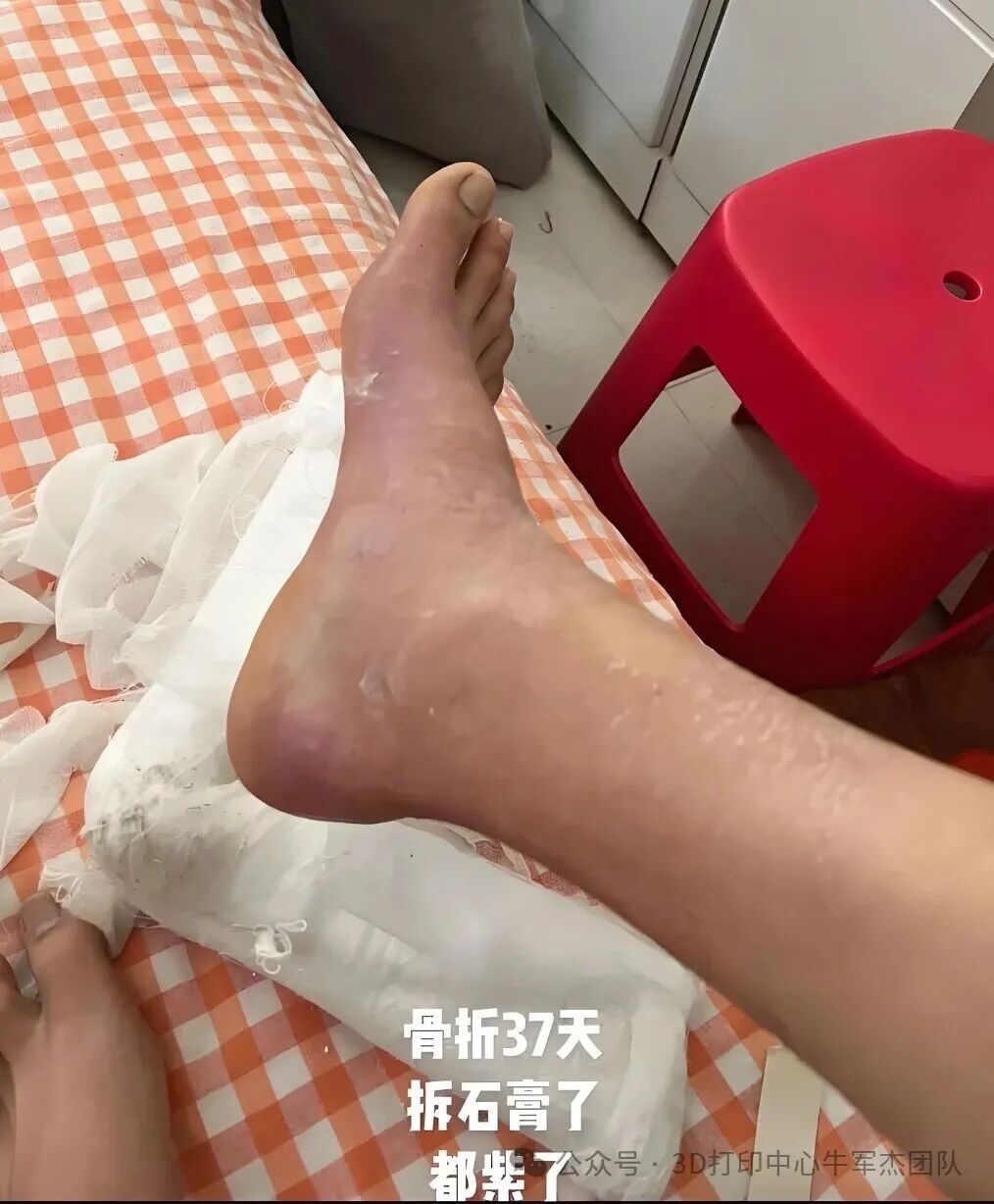
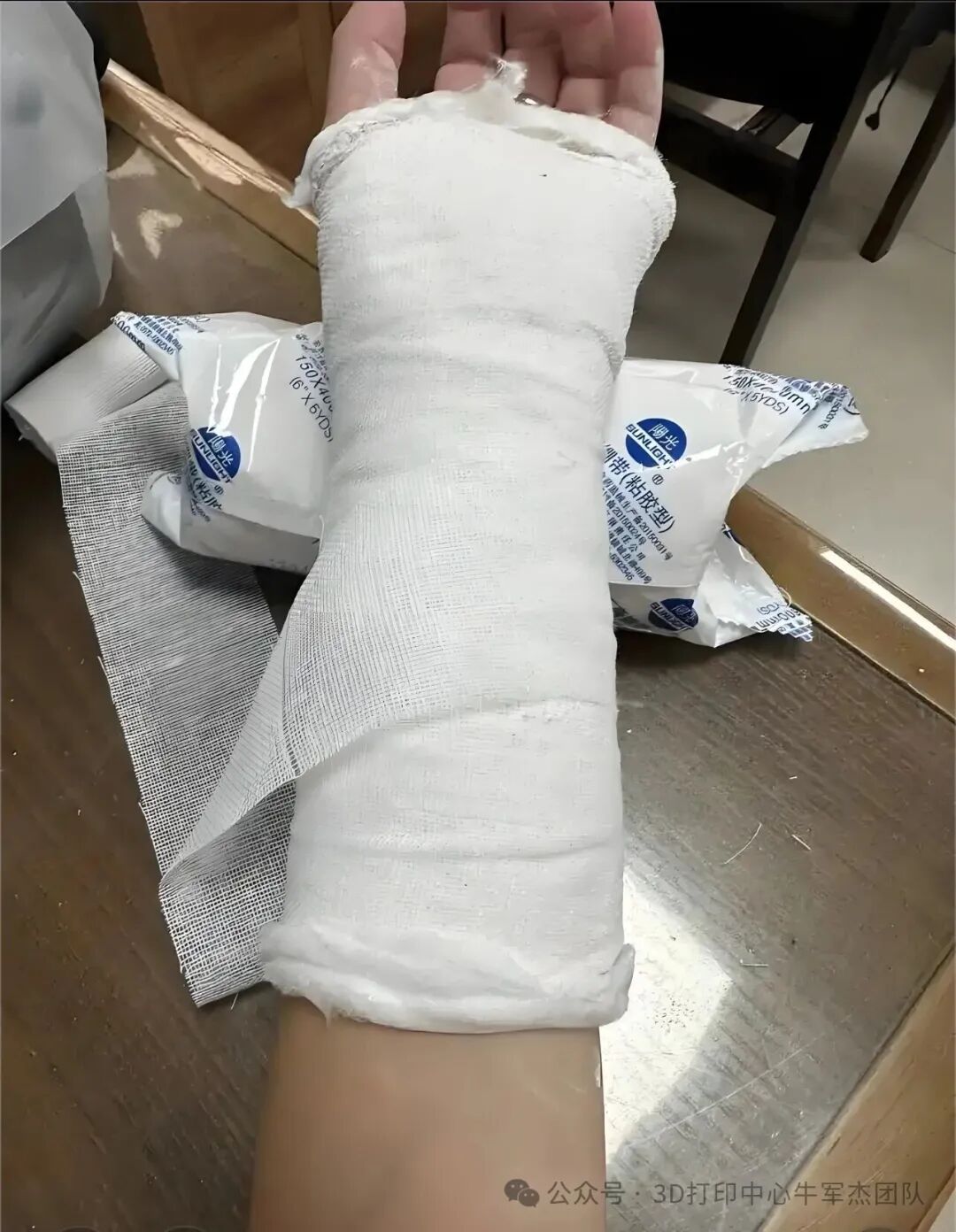
2. Which Fractures Most Need Innovation?
Wrist fractures (accounting for 25% of all fractures)
Pediatric fractures (which require frequent plaster changes)
Sports injuries (athletes need to resume training as soon as possible)
2. How Does Instant 3D Printing Disrupt Tradition?
▍ What is Instant 3D Printed External Fixation? It is based on 3D scanning data of the patient’s affected area or medical imaging, designed intelligently through self-developed software systems, and quickly printed to create an external fixator that perfectly matches the patient’s limb. From scanning to forming, the entire process is digitally controlled, truly achieving “custom fitting,” greatly enhancing fixation accuracy and treatment efficiency.▍ Six Core Advantages Redefining Fracture Rehabilitation1. Precise and Personalized, No Dead AnglesRelying on high-precision 3D scanning and intelligent algorithms, the fixator achieves millimeter-level fitting with the affected area, effectively dispersing pressure, avoiding local pressure sores, and providing the best mechanical environment for fracture recovery.
2. Customizable Porous Design, Breathable and Avoiding WoundsThe fixator uses a hollow structure that can precisely avoid the wound area, not affecting dressing changes and treatment, while significantly improving breathability, reducing the risk of skin complications, and enhancing healing quality.
3. Sturdy and Lightweight, Making Rehabilitation EasierUsing new bio-based materials, it weighs only 1/6 of traditional plaster but has far superior strength. Patients find it comfortable to wear, waterproof, and washable, with minimal impact on daily life.
4. Rapid Printing, Alleviating Patient PainThis system achieves “instant printing,” shortening patient waiting times, quickly fixing, effectively alleviating pain, and reducing the workload of medical staff, optimizing the diagnosis and treatment process, taking only 20-40 minutes.5. Eco-friendly Materials, Skin-friendly and SafeMade primarily from corn starch-based fully biodegradable materials, it is non-irritating to the human body and environmentally friendly, ensuring strength while considering skin compatibility and wearing comfort.6. Independently Developed, Leading TechnologyIt holds multiple exclusive patents, including printing software, print heads, and material formulas, making it one of the few instant 3D printing external fixation systems that can truly be applied clinically in the country.
From Scanning to Wearing: A 90-Minute Revolution
Step 1: 3D Scanning
Use a handheld scanner to obtain a 3D model of the affected limb.
Step 2: Intelligent Design
AI software automatically analyzes the type of fracture and generates the optimal support structure (such as reinforcing stress areas/opening ventilation holes).
Step 3: On-site Printing
Medical-grade printers (such as BY-3D-III, which the Shenzhen Ping Le Orthopedic Hospital’s Futian Hongling District has equipped) directly print with lightweight materials, taking a total time of only 1 hour.
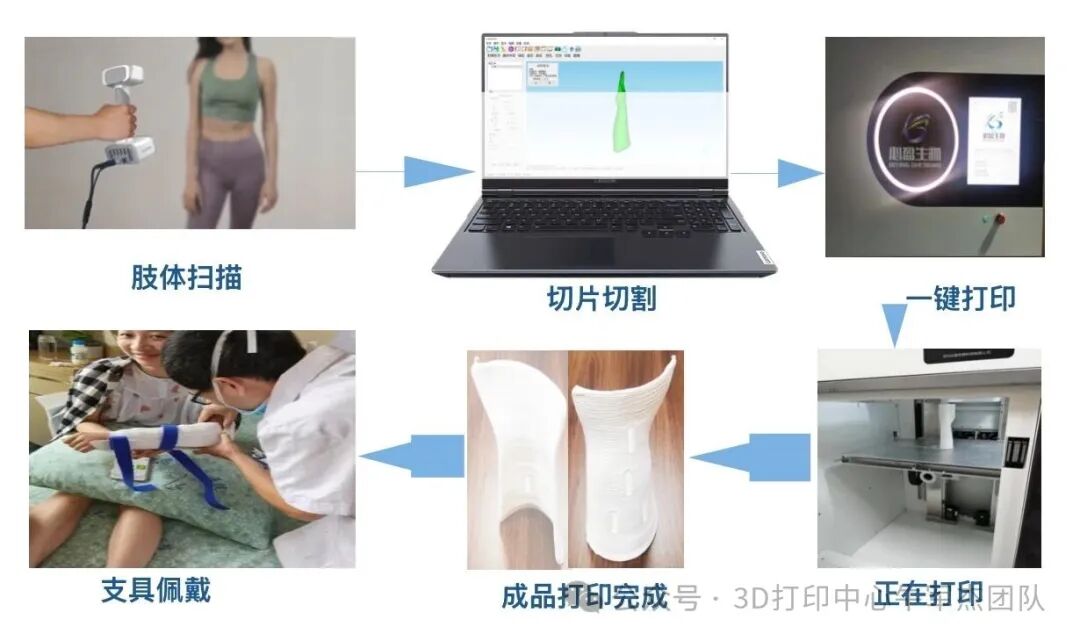
2. The Comparative Advantages are Clear
| Feature | Traditional Plaster | 3D Printed Fixator |
| Weight | 500-1000g | 50-298g |
| Breathability | None | Mesh Design |
| Adjustability | Non-adjustable | Can be disassembled at any time |
| Water Resistance | Not waterproof | Can be worn while showering |
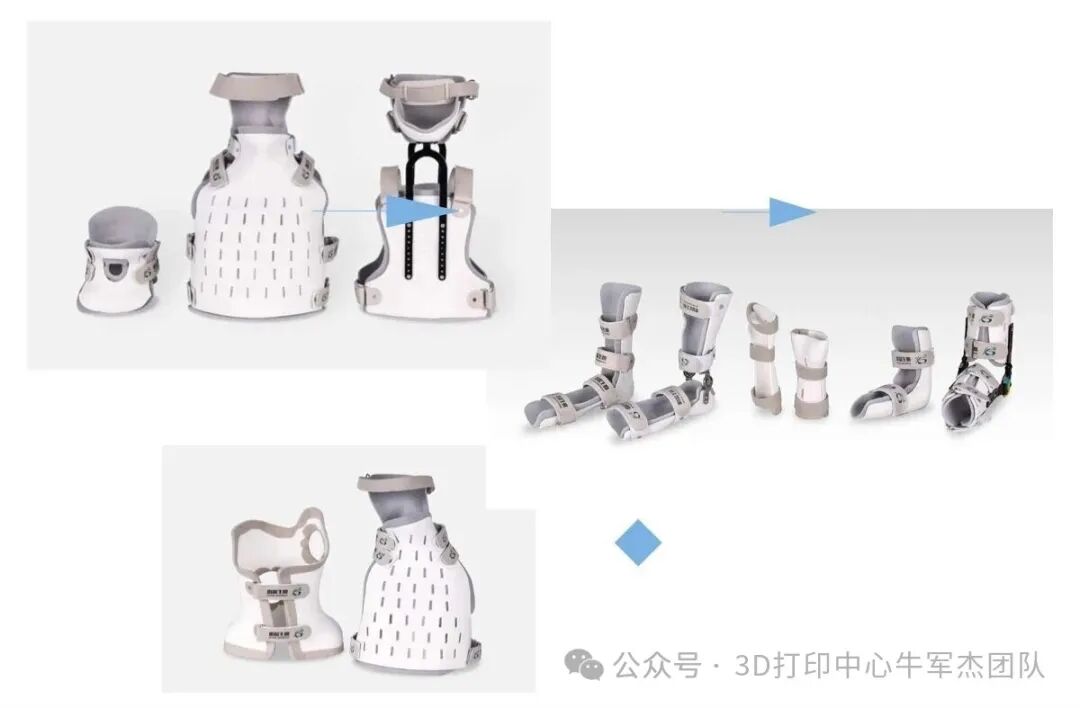
▍ From “Standardization” to “Personalization”, Digital Transformation Makes Rehabilitation More HumanizedTraditional plaster fixation often results in a “one-size-fits-all” approach, unable to cope with complex limb shapes and clinical needs. However, 3D printing technology, with its digital and personalized customization capabilities, achieves “one person, one device,” especially suitable for children, the elderly, and patients with complex fractures, excelling in precise repositioning, stable fixation, comfortable rehabilitation, and functional recovery.
3. Technology Revealed: The Black Technology Behind It
PLA/TPU Composite Material: Three times stronger than plaster, weighing only 1/5
Antibacterial Coating: Prevents common infections like Staphylococcus aureus
Memory Polymer: Can be heated for fine adjustment of fit
Are You Suitable for a 3D Printed Fixator?
Applicable Situations
✅ Simple fractures (non-open)
✅ High quality of life requirements
✅ Special populations such as children/athletes
Conclusion: The Future of Fracture Fixation is Here
From heavy plaster to intelligent 3D printed fixators, fracture treatment is undergoing a silent revolution. Although this technology has not yet been fully popularized (only about 30% of top-tier hospitals in the country have implemented it), the trend towards personalized medical care it represents is unstoppable. Next time you encounter a fracture, consider asking your doctor: “Can I choose the 3D printing option?”
Appendix: Technical Parameter Tips
Average Cost: 300-2000 (all covered by medical insurance)
Durability: Can be disassembled and reassembled more than 50 times
Environmental Friendliness: Materials are recyclable and biodegradable
Interactive Topic:
If you have ever had plaster, what was the most unbearable part? Feel free to share your experiences in the comments!
3D Printing Center Consultation Phone: 0755-23379089
Address: Room 727, 7th Floor, Building B, Main Hospital Area
Working Hours: Morning 8:00-12:00
Afternoon 14:00-17:30
(Note: Some content is sourced from the internet and partner units)