Merchants engaged in clothing sales on TEMU and Amazon’s U.S. platform are likely familiar with GCC certification. This is a crucial “passport” for entering the U.S. market, and among its requirements, the 16 CFR 1610 flammability test is of utmost importance. Today, we will provide a comprehensive analysis of this critical process.
1. Why GCC Certification is Crucial
GCC, or General Conformity Certificate, is a mandatory safety certification issued by the U.S. Consumer Product Safety Commission (CPSC) for non-children’s products. Both TEMU and Amazon’s U.S. platform strictly require sellers to provide GCC certification. For clothing products, lacking GCC certification can lead to customs detention, hefty fines, and the risk of product delisting on the platform, severely impacting store operations and brand reputation.

2. Core Content of 16 CFR 1610 Flammability Testing
16 CFR 1610, formally known as the “Standard for the Flammability of Clothing Textiles,” specifies the testing methods and classification requirements for the flammability of clothing and textiles, aiming to eliminate the use of textiles with severe flammability risks in clothing production to ensure consumer safety.
(1) Testing Classifications and Standards
- Class I (Least Flammable): Typically corresponds to heavy fabrics made from natural fibers, such as thick pure cotton denim and coarse wool fabrics. These fabrics burn very slowly when exposed to a flame and may even self-extinguish, posing minimal risk of serious injury to individuals.
- Class II (Moderately Flammable): Applicable to most common fabrics, such as typical cotton shirt fabric and regular polyester fabric. Under specified testing conditions, the burning rate is within an acceptable range, and the burning process is not overly intense, allowing consumers some time to take action.
- Class III (Flammable): For example, lightweight synthetic fabrics that, once exposed to a flame, can spread fire rapidly, posing significant safety hazards. In the U.S. market, adult clothing that meets Class III flammability standards is strictly prohibited from entering sales channels.
(2) Detailed Testing Process
- Sample Preparation: Laboratories typically require multiple samples, including original samples and those subjected to various treatments, such as dry cleaning, washing, and drying. For instance, it may be necessary to prepare 10 samples, with 5 original and 5 cleaned, to simulate actual consumer wear and washing conditions, ensuring that test results are closer to real-world usage scenarios.
- Testing Operation: The prepared samples are placed in specialized flammability testing equipment, ignited with a specific flame source, and the burning behavior of the samples is observed. The testing process will accurately record key data such as flame spread rate, duration of burning, and whether there are any dripping phenomena. For example, if the sample exhibits rapidly spreading flames and produces a large amount of drips during burning, it is likely to fail the test.
- Result Determination: The test data is compared against the standards specified in 16 CFR 1610 to determine the flammability classification of the samples. Only clothing products that meet Class I or Class II standards are deemed to have passed the flammability test and are qualified for sale in the U.S. market.
3. Other Key Points for GCC Certification of Clothing Products
(1) Diversification of Testing Standards
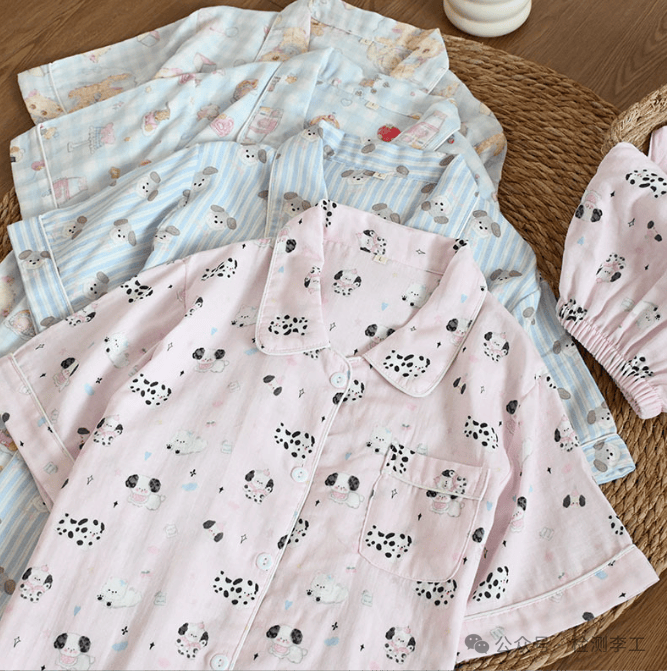
In addition to the 16 CFR 1610 flammability test, GCC certification for clothing products also involves other critical testing standards:
- CPSIA 101 (Lead Content): The fabric and accessories of clothing, such as zippers and buttons, must have lead content ≤100ppm. Lead is a toxic heavy metal, and long-term exposure can harm human health; thus, strict control of lead content is a basic requirement for ensuring consumer safety.
- 16 CFR 1303 (Lead Paint): If there are prints or coated fabrics on the clothing, the lead content in the paint must be ≤90ppm. This testing is essential for products like T-shirts with rich patterns and printed jackets.
(2) Understanding the Certification Process
- Selecting an Authoritative Laboratory: Finding a laboratory accredited by the CPSC is a key step to ensure that the testing results are widely recognized.
- Sample Submission and Testing: Prepare samples according to the laboratory’s requirements and send them to the laboratory. Since different colors and materials may affect test results, each style, color, and material must be sampled separately. For example, if a garment has multiple color patches or different material combinations, each color and material part must be tested individually. The laboratory will conduct comprehensive testing using professional equipment and methods, with the entire testing cycle typically taking 5-7 business days; some laboratories also offer expedited services.
- Obtaining Certificates and Reports: If the product passes all tests, the laboratory will issue a detailed test report and provide a GCC certificate. Merchants must keep these documents safe for platform audits or regulatory inspections.
(3) Certificate and Labeling Requirements
- GCC Certificate Content: The certificate must include detailed product descriptions, manufacturer information, test results, and laboratory qualifications. For example, it should clearly state the product’s style, material, target audience, and the name, address, and contact information of the testing laboratory.
- Composition Label: The fiber composition percentage of the clothing must be clearly labeled, with an error margin of ≤5%, and the country of origin must be indicated. For instance, a dress’s composition label should state “Cotton 60%, Silk 40%, Country of Origin: China.”
- Care Label: It must clearly inform consumers about the washing, drying, and ironing methods for the clothing to prevent safety issues due to improper care. For example, the care label may state “Gentle machine wash, low-temperature drying, medium-temperature ironing,” etc.
4. Important Considerations for Merchants
- Distinguishing Different Certifications: It is essential to clearly distinguish between GCC certification and CPC certification for products aimed at children aged 12 and under, as confusion can lead to issues. Using a GCC certificate for children’s clothing will not pass platform audits and regulatory checks.
- Ensuring Document Authenticity: The GCC certificate and related test reports submitted to TEMU and Amazon must be genuine and valid, issued by compliant laboratories. If any falsified documents are discovered, not only will the products be delisted, but merchants will also face severe penalties from the platform.
- Staying Updated on Regulations: U.S. consumer product safety regulations and platform policies are continually updated, and merchants should keep abreast of relevant information to timely adjust product certification strategies and production standards, ensuring compliance at all times.
For merchants selling clothing on TEMU and Amazon’s U.S. platform, a deep understanding of and strict adherence to the requirements of GCC certification, including the 16 CFR 1610 flammability test, is a vital prerequisite for opening the door to the U.S. market and achieving long-term stable operations. Only by ensuring product compliance can one establish a foothold in the fiercely competitive cross-border e-commerce sector and earn the trust of the market and consumers.