In today’s rapidly developing fields of artificial intelligence and the Internet of Things, microcontrollers (Single Chip Microcontrollers) still play an indispensable role. Whether in smart homes, industrial automation, or wearable devices, microcontrollers remain the “unsung heroes” of the hardware world. Today, we will discuss the “hardcore strength” of microcontrollers and how they have become the cornerstone of the smart era.

1. Microcontrollers: The “Veteran Newcomers” of the Embedded World
Microcontrollers were born in the 1970s and quickly became core components in electronic design due to their small size, low cost, and strong functionality. Despite the rise of high-performance chips like the ARM Cortex series and RISC-V, microcontrollers have not been replaced. On the contrary, they still dominate the 8-bit and 16-bit microcontroller market thanks to their low entry barriers, flexible development, and mature ecosystem.
Taking the classic 51 microcontroller as an example, its simple and intuitive architecture and rich peripheral resources still make it the first choice for university teaching and entry-level projects. Meanwhile, the STM32 series (based on the ARM Cortex-M core) has become a “versatile player” in industrial control and consumer electronics due to its high performance and cost-effectiveness. Data shows that over 10 billion microcontrollers are shipped globally each year, proving their strong vitality.
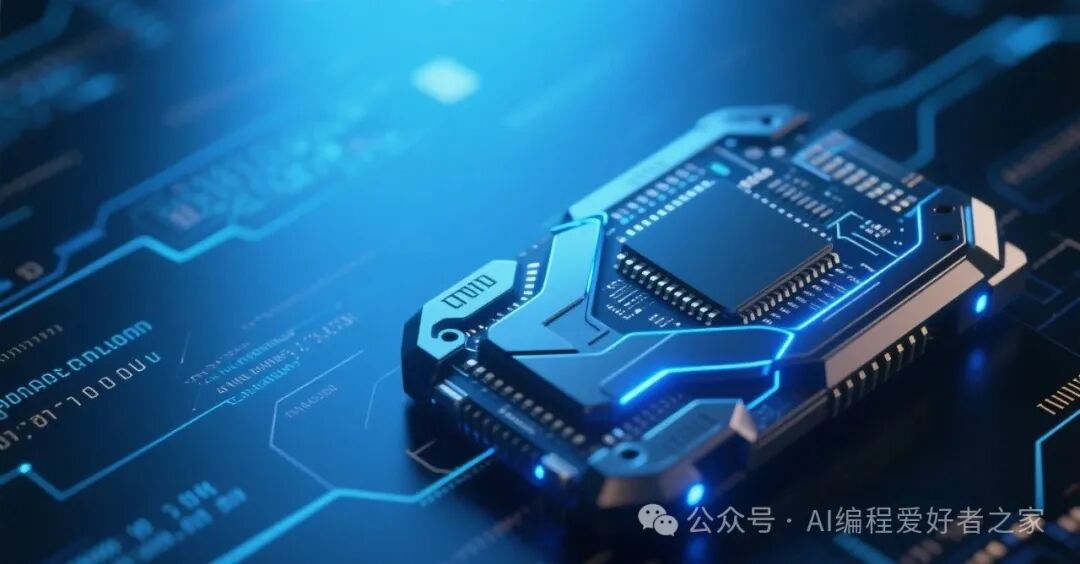
2. The “Hardcore Application Scenarios” of Microcontrollers
The “small size” of microcontrollers hides great energy, and the following three major fields are their main battlefields:
-
Smart Homes: The Leap from Switches to AI Microcontrollers are the “brains” of smart home devices. For example, by using an STM32 with a Wi-Fi module (like the ESP8266), developers can easily achieve remote control of appliances; combined with sensors (such as temperature and humidity sensors, light sensors), microcontrollers can also achieve automated adjustments. Furthermore, microcontrollers equipped with FreeRTOS can even handle edge computing tasks like voice recognition and image capture.
-
Industrial Automation: Ensuring Efficiency and Stability In industrial control, microcontrollers are responsible for data acquisition, logic control, and real-time communication. For instance, the automotive T-Box based on the NXP S32K series stores driving data via SD NAND and optimizes user preference settings; while the Bluetooth/WiFi module from Zhengji Technology provides wireless connectivity solutions for industrial equipment.
-
Education and Innovation: The Ladder from “Novice” to “Expert” Microcontrollers serve as a “training ground” for engineering students and hardware enthusiasts. From LED blinking experiments with the 51 microcontroller to practical RTOS projects with STM32 (like smart tracking cars), and cloud interaction with IoT development boards, the learning path for microcontrollers is clear and resource-rich. For example, the “HeTai Cup” university microcontroller competition has inspired countless innovative projects, showcasing the infinite possibilities of microcontrollers.
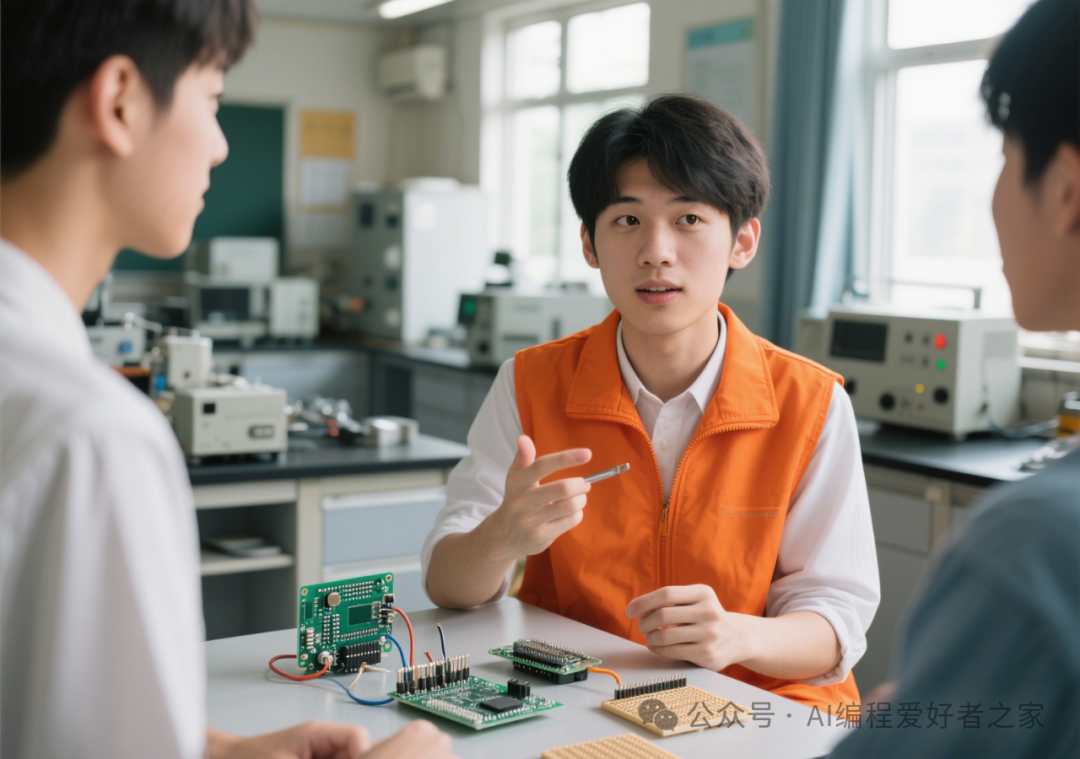
3. The Future of Microcontrollers: Dancing with AI and IoT
Despite the continuous iteration of high-performance chips, microcontrollers can still stand firm due to the following advantages:
- Low Cost and Low Power Consumption: In edge devices, the energy consumption and cost of microcontrollers are far lower than those of complex chips.
- Flexibility and Customization: By using a programmer (like the SinoWealth SH79F6481P supported by Anke Technology), developers can quickly adapt to different scene requirements.
- Ecological Compatibility: Series like STM32 and GD32 have formed a complete development toolchain, combined with open-source platforms (like Arduino and Jialichuang EDA), reducing development difficulty.
In the future, microcontrollers will be more deeply integrated into AIoT (Artificial Intelligence of Things). For example, by integrating AI acceleration modules, microcontrollers can achieve localized voice recognition; and with the help of cloud platforms (like Tuya Smart), the data processing efficiency on the device side will be further enhanced.
4. How to Get Started with Microcontrollers?
For beginners, the following learning paths are recommended:
- Entry Stage: Start with the 51 microcontroller or STM32F103 core board, mastering basic peripherals (like LEDs, buttons, serial ports).
- Advanced Stage: Learn RTOS (like FreeRTOS), sensor fusion (like accelerometers + gyroscopes), and communication protocols (like I2C, SPI).
- Practical Stage: Try IoT projects (like an ESP32 + Wi-Fi environmental monitoring system) or competition projects (like smart cars).
Conclusion Microcontrollers have never gone out of style; they are more like a “universal solution”—in the wave of the smart era, they are both the foundation and the starting point of innovation. Whether you want to switch to hardware development or explore the mysteries of AIoT, microcontrollers are your indispensable partner. Now, start your journey in this hardware revolution by lighting up an LED!
Follow us for more microcontroller development cases, tool recommendations, and industry dynamics!