Hello, friends! Today, I bring you a super practical “exclusive insight” – the CYB-32 corrosion-resistant level sensor! This amazing device can measure sulfuric acid, hydrochloric acid, and strong alkalis, made from polytetrafluoroethylene (PTFE) material, with various models to choose from. Exciting, right? Let’s discuss how to use this sensor to maximize its effectiveness!
🌟 First, let’s understand this sensor. The CYB-32 corrosion-resistant level sensor is made of polytetrafluoroethylene, a material that is corrosion-resistant and high-temperature resistant, capable of stable operation in various harsh environments. Moreover, it has a wide measurement range from 0 to 10 meters, easily handling various level measurement needs.
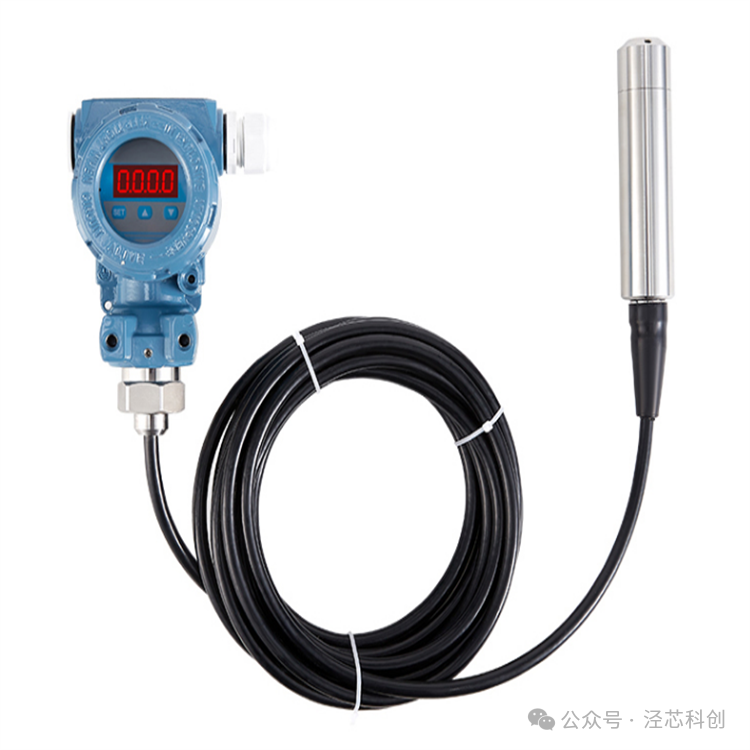
🔍 Next, let’s talk about how to install and use this sensor. First, determine the installation location, and then follow the instructions for installation. Note that during installation, ensure that the contact surface of the sensor with the liquid is clean and flat to avoid bubbles or impurities. After installation, perform system calibration to ensure the accuracy of the measurement data.
💡 Speaking of calibration, here’s a little tip. First, place the sensor at a known liquid level, and adjust the float on the sensor to align with the liquid surface. Then, record the signal value output by the sensor at this point; this will be the calibrated standard value. In the future, simply place the sensor in the liquid level to directly read the signal value and calculate the liquid level height.
🎯 Now, let’s discuss how to choose the appropriate model. The CYB-32 series level sensors come in various models, such as CYB-32A, CYB-32B, CYB-32C, etc. When selecting a model, consider the following factors:
- Measurement range: Choose an appropriate measurement range based on the actual liquid level height.
- Output signal: Select the appropriate output signal according to system requirements, such as 4-20mA, RS-485, etc.
- Contact method: Choose the appropriate contact method based on the characteristics of the liquid, such as float type, ultrasonic type, etc.
📈 During use, pay attention to the following points:
- Regularly check the sensor to ensure it is functioning properly.
- Be mindful of the temperature and humidity of the environment around the sensor to avoid damage.
- If abnormal measurement data is found, promptly investigate the cause to prevent losses.
💬 That’s all for today. I hope this “exclusive insight” helps you make the CYB-32 corrosion-resistant level sensor a reliable assistant! Friends, if you have any questions or insights, feel free to leave a comment and share! 🤗