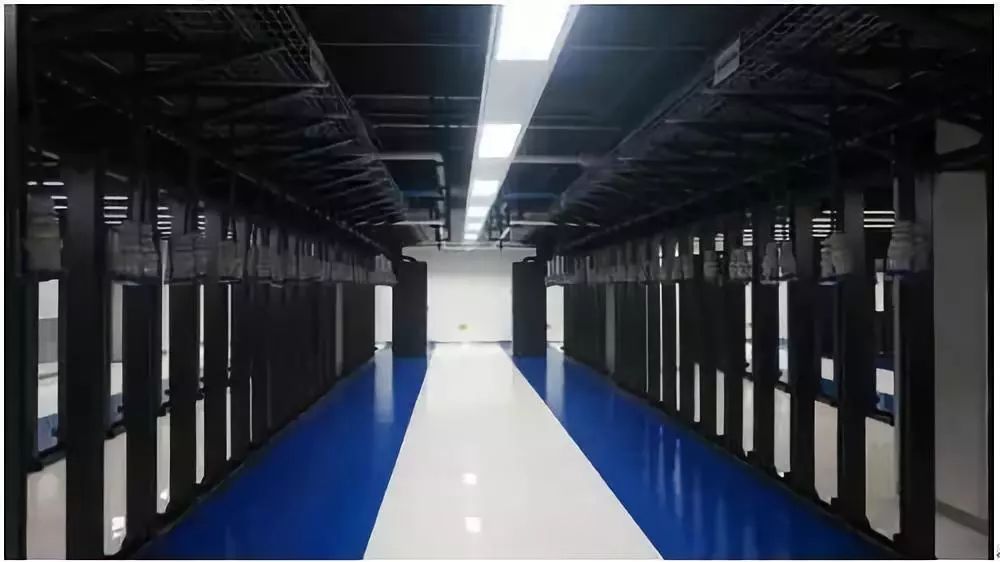
The amount of data today is growing exponentially, and this is no secret to anyone. The amount of data connected to the internet is rapidly increasing. This trend is affecting the way data centers are built in unexpected ways, especially in terms of the large-scale nature of data centers. As cloud computing and hybrid computing adopt emerging technologies like machine learning and artificial intelligence, the need for servers to utilize and process massive amounts of data continues to rise. So far, the scale of data center facilities has been increasing to meet these demands. However, larger scale no longer means higher standards; it often implies broader scope.
The strategy of building and operating large data centers in big cities is being threatened, as despite significant technological advancements, it is becoming difficult to cope with the sheer volume of data. The market demand in towns outside of large cities is growing, as these towns’ businesses and customers are generating and processing increasing amounts of data that cannot be fully serviced by large remote data centers. Instead, the increasing number of edge data centers is creating a scenario where the number of facilities is continually rising, while their scale will decrease. This is the future of data centers: large-scale computing with small-scale facilities.
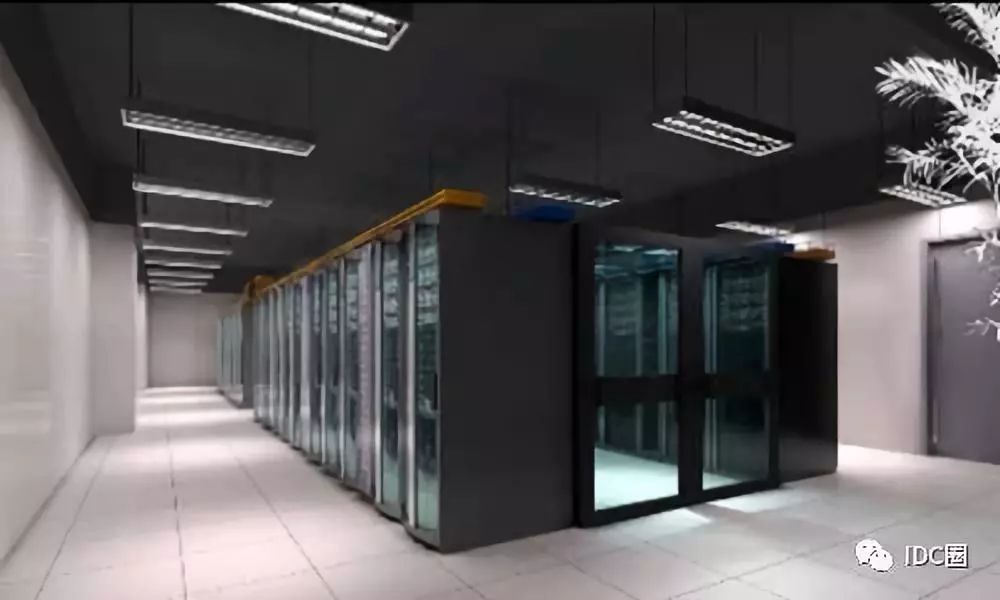
Hyperscale Data Centers
People may think of hyperscale data centers as a trend. However, hyperscale data centers are designed from the ground up for dense expansion, with a large number of servers deployed that can be switched on at any time, equipped with cooling systems capable of handling a wider temperature range, and power supplies that support the exponential demand of advanced technologies. Hyperscale data centers are designed to be powerful facilities that provide ample power while being more efficient in both data and energy.
The Trend of Edge Computing
Edge data centers are typically small remote management facilities that are part of large data centers, representing the best way to meet the needs of individuals and businesses. When many companies plan to shift their operations to cloud platforms provided by giants like Amazon, Google, and Microsoft, the trend of edge data centers seems to be at a disadvantage. However, not only is the evolution of enterprise data environments slowing down, but more and more companies are pushing for the construction and deployment of small local data centers. The demand from small and medium-sized enterprises is growing as they address latency issues that organizations can solve and profit from.
Edge computing is also an effective solution to the impending wave of IoT devices, as difficulties arise when people must rely on remote cloud computing systems. On the other hand, edge computing servers can process information from IoT sensors and devices locally, which means data can be collected faster and processing and analysis speeds can be accelerated.
This trend is also closely linked to the growing distrust of cloud computing services. For example, Facebook CEO Mark Zuckerberg’s testimony before the U.S. Congress and the implementation of the EU GDPR regulations are instances where cloud computing services have come under scrutiny. Edge computing positions security as both a selling point and a strategy for businesses and their users: faster access to their data, conveniently stored in locations protected by security protocols adopted by the enterprise.
Edge computing has become a part of the computing economy. It will meet significant computing demands, allowing more data to be available more quickly in more locations. The data volume required for increasingly complex daily computing tasks is growing exponentially, which means that even the most powerful hyperscale data centers are reaching their limits. The industry seems to be positioning small data centers as a more viable option and decentralizing them to ensure rapid computing does not concentrate in large-scale data centers.
As more edge data centers are built and deployed, their capabilities will become increasingly powerful, and their ongoing development in artificial intelligence and virtualization makes them a key infrastructure for businesses looking to maintain their own data sources and processing. With the scandals of data breaches in cloud computing services and the tightening of regulatory measures, many enterprises have slowed down their strategy of phasing out internal data centers, and the number of these facilities is on the rise.
Today, computing power is expanding outward aggressively, and the capacity of data centers is developing at an unimaginable speed. Building edge data centers in a wider geographic area seems to have better prospects than constructing hyperscale data centers. (Source: China IDC Circle)

 Click “Read Original” to follow the live broadcast of the 2018 Trusted Cloud Conference!