In Japanese dietary culture, cabbage holds an important position.
According to media outlet “Japan Today” and surveys conducted by Japan’s Ministry of Health, Labour and Welfare, among 32,000 participants, cabbage ranks among the top three vegetables consumed by Japanese people. The Japanese believe that regularly eating cabbage can reduce illness, which is backed by numerous scientific reasons. Moreover, in longevity countries like the United States and Japan, cabbage is also a staple on people’s tables. So, what unique health benefits does cabbage offer?
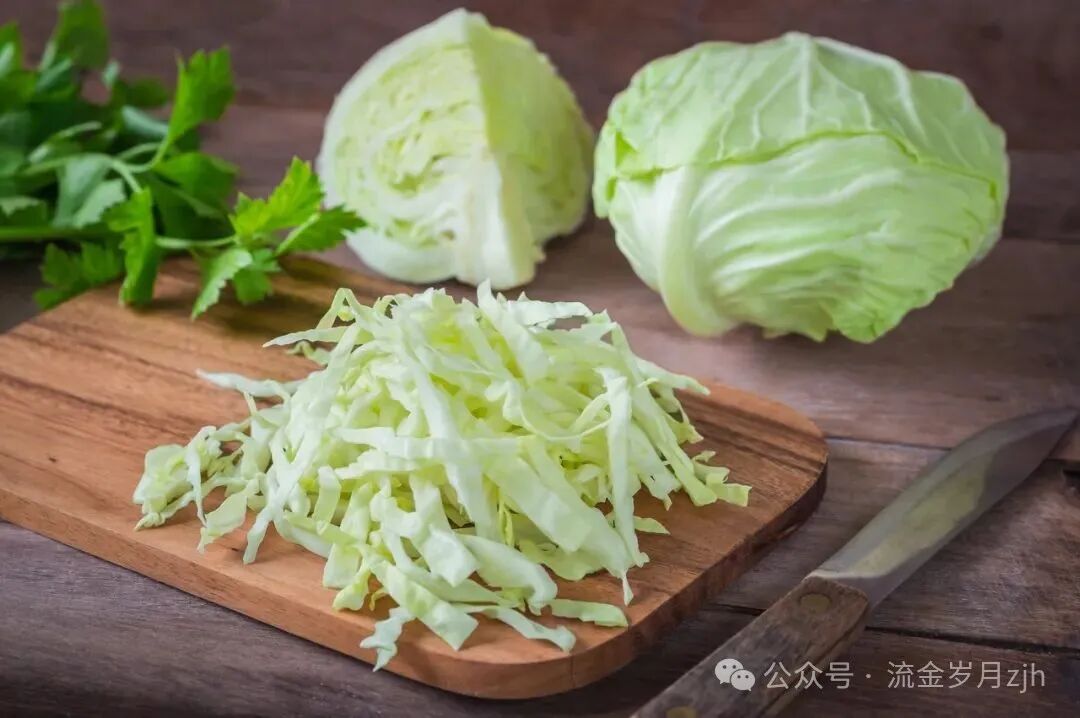
Unveiling the Health Benefits
1. Folic Acid Content 38 Times Higher than Apples
Research shows that every 100 grams of cabbage contains about 240 micrograms of folic acid, while 100 grams of apples contain only 6 micrograms of folic acid. This means that the folic acid content in cabbage is 38 times that of apples. Women preparing for pregnancy and those with anemia can benefit greatly from eating more cabbage.
Many people think that only pregnant women need to supplement with folic acid; however, middle-aged and elderly individuals also need to supplement appropriately. Studies have found that folic acid is involved in the metabolism of homocysteine, and high levels of homocysteine in the blood are one of the causes of arteriosclerosis, thrombosis, and cardiovascular diseases. Eating more foods rich in folic acid is beneficial for the metabolism of homocysteine. Additionally, folic acid is a key nutrient for the production of red blood cells and DNA; a deficiency can lead to anemia.
2. Dietary Fiber: Increases Satiety
Cabbage is not only low in calories but also has the significant advantage of being rich in dietary fiber. Those looking to lose weight can try eating 1/6 of a cabbage 10 minutes before meals, and by chewing slowly, trick the brain into feeling full, preventing overeating during main meals and accumulating unnecessary calories.
Moreover, an adequate intake of dietary fiber (especially for those who eat out often) helps with intestinal motility, aids digestion, lowers cholesterol, promotes smooth bowel movements, and maintains digestive system health.
3. Vitamin K and U: Anti-Ulcer Factors
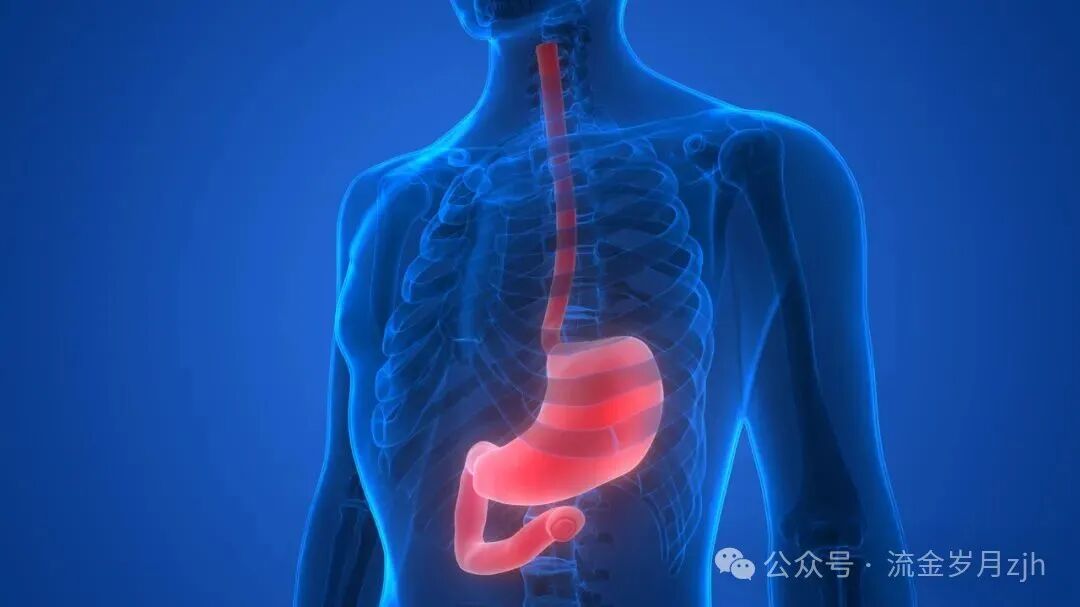
The lesser-known Vitamin U has gastrointestinal mucosal benefits, helping to suppress stomach acid, improve gastric mucosa, and prevent hangovers, similar to the effects of Vitamin K. For patients with gastrointestinal diseases, moderate consumption can help reduce gastrointestinal discomfort and prevent gastric ulcers and gastric cancer. However, Vitamin U is easily destroyed by heat, so it is recommended to shred cabbage and eat it as a salad, but make sure to wash it thoroughly to avoid pesticide residues!
4. Vitamin C: Beauty and Anti-Cancer
Cabbage can also enhance beauty! This is because cabbage is rich in Vitamin C, which protects the body from free radical damage, acting as a powerful antioxidant with anti-cancer effects, such as against breast cancer, lung cancer, and esophageal cancer. The Vitamin C content in cabbage is significantly higher than that in bok choy, providing the body with adequate Vitamin C to boost immunity, which is particularly beneficial for preventing colds during this changeable season.
Research shows that for every additional 100 milligrams of Vitamin C intake, the risk of lung cancer decreases by 7%, enhancing the immune system and accelerating wound healing, regulating the nervous system, and reducing the occurrence of Alzheimer’s and other degenerative neurological diseases.
5. Calcium: Strengthens Bones
Cabbage, along with all cruciferous vegetables (such as broccoli), is rich in minerals like calcium, magnesium, and potassium, especially calcium, which can prevent osteoporosis and bone degeneration.
6. Potassium: Lowers Blood Pressure
Doctors often advise patients with high blood pressure to reduce salt and oil intake, and studies indicate that adequate potassium intake can also lower blood pressure. Potassium is an essential mineral and electrolyte for normal bodily functions, primarily helping to eliminate excess sodium from the body through urine, thus aiding in blood pressure regulation and reducing hypertension levels, as well as alleviating edema.
Recommended Recipe: Stir-Fried Cabbage
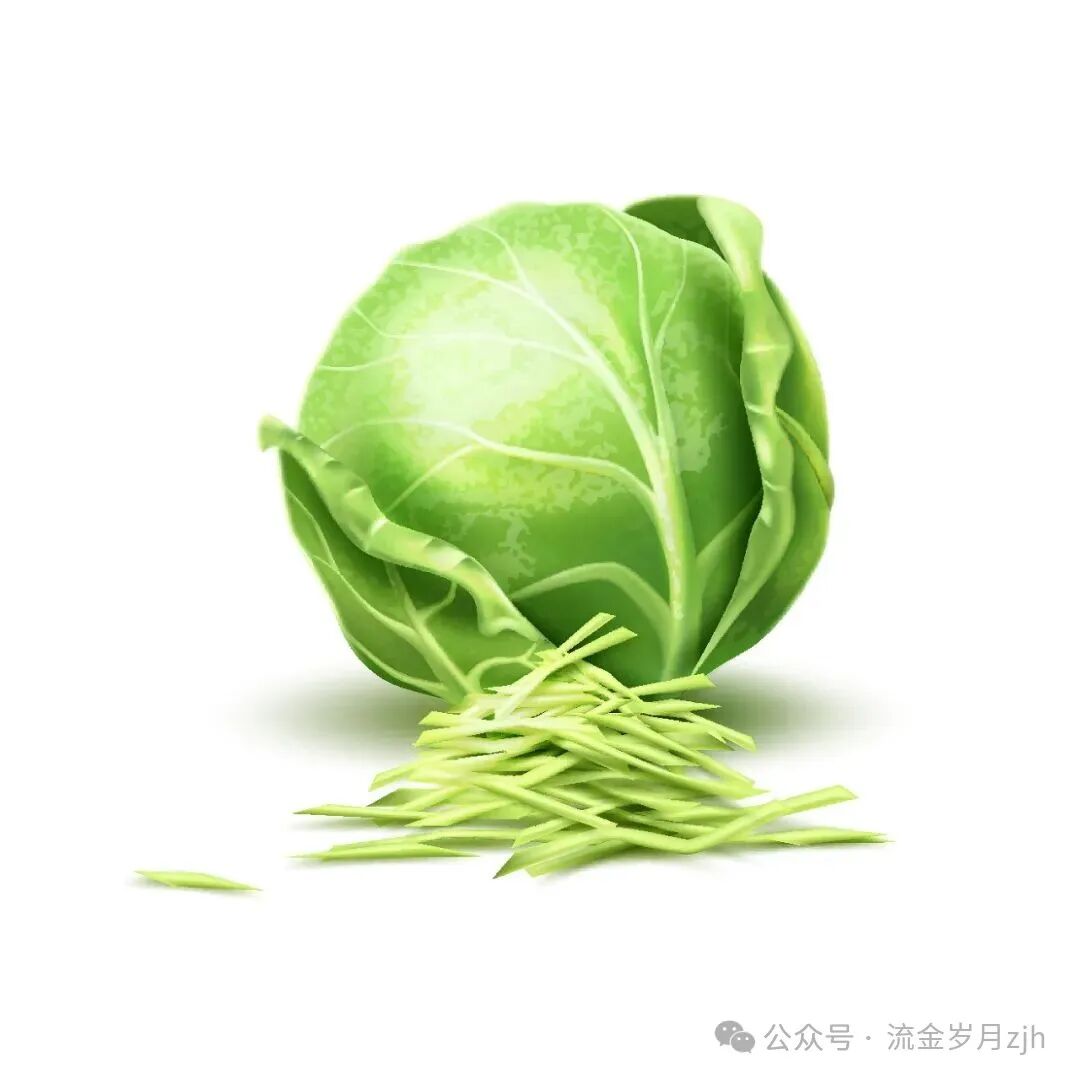
Ingredients: 400 grams of cabbage, cooking oil, a little salt, and chicken essence.
Preparation Method: Tear the cabbage into pieces, wash it, and drain the water. Then, add a spoonful of oil to the pan, heat the oil, and add the cabbage. Stir-fry over high heat until the cabbage is just cooked, then add an appropriate amount of salt and chicken essence, stir well, and serve.
Cabbage has many benefits, but not everyone can use it for weight loss. For example, those on medication should be cautious, as some drugs may interact with Vitamin K, such as anticoagulants, and cabbage is high in potassium, so those with poor kidney function or hyperthyroidism should also avoid excessive cabbage consumption.
Remember to give us a thumbs up 👍 and a little red heart ❤

Editor: Shaguo | Image Source: Tuchong Network/One Picture Network/Internet, etc.