
1
Various Types of Parts
a
CKD Parts
CKD is a term that is quite common!
The full English name is: Completely Knocked Down
The full German name is: in Einzelteile zerlegt
The Chinese explanation is: complete knockdown procurement / completely disassembled imported parts and assemblies.
Do you think there are some differences among the Chinese, English, and German? There are actually some stories behind this.
CKD in English means “completely disassembled“. In other words, CKD cars are imported or introduced when the cars are in a completely disassembled state, and then all the parts are assembled into a complete vehicle.
A practical significance is that since the procurement is for parts rather than assemblies, it can save a lot of costs.
b
SKD Parts
After CKD, let’s take a look at SKD.
The full English name is: Semi Knocked Down or Special Knocked Down
The Chinese explanation is: imported semi-disassembled assemblies/components.
In the early Santana cars, the domestically produced parts were only tires, radios, etc., while most assemblies and parts were imported in SKD form.
There are actually other KD parts, such as DKD (Direct Knocked Down) direct assembly or finished assembly, but they are rarely used in practice.
c
DB Parts
The full German name for DB is Direktbezug, which means direct procurement.
Directly from the original suppliers of the headquarters, rather than procured through the headquarters CKD department channels, used for normal mass production of imported parts, including special parts and parts that are converted from imported to direct procurement.
The price of direct procurement parts is generally lower than the entry price of CKD imported parts, and direct procurement parts replace CKD parts; new product development and other technical reasons leading to the inability to localize can also lead to the replacement of CKD parts with direct procurement parts.
However, the economic aspect of logistics costs must be taken into account.
To clarify, some suppliers internally designate some parts as DB parts, meaning that certain parts are directly specified for procurement by the OEM (the specification is also determined by the OEM, just managed on behalf).
It’s just a definition, no problem.
d
BMG Parts
The full German name for BMG is:
Baumustergenehmigungspflichtige Teile
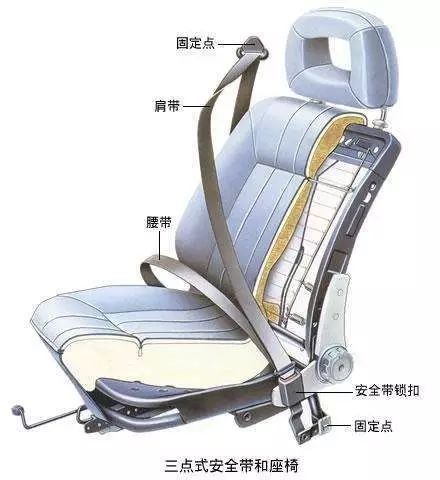
Refers to parts that require engineering sample approval, generally referring to important parts that involve safety, platforms, etc., which need to be approved by the German headquarters for engineering samples. It is reported that some characteristics of certain BMG parts have also been relaxed to allow domestic OEMs to approve.
e
COP Parts
Its full English name is: Carry-Over Parts, carry-over parts.
Refers to parts from the previous generation or other models of the same brand that are used directly in new models without technical changes.
f
KT
The full German name is: Kaufteile
The full Chinese name is: purchased parts
Refers to parts that need to be purchased from external suppliers, as opposed to self-made parts (parts produced by the company itself).
Brothers, do you know why the new system is called KTM now!
2
Parts Reporting/Quality Control Points
Many friends must have heard of ZP7 and ZP5 parts, what are they? Let’s first take a look at what ZP means.
ZP is an abbreviation of the German word Zählpunkt, which means quality control point. In order to supervise the quality of the entire production process in the workshop, quality control points are set up as the last link before delivery to the next process, supervised and evaluated by quality-related personnel from the OEM.
We all know that the four major processes of the complete vehicle are stamping、welding、painting、assembly. The setting of quality control points is also generally based on this logic.
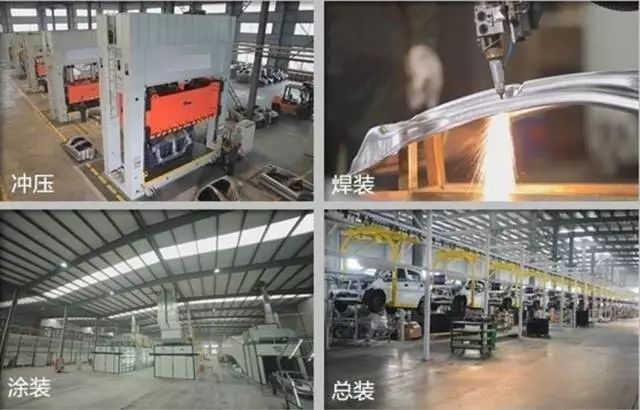
Four major processes of the complete vehicle
a
ZP4
Because the engine is quite critical, a control point is also set here, which is ZP4, engine quality control point. Generally, quality assurance personnel will conduct acceptance inspections on the engine assemblies sent to the engine assembly workshop according to the corresponding quality requirements, while verifying the inspection content of the workshop assembly process card. After completely meeting the quality requirements, they are released.
b
ZP5
Stamping and welding are combined, and a white body quality control point (ZP5) is set up. It is called a white body because it has not yet been painted.
The body workshop conducts assembly of the white body, and quality assurance personnel will conduct acceptance inspections according to the corresponding quality requirements (such as body matching gaps, body surface, welding, etc.).
c
ZP5a
After stamping and welding, it goes to painting, and the painting quality control point is ZP5a. As for why it’s called ZP5a and not ZP6, sorry, I don’t know either. After the painting workshop completes the painting of the body, quality assurance personnel will conduct acceptance inspections according to the corresponding quality requirements (paint surface quality, paint corrosion prevention function).
d
ZP6? No! It’s ZP7
ZP7 is the quality control point after the assembly of the assembly workshop.
Acceptance inspections are conducted according to the corresponding quality requirements (electrical functions, parts gap matching, overall surface quality, emission standards, overall dynamic performance).
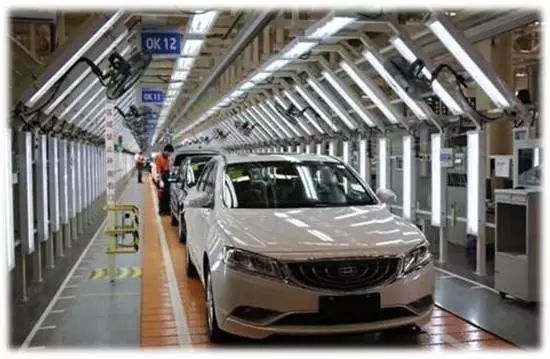
Assembly reporting
e
Sorry, there’s also ZP8
Although the four major processes have ended, there is still a quality control point, which is ZP8. Quality assurance personnel will conduct final acceptance inspections on finished vehicles sent for inspection from the assembly workshop according to the corresponding quality requirements (electrical functions, parts gap matching, overall surface quality) and verify the inspection content of the workshop assembly process card, ultimately issuing the vehicle qualification certificate.
What is the difference from ZP7?
On one hand, there is a difference in personnel execution; ZP7 is on-site assembly personnel, while ZP8 is quality assurance personnel.
On the other hand, there is a difference in the objects being inspected; ZP7 inspects the assembly process, while ZP8 inspects the entire process, with many items related to the overall performance of the vehicle.
3
Different Model Revision Suffixes
OEMs now not only have more models, but each model also has different revisions.
a
FL
The full English name of FL is Facelift, which means a major change in styling. It can be understood as lifting a face (Facelift, lifting the face up a bit).
Generally speaking, a model product will undergo a Facelift only once during its entire lifecycle.
b
GP
Its full German name is Große Produktaufwertung, referring to major product improvements. The scope of changes for GP is similar to that of Facelift, but if differentiated, the scope of GP changes is slightly larger.
I heard a friend say that similar revisions in the future will be called PA, and GP is not used much anymore.
Like FL, a model product will undergo a GP only once during its entire lifecycle.
c
NF
The full German name is: Nachfolger. The full Chinese name is: successor model, also referring to a successor. I initially understood it as Newface, a new face, although the definition is different, it is still quite fitting.
The successor model generally refers to a new model that will replace the currently produced model.
4
Project/Development Stages
Abbreviations for some development processes of major OEMs:
a
PEP
The full German name is: Produkt Entstehungsprozess
The full Chinese name is: product formation process, product birth process, product development process
Generally includes the following important links:
PM product mission, PP project premise, PD product definition, PF project feasibility, KE scheme decision, DE design decision, DF design freeze, BF procurement approval, LF production start approval, VFF pre-production approval, PVS trial production approval, 0S zero batch, SOP start of production.
Domestic OEMs generally start from the PF node. The previous links are considered the preparation stage for PF.

Main nodes of PEP (image source from the internet)
b
PM
The full German name is: Produkt-Mission
The full Chinese name (suggested): product mission
PM is the first link defined in PEP. The decision for PM is mainly based on a simple explanation of the project in terms of market, technical, financial goals, and schedule forecasts, as well as the product’s market positioning description.
c
PP
Once the mission is clear, we need to think about what conditions are required to achieve this mission, which is project premise.
The full German name is: Projekt-Prämissen
Compared to PM, the decision for PP requires more detailed data on market, financial, styling, product, manufacturing, and suppliers.
For example, market: product characteristics and market positioning, price premises, sales forecasts, engine configuration requirements, and whether it is necessary to conduct product market research.
Another example is financial: calculating model profit KPE, model marginal contribution EB, unit cost/cost target; financial analysis of the previous generation model.
d
PD
Now that we plan to do this project, let’s define the target of the project. This is PD, product definition.
The full German name is: Produkt-Definition
The decision for PD requires providing descriptions and status reports of the product technical scheme, sales volume and price targets, model including engine ratio, target cost breakdown – detailed to unit cost, departmental expenses, styling positioning, 3D styling display, etc.
e
PF
After pondering so much, can these small goals be achieved? We need to analyze PF, project feasibility.
The full German name is: Projekt-Feasibility
The decision for PF needs to be based on user positioning, competitor analysis, sales volume, price, and financial target commitments, to complete the preliminary selection of styling schemes, and the technical department should also complete the preliminary product technical description at this stage, explaining the approximate range of changes to the product. Domestic OEMs generally start to intervene from this stage.
f
KE
Through feasibility analysis, if we can do it, then let’s do it. Determine the feasible scheme first, which is KE, scheme decision.
The full German name is: Konzept-Entscheid
KE mainly needs to include technical product descriptions, project status reports, market evaluations of styling schemes, specific parts’ target costs, departmental expense target commitments, results of styling two-option selections, product scheme acceptance, starting to inquire about parts within the model platform range, concept prototypes, etc.
g
DE
After the major scheme decision, let’s look at the specifics, the overall styling is very critical, first is DE, design decision.
The full German name is: Design-Entscheid.
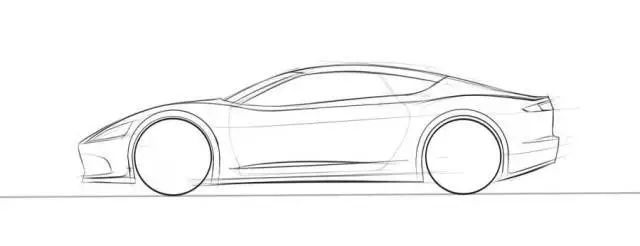
DE requires a project task book, product research, confirmation of project economic viability, styling two-option selections, and starting to plan and approve parts within the platform range and designating suppliers for those parts.
h
DF
After the design decision, the next step is of course DF, design freeze.
The full German name is: Design-Freeze.
This step means that the product design cannot be changed anymore, and the planning approval and supplier designation for parts related to the design must also be completed within the previous month, confirming the manufacturability of the product on the prototype, determining quality targets, and providing project financial status, etc.
i
BF
Next, it’s time to spend big money, which is BF, procurement approval.
The full German name is: Beschaffungsfreigabe .
BF is a milestone for a project. From this point in time, high capital investment begins to be initiated to procure the materials and equipment needed for production.
In this step, design data changes are completely frozen, and the B-F for parts related to the design are completed (including part geometric dimension data and raw materials and procurement approved parts list), and the manufacturing of molds for parts related to the design begins.
j
LF
Now that a lot of money has been spent, production still has to be done, and before the production starts, approval is still required, which is LF, production start approval.
The full German name is: Launchfreigabe.
LF is generally an important step that needs to be completed one year before the product goes into production SOP. It is an important node in the project approval process and is a recognition work conducted before the project officially starts trial production to check whether the conditions for trial production are met.
LF requires that preparations for trial production be made from market, product, and production aspects.
k
VFF
VFF is also called pre-production approval of the complete vehicle.
The full German name is: Vorserien-Freigabe-Fahrzeug.
VFF mainly requires acceptance trials of pre-production vehicles to determine the status of pre-production vehicles and to prepare for the next step of batch pre-production PVS. In the past, before the PVS vehicle, only trial prototypes made from non-batch parts provided by suppliers were used to meet the requirements of styling and testing functions (a pre-rehearsal before batch).
It is a rehearsal for PVS, aiming to optimize production equipment and processes by assembling vehicles with batch trial mold parts and verify the matching and dimensional stability of batch mold parts, as well as the readiness of suppliers, so that problems can be discovered and solved early, ensuring that parts can achieve a score of 3 during PVS, and the processing maturity at the start of batch production is improved.
The VFF vehicle is in an intermediate state between Prototyp and PVS.
l
PVS
PVS refers to batch trial production, producing trial batches.
The full German name is: Produktion-Versuchs-Serie.
At this stage, all individual parts and assemblies are in place and the complete vehicle is manufactured under batch conditions for the first time (this is also the main difference from VFF), to practically verify the suitability of all equipment and processes for batch production.
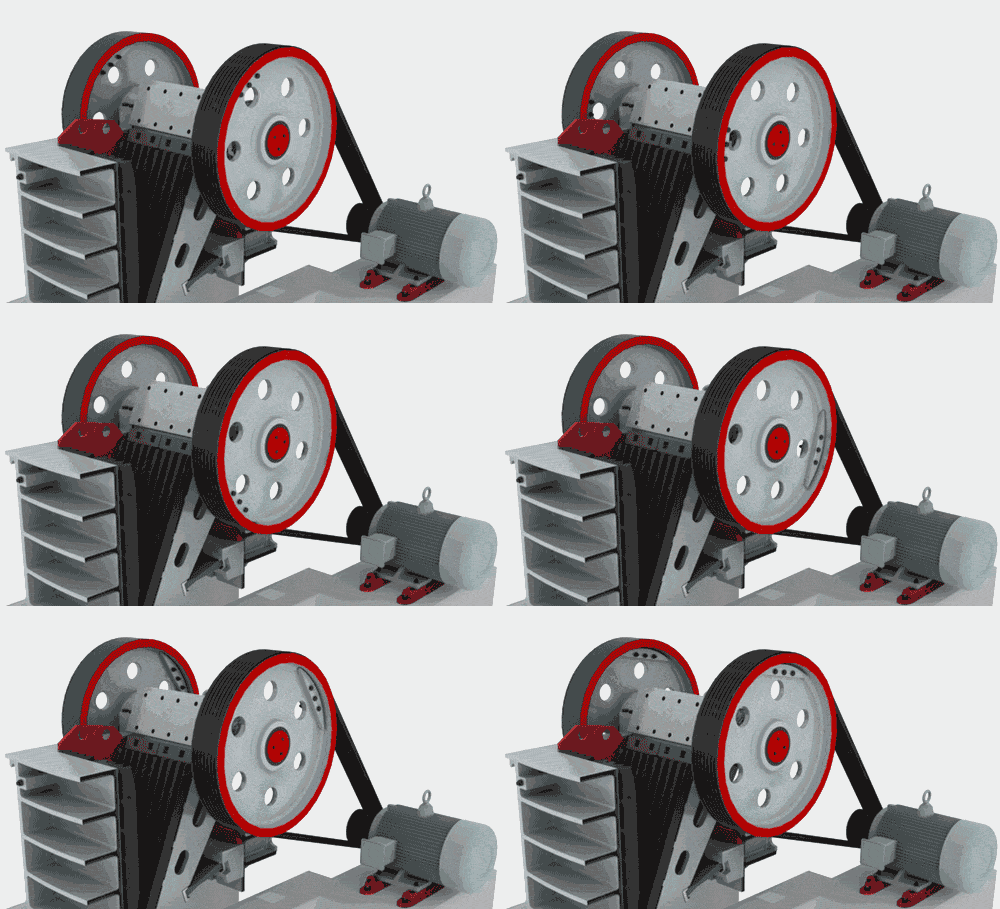
It is an experimental production conducted before the zero batch 0S, which is a rehearsal for batch production to verify whether the planned batch production process meets technical, logistical, and quality requirements, to discover problems in advance, list problems, and solve discovered problems before the zero batch 0S, at the latest before batch production.
m
0S
0S is the legendary zero batch.
The full German name is: Null-Serie.
0S is the last rehearsal before batch production SOP in PEP. It is produced at the planned batch production speed and rhythm to discover potential problems that may arise under batch production conditions.
n
SOP
SOP refers to batch production, starting batch production.
The full English name is: Start of Production.
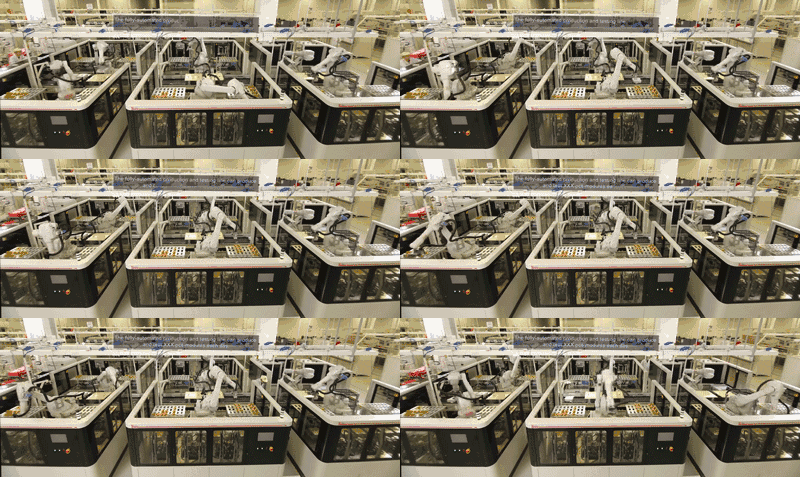
Oh my, batch production has finally started
Conditions for batch production are listed as follows:
– Completion of approval for all parts’ tooling samples;
– Batch plan approval for the quantity required for market launch;
– Sufficient parts available for production launch and to meet the vehicle quantity required for the production start curve;
– Confirmation of the production start curve;
– Passing the group acceptance test KAF;
– Achieving the quality targets for batch production.
o
ME
ME refers to market launch. The full German name is: Markteinführung.
ME is the last link in PEP, referring to formally launching the mass-produced products to the market and selling them to end users through the experience merchant network.

Is that it? Nonono, there are still many abbreviations. I found a list of 500 commonly used automotive terms in English, so hurry up and save and share it!
A
AFS: Adaptive Lighting System
AYC: Active Yaw Control System
ASC: Active Stability Control System
ABS: Anti-lock Braking System
ASR: Anti-slip System
ASL: Automatic Volume Control System / Gear Shift Locking Device
AUX: Audio Input Port
ADS: Adaptive Damping System
ACC: Adaptive Cruise Control System / Distance Sensing Cruise Control System
AWD: All-Wheel Drive System
ACD: Active Center Differential
AMT: Electronic Automatic Transmission / Electronic Controlled Mechanical Automatic Transmission
All-Speed TCS: All-Speed Traction Control System
ACIS: Electronic Control Air Intake Flow System / Toyota Variable Intake Manifold System
ABD: Automatic Brake Differential System
AUTO: Automatic Switching Four-Wheel Drive
ASC+T: Automatic Stability and Traction Control System
ABC: Active Body Control
ARP: Active Roll Protection
AFM: Dynamic Fuel Management System
APEAL: New Car Satisfaction
AT: Automatic Transmission
AOD: Electronic Control On-Demand Transmission
AACN: Fully Automatic Collision Reporting System
ARTS: Intelligent Airbag System
AWS: Rear Collision Neck Protection System
AVS: Adaptive Variable Suspension System
ATA: Anti-theft Alarm System
ALS: Automatic Body Balance System
ARS: Anti-slip System
ASPS: Anti-Slip Protection System
ASS: Adaptive Seat System
AQS: Air Quality System
AVCS: Active Valve Control System
ASF/Audi Space Frame: Audi All-Aluminum Body Frame Structure
A-TRC: Active Traction Control System
AHC: Oil Pressure Automatic Vehicle Height Adjustment
AMG: Quick Shifting Automatic Transmission
AHS2: “Dual Mode” Full Hybrid System
AI: Artificial Intelligence Shift Control
ARTS: Adaptive Limitation Protection Technology System
ACU: Airbag Control Unit
AP: Constant All-Wheel Drive
AZ: Engaged All-Wheel Drive
ASM: Dynamic Stability System
AS: Steering Arm
APC: Pre-Spray Amount Control
Active Light Function: Active Lighting Function
ACE: Advanced Compatibility Engineering
AWC: All-Wheel Control System
ASTC: Active Stability and Traction Control System
B
BA: Emergency Brake Assist System
BEST: EU Bioethanol Promotion Project
Brake Energy Regeneration: Brake Energy Recovery System
BLIS: Blind Spot Information System
BAS: Brake Assist Device
Biometric Immobilizer: Biometric Anti-Theft System
BAR: Atmospheric Pressure
BDC: Bottom Dead Center
B: Horizontally Opposed Multi-Cylinder Engine
BF: Leaf Spring Suspension
BCM: Body Control Module
BMBS: Blow-Out Monitoring and Braking System
C
CCS: Intelligent Cruise Control System
CVVT: Continuously Variable Valve Timing
CVT: Continuously Variable Transmission
CZIP: Clean Area Internal Components
CVTC: Continuously Variable Valve Timing Mechanism
CBC: Cornering Brake Control System
CNG: Compressed Natural Gas
CDC: Continuous Damping Control
C-NCAP: China New Car Assessment Program
CCA: Cold Start Battery
CRDI: Common Rail Direct Injection Diesel Engine
CFK: Carbon Fiber Composite Material
Child Protection: Child Protection
CPU: Microprocessor
CZ3: 3-Door Sedan
CATS: Continuous Adjustment Tracking System
CRV: Compact Recreational Vehicle
CUV: Crossover Vehicle
CZT: Turbocharged Model
CTS: Water Temperature Sensor
CKP: Crankshaft Position Sensor
CC: Cruise Control System
CFD: Computational Fluid Dynamics Simulation
Cuprobraze Alliance: Copper Brazing Technology Alliance
Cuprobraze Technology: Copper Brazing Technology
CCD: Continuous Control Damping System
Curb Weight: Vehicle Curb Weight
Cross Weight: Vehicle Gross Weight
CKD: Imported Knocked Down Assembly
D
DSC: Dynamic Stability Control System
DSP: Dynamic Shift Program
DSTC: Dynamic Stability and Traction Control System
DOHC: Dual Overhead Camshaft
DSG: Dual Clutch Transmission
DCS: Dynamic Stability System
DBW: Electronic Throttle
DSR: Downhill Speed Control System
DATC: Digital Anti-Theft Control System
DLS: Differential Locking System
DSA: Dynamic Stability Assist System
DAC: Downhill Assist Control System
DDC: Dynamic Driving Control Program
DIS: Distributor-less Ignition System
DLI: Toyota Distributor-less Ignition System
DSC: Dynamic Stability Control Program
DOD: Displacement On Demand
Dynamic Drive: Active Stabilizer Bar
D: Common Rail Diesel Engine
DD: Direct Injection Diesel Engine
DQL: Double Lateral Arm
DB: Damper Support
DS: Torsion Bar
Delphi Common Rail: Delphi Diesel Common Rail System
DTC: Dynamic Traction Control System
DHS: Dynamic Handling System
DRL: Daytime Running Lights
Doppel Vanos: Fully Variable Timing Adjustment
DPF: Diesel Particulate Filter
E
ECT-I: Intelligent Electronic Control Automatic Transmission
ESP: Electronic Stability Program
EBD: Electronic Brakeforce Distribution
EDL: Electronic Differential Lock
EGR: Exhaust Gas Recirculation System
EFI: Electronic Fuel Injection Control System
EVA: Emergency Brake Assist System
EPS: Electronic Power Steering System
EHPS: Electronic Hydraulic Power Steering
ECU: Electronic Control Unit
EMS: Engine Management System
ECC: Electronic Climate Control
ETCS-I: Intelligent Electronic Throttle Control System
EBA: Electronic Brake Assist System
ECM: Electronic Control Module
EPAS: Electric Power Assisted Steering
EMV: Multi-Functional Display Control System
EHPAS: Electronic Hydraulic Power Assist System
ETC: Traction Control System
ELSD: Electronic Limited Slip Differential
ECVT: Continuously Variable Transmission
ED: Direct Injection Gasoline Engine
EM: Multi-Point Fuel Injection Gasoline Engine
ES: Single-Point Fuel Injection Gasoline Engine
ESP Plus: Enhanced Electronic Stability Program
EPB: Standard Electronic Handbrake
ESC: Energy Absorbing Steering Column
ETS: Electronic Traction Support System
ECT: Electronic Control Automatic Transmission
EBD: Electronic Brakeforce Distribution
EHB: Electronic Hydraulic Brake Device
EGO: Exhaust Oxygen Content
EBCM: Electronic Brake Control Module
EECS|EEC: Electronic Engine Control
ESA: Electronic Ignition Device
ENG: Engine
ECS: Electronic Suspension
ECO: Economic Curve
EVM: Pressure Regulating Solenoid Valve
EVLV: Torque Converter Lock-up Solenoid Valve
EPDE: Flow Control Solenoid Valve
ESP Plus: Enhanced Electronic Stability Program
EDS: Electronic Differential Lock
ERM: Roll Stability System
F
FSI: Gasoline Direct Injection Engine
FBS: Brake Assist
FPS: Fire Protection System
FF: Front Engine Front Drive
Four-C: Continuously Adjustable Chassis Concept System
FR: Front Engine Rear Drive
FFS: Ford Folding System
FCV: Fuel Cell Concept Vehicle
Front Impact: Frontal Collision
FAP: Particulate Filter Device
FWD: Front-Wheel Drive
FRV: Multi-Functional Recreational Vehicle
FI: Front Longitudinal Engine
FQ: Front Transverse Engine
FB: Elastic Support
Full-time ALL: Full-Time All-Wheel Drive
G
GPS: Global Positioning System
GDI: Gasoline Direct Injection
GF: Rubber Spring Suspension
GLOBAL SMALL STYLISH SALOON: Global Small Stylish Sedan
H
HPS: Hydraulic Power Steering
HBA: Hydraulic Brake Assist
HDC: Hill Descent Control System
HRV: Two-Door Hatchback Recreational Vehicle
HMI: Human-Machine Interface System
HSLA: High Strength Low Alloy Steel
HSD: Hybrid Drive Technology Concept
HSA: Hill Start Assist Device
HUD: Head-Up Display System
HPI: Gasoline Direct Injection Engine
HAC: Hill Assist Control
HC: Hydrocarbons
Haldex: Intelligent Four-Wheel Drive System
HID: High-Intensity Discharge Headlights
HI: Rear Longitudinal Engine
HQ: Rear Transverse Engine
HP: Hydraulic Suspension Damping
HF: Hydraulic Suspension
I
ICC: Intelligent Cruise Control System
IAQS: Interior Air Quality System
IDIS: Intelligent Driving Information System
I-DSI: Dual Spark Plug Ignition
I-VTEC: Variable Valve Timing and Lift Electronic Control System
Instant Traction: Instant Traction Control
Intelligent Light System: Intelligent Lighting System
ITP: Intelligent Thermal System
IMES: Electrical System Intelligent Management
Intelli Beam: Automatic Headlight Adjustment
IMA: Hybrid System
ITS: Intelligent Transportation System
IDS: Interactive Driving System
ILS: Intelligent Lighting System
ISC: Idle Speed Control
IC: Inflatable Curtain
IDL: Idle Control
I-Drive: Intelligent Integrated Operating System
ICM: Ignition Control Module
Intelligent Light System: Intelligent Lighting System
IVDC: Interactive Vehicle Dynamics Control System
J
No technical content was found, only familiar ones like JES, JPH
K
KCC: Key Control Characteristics
KCDS: Key Characteristics Identification System
KPC: Key Product Characteristics
L
LSD: Limited Slip Differential
LED: Light Emitting Diode
LOCK: Locking Four-Wheel Drive
LPG: Liquefied Petroleum Gas
LDW: Lane Departure Warning System
LDA: Air Supply Quantity Regulating Device
LVA: Air Supply Component
LL: Longitudinal Arm
LF: Air Spring Suspension
Low Pressure System: Low Pressure System
LATCH: Child Seat Fixing System
M
MRC: Active Electromagnetic Induction Suspension System
MPS: Multi-Purpose Sedan
MDS: Multi-Displacement System
MSR: Engine Drag Torque Control System
MUV: Multi-Utility Vehicle
MSLA: Medium Strength Low Alloy Steel
MMI: Multi-Media Interaction System
MT: Manual Transmission
MPV: Multi-Purpose Vehicle
MBA: Mechanical Brake Booster
MPW: Urban Multi-Functional Vehicle
MAP: Intake Manifold Absolute Pressure
MASR: Engine-Intervened Traction Control
MAF: Mass Air Flow Sensor
MTR: Speed Sensor
MIL: Malfunction Indicator Light
Multi-Crossover: Multi-Functional Crossover Vehicle
Multitronic: Multi-Polar Automatic Transmission
MI: Mid-Engine Longitudinal
MQ: Mid-Engine Transverse
MA: Mechanical Supercharging
ML: Multi-Directional Axle
MIVEC: Intelligent Variable Valve Timing and Lift Control System
N
NICS: Variable Intake Manifold Length
NCAP: European New Car Assessment Program
Nivomat: Automatic Body Leveling System
NOR: Normal Mode
NVH: Noise and Vibration Reduction Device
NOS: Nitrous Oxide Boost System
O
OBD: On-Board Diagnostics
OHB: Optimized Hydraulic Braking
OHV: Overhead Valve, Side Camshaft
OD Gear: Overdrive Gear
OHC: Overhead Camshaft
P
PASM: Porsche Active Suspension Management
PSM: Porsche Stability Management System
PTM: Porsche Traction Management System
PRESAFE: Preventive Safety System
PCC: Vehicle Communication System
PODS: Front Row Seat Occupant Sensing System
PCCB: Porsche Ceramic Composite Brake System
PATS: Electronic Anti-Theft System
PDC: Parking Distance Control System
PGM-FI: Intelligent Control Fuel Injection
Pole Test: Pole Collision
Pedestrian Impact Test: Pedestrian Collision
PTS: Parking Distance Detection
PCV: Crankcase Ventilation
PCV Valve: Crankcase Ventilation One-Way Valve
PCM: Power Control Module
PWR: Power Mode
PSI: Tire Pressure
PD: Pump Nozzle
PDCC: Porsche Dynamic Chassis Control
PAD: Front Passenger Side Airbag
Part-time: Part-Time Four-Wheel Drive
PEM: Fuel Pump Electronic Module
Q
QLT: Sensor to Check Engine Oil Level, Temperature, and Quality
Quattro: All-Wheel Drive System
QL: Lateral Arm
QS: Lateral Stabilizer Bar
R
RSC: Roll Stability Control System
RAB: Instant Alert Brake
ROM: Anti-Roll Stability System
RISE: Reinforced Safety Collision
RSCA: Roll Sensing Airbag Protection
RR: Rear-Engine Rear Drive
RFT: Run-Flat Tire
RDK: Tire Pressure Monitoring System
RWD: Rear-Wheel Drive
RSS: Road Sensing System
RC: Reserve Capacity of Battery
Ray Tracing: Real-Time Ray Tracing Technology
R: Inline Multi-Cylinder Engine
RES: Remote Start Key
Real-time: Real-Time Four-Wheel Drive
S
SFS: Flexible Fuel Technology
SRS: Airbag System
SH-AWD: All-Wheel Drive Control System
SMG: Sequential Manual Transmission
Symmetrical AWD: Symmetrical All-Wheel Drive System
SBW: Steer-by-Wire
SIPS: Side Impact Protection System
SUV: Sport Utility Vehicle
SBC: Electronic Brake Control System
Servotronic: Speed-Sensitive Power Steering System
SSUV: Super SUV
SID: Driving Information Display System
Side Impact: Side Collision
SDSB: Door Anti-Collision Steel Beam
SLH: Automatic Locking Axle Center
S-AWC: Super All-Wheel Control System
SSS: Speed-Sensitive Steering System
SVT: Variable Valve Timing System
SCR Technology: Selective Catalytic Reduction Technology
SCCA: Sports Car Club of America
SS4-11: Super Select Four-Wheel Drive
SPORT: Sport Curve
SACHS: Gas-Liquid Twin-Tube Shock Absorber System
SOHC: Single Overhead Camshaft
SAHR: Active Head Restraint
SDI: Naturally Aspirated Super Diesel Engine
ST: Continuously Variable Transmission
SL: Slanted Arm
SA: Integral Axle
SF: Spiral Spring Suspension
S: Disc Brake
SI: Internally Ventilated Disc Brake
SFI: Sequential Multi-Point Fuel Injection Engine
SF\CD: Gasoline\Diesel Universal Oil
SAV: Sport Activity Vehicle
T
TCL: Traction Control System
TCS: Traction Control System
TRC: Active Traction Control System
TDI: Tire Failure Monitor Turbo Direct Injection Diesel Engine
TSA: Trailer Stability Assist
TPMS: Tire Pressure Monitoring System
TC Plus: Enhanced Traction Control System
TDO: Torque Distribution System
TCU: Transmission Control Unit
TRACS: Traction Control System
TDC: Top Dead Center
TBI: Throttle Body Injection
TPS: Throttle Position Sensor
Traffic Navigator: Road Information Notification System
Tiptronic: Manual Shift Program
TFP: Manual Control Valve Position Oil Pressure Switch
TNR: Noise Control System
Tiptronic: Touch-Shift Automatic Transmission
TDI: Turbo Direct Injection Diesel Engine
TA: Turbocharger
T: Drum Brake
TCM: Transmission Control Module
TSI: Twincharged
Turn-By-Turn Navigation: Remote Vehicle Diagnostics and Turn-by-Turn Navigation
THERMATIC: Four-Zone Automatic Temperature Control System
U
ULEV: Ultra-Low Emission Vehicle
V
VDC: Vehicle Dynamic Control System
VTG: Variable Geometry Turbocharger System
VIN: Vehicle Identification Number
VSA: Vehicle Stability Assist Device
VSC: Vehicle Stability Control System
VDIM: Vehicle Dynamic Integrated Management System
VTEC: Variable Valve Timing and Lift Electronic Control System
VCM: Variable Cylinder Management
VVT-I: Intelligent Variable Timing System
VICS: Variable Inertia Intake System
VGRS: Variable Gear Ratio Steering System
VSES: Dynamic Stability System
Variable Turbine Geometry: Variable Geometry Turbocharger System
VIS: Variable Intake Manifold System
VCU: Viscous Coupling Differential
VDS: Vehicle Reliability Survey
VCC: Diversified Concept Vehicle
VTI-S: Side Air Curtain
VVT: Built-in Variable Valve Timing System
VDI Valve: Variable Dynamic Intake Valve
VGIS: Variable Geometry Intake System
VTD: Variable Torque Distribution System
VE: Volumetric Efficiency
Valvetronic: Fully Variable Electronic Valve Control
VSS: Vehicle Speed Sensor
VGT: Variable Geometry Turbocharger System
V: V-type Cylinder Engine
VL: Composite Stabilizer Bar Suspension Rear Axle
VTCS: Variable Turbine Control System
VAD: Variable Air Duct System
VANOS: Camshaft Variable Adjustment Technology
W
WHIPS: Head and Neck Safety Protection System
WelcomingLight: Automatic Welcome Lighting System
WOT: Wide Open Throttle
WA: Wankel Rotary Engine
W: W-type Cylinder Engine
Z
ZBC: Cage-Type Body Concept
ZEV: Zero Emission Vehicle
4WD: Four-Wheel Drive
4C: Four-Zone Independent Adjustable Air Conditioning
4WS: Four-Wheel Steering
4MATIC: All-Wheel Drive System
4HLC: High-Speed Four-Wheel Drive with Center Differential
4H: High-Speed Four-Wheel Drive
4L: Low-Speed Four-Wheel Drive
4LC: Low-Speed Locking Four-Wheel Drive

The new FMEA seminar will be held soon (June 16), welcome to scan the code to participate.
Click “Read Original” for more exciting content
If you find it good-looking, please click here↓↓↓