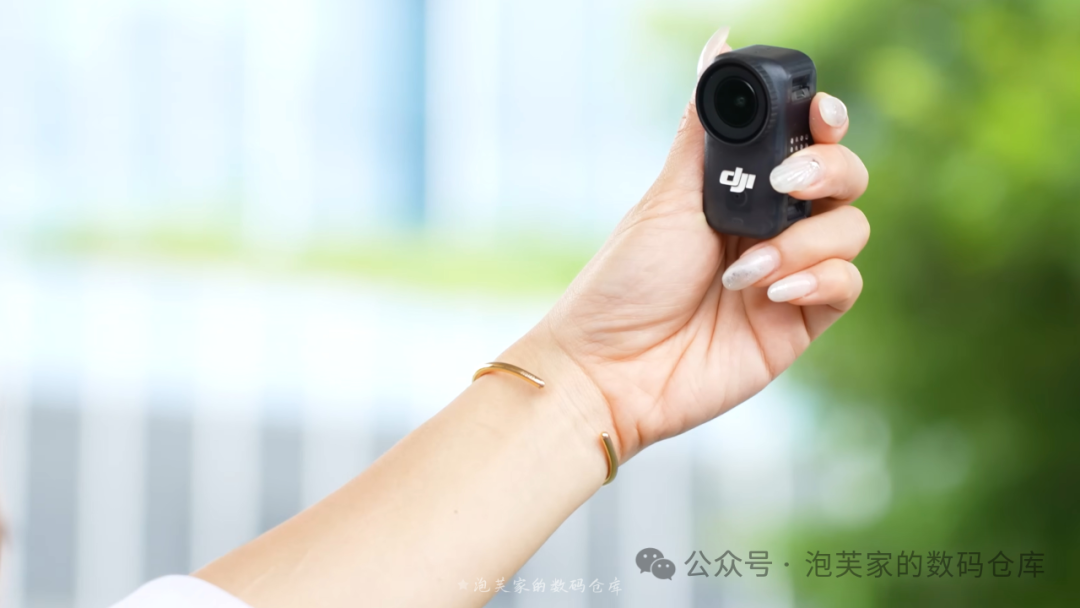
DJI is once again making a push into the action camera market, this time in the thumb camera segment. Previously, the Insta Go series had almost monopolized the market, but after the panoramic camera, DJI has launched the Action 2 second generation – Nano.
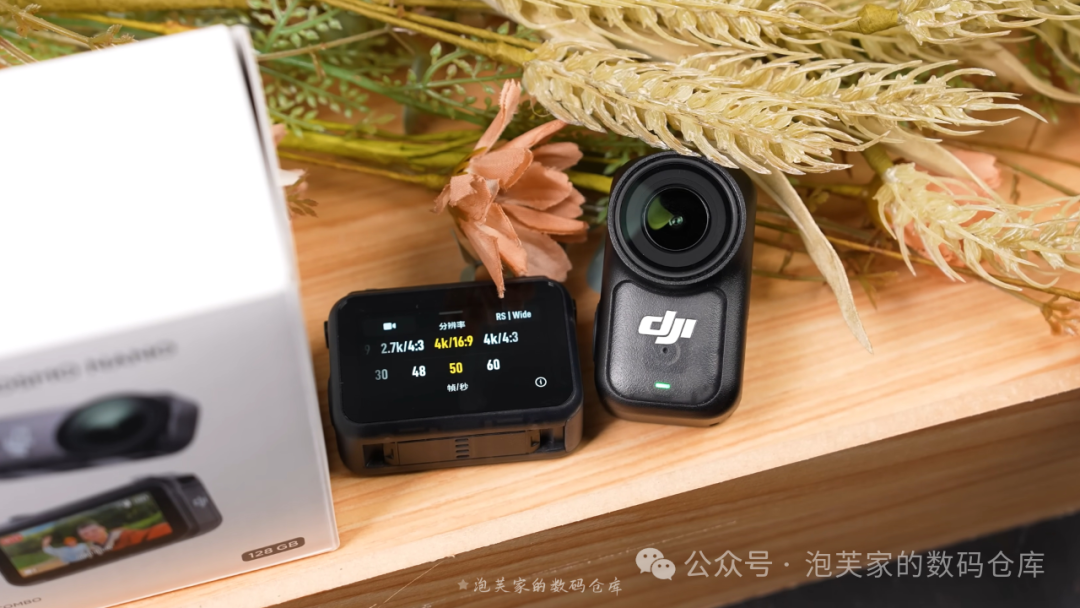
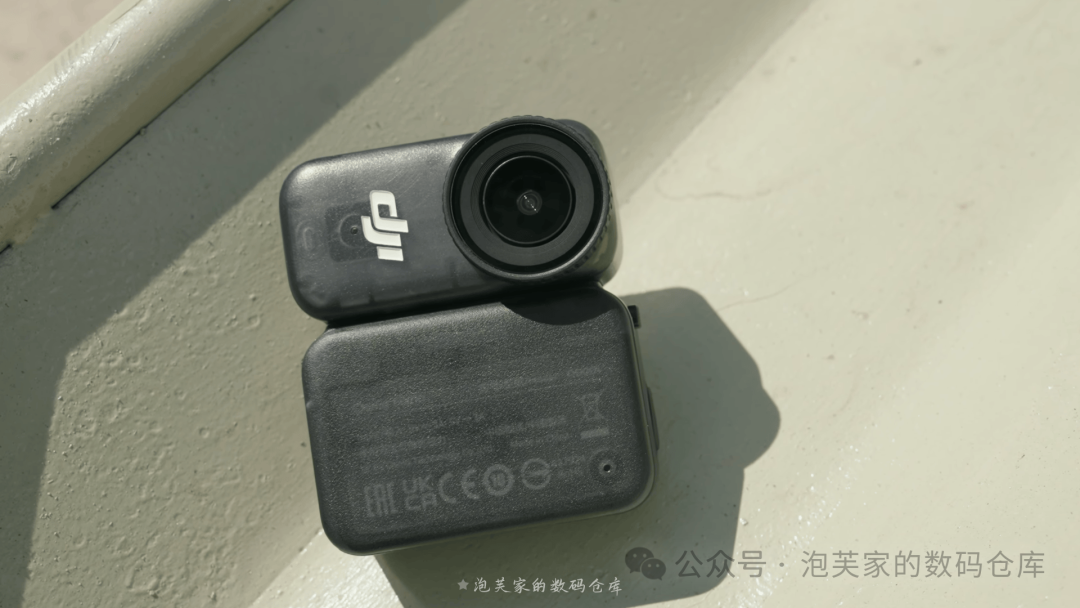
Go Ultra features a square design, which is closer to DJI’s Action 2, while DJI’s Nano has adopted a long strip design similar to the Go series, with magnetic support on the back and one side.
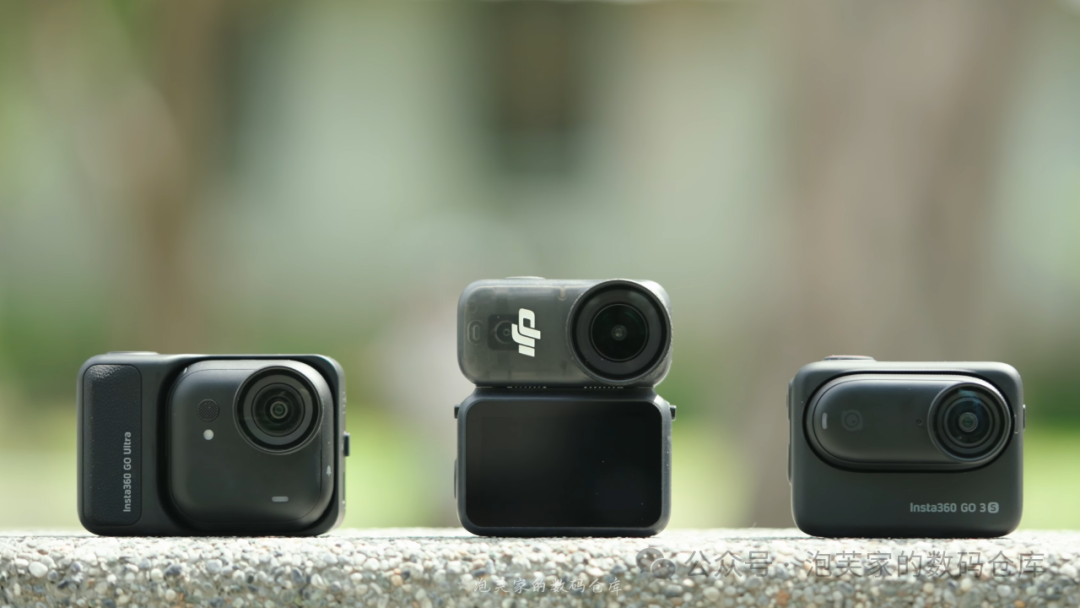
The semi-transparent shell looks more refined; the recent mic mini also features this design and material. The supply chain master really knows how to save costs, making the designer’s job much easier.
The Nano has a total of 12 contact points, supporting USB 3.1 high-speed data transfer, allowing for better image quality and lower latency during monitoring.
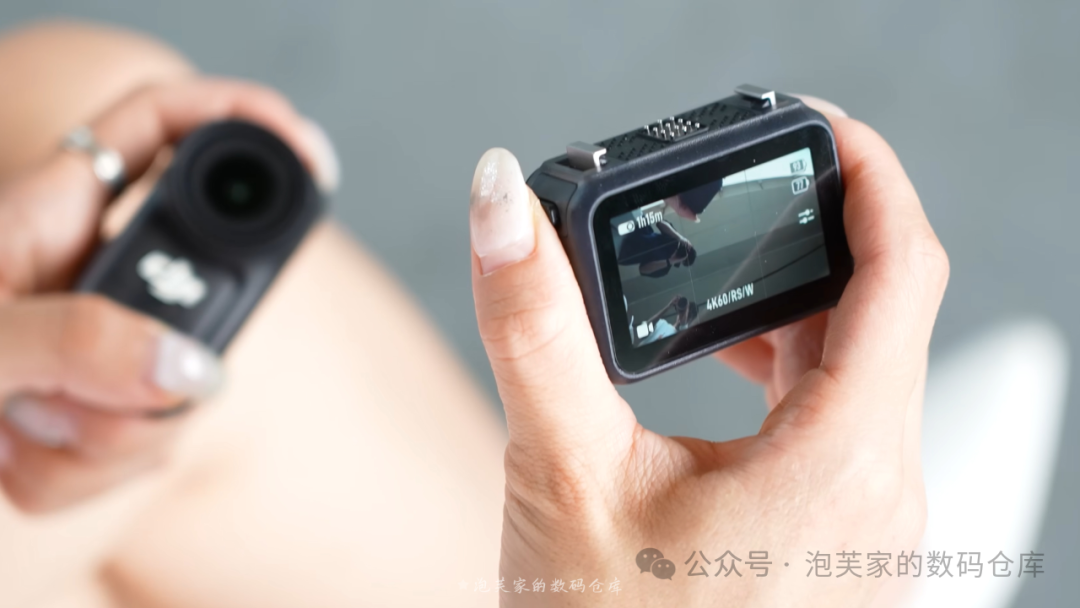
This time, the contact points use a double-sided magnetic structure like the Action 2, with no distinction between positive and negative poles, and can also be used as a flip screen.
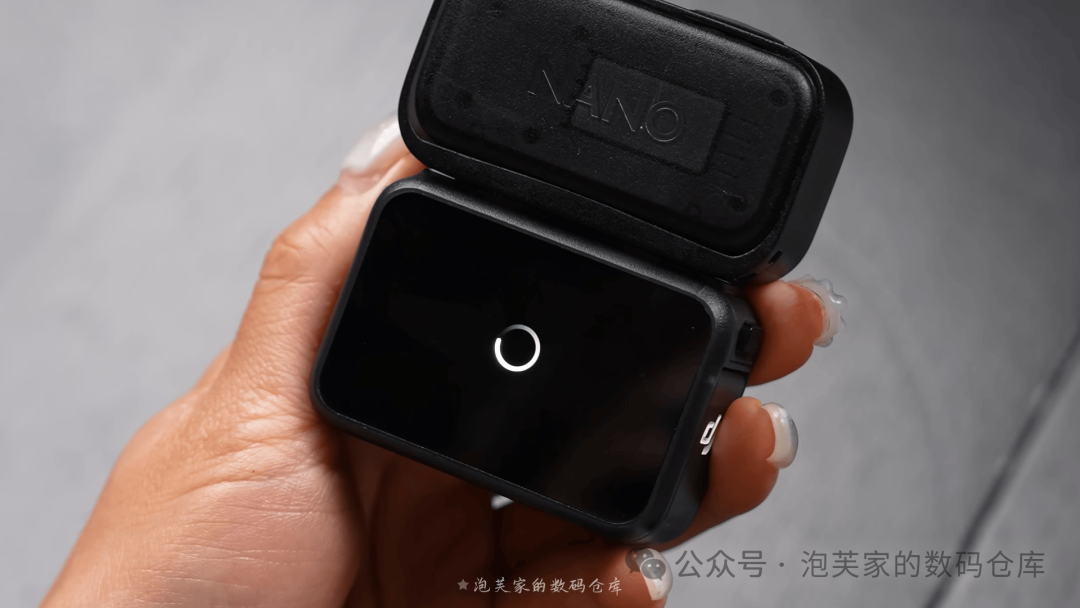
The Nano camera module weighs 52g, which is slightly better than Action 2’s 56g and Go Ultra 2’s 53g, but heavier than Go 3S’s 39g, making it noticeably heavier when clipped to a summer shirt collar/chest.
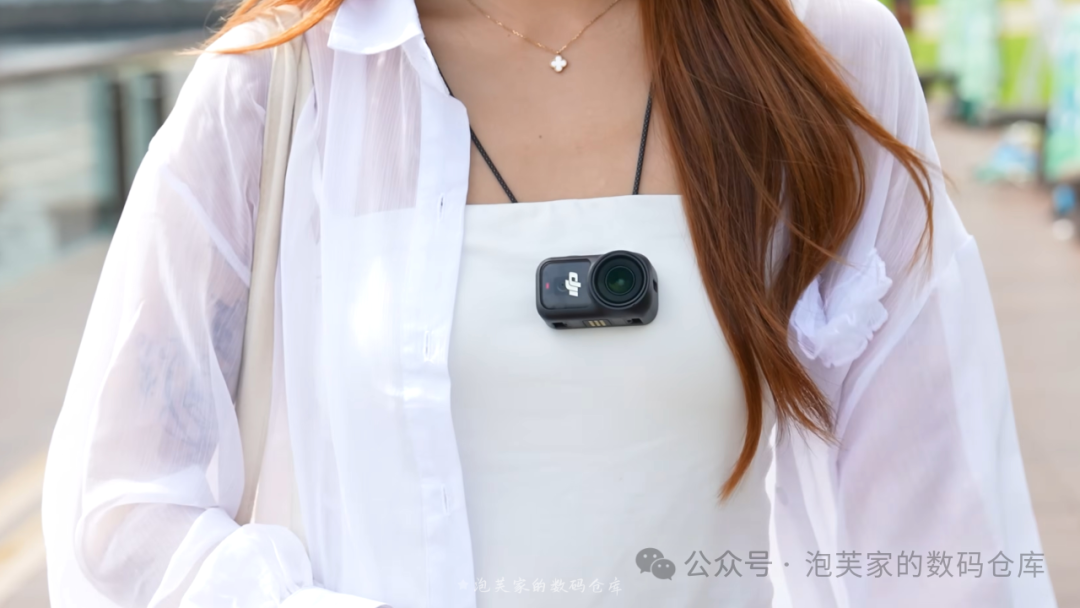
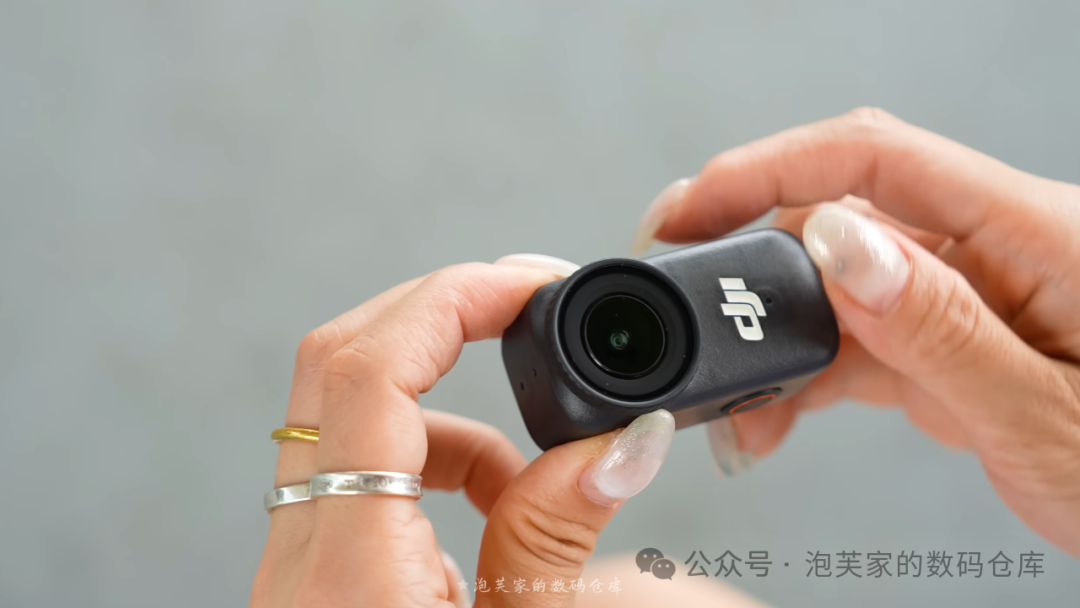
Currently, the Nano is only available in black, and the lens is quite prominent in comparison. Which one do you think looks more harmonious as a pendant?
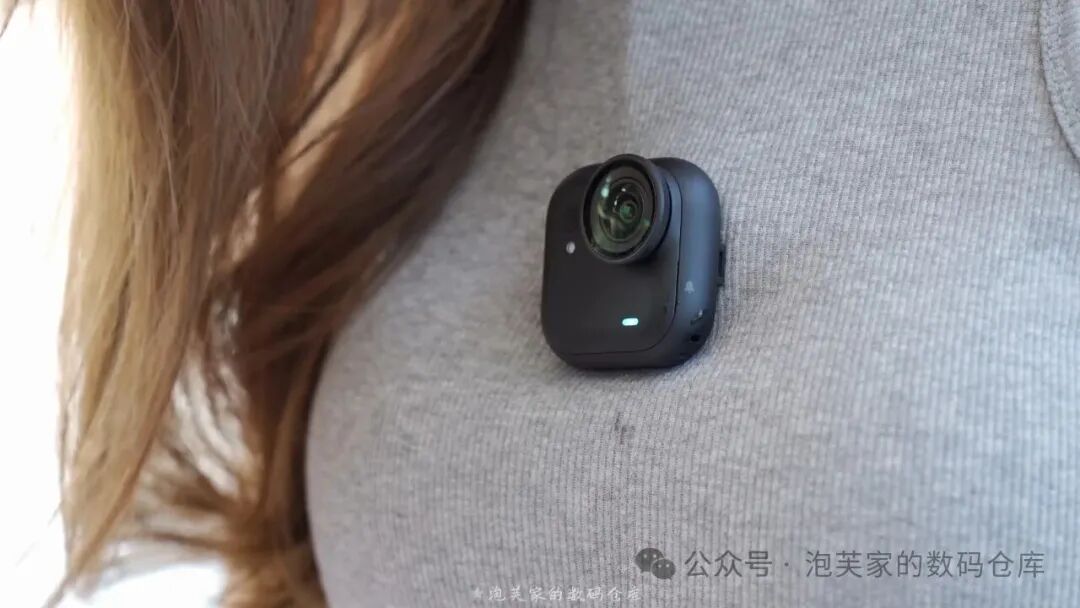
Additionally, all accessories from the Action 3 series can now be used with the Nano. The previous Osmo 360 is also compatible with older accessories, which is quite different from DJI’s past style. I don’t think this change was made in response to consumer feedback, as they have been criticized for many years; it seems they were forced to change by Insta360.
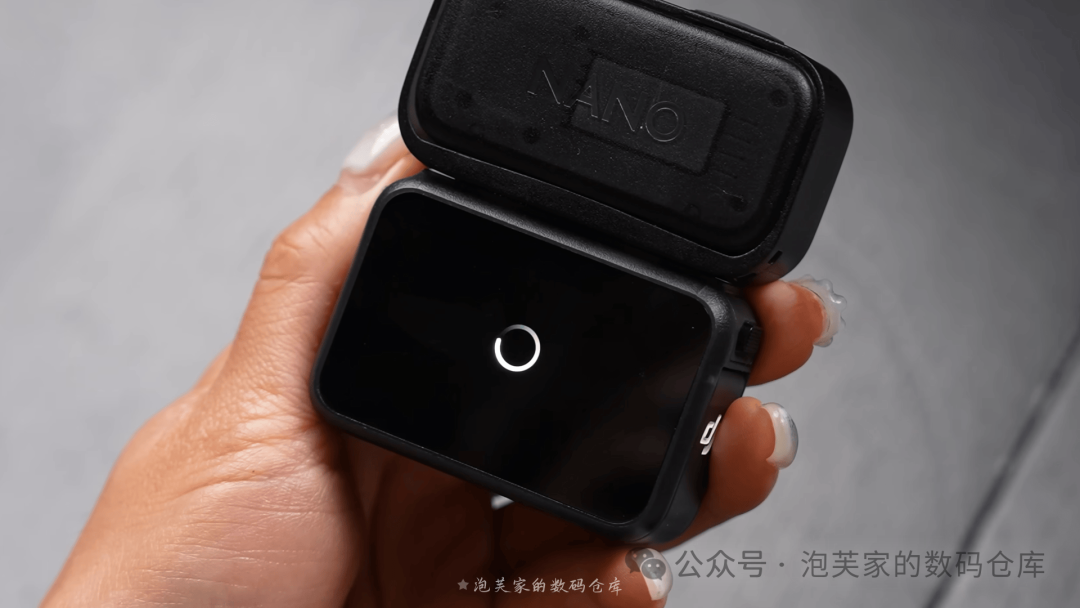
The main camera has a battery life of up to 90 minutes, and when connected to the multifunctional transmission module, the battery life can reach 200 minutes. The battery life data and long-lasting shooting duration were measured at 25°C room temperature, with ultra-strong stabilization enabled, Wi-Fi turned off, and the screen off. The 90-minute battery life data refers to the maximum duration of the main camera recording 1080p/24p (16:9) video, while the 60-minute battery life data refers to the maximum duration of the main camera recording 4K/30p (16:9) video in long-lasting mode.
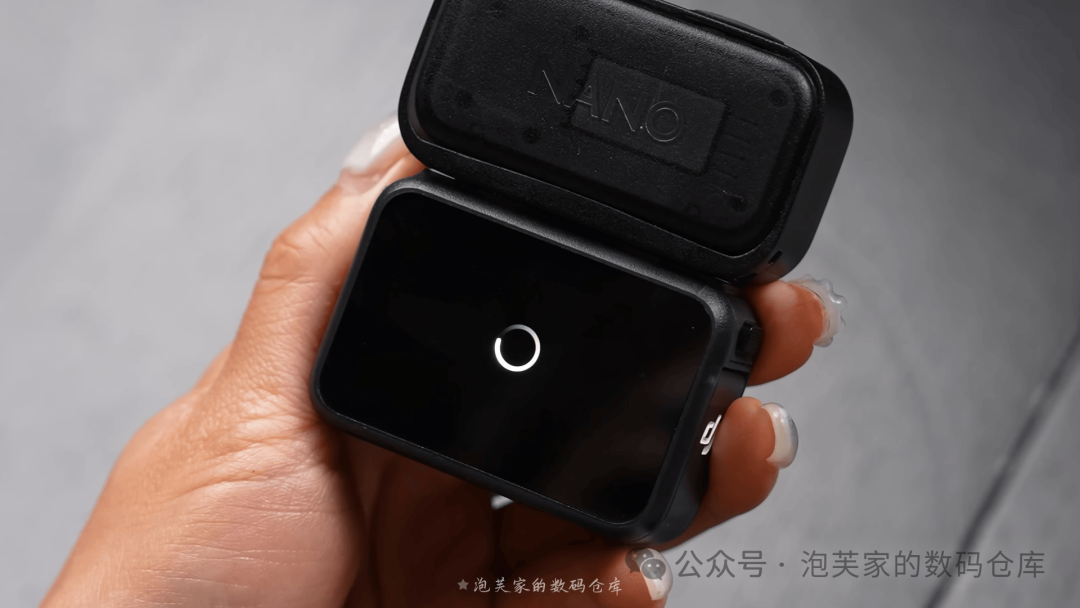
However, when the camera module runs out of battery, it still relies on the lens module for power! A soft 2-meter magnetic charging cable should be made, with the machine body providing bypass power, allowing a power bank to be placed in the bag. Even if you are running a marathon, having a small power bank with a few thousand milliamp hours next to your phone is not a problem, and bypass power does not worry about transmission loss. Is that too difficult?
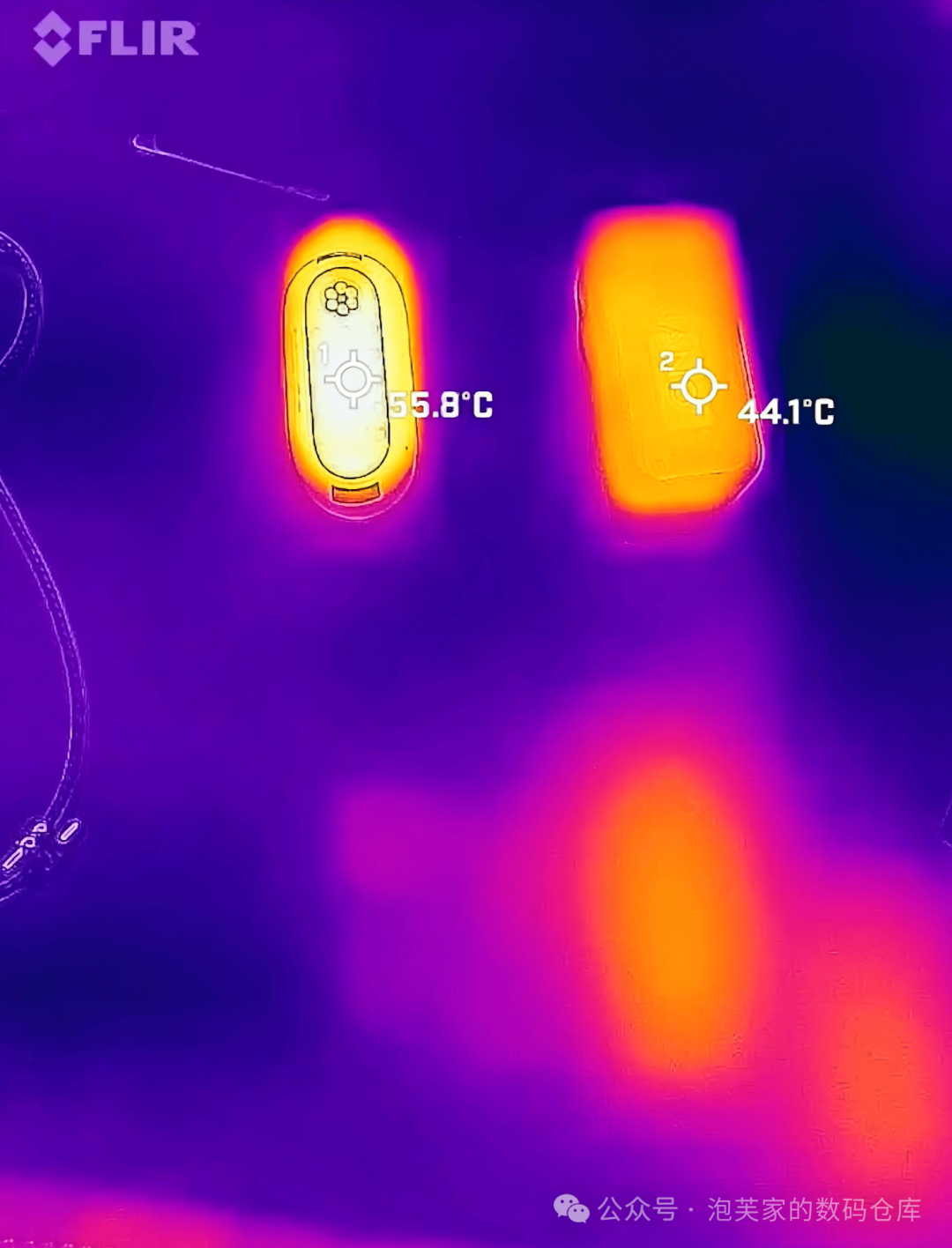
Such a simple method is unlikely to have escaped DJI or other companies’ thoughts. The two main issues are that they need to minimize size as much as possible and manage heat. The limiting factor for this device’s performance is not battery life but heat. Of course, riding can reduce heat through wind cooling, but many people use larger machines for recording scenarios where riding is the main focus. This small machine is more for first-person perspective use, with others as supplementary needs. Therefore, battery life is not the issue; heat is.
In 4K/30p high bitrate mode, in split mode, it will overheat and stop recording after about 40 minutes; in combined mode, it will stop recording due to overheating after about 31 minutes. It seems that the overheating issue from Action 2 has not been completely resolved. I have seen someone share that they had no problem recording at the highest quality for 100 minutes, and I am curious how they did it. Now I see that DJI cleverly chose to release it at the end of September, so users won’t experience summer usage conditions for a while…
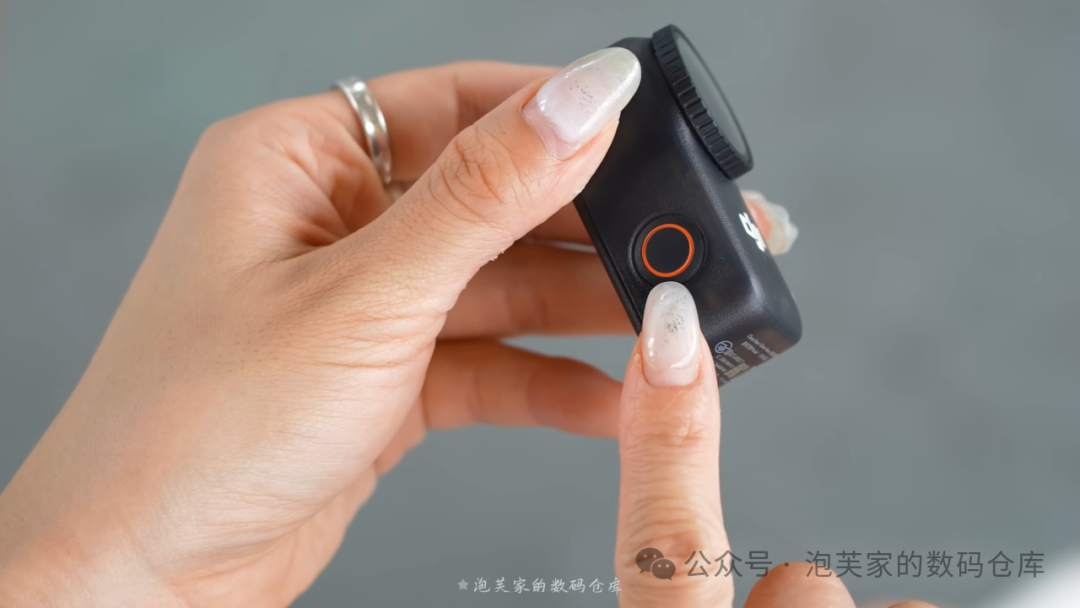
Since the camera module does not have a screen on the back like before, all operations must be done on the display module. At this point, the lens and display screen must be aligned to transfer the content from the camera to the transmission module’s storage card, after which you can copy the card for post-processing.
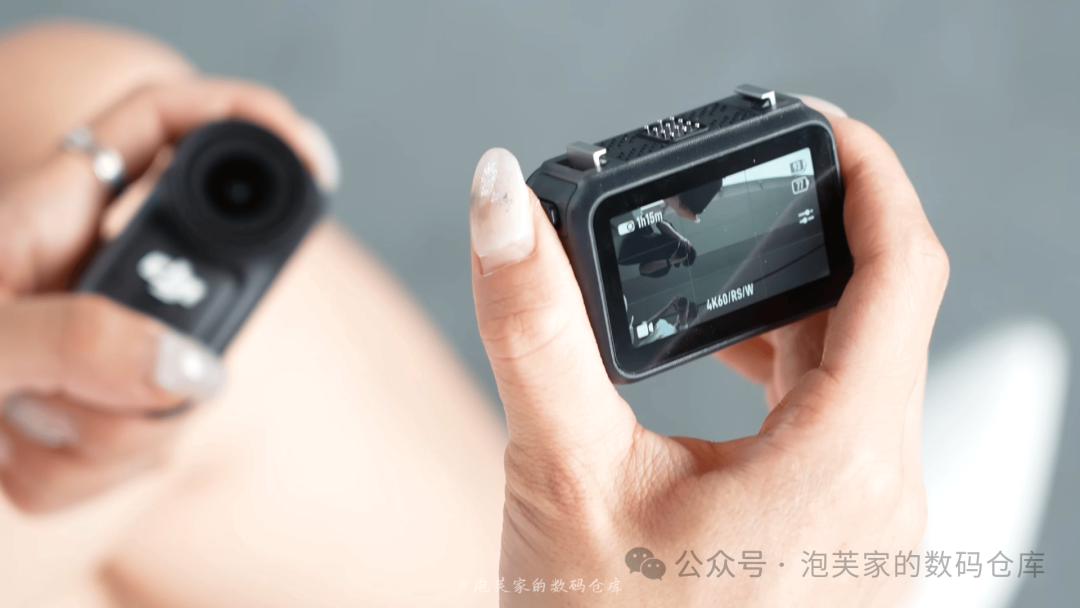
You can also directly connect the Nano via cable to copy materials, with a transfer speed of 600MB/s only available for the 128GB version with the included PD fast charging cable, and data must be transferred from the internal storage. The 64GB version of Osmo Nano has a maximum transfer rate of only 400MB/s, but it is still significantly faster than Go Ultra.
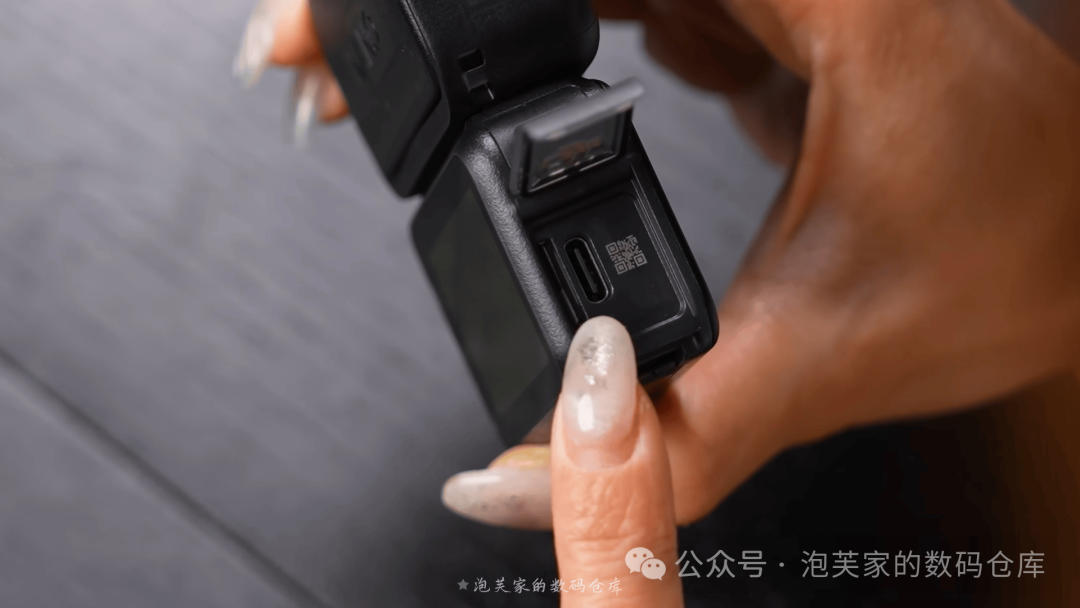
In terms of transmission distance, the Nano supports a transmission distance of over 10 meters. It is suitable for fixed installation in a specific location, such as a dashcam. Once the distance increases, the transmission effect will definitely be affected.
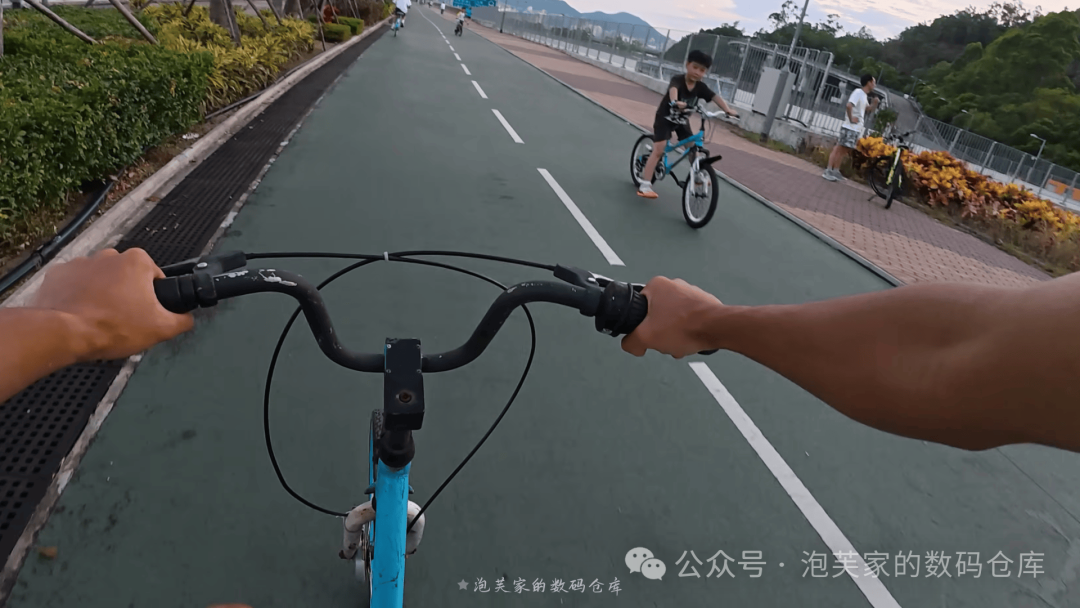
Additionally, when the camera and transmission module are separated, the transmission module cannot replay the materials in the camera, nor can it replay the materials on the Micro SD card. Under the current firmware version, they must be combined for the transmission module to replay any material. Fortunately, the image quality is really good, featuring DJI’s classic 1/1.3 inch CMOS sensor. It supports up to 10-bit & D-Log M, uncropped 4:3 ratio 4K 50p, and 16:9 ratio 4K 60p recording, as well as slightly cropped 4K 120p.
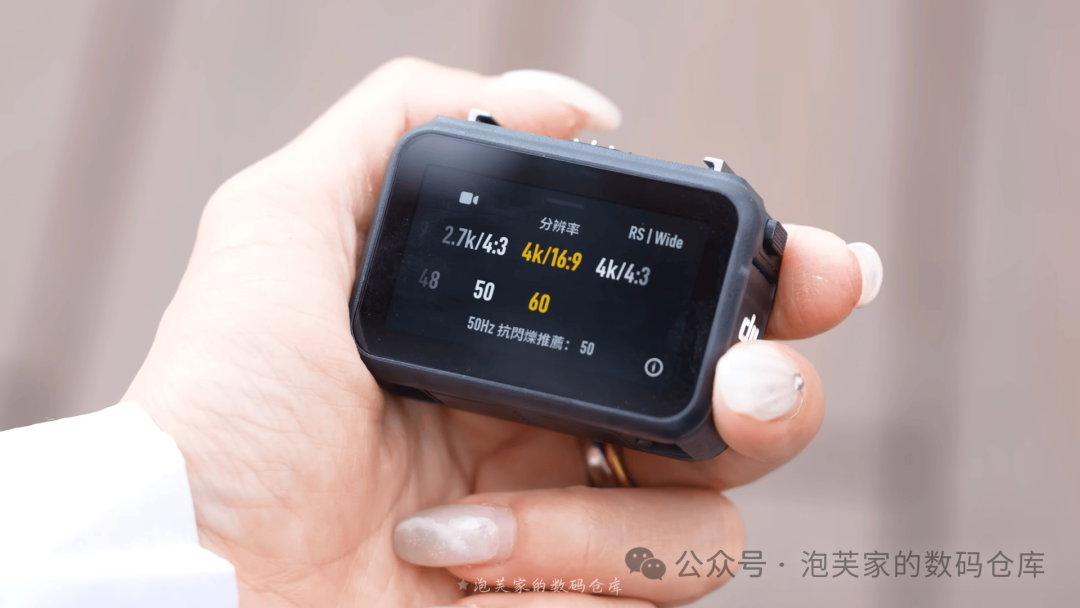
It has a dynamic range of 13.5 stops, but the wide angle is only 143°, which is not as good as Go Ultra. Let’s take a look at the differences with D-Log M.
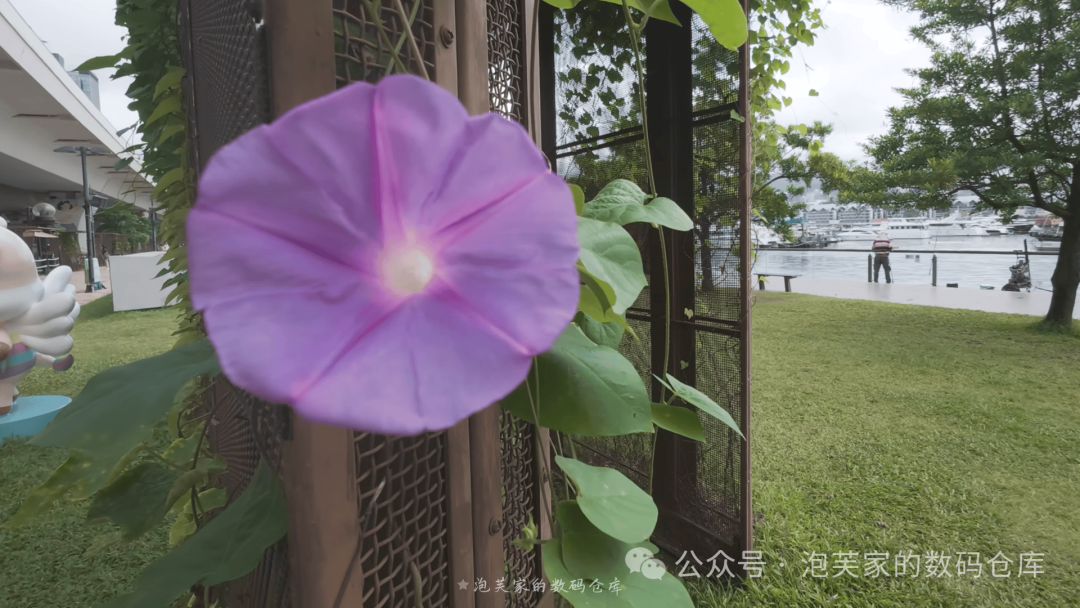
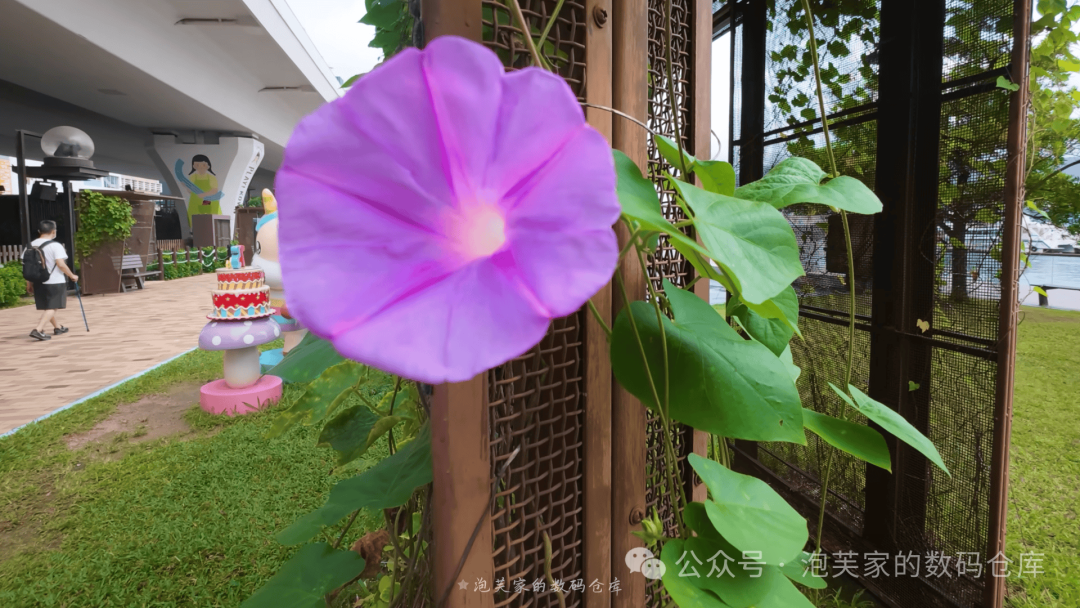
However, the super night scene only supports 8-bit color depth and a frame rate not exceeding 30p, and does not support 4:3 aspect ratio. Night scenes with this type of action camera tend to have a lot of noise. Additionally, you cannot switch between horizontal and vertical shooting during recording; you must select the desired shooting direction before starting.
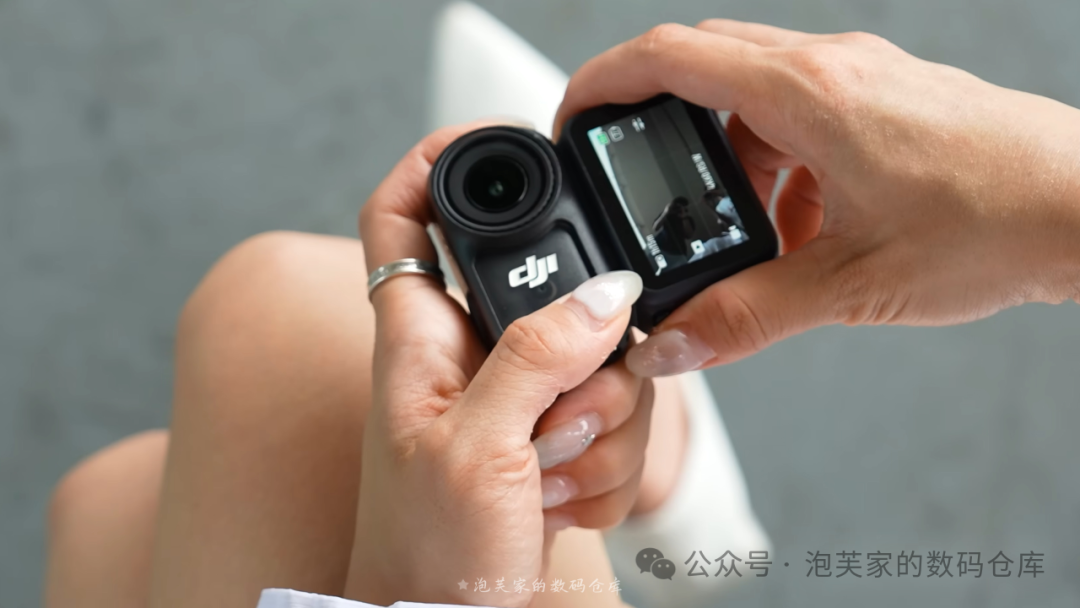
Except for the first generation DJI microphone, all other versions can be used directly, allowing for a maximum of 2 microphone transmitters to be connected simultaneously, enabling the recording of two audio sources. Therefore, those who often record vlogs for children or pets do not need to worry too much about the built-in audio quality.
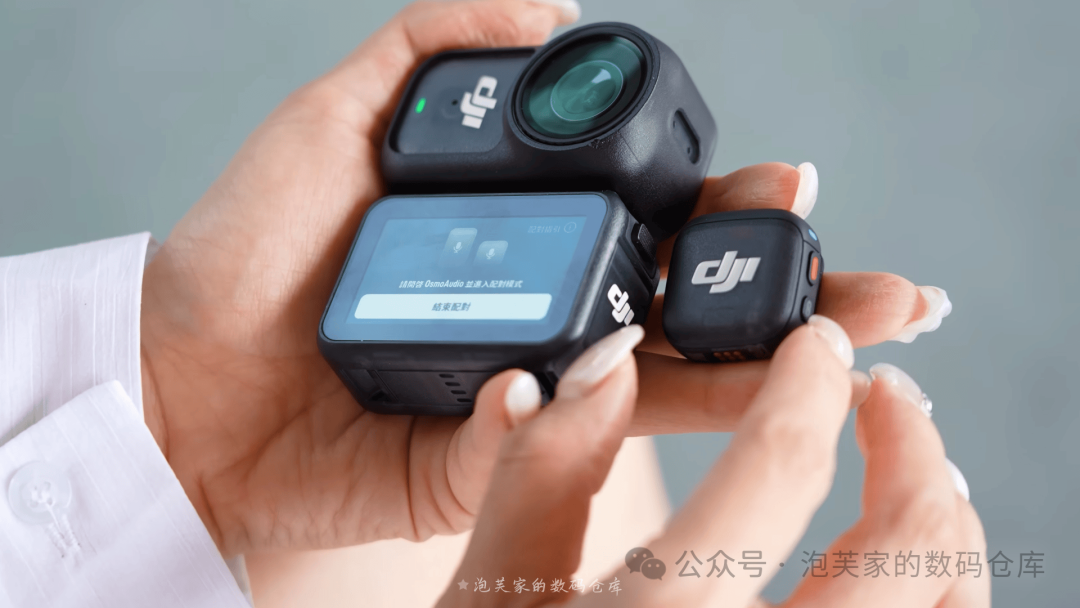
As for recording stability, the Horizon Balancing mode can correct the horizon tilt within ±30°, supporting up to 4K/60p video recording. The RockSteady 3.0 stabilization effectively suppresses jitter while retaining more motion impact, providing a more immersive first-person perspective, supporting up to 4K/60p video recording. However, note that electronic stabilization is not supported in time-lapse and slow-motion modes. Horizon Balancing only supports 16:9 aspect ratio for 1080p/2.7K/4K 60p.
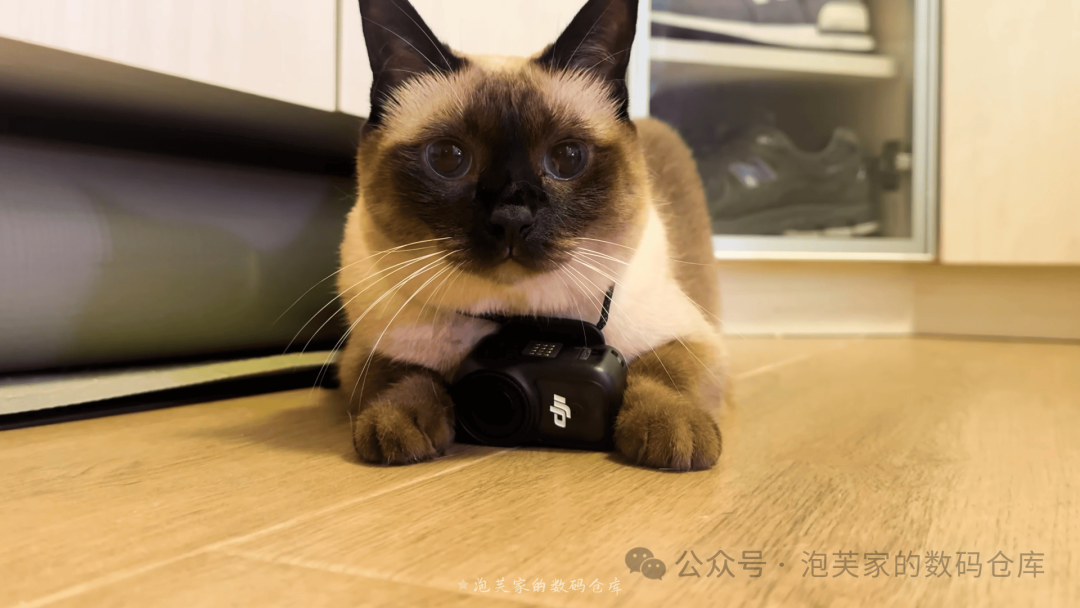
In automatic recording mode, you can also set the camera to start recording with a nod or a tap. A quick nod or light tap on the body will turn it on; you can set the pre-recording duration, and the footage will be automatically saved before you press the record button.
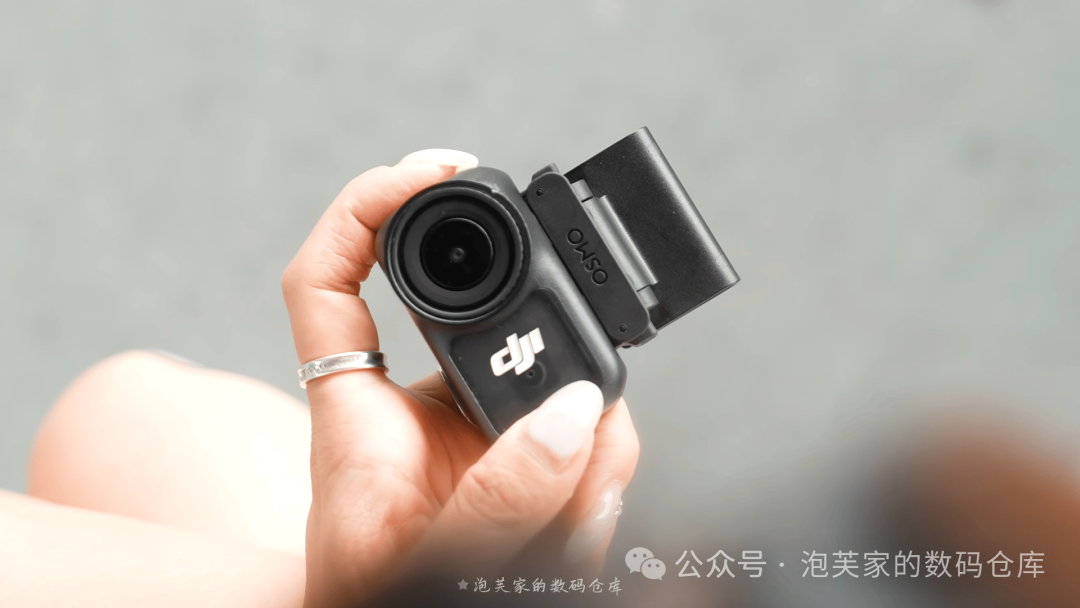
I bought my Action 2 at a seafood market (I feel like I overpaid, and I’m now preparing to sell it again). I originally wanted to record from my child’s perspective, but my child doesn’t like wearing it (the weight issue mentioned earlier), and as a first-person unboxing perspective, I later purchased a device tree and switched to a small foldable one, which is more suitable and has better image quality.
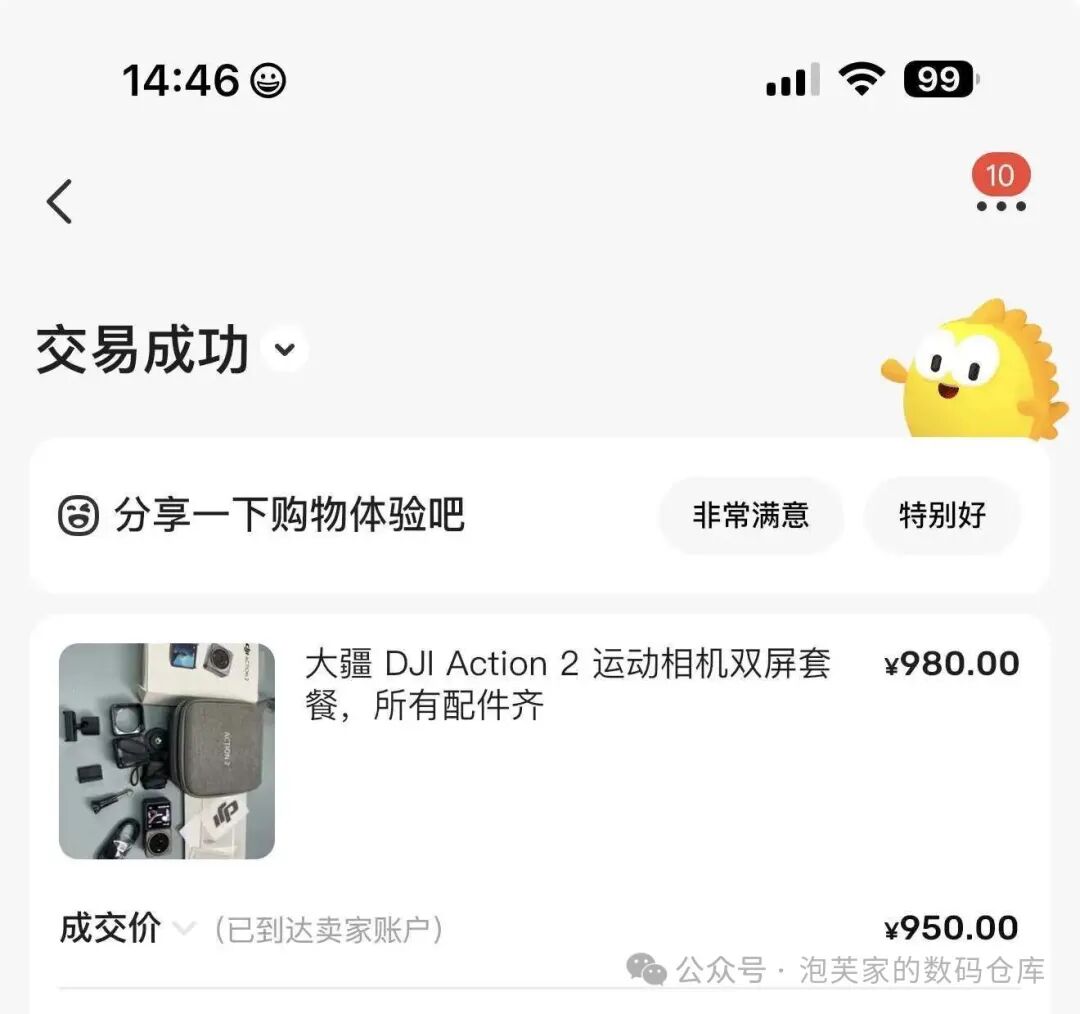
So don’t rush into buying; make sure you really have a use case and don’t create a demand. Two weeks ago, the clearance for the refurbished Go 3S was still over 1700, and Ultra has been out of stock. Now, Nano is going to hit hard.
In fact, ordinary users only need to buy the main camera. A connector can be made to directly connect to a phone for data transfer, monitoring, and charging, priced around 1500. This way, sales will increase significantly. Currently, the 64GB version can be purchased for 1698 after the national subsidy.
Previous RecommendationsRECOMMEND Too thin, is it like a condom in the phone? The domestic version is still not released, I won’t wait! The Hong Kong version iPhone Air experience, the battery life is really not bad, 17plus youth version.
 2025’s strongest phone? iPhone 17 Pro Max first experience, the best battery life/performance/heat dissipation, should I choose Pro or Max!
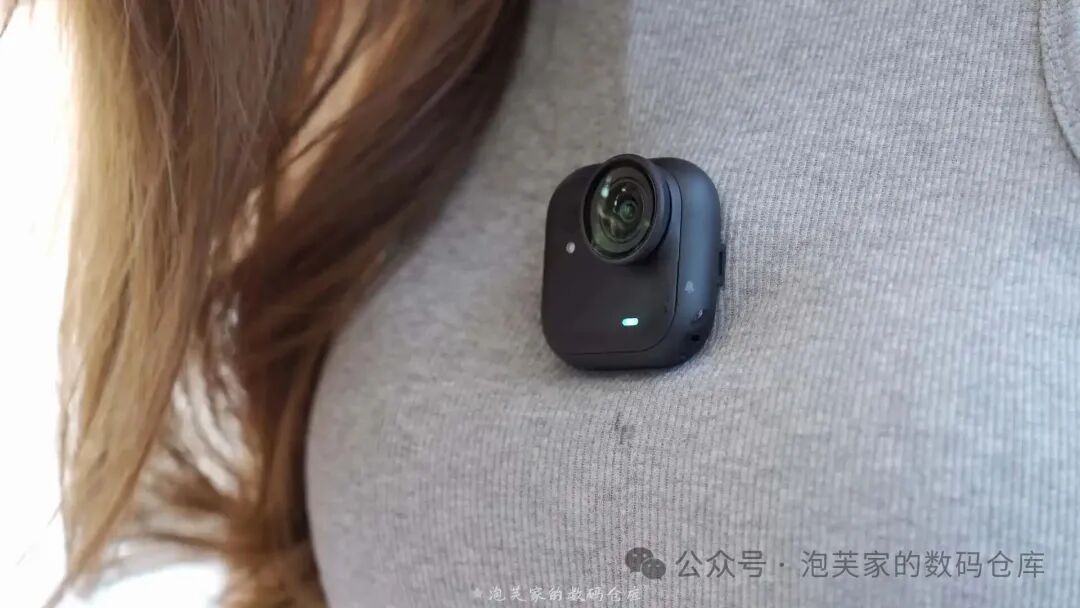 Insta360 GO Ultra experience, should I choose it or GO3S, Action5? Also, the new DJI Osmo Nano is targeting.
 Priced at 27,000, supports 7K quality, Canon C50 experience, is it the C80 youth version? Can it compete with Sony FX3?