—– Charging Head Network Disassembly Report No. 2224 —–
Introduction
Portable WiFi has emerged as a popular networking device in recent years, converting mobile networks into WiFi output through an integrated wireless connection module, allowing smartphones and laptops to connect. The built-in large-capacity battery provides extended battery life, preventing smartphones from running out of power too quickly when using hotspot features, and can also serve as a power bank to recharge smartphones.
The Charging Head Network has obtained a Wireless Cat Spirit brand portable WiFi power bank, which features a built-in 10,000mAh large-capacity battery, USB-A and USB-C ports, and an integrated E-SIM card to provide 4G network connectivity via WiFi for smartphones. Below, we will disassemble this product to examine its internal design.
Appearance of the Wireless Cat Spirit Portable WiFi Power Bank
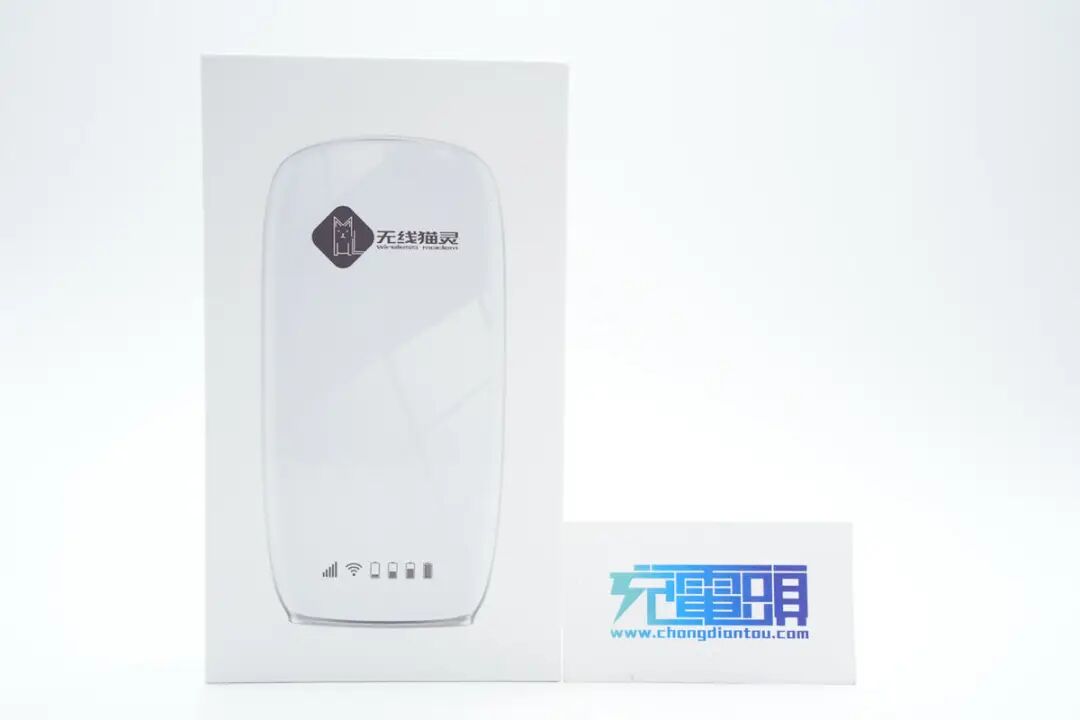
The front of the packaging box features an image of the product.
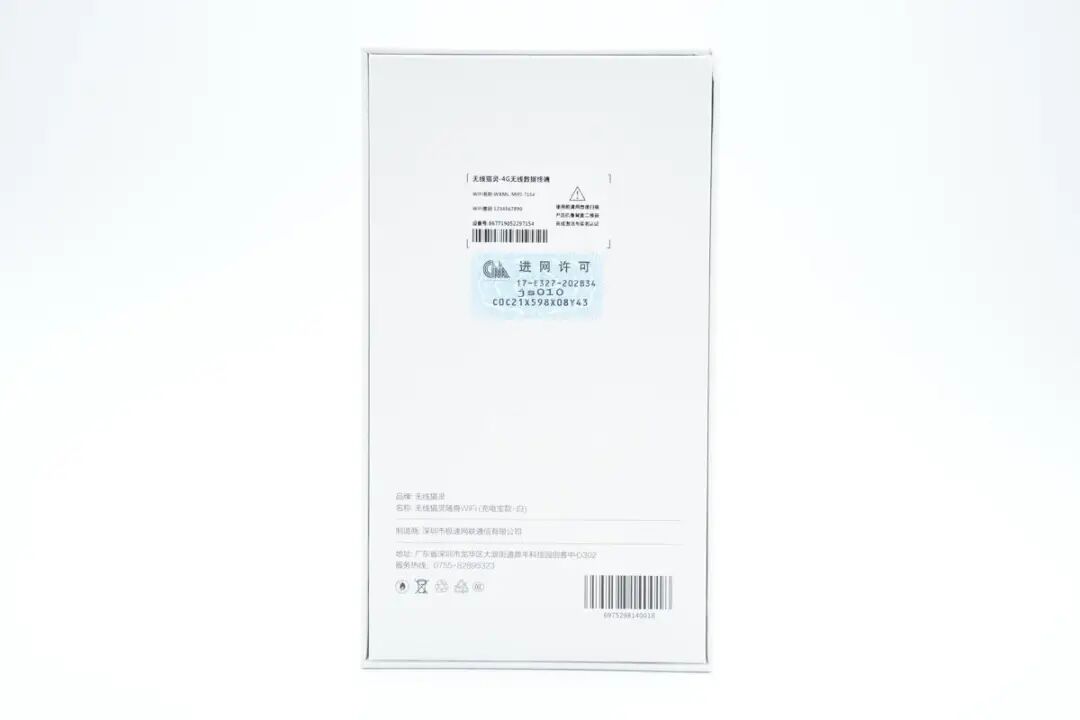
The back is affixed with a network access permit sticker, displaying the product name, brand, and merchant information.
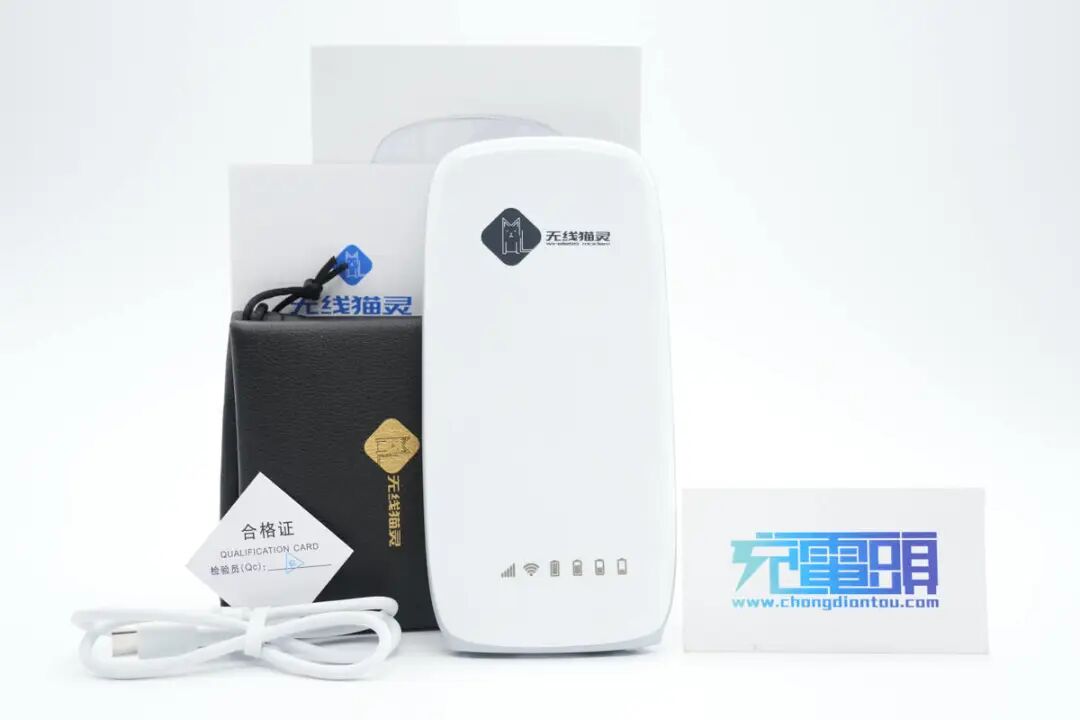
The package includes the portable WiFi power bank, a data cable, a storage bag, a user manual, and a certificate of conformity.
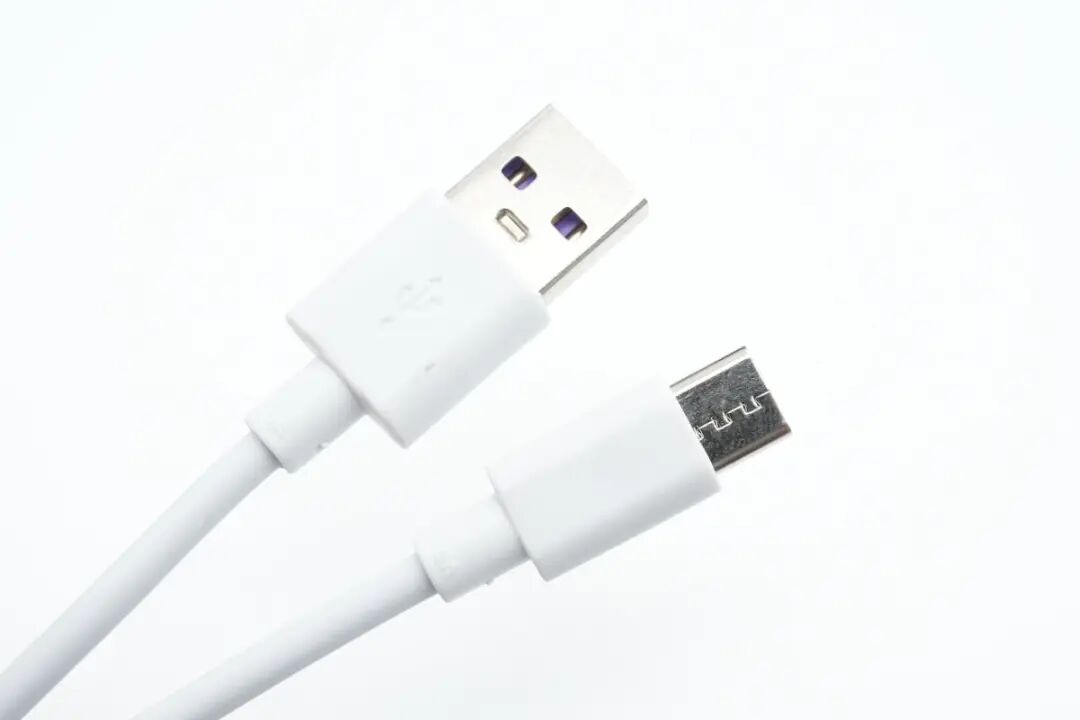
The included data cable is an A to C cable, with a purple core inside the male connector.
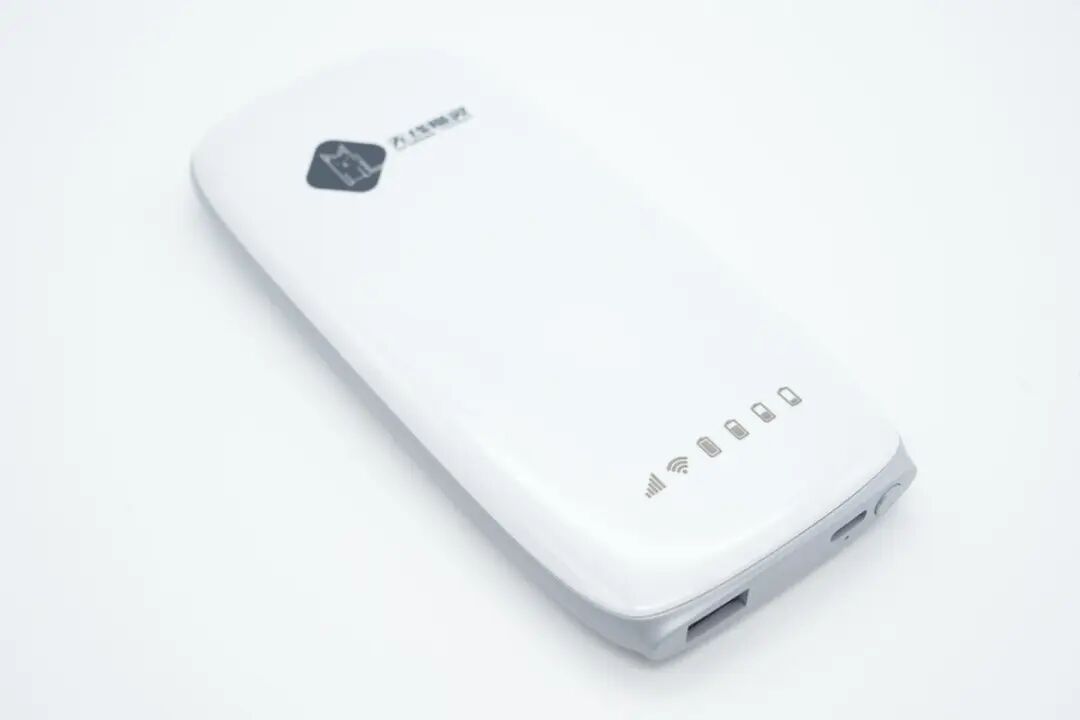
The front and back of the Wireless Cat Spirit portable WiFi power bank feature a white glossy shell, while the sides have a gray matte finish, providing a comfortable grip with rounded edges.
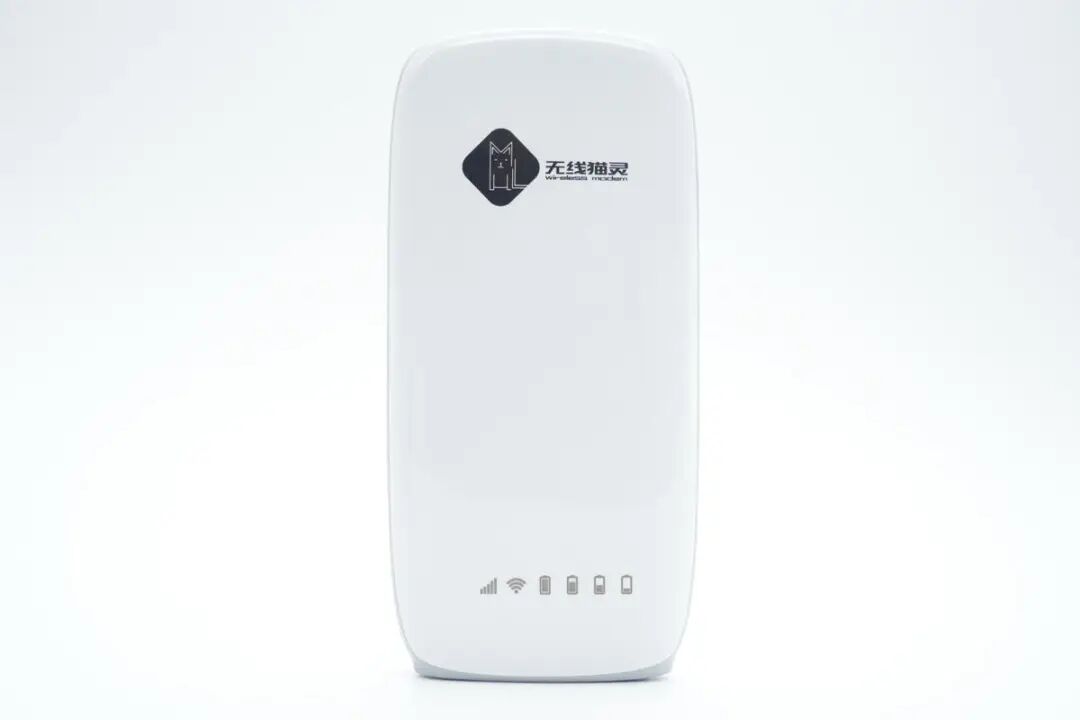
The bottom of the device is designed to be flat, allowing it to be placed upright for use. The front displays the Wireless Cat Spirit brand along with signal and battery indicators.
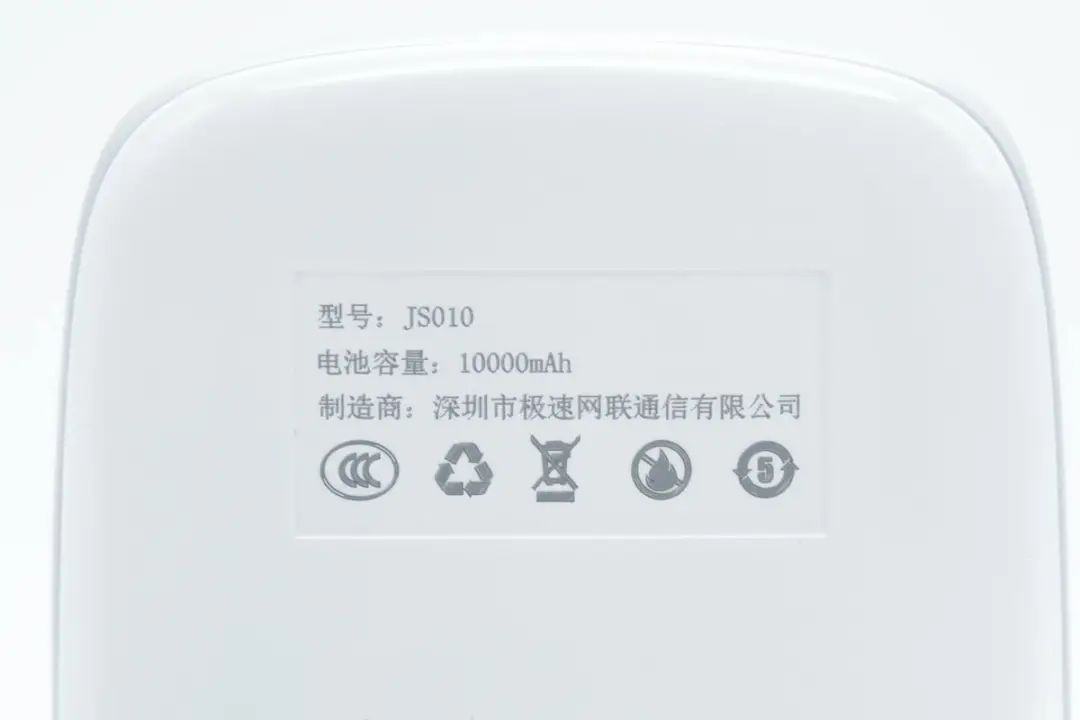
The back displays product parameters, with the model number JS010, a battery capacity of 10,000mAh, and the manufacturer being Shenzhen Jisu Network Communication Co., Ltd.
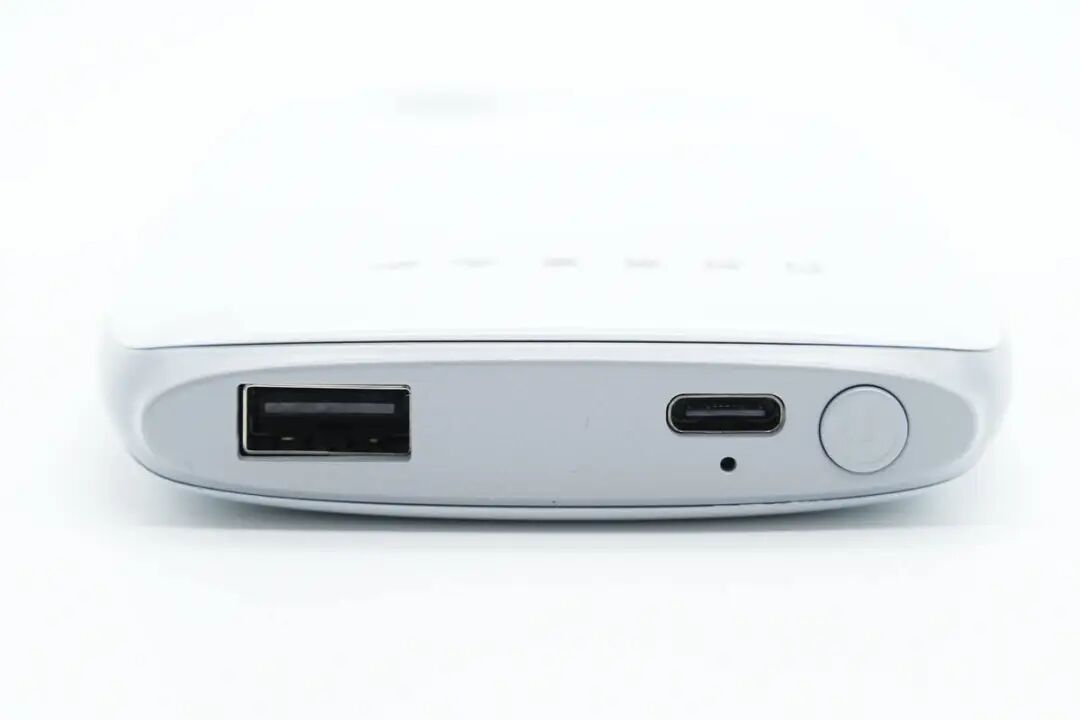
The bottom is equipped with a power button, indicator light, and dual USB ports (1A1C).
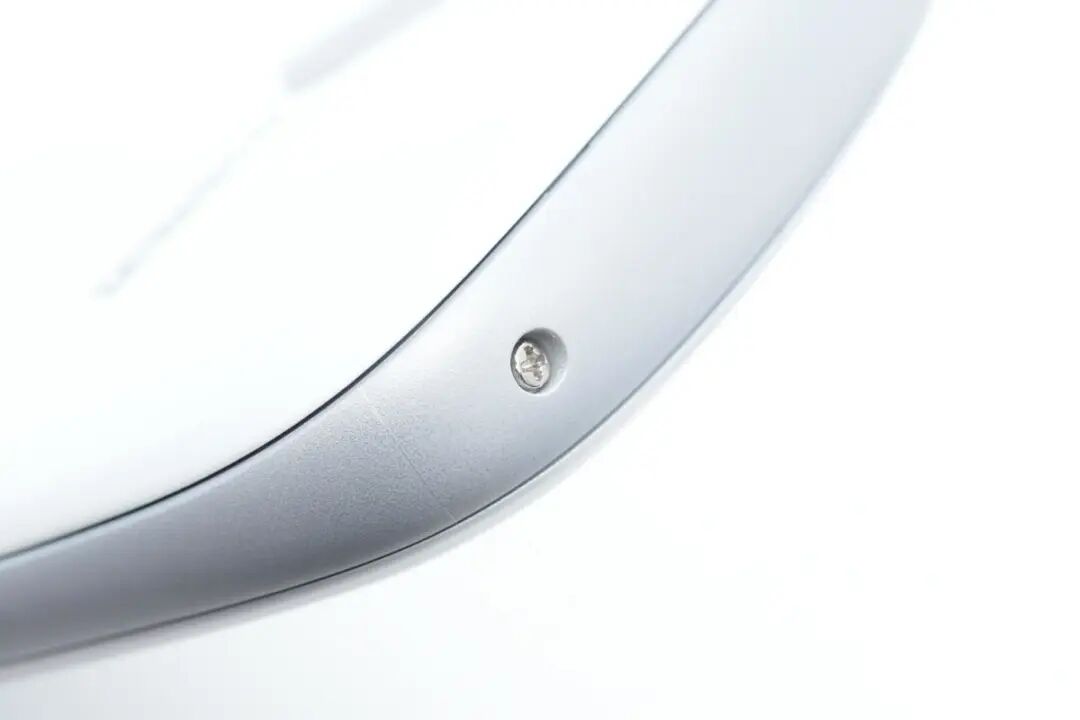
The other end has a sealed screw.
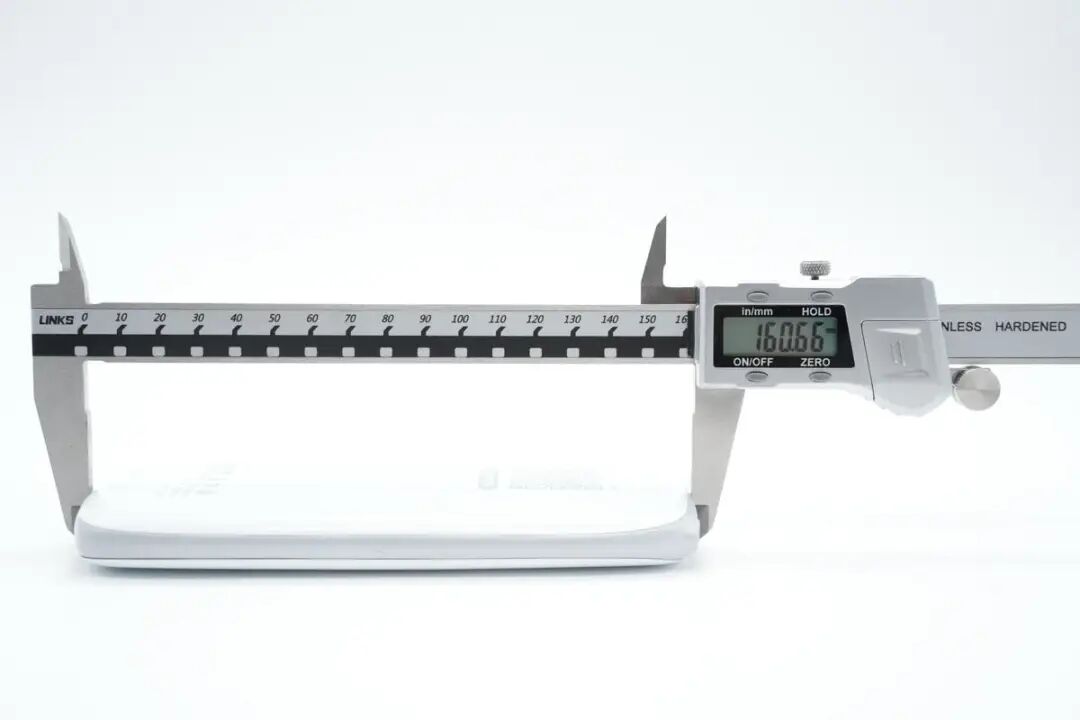
The measured length of the device is 160.66mm.
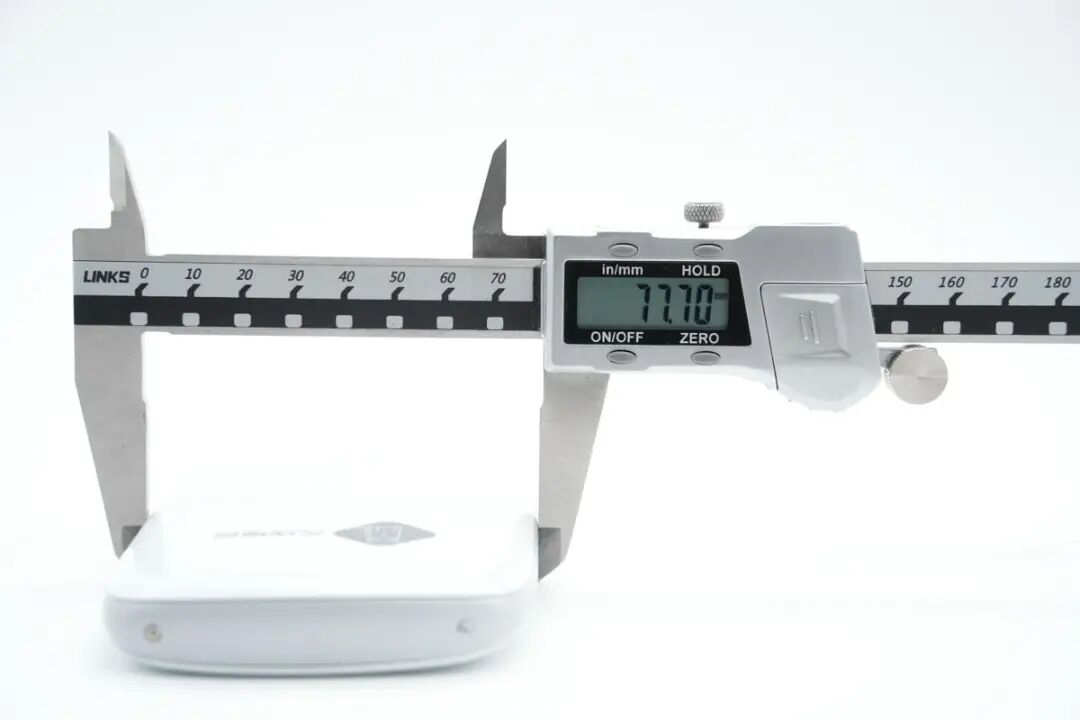
The width is 77.7mm.
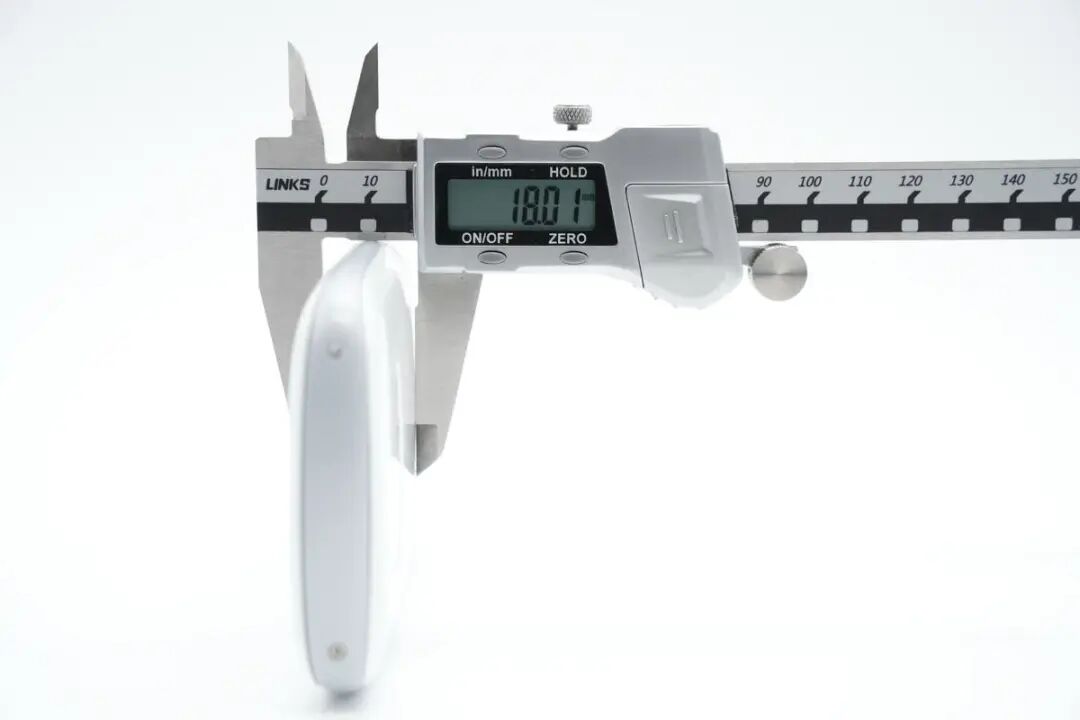
The thickness is 18.01mm.
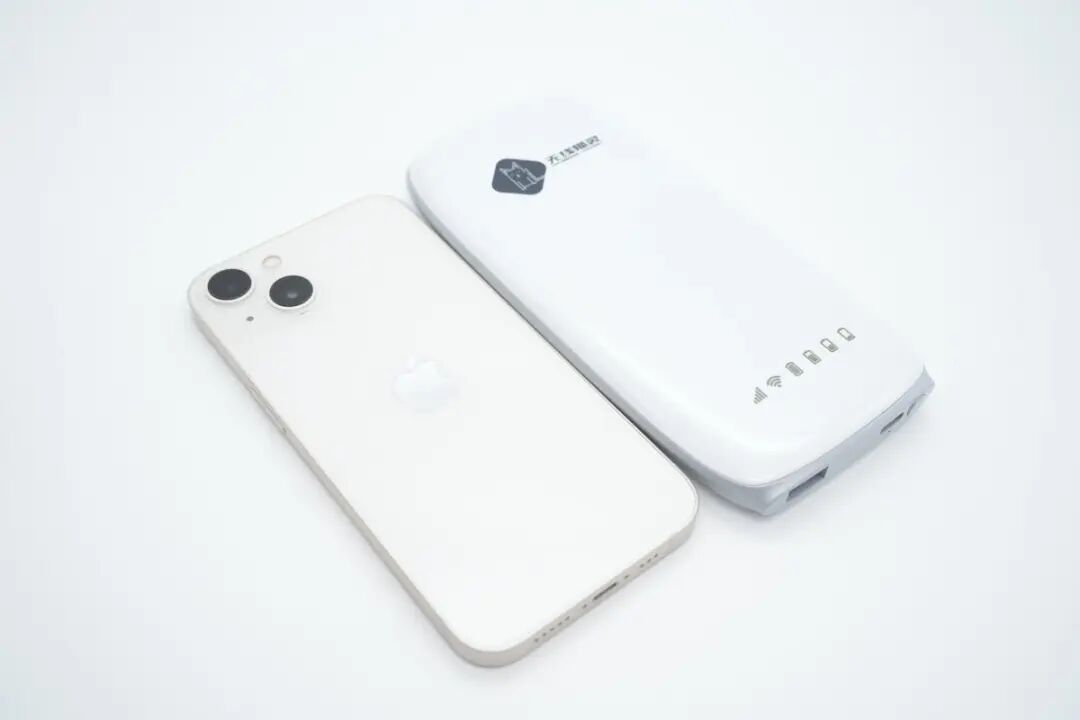
In comparison with the Apple iPhone 13,
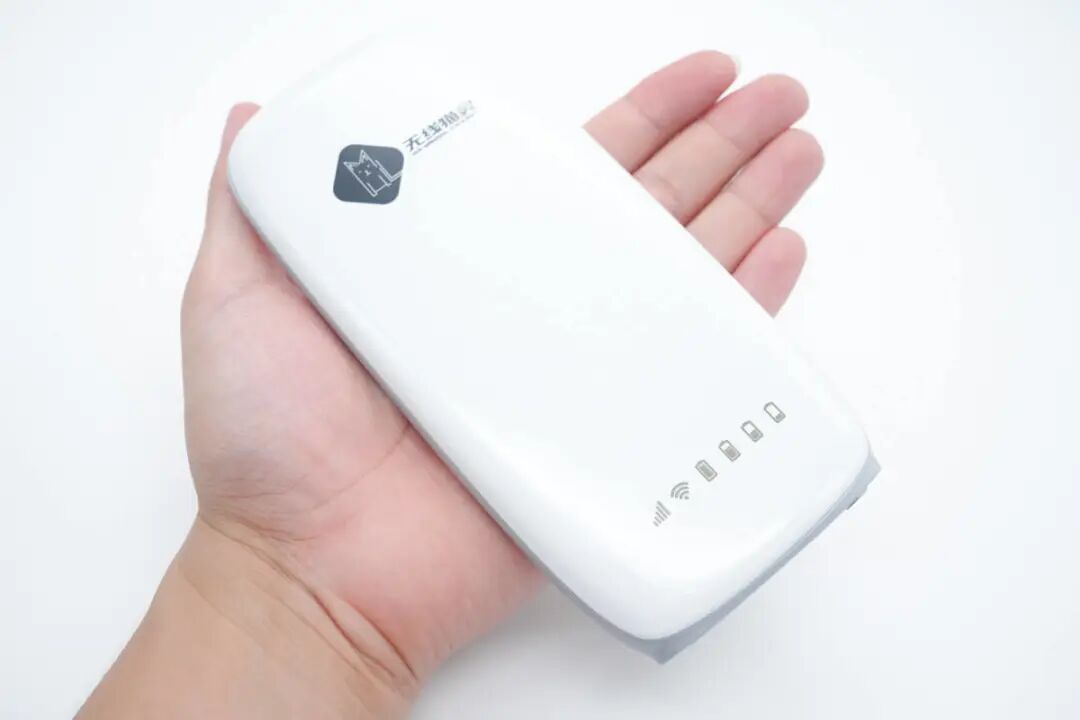
The size in hand provides an intuitive feel.
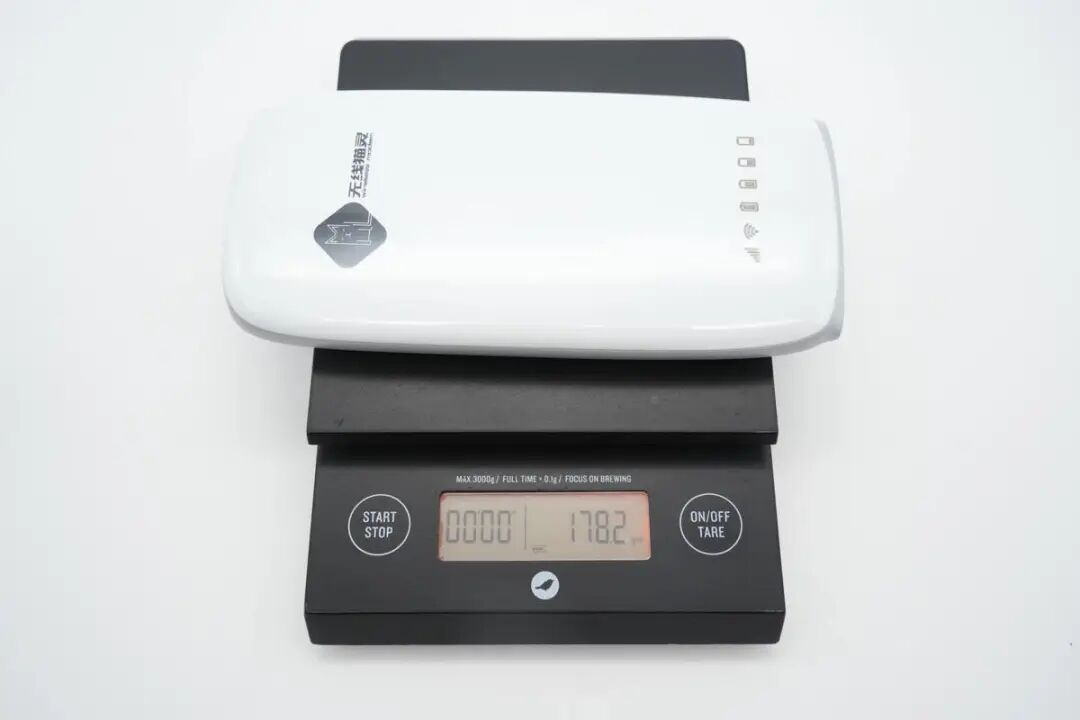
The net weight is approximately 178g.
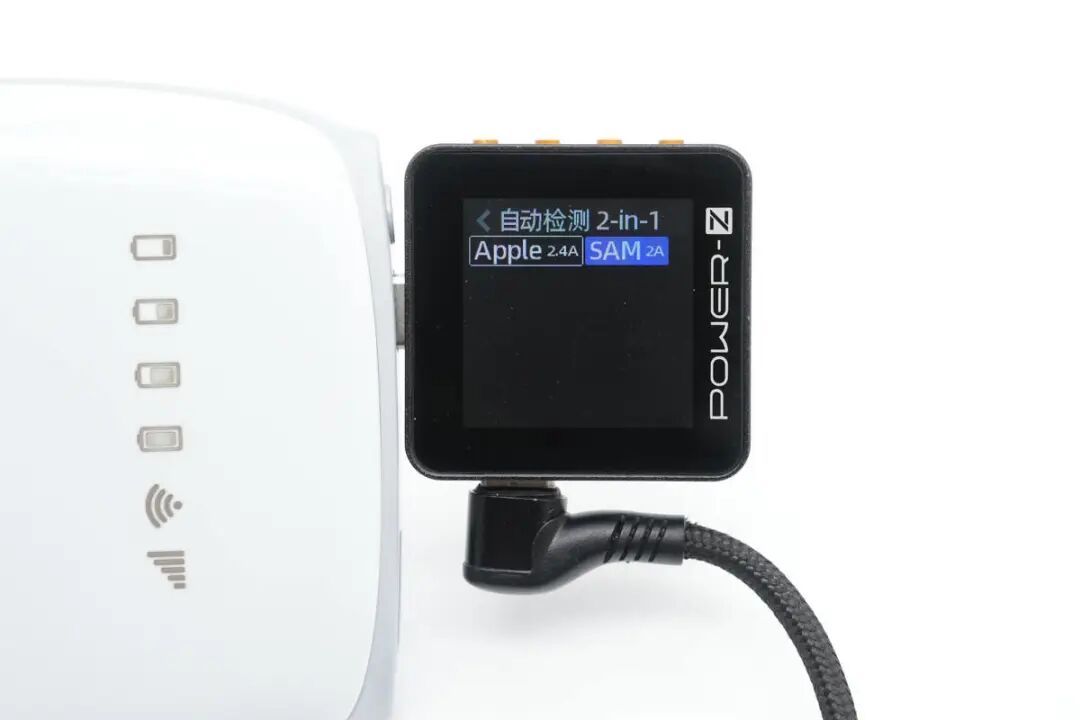
Using the ChargerLAB POWER-Z KM002C, it was measured that the USB-C port supports Apple 2.4A and Samsung 5V2A charging protocols.
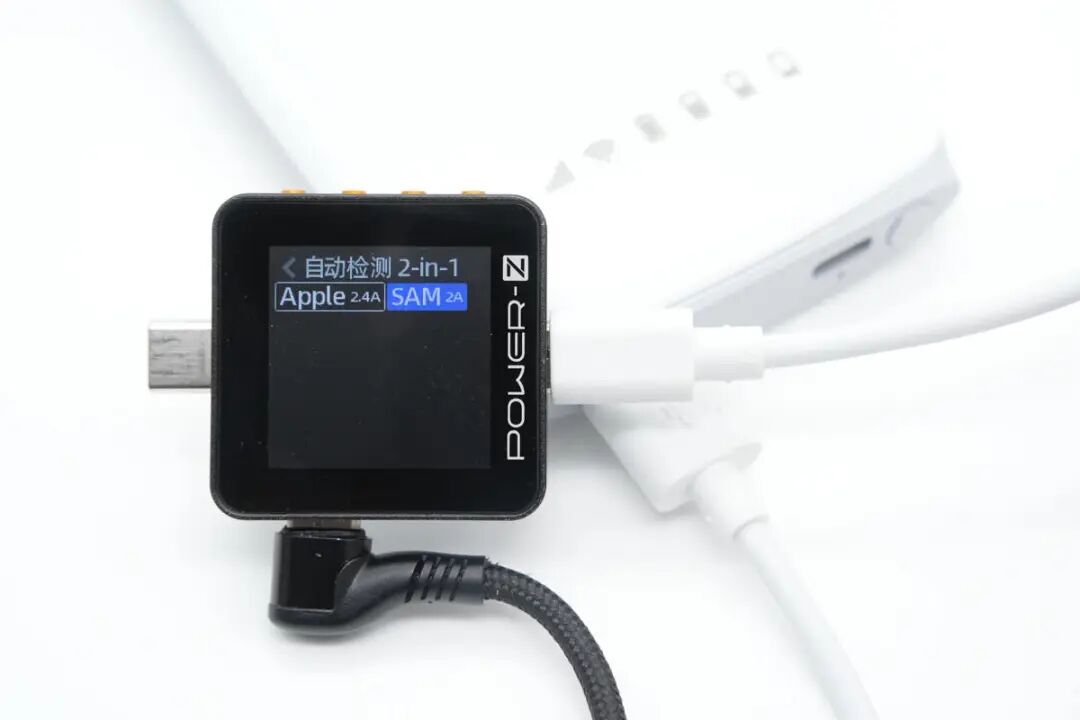
The USB-A port was also measured to support Apple 2.4A and Samsung 5V2A charging protocols.
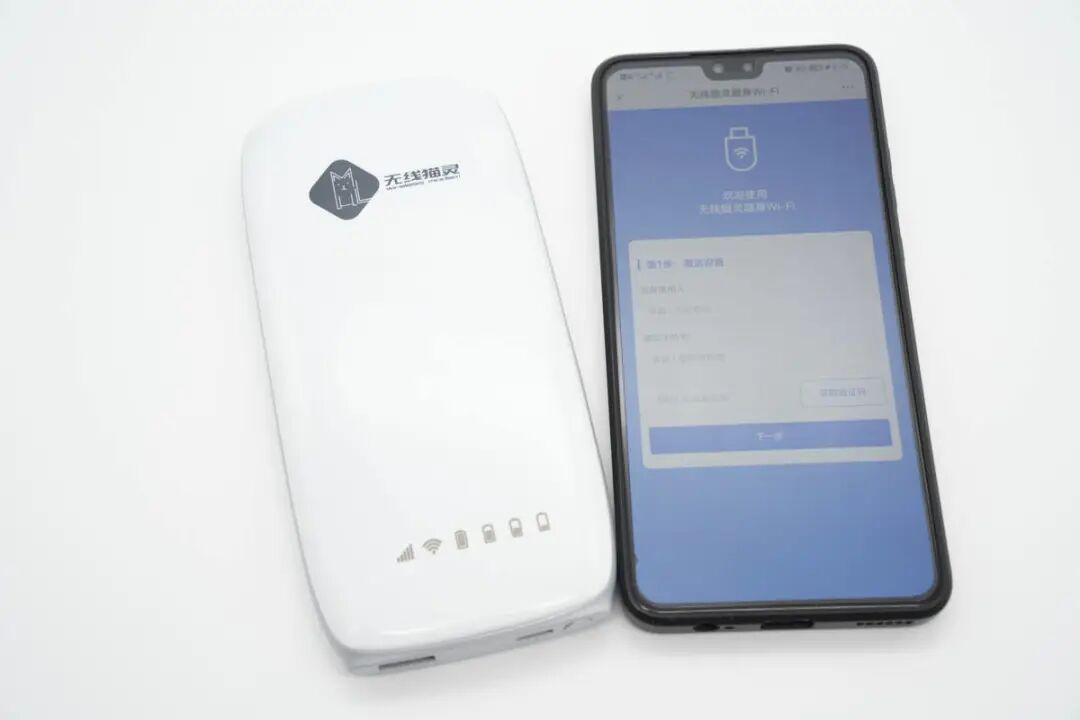
When first used to provide WiFi for a smartphone, there will be operational prompts, making it user-friendly.

Disassembly of the Wireless Cat Spirit Portable WiFi Power Bank
After gaining a basic understanding of the Wireless Cat Spirit portable WiFi power bank, we will continue with the disassembly to examine the materials and workmanship.
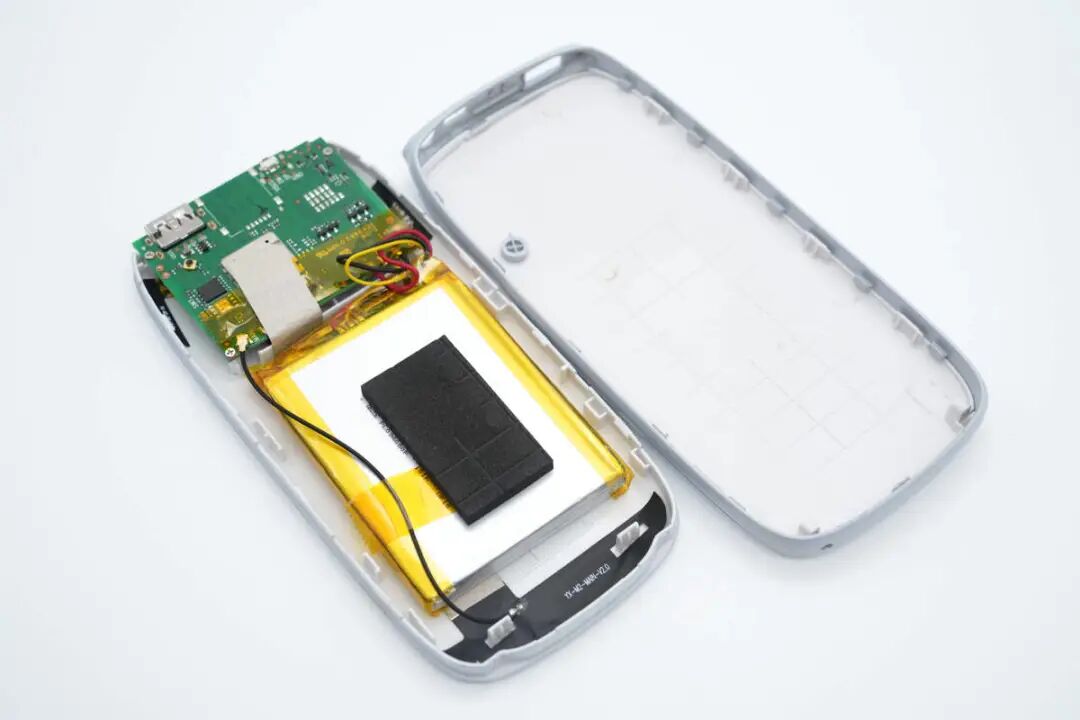
Unscrew the fixed screws at the bottom of the shell to open it; inside are the PCBA module and battery, with a coaxial line connected patch antenna at the bottom of the battery.
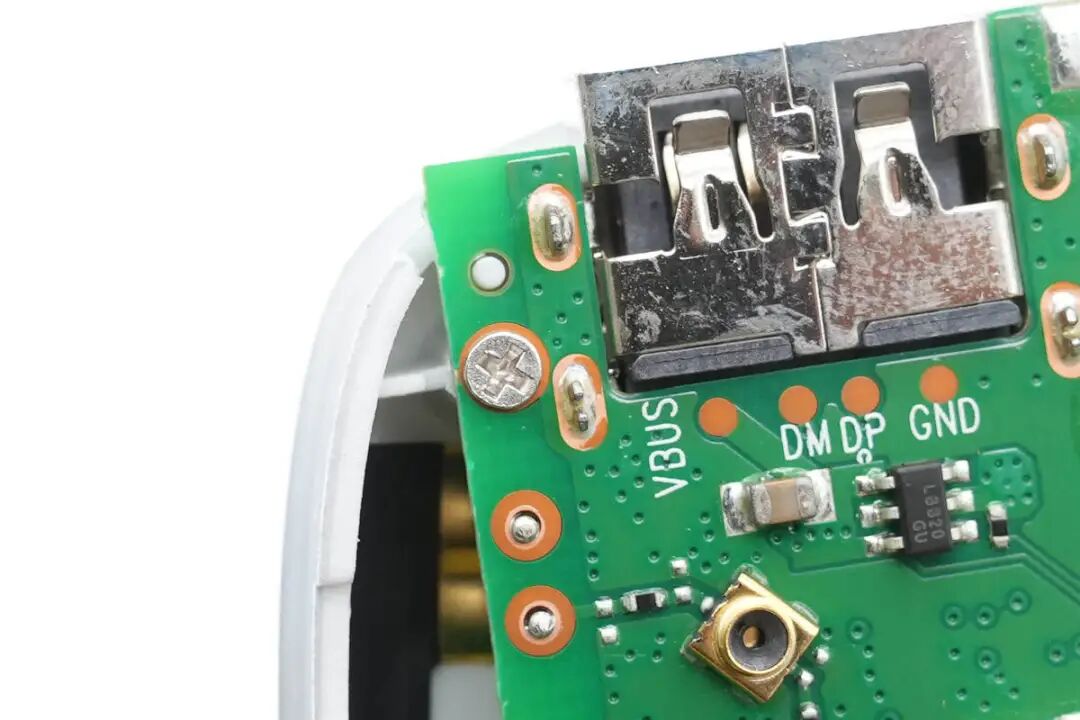
The PCBA module is secured with screws.
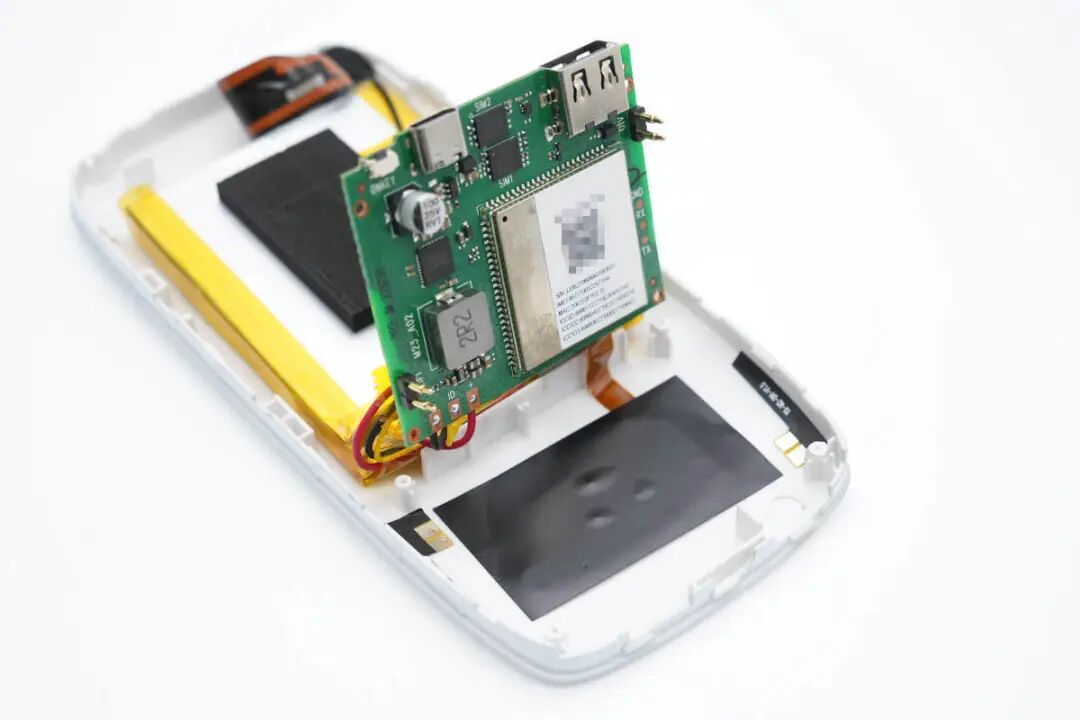
After unscrewing the screws securing the PCBA module, black shielding tape is adhered to the bottom of the circuit board.
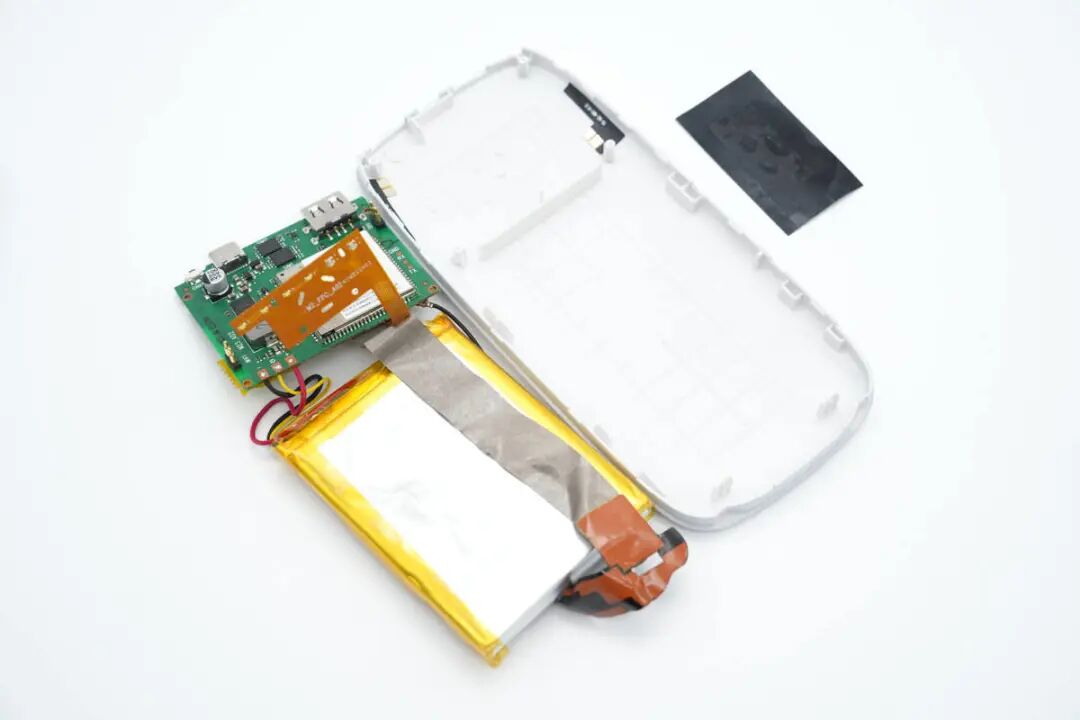
Peeling off the tape reveals the battery level indicator and status indicator.
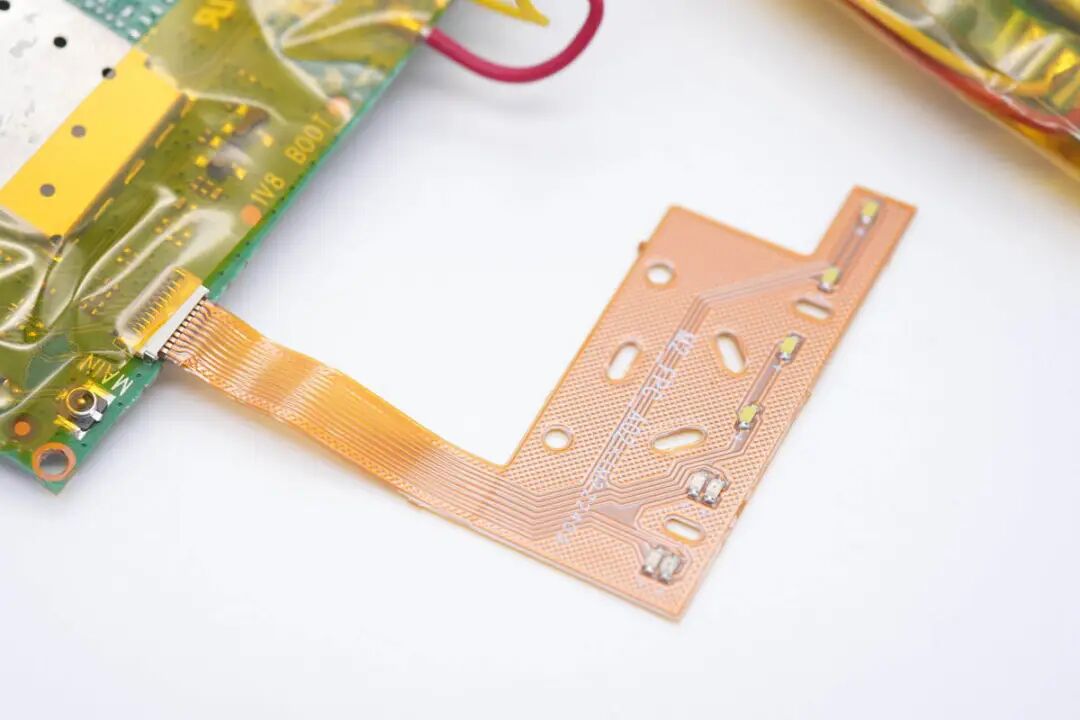
A close-up of the FPC where the battery level indicator and status indicator are located.
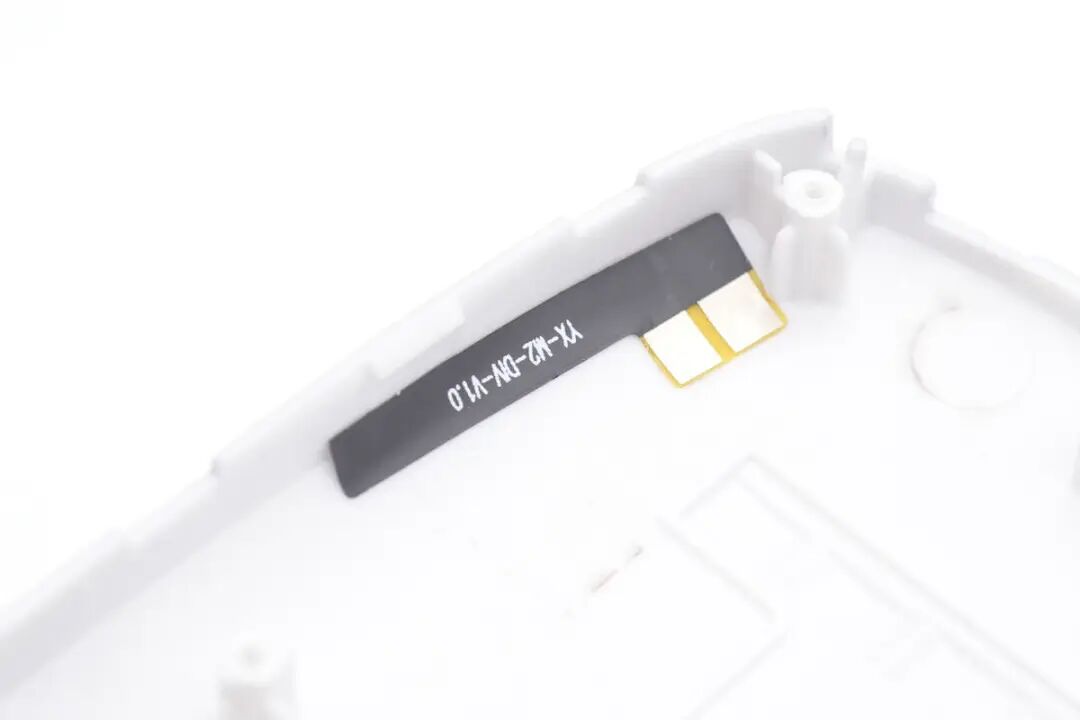
The internal DIV diversity antenna of the shell.
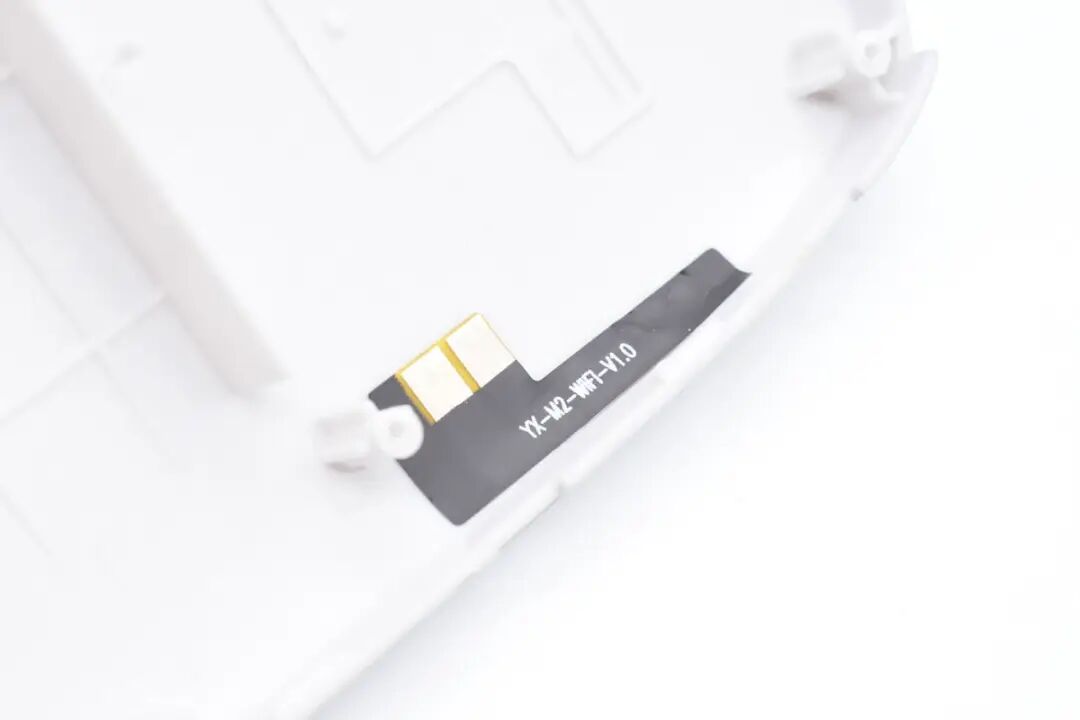
The WiFi antenna on the other side.
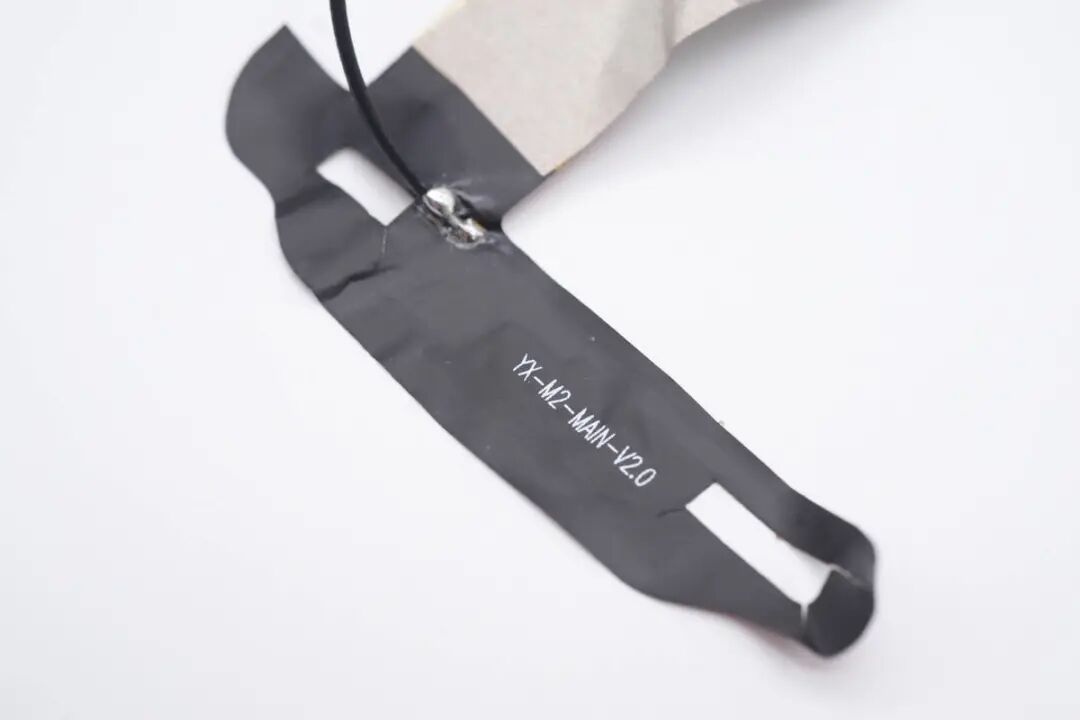
The main antenna at the bottom of the shell, connected via coaxial line.
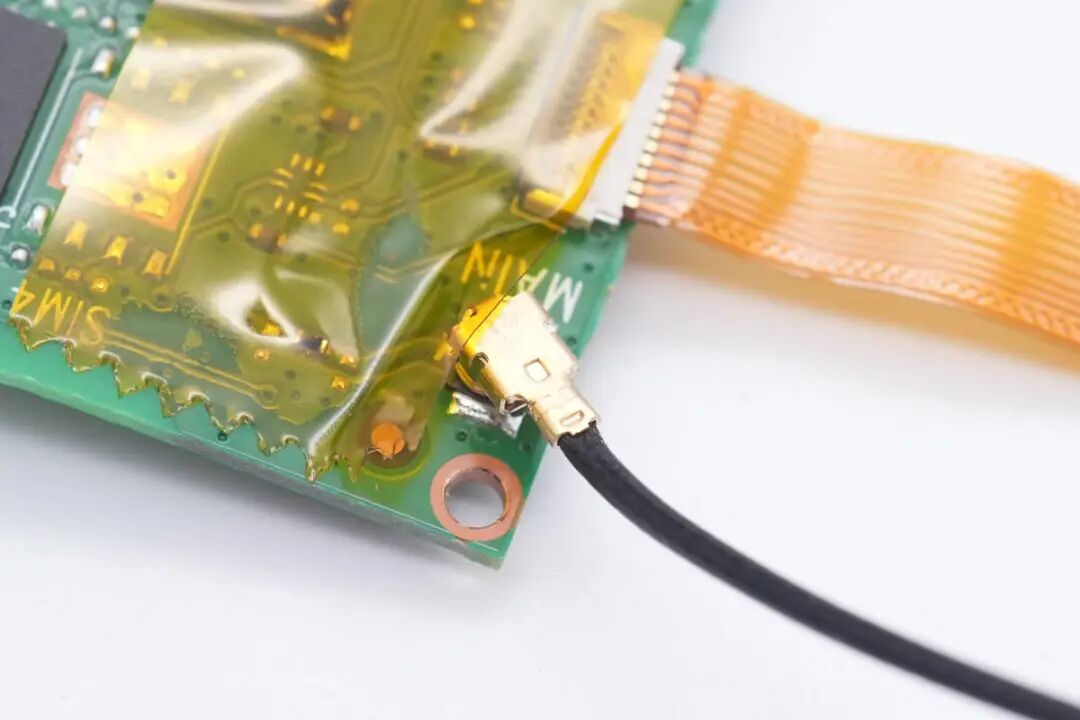
A close-up of the coaxial line connecting to the main antenna.
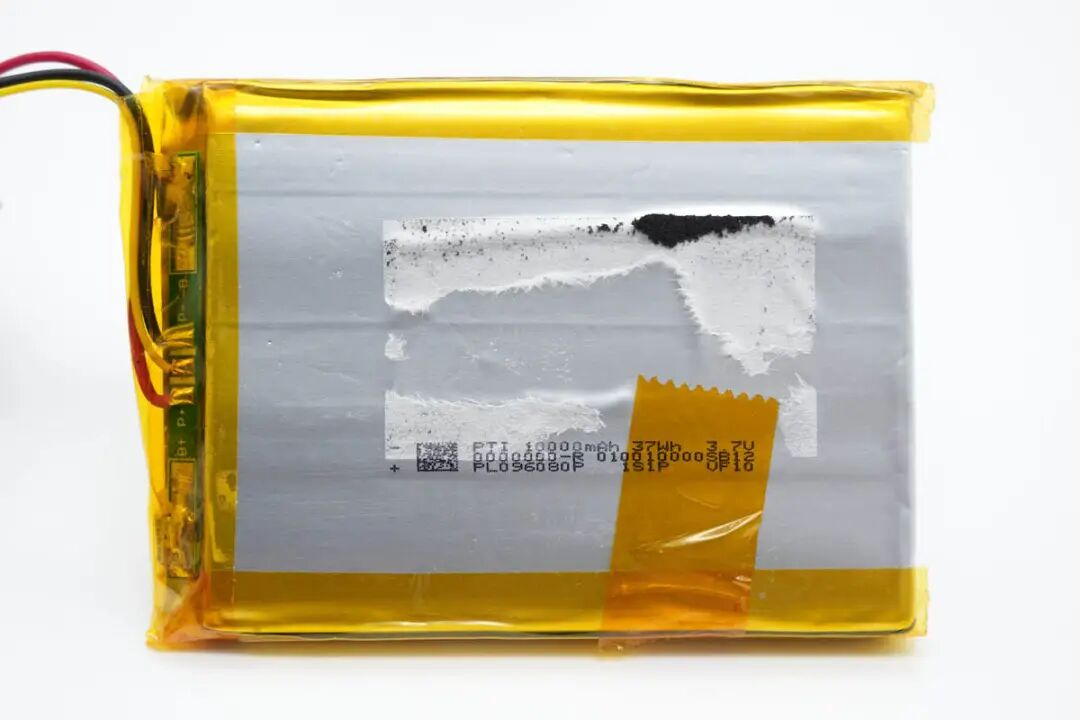
Peeling off the foam attached to the battery reveals a capacity of 10,000mAh, a nominal voltage of 3.7V, and a capacity of 37Wh.
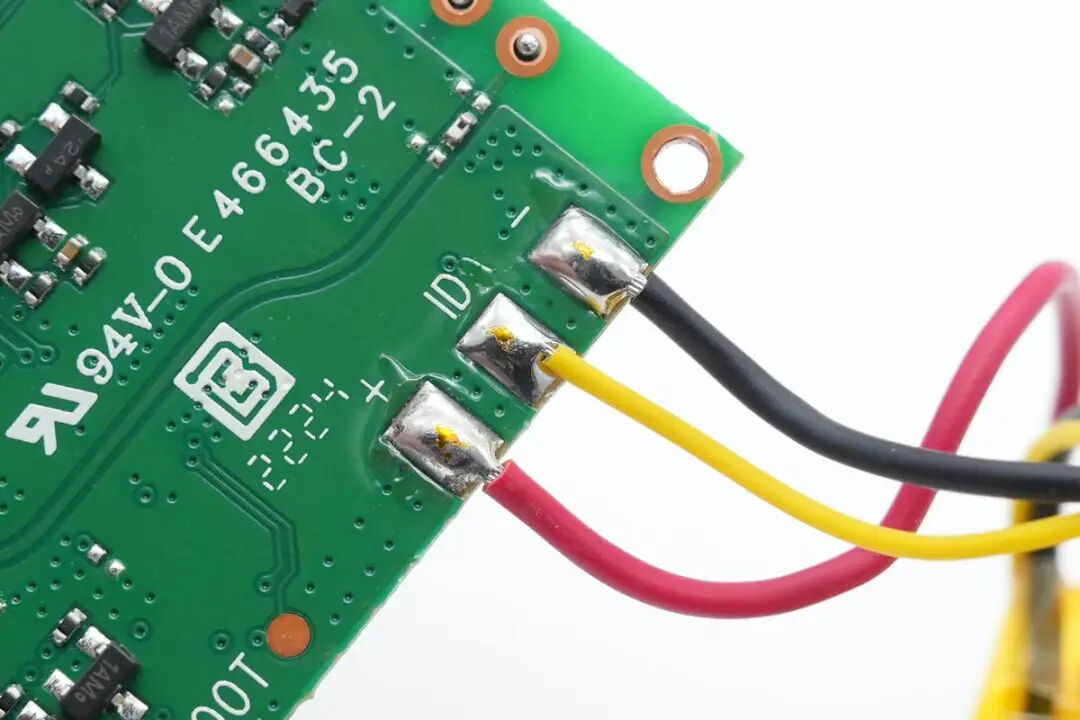
The battery is connected to the PCB for power supply via three wires, with red and black for positive and negative terminals, and a yellow wire for battery temperature detection.
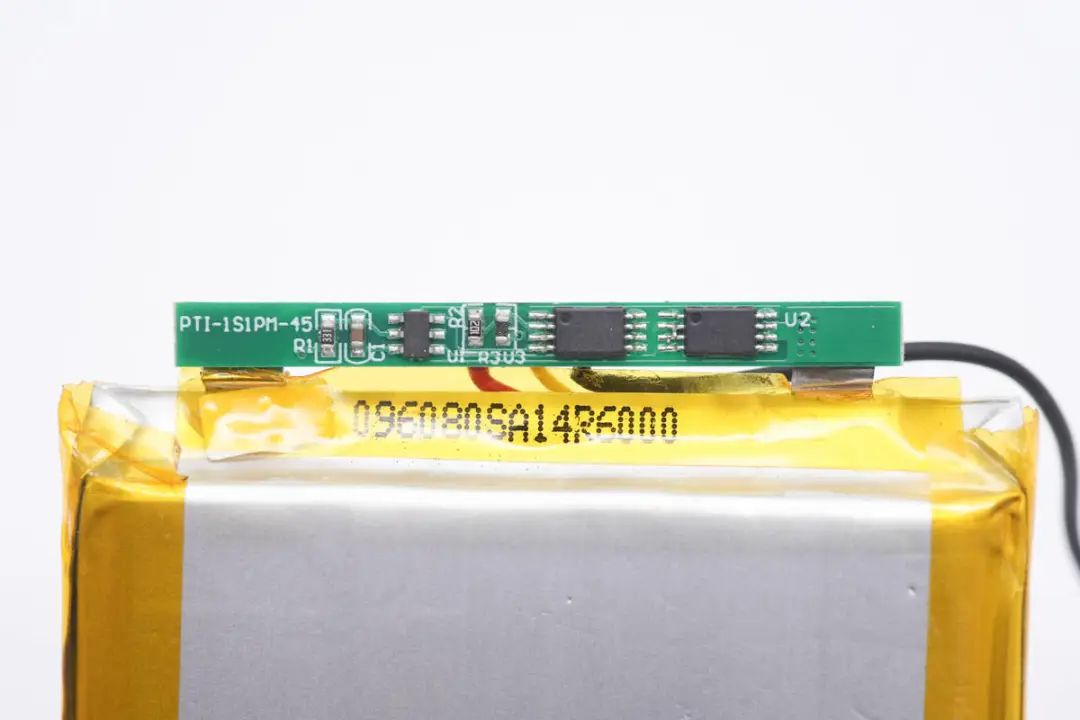
The battery protection board is soldered with protection chips, and two series-connected battery protection tubes are used for overcharge and over-discharge protection, while an NTC thermistor is used to monitor battery temperature.
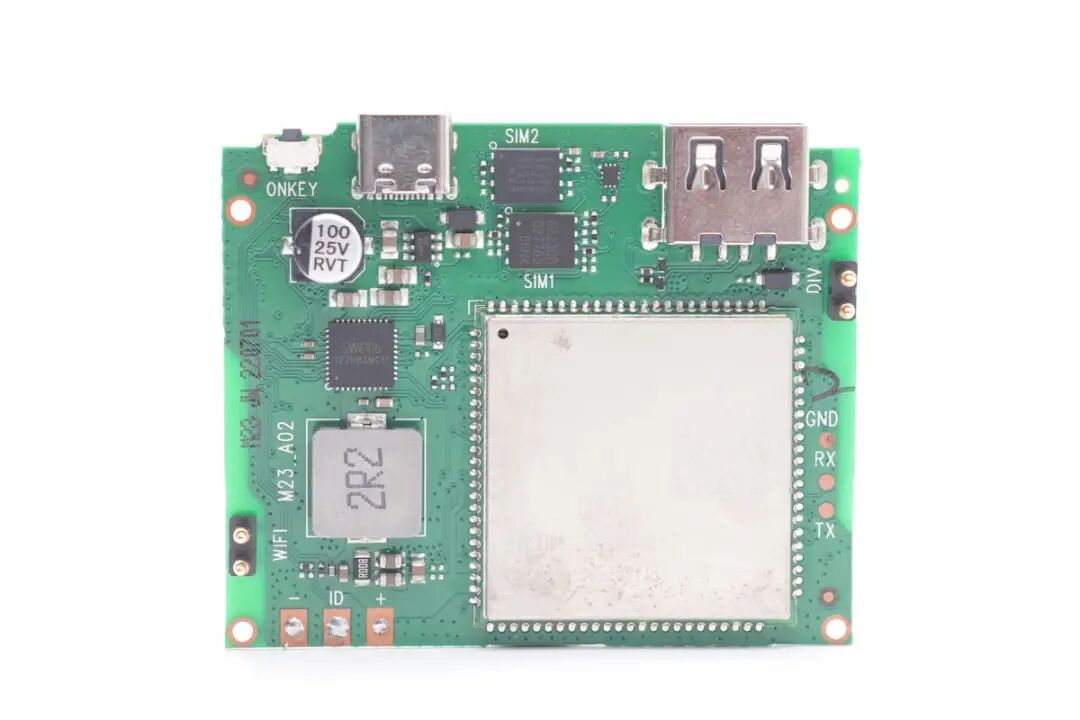
The front view of the PCBA module shows a large stamp-sized board, which is a separate wireless module. The left side contains the power bank circuit, soldered with an SOC chip and an inductor, while the output end is soldered with filtering electrolytic capacitors and switching MOSFETs.
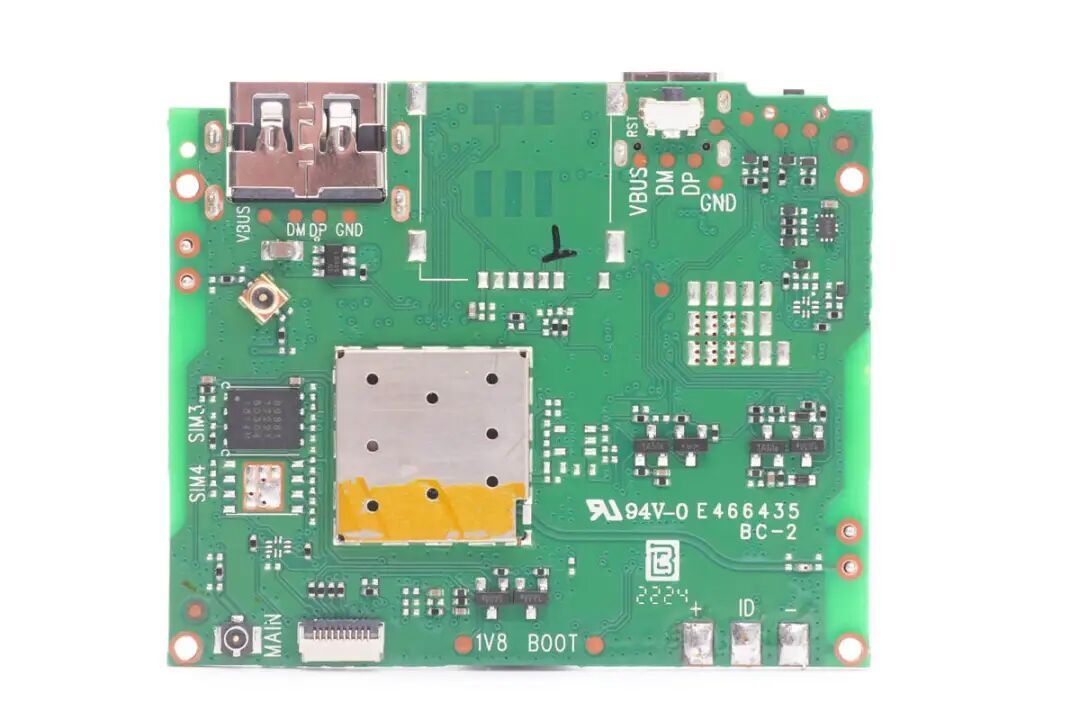
The back is soldered with a shielding cover, corresponding to the position of the power bank SOC on the back, with vias exposing copper for heat dissipation. A SIM card slot pad is reserved on the back.
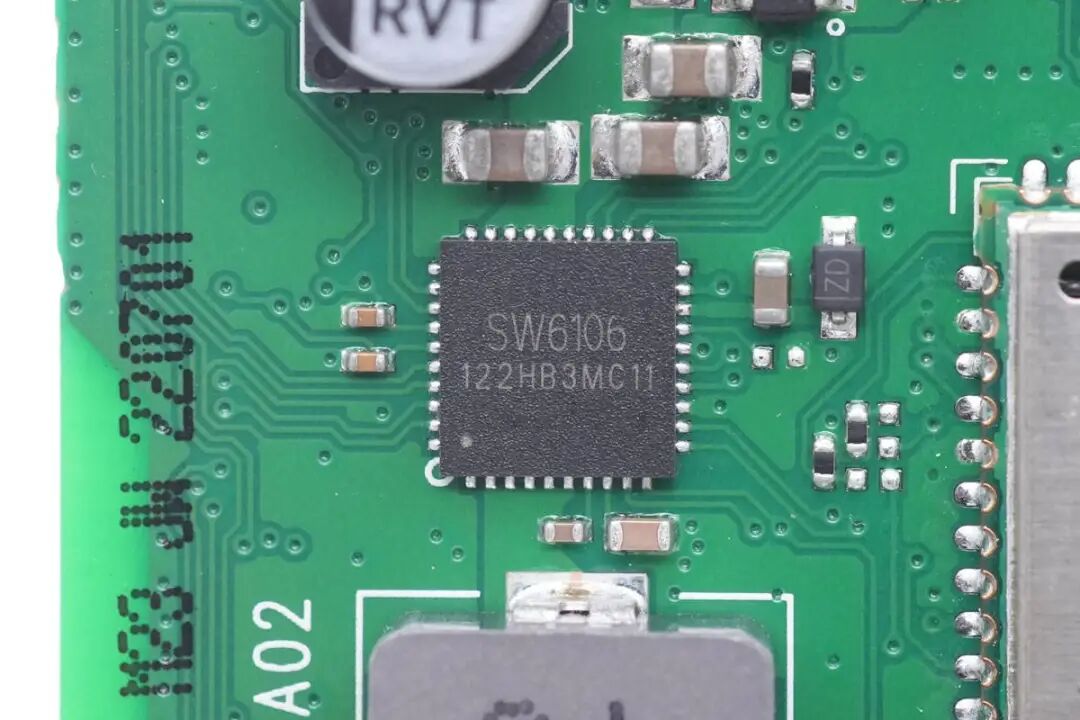
The main control chip of the power bank comes from Zhuhai Zhirong, model SW6106, responsible for battery charging and discharging functions. The SW6106 is a highly integrated bidirectional fast charging power bank dedicated multi-in-one chip, integrating 4A high-efficiency switch charging, 18W efficient synchronous boost output, supporting multiple fast charging protocols such as PD/QC/FCP/PE/SFCP, battery measurement, lighting drive, and corresponding control management logic. It supports simultaneous charging and discharging, fast charging input and output when working in single-port mode, and 5V input and output when working in multi-port mode. Only a few peripheral components are needed to form a complete high-performance bidirectional fast charging power bank solution.
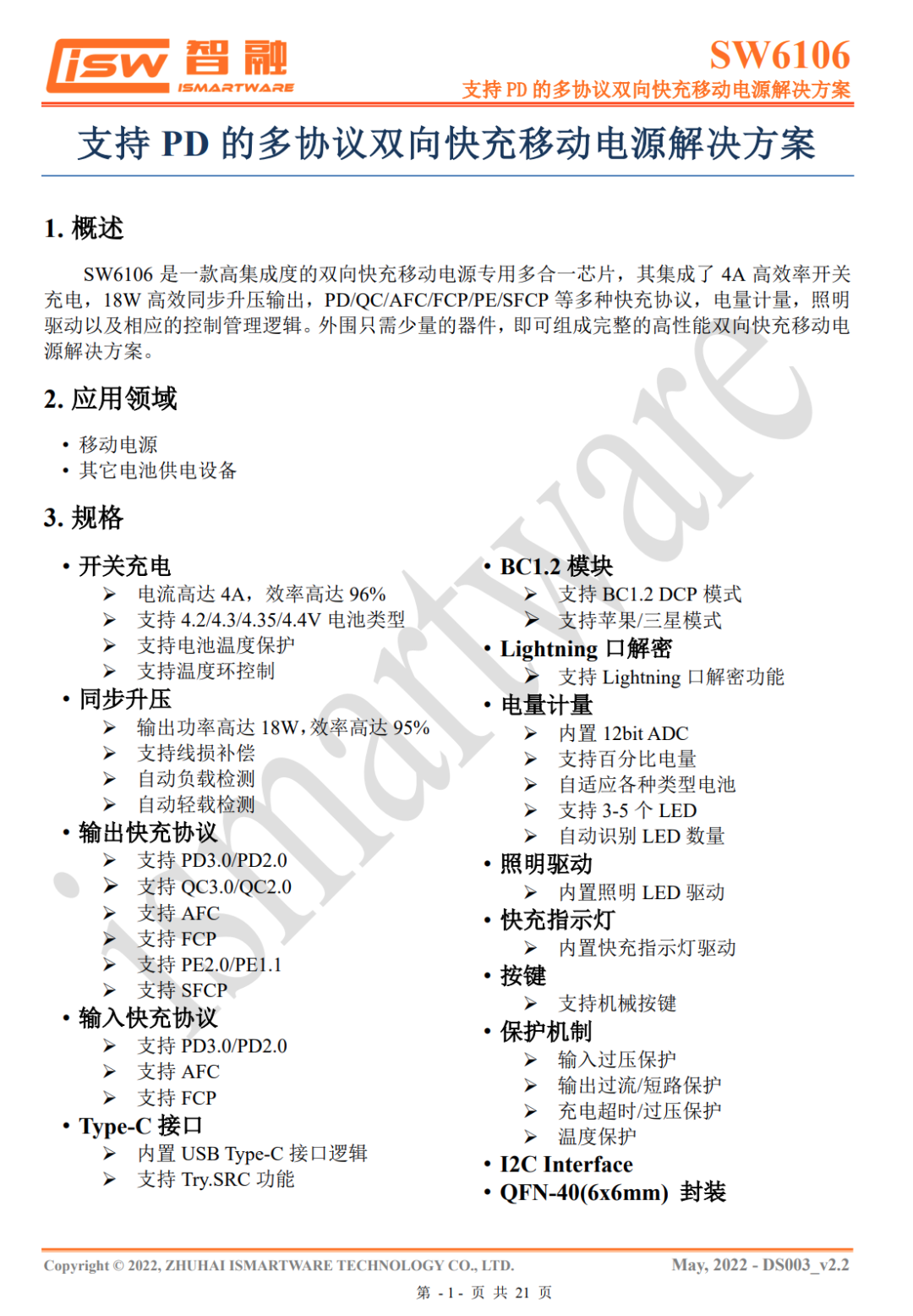
Detailed information on Zhirong SW6106.
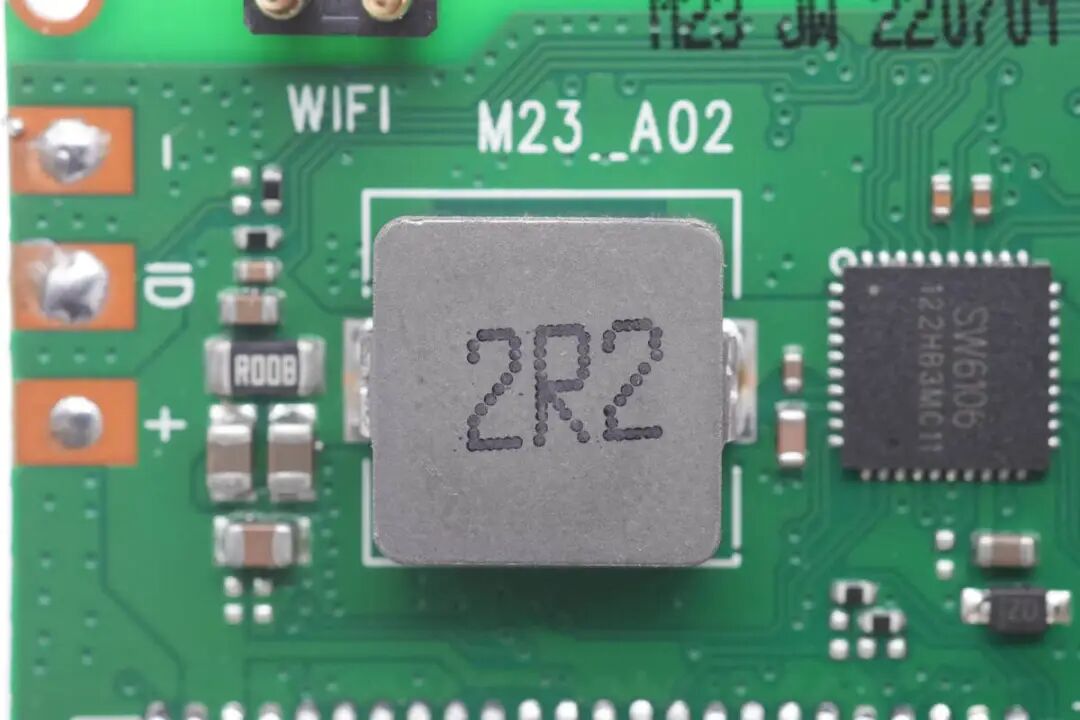
The inductor used for charging and discharging with SW6106 is 2.2μH, packaged in a large 10*10 size, effectively reducing temperature rise during operation.
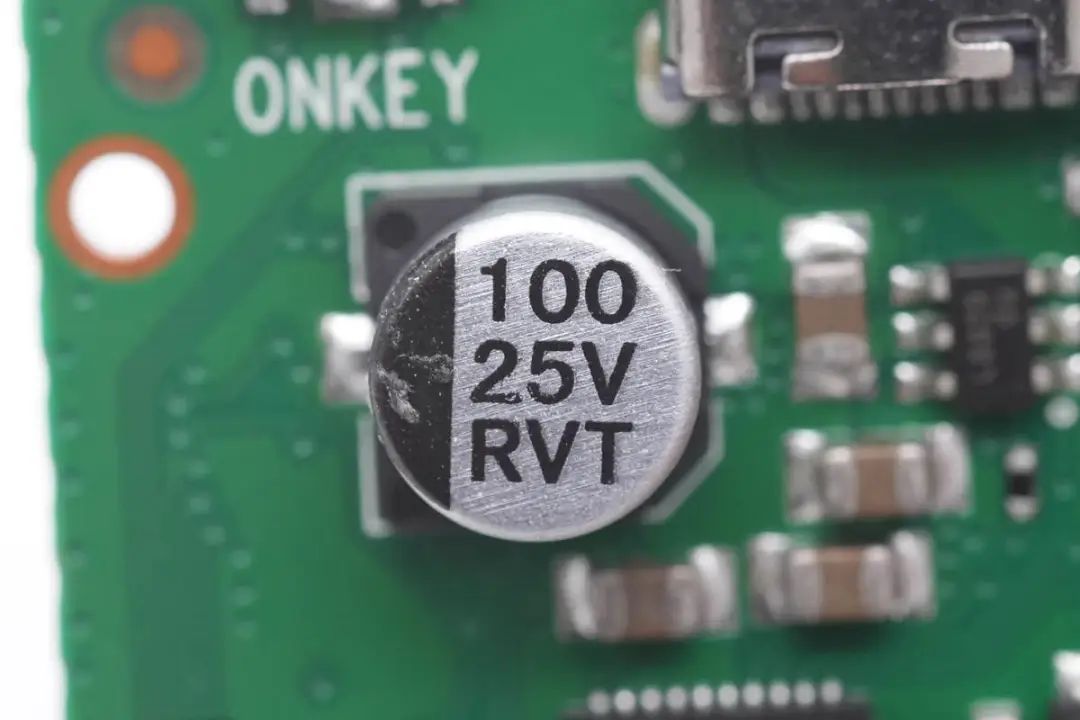
The output filtering electrolytic capacitor is surface-mounted, with specifications of 100μF 25V.
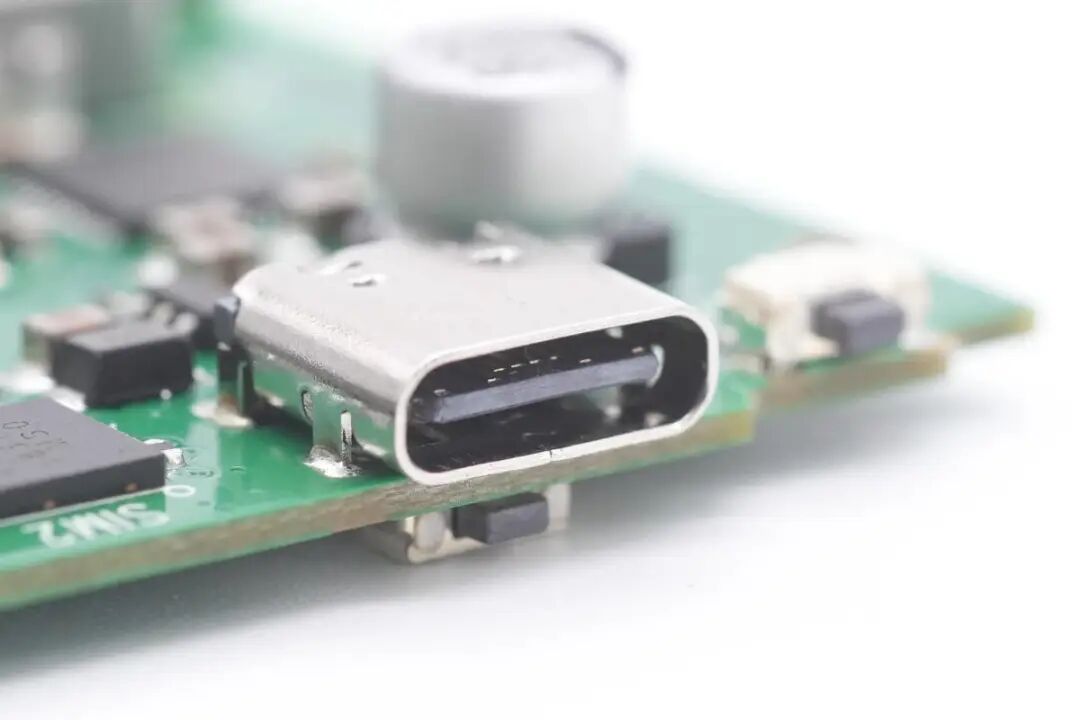
The USB-C female connector is fixed with through-hole soldering, with a black core that does not expose copper.
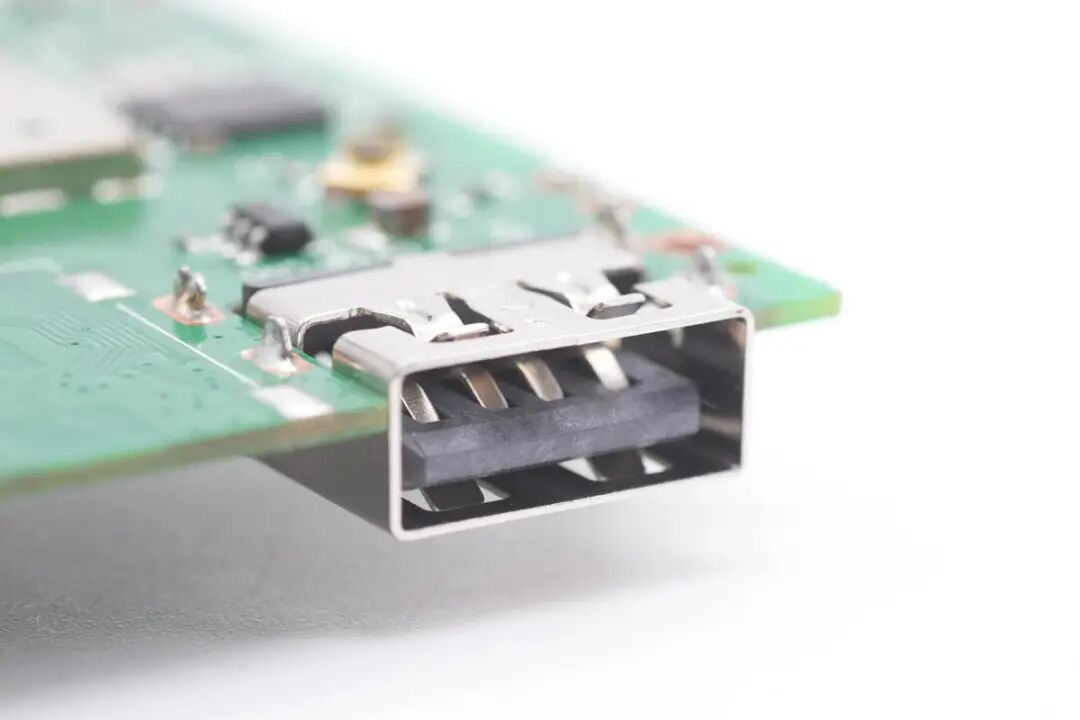
The USB-A female connector is soldered with a recessed board to reduce thickness.
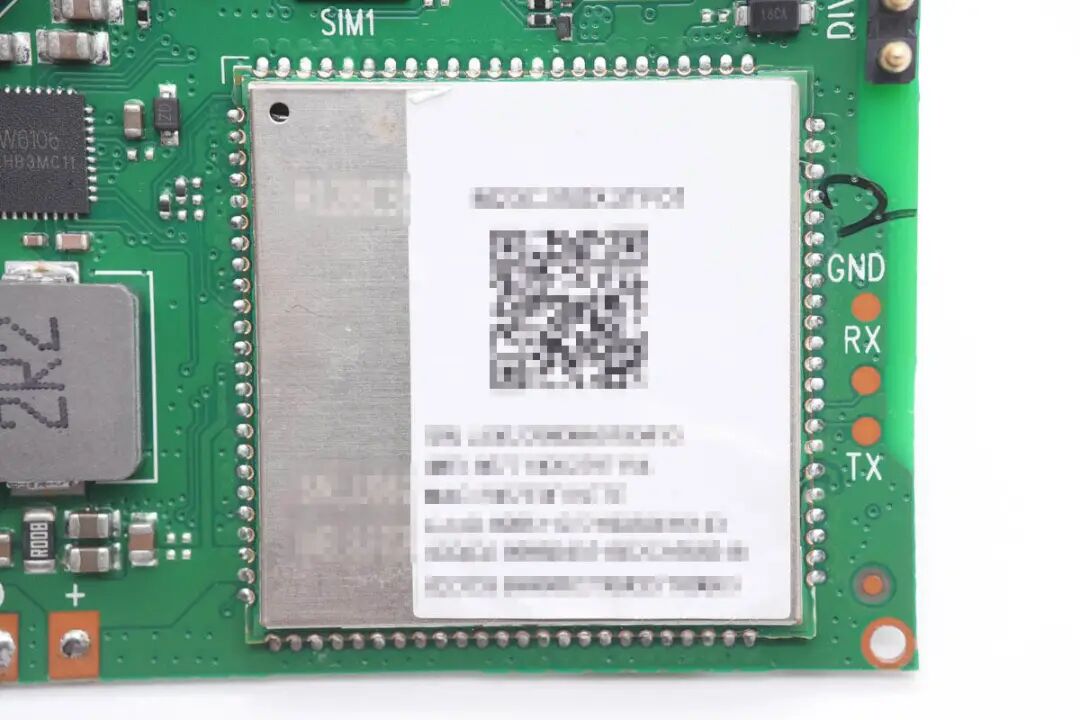
The wireless module is soldered with a shielding cover and a QR code and serial number sticker.
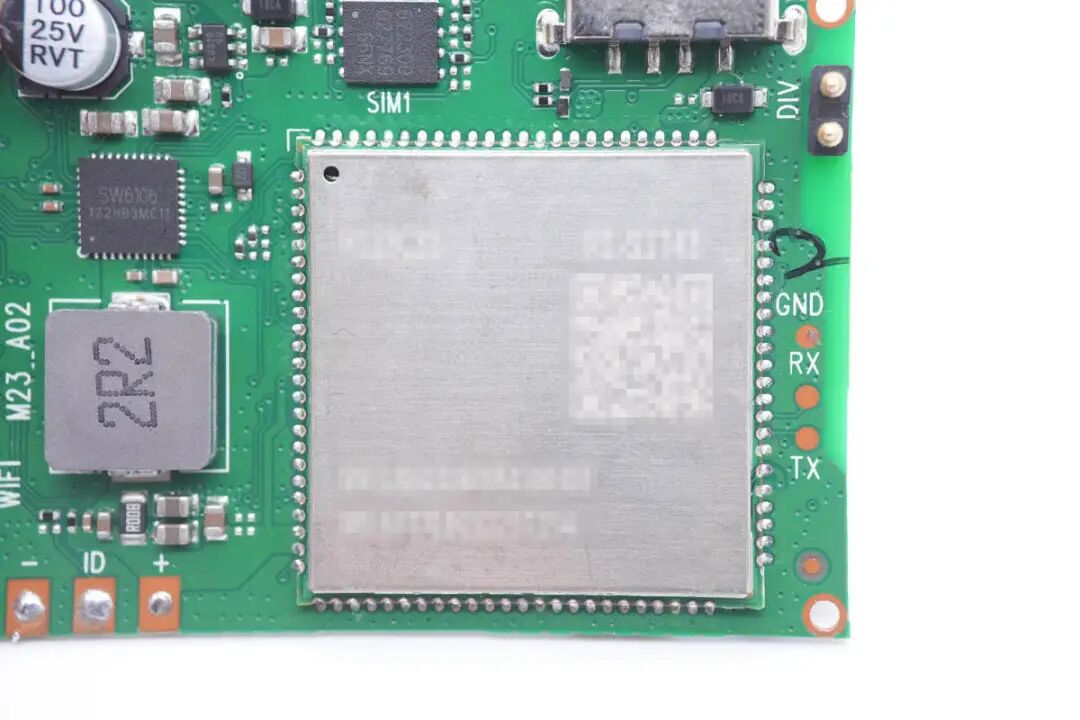
Peeling off the sticker on the module surface reveals another QR code underneath.
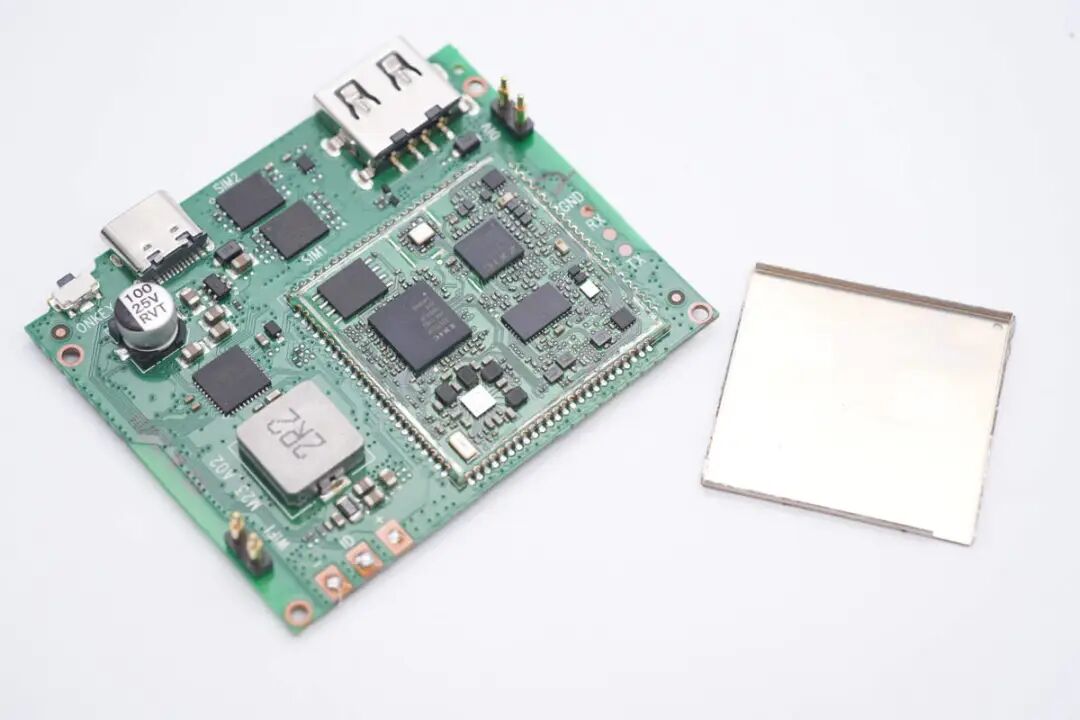
Removing the shielding cover from the wireless module reveals the relevant circuits of the 4G module.
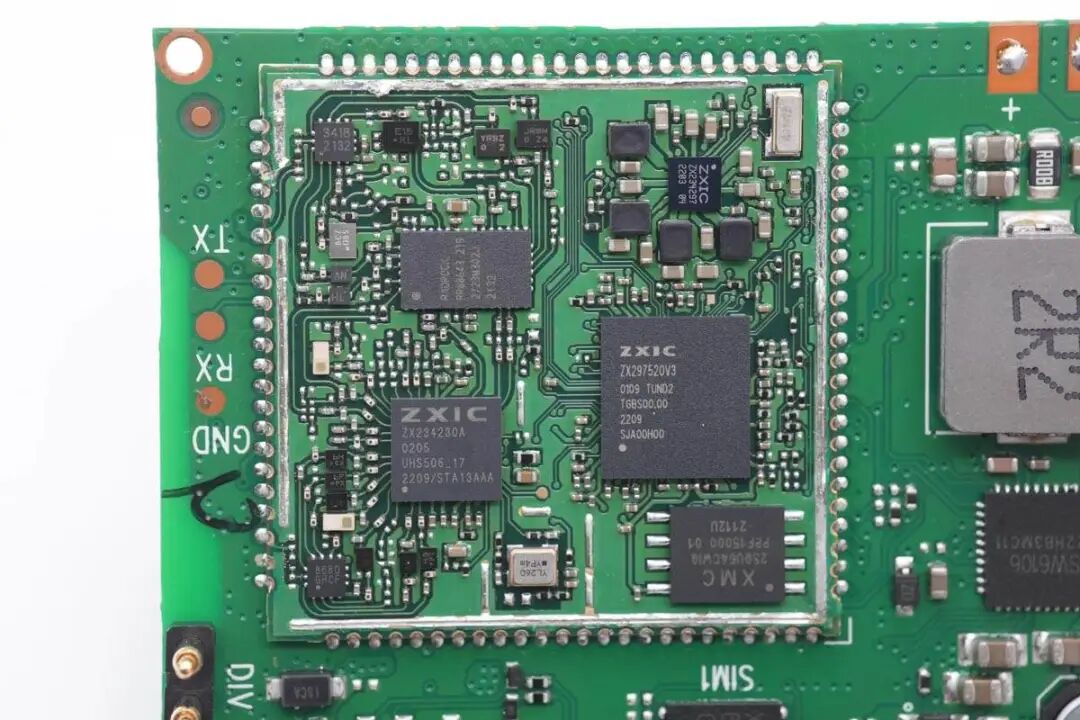
An overview of the internal circuits shows the power amplifier chip, RF transceiver chip, baseband processor, PMIC, and memory.
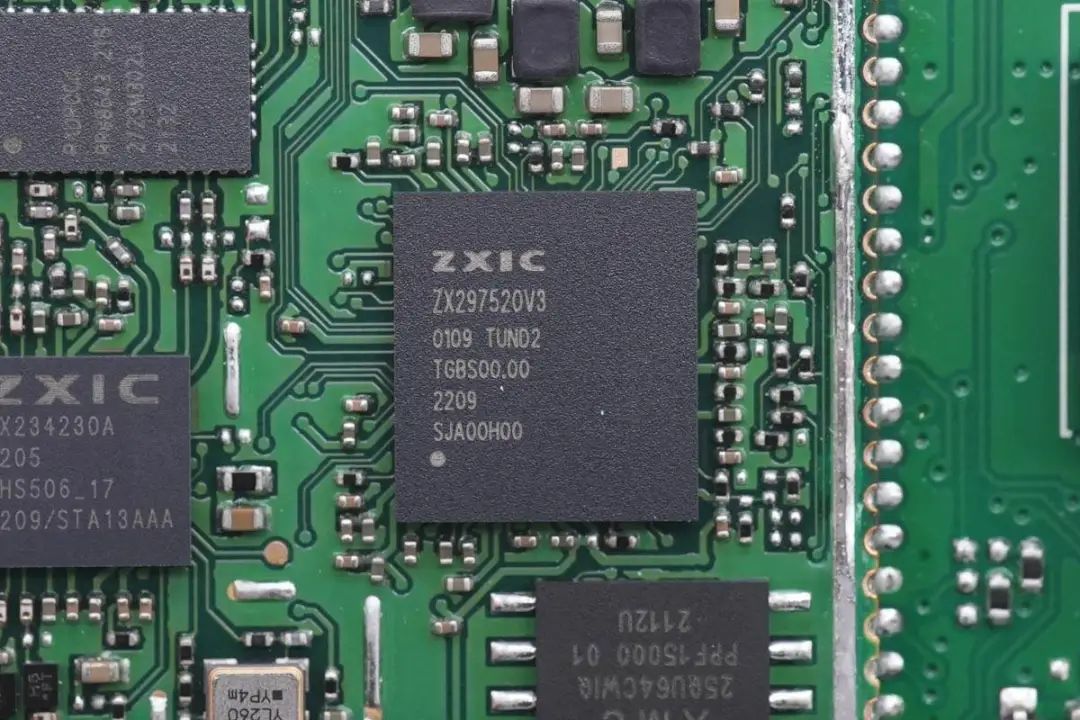
The baseband processor comes from ZXIC ZTE Microelectronics, model ZX297520V3, which supports five network modes including TD-LTE and FDD-LTE, using a 28nm process, suitable for mobile terminal devices, with advantages of low power consumption, high cost performance, and high integration.
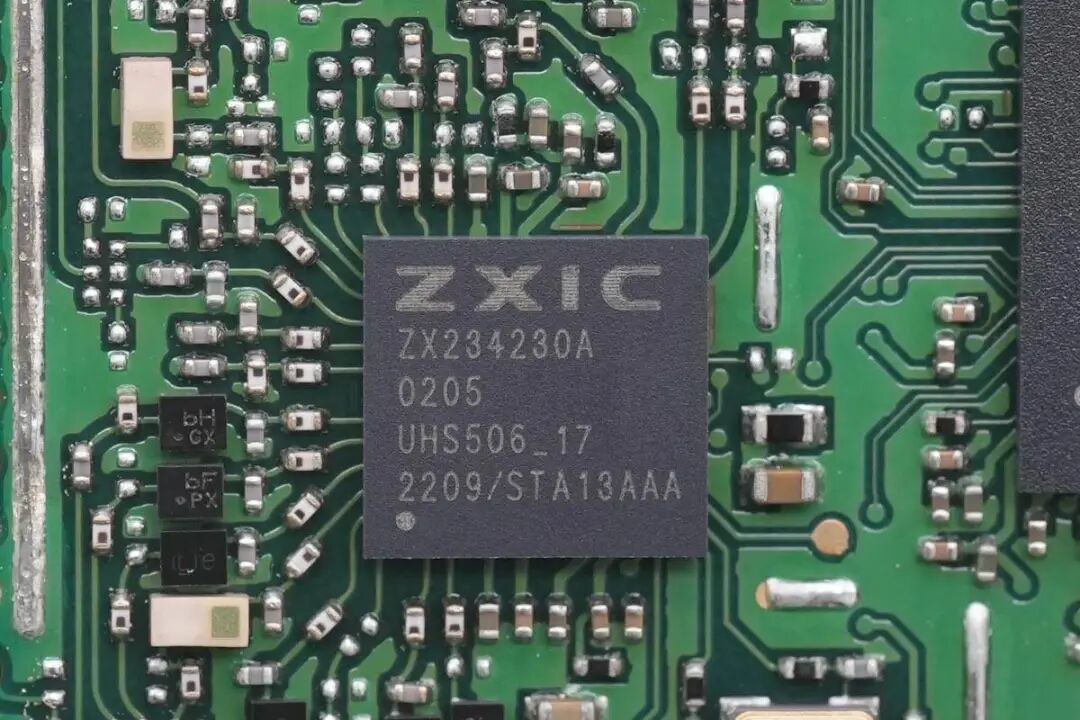
The RF transceiver chip also comes from ZXIC ZTE Microelectronics, model ZX234230A.
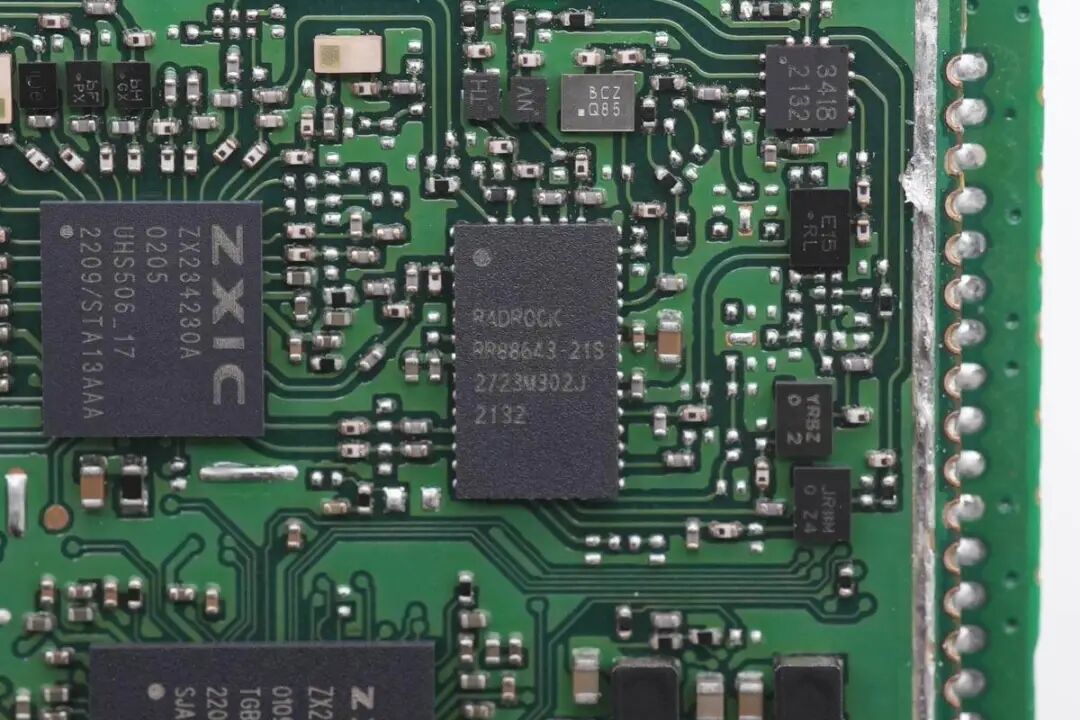
The power amplifier chip comes from RADROCK, model RR88643-21, which is a 4G front-end chip supporting FDD-LTE, TDD LTE, WCDMA, and TD-SCDMA network modes.
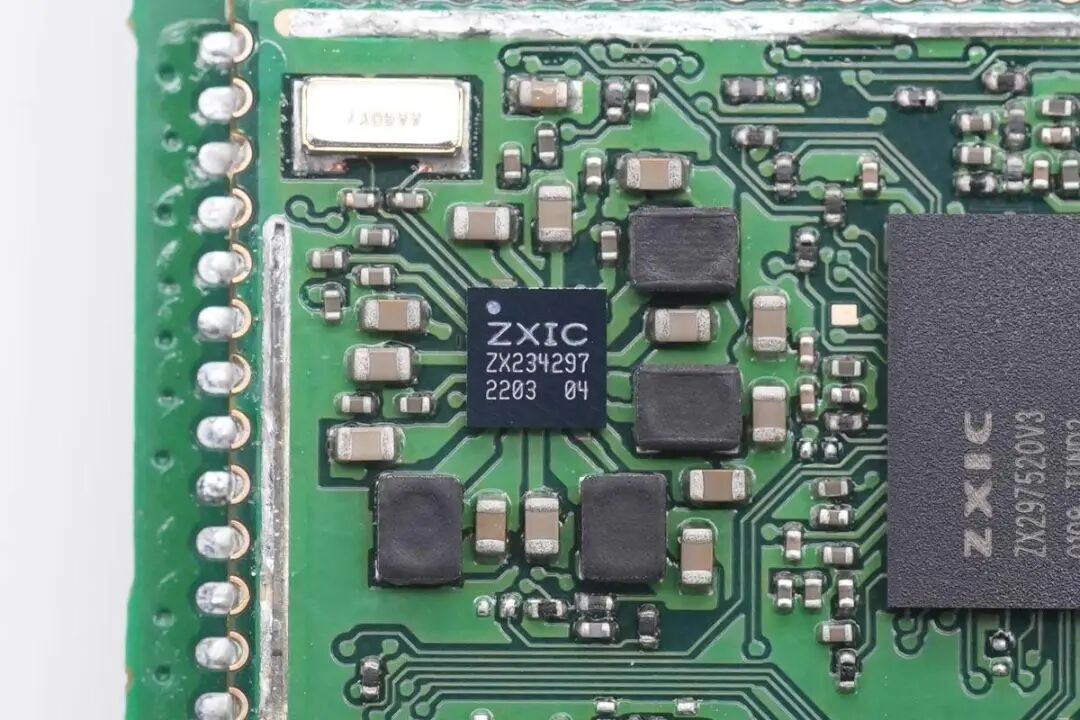
The PMIC also comes from ZXIC ZTE Microelectronics, model ZX234297, with four external inductors, and a clock crystal oscillator in the upper left corner.
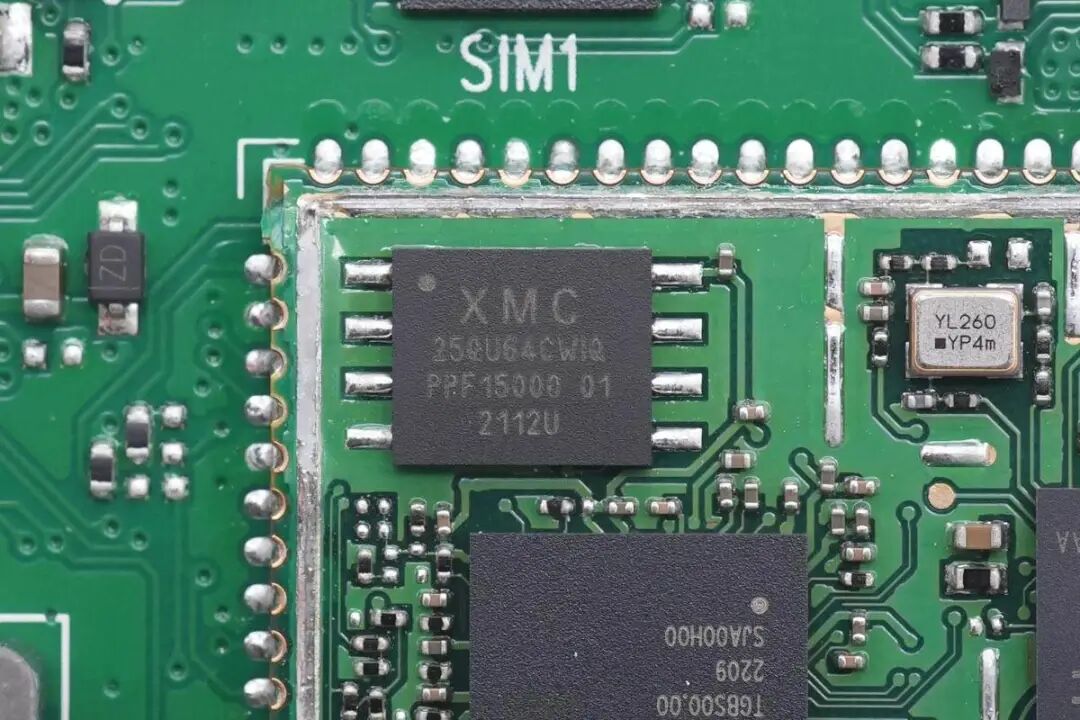
The memory comes from XMC Wuhan Xinxin, model XM25QU64C, which is a 64MBit SPI memory used for storing firmware and configuration information.
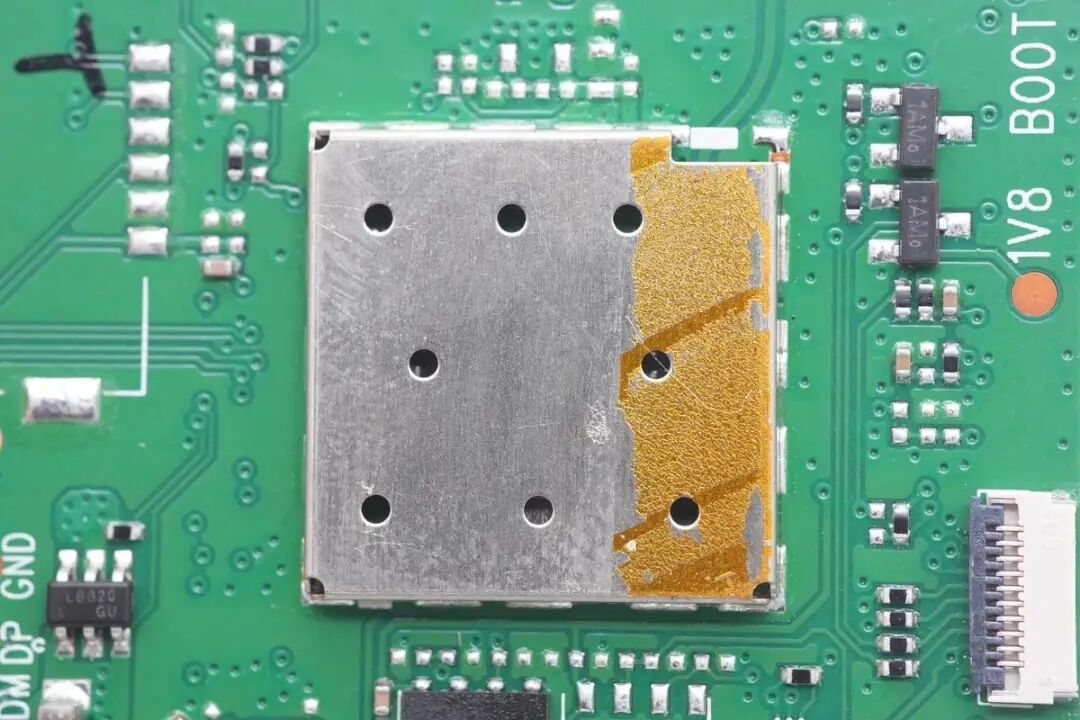
On the back of the main board, there is also a shielding cover for wireless signal forwarding.
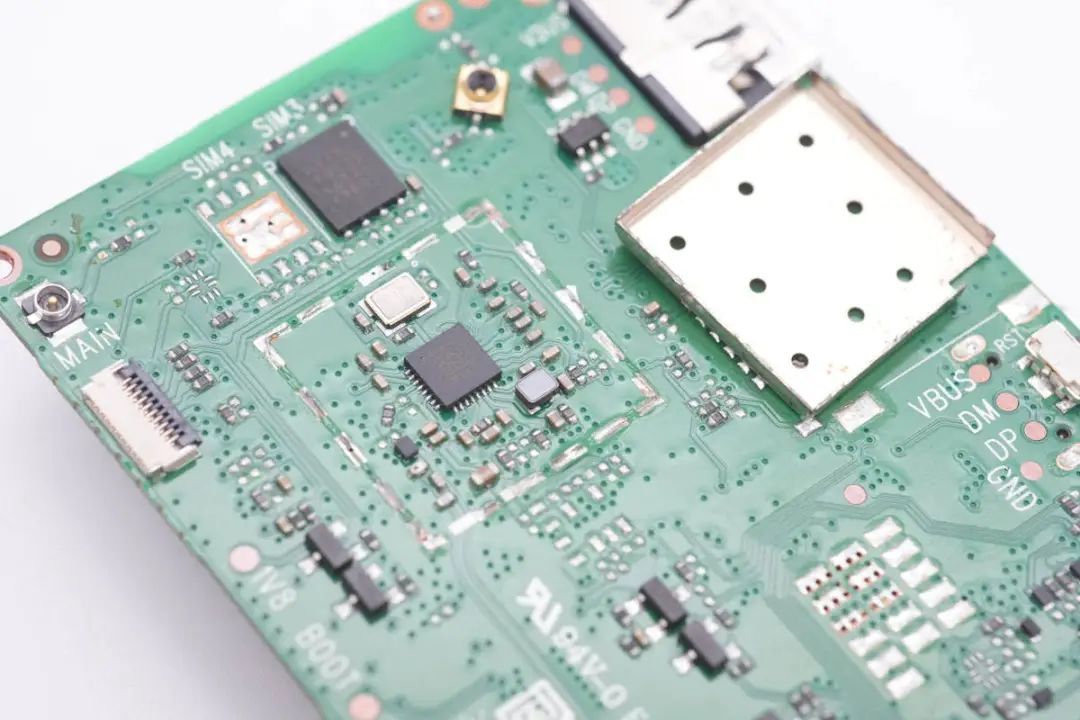
Removing the shielding cover reveals a chip soldered inside.
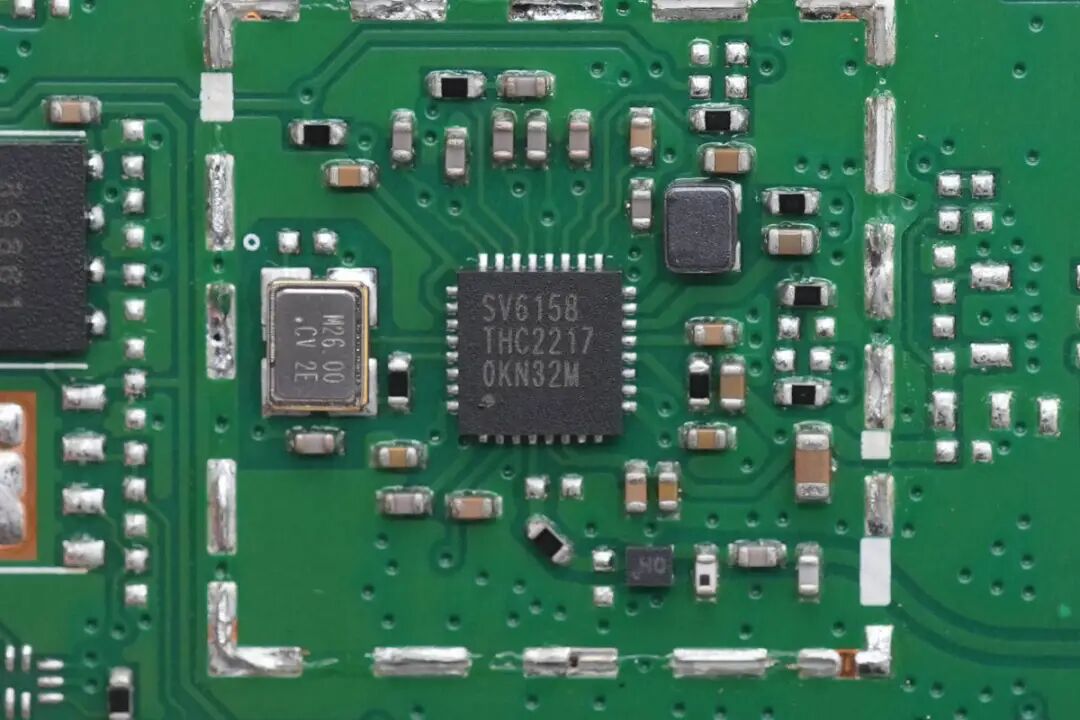
The WiFi chip comes from Southern Silicon Valley, model SV6158.
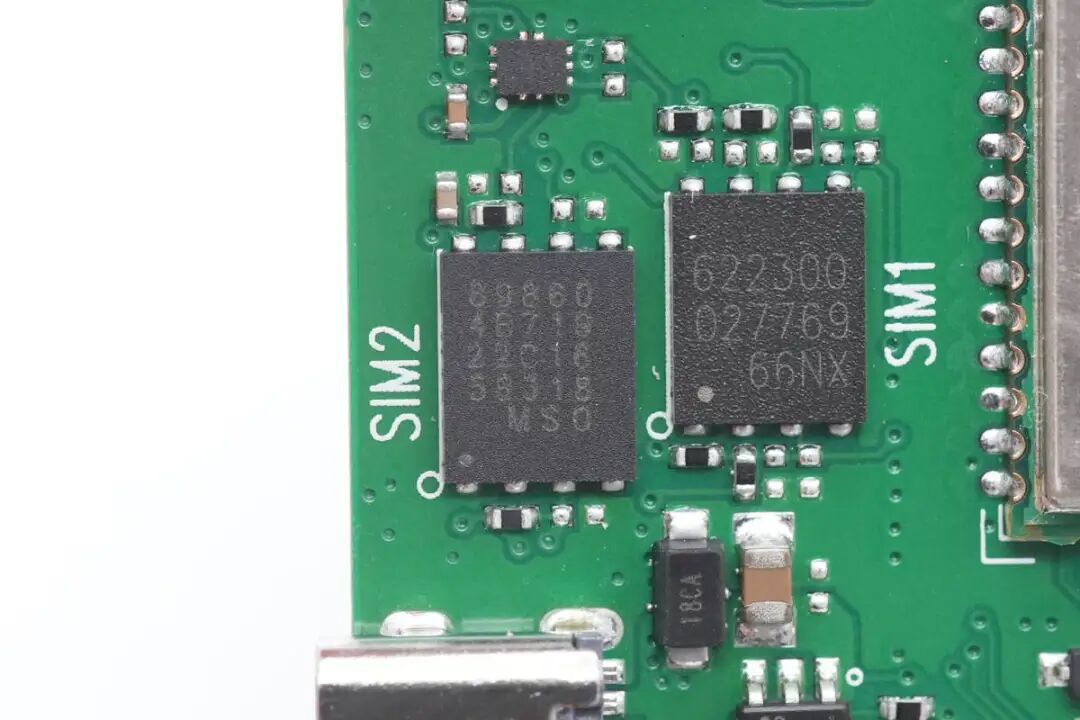
A close-up of the two E-SIM card chips.
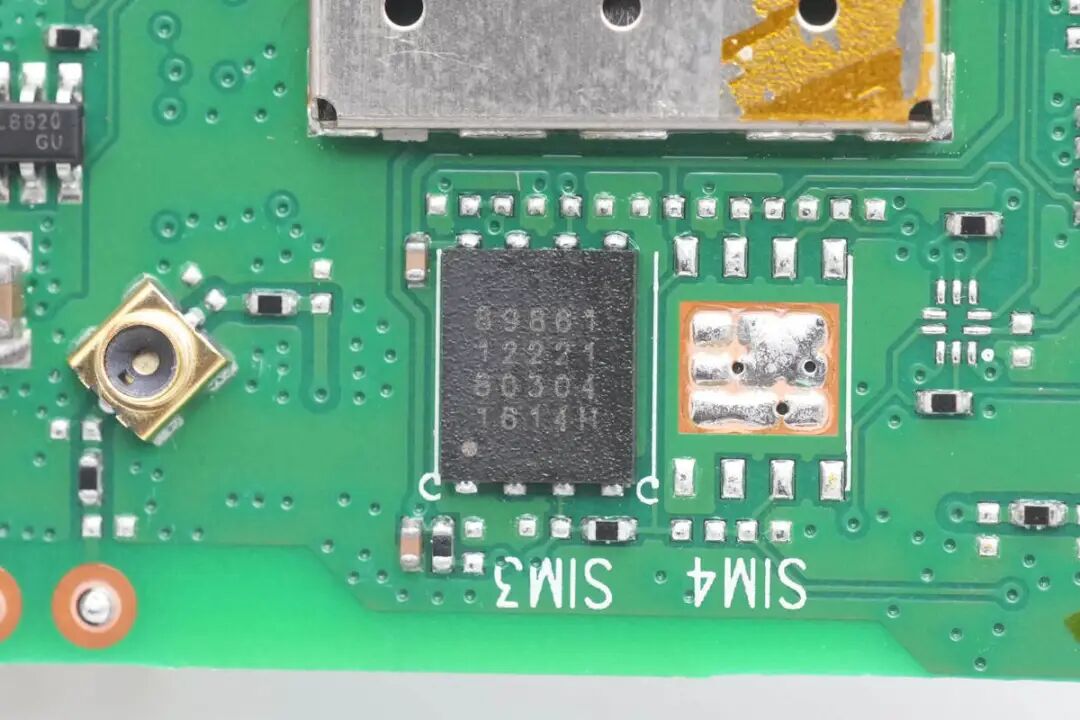
The third E-SIM card close-up supports wireless networks from three carriers.
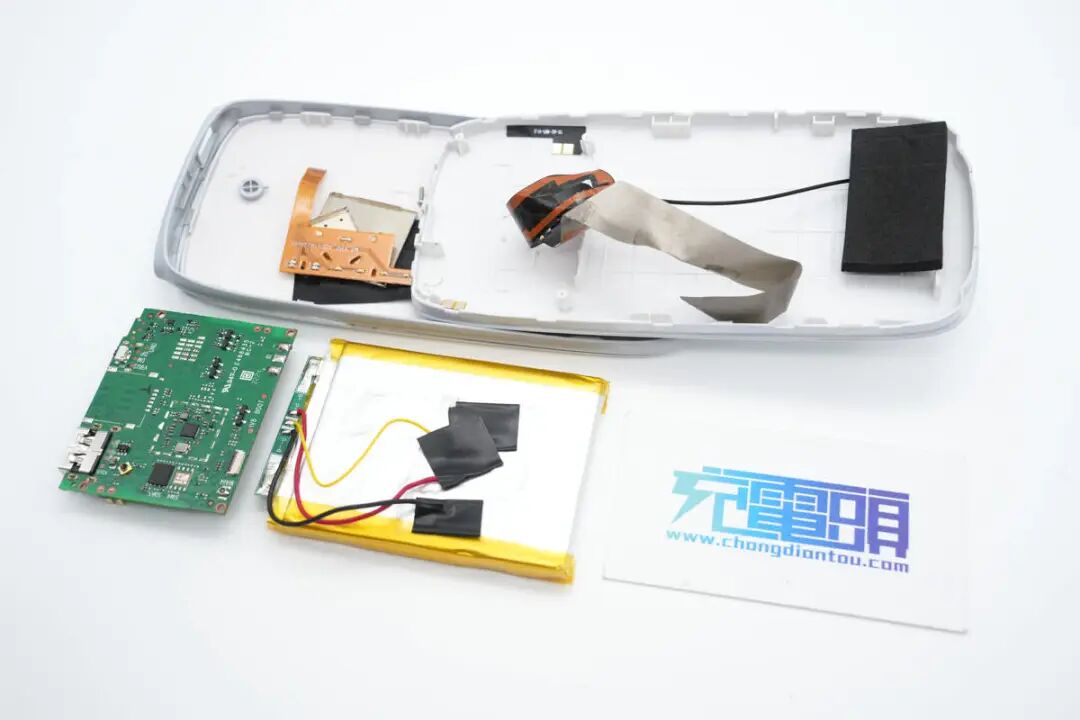
All disassembly is complete; here’s a family photo.
Charging Head Network Disassembly Summary
As a networking device between wired and mobile networks, portable WiFi addresses the issues of rapid battery drain and heat generation when using 4G or 5G networks on smartphones while out and about, becoming an important supplement to wired networks. The large-capacity battery provides sufficient battery life, making internet access on smartphones more secure.
Through disassembly, the Charging Head Network learned that this portable WiFi integrates the Zhirong SW6106 power bank SOC chip for battery charging and discharging. The chip integrates switch tubes and controllers, achieving high integration with simplified peripheral circuits. The wireless module adopts ZTE’s solution, providing advantages of low power consumption, high cost performance, and high integration. The modular approach greatly simplifies product development and effectively accelerates time to market.
「Summit Registration」Registration for popular summits during the 2022 (Spring) Asia Charging Exhibition is now open.2022 Asia Outdoor Power Supply Conference2022 (Spring) USB PD & Type-C Asia Conference2022 (Spring) Global Third Generation Semiconductor Industry Summit2022 (Spring) China Cross-Border E-Commerce Charging Product Selection Conference


Click on the blue text to learn about the following popular topics, or reply with the following keywords in the Charging Head Network WeChat backend to access the special topics.
「Power Chips」
Southern Silicon Valley、Yingjixin、Zhirong、Maoruixin、BiYiWei、Meixinsheng、Jiehuate、Huayuan、Silicon Power、Fuman Cloud Silicon、Xinhai、TianDeYu、BeilanDe、LiShengMei、Chuangxinwei、Wenxianwei、Baoliwei、Dongke、Yichong、Tuorwei、Hengchengwei
「Passive Components」
Terui Xiang、Beite、Wolde、BoRuiKai
「Gallium Nitride」
Nawei、InnoSys、Juneng Chuangxin、Nenghua、Weizhao、Gallium Future、Weishuo、Elevation
「Connectors」
ChaoXun
「Fast Charging Factories」
Hangjia、Gushi、Kuke、Pengyuansheng、Ruijiada、Tianbao、Tianzhong Precision Machinery
「Brand Zone」
Apple、Huawei、Gongniu、mophie、UGREEN、Hangjia、TRüKE、JileTang、AiguoZhe、MoQi、TECLAST、Tulas、Mcdodo、MOMAX
Business cooperation contact: [email protected]