On November 6, 2023, MediaTek (hereinafter referred to as MTK) held a press conference in Shenzhen to launch its new generation flagship mobile SoC – Dimensity 9300. Since its early exposure, this SoC has attracted great attention because it is the first processor to adopt the ARM all big core CPU IP. With such an architecture, how powerful will its performance be, and at the same time, will the energy efficiency, which is increasingly being focused on by consumers, face a setback? Regarding the surge in attention for edge AI support in the second half of 2023, does MTK have any support? You can find answers to this series of questions in this article.
The Triumvirate of Mobile SoCs Has Emerged
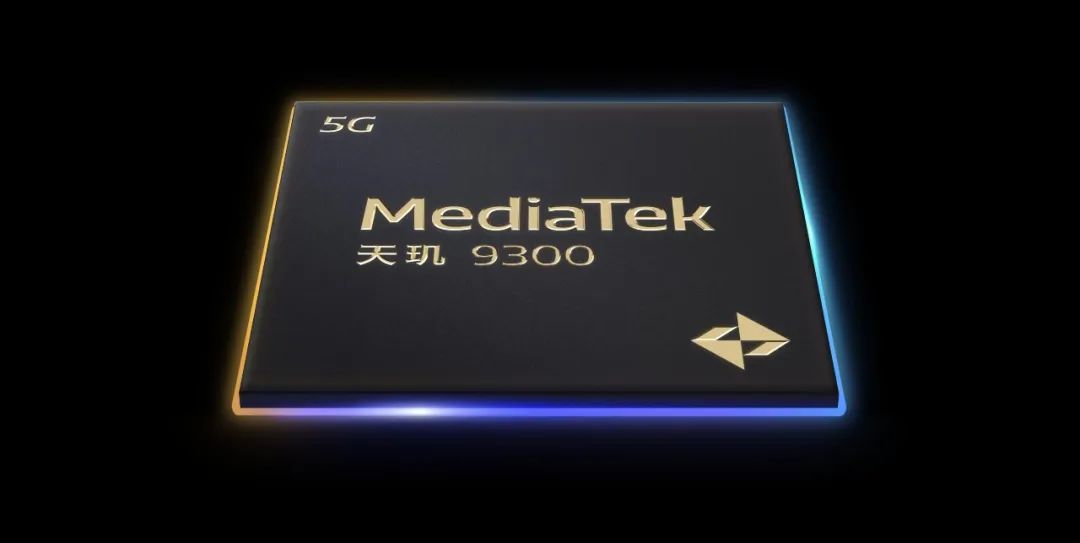
After the release of Dimensity 9300, along with the previously unveiled Apple Silicon A17 Pro and Qualcomm Snapdragon 8 Gen 3, these three flagship SoCs will engage in fierce competition in the smartphone field over the next year. From the already published test results, Apple’s A17 Pro, which first adopted TSMC’s 3nm process, did not perform as expected, but fortunately, the previous A16 BIONIC still performs well, so overall, the iOS camp can barely maintain its lead in the coming year. However, the situation has changed from the previous generation where Qualcomm’s Snapdragon 8 Gen 2 and Dimensity 9200 surpassed it in certain areas, to this generation where all three are more or less on equal footing, so I think it is not an exaggeration to conclude that “the triumvirate of mobile SoCs has emerged”.
To delve deeper, considering the four major aspects that determine the current smartphone performance: CPU, GPU, AI, and connectivity, Apple’s custom CPU architecture still leads in single-core performance, but it no longer has an advantage in multi-core capabilities; as for the GPU, Qualcomm’s prowess is well-known, while Dimensity has made a leap forward after adopting the ARM Immortalis-G7XX architecture, particularly in ray tracing; in terms of AI capability, Apple’s A-series processors are almost dominating against the two Android competitors; and when it comes to connectivity, Qualcomm has always been known as “buy a modem, get a processor”, while MTK has caught up with M80, and Apple, which is still using a chiplet solution, can only “whine”.
However, this series of changes still hasn’t escaped the confines of the ARM architecture. If we look closely within this camp, we are on the eve of a larger transformation. Previously, in writing the pre-release article for Qualcomm’s Snapdragon X, I mentioned that although ARM is still the absolute mainstream in mobile computing, the business model of ARM itself has reached a bottleneck, especially after Qualcomm’s acquisition of NUVIA in 2022, which brought ARM to court, almost putting ARM’s predicament on the table: first, NVIDIA’s acquisition was rejected, and then Qualcomm announced its shift to its own Oryon CPU architecture in 2024. As a result, ARM’s public CPU and GPU IP buyers in the high-performance mobile field are left with only MTK, which indicates that for both ARM and MTK, only by sticking together can they have a future.
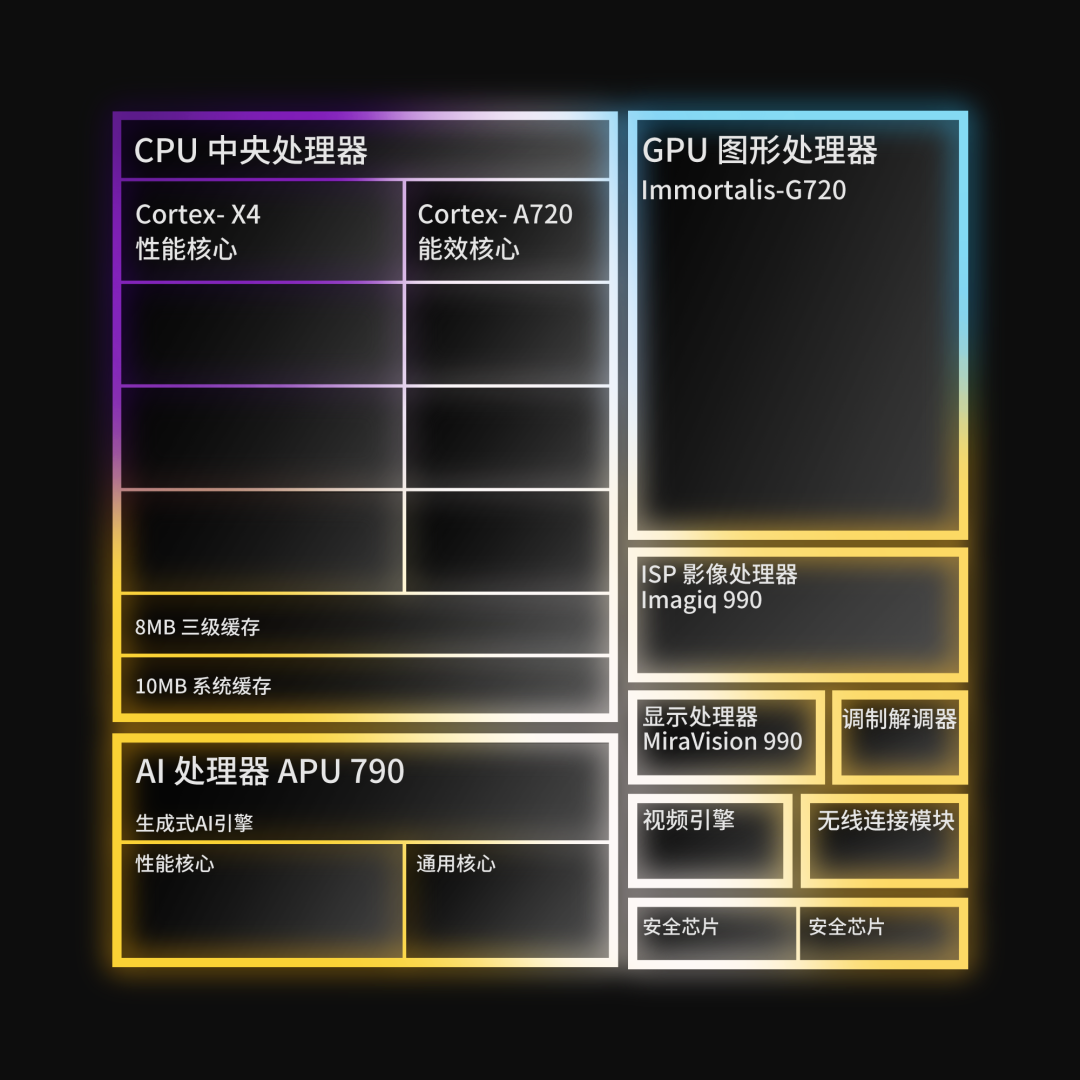
MTK’s product planning expert stated: The planning for Dimensity 9300 started three years ago, and it has already established AI performance design as a key focus. If I had heard this before this year’s vivo Developer Conference, many people, including myself, would have thought it was somewhat “hindsight”, but周围, the director of vivo’s AI Global Research Institute, stated that as early as 2017, vivo began to increase investment in edge large models. Considering the good cooperation between vivo and MTK on the Dimensity flagship SoC, this timeline makes this statement highly credible: the seventh-generation processor APU 790 carried by Dimensity 9300 is specifically enhanced for generative AI, and can run a 7 billion parameter large model on the edge upon its launch, and has already successfully achieved the edge operation of a 13 billion parameter AI large model with vivo, and under sufficient memory conditions, such as 24GB, it can even run a 33 billion parameter edge AI large model on mobile chips, which is quite impressive. Such customized AI performance is no less than what the blue factory demands.
This powerful edge AI performance poses a challenge to the CPU performance of the SoC, and I believe this is one of the reasons why Dimensity 9300 has unprecedentedly chosen an all big core architecture – this is also the first time in the industry that a chip design company dares to do so, so it is not surprising that the industry is curious about its energy efficiency. But by clarifying the following points, we can understand why MTK made such a choice.
First, this generation’s ARM Cortex-A520 still adheres to its traditional in-order execution, and the ALU units have been further reduced to 2, resulting in lower performance and execution efficiency. MTK’s engineers said that under the current 4nm process, the energy consumption performance of Cortex-A520 is not better than that of Cortex-A720. On the contrary, due to the all big core architecture, Dimensity 9300 successfully achieves all cores supporting out-of-order execution, thus improving efficiency and reducing wake-up time. As long as it allows for deeper sleep, it can effectively solve the energy efficiency problem;
Second, a closer look at the CPU settings of Dimensity 9300 reveals that the frequency of the four Cortex-A720 big cores is only 2.0GHz, while three of the four Cortex-X4 super big cores run at 2.85GHz, and only one runs at a high frequency of 3.25GHz. This means that even with an all big core architecture, it still follows the tri-cluster principle, which is quite interesting. In other words, MTK has deliberately lowered the main frequency of the four Cortex-A720 big cores to use them as energy efficiency cores, while the three Cortex-X4 rely on lower frequency settings to become the main performance cores, and the high-frequency single core acts as a backup for heavy loads with limited call rates, achieving high performance and high energy efficiency.
Third, since the all big core architecture can achieve both performance and energy efficiency in this way, why don’t others use it? My view is: it’s expensive! A full 8 big IPs add up to a considerable price from ARM. However, considering the entire ARM camp’s commercial landscape mentioned earlier, Dimensity 9300 using such a “luxurious” architecture must have the strong support of ARM – if they don’t let MTK use it vigorously, who will in the future?
Fourth, not only that, such a high-spec architecture design has also allowed Dimensity 9300’s transistor scale to reach an astonishing 22.7 billion, significantly higher than Apple’s A17 Pro’s 19 billion (Qualcomm has not disclosed this data yet). In this regard, MTK’s engineers also stated: as TSMC’s third-largest customer (the top two are Apple and AMD), the third-generation 4nm process used by Dimensity 9300 has received full optimization support from the wafer factory, especially in terms of leakage current adjustments, which should be about half a generation ahead of competitors.
Similar support is also seen in the GPU. The GPU architecture of Dimensity 9300 has been upgraded to ARM’s latest Immortalis-G720, with the core count reaching 12 (with this scale, 22.7 billion transistors is certainly not for nothing), still following the early layout of ray tracing rendering, such as supporting global illumination, and hardware-level ray tracing rendering at 60fps will be implemented by November. With the strong support of the CPU architecture, Dimensity 9300 has also focused on multi-threading capability in games, which may attract game streamers and enhance the influence of the Dimensity platform among gaming users – this is true, as Snapdragon has a very solid reputation among gaming users.
MTK has not shied away from the GPU frequency issue of Dimensity 9300: based on the already impressive 1.15GHz frequency of Dimensity 9200+, the maximum frequency of Dimensity 9300’s GPU has seen a slight increase, but its resource allocation strategy is also very precise, similar to the all big core architecture CPU, so power consumption remains stable. An engineer also mentioned that due to TSMC’s special process technology support, Dimensity 9300’s GPU performance is quite good.
It is evident that the birth of Dimensity 9300 is not solely the achievement of MTK; from upstream IP, wafer factories to downstream OEM partners, all have provided ample support for its definition, giving it a sense of being surrounded by stars. For these industry chain partners, having more choices is always better than having only one option, isn’t it? Well, that concludes the various analyses of Dimensity 9300; the performance testing segment that everyone is more concerned about is coming up shortly.
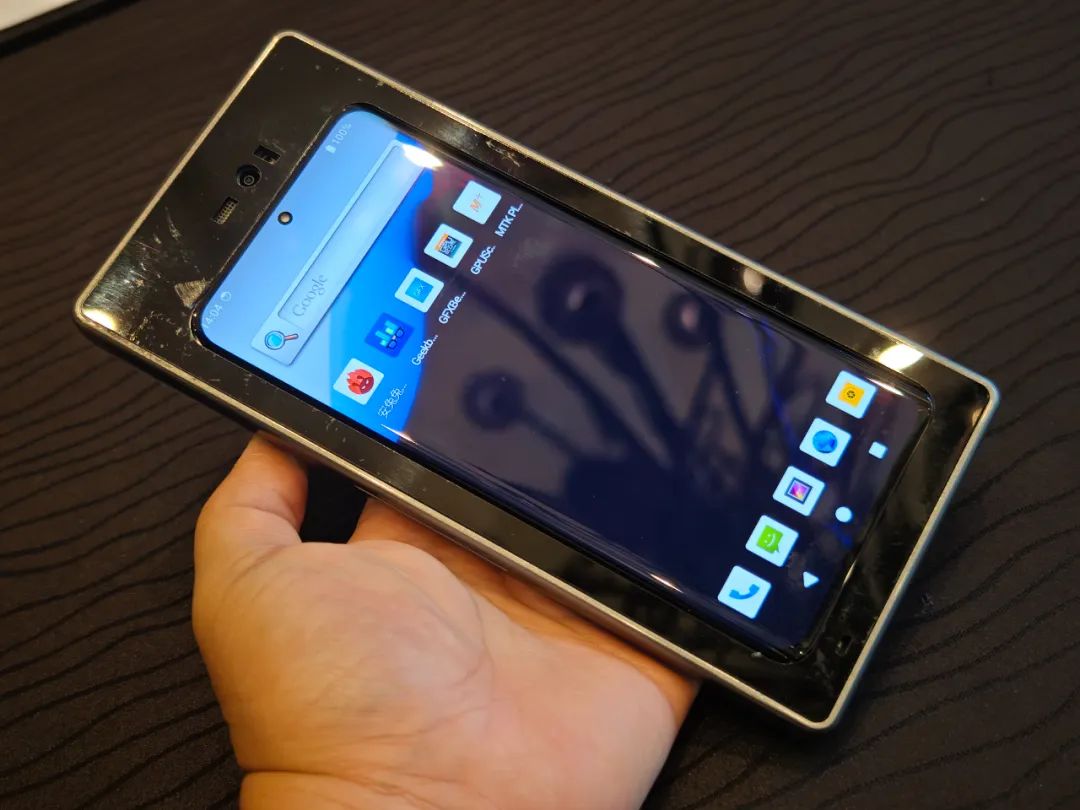
The MTK Dimensity 9300 platform configuration for benchmarking is:
SoC: Dimensity 9300
RAM: 16GB LPDDR5T, 9300Mbps
ROM: 512GB UFS 4.0
Screen: 3220*1440 AMOLED
AnTuTu
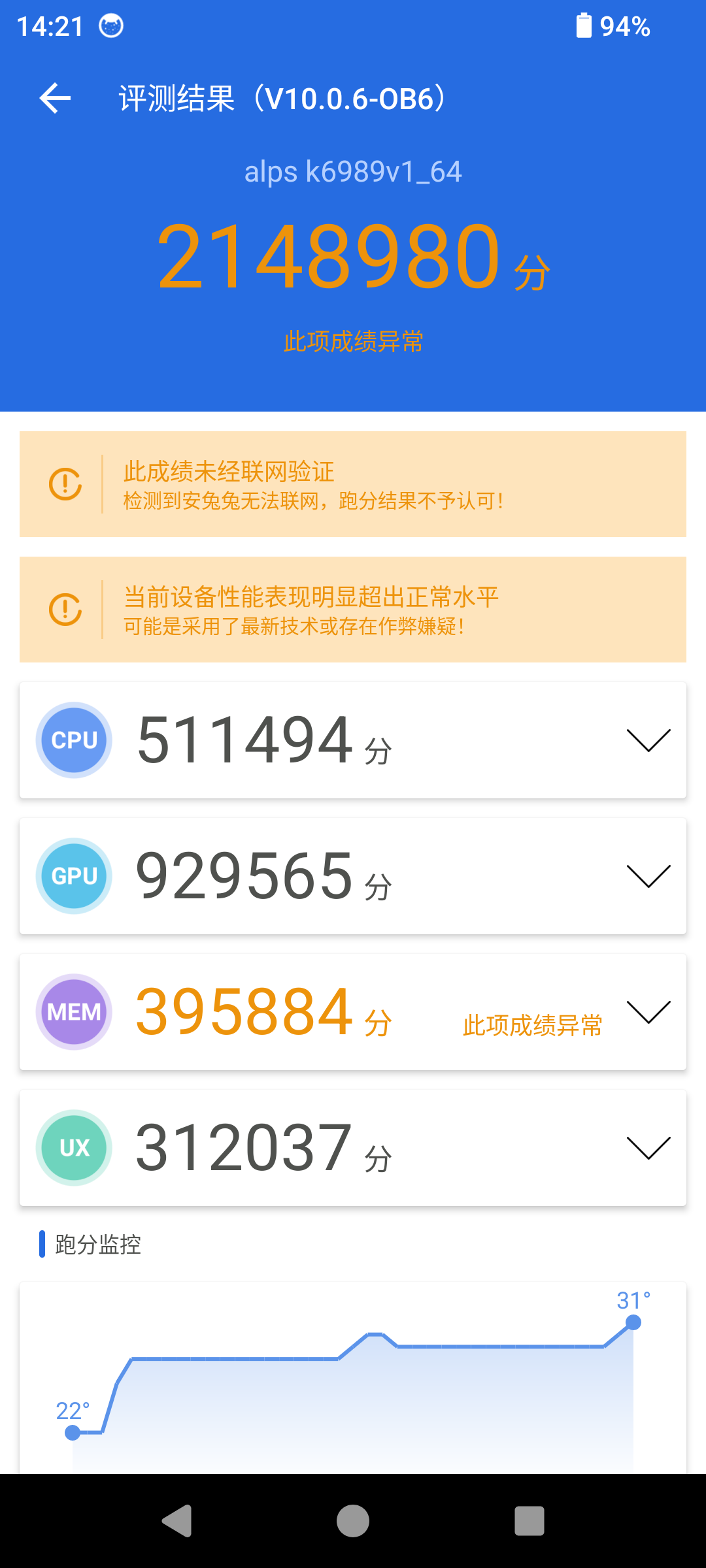
A score close to 2.15 million surpasses the 1,642,295 points of Dimensity 9200+ on vivo X90S, an increase of 30.9%. Among them, the CPU improved by 18.4%, the GPU by 57.2%, and storage by 28.1%.
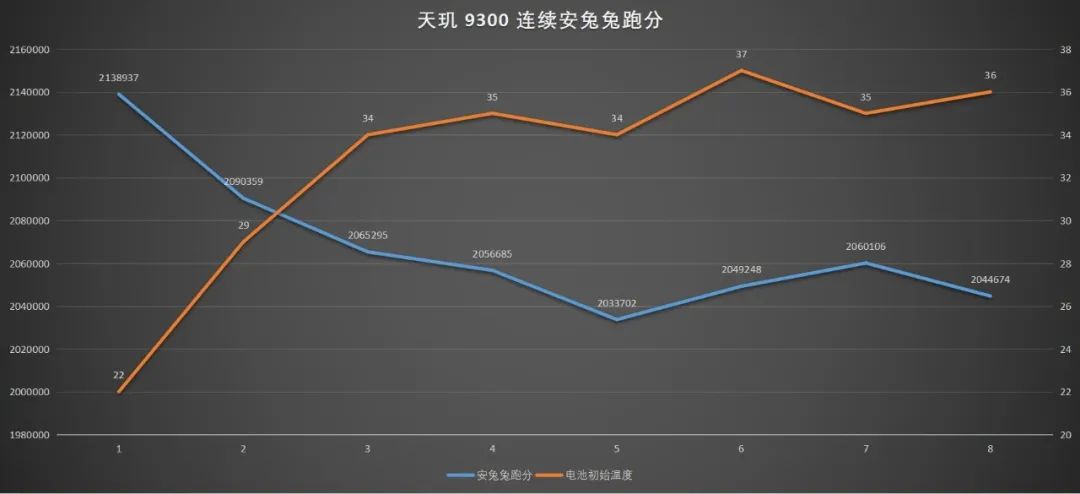
Of course, there is also the routine AnTuTu continuous running score (this test was strongly requested to be included and is not part of the official testing items), but unfortunately, the battery of the testing platform was too small to last through 10 runs. However, from the completed 8 runs, Dimensity 9300 was able to stably output scores above 2.03 million, and the fluctuation curve also reflects the SoC’s excellent thermal management settings, indicating that this SoC’s sustained high-performance output capability is very good. It should be noted that the testing platform does not have a large area VC, so its performance would naturally be better on a commercial production machine with better heat dissipation. (Data provided by: 4What)
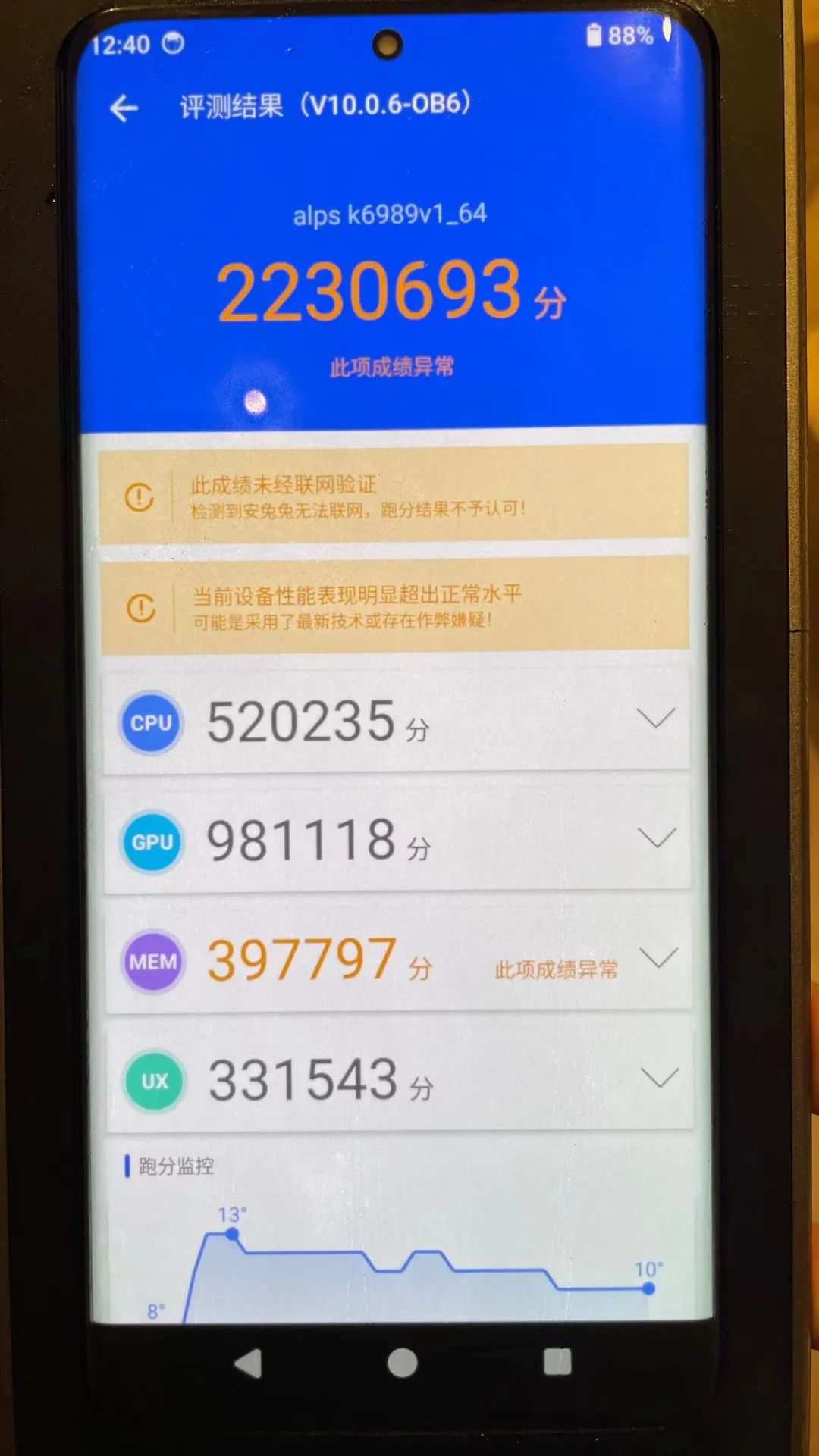
After completing the tests, MTK’s engineers also showcased the “extreme capability” of Dimensity 9300, with AnTuTu scores exceeding 2.23 million. However, considering the limitations of the testing platform’s battery capacity, I believe that 2.23 million is definitely not the ceiling for Dimensity 9300’s performance.
GeekBench 6.2
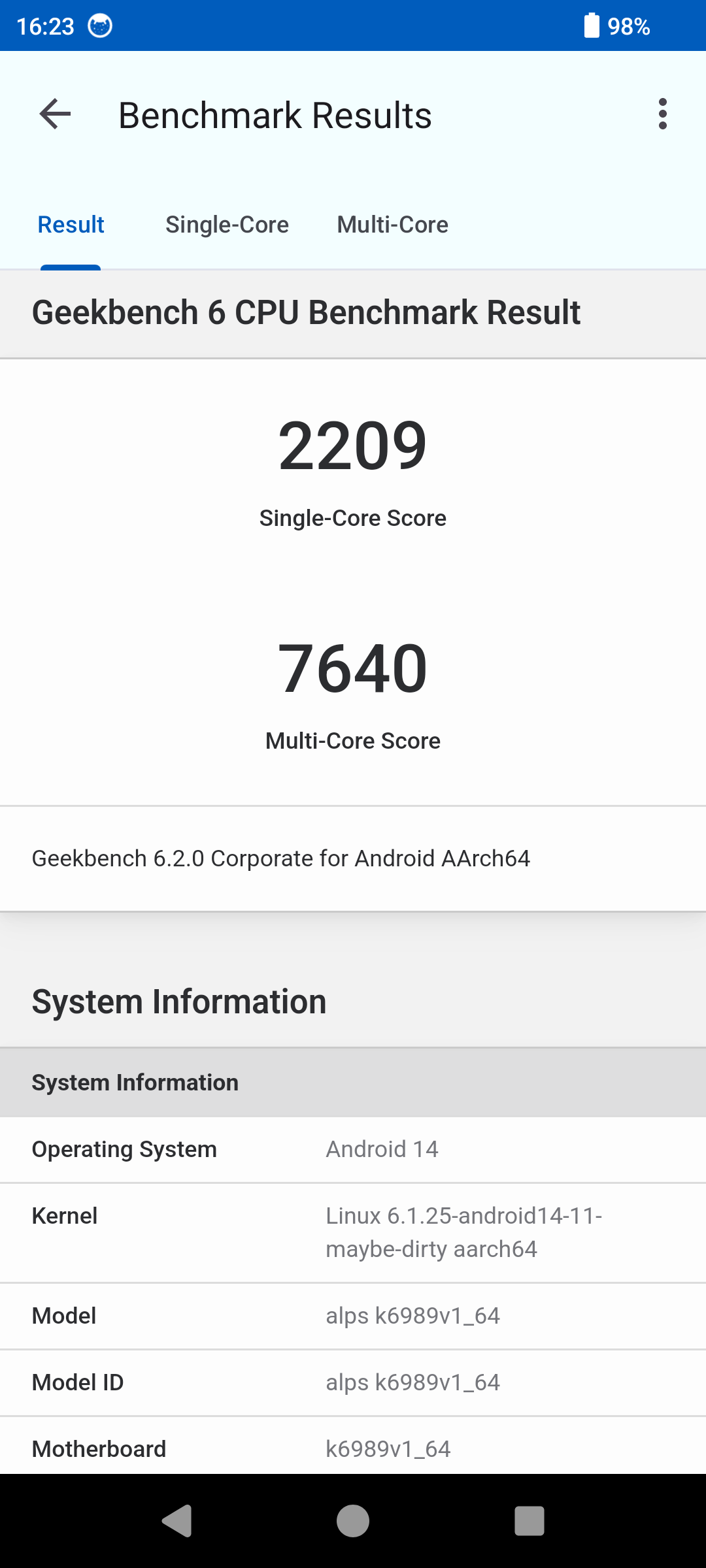
Dimensity 9300’s single-core score is 2209, a 4.1% improvement over Dimensity 9200+, which is normal due to the level of the super big core. However, the multi-core score of 7640 has surged by 33.2% compared to Dimensity 9200+, which is quite significant!
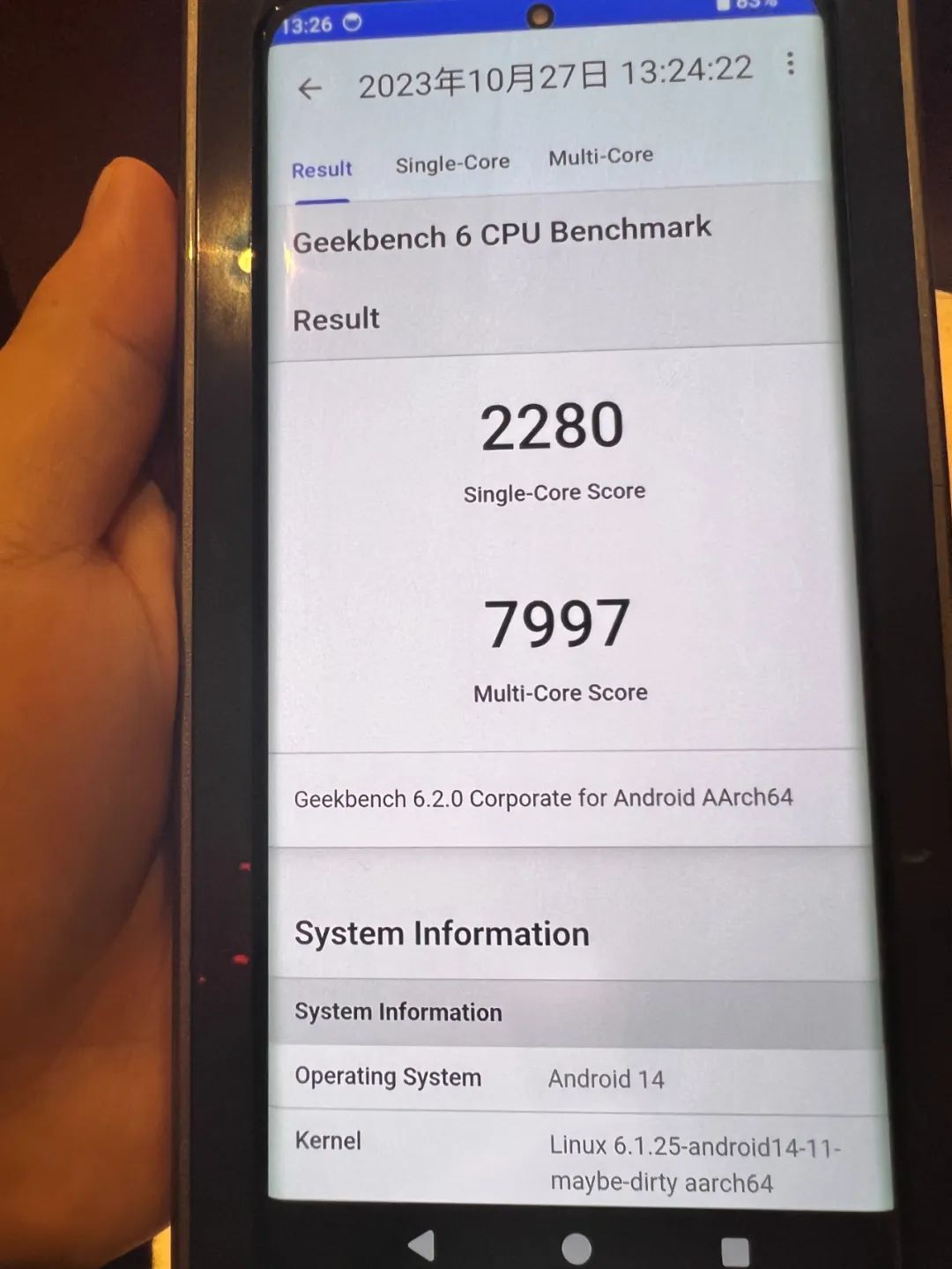
Looking at the extreme capability, the scores of Dimensity 9300 are shown in the image, and MTK’s engineers also demonstrated multi-core scores exceeding 8000, which is the upper limit of the all big core architecture, very high indeed……
GFXBench
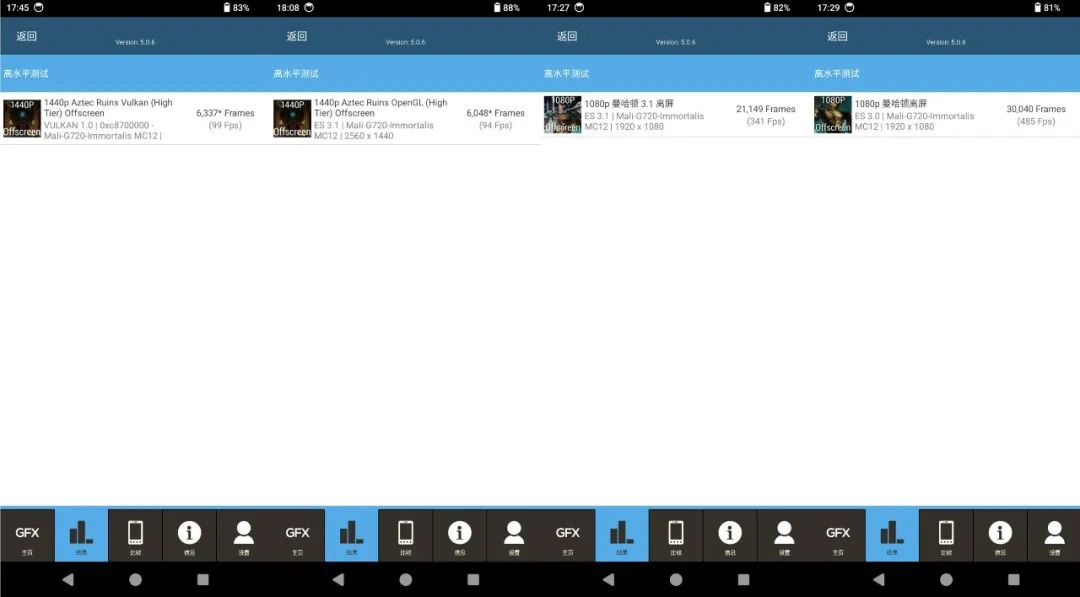
I personally believe that compared to the CPU of the all big core architecture, the GPU of Dimensity 9300 deserves the term “awakening”. Compared to the data of the Dimensity 9200 testing platform I have, the off-screen frame rate improvement for 1440p Aztec Vulkan is 47.8%, and for 1080p Manhattan ES3.0, the off-screen improvement is 49.2%, making these frame rates seem almost free.
BaseMark In-Vitro
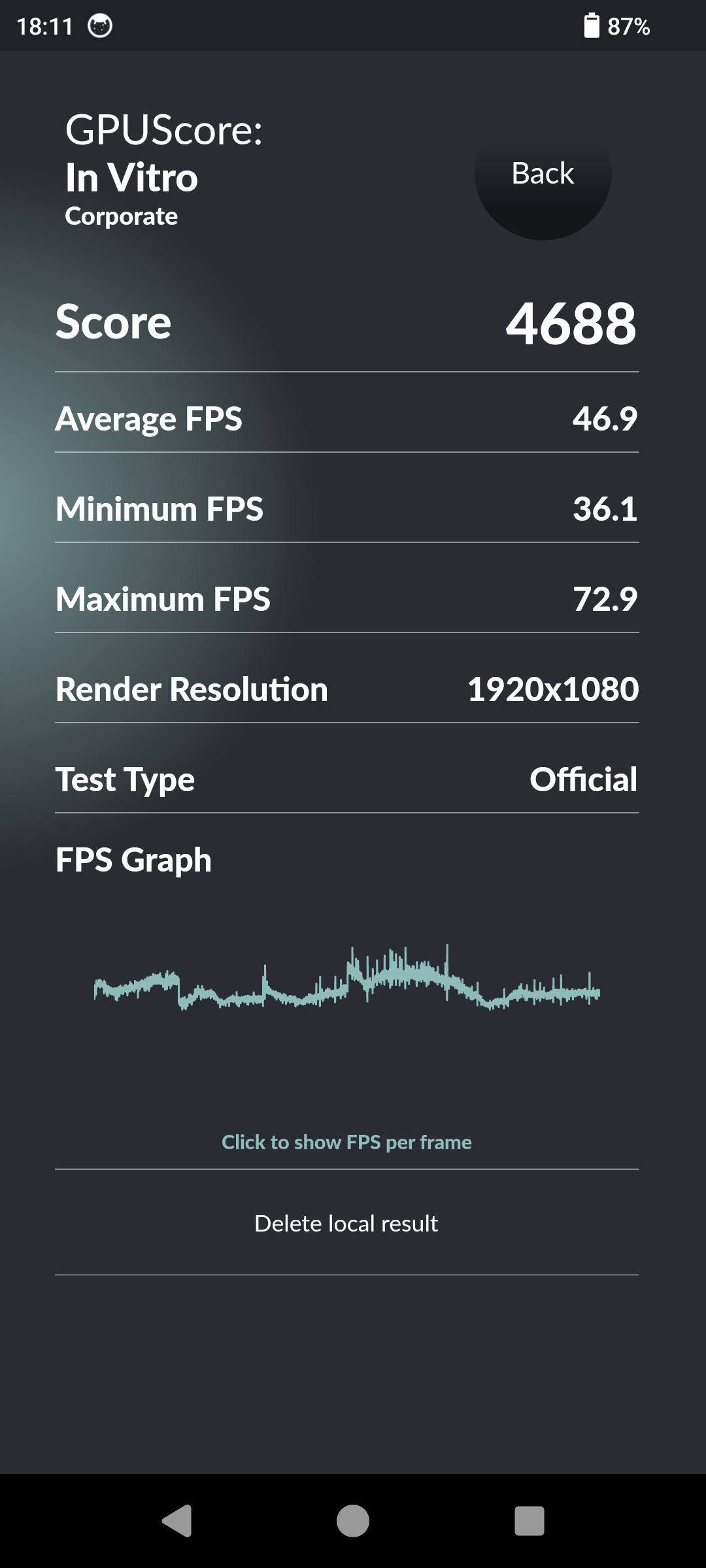
This is software specifically designed to test GPU ray tracing performance, but since there are no other comparisons, let’s leave it here for now. I believe that as more games with ray tracing rendering emerge, the database of this software will gradually fill up.
Routine-wise, I also did not conduct game testing this time, but merely exchanged views with media colleagues who conducted game testing regarding the energy efficiency of Dimensity 9300. For example, in the “terrifying” point-to-point mode, during testing the famous mobile hardware killer “Genshin Impact”, the testing platform only reached a power consumption of just over 8W, and if played at the native game resolution, the power consumption was around 4.5W, which gave the testers a somewhat unreal “illusion”. As a flagship SoC CPU that repeatedly pulls off explosive performance, it seems that this time the all big core architecture has indeed conquered – after all, in the face of absolute strength, any technique is pale; sheer power can yield miracles. From this perspective, MTK has made adequate preparations for adopting the all big core architecture in Dimensity 9300, achieving stable performance output while maintaining excellent energy efficiency, which is reassuring.
Undoubtedly, as MTK itself stated, the Dimensity 9300, which has been polished for nearly three years, is indeed outstanding. Although we often say, “the third generation produces excellent products”, this saying carries some jest, but at this moment, the Dimensity 9300 seems to fit perfectly. Coincidentally, the Dimensity 9 series is also MTK’s third attempt at high-end strategy, and based on their persistence this time, they are serious about it.The last important thing: this unprecedented flagship SoC will be globally launched on the vivo X100 series in a few days, and with the “Dimensity tuning looks at the blue factory” + blue heart large model dual support, the first commercial use of the vivo X100 series and Dimensity 9300 is highly anticipated..