










Decoding 3D Printing
Encountering an Intelligent Future

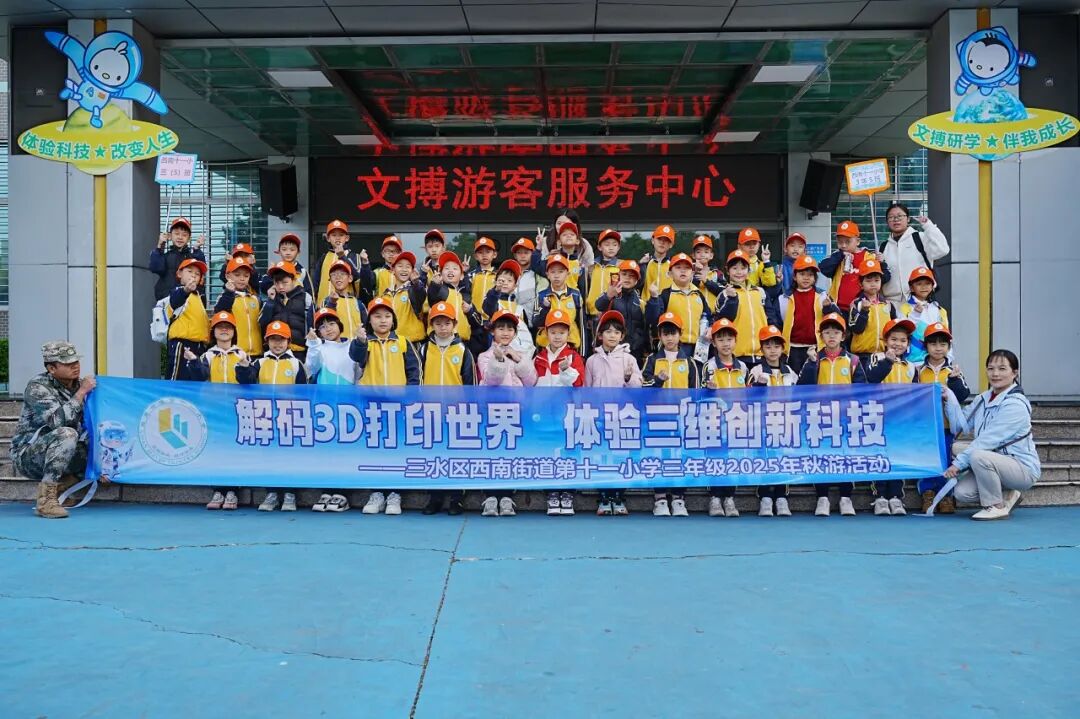
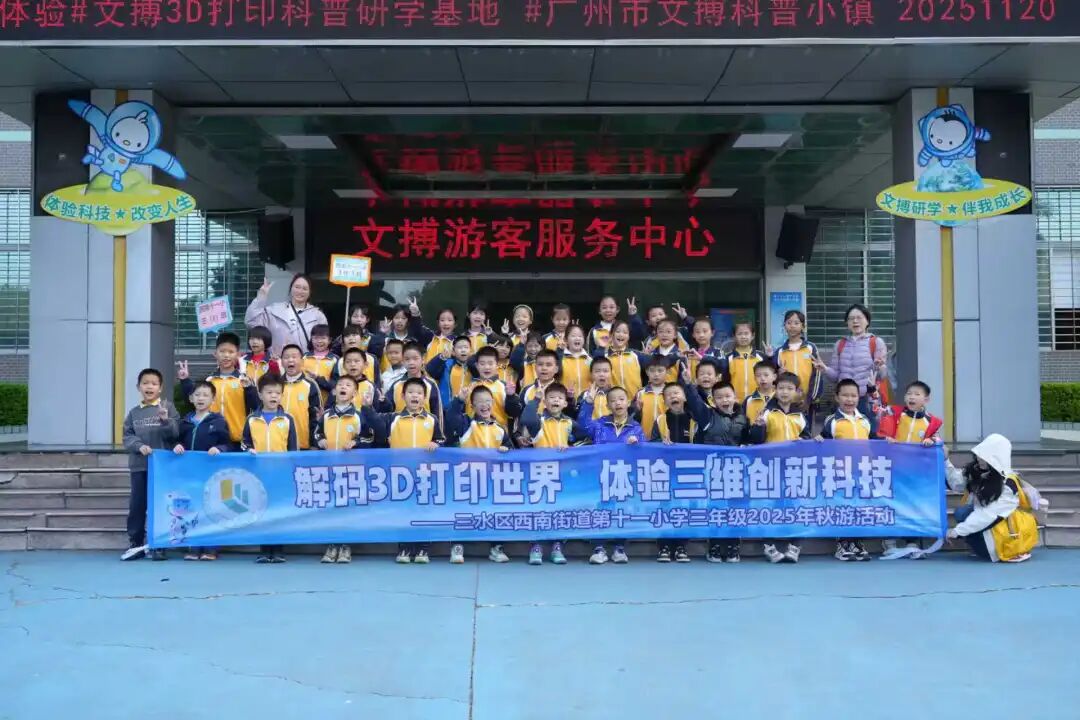
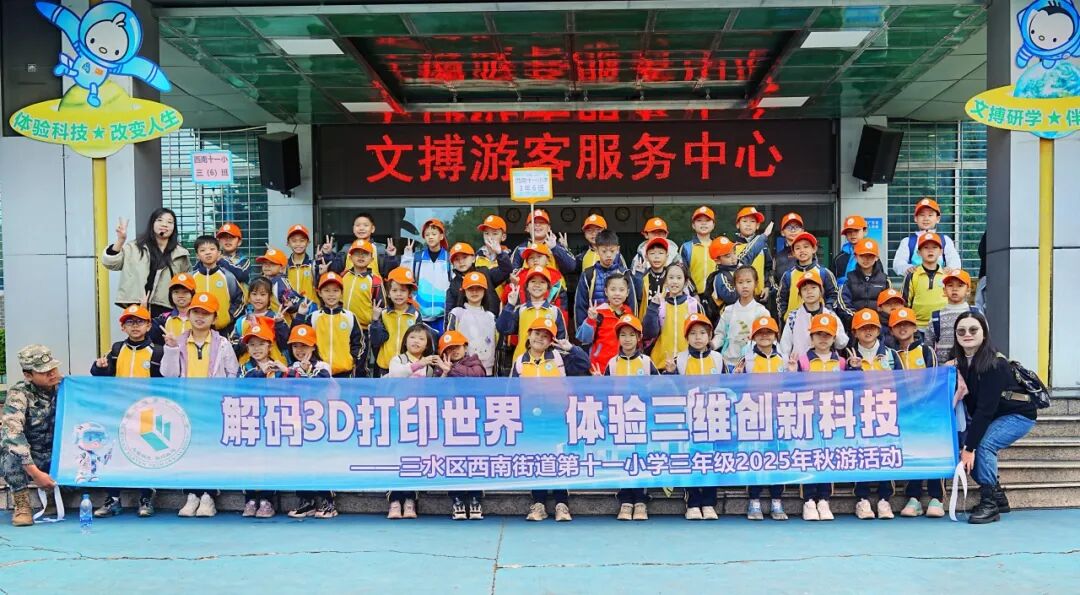
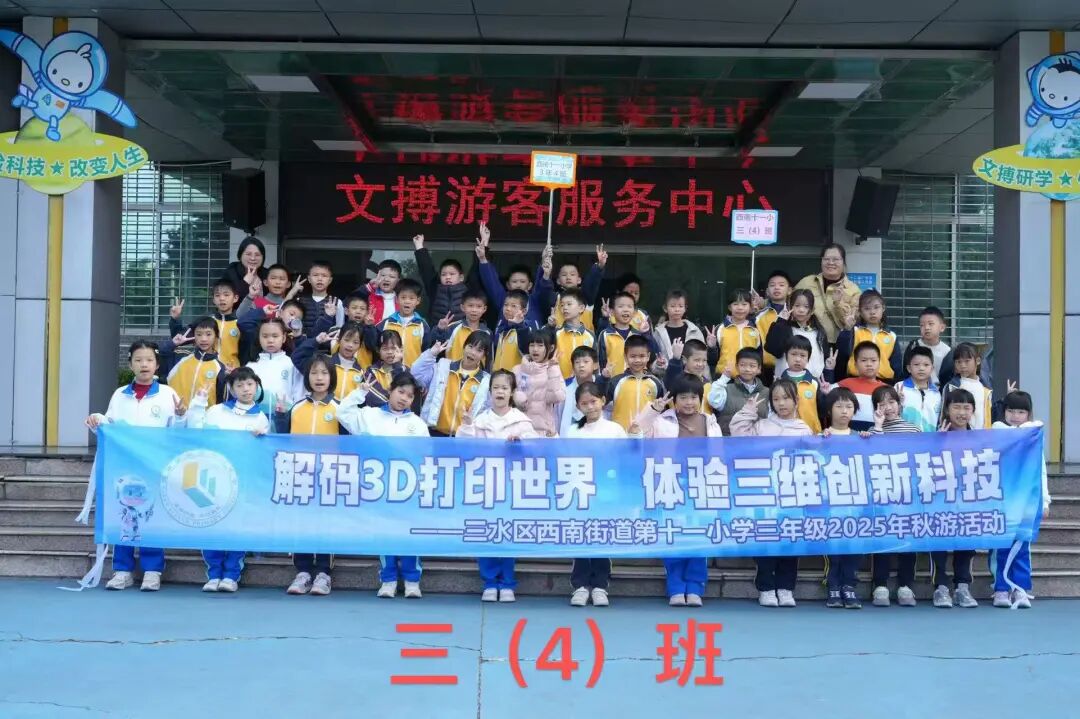
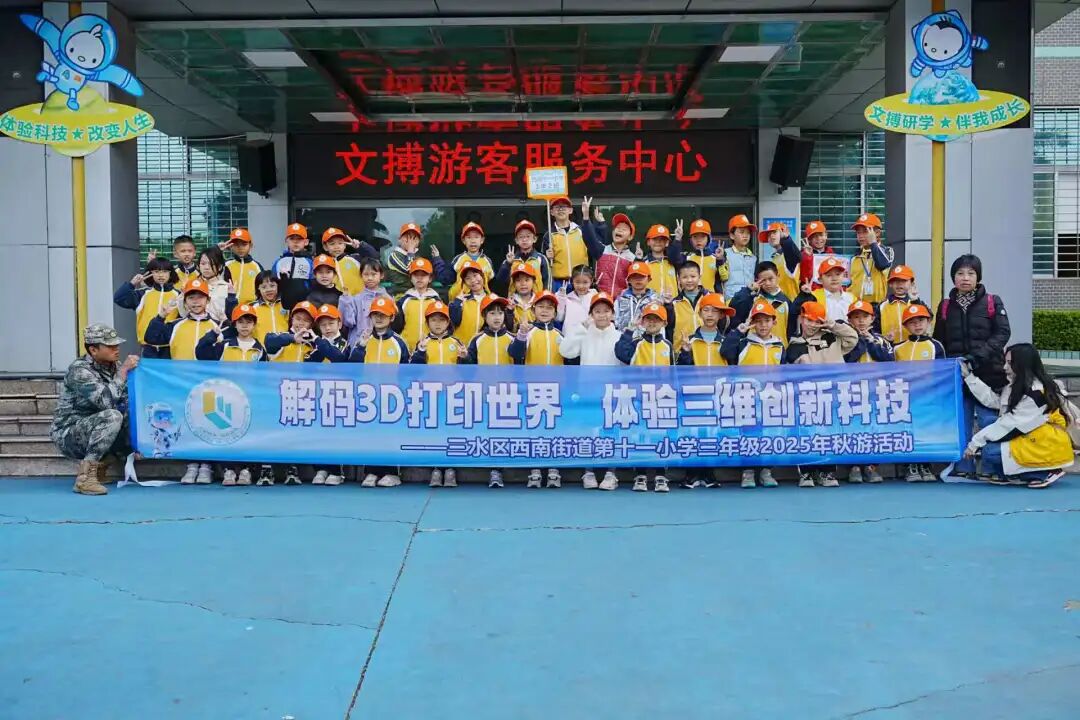
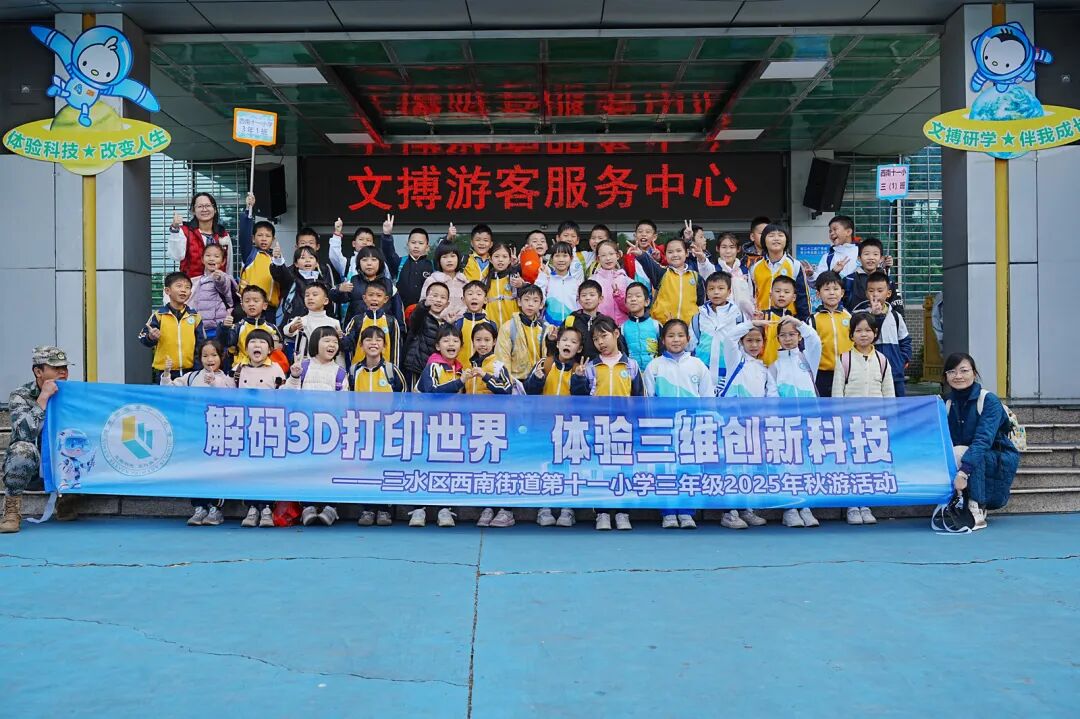
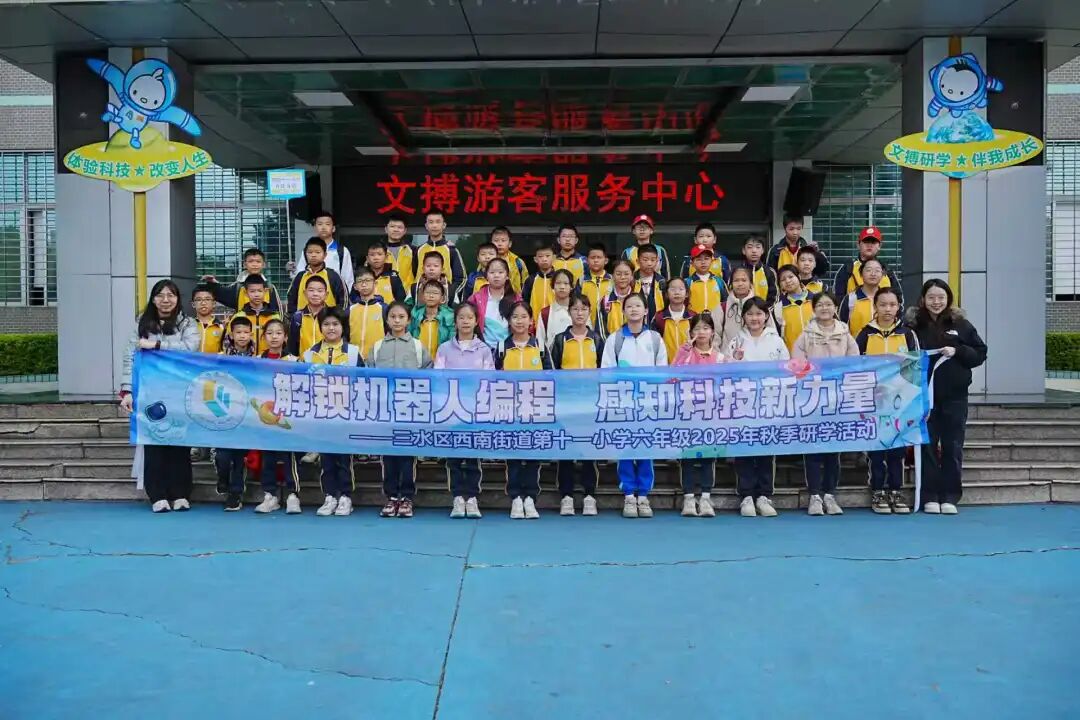
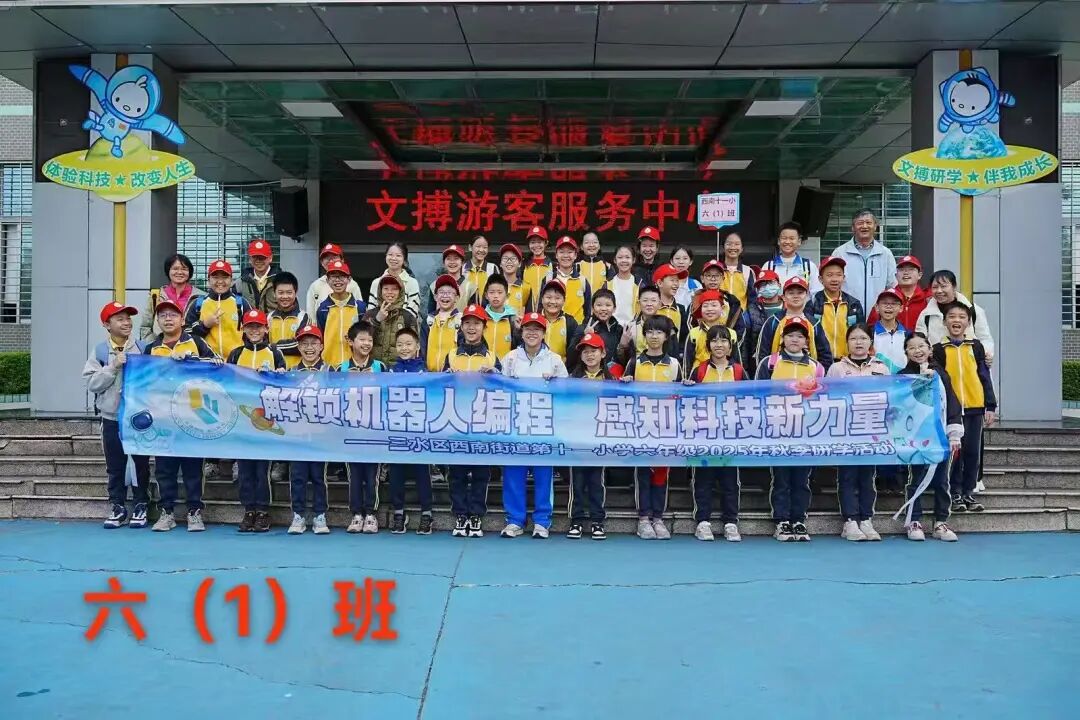
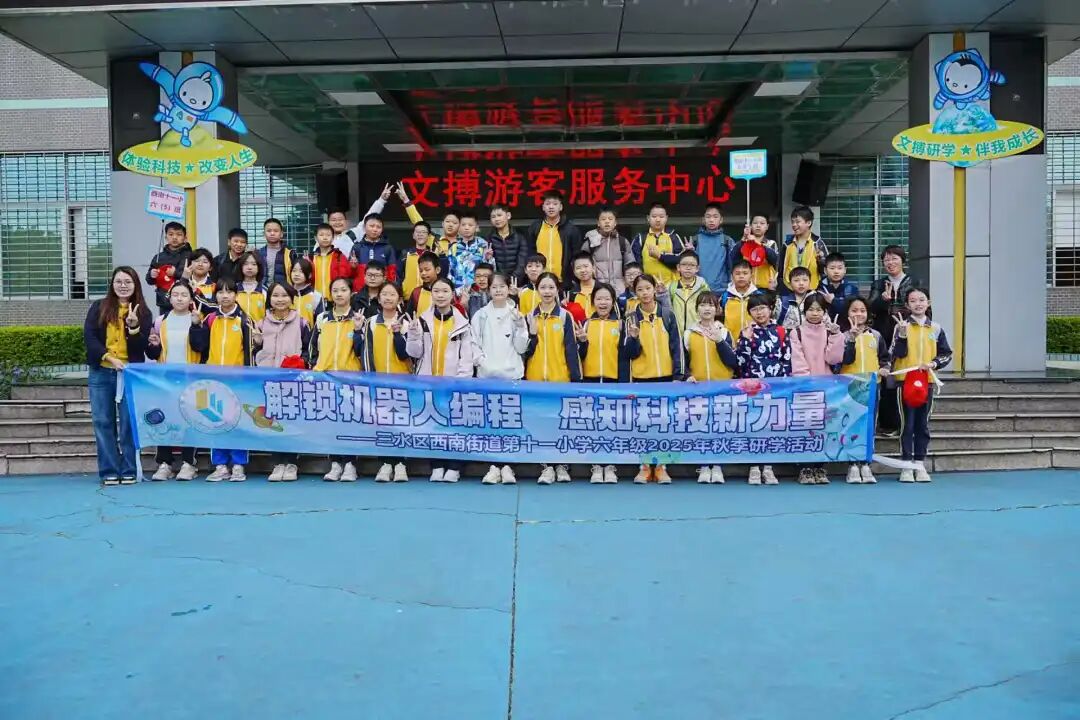
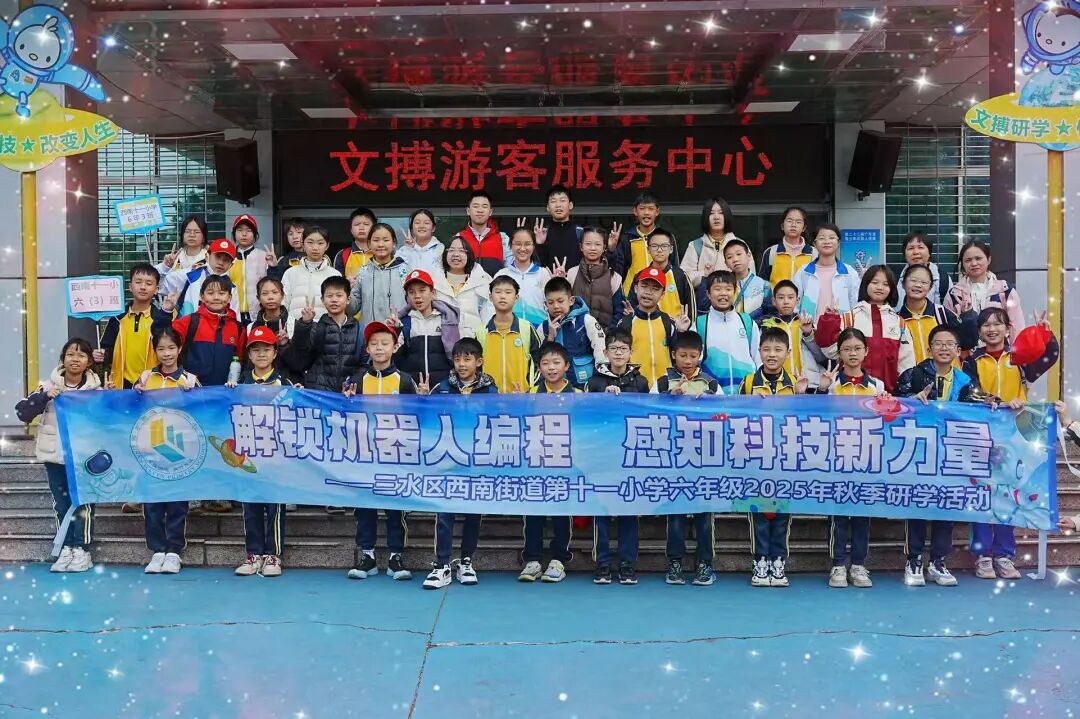
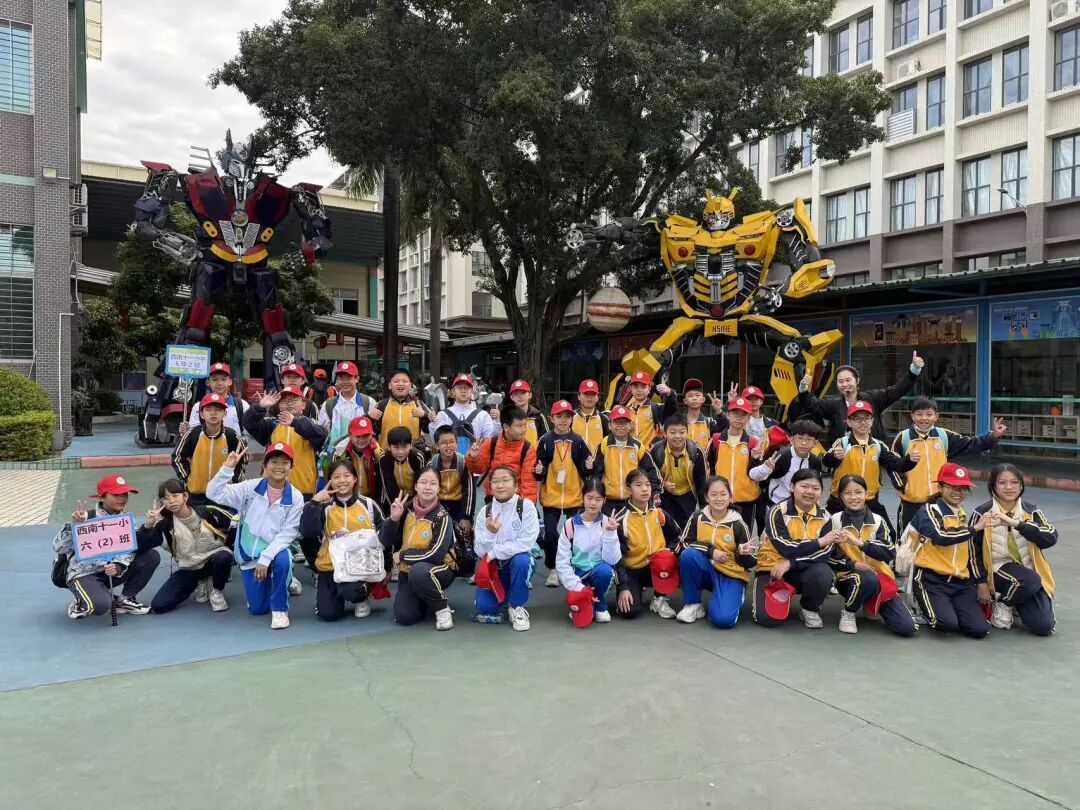
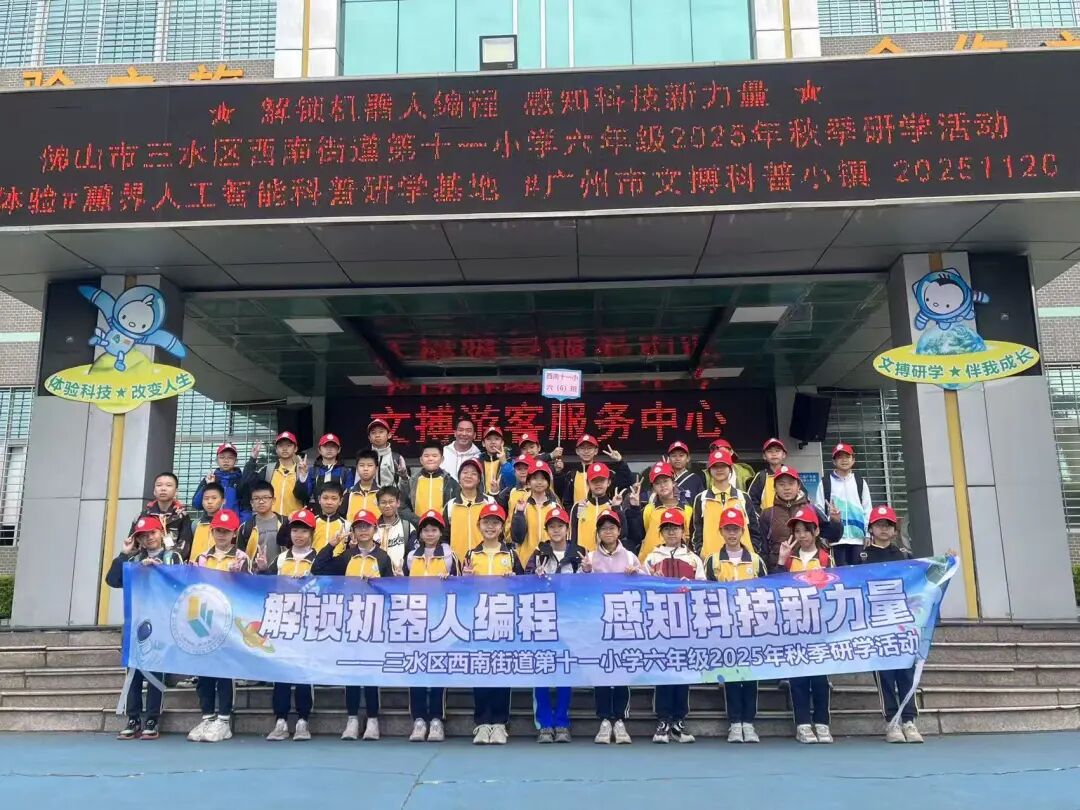
As the autumn sun shines through the car windows, and the carriage is filled with the chirping excitement, the third and sixth-grade students from the Eleventh Primary School in the Southwest District, carrying the “technology question marks” from their textbooks, head to the Wenbo 3D Printing Science Popularization Base, embarking on a wonderful study trip to “turn imagination into reality”.


01
Entering the “Magical World” of 3D Printing

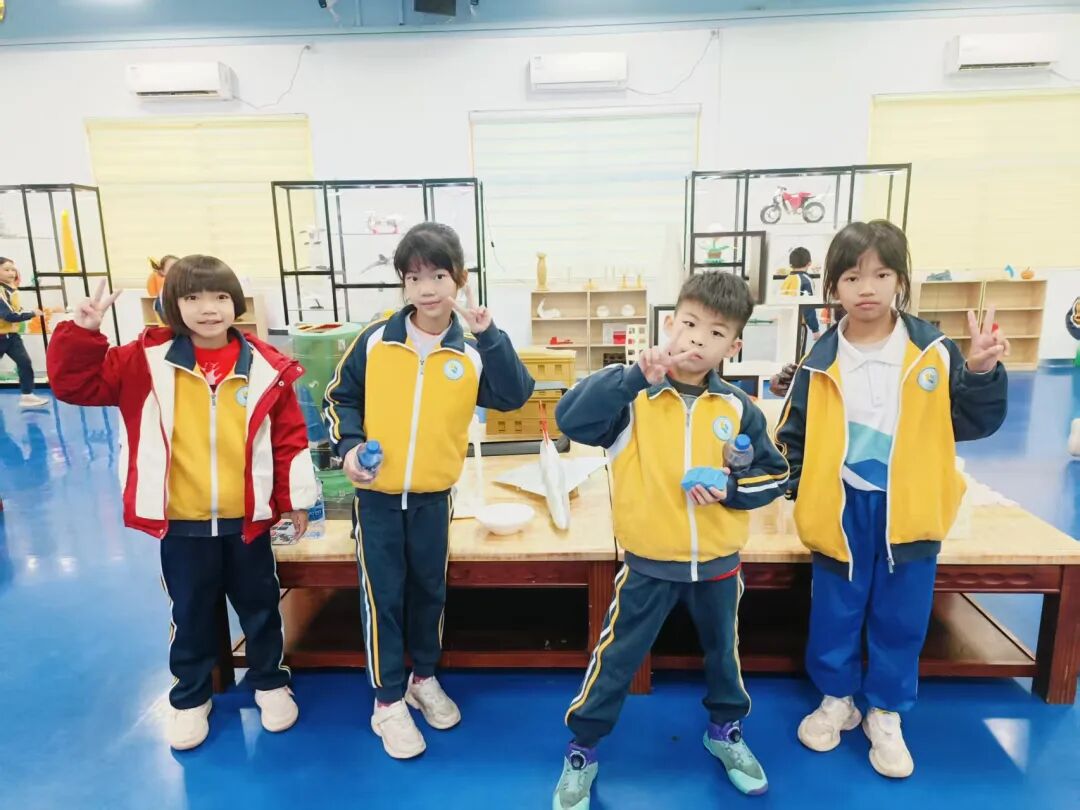
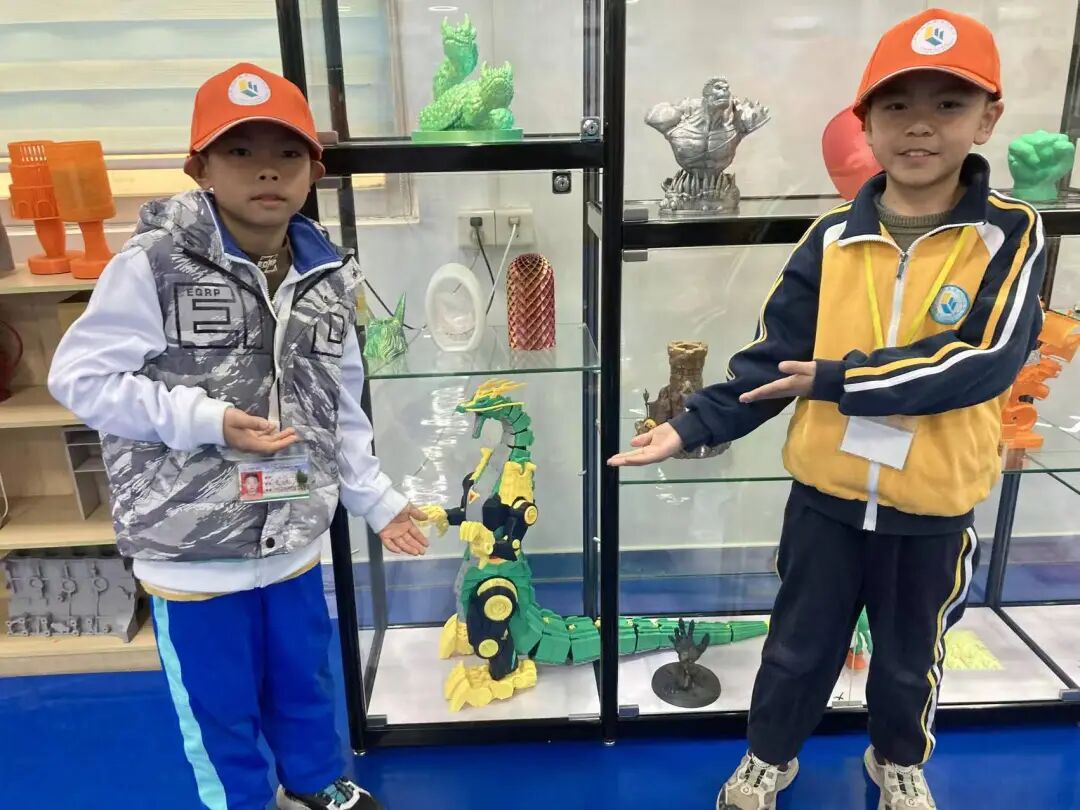
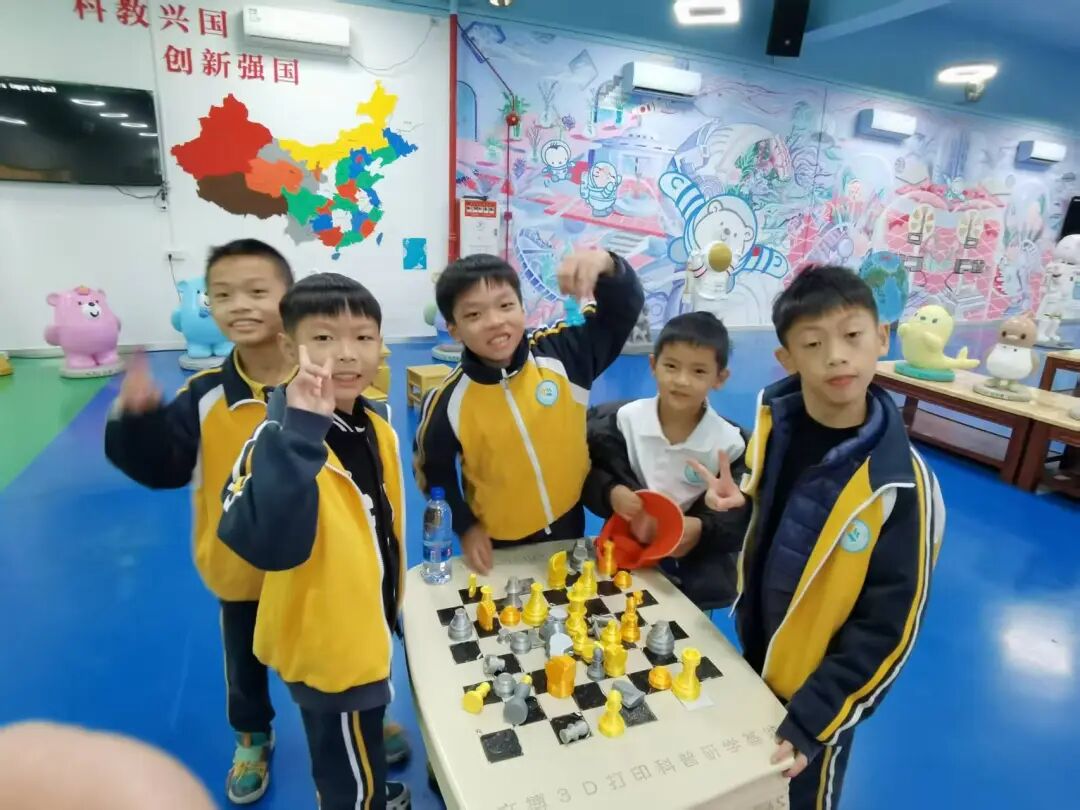
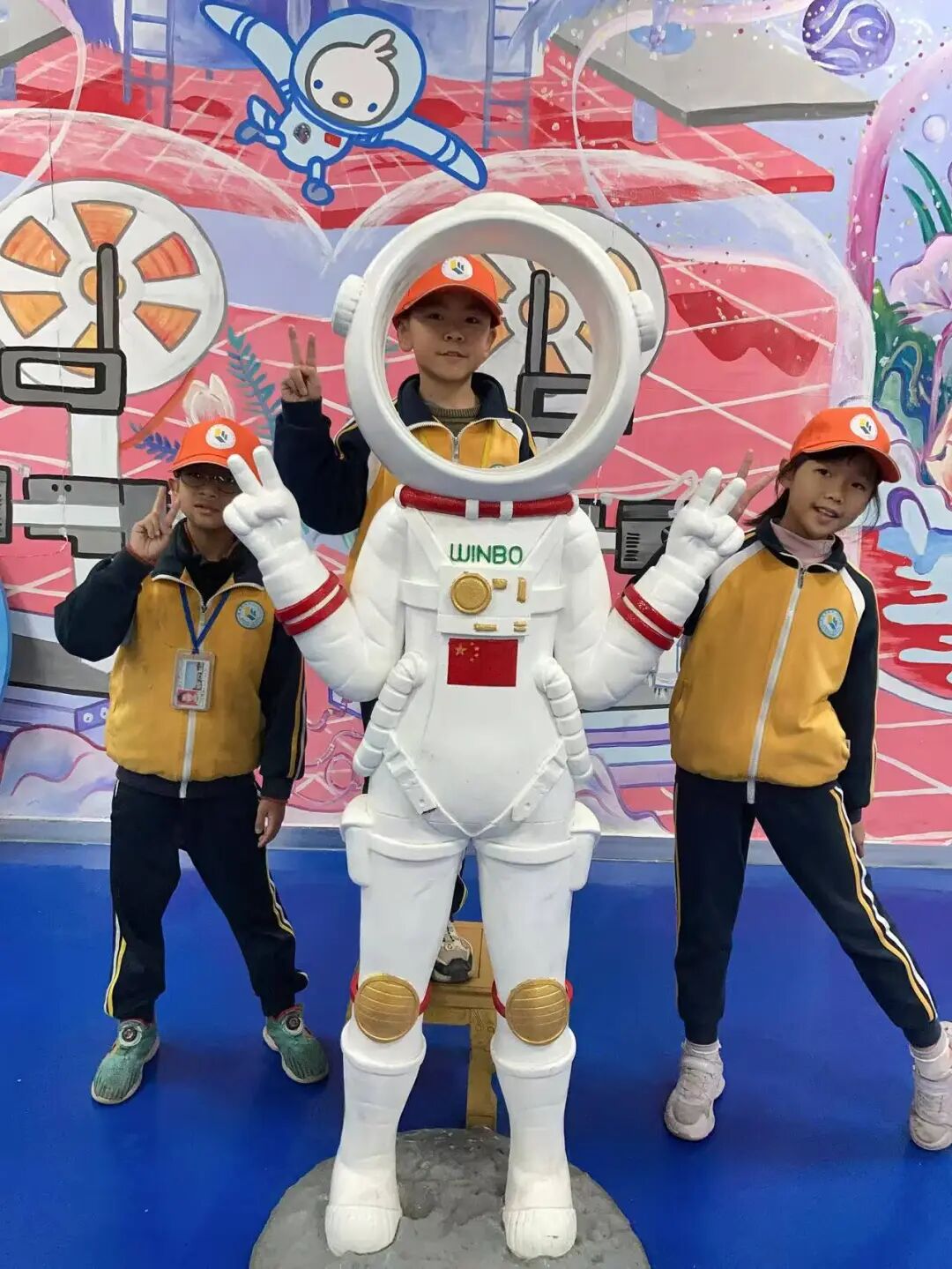
Upon entering the base hall, the students were immediately captivated by the sight before them—displayed on the stands were human models made with 3D printing, exquisite architectural models, and even movable gear toys, prompting everyone to reach out and touch: “Is this really ‘printed’ out?”
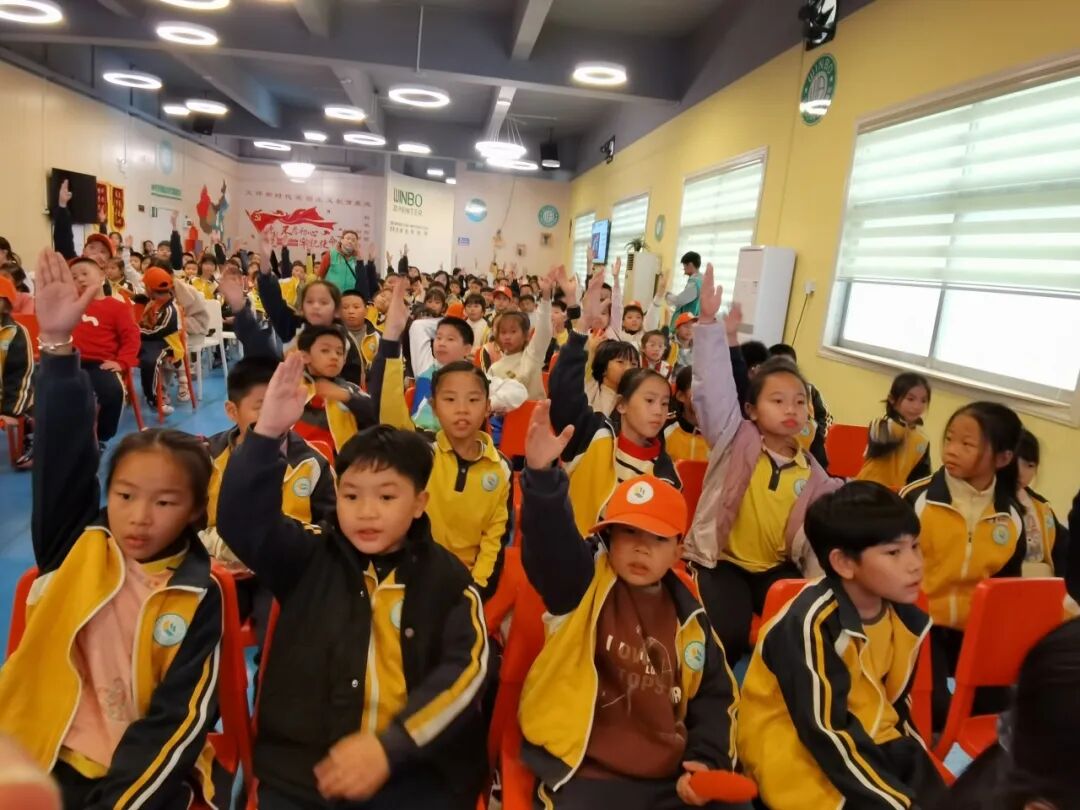
In the science popularization class, the teacher always manages to turn seemingly complex technological knowledge into “fun stories” that children can understand and remember. The students in the audience, with curious wide eyes and straightened postures, were afraid to miss any exciting knowledge point! The event also featured a highly popular “quiz segment”! As soon as the host threw out a question, the students immediately raised their hands, turning the classroom into a lively “knowledge arena”. When the students who answered correctly received 3D printing souvenirs, their faces were filled with uncontainable pride and joy.
02
Creating 3D Designs by Hand

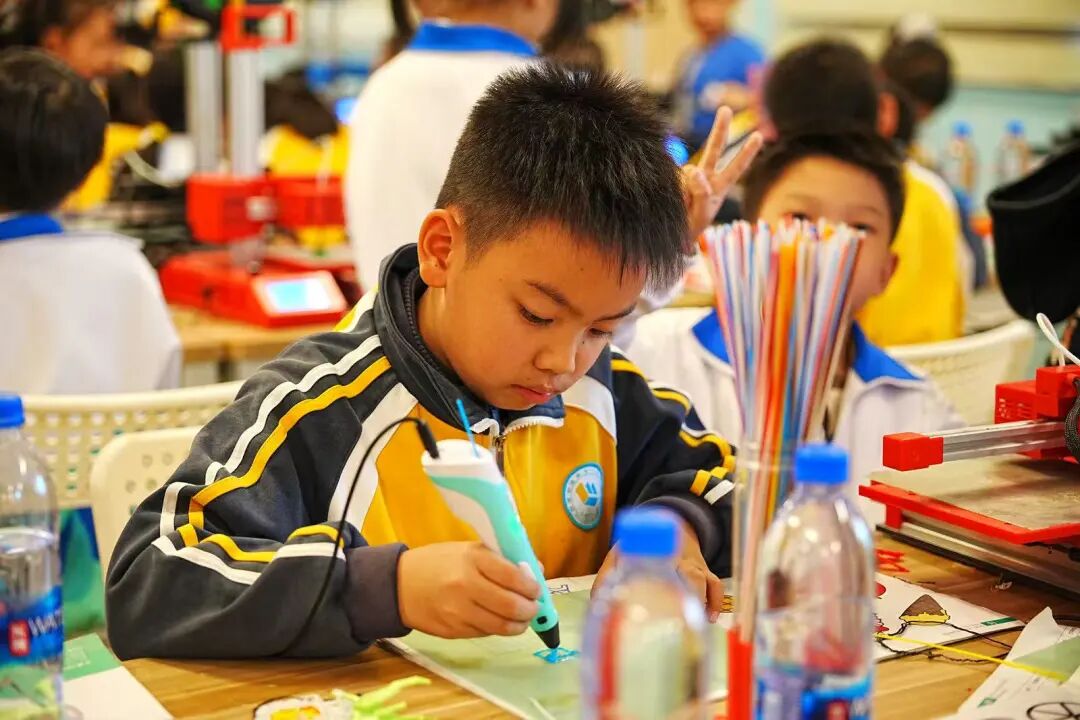
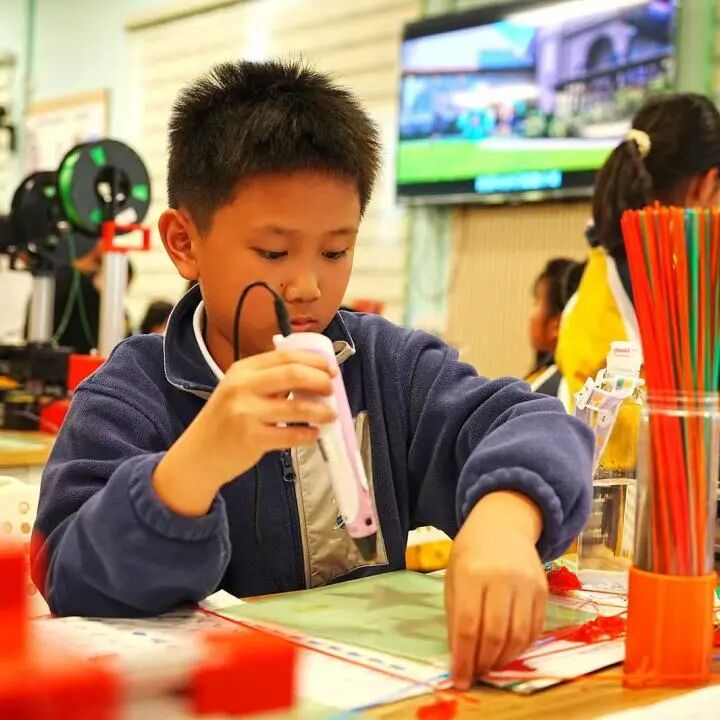
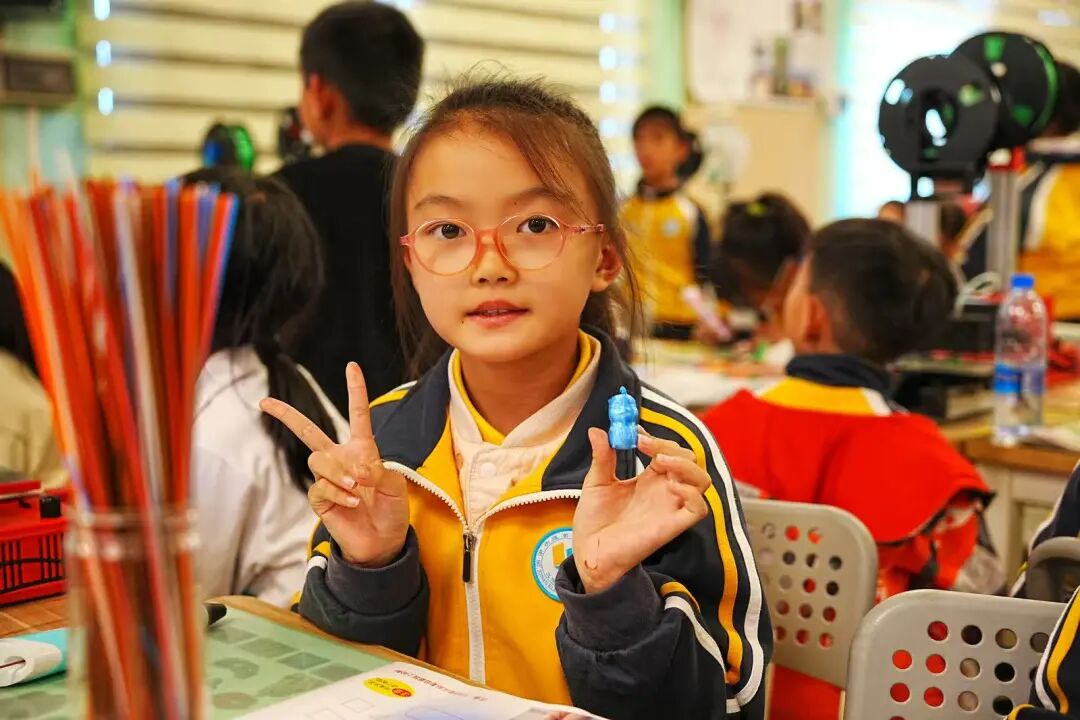
The most exciting part was the 3D printing experience session. The third graders held printing pens that looked like “magic wands”. They first sketched simple patterns on paper, watching as the molten colored material slowly solidified, and then gently peeled it off—transforming flat lines into keychains and the Eiffel Tower.
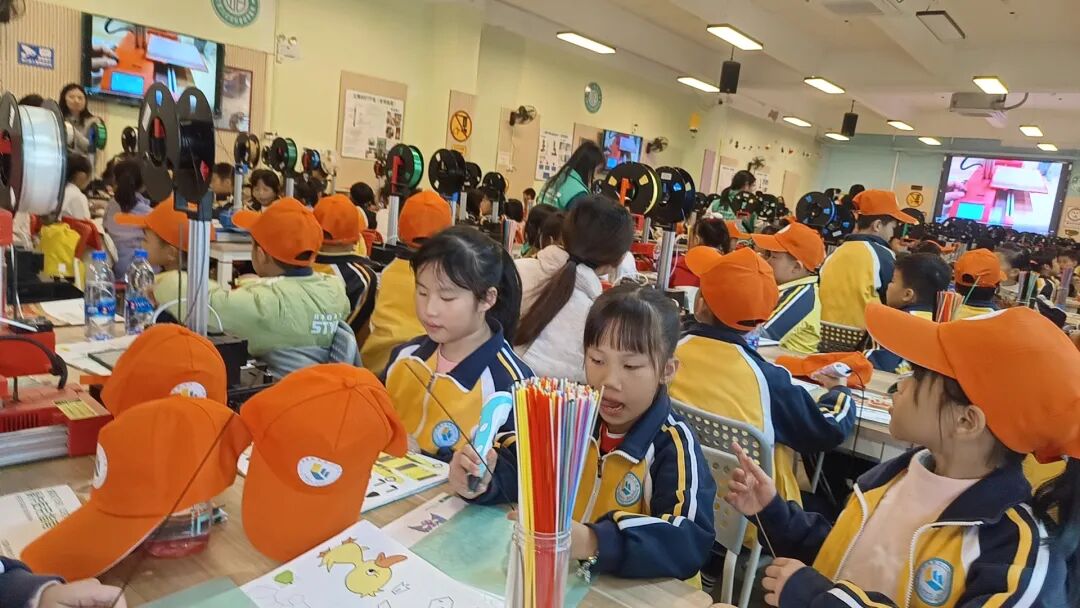
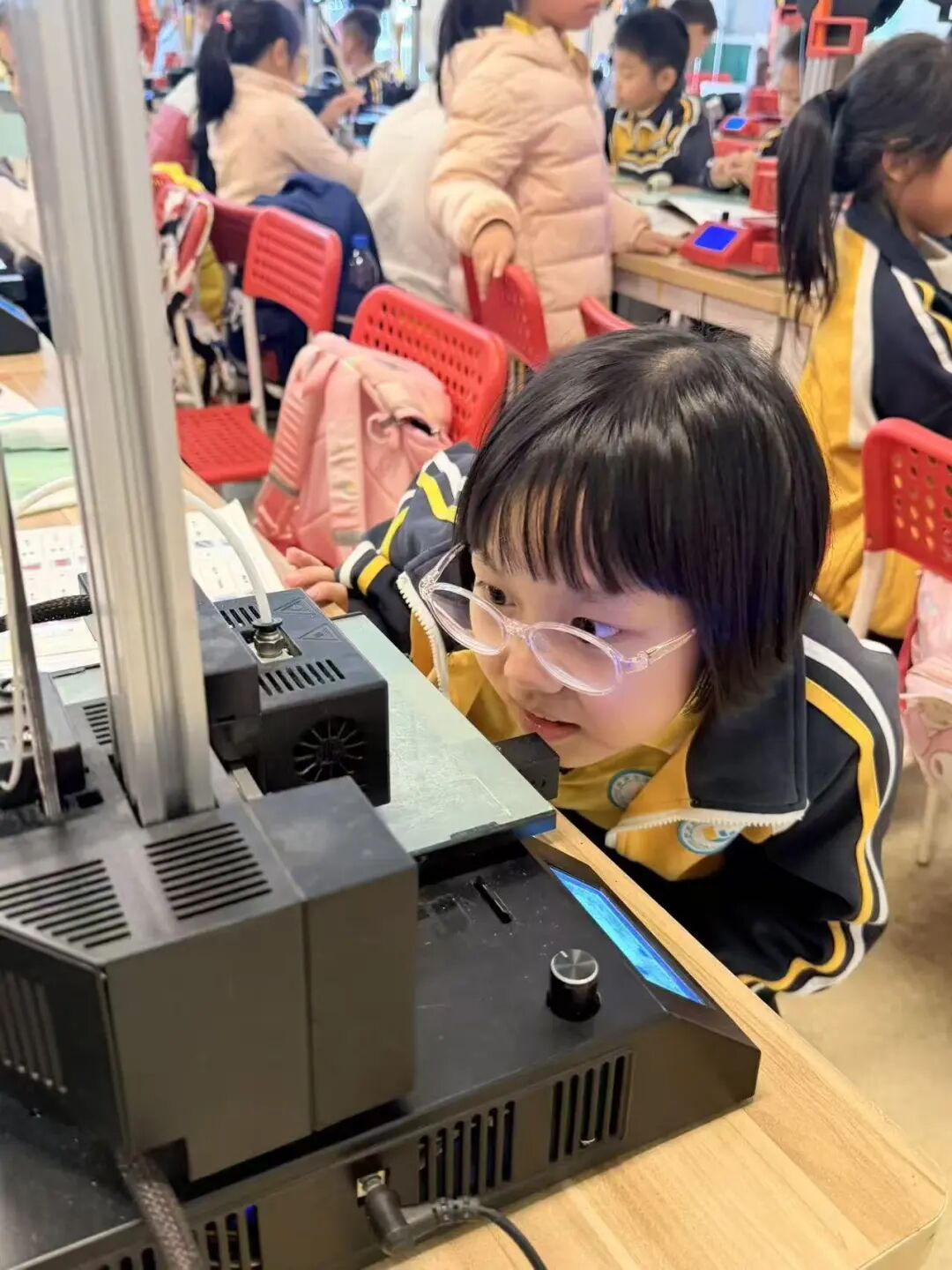
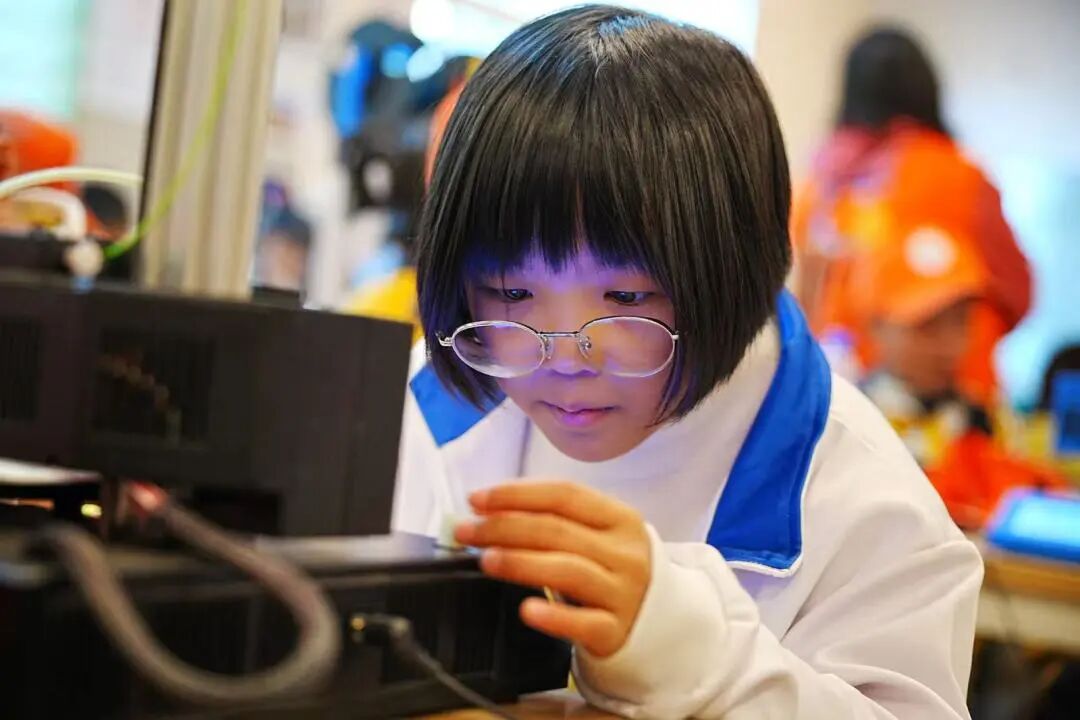
There were also several 3D printers in operation on site, which for most children was their first close encounter with the technological magic of “creating something from nothing”! Everyone gathered around the printer, holding their breath as they watched the slowly moving nozzle, seeing the molten material stack and solidify layer by layer, gradually becoming keychains, small ornaments, and even movable small parts. As each finished product “was born” from the printing platform, the children couldn’t help but clap and cheer, some bouncing with excitement, while others pulled their companions to point at the printer, exclaiming: “Look! It really turned the drawing into a physical object!”



03
Initial Experience in Robot Programming

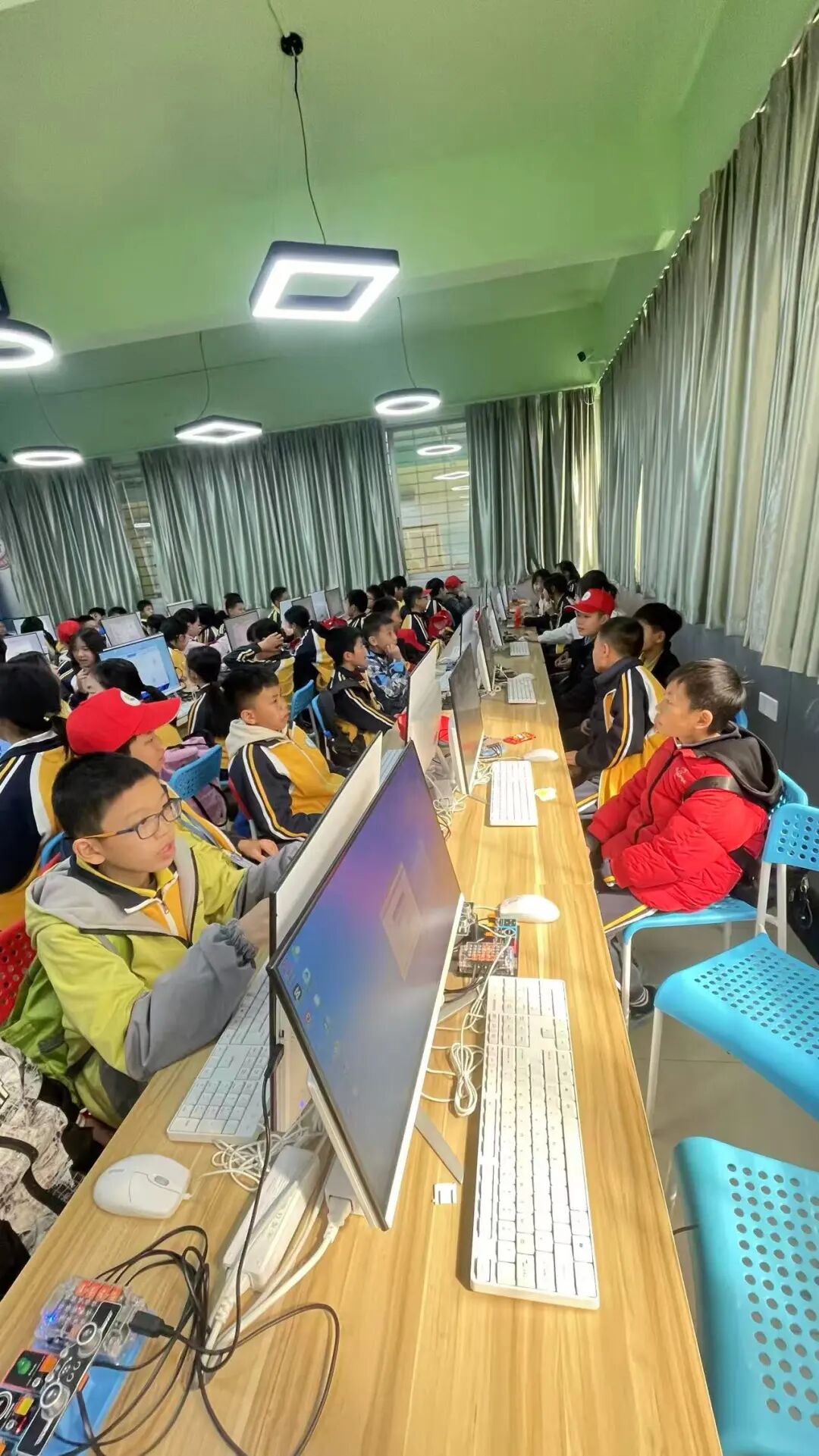
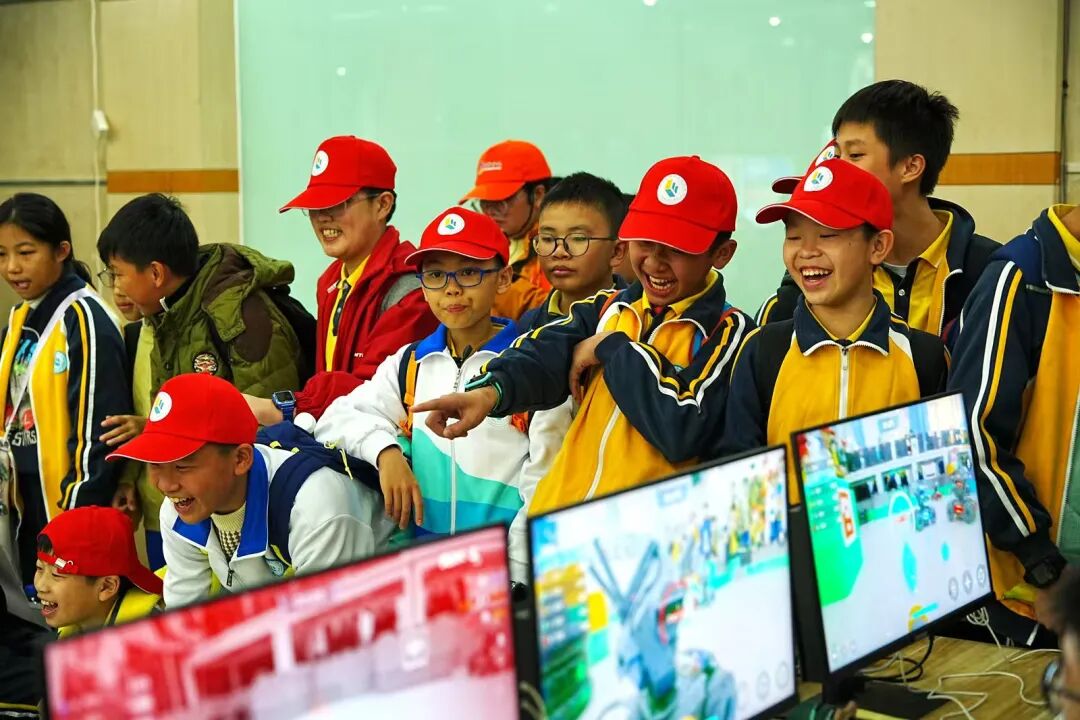
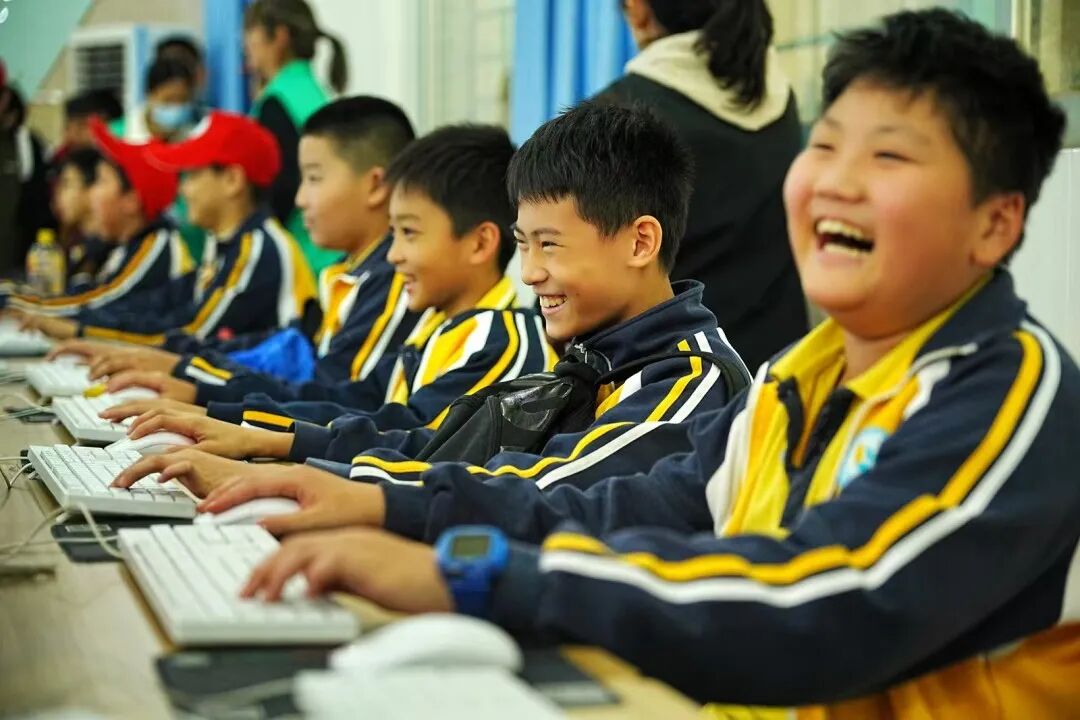
The sixth-grade students also unlocked the “hardcore” fun of robot programming. Facing the robotic arm, they first learned about “servos” and “sensors” with the instructor, and then used drag-and-drop programming modules to give the robot commands like “grab the ball” and “move to a specified location”. “So that’s how precisely robots ‘understand’ commands!” After adjusting the programming logic three times, Xiaoxuan finally got the robotic arm to steadily grab the ball, unable to contain his excitement as he high-fived his desk mate in celebration—this “from 0 to 1” programming class helped everyone understand that “every command hides rigorous logic”.

04
Human-Machine Interaction: “Talking” with Robots

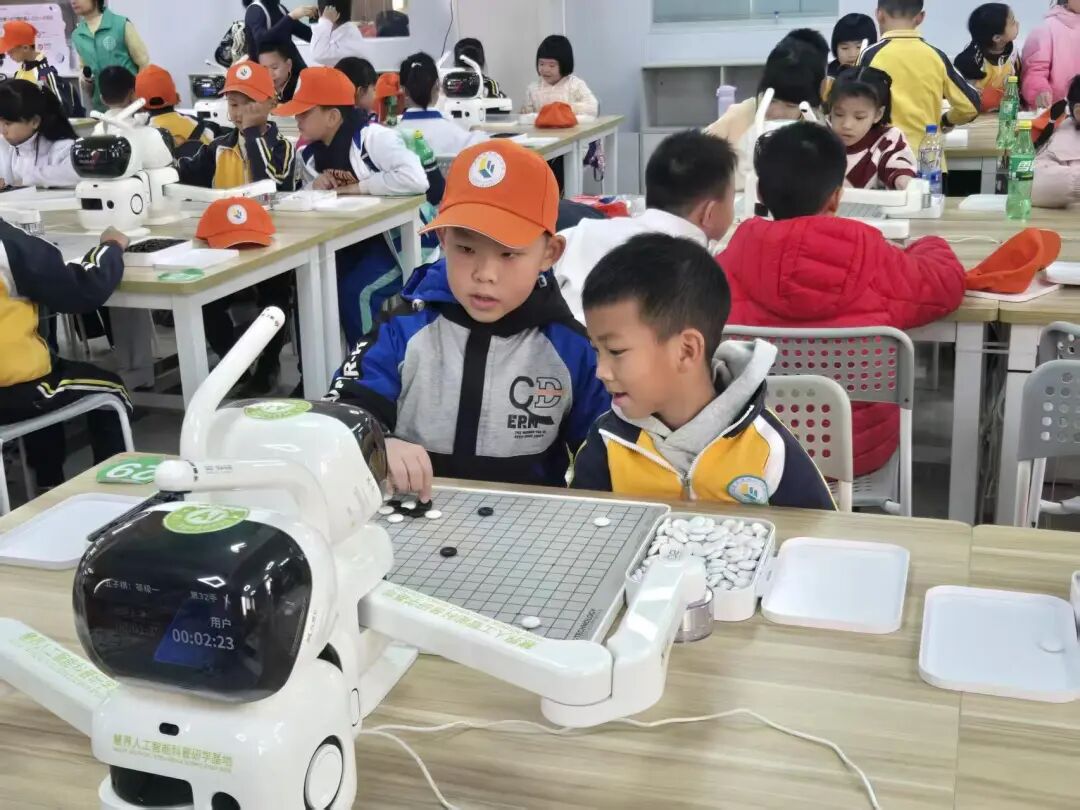
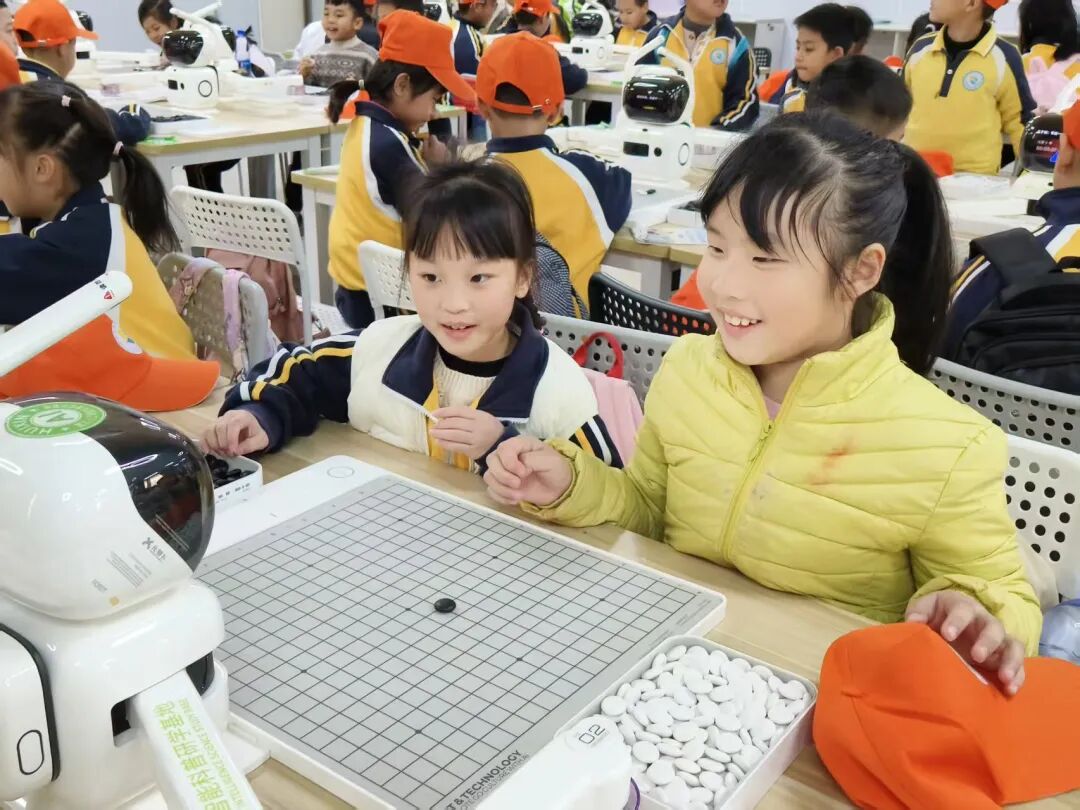
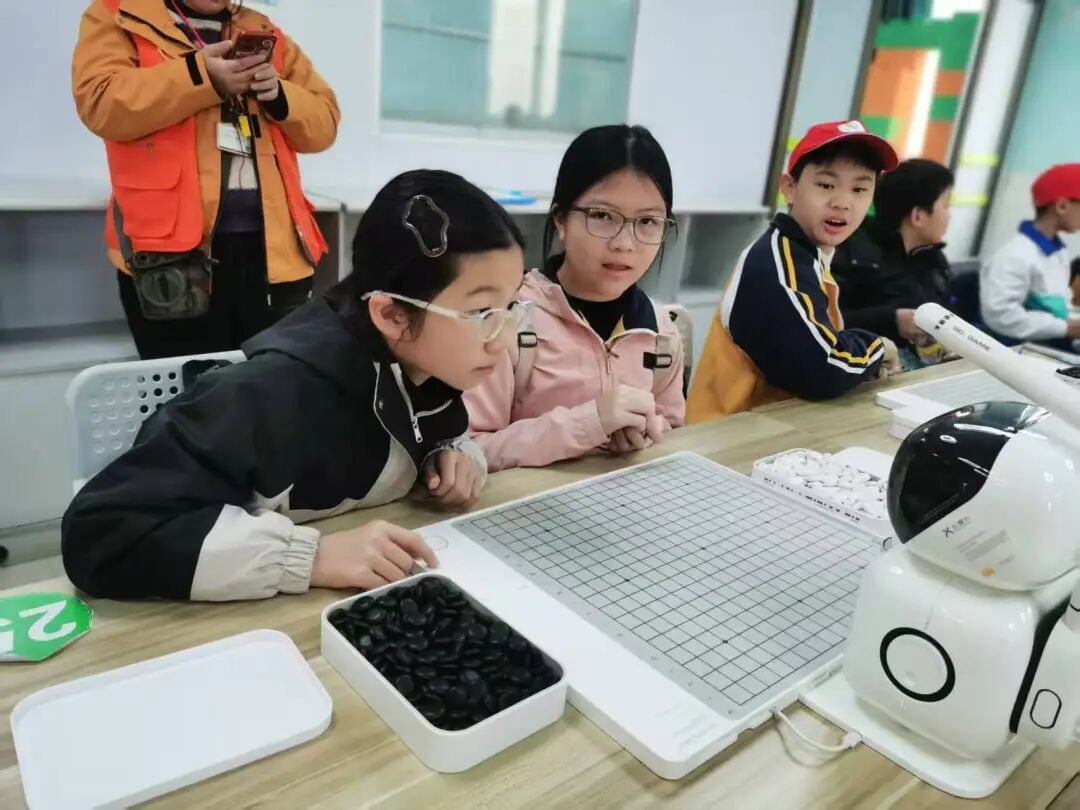
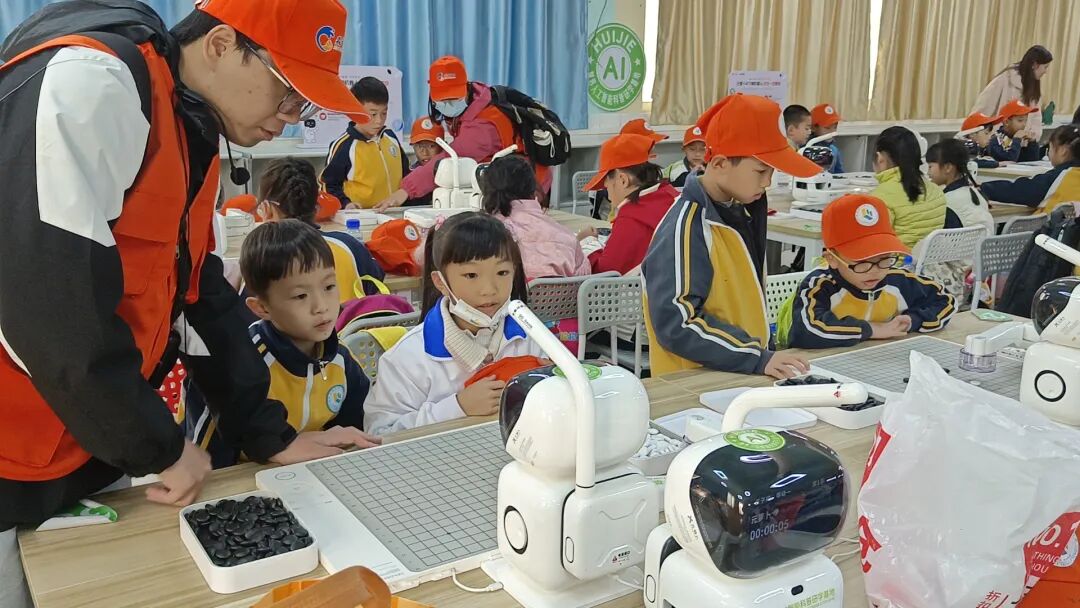
In the AI Go experience room, students enjoyed the fun of competing against artificial intelligence. In games of “Gomoku” and “Elephant Chess”, students engaged in a battle of wits with the AI robot. During the intense “mecha battle”, everyone controlled the mecha to complete tasks, understanding the connection between “commands” and “actions”, and experiencing the power of artificial intelligence.
05
Robot Performance: The Collision of Technology and Art

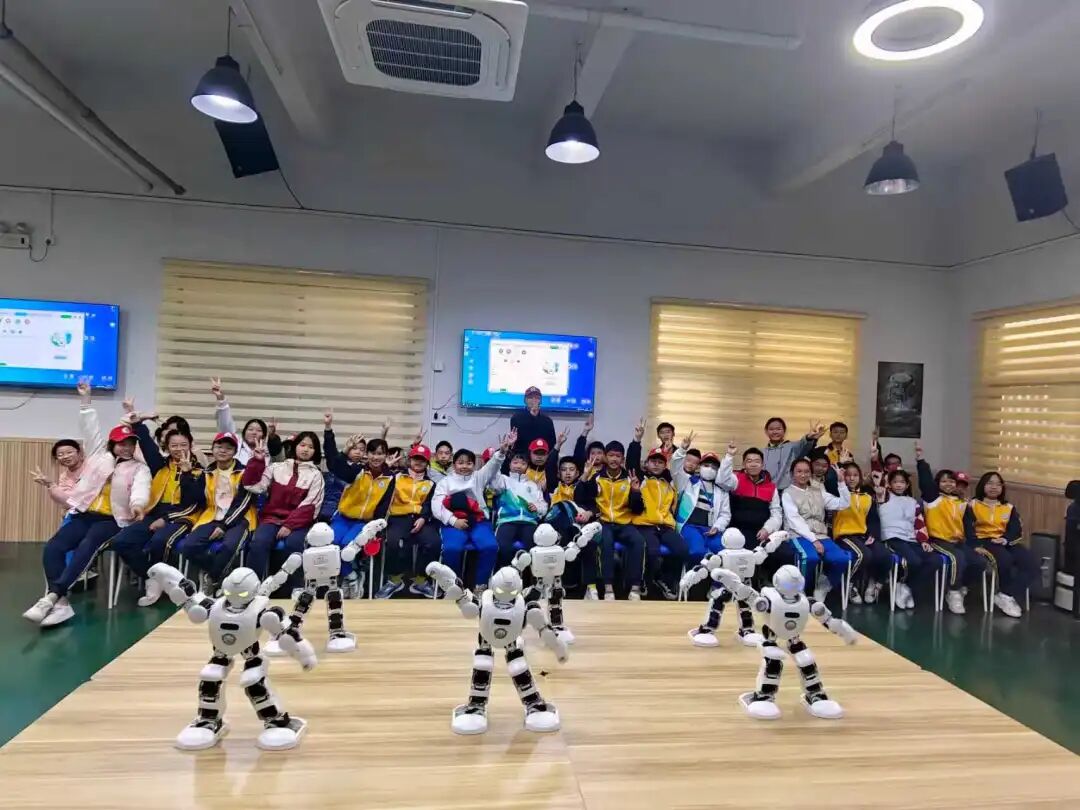
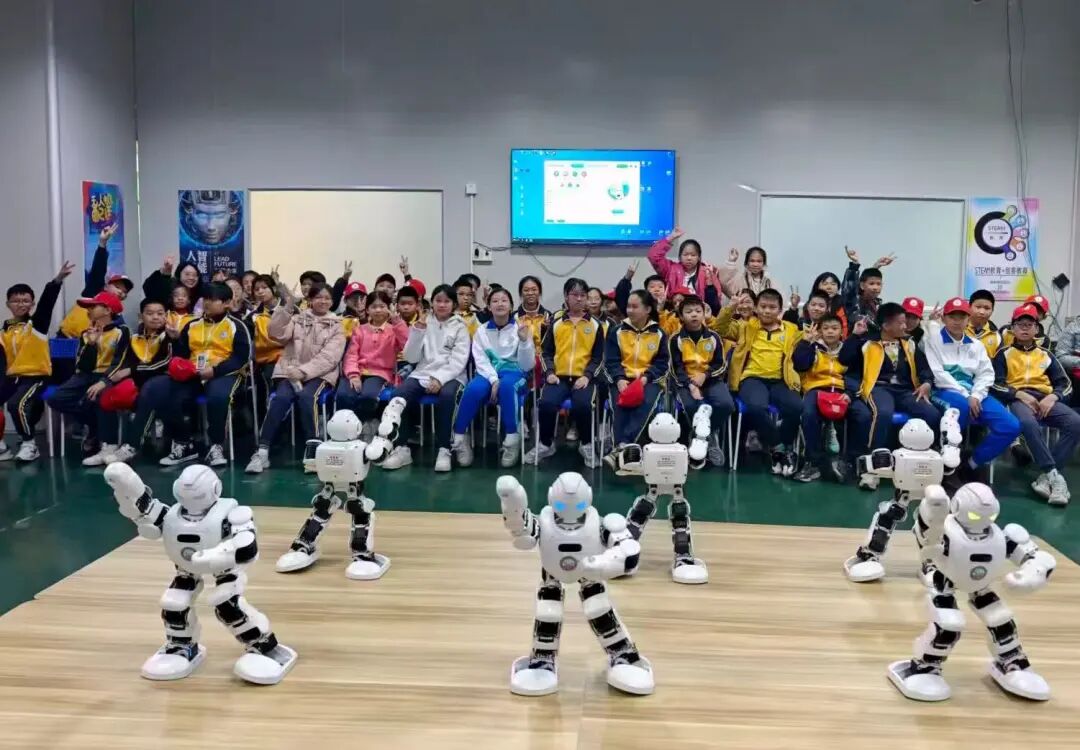
The robot performance was a stunning spectacle. Dancing robots moved precisely to the music, programming robots completed complex trajectory movements, and delivery robots skillfully avoided obstacles… The students were deeply attracted by the robots’ “talents”, truly feeling the charm of technology and the infinite possibilities of creativity.
06
Bunny Bear Technology Park: Learning Through Play


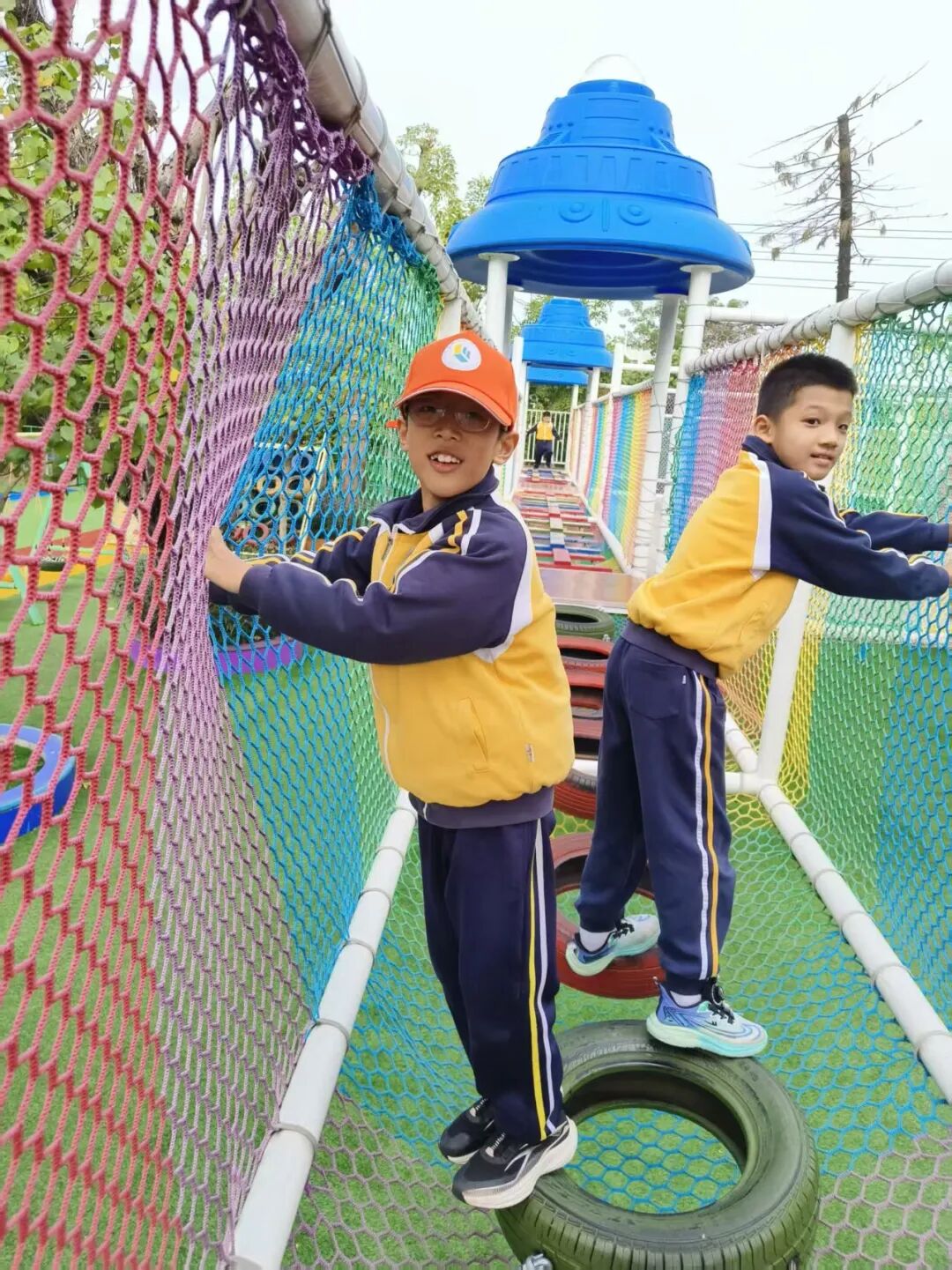
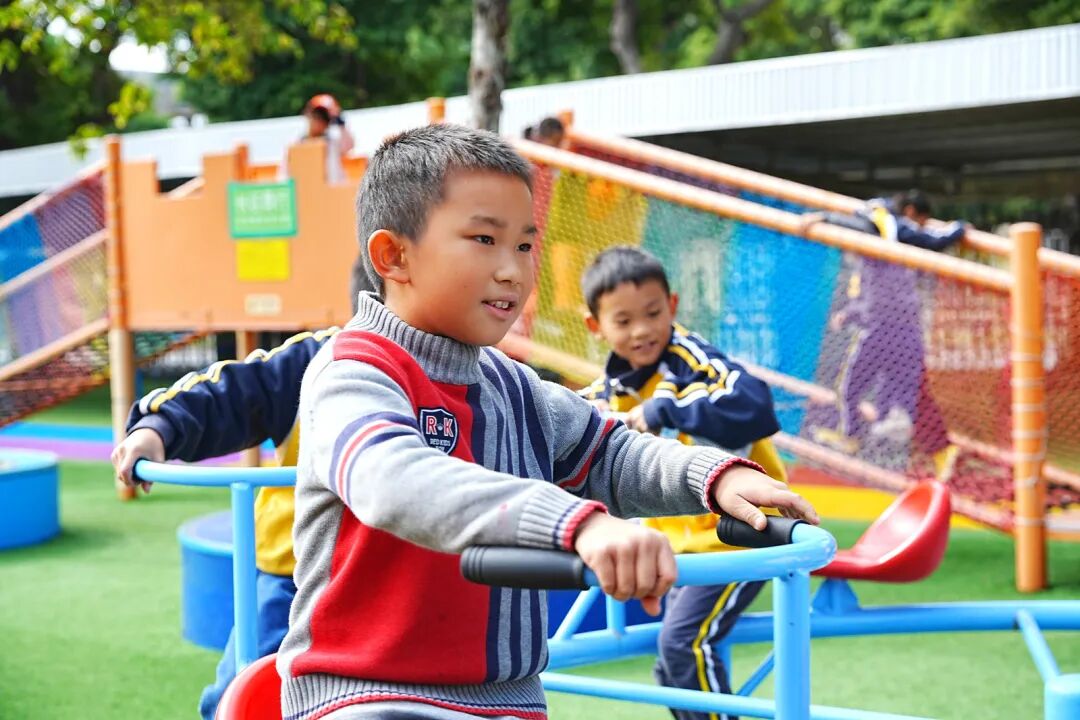
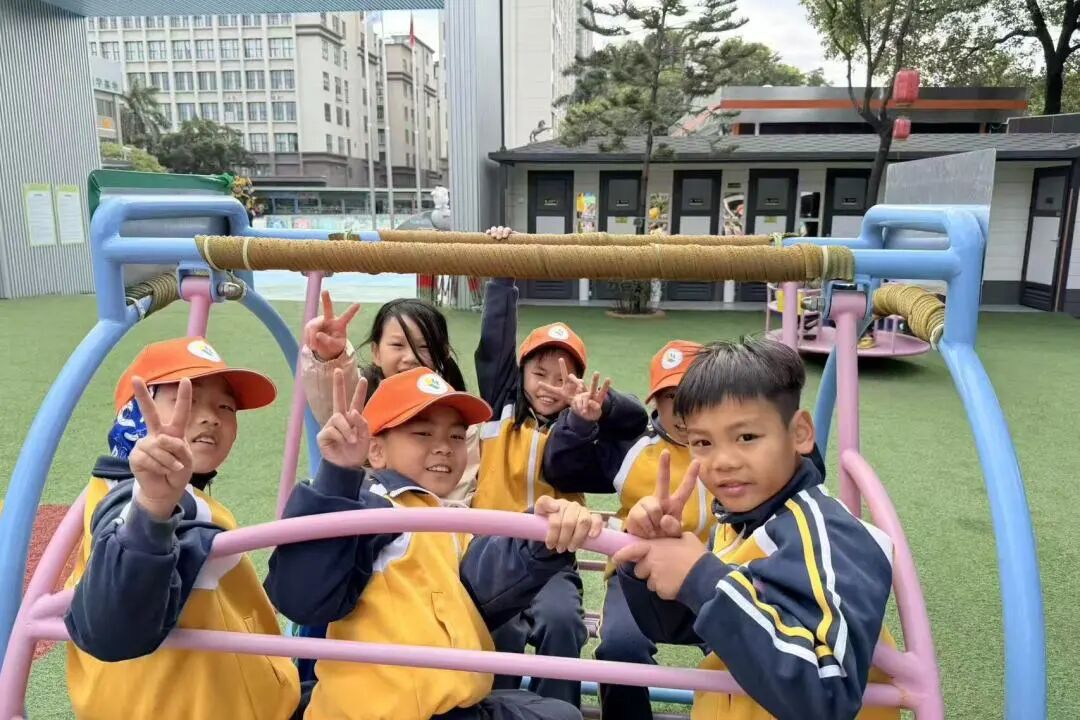
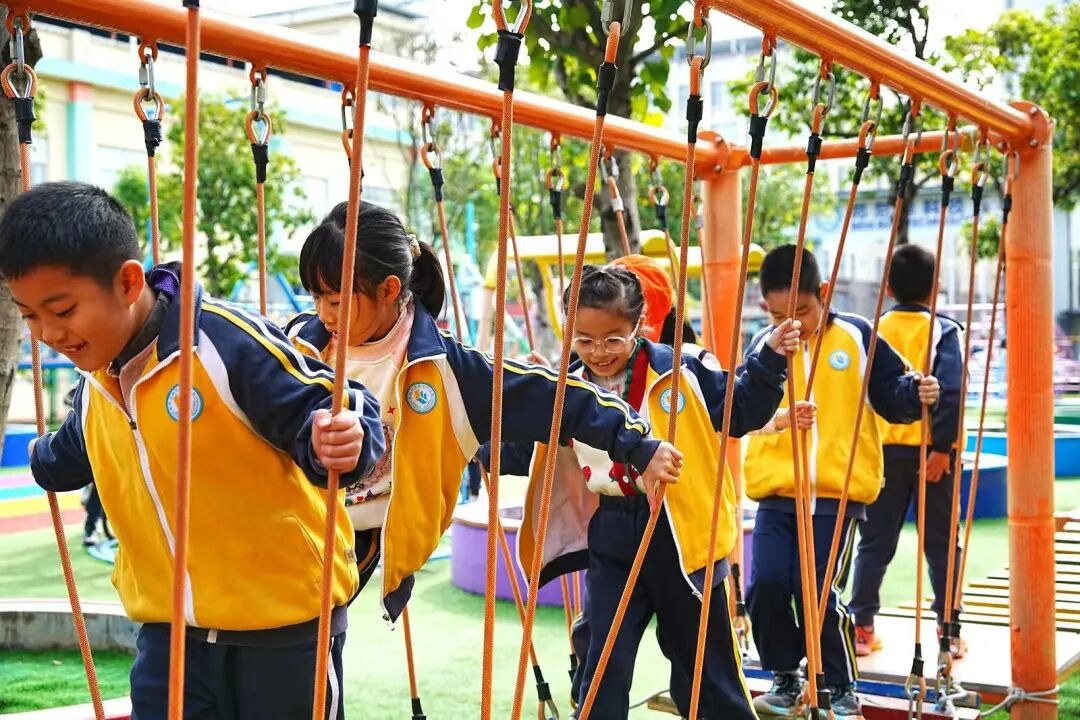
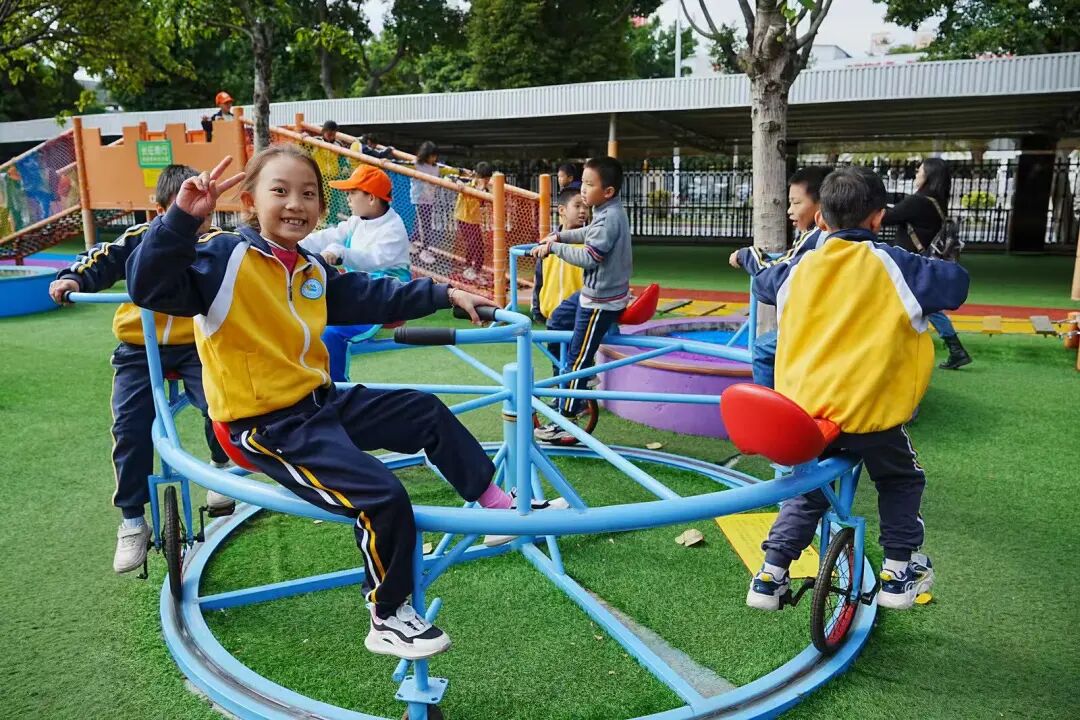
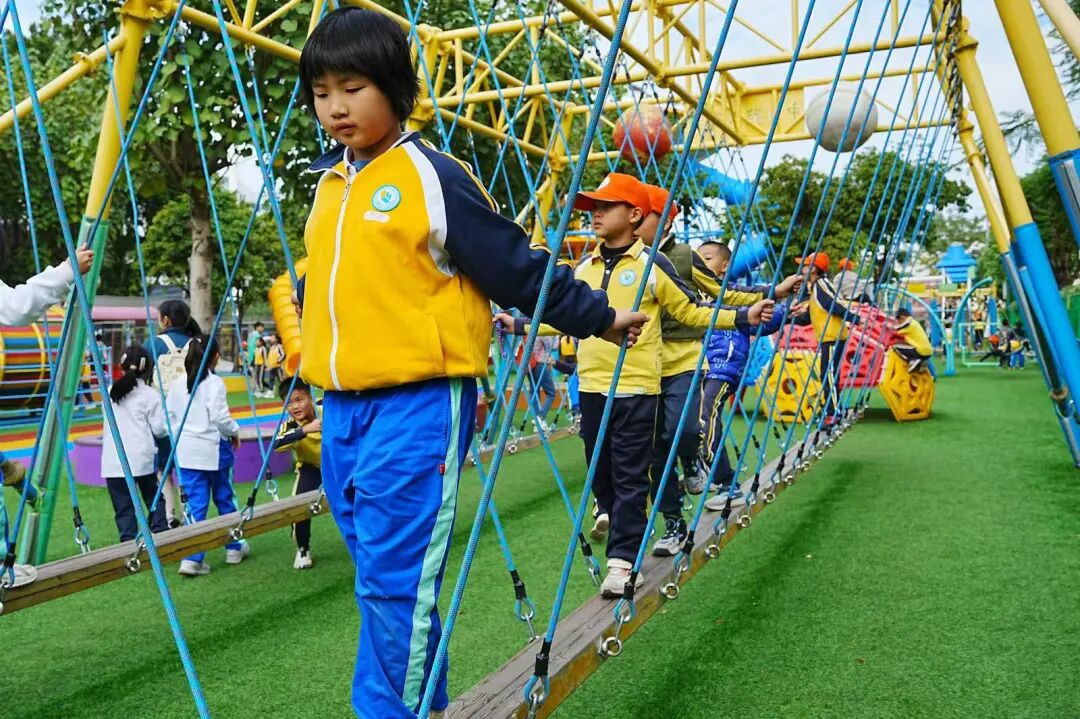
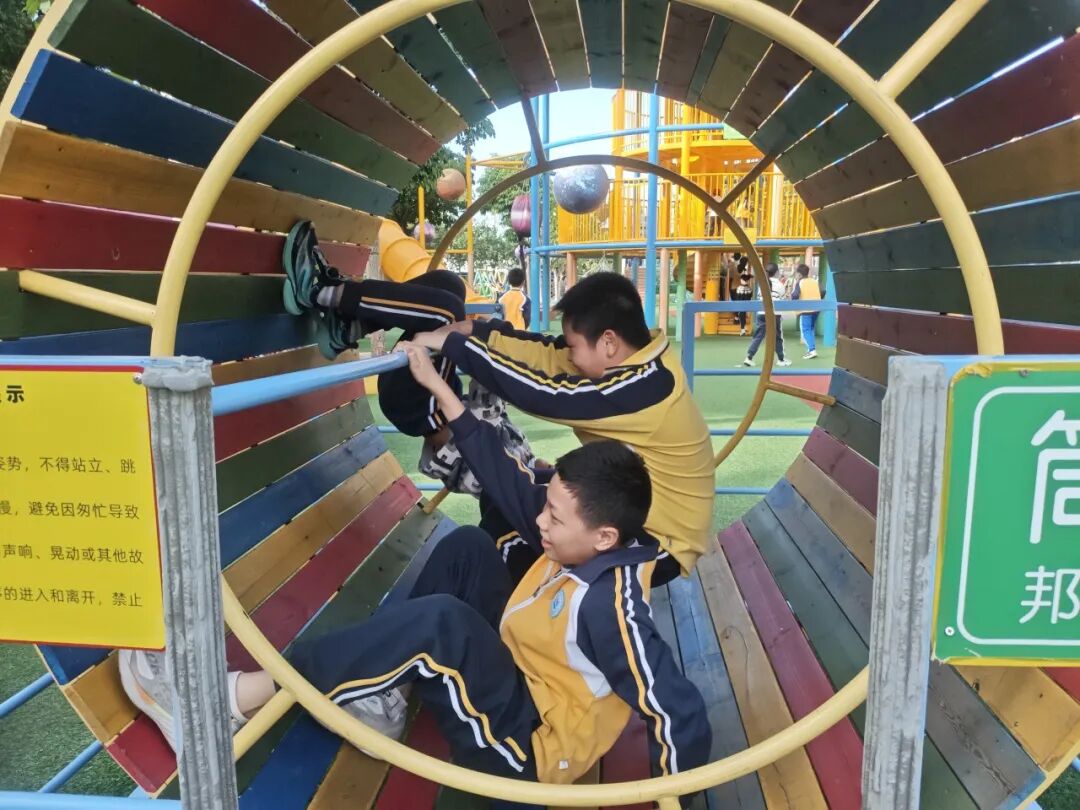
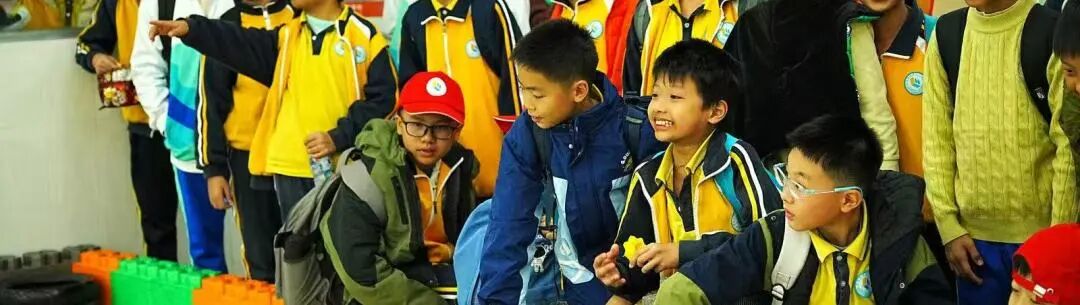
The most memorable experience for the children was the Bunny Bear Technology Park! Each project cleverly combined technology with movement, allowing children to explore the mysteries of mechanics and develop teamwork skills while having fun. Each activity contained unique technological playfulness and challenges!
07
Dual Challenge of Robot “Assembly + Competition”

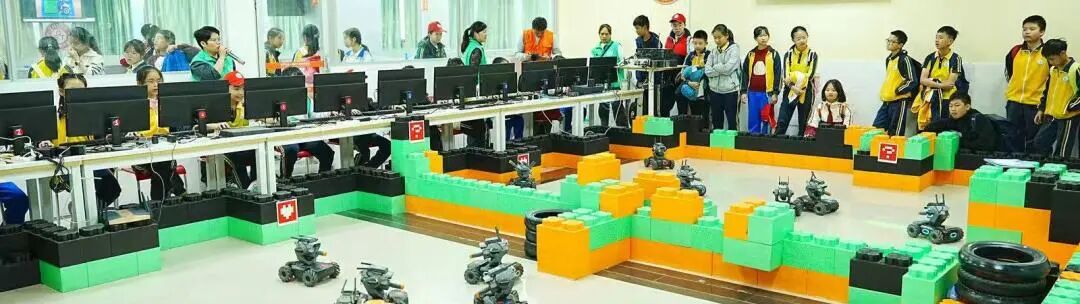
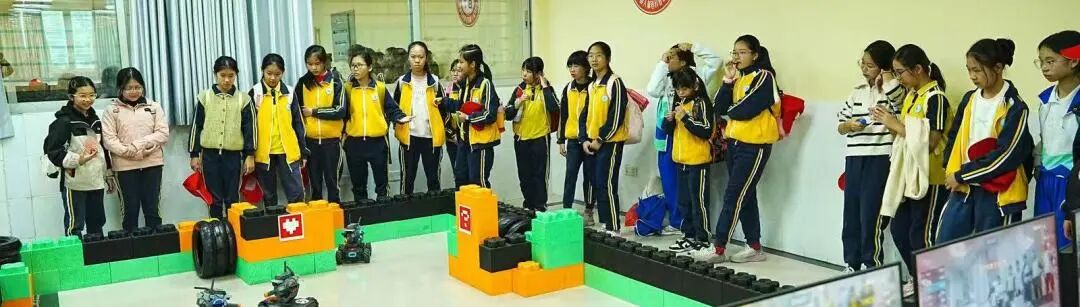
In the “Bowling Robot Assembly and Competition” segment, the sixth-grade students transformed into “engineers”, starting from understanding the parts, and gradually assembling their own bowling robots. During the competition segment, students brought their robots to the track, programming the commands for “move forward” and “turn”, watching as the robots accurately knocked down the bowling pins, cheers erupting all around. Through repeated adjustments and competitions, everyone not only learned mechanical assembly but also understood the power of “programming logic” and “team collaboration”.
)
(
08
Gains from the Study Trip: The Launch of Technological Dreams

As the sun sets, the day’s study activities come to an end. The students reluctantly bid farewell to the Wenbo 3D Science Popularization Town and set off on their return journey. On the way back, everyone excitedly discussed what they had seen and learned throughout the day. Through hands-on experience, the students gained a more intuitive and profound understanding of artificial intelligence and 3D printing technology. This experiential education effectively stimulates students’ interest in science and technology, serving as an important supplement to classroom teaching. It turns out that as long as one dares to think and try, everyone can become a “little inventor”. Let us look forward to the next exciting study trip and anticipate the blossoming of technological flowers in the hearts of the students at the Eleventh Primary School!
Images: Wang Ju
Text: Luo Xiaoyi
Editor: Wang Ju
Initial Review: Xu Huiming
Final Review: Li Liping
Final Approval: Zuo Dunyang