Introduction FIRST
During the PCBA production process, residues from solder paste and flux can contain organic acids and ionic substances. The former can corrode the PCBA, while the latter can cause short circuits between pads. In recent years, users have become increasingly stringent about product cleanliness, leading to a growing emphasis on PCBA cleaning processes within the electronic assembly industry, making it a major topic of technical exchange and discussion. Therefore, this article starts with the classification of PCBA contaminants and shares some relevant knowledge about PCBA cleaning processes.
Classification of Contaminants and Their Effects SECOND
# Classification of PCBA Contaminants #
◼ Polar Contaminants
a. Flux activators (organic acids, ethanolamines, etc.);
b. Sweat, fingerprints;
c. Solder dross;
d. Oxides on components and PCB surfaces.
◼ Non-Polar Contaminants
a. Residues of rosin and resin in flux;
b. Residues from high-temperature tapes and adhesives;
c. Skin fingerprint oils;
d. Anti-oxidation oils, etc.
◼ Particulate Contaminants
a. Dust, smoke, lint, etc.;
b. Fine beads, solder balls;
c. Electrostatic particles;
d. Glass fibers generated during drilling and punching operations.
# Effects of Contaminants #
✔Electromigration
The presence of contaminants on the PCBA surface can easily lead to electromigration, resulting in dendritic growth.
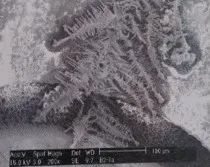
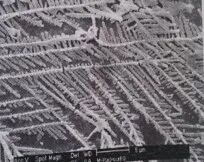
The formation of dendrites requires the corrosion of metals and the influence of an electric field. Metals like silver are prone to corrosion, and the electrode potential difference in the oxidation reaction in air is small, making electromigration more likely to occur. PCBA that fails due to electromigration can often return to normal functionality after necessary cleaning.
✔Creep Corrosion
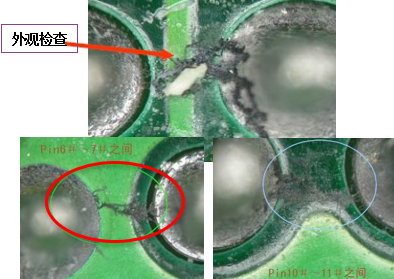
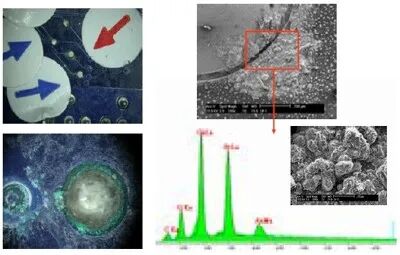
Creep corrosion can develop to a point where it causes short circuits in electronic circuits, leading to component failures. Creep corrosion does not require an electromagnetic field; if active flux residues are not cleaned after soldering, creep corrosion can occur within 5 days.
✔Tin Whisker Growth
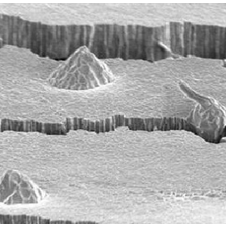
Initial growth stage
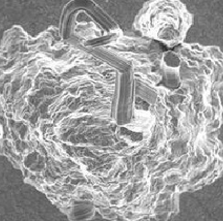
Growth stage morphology
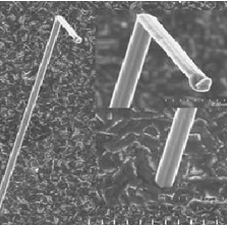
Formed tin whiskers
Tin whiskers can easily cause short circuits, and factors such as substrate materials, tin plating thickness, and nickel plating thickness all influence tin whisker growth. Experiments have shown that the cleanliness of the circuit board affects the growth of tin whiskers.
✔Marine Corrosion
Electronic products entering marine environments face salt-laden air, which can cause corrosion of PCBA.
Typical PCBA Cleaning Processes THIRD
01 Solvent Cleaning
▪ ODS, hydrocarbons, alcohols, ketones, fluorinated solvents, azeotropic solvents, etc.;
▪ Solvent properties include flammability, explosiveness, environmental harm, and health hazards.
02 Semi-Aqueous Solutions
▪ Organic solvent cleaning + water rinsing;
▪ Most organic solvents have certain flammability and volatility.
03 Aqueous Cleaning
▪ Aqueous cleaning + water rinsing
PCBA Cleanliness Testing After Cleaning FOURTH
◼ Factors to Consider:
a. End-use environment (aerospace, medical, military, automotive, information technology, etc.);
b. Product design/service life (90 days, 3 years, 20 years, 50 years, shelf life + 1 day);
c. Relevant technologies (high frequency, high impedance, power supply);
d. Failure phenomena corresponding to the defined standards of end products at various levels (e.g., mobile phones, heart rate monitors).
◼ Testing Methods:
Visual inspection, ion testing (C3 testing, ion chromatography testing), magnification, SIR testing, ionic contamination testing (NaCl equivalent)
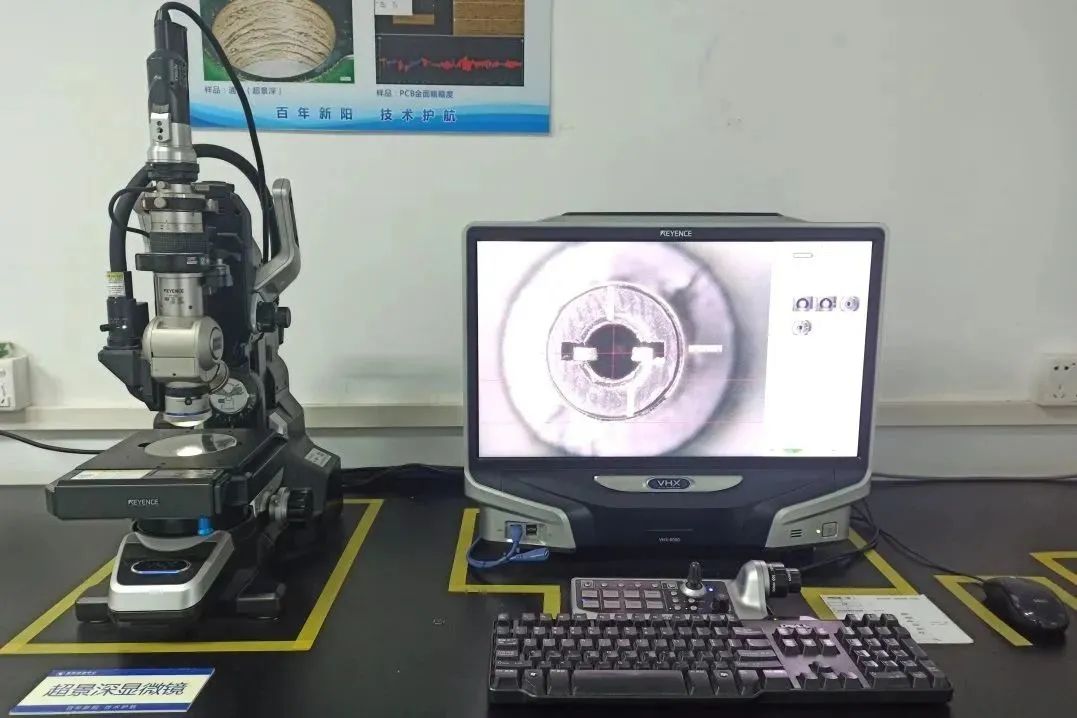
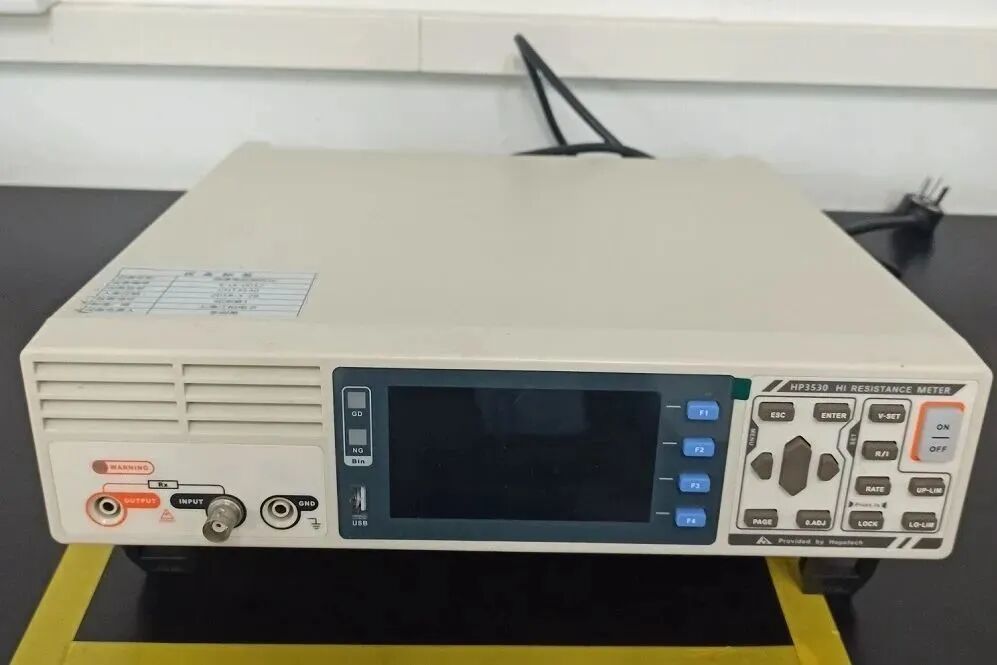
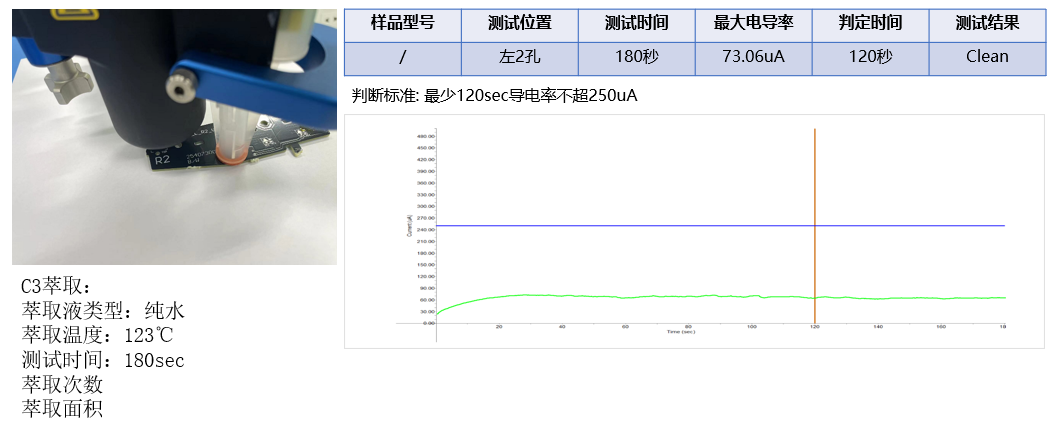
Ion Testing (C3 Testing)
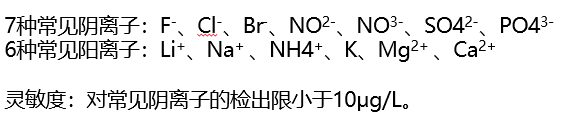
Ion Testing (Ion Chromatography Testing)
【Statement】: The articles published in this public account are original or edited and organized based on online searches, and the copyright belongs to the original author. The purpose of reprinting is to share and learn. If there are any infringements regarding the images and materials used in the text, please contact us to delete them. Thank you!
 AD
AD