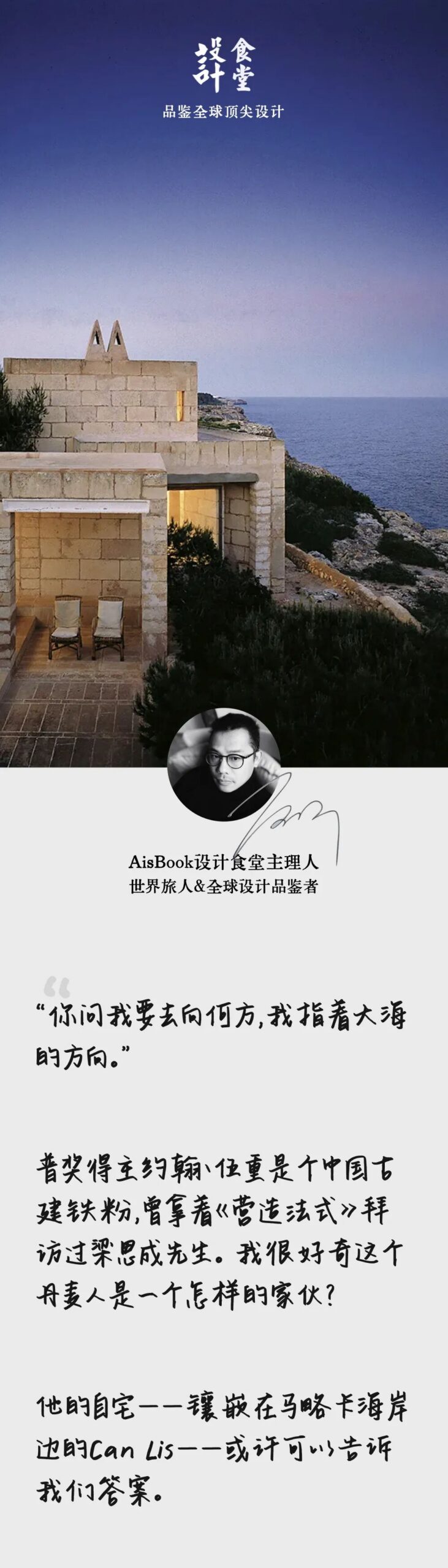
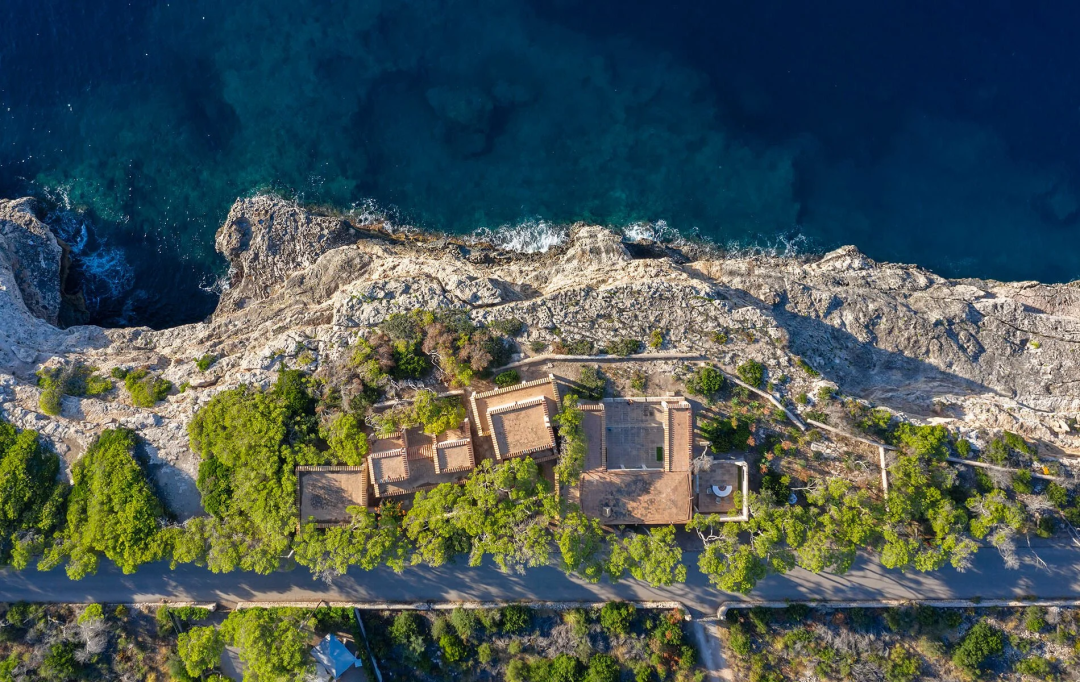
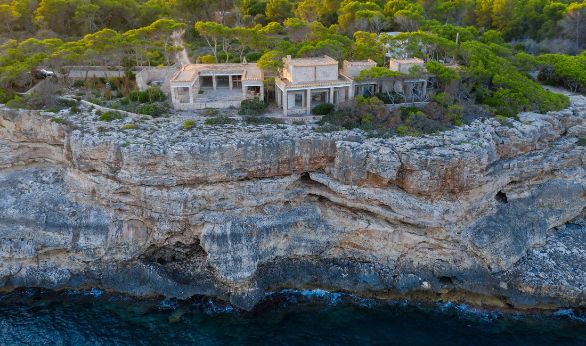
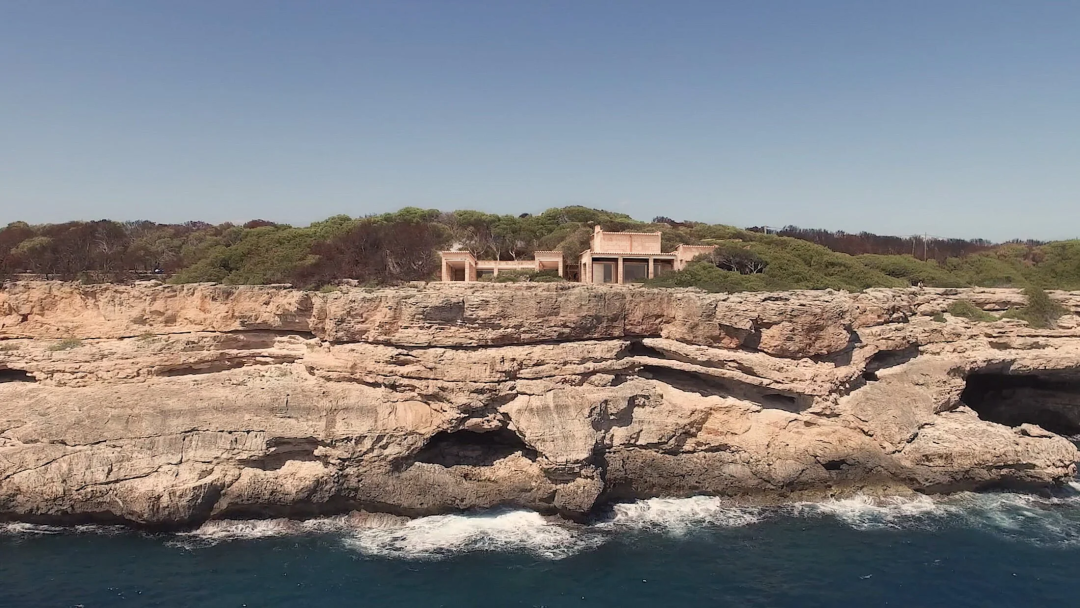
 Perched on the cliffs of the eastern coast of Mallorca, Spain, lies a seemingly simple yet exquisitely crafted residence—Can Lis.This is a hidden sanctuary created by architect Jørn Utzon for himself and his family, yet it has been acclaimed by numerous architectural critics and peers as one of the most beautiful houses of the 20th century.
 © CAN LIS
  © CAN LIS
  © CAN LIS
PART 01

The Most Beautiful House on the Mallorca Coast

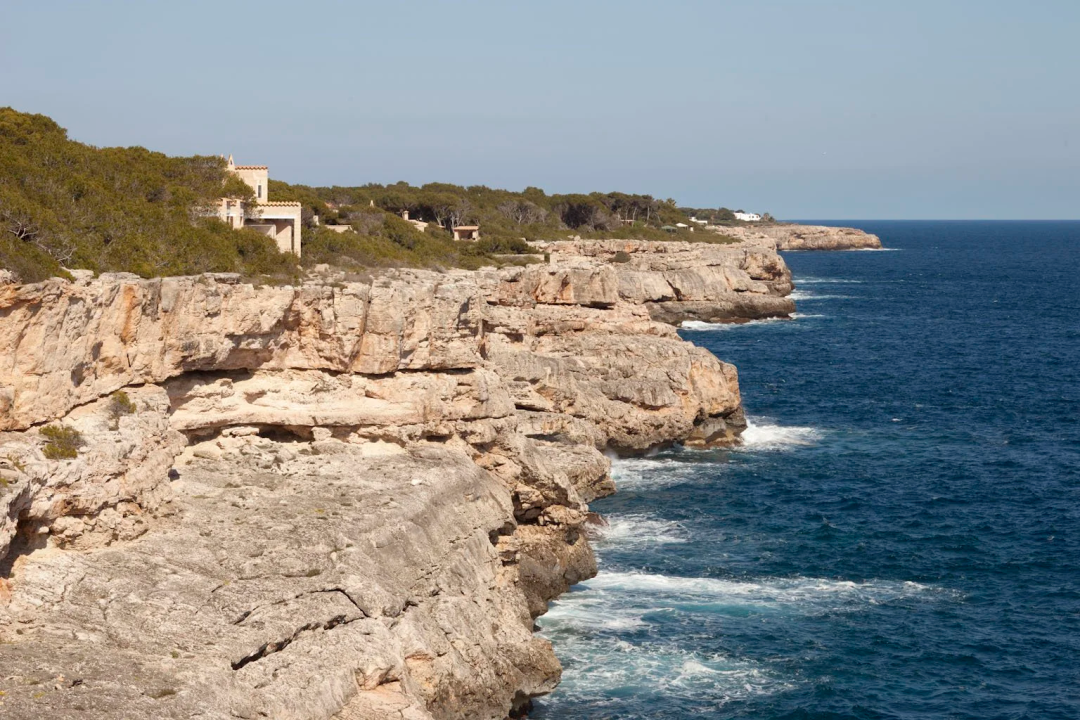
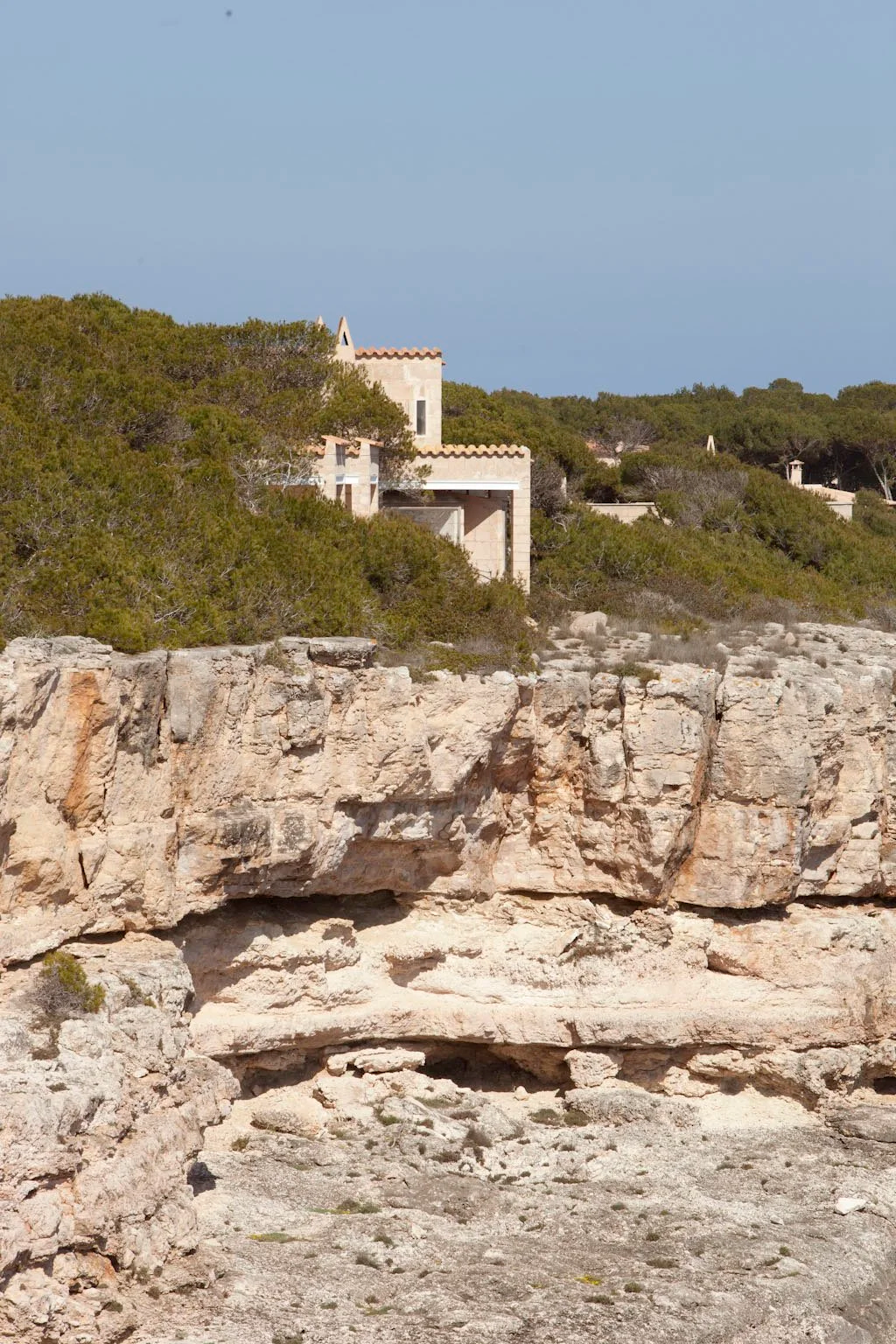
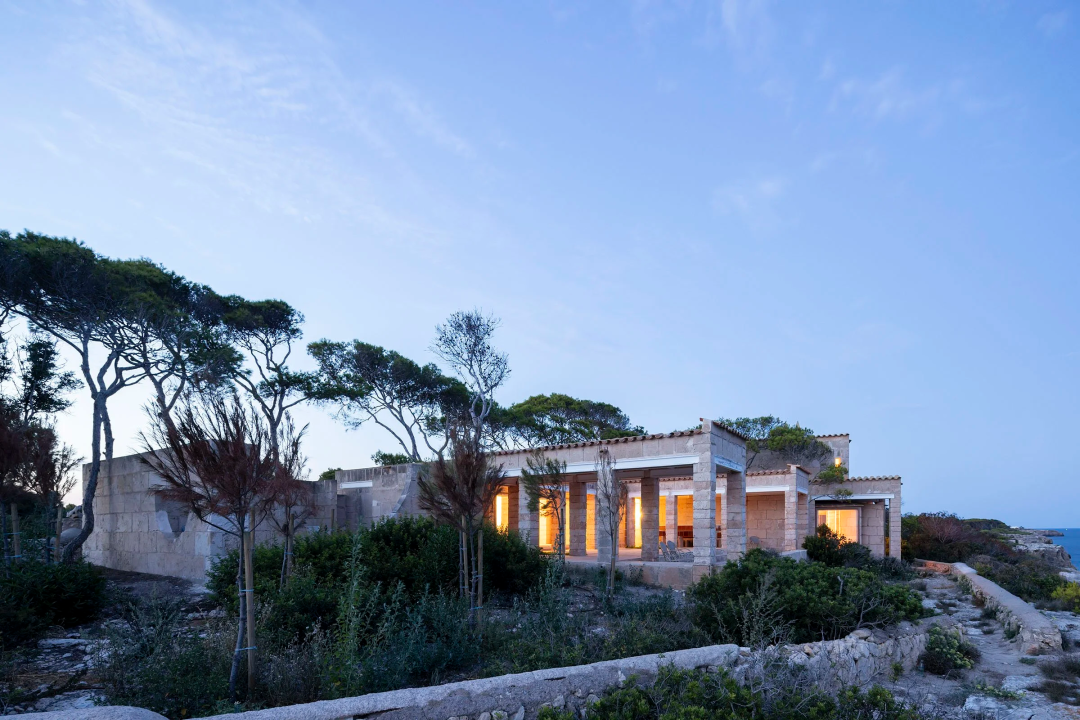
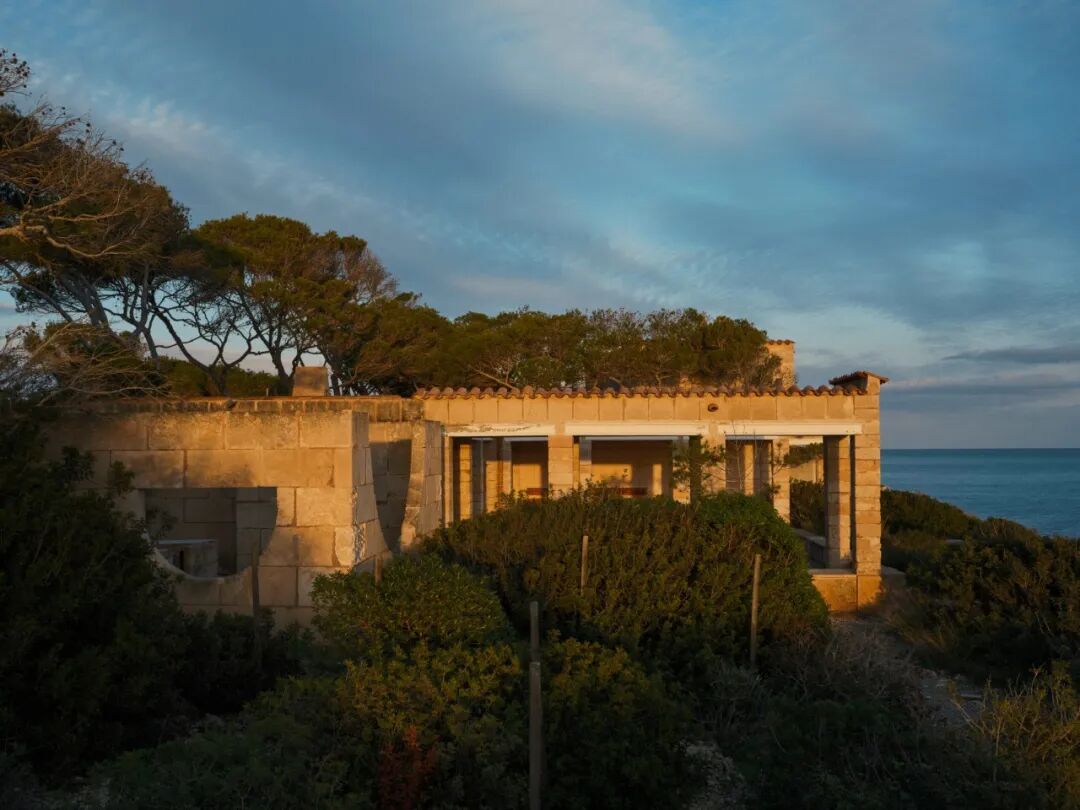
The site conditions of Can Lis are extremely unique: on one side is a country road, and on the other side is a 20-meter-high cliff overlooking the vast Mediterranean Sea.
Utzon’s handling of the design is remarkably light-handed.
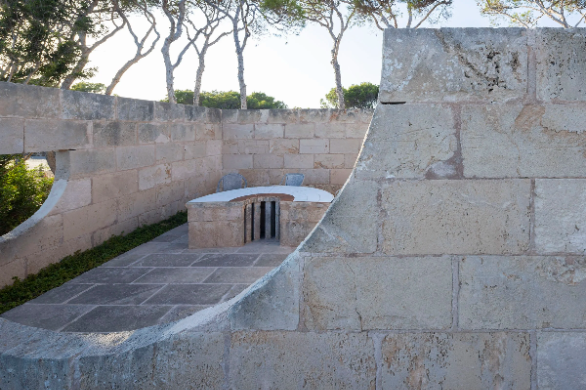
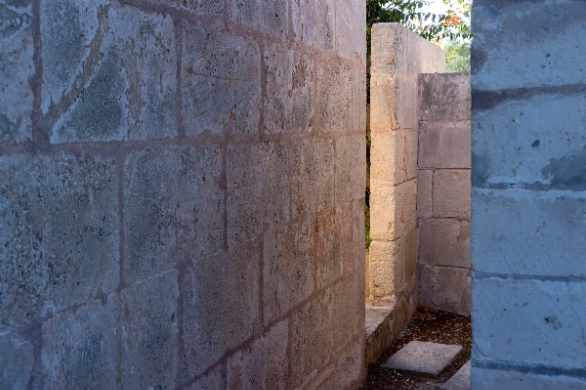
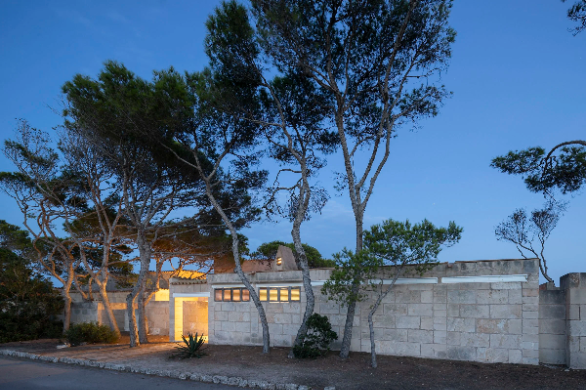
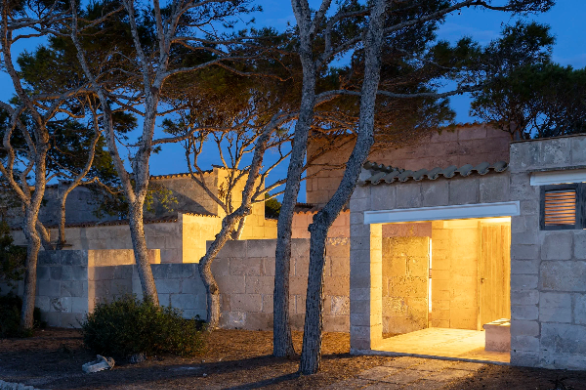
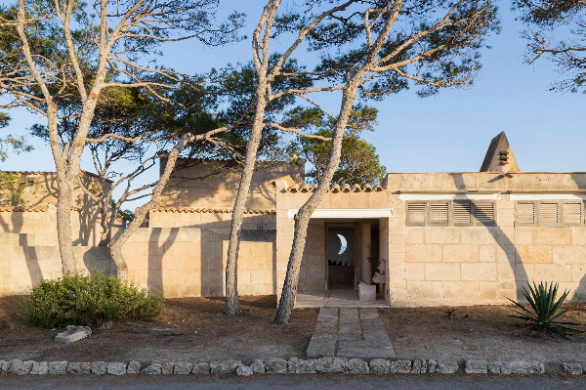
On the road side, he erected a thick, windowless sandstone wall, completely shielding the interior from external prying and disturbances, thus protecting absolute privacy.
However, once one passes through the entrance hall and enters the interior, the magnificent sea view suddenly floods into view like a carefully framed painting.
 © CAN LIS
  © CAN LIS
  © CAN LIS
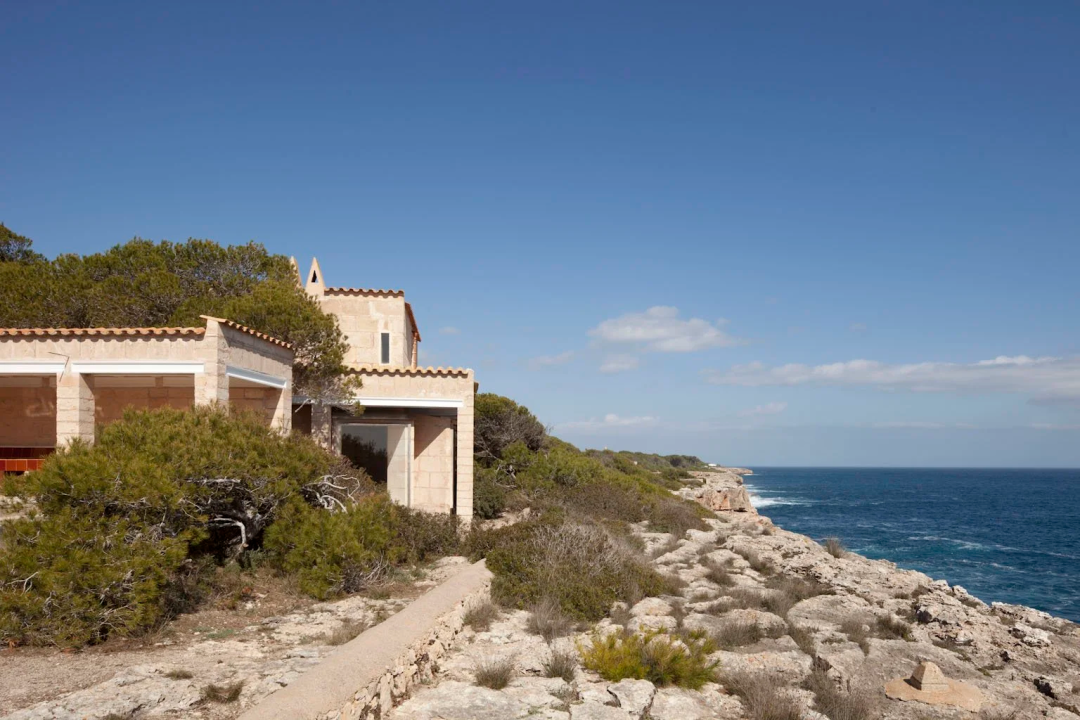
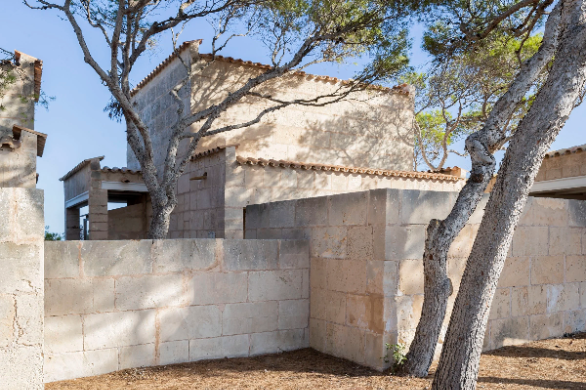
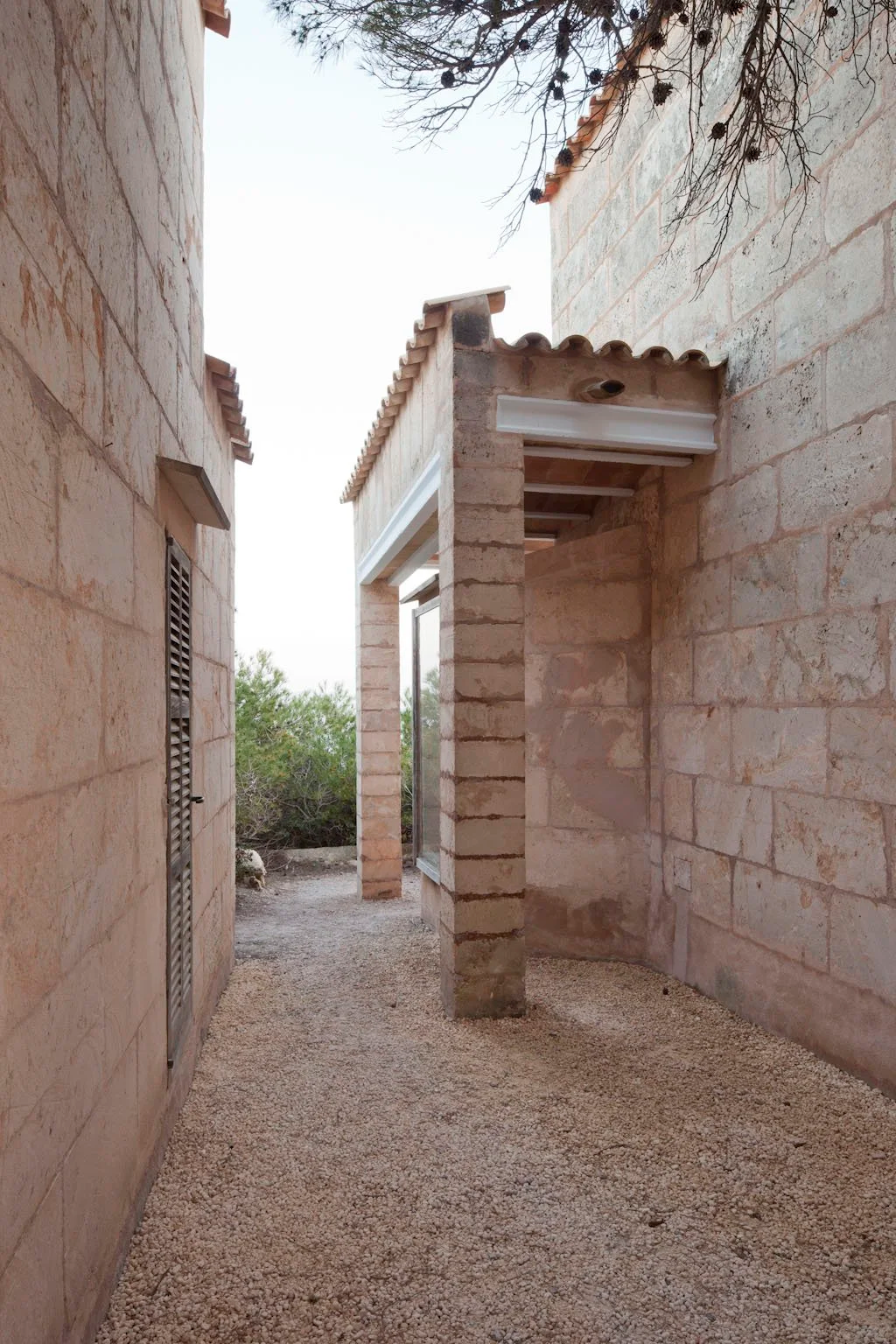
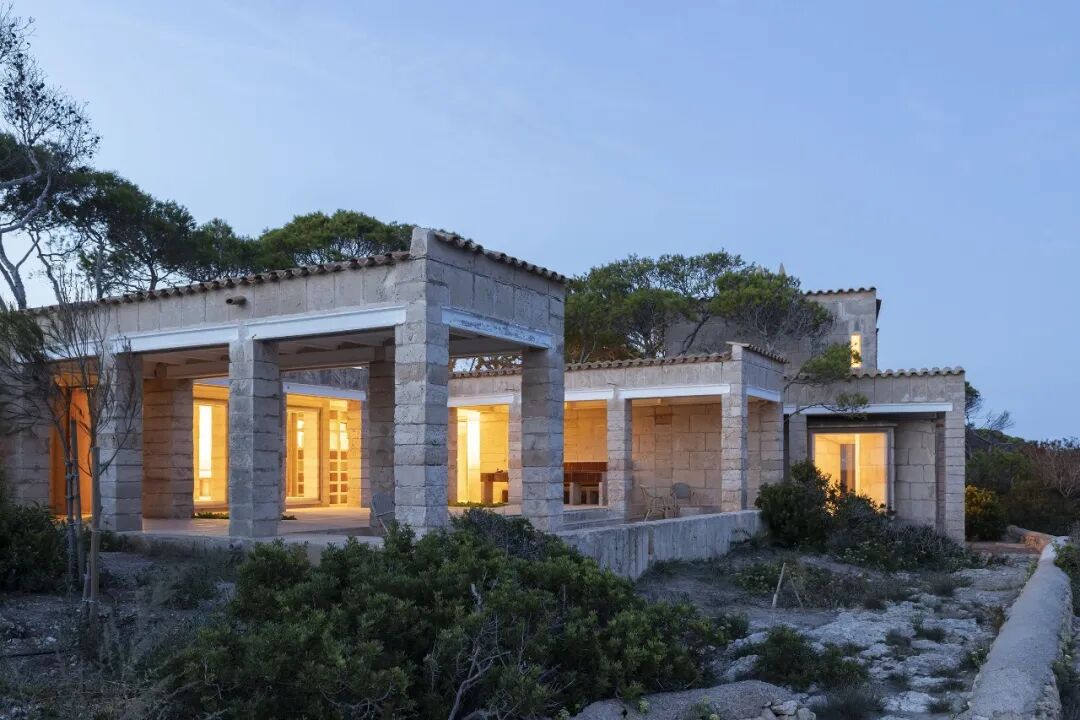
The entire residence consists of four main volumes, corresponding to the kitchen, living room, master bedroom, and guest bedroom.
They are not tightly connected but resemble a small village, loosely linked through courtyards, corridors, and platforms.
This “fragmented” layout is a continuation and development of Utzon’s ideas from the Sydney Opera House.
Each volume has a scale, proportion, and a small courtyard that matches its function, allowing the living spaces to be both independent and interconnected.
 © CAN LIS
  © CAN LIS
  © CAN LIS
  © CAN LIS
  © CAN LIS
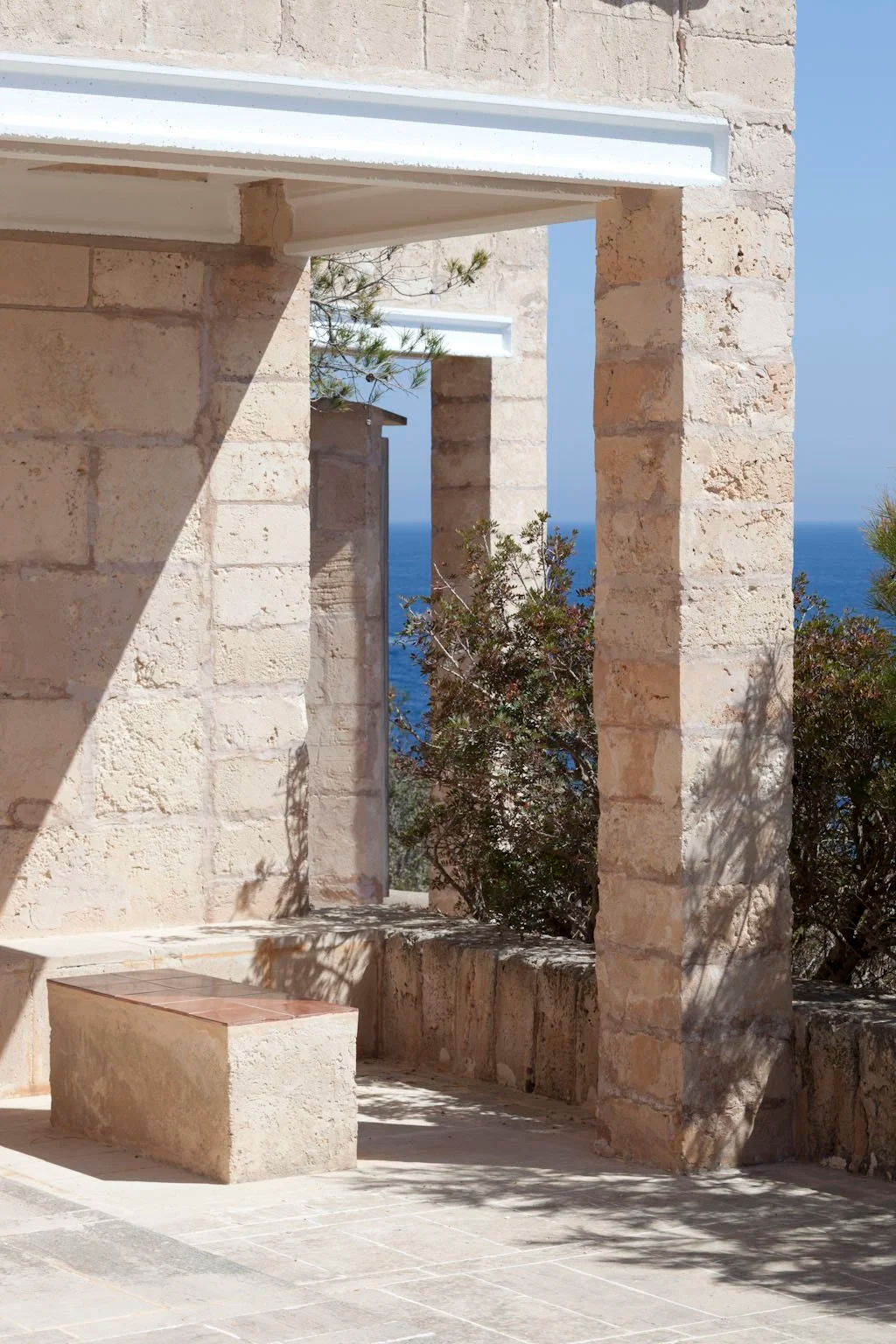
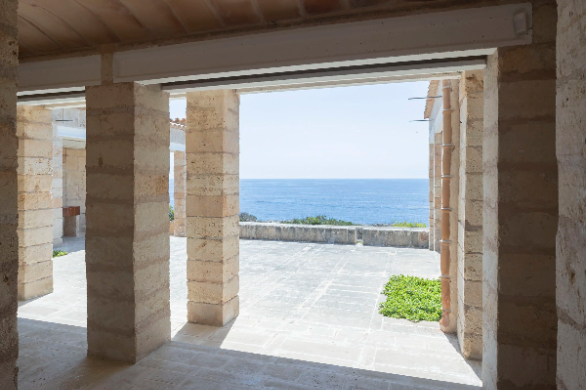
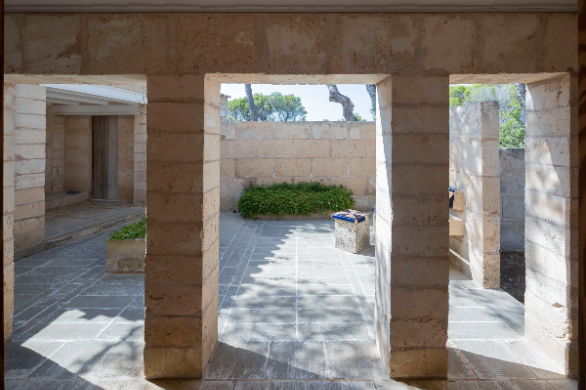
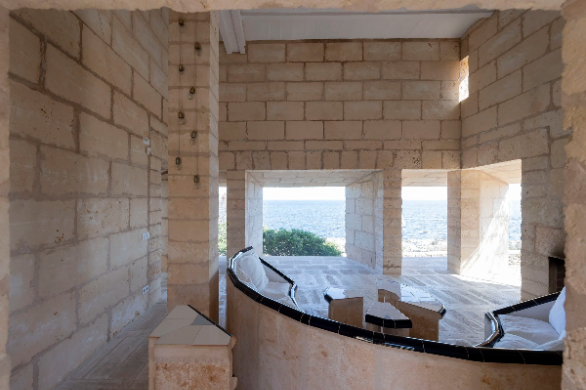
The sun in Mallorca is intense, with over 300 sunny days a year. This was a challenge that Utzon had to face, especially as he was already suffering from eye problems at the time.
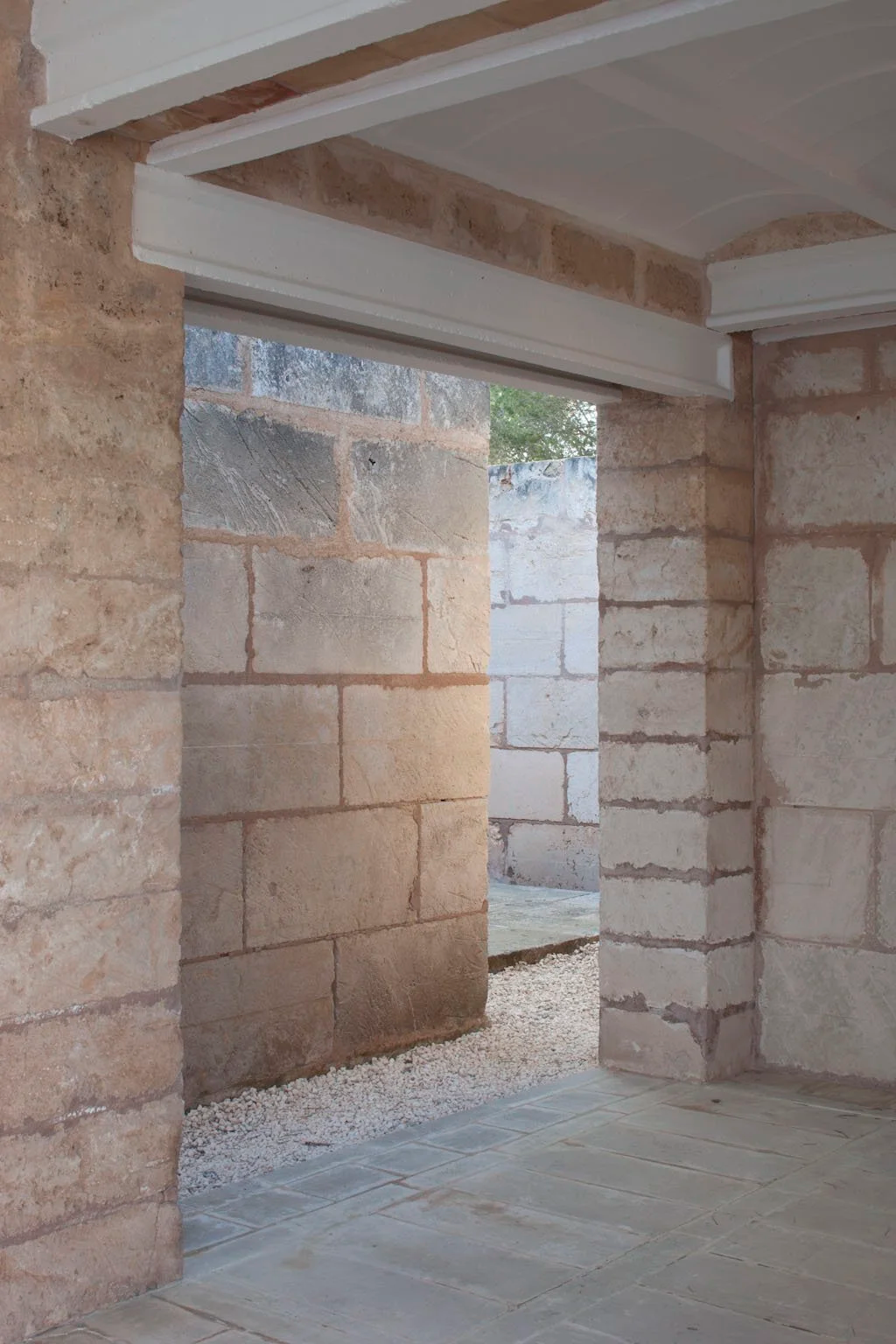
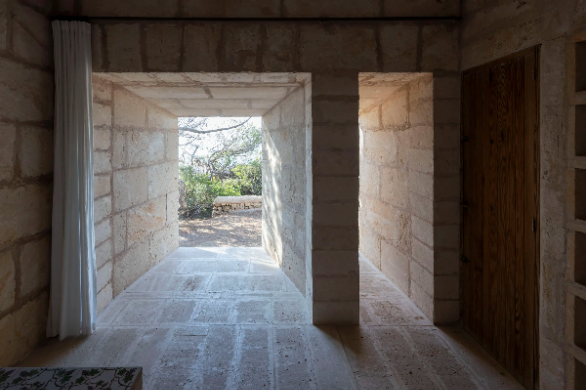
Therefore, in the design of Can Lis, he deliberately kept the window openings facing the sea very low and made the depth of the window openings quite large.
This created a wonderful “preset dimness”: the indoor light is soft, even somewhat dim, allowing the building itself to recede into the background.
As a result, the blue sea outside, in stark contrast of light and dark, becomes the absolute protagonist of the space, filled with tension and clarity.
The architecture here perfectly plays the role of a “frame that shapes the scenery”.
 © CAN LIS
  © CAN LIS
  © CAN LIS
  © CAN LIS
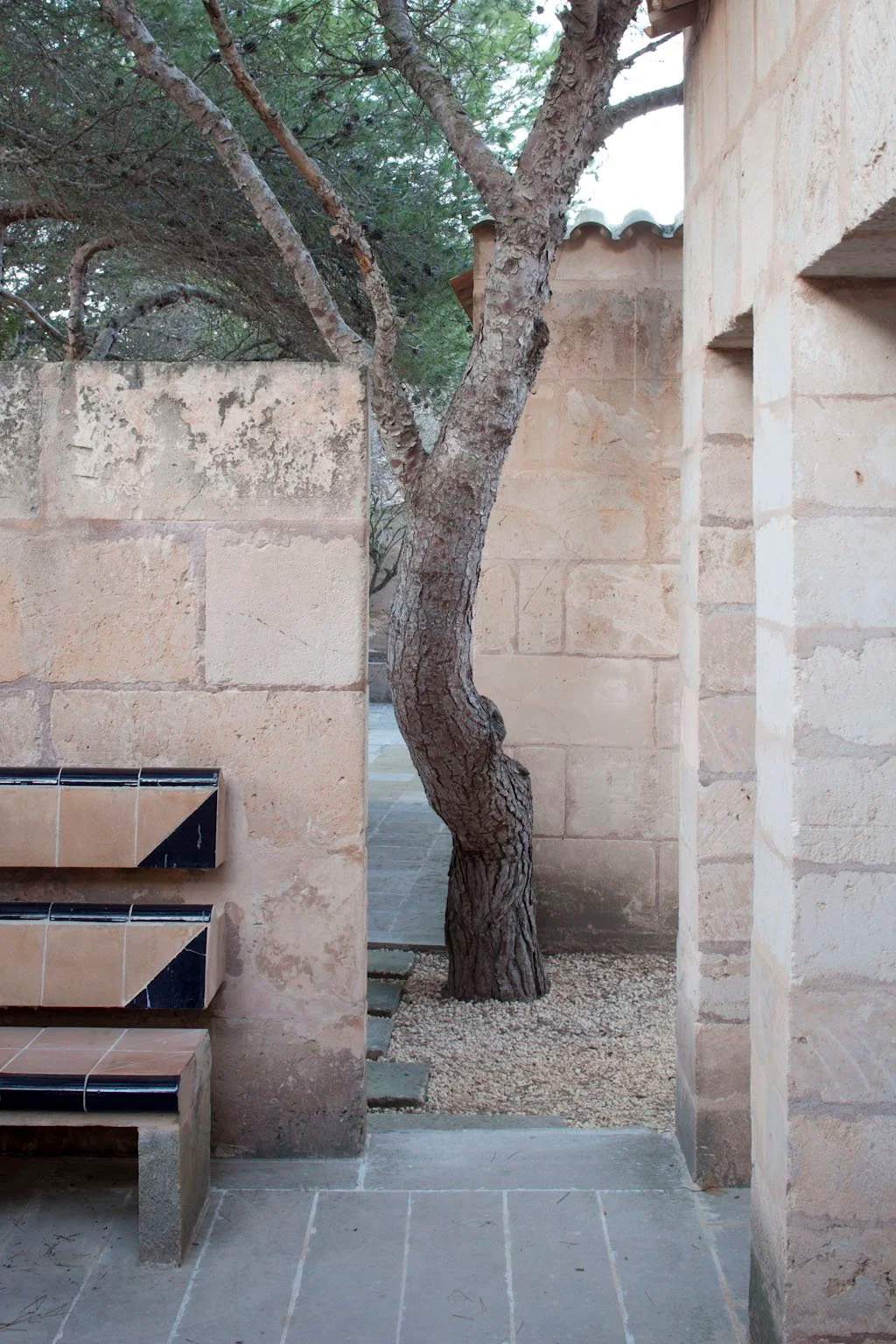
Utzon’s use of materials is exemplary.
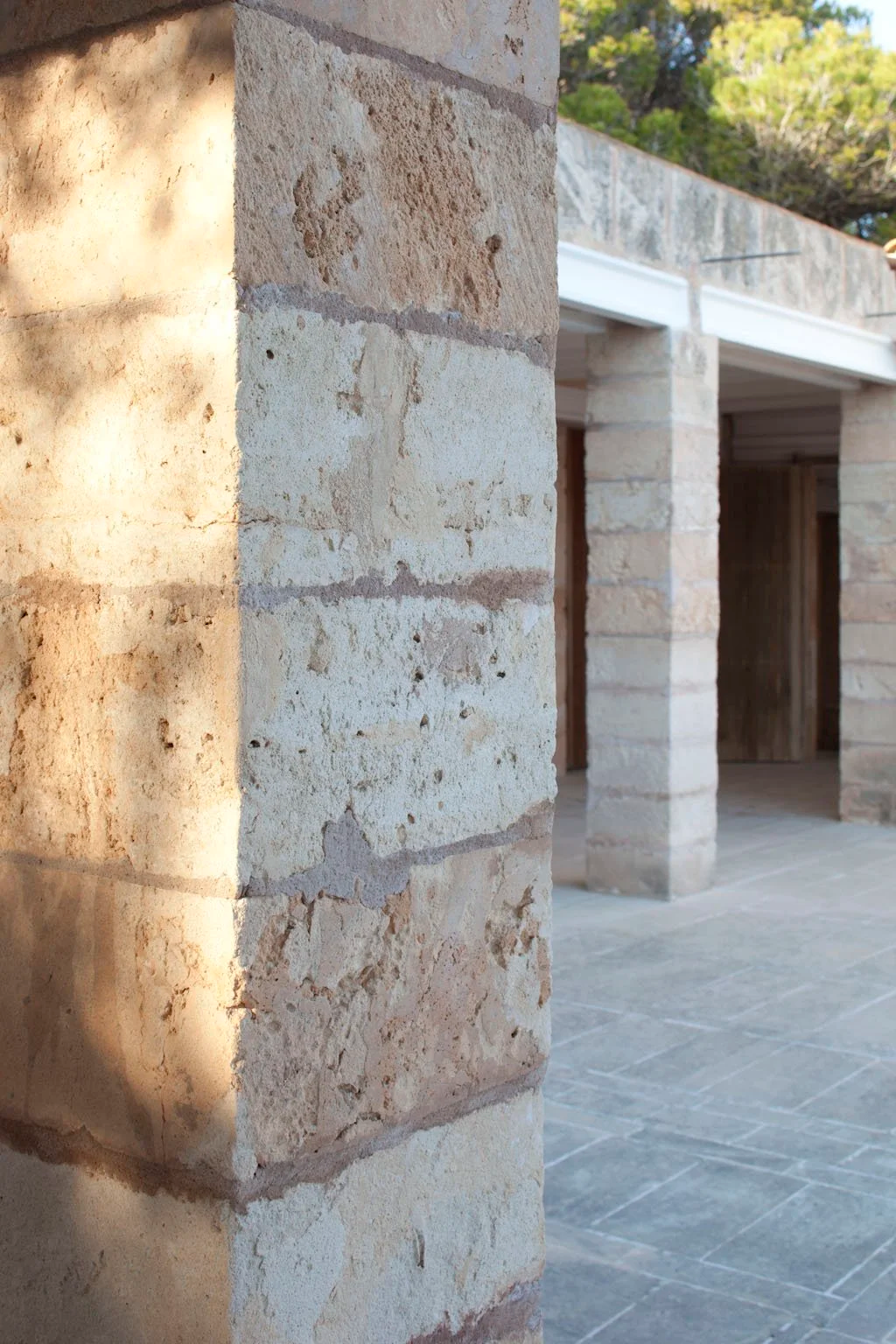
He insisted on using only local materials from Mallorca—
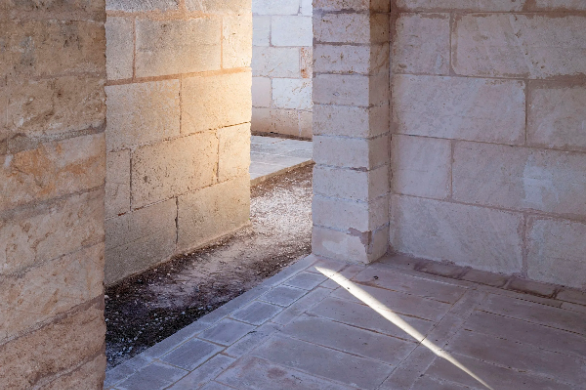
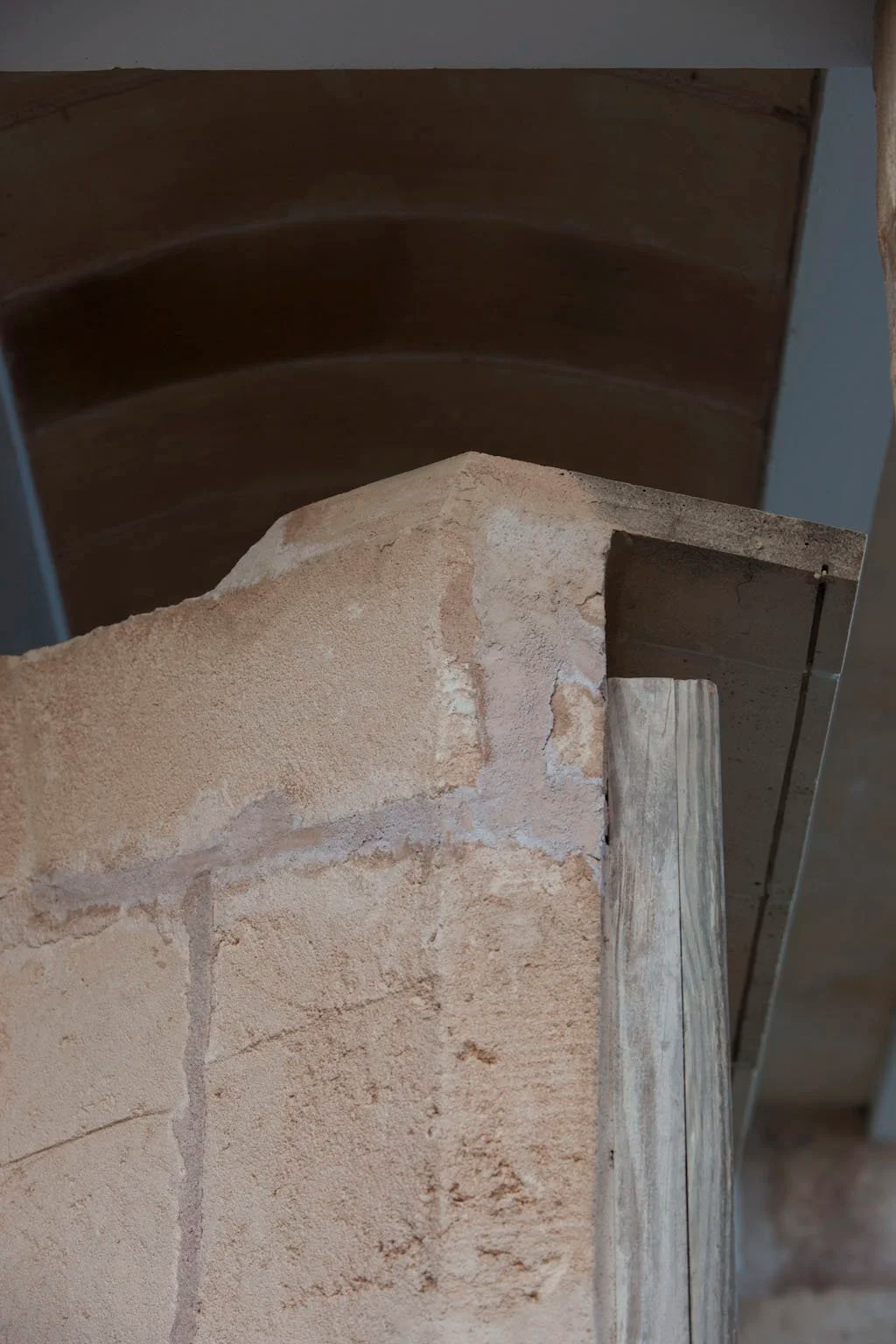
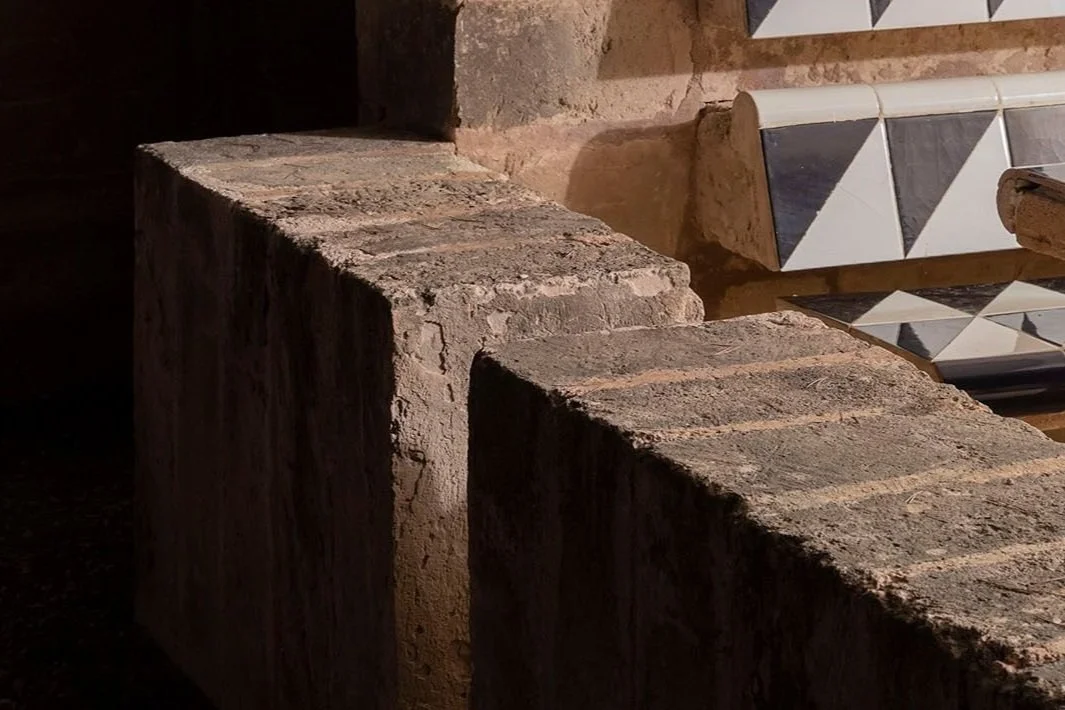
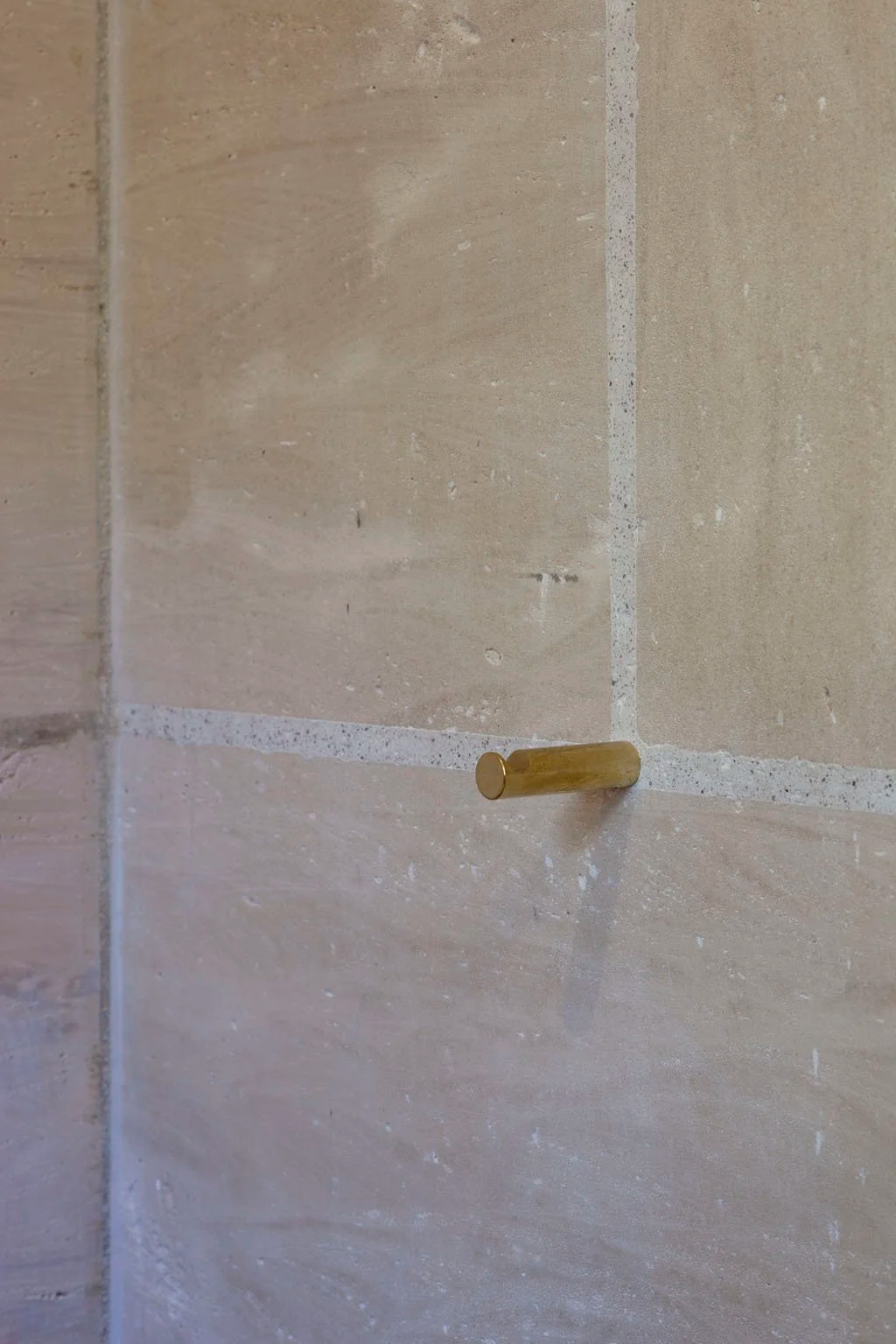
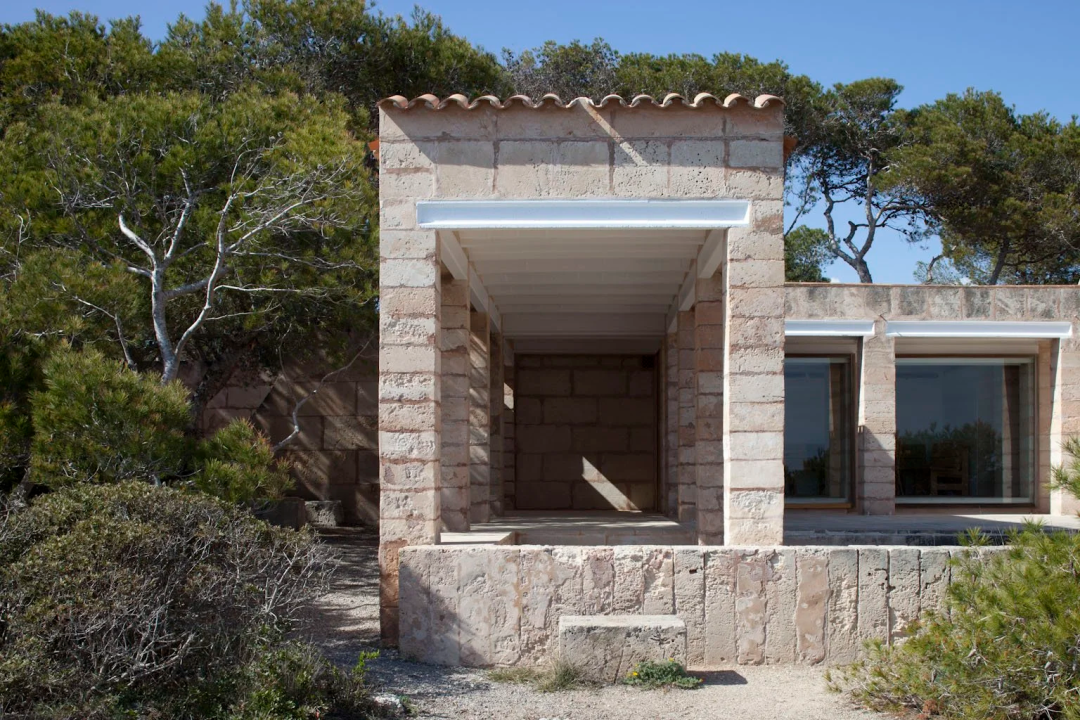
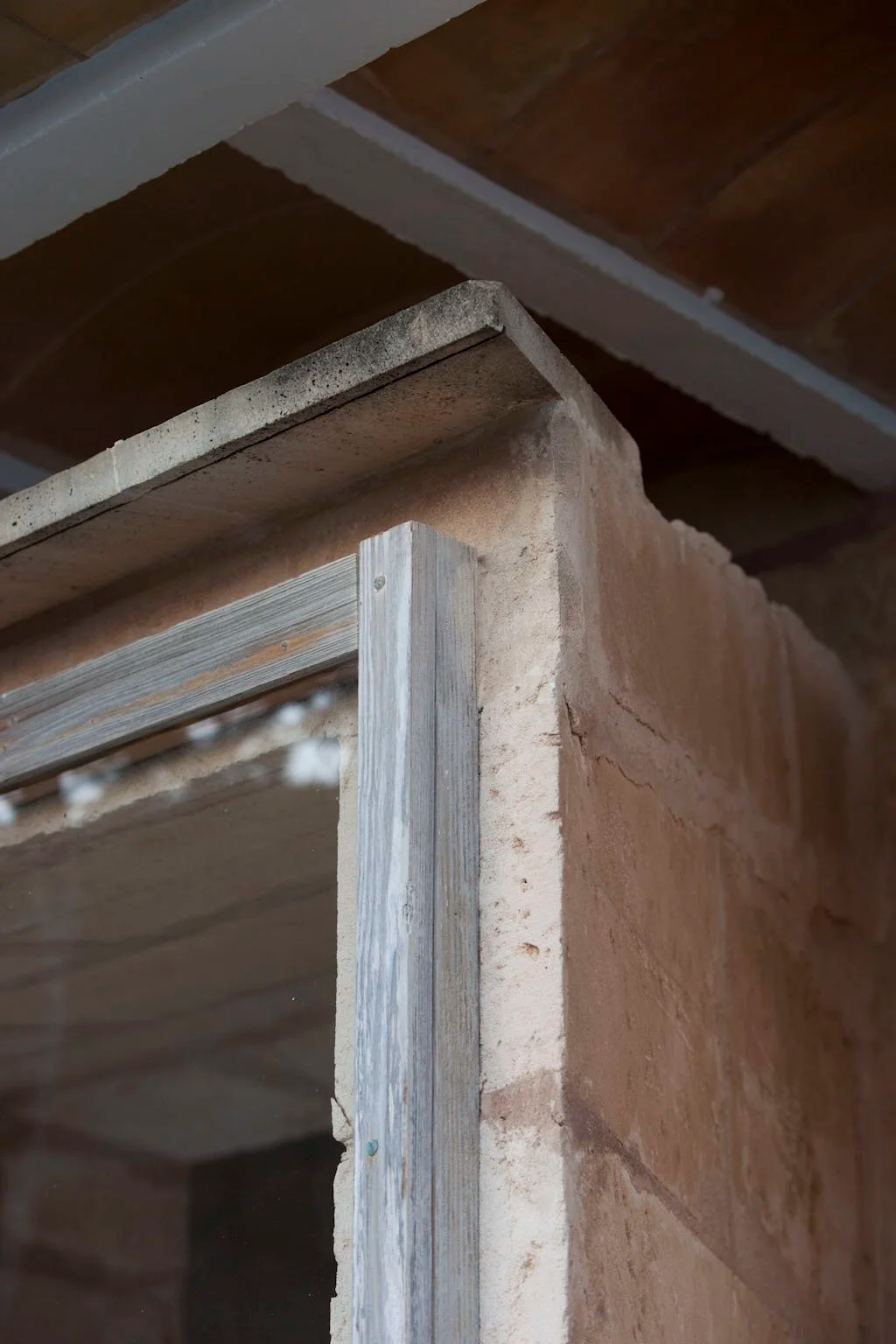
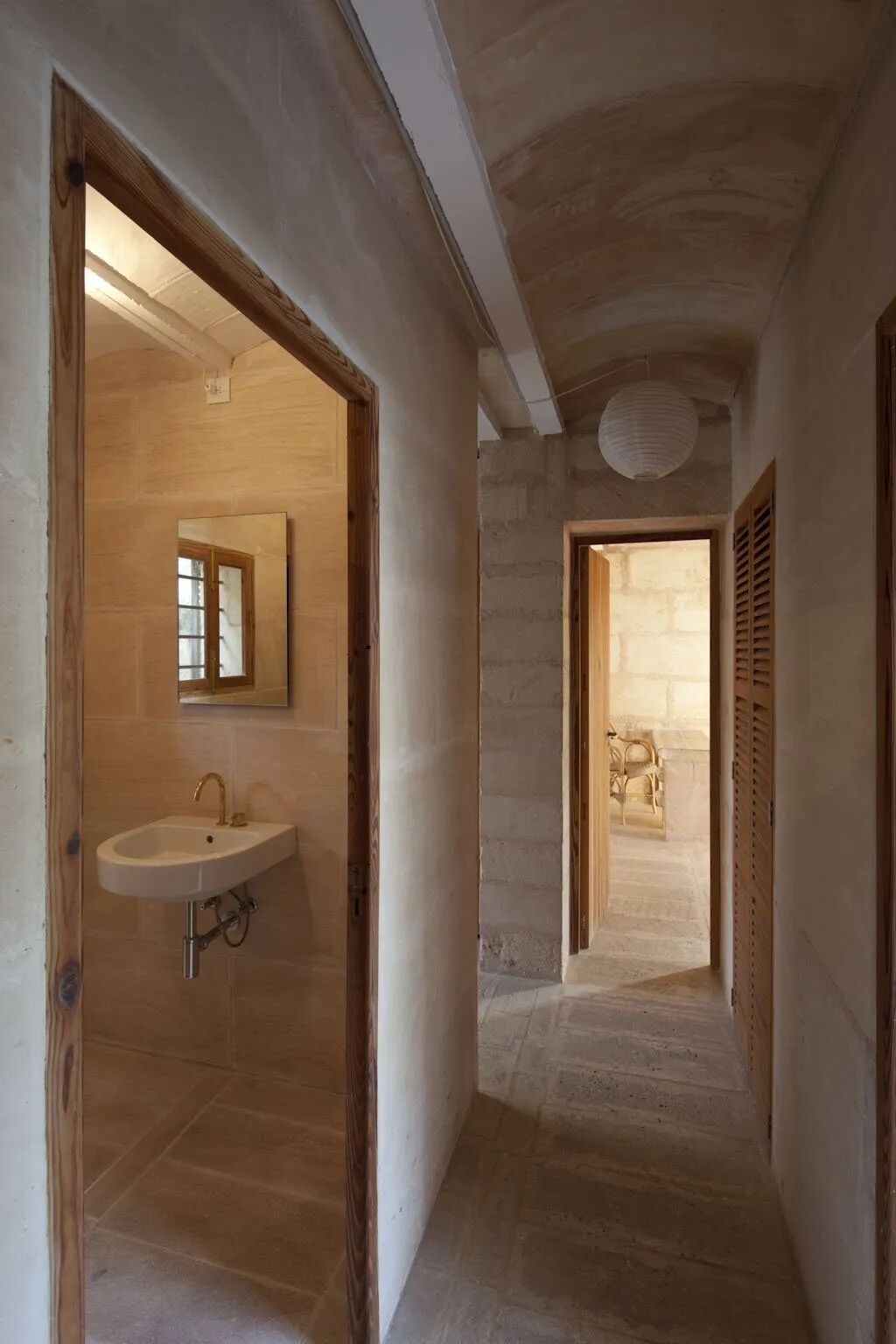
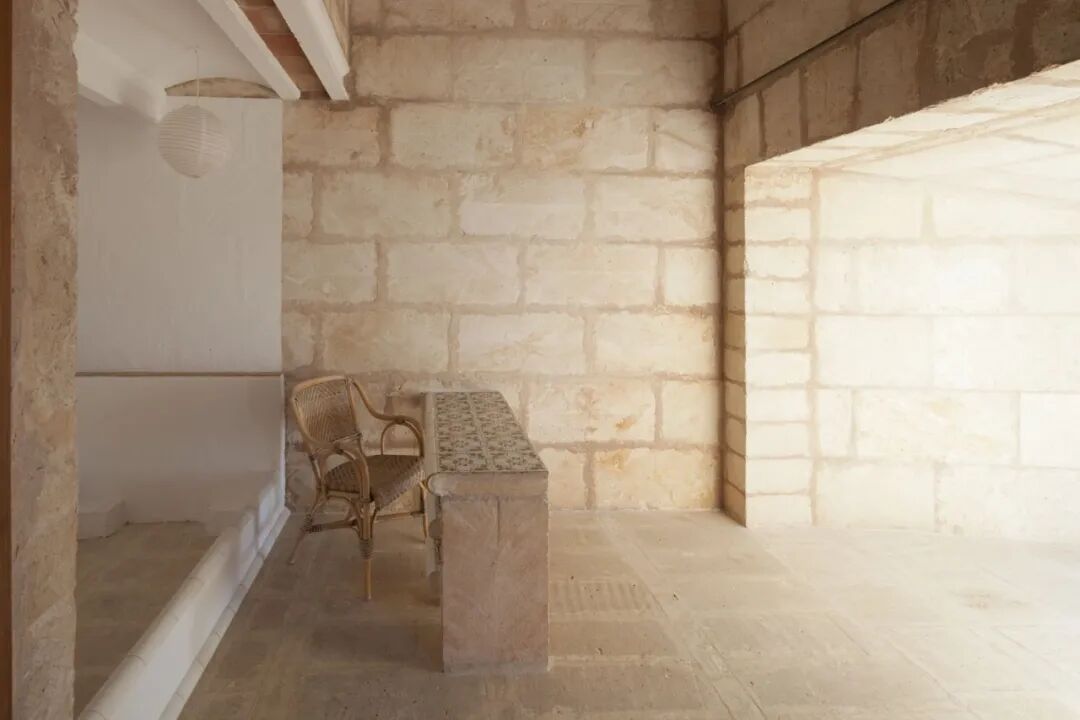
the walls are made of beige sandstone from a nearby quarry, framed with concrete; the roof is made of locally fired clay tiles; and the ceiling features traditional Catalan vaulted arches.
He even worked alongside local craftsmen, often bringing wine to the construction site, indicating he had new ideas that might require certain parts to be torn down and rebuilt.
 © CAN LIS
  © CAN LIS
  © CAN LIS
  © CAN LIS
  © CAN LIS
  © CAN LIS
It is this respect and integration of local craftsmanship that makes Can Lis seem as if it has grown out of the land itself, carrying the unique memories and spirit of the Mediterranean culture.
PART 02

“Happiness is Measured in Seconds”

The beauty of Can Lis lies not only in the macro grasp of space and scenery but also in those subtle details that touch the heart instantly.
Utzon once said, here—
“Happiness is measured in seconds.”
 © CAN LIS
  © CAN LIS
  © CAN LIS
  © CAN LIS
  © CAN LIS
This happiness, measured in seconds, is reflected in the dramatic interplay of light and space.
The living room is the anchor of the entire residence; it wraps around the inhabitants like a cave while also leading to the sublime nature like a church.
As you pass under the low entrance colonnade, the space suddenly leaps upward, with the white vaulted ceiling directing the gaze toward the endless sea horizon.
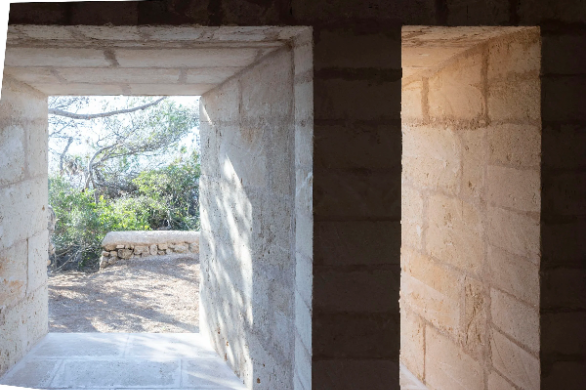
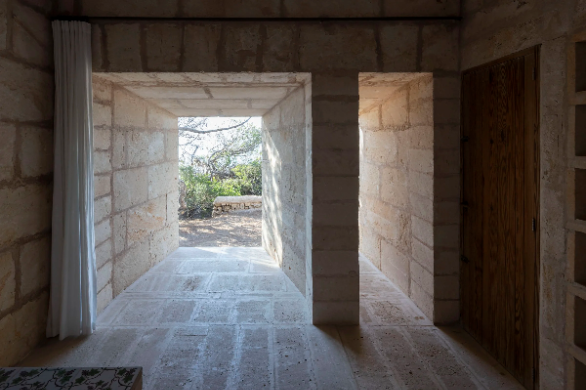
Those deep, frameless window openings act like viewfinders, cropping the sea, sky, and light into constantly changing pictures.
© CAN LIS 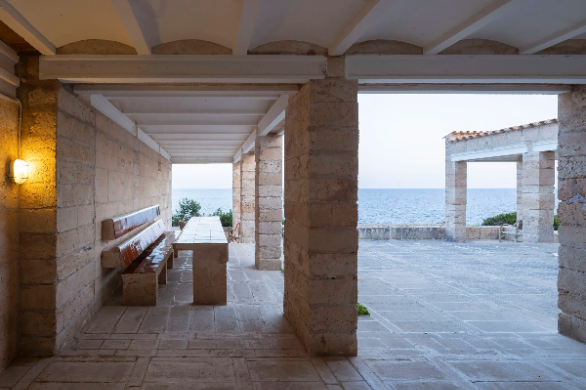 © CAN LIS
  © CAN LIS
  © CAN LIS
  © CAN LIS
 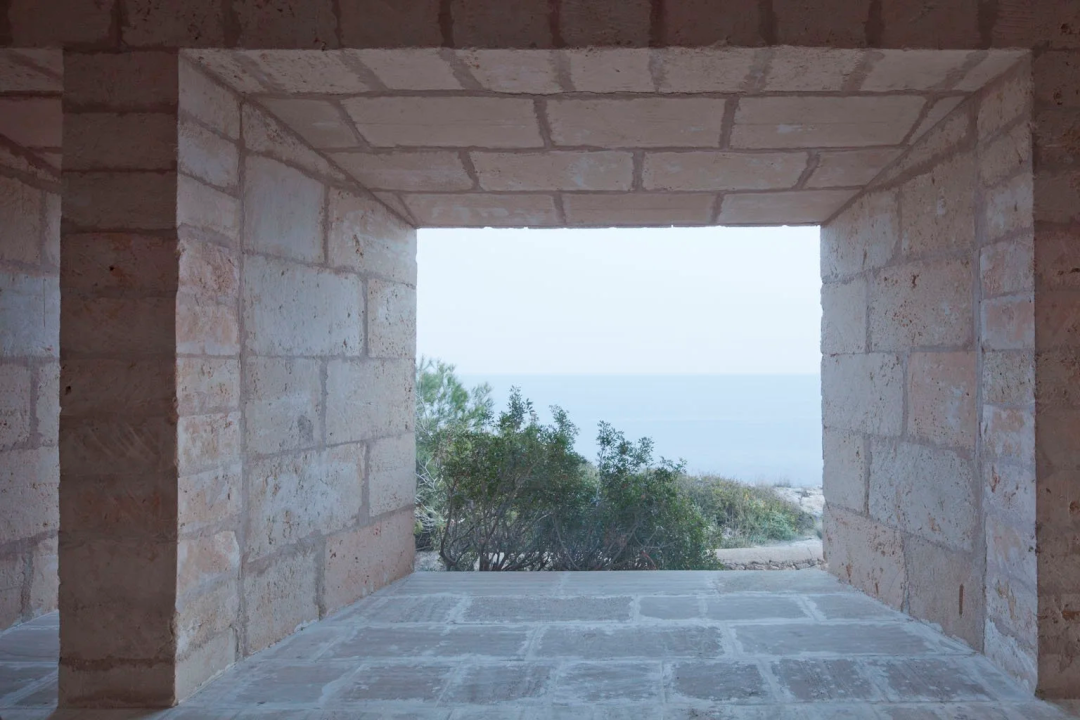 © CAN LIS
Utzon also made a clever detail: he designed the window frames to be outwardly slanted.
This seemingly inconspicuous design dissolves the constraints of the window frames on the view, as if liberating the sea from the “frame,” allowing for a more seamless integration with nature.
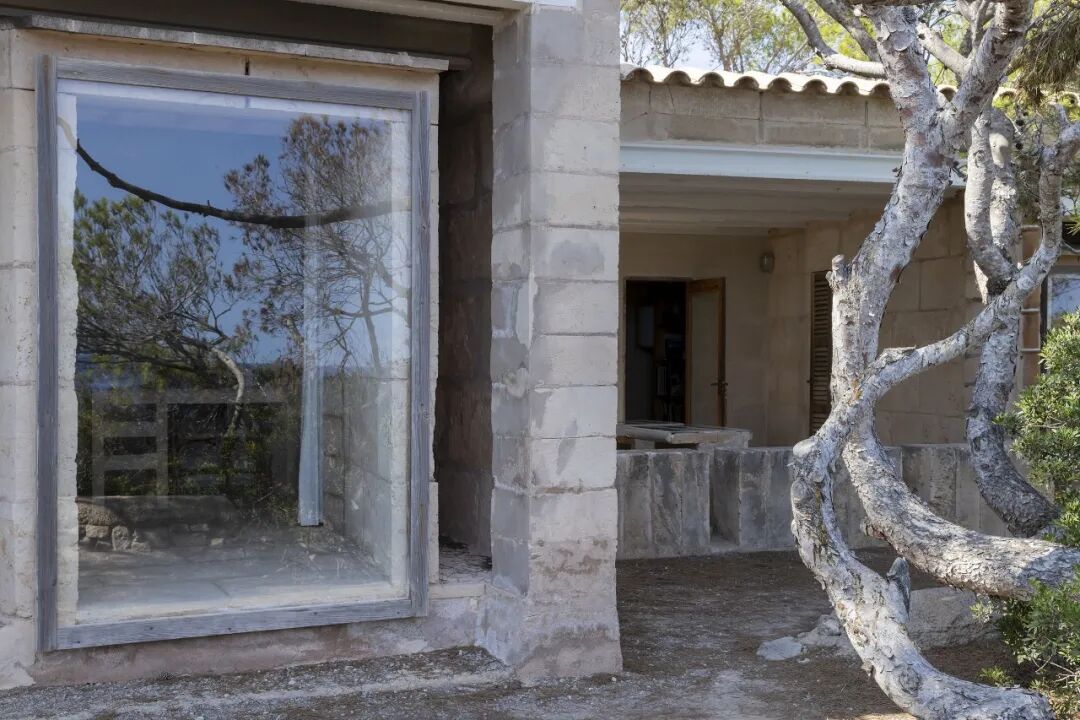 © CAN LIS
 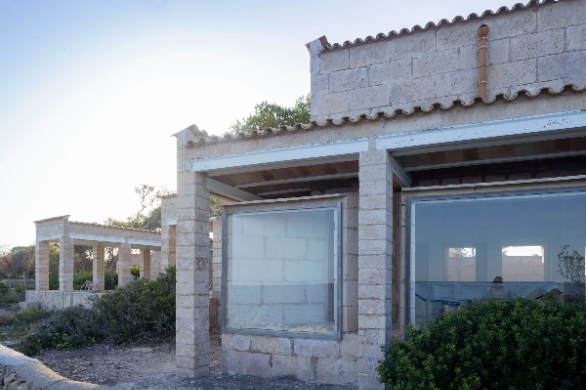 © CAN LIS
 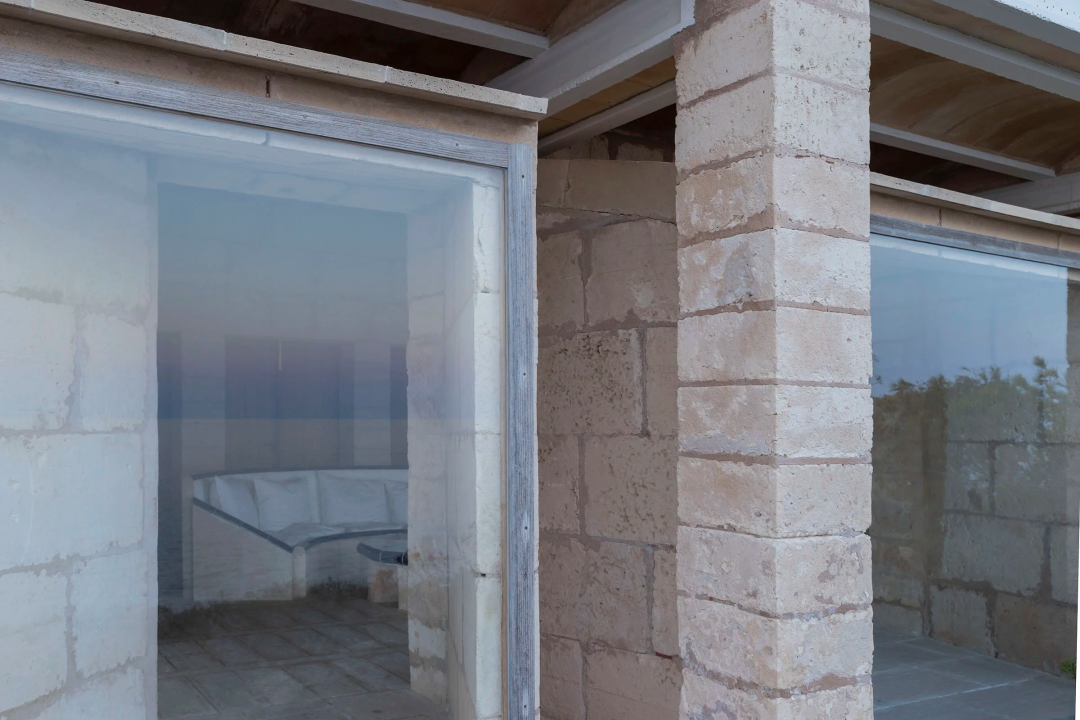 © CAN LIS
  © CAN LIS
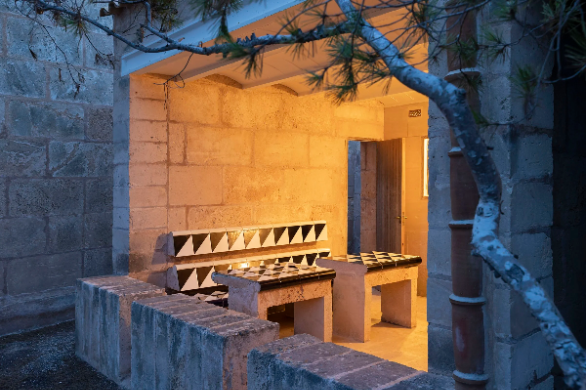
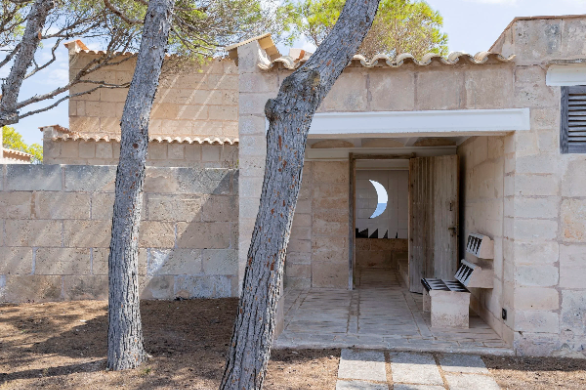
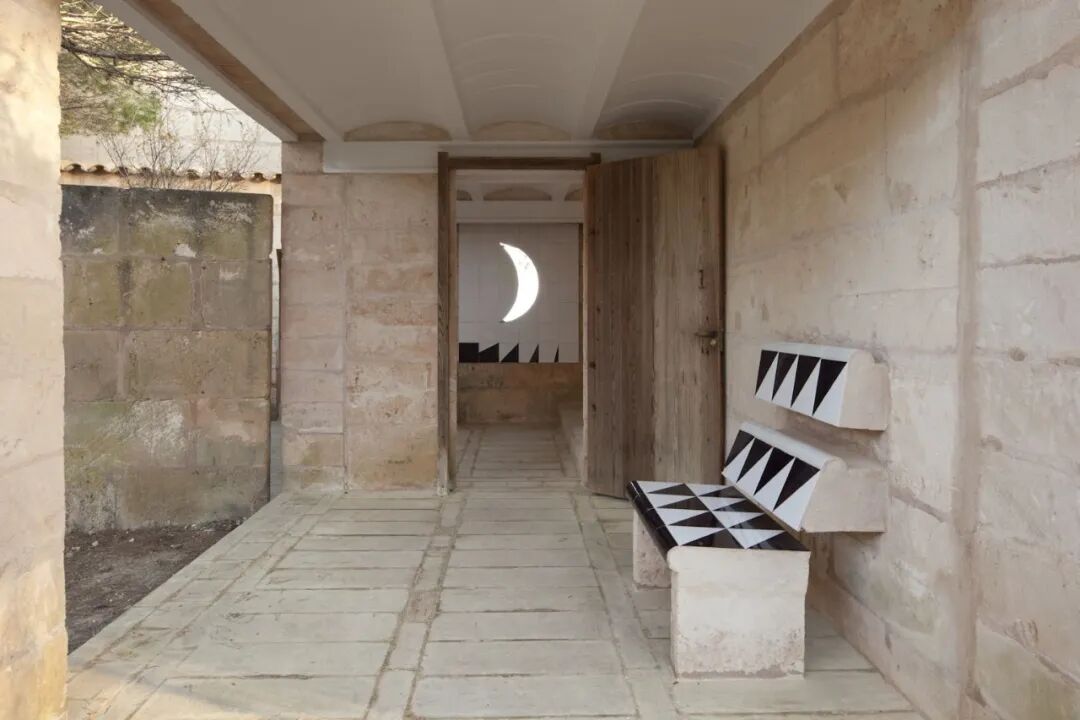
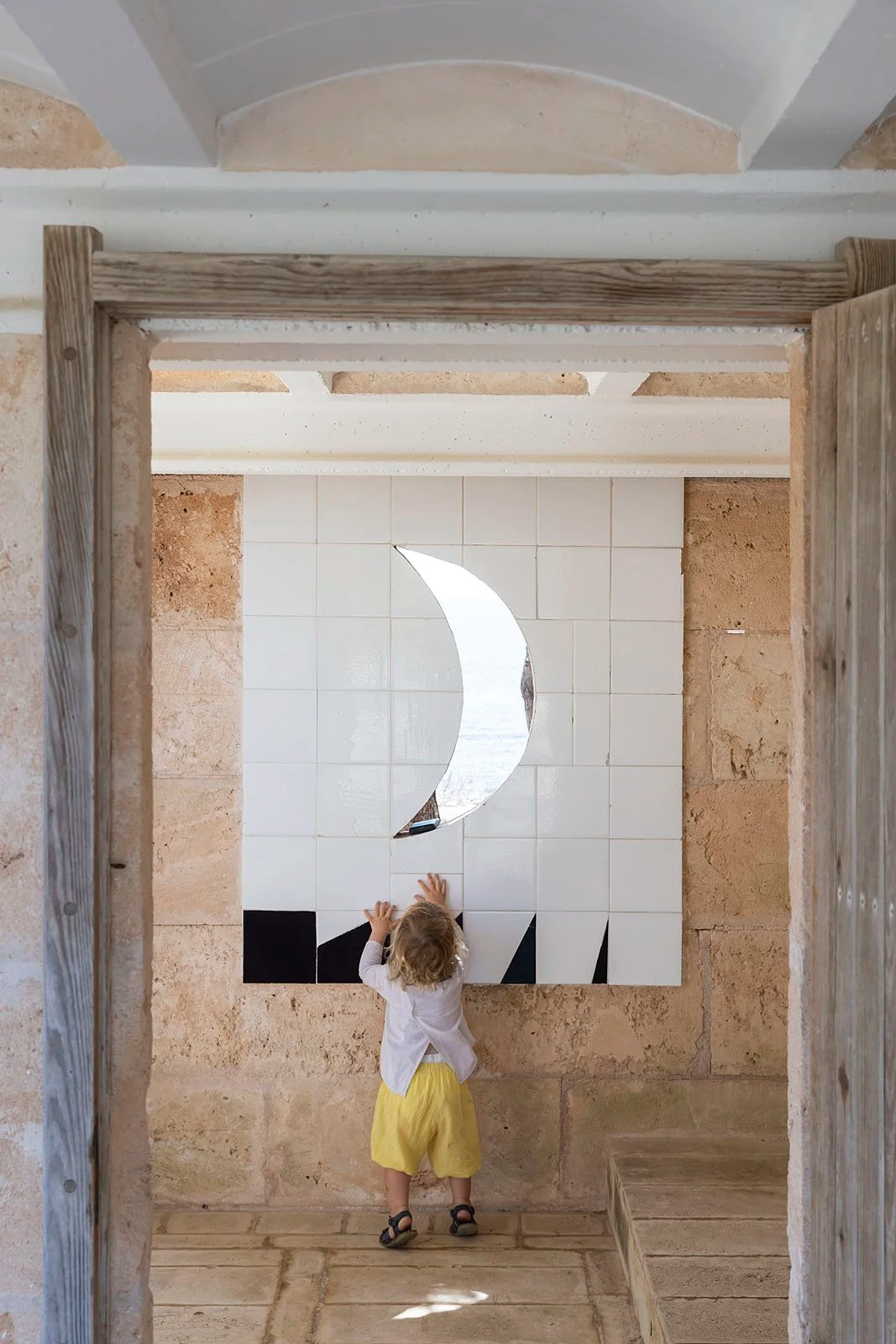
The residence is filled with poetic metaphors. In the entrance hall, a wall resembling a Chinese shadow wall features a crescent-shaped window decorated with tiles.
Through it, one can catch a glimpse of the distant, hazy sea light.
This romantic design was inspired by the path in front of the house originally named “Half Moon Road.”
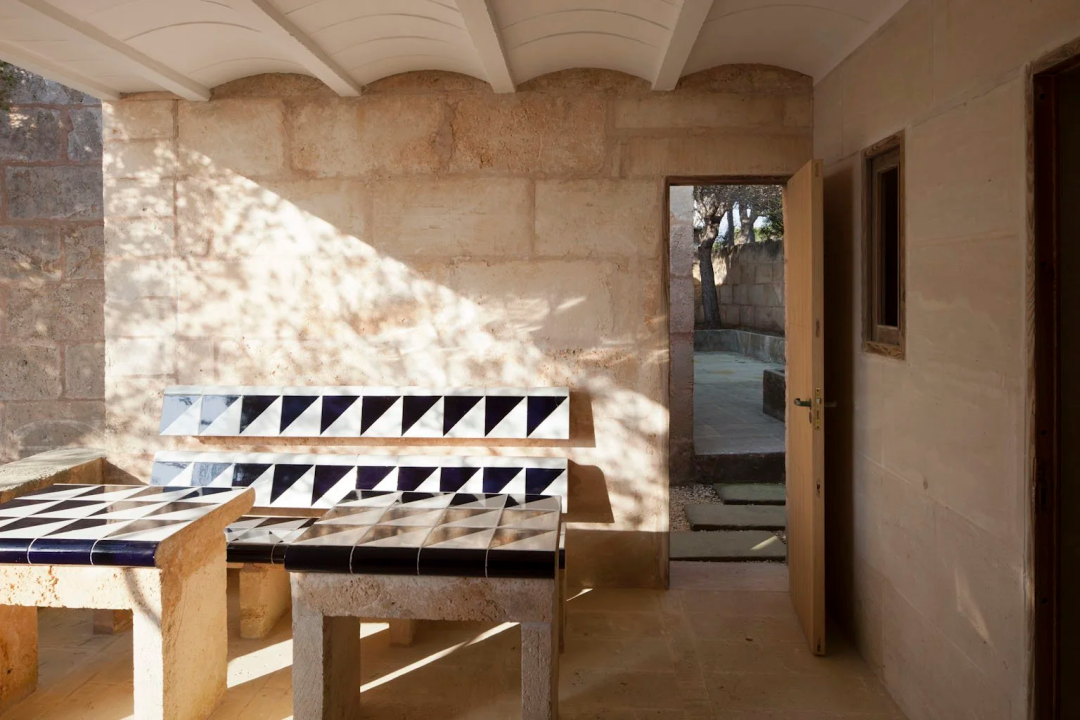
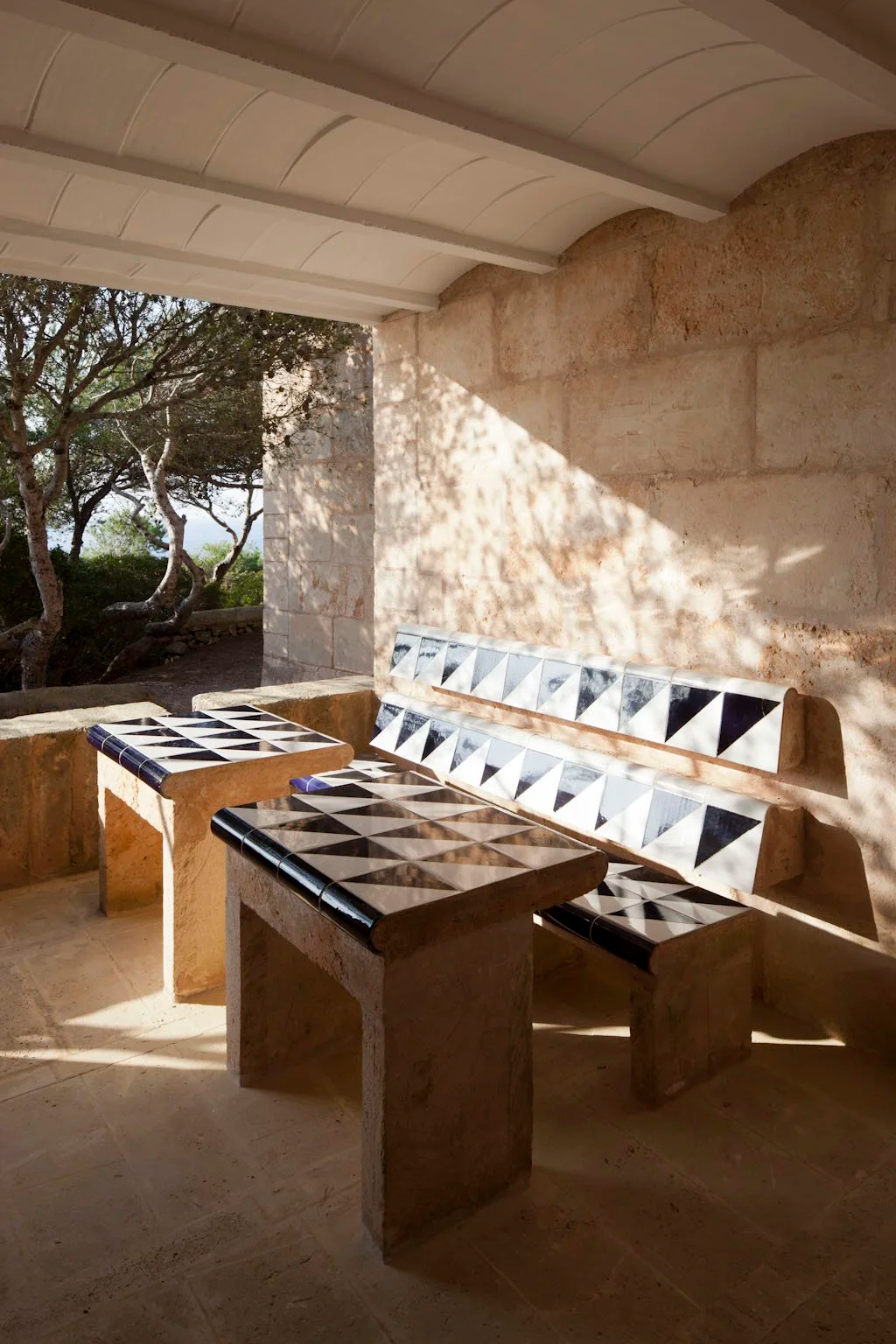
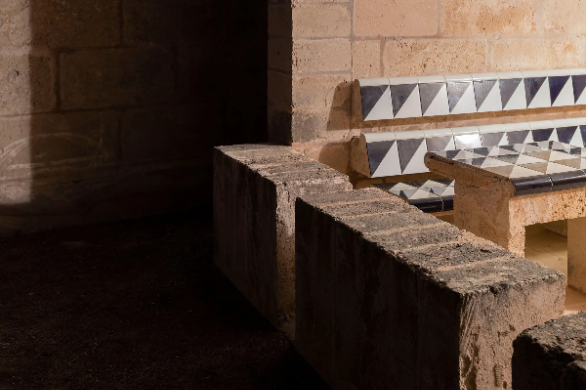
If the Moorish-style black and white tiles used in the architecture are Utzon’s intentional metaphor for Mallorca’s 300-year Moorish occupation; then this “moon window” is his gentle record of the small history of the land beneath his feet.
 © CAN LIS
  © CAN LIS
  © CAN LIS
  © CAN LIS
  © CAN LIS
  © CAN LIS
  © CAN LIS
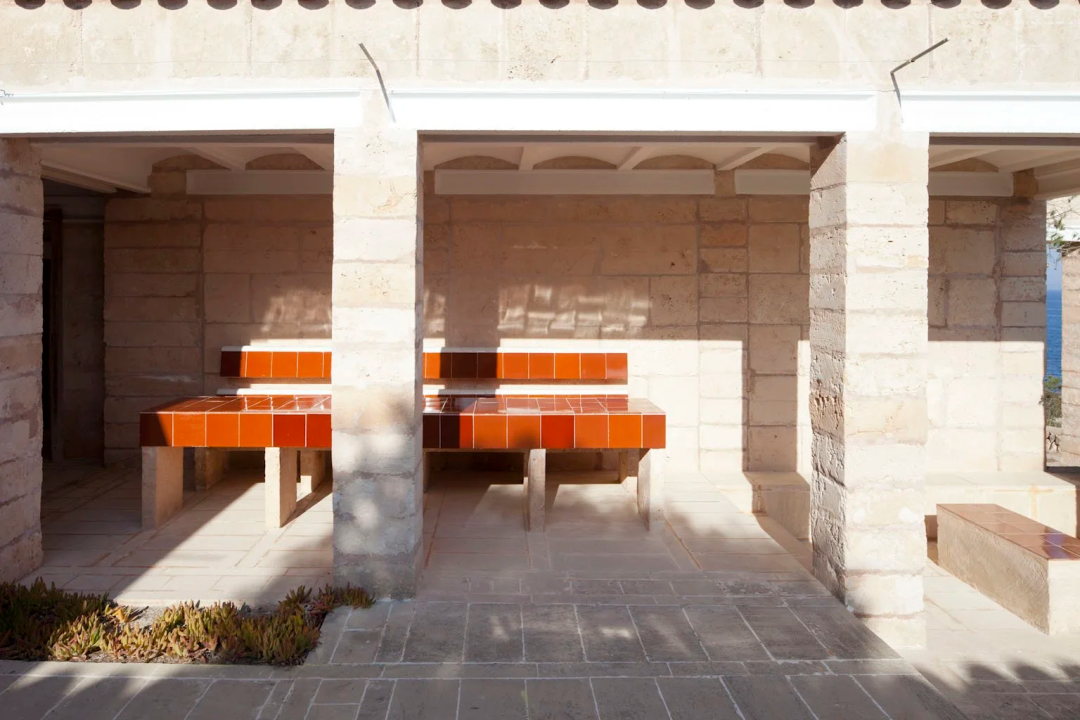
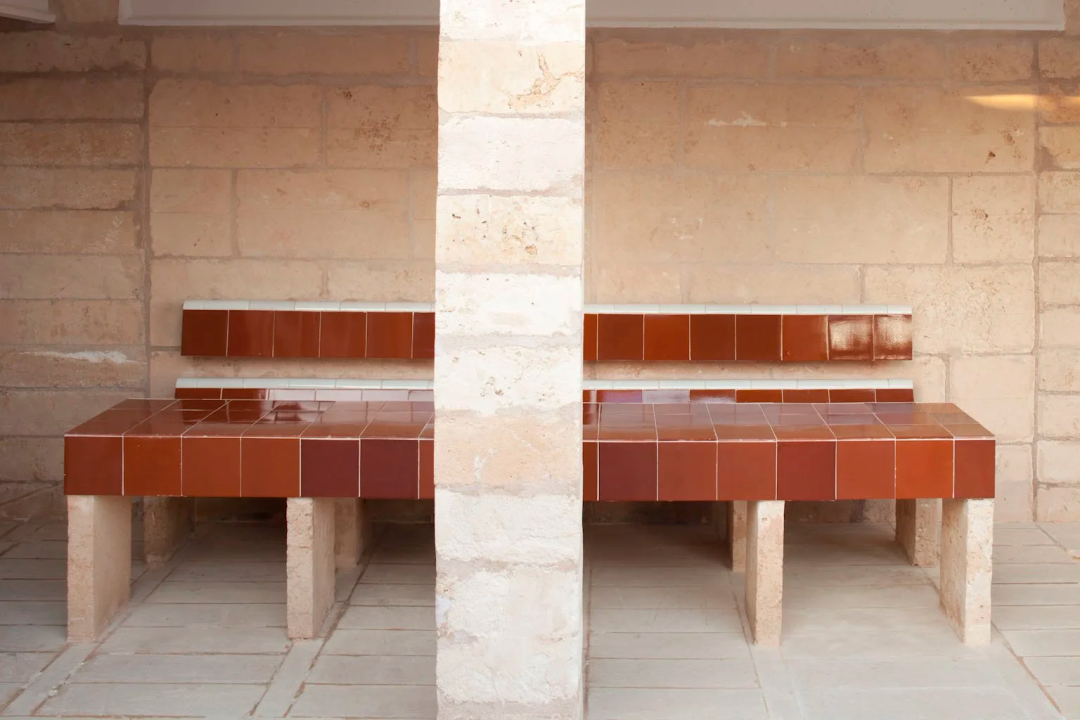
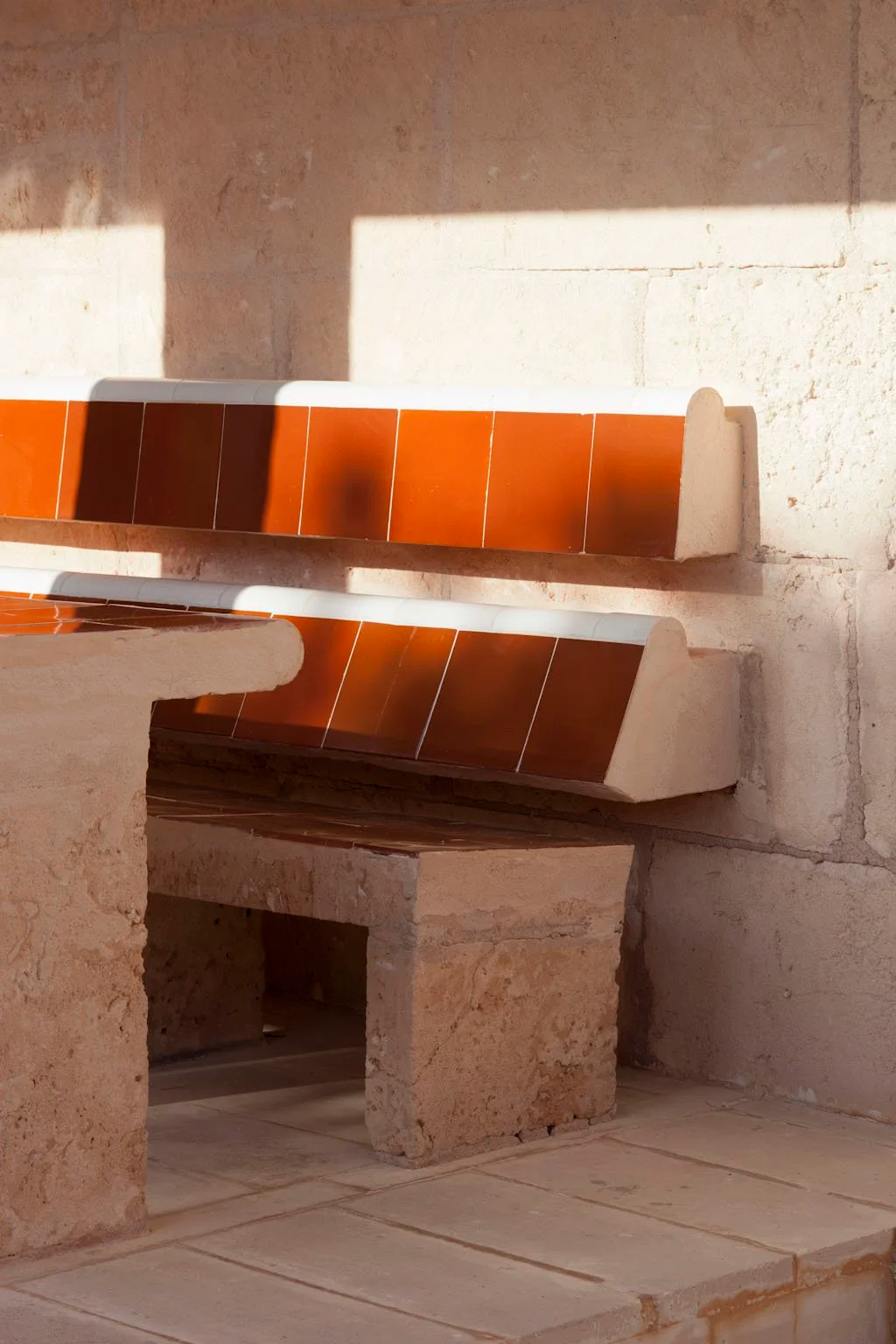
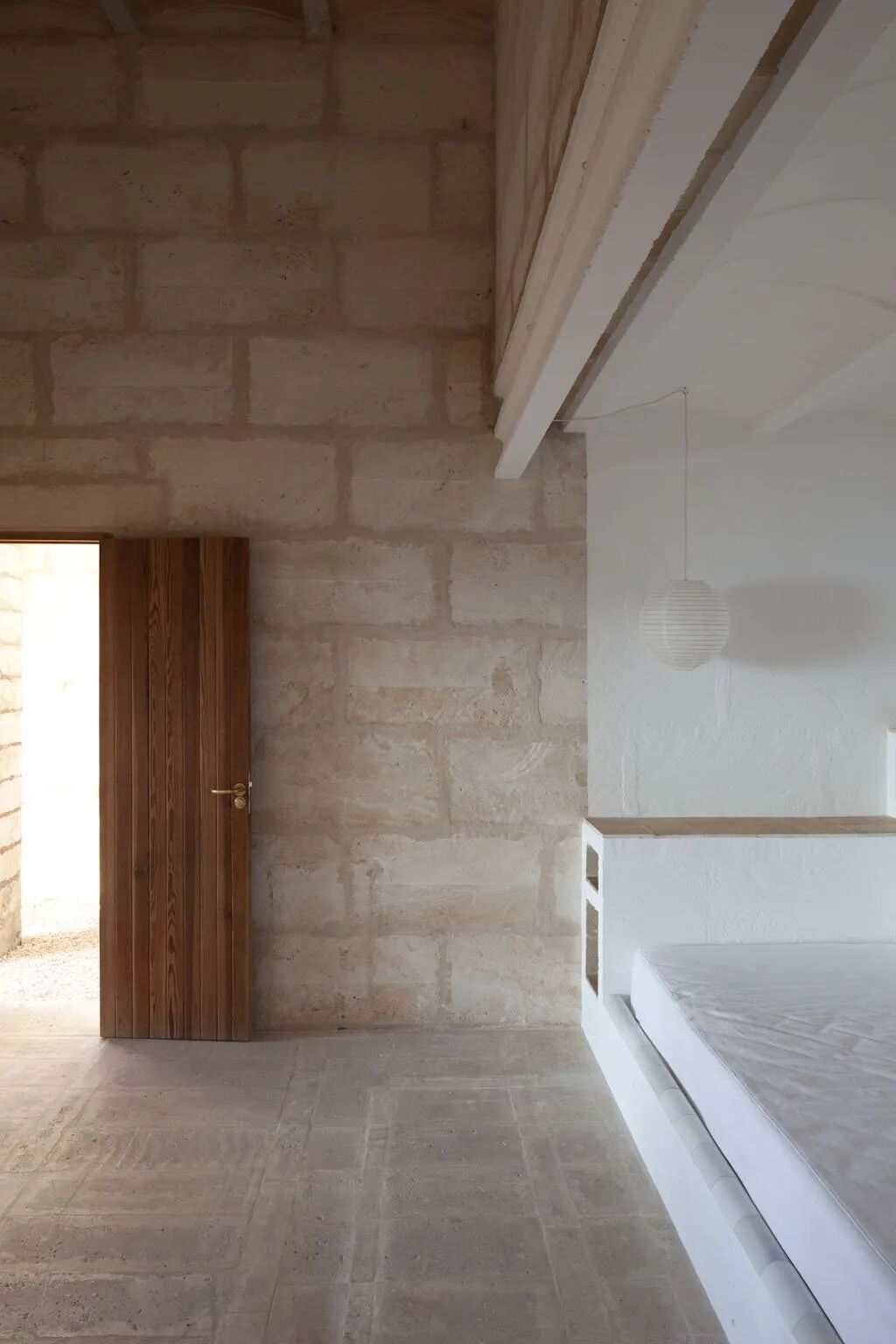
The most moving moments occur at specific times of the day.
In the living room, the high window on the west wall will timely cast a beam of light, like an invisible hand, slowly moving across the sandstone wall, leaving fiery traces of light.
This process lasts only a few minutes, like a daily cosmic theater that unfolds on schedule.
 © CAN LIS
  © CAN LIS
  © CAN LIS
  © CAN LIS
  © CAN LIS
  © CAN LIS
Sitting here, listening to the sound of the waves, smelling the scent of sandstone and fireplace smoke, and watching the light’s trajectory move inch by inch, you will deeply understand what Utzon meant when he said—
“Architecture can be a precise and poetic timer.”
PART 03

A Chinese Ancient Architecture Enthusiast from Denmark
 To understand the essence of this residence, we must return to its creator—a Dane who spent his life pursuing the essence of architecture—Jørn Utzon.The history of 20th-century architecture cannot overlook Jørn Utzon, despite the few works he completed in his lifetime.
Born in Denmark in 1918, he was an excellent sailor in his early years, and this experience with the ocean may have long instilled in him a reverence for the forces of nature.
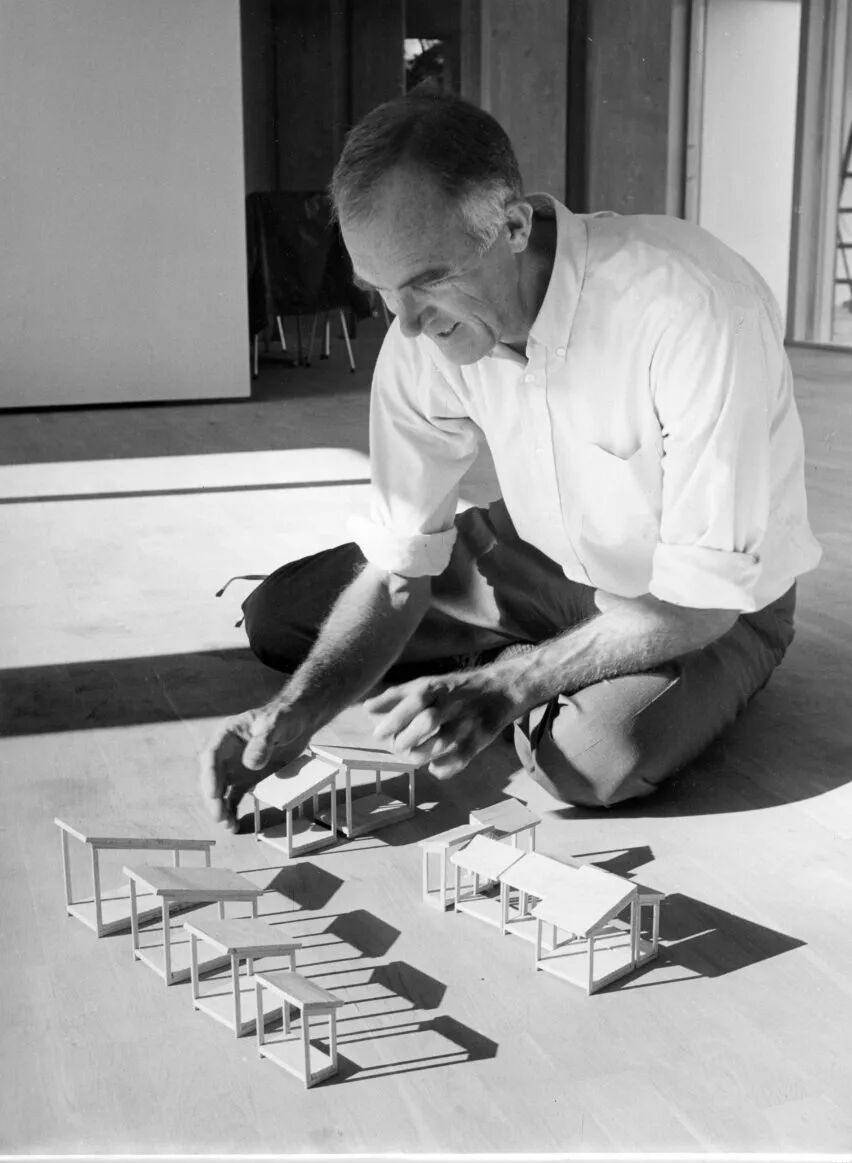 △ Utzon(Jørn Utzon)
During his studies at the Royal Danish Academy of Fine Arts, he was taught by two “China enthusiasts” among the architectural masters, where he first encountered the ancient Chinese architectural classic “Yingzao Fashi.”
The illustrations of the raised beam roof structure in the book puzzled him, yet ignited his strong interest in Chinese and Eastern architectural civilization.
This interest was further deepened when he met Swedish sinologist Sigfried Giedion.
Giedion’s descriptions of traditional Chinese architecture left a profound imprint on Utzon’s architectural concepts, reflected in his famous sketches of the “base and eaves” concept.
He realized that architecture is not a closed box but a framework that dialogues with nature.
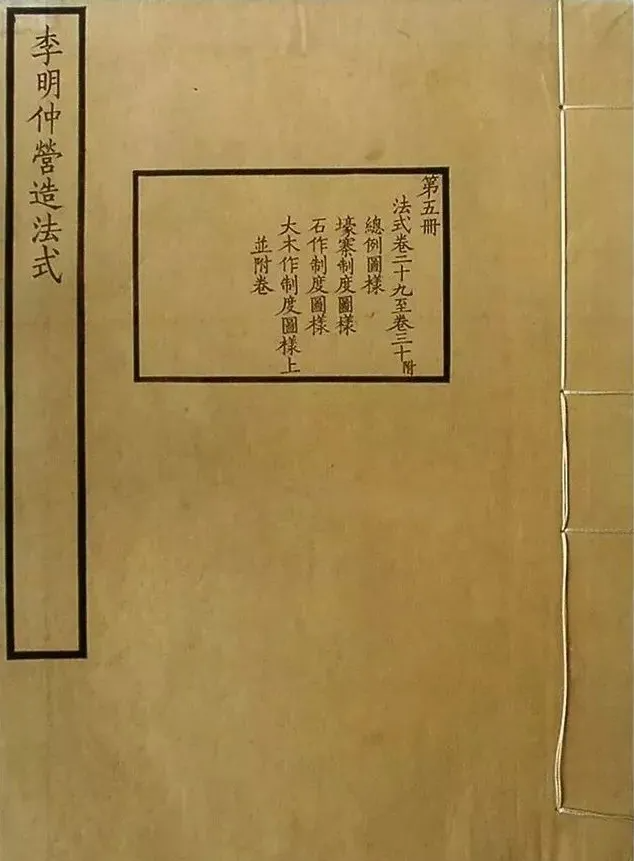
△ “Yingzao Fashi”
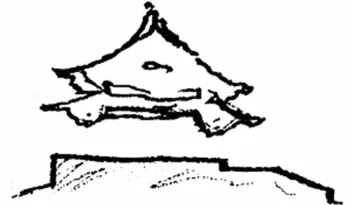
△ Base and Eaves Sketch
Utzon’s architectural journey was a true global pilgrimage.
He traveled the world, witnessing the perfect integration of adobe buildings with the environment in Morocco, visiting master Frank Lloyd Wright in America and exploring the water platforms of ancient Mayan ruins, and deepening his understanding of “organic architecture” while working with Alvar Aalto in Finland.
Ultimately, in 1959, he set foot in China, seeking advice from Mr. Liang Sicheng on “Yingzao Fashi.”
All these experiences nourished his architectural vision, transcending Western geometric compositions towards an Eastern wisdom that emphasizes combination, modularity, and coexistence with nature.
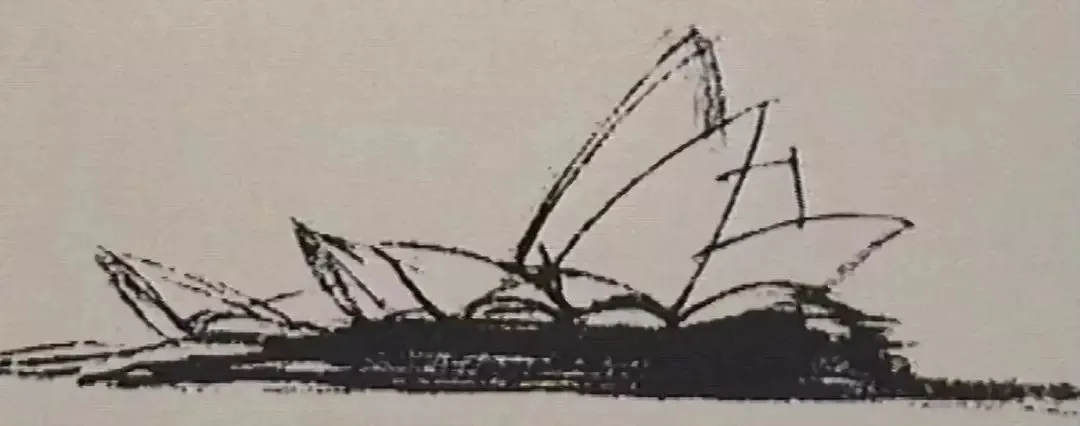
△ Sketch of the Sydney Opera House
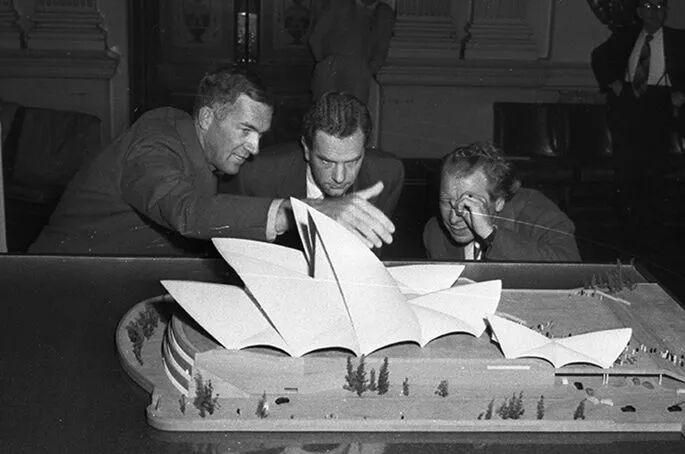
△ Research photo of the Sydney Opera House model
However, this talented architect’s career was fraught with difficulties.
The Sydney Opera House was his opportunity for fame but also became a source of eternal pain. Due to discord with the client, he left Australia in anger before the project was completed and never returned to witness his monumental work.
In 1966, carrying this regret, he first arrived on the Mediterranean island of Mallorca, deciding to build a home for himself here, a place to rest his body and mind, facing the sea.
“If you ask me where I am going, I point towards the sea.”
This is the beginning of the story of Can Lis.
PART 04

Conclusion

From its completion in 1971 until his passing in 2008, Utzon dedicated most of his remaining life to Can Lis.
Later, due to the strong light and humidity by the sea, they moved to another residence inland on the island, Can Feliz, but Can Lis remained the spiritual origin for him.
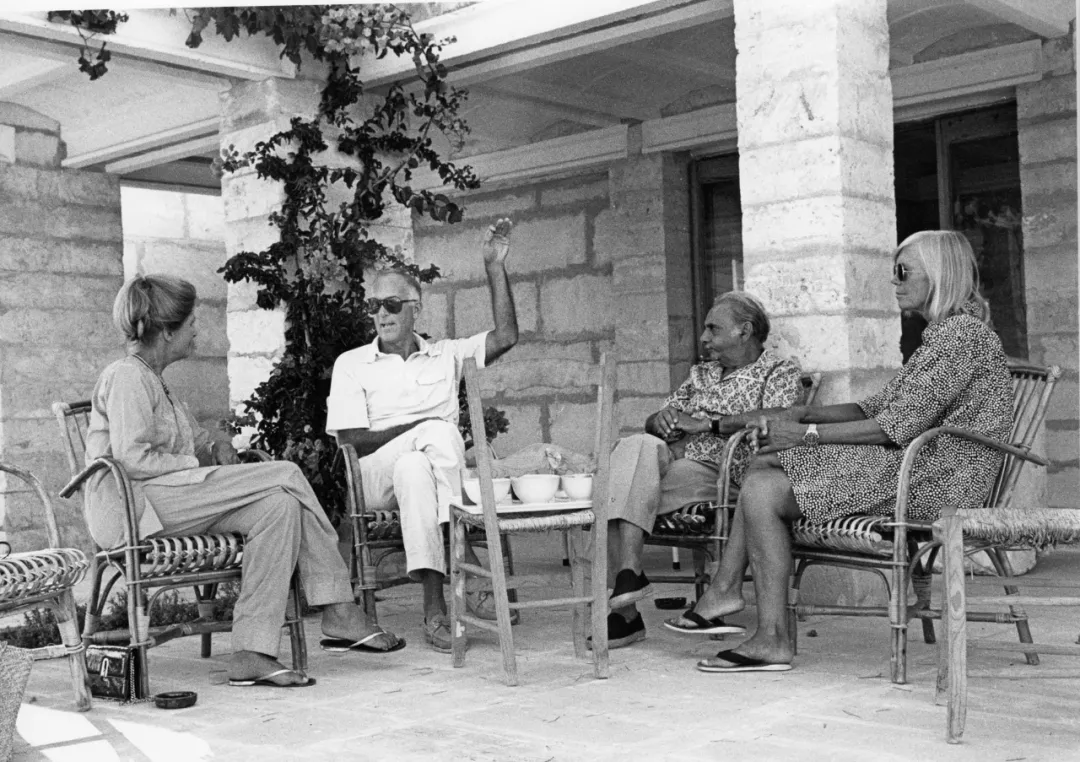
© CAN LIS 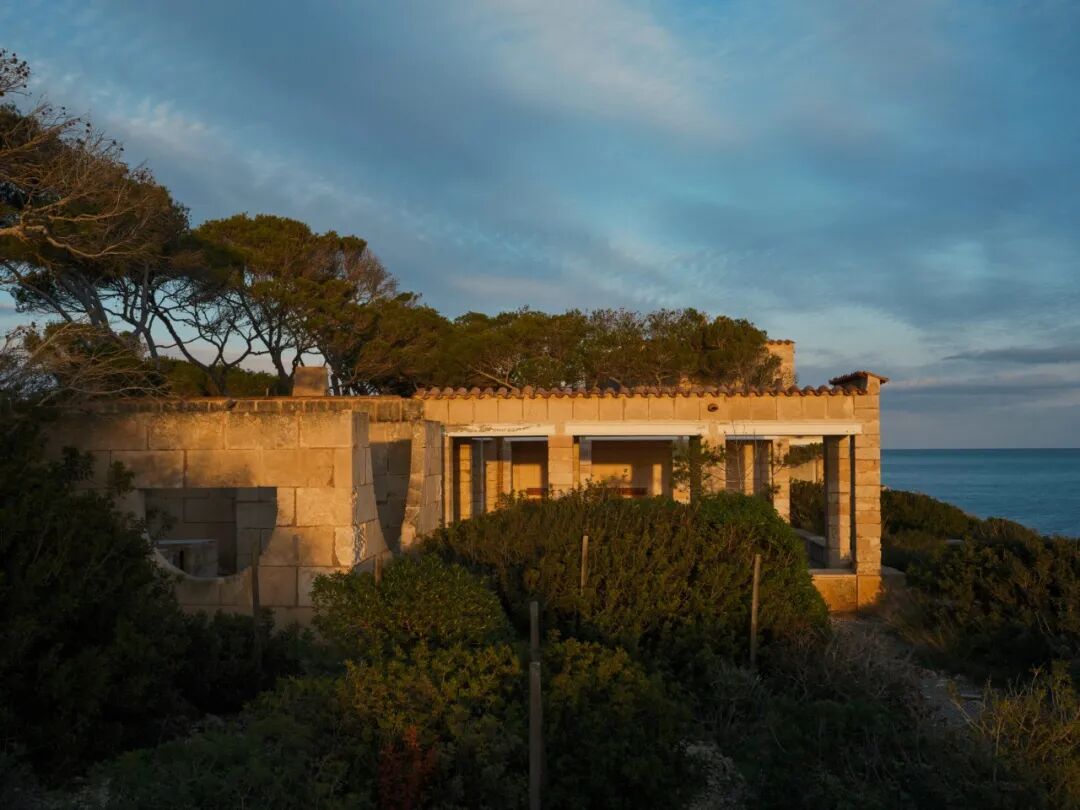 © CAN LIS
  © CAN LIS
Today, this house is managed by the Utzon Foundation and has become a pilgrimage site for architects and artists worldwide.
I believe that the most beautiful architecture is the one that allows you to sit quietly, feel the wind, sunlight, and sea, and ultimately discover that “happiness is measured in seconds.”