The competition between Samsung and Sony in the high-pixel sensor field is heating up again.Sony’s latest LYT-901 sensor features specifications of 1/1.12 inches, 200 million pixels, and 0.7μm pixel size, bringing a series of image processing capabilities including Quad-Quad Bayer encoding, 16-in-1 pixel merging, AI mosaic, and hardware-level Remosaic resampling. Sony has announced that this sensor has entered mass production, and reports suggest that its first applications are likely to be flagship models from Chinese brands, which undoubtedly disrupts Samsung’s long-standing rhythm of showcasing its own ISOCELL 200 million pixel sensor in Ultra-level phones.
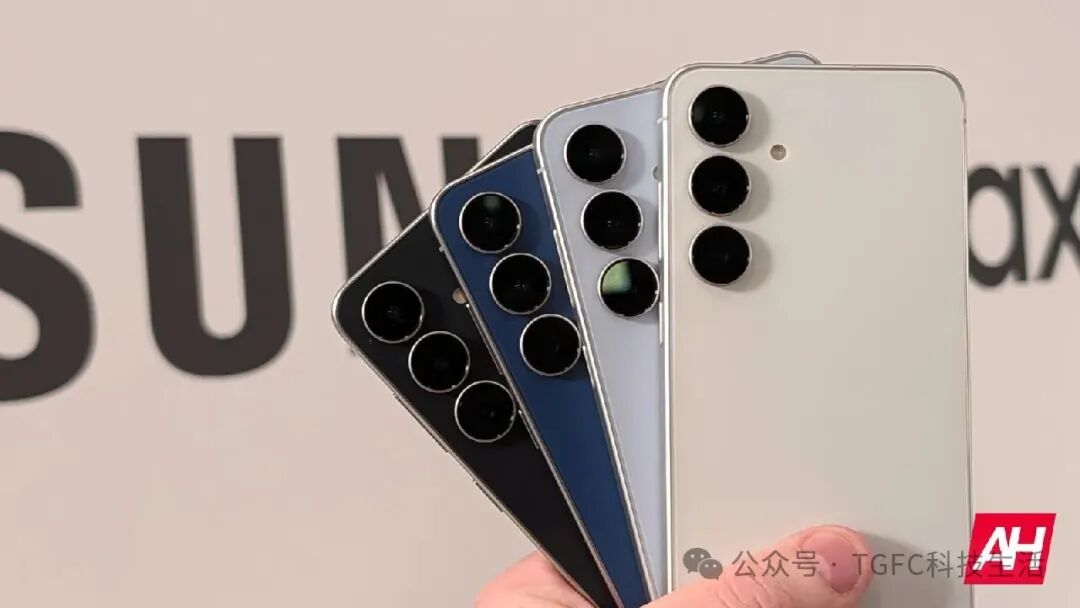
However, latest leaks indicate that Samsung was originally rumored to plan to use a larger Sony sensor on the next-generation Galaxy S27 Ultra, replacing the previous 3x periscope lens solution with a high-pixel lens, but this plan may have been “shelved.” Leaker i冰宇宙 stated that due to cost and supply chain factors, Samsung may continue to use the same 1/1.3 inch 200 million pixel ISOCELL module on the S27 Ultra, and even the S28 and S29 models may maintain the same hardware configuration in the short term.
The technical and market significance of the Sony LYT-901
LYT-901 is not just a simple pixel stacking: its Quad-Quad Bayer and Remosaic pipeline aims to convert high-density raw pixels into a format more suitable for post-processing and ISP reading, thereby reducing the computational and power consumption pressure on the mobile SoC when processing ultra-high-resolution data; the addition of a 12-bit ADC also improves gray scale and dynamic performance. Sony has also combined dual-gain HDR and hybrid frame HDR, claiming to suppress ghosting in high light and moving scenes while enhancing dynamic range, with a dynamic range of approximately 100dB (about 17 stops). Additionally, this sensor supports 2× hardware zoom and 4× sensor zoom, and achieves 4K/120fps or 4K/30fps high frame recording capability in pixel merging mode, giving it a natural advantage in distant scenes such as stages and sports.
From a market perspective, Sony’s mass production means more choices for image hardware supply in the Android camp—high-end mobile manufacturers outside the Samsung camp will have a larger and more advanced 200 million pixel option, which may change the existing supply-demand pattern and provide mobile manufacturers with new leverage in image stacking.
Why might Samsung remain “inactive”?
Despite Sony’s impressive specifications, the reality is complex. Manufacturers must consider more than just pixels and size when replacing image modules: lens module design, alignment and OIS adaptation, image ISP tuning, capacity assurance, and cost—each of these could be a decisive factor. Leaks indicate that Samsung, after weighing its options, has prioritized cost and supply stability—using a proven ISOCELL solution ensures controllability of the supply chain and debugging cycle, avoiding yield issues and large-scale after-sales risks associated with new products.
More importantly, pixel size is not the only standard for measuring image quality. Smaller pixels often lead to reduced light intake, but pixel merging, sensor algorithms, and larger lens apertures can compensate for some disadvantages; conversely, larger sensors have natural advantages in low light and high zoom, but this also means increased module costs and lens design complexity. Samsung’s recently launched ISOCELL HP5 (0.5μm pixels) aligns with the high pixel route in parameters, but has a different imaging philosophy compared to Sony’s larger pixel route.
Outlook: Industry Trends and Samsung’s Choices
In the short term, if Sony LYT-901 performs excellently and stabilizes in early models, market and review results will put substantial pressure on Samsung; however, Samsung is not without countermeasures, such as enhancing its own sensor’s optical packaging, improving pixel merging algorithms, or introducing larger ISOCELL sizes in future generations. But any shift requires time and financial investment, as well as supply chain cooperation.
For consumers and industry observers, the key points to watch next include: the performance of Sony LYT-901 in actual samples and video recording, the list of mobile manufacturers adopting this sensor, and whether Samsung will publicly adjust its sensor roadmap in subsequent models. If Sony indeed leads in sample images, night scenes, and high zoom scenarios, Samsung may have to reassess its self-developed route over a longer time frame to avoid losing its voice in the high-visibility imaging race.
In summary, current signs indicate:Sony has pushed a larger, more advanced 200 million pixel sensor to market, but Samsung may maintain its existing solution in the short term based on cost and supply chain considerations. The choices for the next few generations of flagship models will largely determine the direction of the Android camp in the “pixel war.” We will continue to monitor the subsequent appearance of actual sample images and supply chain trends to provide clearer conclusions.
#sony #samsung #galaxys27ultra
Previous Recommendations
200 million pixels on board, Sony releases LYT-901, how will it change mobile telephoto and night shooting?
2025-11-28

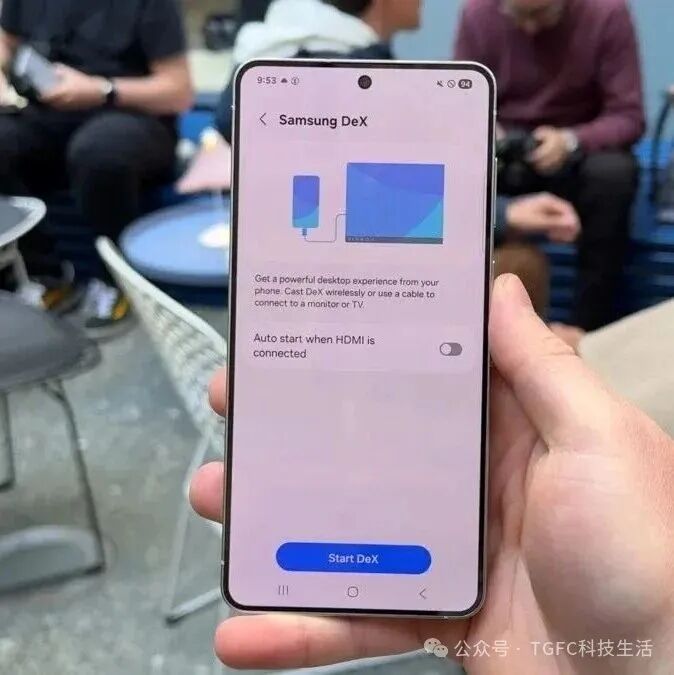
Galaxy S27 Ultra may abandon infrared unlocking in favor of a new “polar recognition” facial unlocking system
2025-11-08
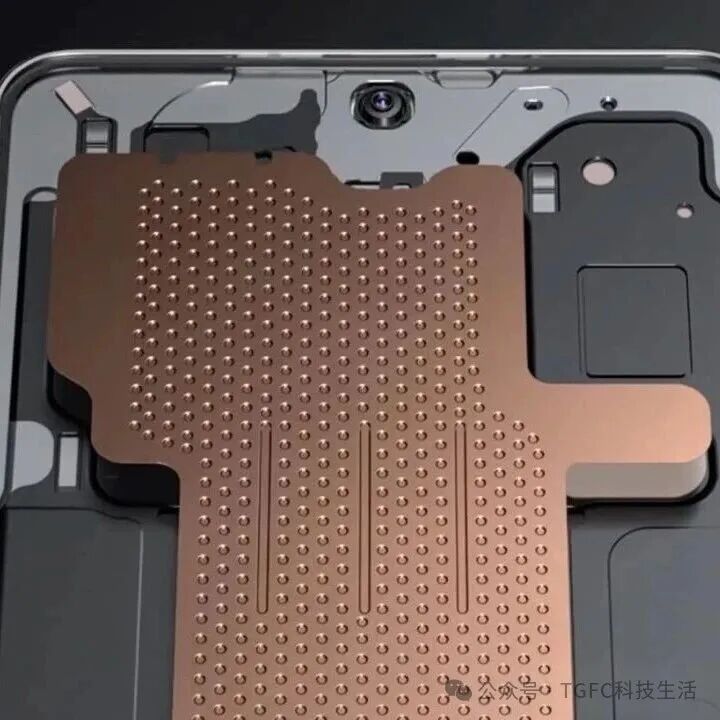
Exposure: Prototype diagram of Galaxy S27 Ultra’s “super thick steam chamber” leaked – performance enticing but don’t get your hopes up
2025-11-07
If you like this public account, please help by liking, sharing, viewing, and rewarding! Thank you all!