Click the text to see more “Top Ten Brand Product Buying Guides”“

Follow the public account “Top Ten Brand Products” for more information
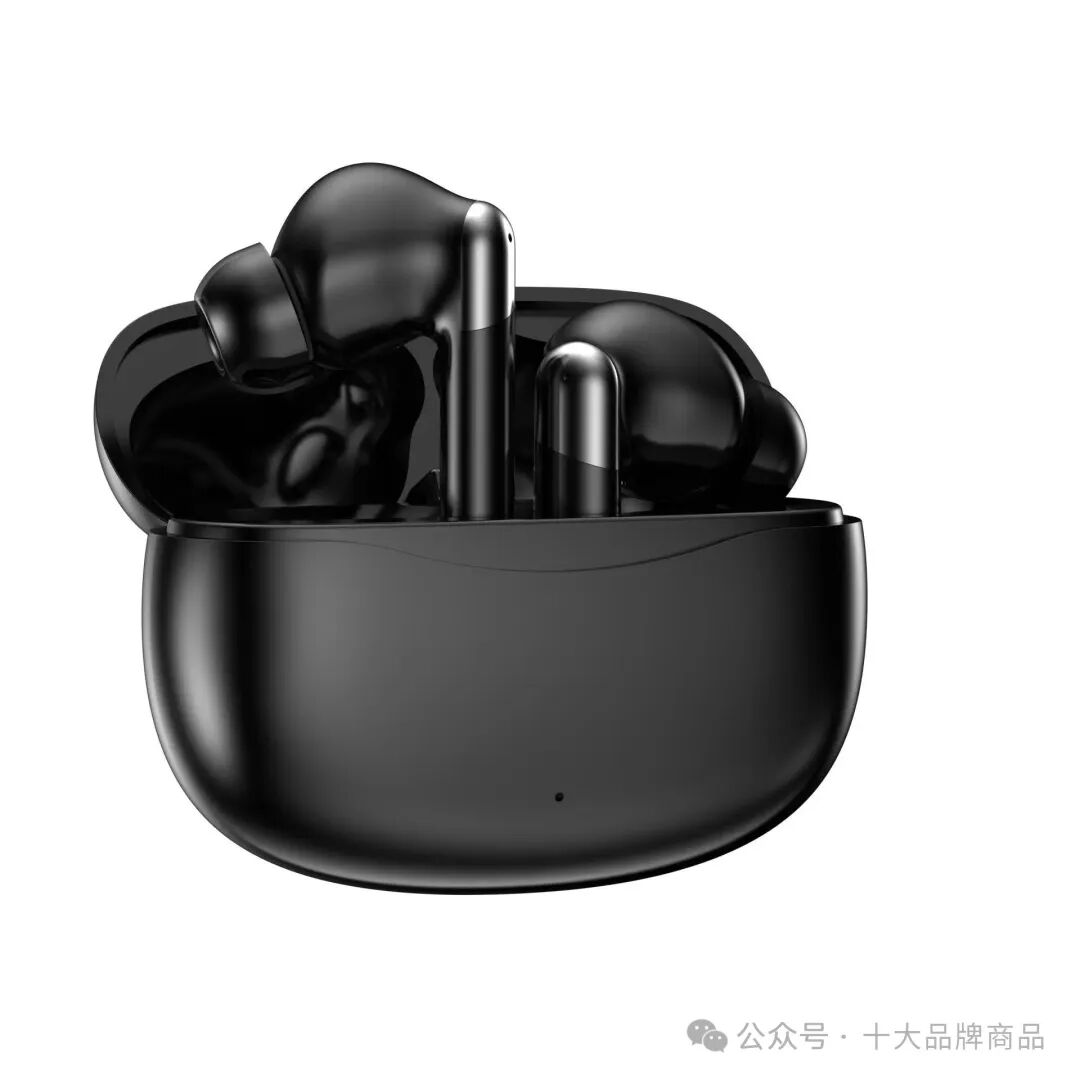
In the rapidly developing world of wireless technology, Bluetooth headphones have become an indispensable audio companion in people’s daily lives. Whether enjoying music during commutes, focusing on calls at work, or sweating it out during workouts, Bluetooth headphones enhance the audio experience with their convenience, excellent sound quality, and rich features. With numerous brands and styles available in the market, ranging from hundreds to thousands of yuan, it can be overwhelming. To help you accurately select your ideal Bluetooth headphones, this article will delve into the key points for purchasing and provide practical strategies.
Type Classification: Choose Style Based on Wearing Habits
Bluetooth headphones come in various types, each with its own advantages in terms of wearing style, sound quality, and applicable scenarios. Understanding your wearing habits is the first step in the purchasing process.
In-ear Bluetooth Headphones: These headphones fit deeply into the ear canal, creating a sealed space that effectively blocks external noise, providing an immersive listening experience. Due to the relatively closed ear canal, they can better utilize low-frequency advantages, delivering deep and powerful bass, making them suitable for users who enjoy bass-heavy music. They fit securely and are less likely to fall out during exercise, widely used in commuting, sports, and daily music listening. However, prolonged use may cause discomfort due to pressure in the ear canal, and some individuals may experience allergic reactions. There are various sizes of ear tips available, so it is essential to find the model that fits your ear canal to ensure comfort and noise reduction. Prices range widely, from entry-level models around a hundred yuan to high-end products costing thousands, such as Apple’s AirPods Pro and Sony’s WF-1000XM5, which have become popular in the market due to their excellent noise cancellation and sound quality.
Half-in-ear Bluetooth Headphones: These headphones partially enter the ear canal, offering a lighter and more comfortable fit, making them friendly for those with sensitive ear canals, with no significant pressure during prolonged use. The open structure allows for a more natural and transparent sound, with balanced audio across all frequencies, especially excelling in mid to high frequencies, making them suitable for various music genres, including pop and classical. However, their noise isolation is inferior to in-ear models, making them susceptible to external interference in noisy environments. Due to their relatively loose fit, they may become dislodged during vigorous movements. Prices are generally in the mid to low range, with many options available around a hundred yuan, such as Huawei FreeBuds 4E and Honor Earbuds X3, providing good sound quality and experience at an affordable price.
Over-ear Bluetooth Headphones: These headphones cover the ears, providing a wide soundstage and excellent sound quality. The larger drivers can present rich details, with strong bass impact and good high-frequency extension, making them a favorite among music enthusiasts. They offer good noise isolation, and when active noise cancellation (ANC) is enabled, they can significantly reduce external noise, creating a quiet listening environment, suitable for focused music appreciation, long-distance travel, and immersive office work. The downside is their larger size and weight, making them less portable, and prolonged use may cause ear overheating. Prices vary widely, with entry-level products costing a few hundred yuan and high-end professional models reaching thousands, such as Sennheiser HD 660S2 and Bose QuietComfort 45, known for their outstanding sound quality and noise cancellation performance.
Neckband Bluetooth Headphones: These headphones connect via a flexible neckband, resting around the neck during use and hanging naturally in front of the chest when not in use, making them convenient to carry and less likely to be lost. The neckband houses a battery, reducing the weight of the headphones and enhancing wearing comfort, with relatively good battery life. The sound quality is average, meeting daily music listening needs, while some high-end models feature excellent drivers that provide commendable sound quality. They remain stable during exercise, avoiding the drop risk associated with true wireless headphones, making them suitable for running, cycling, and other outdoor activities. Models like Sony WI-C600N and Edifier W200BT Plus are priced between a hundred and a thousand yuan, offering great value for money.
Open-ear Bluetooth Headphones: A new type of headphone that does not block the ear canal, using bone conduction and directional sound transmission technologies to deliver sound while keeping the ear canal open, allowing users to remain aware of their surroundings, ensuring safety during outdoor activities like cycling, running, and hiking. They are comfortable to wear without ear canal pressure issues, allowing for extended use. However, due to the sound transmission method, their low-frequency performance is weaker than in-ear and over-ear models, and they are more susceptible to external environmental noise. Prices are gradually becoming more affordable, with options ranging from a few hundred to over a thousand yuan, such as Nankai OE and Shokz OpenRun Pro, which are popular among sports enthusiasts.
Core Performance: Key Factors Determining Sound Quality and Experience
The performance of Bluetooth headphones directly affects sound quality, connection stability, and user experience. The following core indicators should be closely monitored.
Bluetooth Version and Connection Technology: The Bluetooth version determines connection stability, transmission speed, and power consumption. Currently, the mainstream versions are Bluetooth 5.3 and above, which offer longer transmission distances (over 10 meters), more stable signals, lower latency, and reduced power consumption for extended battery life compared to earlier versions. In terms of connection technology, headphones that support dual transmission (synchronous connection of both ears) can avoid sound synchronization issues between the left and right ears, enhancing connection stability and response speed. Some high-end headphones use LE Audio technology for seamless switching between multiple devices, such as switching from listening to music on a phone to watching videos on a tablet without needing to re-pair, greatly improving usability.
Audio Codec Formats: The audio codec format affects sound reproduction quality. Common codec formats include SBC (supported by almost all Bluetooth headphones but with average sound quality, low bitrate, and high latency), AAC (the preferred choice for iPhone users, balancing sound quality and latency well, suitable for daily listening), aptX/aptX Adaptive (supported by Qualcomm Android phones, offering higher bitrate and lower latency, significantly improving sound quality), and LDAC/LHDC (promoted by Sony and Huawei, with bitrates up to 990kbps, approaching wired headphone quality, but requiring higher device compatibility). For high sound quality, prioritize headphones that support LDAC, LHDC, or aptX Adaptive codecs, ensuring that your playback device also supports the corresponding codec to achieve the best results.
Driver Units and Tuning Technology: The driver unit is a key component determining sound quality. Generally, larger dynamic driver units provide better low-frequency performance, such as 10mm or larger dynamic drivers performing well in budget headphones; high-end headphones often use composite diaphragms and bio-diaphragms to enhance sound resolution and detail reproduction. Balanced armature drivers excel in mid to high frequencies, delivering precise and clear sound, and some high-end headphones use a combination of dynamic and balanced armature drivers to balance the advantages of all frequency ranges. Tuning technology is also crucial, as different brands have unique tuning styles; for example, Sony focuses on balance with powerful low frequencies and clear mid to high frequencies; Bose emphasizes noise cancellation and ambiance, with strong bass impact; Sennheiser aims for natural and accurate sound reproduction. You can learn about the tuning style of headphones through listening tests or professional reviews to see if it matches your personal preferences.
Noise Cancellation Performance: Noise cancellation features significantly enhance the user experience of headphones in noisy environments. Active noise cancellation (ANC) uses built-in microphones to collect environmental noise and generate anti-noise waves to cancel it out. The deeper the noise cancellation, the better the effect, generally achieving -30dB to -40dB, which meets most daily scenarios, such as subways and buses. Some high-end headphones can achieve noise cancellation depths exceeding -45dB. However, be aware that excessive noise cancellation depth may cause ear pressure discomfort; some headphones are equipped with ear pressure balancing technology to alleviate this issue. In addition to active noise cancellation, call noise cancellation is also important; multi-microphone arrays combined with algorithms can accurately identify and eliminate background noise during calls, ensuring clarity, such as CVC (Clear Voice Capture) noise cancellation technology widely used in Bluetooth headphones.
Battery Life: Battery life is an important indicator of the practicality of Bluetooth headphones. The single-use battery life varies depending on the type of headphones, battery capacity, and power consumption; in-ear models generally last 4-8 hours, while over-ear models can last 10-20 hours due to larger battery capacities, and sports headphones typically last 6-12 hours. Using a charging case can significantly extend total battery life; some true wireless headphones can achieve over 20 hours of total battery life with a charging case. Pay attention to the charging method; headphones that support fast charging can quickly replenish a significant amount of battery in a short time, such as 10-15 minutes of charging providing several hours of use; some headphones also support wireless charging for convenience.
Functional Configuration: Details that Enhance Usability
In addition to core performance, the functional configuration of Bluetooth headphones affects operational convenience and user experience, which should be considered based on personal needs.
Comfort Design: Comfort is crucial for long-term headphone use. Key factors include weight distribution, materials, and ergonomic design. Lightweight headphones typically weigh between 4-6 grams each, reducing the burden on the ears; in terms of materials, skin-friendly silicone and liquid silicone ear tips are soft and comfortable, minimizing allergic reactions; over-ear headphone ear cushions made of soft sponge and protein leather enhance comfort. Ergonomic designs ensure that headphones fit the contours of the ears, with half-in-ear and in-ear models designed according to ear canal shapes, and over-ear models designed based on head shape and ear position to reduce pressure points, such as some headphones featuring adjustable headbands and ear cup angles to accommodate different head shapes.
Control Methods: Convenient controls can enhance the user experience. Common control methods include touch control, button control, and voice control. Touch control allows users to perform functions like play/pause, skip tracks, adjust volume, and answer calls by touching the surface of the headphones, providing responsive and convenient operation but may be prone to accidental touches; button control offers clear tactile feedback, reducing the likelihood of misoperation, with various functions achieved by pressing physical buttons on the headphones; voice control utilizes voice assistants like Siri, Xiao Ai, and Xiao Yi to execute commands, allowing hands-free operation, suitable for driving, exercising, and other scenarios. Some headphones support customizable control functions, allowing users to set operations according to personal habits, enhancing usability.
Water and Dust Resistance Ratings: In outdoor and sports scenarios, the water and dust resistance performance of headphones is important. The water and dust resistance ratings are classified according to the international standard IP (Ingress Protection) code, with higher numbers indicating stronger performance. Sports headphones should have at least an IPX4 water resistance rating to withstand sweat and splashes; for high-intensity sports or water activities, it is recommended to choose headphones with an IPX7 rating or higher, which can withstand short periods of immersion. For dust resistance, an IP5X rating or higher can effectively prevent dust from entering, protecting the internal circuits of the headphones and extending their lifespan. Some sports headphones use nano-coating and sealing rings to enhance water and dust resistance performance.
Smart Features: Smart features add more value to Bluetooth headphones. Some headphones support spatial audio technology, creating an immersive 3D sound experience for movies and games; they may also have health monitoring features, such as tracking heart rate, steps, and calorie consumption, allowing users to monitor their physical condition in real-time during exercise; some headphones support quick pairing, automatically popping up pairing windows when near compatible devices, such as Apple AirPods with iPhone and iPad; some headphones can achieve firmware upgrades, custom sound effects, and locating features through an app, enhancing flexibility and functionality.
Multi-device Connectivity: In daily use, the ability to switch audio between multiple devices can enhance convenience. Some headphones can connect to multiple devices simultaneously, such as phones, tablets, and computers, allowing users to switch from listening to music on a phone to working on a computer without needing to re-pair, automatically switching audio to improve work and entertainment efficiency. For example, headphones like FIIL CC Pro2 support multi-point connectivity to meet multi-device usage needs.
Scenario Adaptation: Practical Strategies Tailored to Needs
Different usage scenarios emphasize different aspects of Bluetooth headphone performance and functionality, and accurately matching scenarios can maximize the value of the headphones.
Commuting Scenario: Public transportation environments like subways and buses are noisy, making active noise cancellation a key feature. Prioritize headphones with high noise cancellation depth that can effectively block low-frequency noise, such as Sony WF-1000XM5 and Bose QuietComfort Earbuds 2, which can significantly reduce the rumble of subways and the sound of bus engines. Supporting transparency mode is also important for temporarily listening to announcements or communicating with others. Good connection stability is essential to avoid frequent disconnections due to signal interference. In terms of battery life, aim for a single-use duration of over 4-6 hours, with a total battery life exceeding 20 hours when using a charging case to meet all-day commuting needs.
Office Scenario: For long-term wear, comfort is crucial, so choose lightweight headphones with a comfortable wearing style, such as half-in-ear or open-ear models. Clear call functionality is essential; dual-microphone noise cancellation or AI environmental noise cancellation technology can filter out background noise in the office, ensuring clarity during conference calls, such as Jabra Elite 85t and Huawei FreeBuds 5i. Some headphones support transparency mode for easy communication with colleagues. Ideally, they should support multi-device connectivity for easy switching between computers and phones, enhancing office efficiency.
Sports Scenario: Sports headphones need to fit securely, be water and sweat-resistant, and provide decent sound quality. Headphones with ear hooks, shark fin designs, or special stability structures can stay in place during vigorous activities, such as Shokz OpenRun Pro bone conduction headphones and Nankai OE MIX open-ear headphones. A minimum water resistance rating of IPX4 is recommended, with some high-end sports headphones reaching IPX7. In terms of sound quality, while they may not match professional music headphones, they should meet the rhythmic music needs during exercise, with strong bass to enhance the workout rhythm. Battery life should be over 6-8 hours for extended exercise needs.
Leisure and Entertainment Scenario: For listening to music, watching shows, or playing games at home or outdoors, sound quality is paramount. Over-ear headphones, with their wide soundstage and excellent sound quality, are an excellent choice, such as Sennheiser HD 660S2 and Beyerdynamic DT 900 PRO X, which can reproduce rich musical details for an immersive entertainment experience. Headphones supporting spatial audio technology can create realistic 3D sound effects for movies and games. Low Bluetooth latency is crucial; gamers should choose headphones with latency under 60ms to avoid audio-visual desynchronization, which can affect the gaming experience.
Sleep Scenario: Sleep headphones should be compact, lightweight, comfortable, and deliver clear sound. In-ear or half-in-ear headphones with soft silicone ear tips, weighing around 3-4 grams each, such as Xiaomi True Wireless Noise Cancelling Earphones 3 Pro and FIIL T1 Lite, are ideal. Headphones should have an ambient sound mode to avoid completely blocking external sounds, ensuring sleep safety. Some headphones are specifically designed for sleep mode, with features like automatic volume adjustment and timed shutdown to enhance the sleep experience.
Brands and After-sales: Ensuring Long-term Support for Use
Selecting reliable brands and a comprehensive after-sales system provides assurance for the long-term stable use of Bluetooth headphones, reducing usage risks.
Mainstream Brands and Features: The Bluetooth headphone market has numerous brands, each with its advantages. Apple’s AirPods series is favored by Apple users for its deep integration with the Apple ecosystem, excellent sound quality, and convenient operation; Sony has a strong foundation in audio technology, with outstanding noise cancellation and sound quality, offering a rich product line covering high, mid, and low-end markets; Bose is renowned for its noise cancellation technology, with products excelling in noise reduction and emphasizing ambiance; Sennheiser focuses on sound quality, with high sound reproduction fidelity, making it a favorite among audiophiles; domestic brands like Huawei, Xiaomi, and Edifier offer high cost-performance ratios and rich features, occupying significant shares in the mid to low-end market, with Huawei headphones well-matched to Huawei devices, Xiaomi headphones offering diverse features at affordable prices, and Edifier continuously breaking through in acoustic technology research and development.
After-sales Service System: Bluetooth headphones are precision electronic devices, making comprehensive after-sales support crucial. Products purchased through official channels generally enjoy 1-2 years of official warranty, with some brands offering extended warranty services. The coverage of after-sales service points affects repair convenience; choosing brands with official service centers in your area can shorten repair cycles. Brand technical support is also critical, such as firmware upgrades optimizing headphone performance, with official tutorials and customer service guidance helping users resolve usage issues. Before purchasing, understand the brand’s after-sales response speed and service reputation to avoid choosing lesser-known brands with inadequate after-sales systems.
Accessories and Compatibility: A variety of accessories can expand headphone functionality. Original accessories like ear tips, charging cables, and ear cushions are best compatible with the headphones but tend to be more expensive; third-party accessories offer better cost-performance but should be checked for compatibility and quality. Pay attention to the compatibility of headphones with commonly used devices, such as phones, tablets, and computers, to ensure stable connections and normal functionality. Some headphones support cross-platform use, being compatible with both Apple and Android systems, enhancing usability. When purchasing, consider the richness of headphone accessories and device compatibility to meet future usage needs.
When purchasing Bluetooth headphones, consider various factors such as wearing habits, core performance, functional configuration, usage scenarios, and brand after-sales. Clearly define your needs, such as prioritizing sound quality, noise cancellation, or portability, to selectively filter products. Refer to professional reviews, user feedback, and actual listening experiences to assess headphone sound quality, comfort, and operational convenience. Set a reasonable budget and choose the headphones with the best overall performance within that budget. Choosing the right Bluetooth headphones can bring high-quality audio enjoyment to your life, work, and entertainment, unlocking a convenient new experience in wireless audio.
Click the text to see more “Top Ten Brand Product Buying Guides”“

Follow the public account “Top Ten Brand Products” for more information