Click the “blue WeChat name” below the title to quickly follow 
As parents search for gifts that will impress their children during the holiday season, Canadian child development and psychology experts warn of the potential dangers posed by AI toys, including privacy and safety violations, as well as interference with children’s creativity and development.
Dr. Nicole Lasing, a child psychologist in Ottawa and a scientist at the CHEO Research Institute, stated: “Early childhood is a critical stage for brain development, where children absorb information like sponges and exhibit high plasticity.” Lasing is also a mother of two young children.
Lasing’s comments echo the recommendations made by the American organization Fairplay last week. This organization aims to protect children from potential technological harms, and its recommendations have been supported by dozens of experts, including child rights organizations, pediatricians, educators, and psychologists.
The recommendations define AI toys as “chatbots embedded in everyday children’s toys, such as plush toys, dolls, action figures, or children’s robots, that use artificial intelligence technology and are designed to communicate like a trusted friend, mimicking human characteristics and emotions.”
Rachel Frantz, director of Fairplay’s Early Childhood Offline Thriving Project, stated in an interview that AI components are often prominently advertised, making it easy for parents to notice. She pointed out that checking whether toys require a WiFi connection is another factor to be aware of.
These toys are cute in appearance and are marketed as educational and interactive companions that encourage children’s creativity. However, child development experts warn that the reality may be quite the opposite.
Fairplay points out that AI toys may stifle children’s imagination because, with regular toys, children need to come up with dialogues on their own.
Moreover, experts indicate that AI chatbots tend to agree with users’ viewpoints, which eliminates the experience of dealing with conflict and building relationships.
Dr. Daniela Lobo, a psychiatrist and head of gambling and technology use treatment services at the Toronto Centre for Addiction and Mental Health, emphasized: “How do children learn to handle disagreements? ‘I want to play this way. No, I want to play that way.’ This is a fundamental and crucial function of childhood.”
Lobo praised Fairplay’s recommendations, noting that the pace of AI development far exceeds safety research, and there is a “lack of regulation.” She called for consideration of whether there is safety evidence supporting children’s use of these technologies and emphasized the importance of monitoring the content children are exposed to during their rapid brain development.
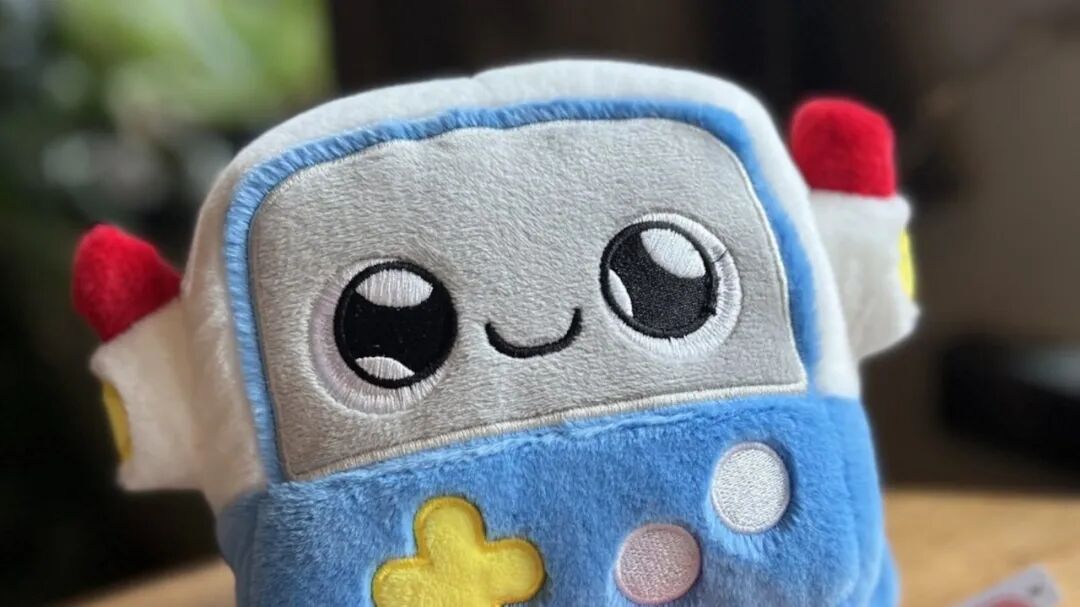
Fairplay listed several examples, including Curio Interactive’s Gabbo, Grem, and Grok characters—big-eyed robots, aliens, and rocket ship plush toys that children can interact with—and Roybi’s robot, which can teach children language, math, and science.
Both Curio Interactive and Roybi stated in email statements that they prioritize children’s safety and data protection and comply with the U.S. Children’s Online Privacy Protection Act.
Roybi stated: “We do not record or store any sensitive data, nor do we record audio or video. Each child’s profile is created as an anonymous ID, without attaching identifiable personal information. Our learning content is developed and approved by certified teachers, using structured rather than open-ended designs to ensure the highest ethical use of AI and provide children with a safe, guided learning experience.”
The statements from both companies also emphasized that parents and caregivers can control their children’s AI experiences. Curio stated: “We encourage parents to monitor conversations, track insights, and choose the control methods that best suit their families within the Curio interactive toy app.”
However, Lasing believes this may not be realistic for parents. She pointed out that while parents are advised to accompany their children when using these toys, the issue lies in the actual implementation within families.
Although the Canadian Pediatric Society has not yet formed an official position on AI toys, the society stated that pediatricians have observed an “increase in rates of developmental, language, and social-emotional delays in young children.” The society expressed concerns in an email statement that AI toys may confuse young children’s early understanding of positive relationships, exacerbating this trend.
Fairplay’s recommendations also remind parents that AI toys may “violate family privacy by collecting large amounts of sensitive data.” The organization pointed out that children often confide in their beloved toys, allowing toy manufacturers and third parties to access private details, including children’s profound personal thoughts, emotions, fears, and desires.
Frantz believes it is unfair to place the responsibility on parents to assess the degree of privacy compromise in the absence of adequate regulation. She stated that it is extremely difficult for ordinary families to read privacy policies.
Elizabeth Cowley, chief clinical officer of the online platform PlaySpace, compared AI toys to smartphones and the internet, arguing that children should not have unrestricted access to products that lack regulation and safeguards. She pointed out that with appropriate regulation and parental supervision, AI could aid learning and make play more accessible for some children, but responsible adults’ “involvement is crucial.”
Cowley introduced that PlaySpace has its own AI storybook building system, where therapists can create customized content for young patients, but it is always reviewed by licensed clinical professionals.
The Canadian Toy Association urged parents and caregivers in an email statement to “shop only from reputable toy manufacturers, brands, and retailers that prioritize children’s safety above all else.”
The office of the Federal Minister of Artificial Intelligence and Digital Innovation, Evan Solomon, stated that it is “monitoring how AI is integrated into consumer products, including those designed for children.” Press secretary Sophia Usulis noted that they “recognize the concerns raised by experts” and pointed out that “Health Canada is responsible for the safety of consumer products, including toys.”
Media reports that contacted Health Canada for comments did not receive a response by the time of publication.
(Compiled and organized by Carry D.Z.)







Friendship, activities, mutual assistance, daily necessities
New Life for Chinese in North America — A part of your and my life
