The software-related industry is expected to exceed 12 trillion yuan by 2025 . The explosive growth of artificial intelligence, the Internet of Things, and new energy vehicles has led to a high demand for embedded development engineers.
Many students in electronics, automation, and computer science ask me: which direction should I choose in embedded development? What are the salary prospects?
To be honest, choosing the wrong direction can waste three years of youth.
Today, I will break down the three core tracks of embedded development for you.
IoT Development: A Natural Track for Electronics Majors
This direction is most suitable for students in electronics engineering. Application scenarios are flourishing : smart home control systems, industrial equipment monitoring, smart city environmental detection. Each of these represents a market worth billions.
The technical stack requirements are actually not as complex as imagined. Getting started with the ESP32 development board , advancing to STM32, and mastering the MQTT communication protocol is sufficient. The key is to be able to debug hardware interfaces, which happens to be a strong point of electronics majors.
The salary level is impressive. Junior engineers start at 8k-12k . Those with cloud configuration experience can jump directly to 12k-18k. Senior engineers responsible for large projects? 18k-25k is guaranteed.
To be honest, the biggest advantage of this direction is that the project cycle is short, and the sense of achievement is strong . A smart socket can go from design to mass production in three months. Watching your code control real hardware devices is a truly satisfying feeling.
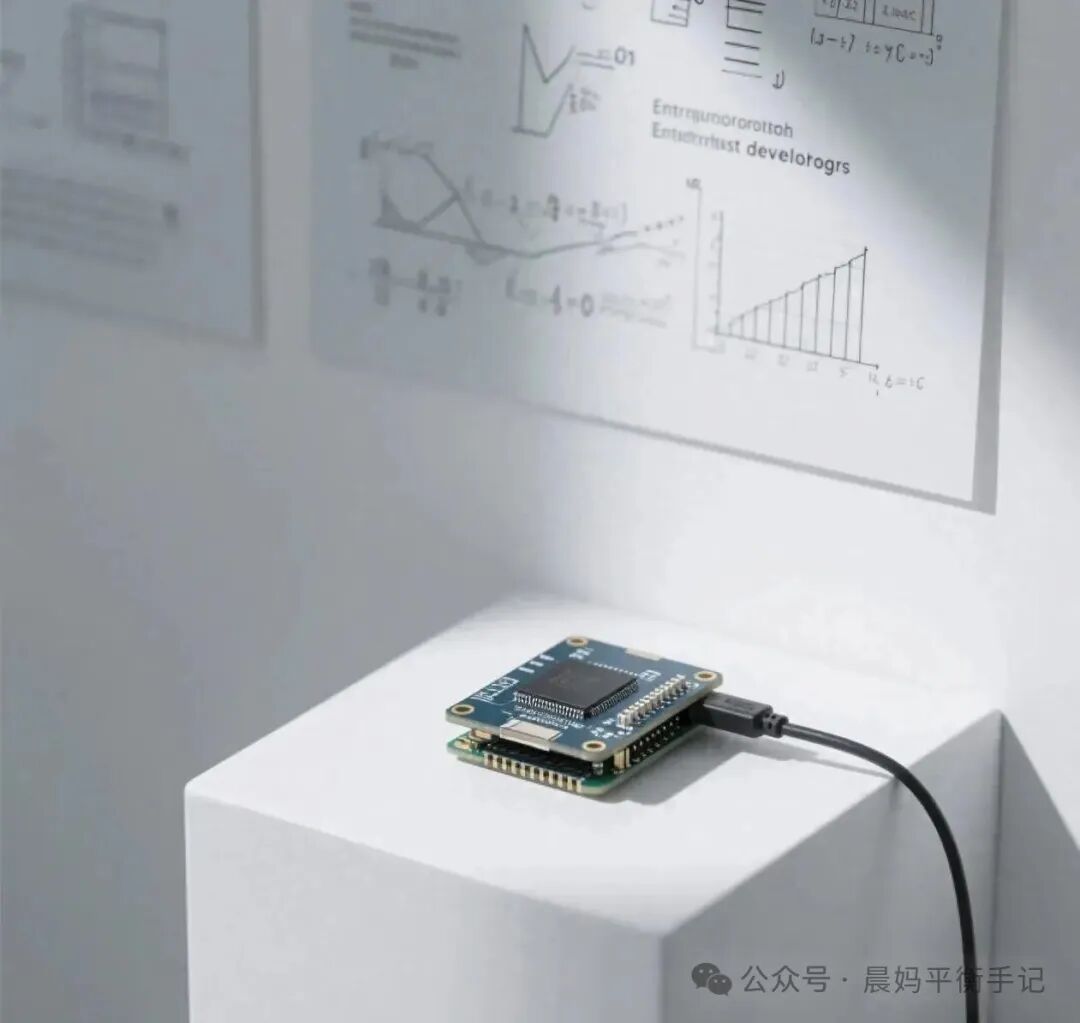
However, there are pitfalls. The market is highly competitive, requiring continuous learning of new communication protocols and cloud platform interfaces. Each cloud provider, such as Alibaba Cloud, Tencent Cloud, and Huawei Cloud, has different SDKs.
Embedded Linux: In-Depth Exploration for Computer Science Majors
For computer science students transitioning to embedded systems, this is the most relevant direction. The core advantage lies in the integration of software and hardware . You need to understand the Linux kernel and be able to debug hardware drivers. Industrial control gateways, video surveillance hosts, and in-vehicle information terminals all rely on embedded Linux systems.
The technical threshold is, to be honest, somewhat higher. You need to master Yocto system building , uboot bootloader, and device tree configuration. You also need to be able to write drivers for SPI, I2C, and MIPI interfaces.
But the salary returns are also more substantial. Junior engineers earn 10k-15k , while intermediate engineers who master driver development earn 15k-22k. Entering large companies like Hikvision or BYD? 22k-30k+ is not a dream.
The career development path in this direction is very clear. Starting from application layer development, you gradually delve into driver layer and kernel layer. The older you get, the more valuable you become , and there is no 35-year crisis.
Just think about it. An engineer who can independently solve kernel crashes and optimize system boot times—what company wouldn’t want to hire them?
Automotive Electronics: A Golden Opportunity for Automation Majors
The explosion of new energy vehicles has created a once-in-a-lifetime opportunity for automation majors. BMS battery management systems , ECU electronic control units, and T-BOX vehicle networking terminals are all technology-intensive products. Automation majors who have studied control theory and signal processing can apply their knowledge here.
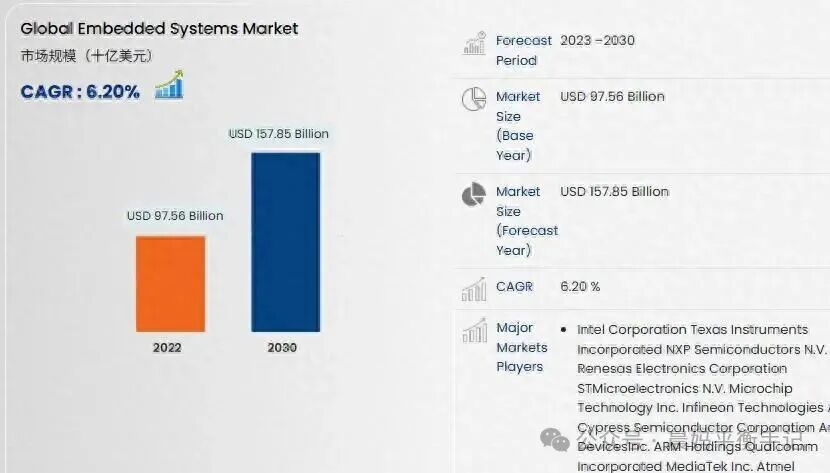
The technical requirements lean towards engineering applications. AutoSAR architecture standards , ISO26262 functional safety, and CAN/LIN bus communication. It sounds impressive, but it’s really just industry standards. You just need to develop according to the standards.
What about salary levels? Junior engineers start at 15k-22k . Intermediate engineers with rich project experience earn 22k-35k. Entering leading companies like Huawei’s automotive business unit or Xpeng Motors, earning 35k-50k+ is not a dream.
The key is that this track will be a hot spot for the next decade . Traditional car manufacturers are transforming, new forces are rising, and autonomous driving technology is evolving. The demand for talent will only increase.
But it’s also important to recognize the reality. Automotive-grade products have very high reliability requirements. A small bug could lead to a recall incident. The pressure is significant.
Choosing Advice: It Varies by Person and Timing
For electronics majors , I recommend starting with the IoT direction. With a solid hardware foundation, you can get started quickly and there are many projects. For computer science majors , dive directly into embedded Linux. With a strong software foundation, this is your domain. For automation majors , automotive electronics is tailor-made for you. Control algorithms and signal processing will all come into play.
No matter which direction you choose, practice is always the key . Buy a development board and follow tutorials to complete a few projects. It’s more effective than reading a hundred books.
The charm of embedded development lies in the fact that every line of code you write can have a real impact on the real world. This sense of achievement is hard to experience in pure software development.
The market demand is evident, the salary ceiling is high, and the technical moat is deep . Choose the right direction, stick with it, and five years from now, you will thank today’s decision.