Click the blue text to follow us
Core Energy is born for critical tasks
Have you ever experienced a sudden “cliff-like” drop in your phone’s battery? Or questioned the range of your electric vehicle due to inflated claims? Or noticed performance degradation in your energy storage system after just two years? Behind these issues lies a set of key parameters—they serve as the “health report” of the battery, determining the lifespan, safety, and user experience of the device.
SOC (State of Charge): The “Battery Percentage”
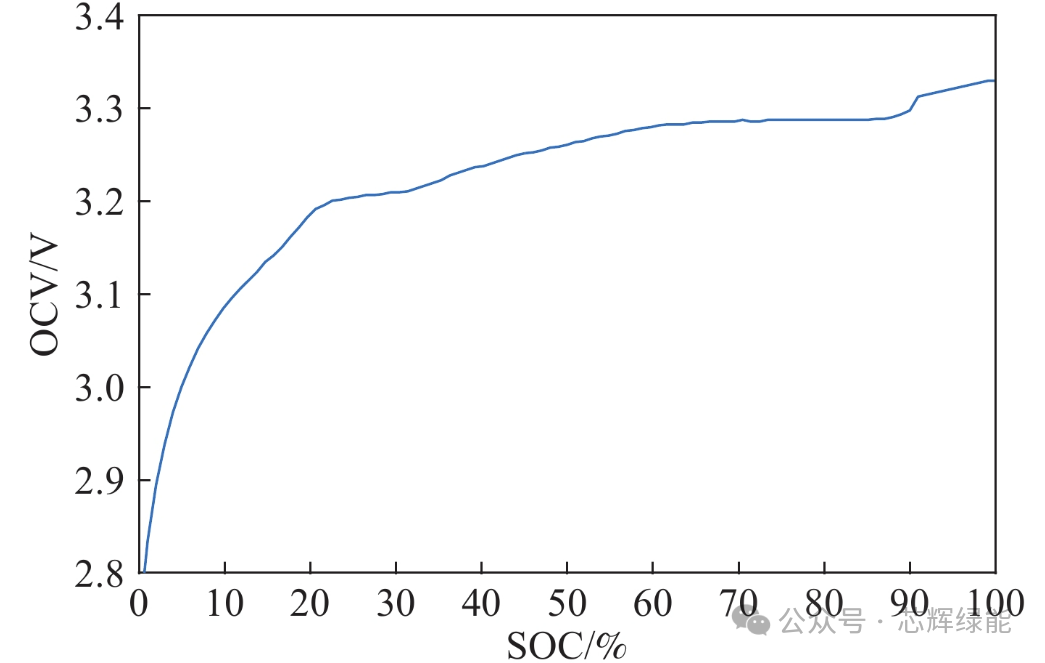
Definition: The ratio of the current remaining battery capacity to the maximum capacity, expressed as a percentage (0% = fully discharged, 100% = fully charged).Example: For a 60kWh battery, when 12kWh remains, SOC = 20%.
Key Role:
· Directly affects the device’s battery life display (e.g., the battery icon in the upper right corner of a phone).
· Experiencing a sudden drop in battery during winter? It may be due to inaccurate SOC estimation algorithms that need temperature correction.
· Lifespan correlation: Maintaining SOC between 20%-80% can extend battery life (avoiding overcharging and deep discharging).
SOH (State of Health): The “Health Index” of the Battery
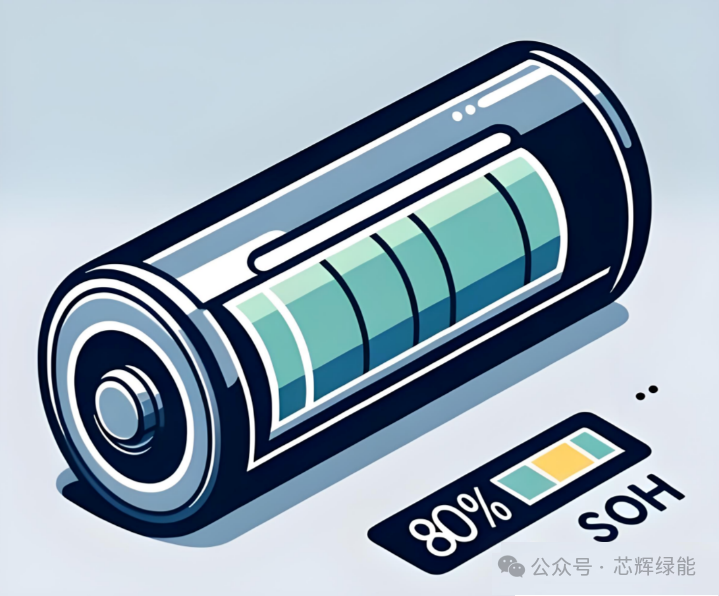
Definition: The ratio of the current performance of the battery to its performance when new, reflecting the degree of aging (SOH = 100% is new, <60% suggests replacement).
Judgment Criteria:
· SOH > 80%: Good condition, can be used normally;
· 60%-80%: Performance degradation, reduced range;
· <60%: Safety risks, immediate maintenance required.
Practical Applications:
· The BMS system of electric vehicles monitors SOH to provide early warnings of thermal runaway risks;
· Energy storage systems schedule battery packs based on SOH, prioritizing healthier batteries to extend overall lifespan.
SOE (State of Energy): The “True Range Prophet” of the Battery
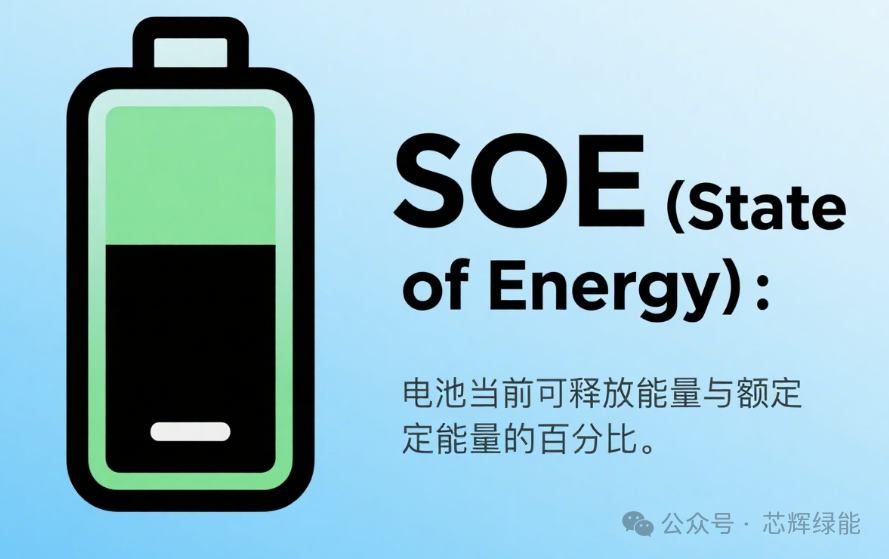
Definition: The current remaining usable energy of the battery (unit: Wh/kWh), which considers the impact of voltage changes and predicts range more accurately than SOC.
Why It Matters:
· SOC only reflects the percentage of charge, but voltage decreases during discharge, reducing actual usable energy (e.g., electric vehicles struggle to accelerate when low on battery).
· SOE dynamically calculates using the “voltage-energy curve” to tell you “how far you can still go”.
Calculation Methods: Open circuit voltage method, fixed-point integration method, electrochemical model method, etc.
DOD (Depth of Discharge): The “Discharge Depth” of the Battery
Definition: The percentage of energy released relative to the rated capacity (DOD = 0% is fully charged, 100% is fully discharged).
Lifespan Code:
· The deeper the DOD, the greater the burden on the battery, leading to a shorter lifespan (e.g., frequently discharging below 20% can halve the cycle life).
Optimization Strategies:
· Electric vehicles should set a “safety margin” (e.g., keeping 5% battery when showing 0%);
· Energy storage systems should adopt “shallow charge and shallow discharge” (DOD < 50%) to extend battery pack lifespan.
OCV (Open Circuit Voltage): The “Resting Blood Pressure” of the Battery
Definition: The voltage of the battery when there is no load, reflecting the true internal potential (needs to be measured after resting for 1-4 hours).
Core Value:
· OCV has a corresponding relationship with SOC (e.g., when the OCV of a lithium battery is 3.7V, SOC ≈ 70%);
· It is the “gold standard” for laboratory calibration of SOC, avoiding errors caused by current interference;
· Temperature sensitive: Measurements should be taken in a constant temperature environment or establish a “temperature-OCV correction curve”.
DCR (Direct Current Resistance): The “Invisible Fitness Index” of the Battery
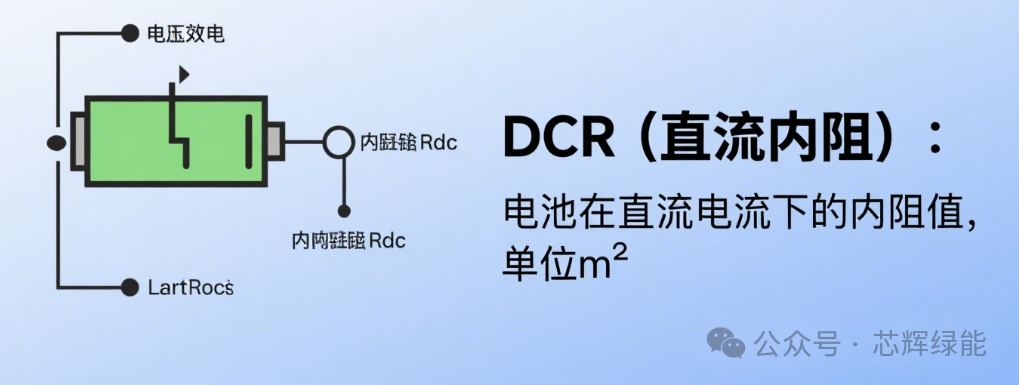
Definition: The internal DC resistance of the battery (unit: mΩ), with lower values indicating better conductivity.
Impact Dimensions:
· Power performance: High DCR leads to significant voltage drop, causing devices to struggle with acceleration;
· Safety: Increased DCR can cause heating, raising the risk of thermal runaway;
· Lifespan: DCR increases with aging, creating a vicious cycle.
System Comparison:
· Lithium Iron Phosphate (LFP): Moderate DCR, suitable for energy storage;
· Nickel Cobalt Manganese/Nickel Cobalt Aluminum (NCM/NCA): Low DCR, strong output, but high thermal management requirements;
· Lead-acid batteries: High DCR, short range.
How to Use These Parameters to “Nurture Your Battery”?
1. Mobile phones/laptops: Avoid long-term storage at full charge (SOC = 100% accelerates aging), try to maintain between 20%-80%;
2. Electric vehicles: Shallow charge and shallow discharge (DOD < 80%), regularly use professional equipment to check SOH;
3. Home energy storage: Dynamically adjust electricity usage strategies based on SOE, prioritizing the use of healthier battery packs;
4. Industrial equipment: Monitor DCR changes, replace batteries with abnormally high internal resistance in advance to avoid safety accidents.
The “quality of life” of a battery is hidden in parameters like SOC, SOH, and SOE. By mastering them, you can not only avoid the pitfalls of “battery anxiety” but also extend the lifespan of your devices through scientific management, saving replacement costs!
END

WeChat ID
Core Energy Green
Service Hotline
4006767572