During the research and development process, we discovered that when the robot walks indoors, each step it takes on the floor produces a distinct “thud” sound. A quiet space acts like a natural “amplifier,” making this footstep sound particularly jarring. As robots enter homes, the noise issue becomes even more sensitive, prompting us to consider how to reduce the sound of the robot’s footsteps on the floor.
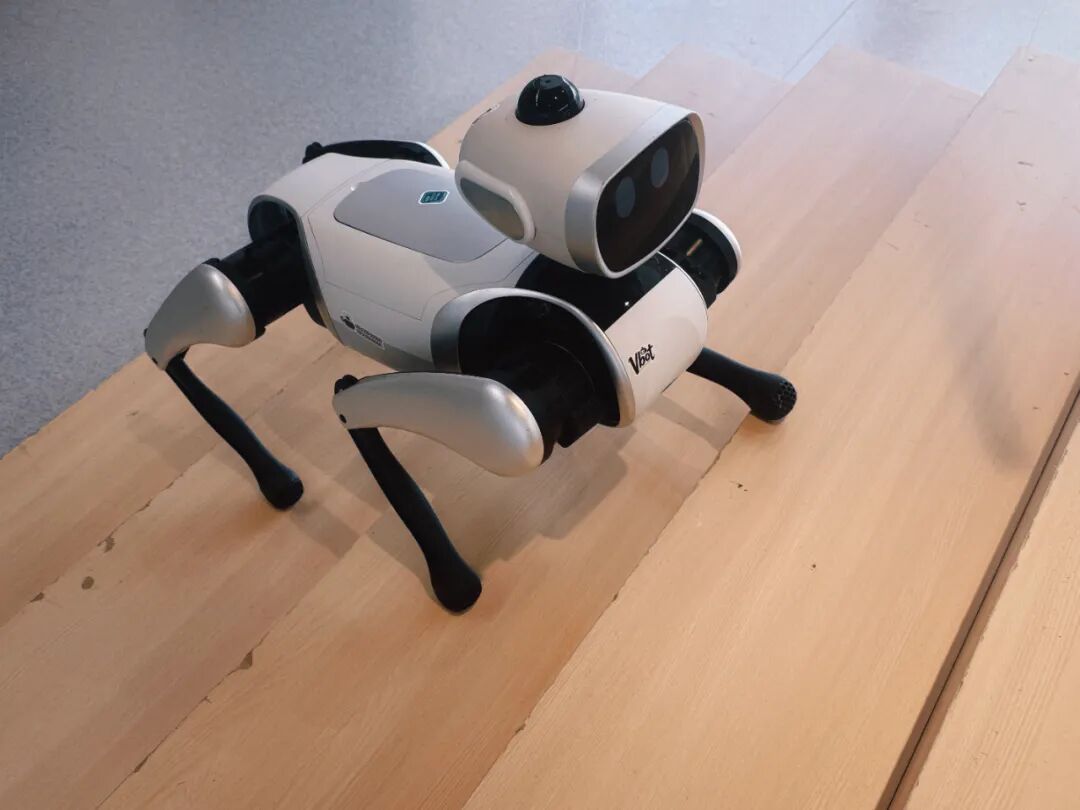
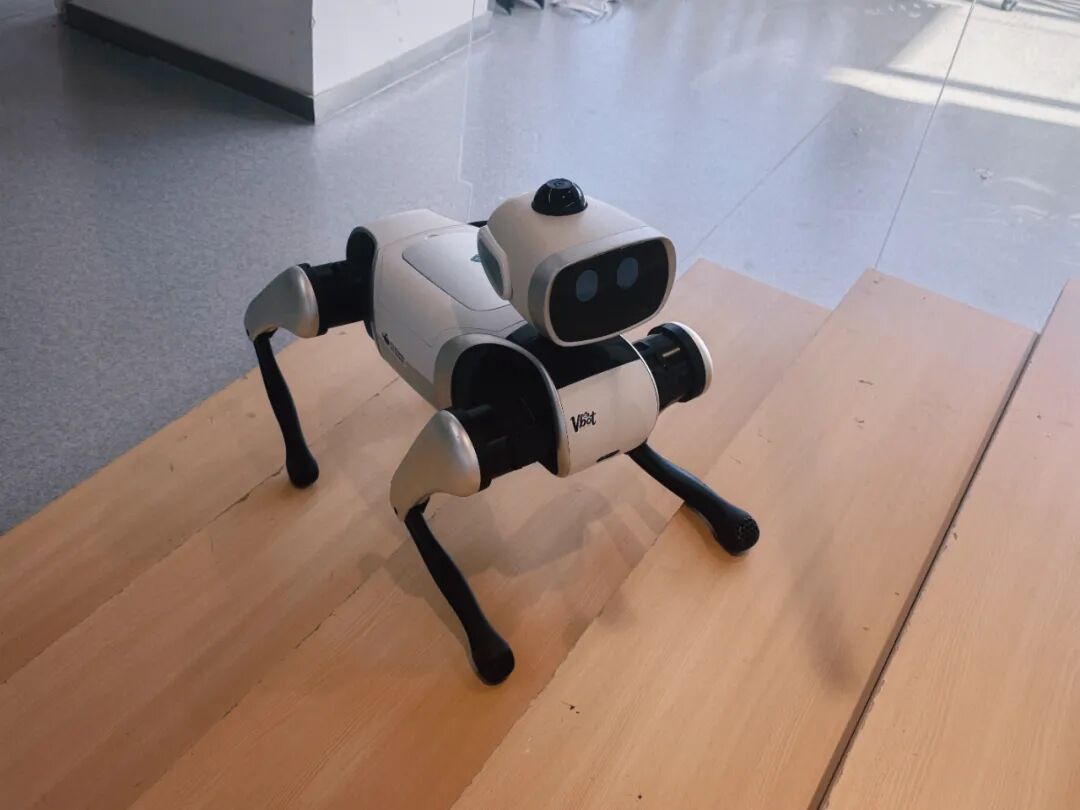 Vbot quadruped robot indoor walking test
01
Where Does the “Thud” Sound from the Robot’s Feet Come From?
The essence of sound is mechanical waves produced by the vibration of objects. When the robot walks, the weight of each step is transmitted through its feet to the ground. To reduce the sound produced when the feet hit the floor, we essentially need to minimize the vibrations generated and transmitted at the moment of contact. Several factors influence this:
① Foot Material
When hard materials collide directly with the floor, there is almost no deformation, and the impact force is transmitted directly through the air, resulting in a crisp and sharp sound. Soft materials, on the other hand, deform upon contact with the floor, absorbing some of the impact energy, resulting in a relatively softer sound.
② Foot Size
The contact area affects pressure. A smaller area results in greater pressure under the same force, concentrating the impact force at the moment of contact, which easily produces a loud “thud”; a larger area can distribute the weight, reducing the instantaneous amplitude, resulting in a quieter sound. It’s like wearing flat shoes compared to high heels, where the former makes less noise.
③ Landing Method
The speed, angle, and force of landing affect the transmission of impact energy. A quick, heavy landing produces more noise than a gentle one. This led us to focus on landing control and gait optimization for the robot.
Based on this, we began to look for ways to make the footfalls quieter from the source, starting from the structural level to absorb and disperse the vibrations generated at the moment of landing.
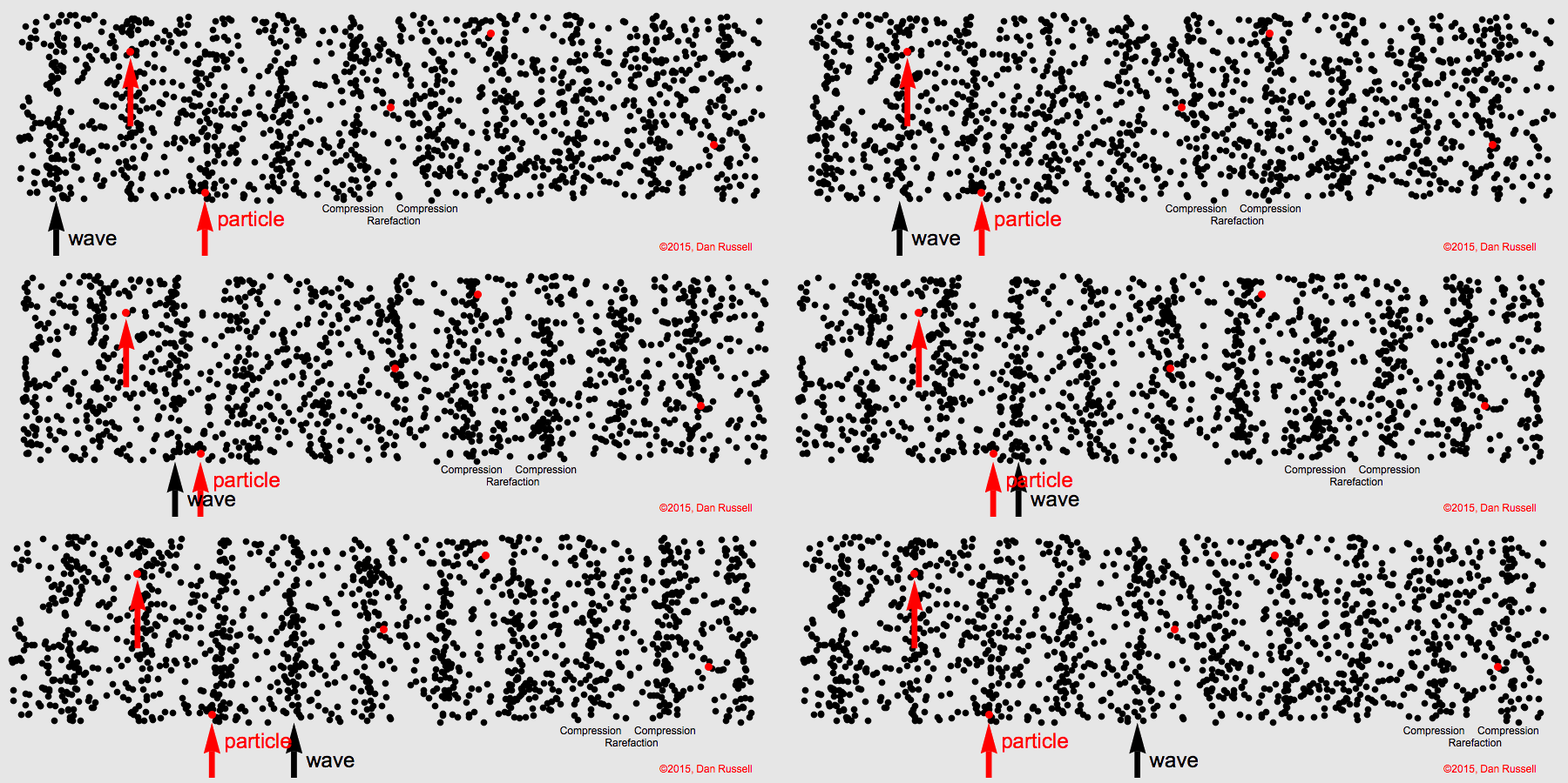
Sound Propagation Diagram
02
Lattice Structure: Giving Robots “Air Cushion” Shoes
In the search for solutions, we discovered a special design—lattice structure.
Unlike a solid block of material, it is made up of countless small grids forming a hollow mesh, as sturdy as a honeycomb. Each small grid can be combined in different directions and positions to create a diverse overall structure, characterized by shock absorption and lightweight properties.
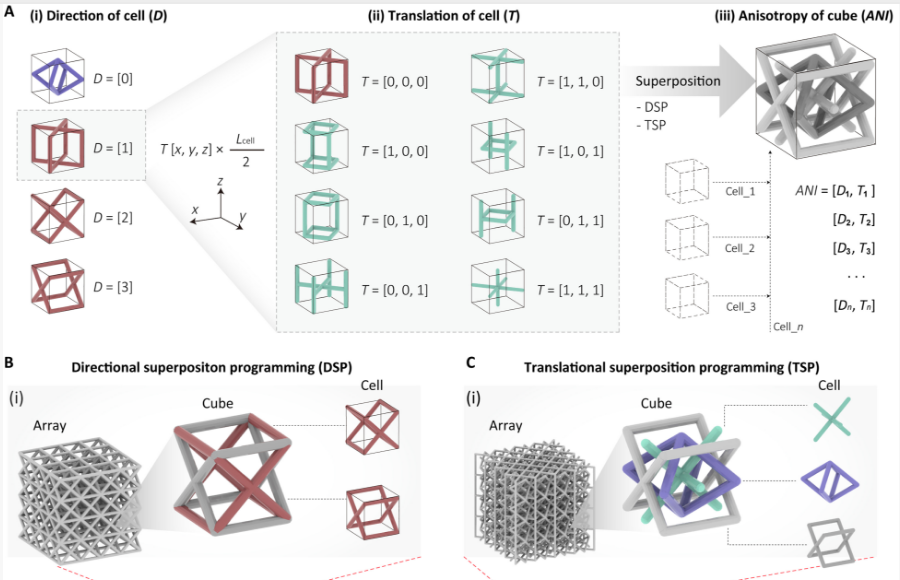
Diagram of the Minimum Unit of Lattice Structure
①Shock Absorption
Traditional solid structures transmit vibrations directly along rigid materials when subjected to force, resulting in more concentrated and sharper noise. The lattice structure, composed of numerous voids and small cells, creates a honeycomb-like mesh within the material. Each small cell can slightly deform under stress, sharing the impact force. When the robot’s foot lands, the internal cells act like “springs,” absorbing some energy during minor deformations, dispersing the impact energy and weakening the vibration’s outward propagation.
②Lightweight
While traditional solid structures are stable, they are often too heavy. The heavier the foot, the higher the energy consumption. The lattice structure is hollow, making it lighter than solid structures while still maintaining strength. It’s like equipping the robot’s feet with countless micro air cushions that can reduce impact while bearing weight, allowing the robot to walk more lightly and quietly.
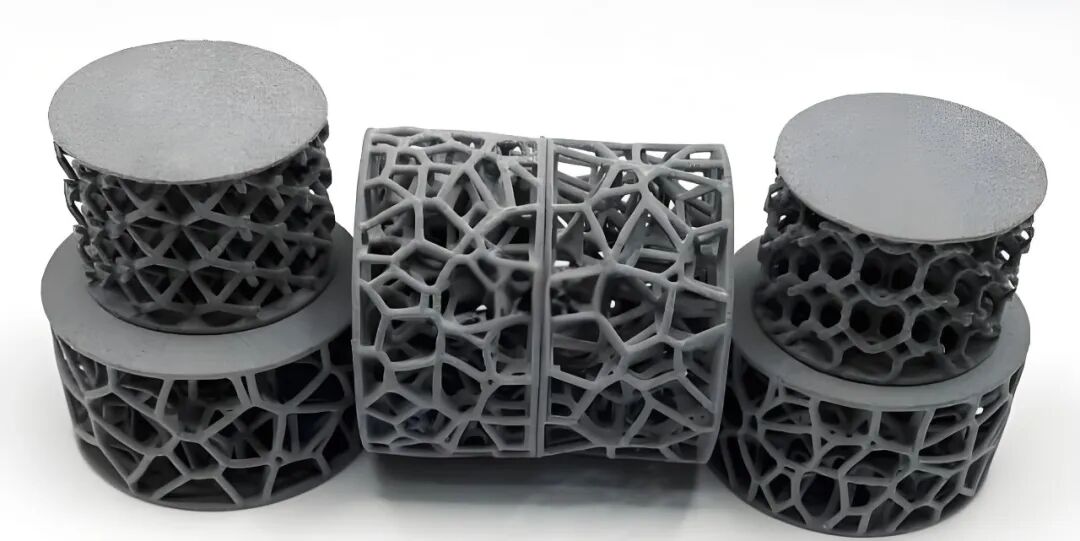
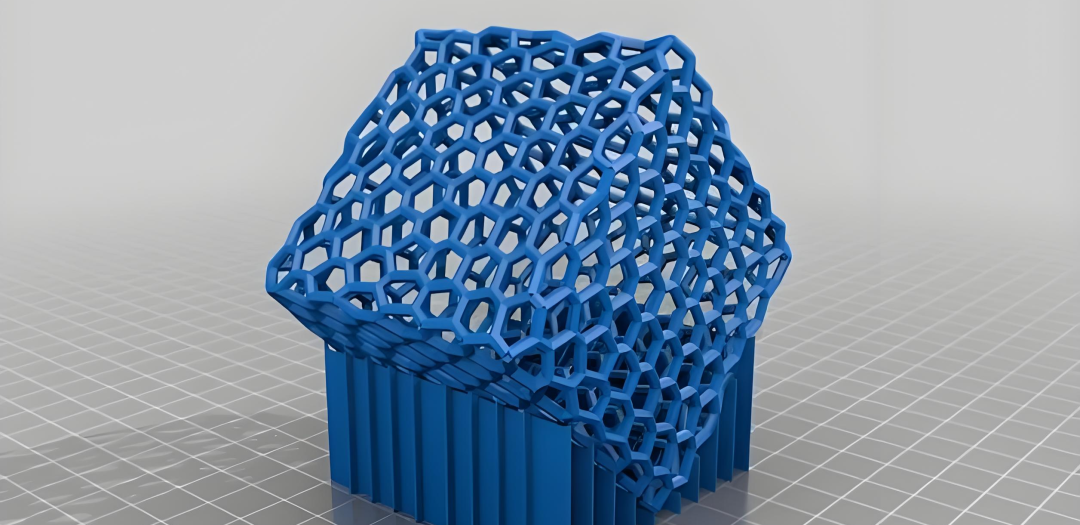 Diagram of Lattice Structure
03
Why Use 3D Printing Technology
The lattice structure, which can buffer impacts, reduce noise, and is lightweight, seems like an ideal solution, but the challenge lies in its complex geometry. Traditional processes struggle to meet this requirement.
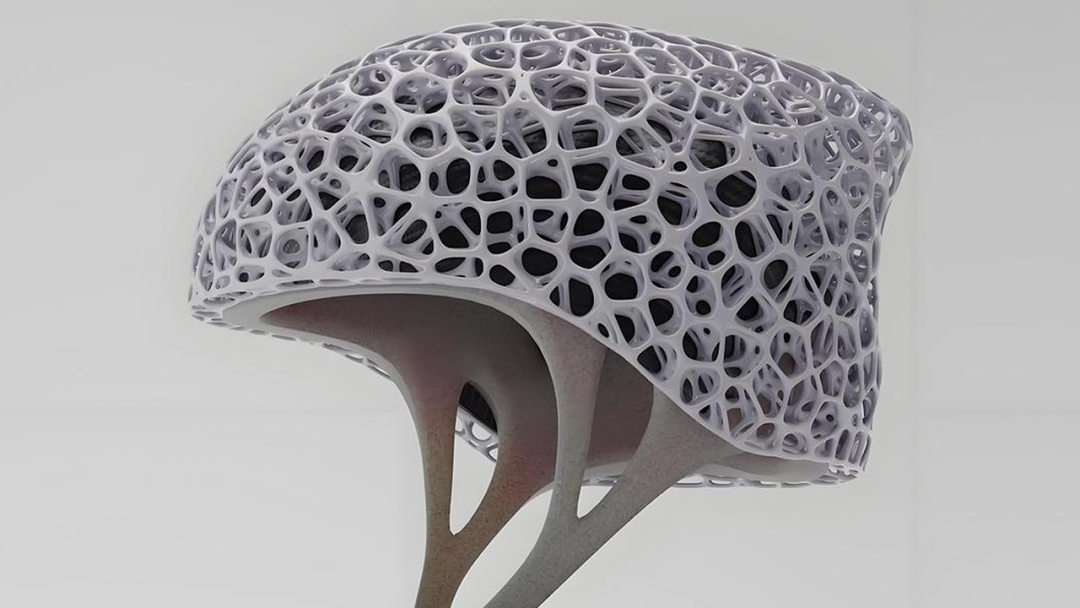
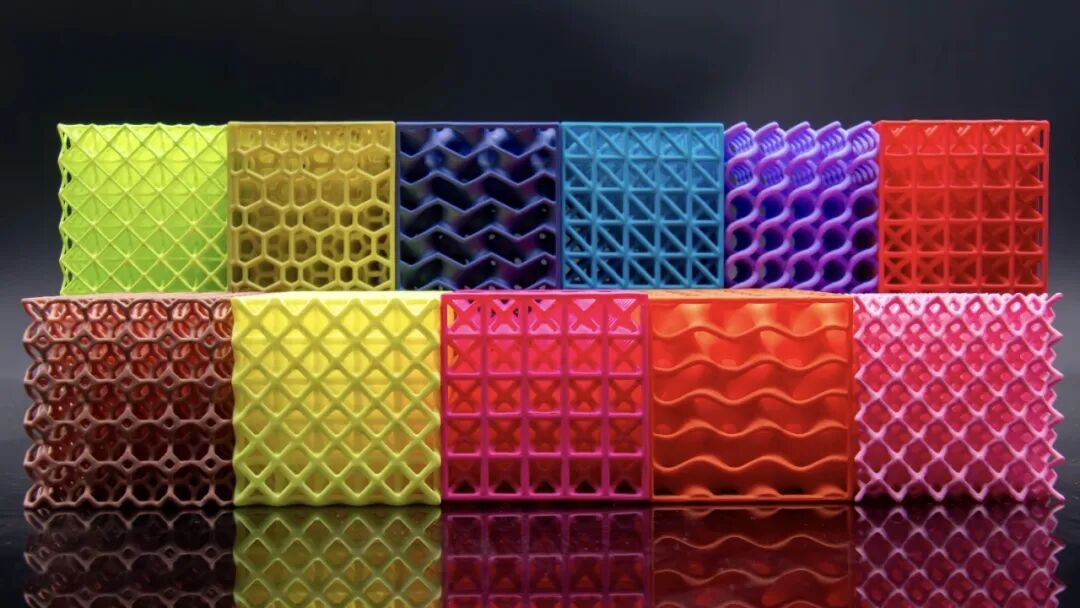 3D Printing Technology Application
Injection molding is like using an ice tray to make ice cubes, pouring liquid into the mold, and waiting for it to solidify before demolding. However, if there are many suspended details inside, the mold cannot be completely “pulled out.” CNC machining is like carving wood, where tools cut away excess material layer by layer. However, tools can only enter from the outside, and when faced with complex internal cavities and interwoven grids, they quickly get “stuck.”
Traditional processes are better suited for processing solid bodies or regular shapes but cannot handle the intricate and complex internal structures of lattices. 3D printing offers a new path.
The principle of 3D printing is the opposite of traditional processes; it does not require demolding or cutting materials but instead builds up layer by layer based on three-dimensional model data, directly creating a physical model that is completely consistent with the corresponding digital model. It is formed in one piece, with no excess joints, which also helps avoid looseness and noise to some extent. The layer-by-layer stacking method not only saves materials but also makes the manufacturing of complex structures feasible.
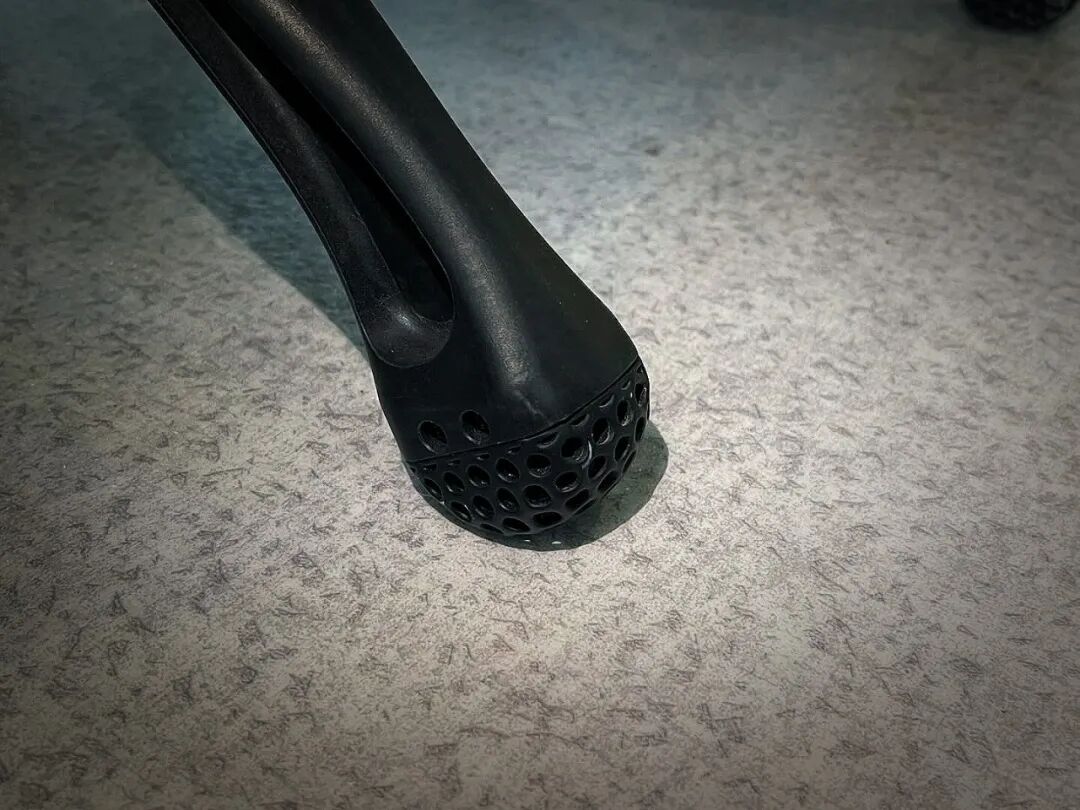 Vbot quadruped robot silent foot pad
In the process of creating a robot, we constantly ponder how humans and machines can coexist more naturally and comfortably. We hope that when robots enter homes, they are not only smart and reliable but also “quiet.” The combination of lattice structure and 3D printing has allowed us to find a new balance between shock absorption and lightweight design, making it possible to “reduce footstep noise.”
We also welcome everyone to continue discussing with us: when robots enter our lives, what details are you most concerned about?







Some images sourced from the internet and papers:https://www.science.org/doi/10.1126/sciadv.adu9856