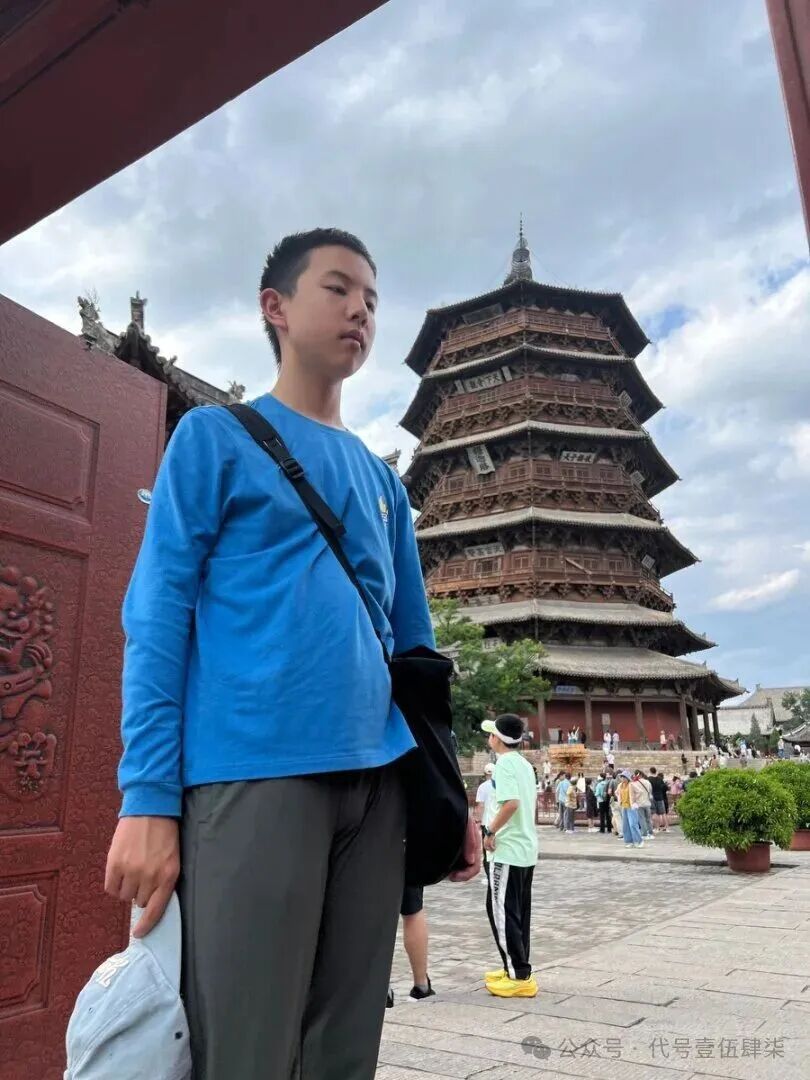
Since it is a self-driving tour, the focus is on freedom and relaxation, especially since the hotel we stayed at on the first day was the most expensive one.  So, on the first afternoon, after bathing at the hotel, we drove from Jiyuan to Datong. MVP was busy with homework, his father was working, and I was doing laundry… How familiar this scene is, a repeat of yesterday!In the evening, it was time to go out for food. Following the guidance of Baidu Maps, we headed towards the ancient city of Datong. It had just rained, and the weather was cool and pleasant. Walking through the tall, gray stone city gate, I felt light-hearted. Ah~~ the feeling of not having to go to work is wonderful.
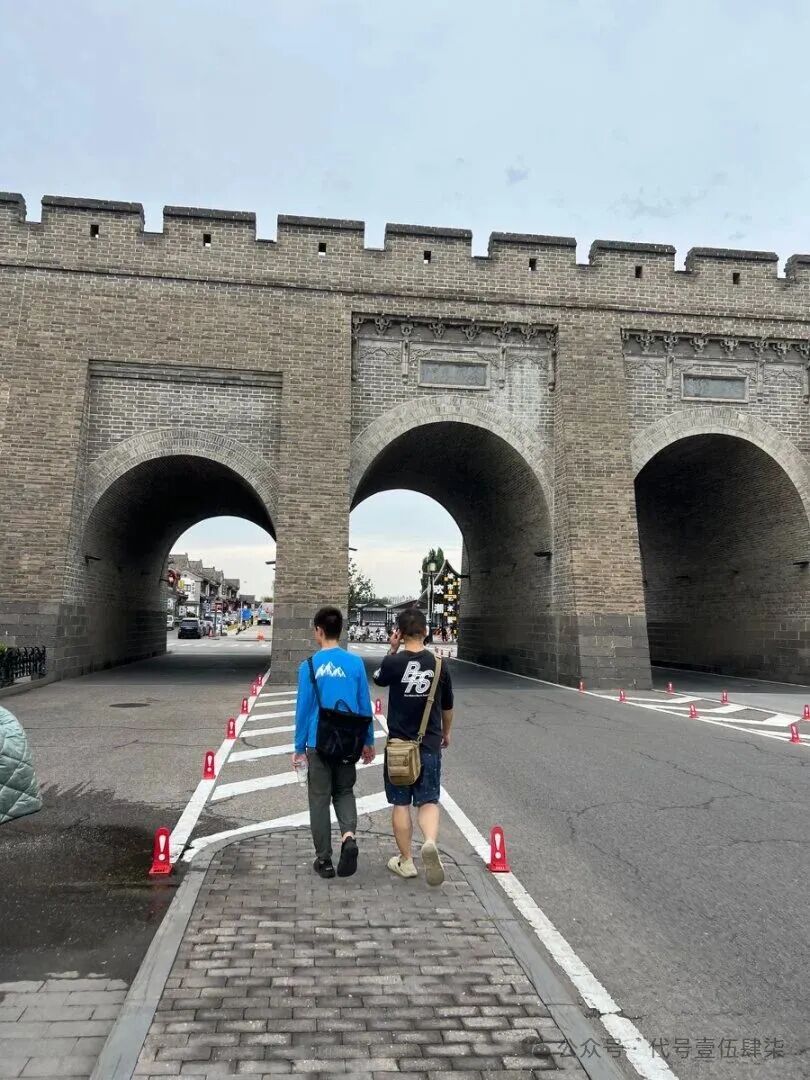 We bought a bottle of milk and a bottle of yogurt from a roadside dairy truck, a local brand, and they tasted great. MVP and I finished them quickly.The ancient city is similar to other ancient cities, built around some old attractions, creating a pedestrian commercial street filled with trendy shops, mainly targeting tourists from outside, taking photos, queuing, and eating similar trendy foods.
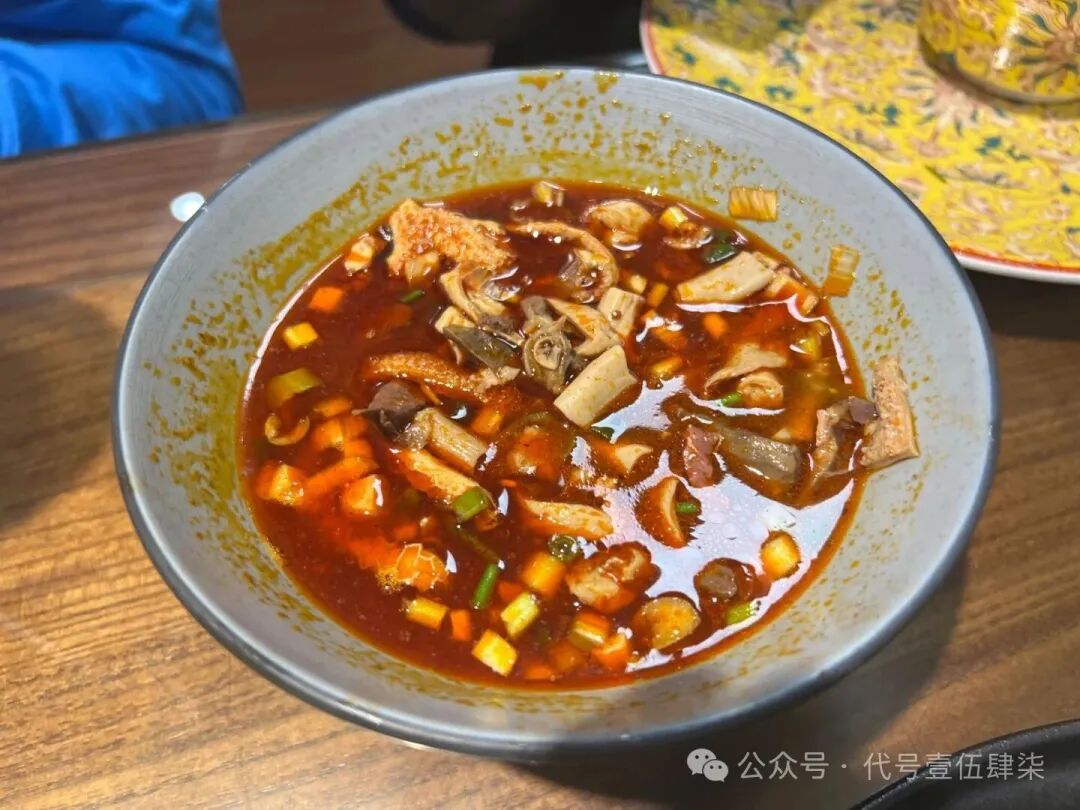
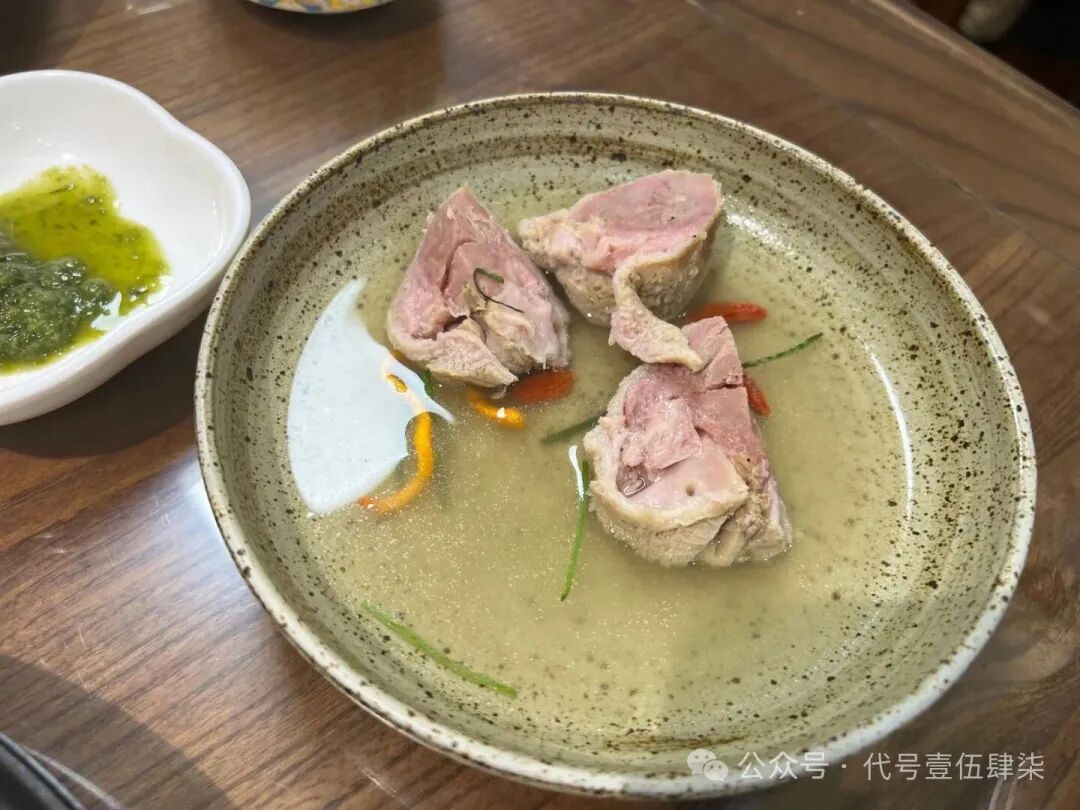
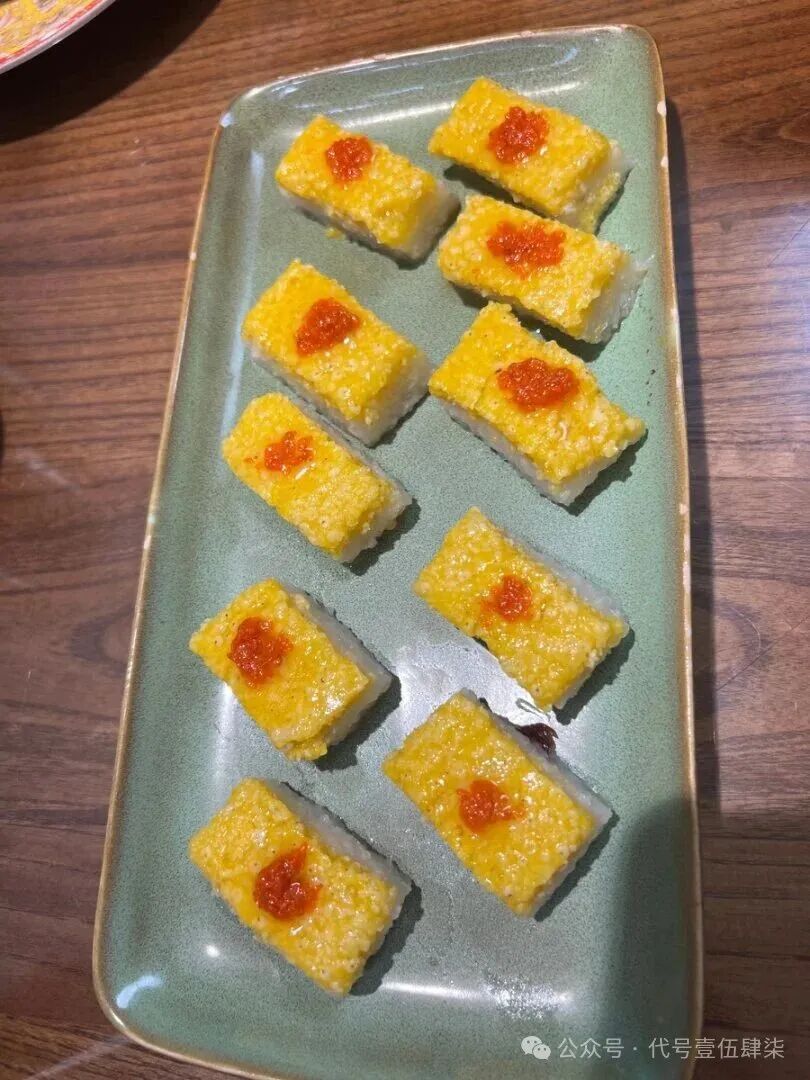
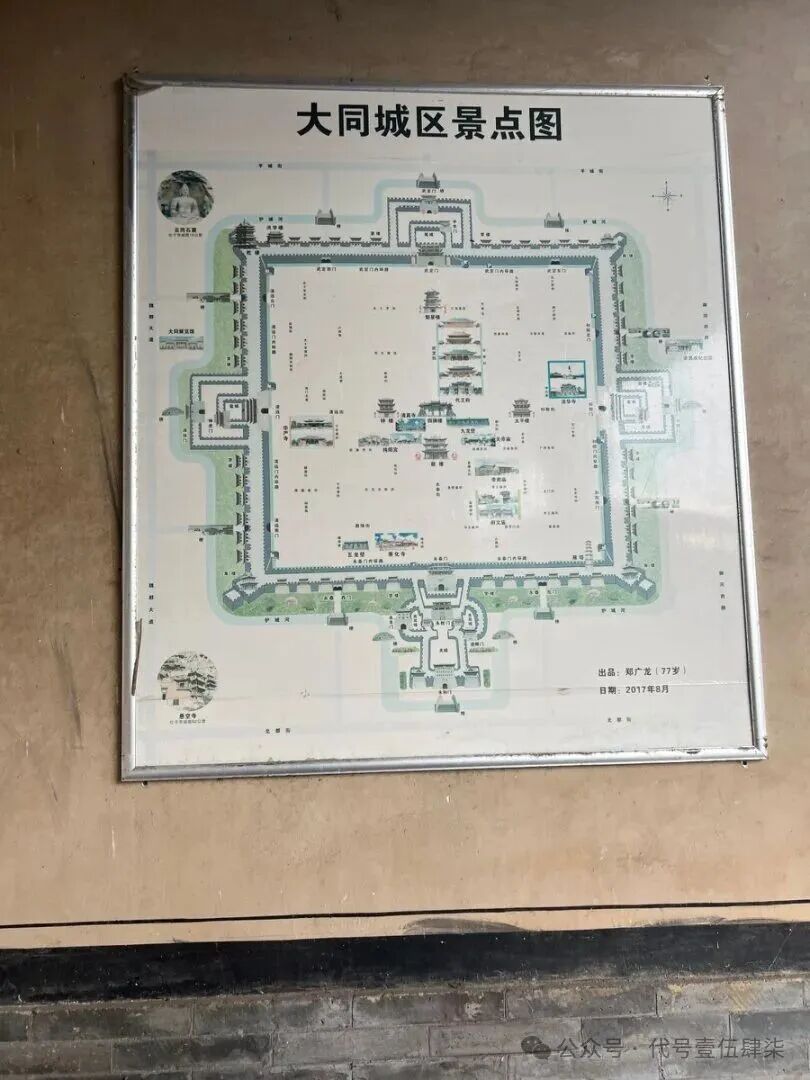 We strolled through the pedestrian street, enjoying sea buckthorn ice cream and aged vinegar ice cream. The sea buckthorn ice cream was delicious, while the aged vinegar ice cream had a strange taste. For dinner, we went to a popular chain restaurant called Cliff Lamb Restaurant. The wait time at the commercial street location was long, so we chose a restaurant on another street, which turned out to be the right decision. That restaurant was less crowded, and the food was indeed good; the lamb was not gamey, and the prices were reasonable. I had never tried lamb wrapped in tripe before, and it was quite impressive!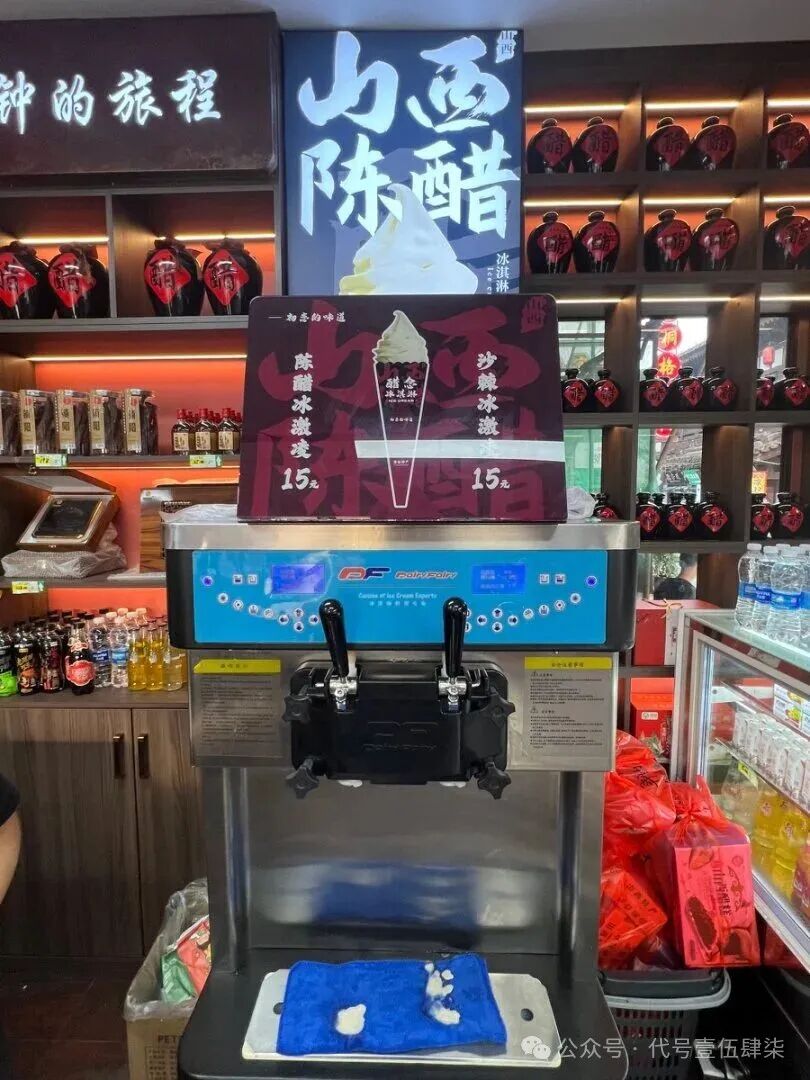
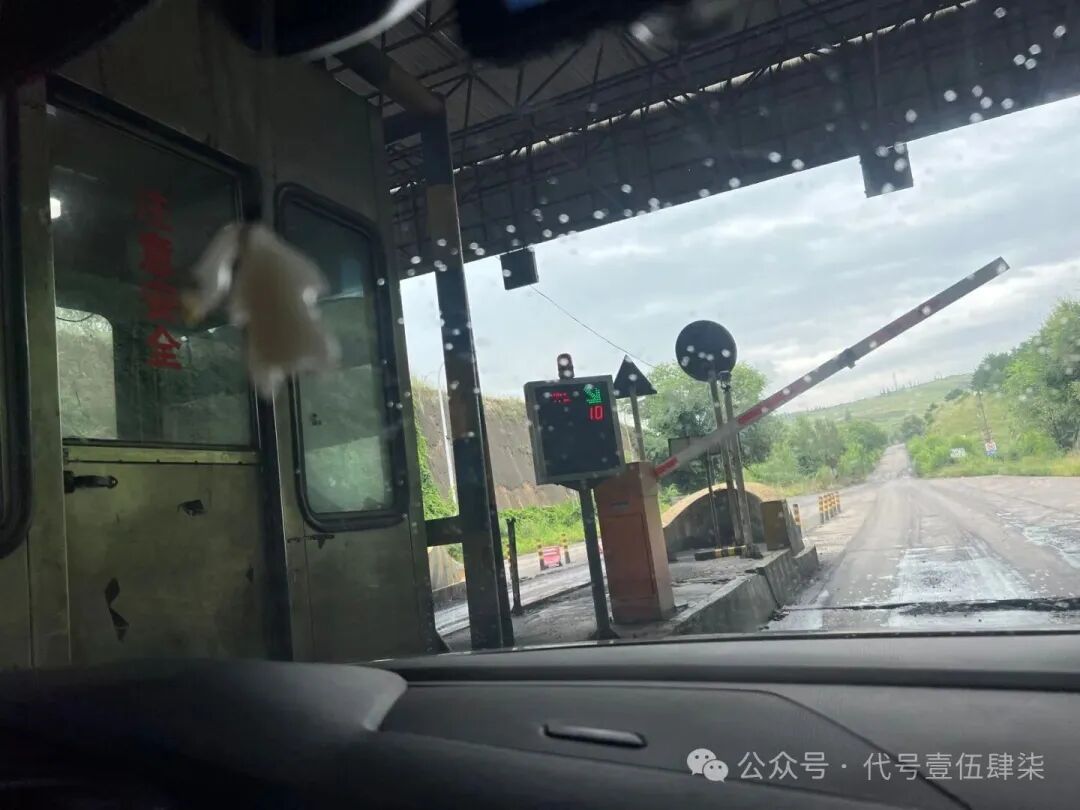
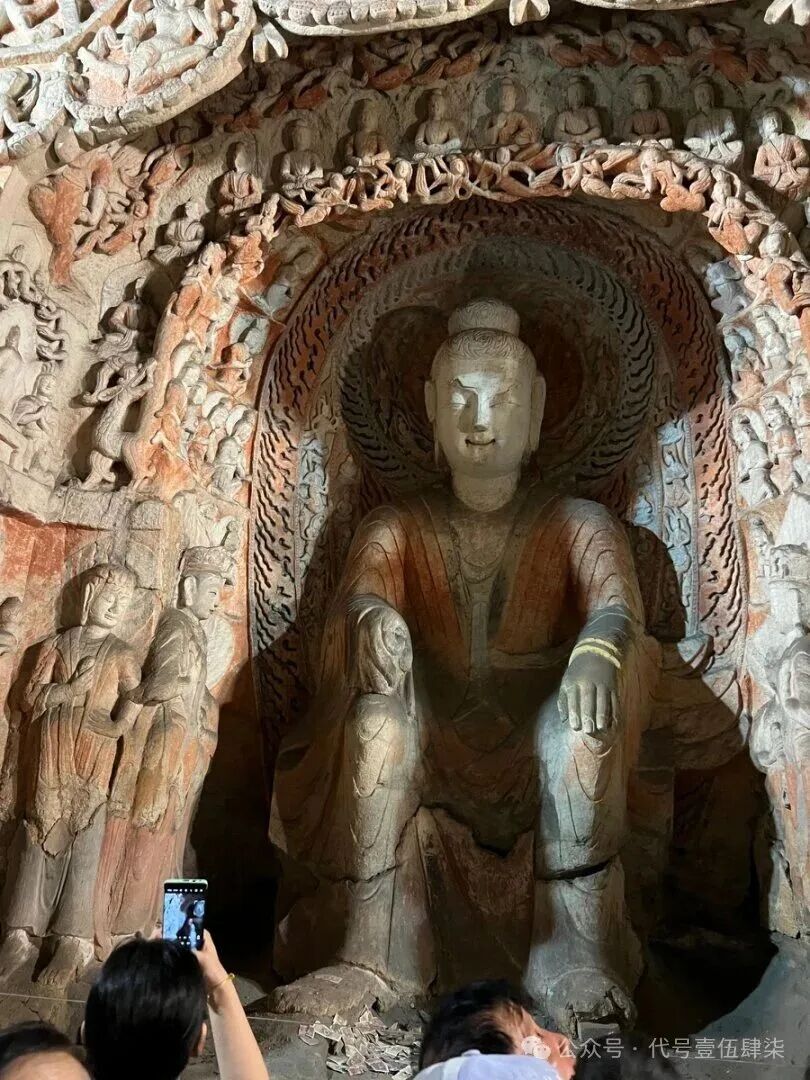 The next morning, we set off for the Yungang Grottoes, located in a valley. There are mines nearby, and many residential areas. Surprisingly, there is a 10 yuan toll for entering and exiting the valley, though the reason is unclear. The parking lot at the Yungang Grottoes is quite tight. The tour guide advised us to navigate to “Jinfu Garden,” an old residential area with free parking inside. After exiting the community, we turned left, crossed a stone bridge, and walked a few hundred meters to reach the south gate entrance and ticket office of the Yungang Grottoes scenic area.
  There is no need to elaborate on the introduction of the grottoes; the various styles and Buddha statues from different dynasties are indeed artistic treasures, large and exquisite, requiring immense human and material resources, and are a legacy for future generations, leaving one in awe. However, without a tour guide to explain, one can only skim through and see the sights.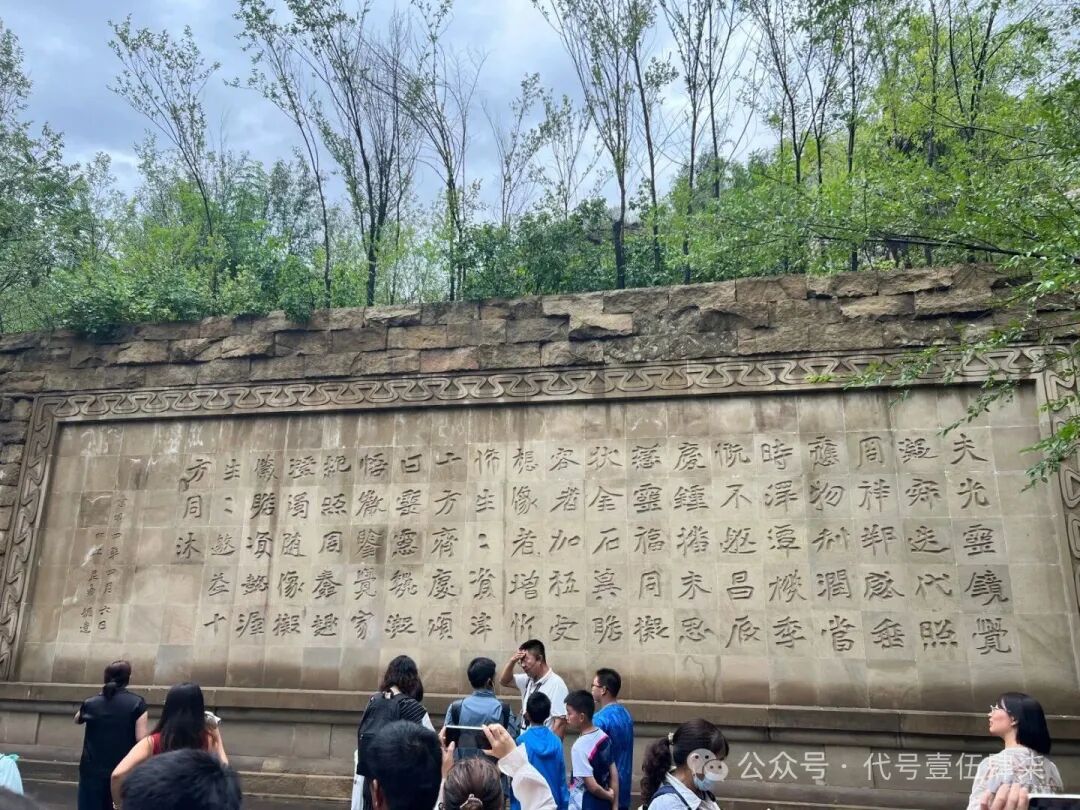
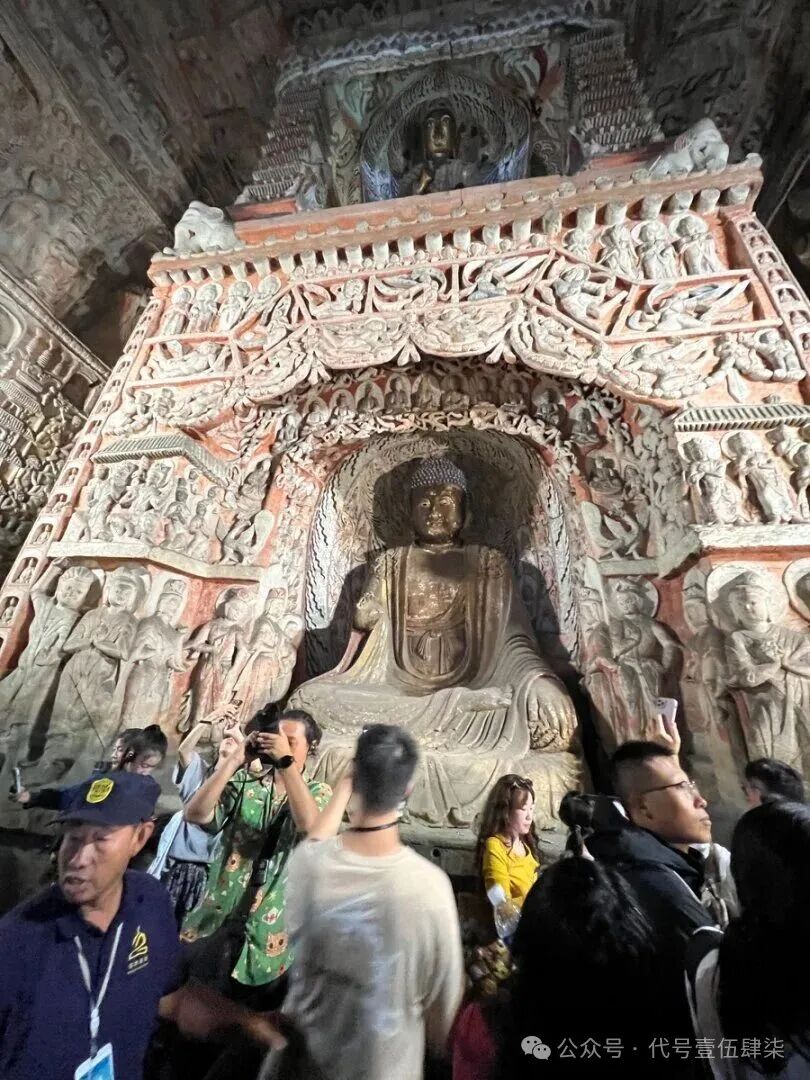
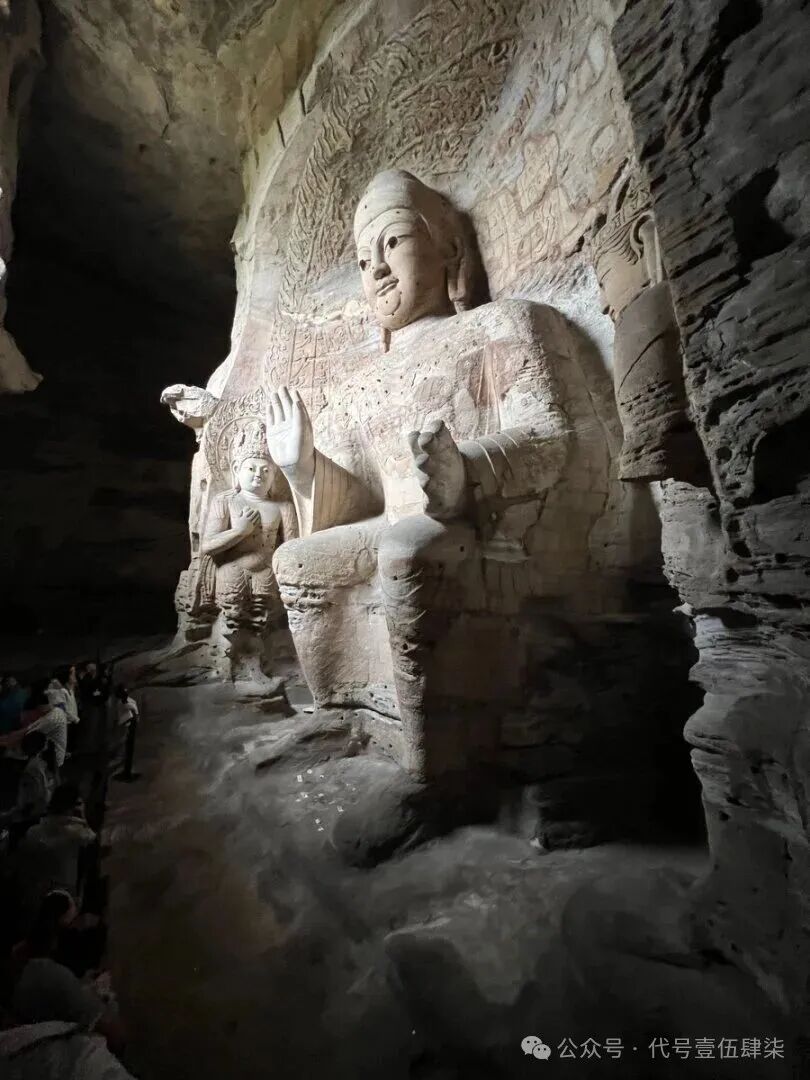
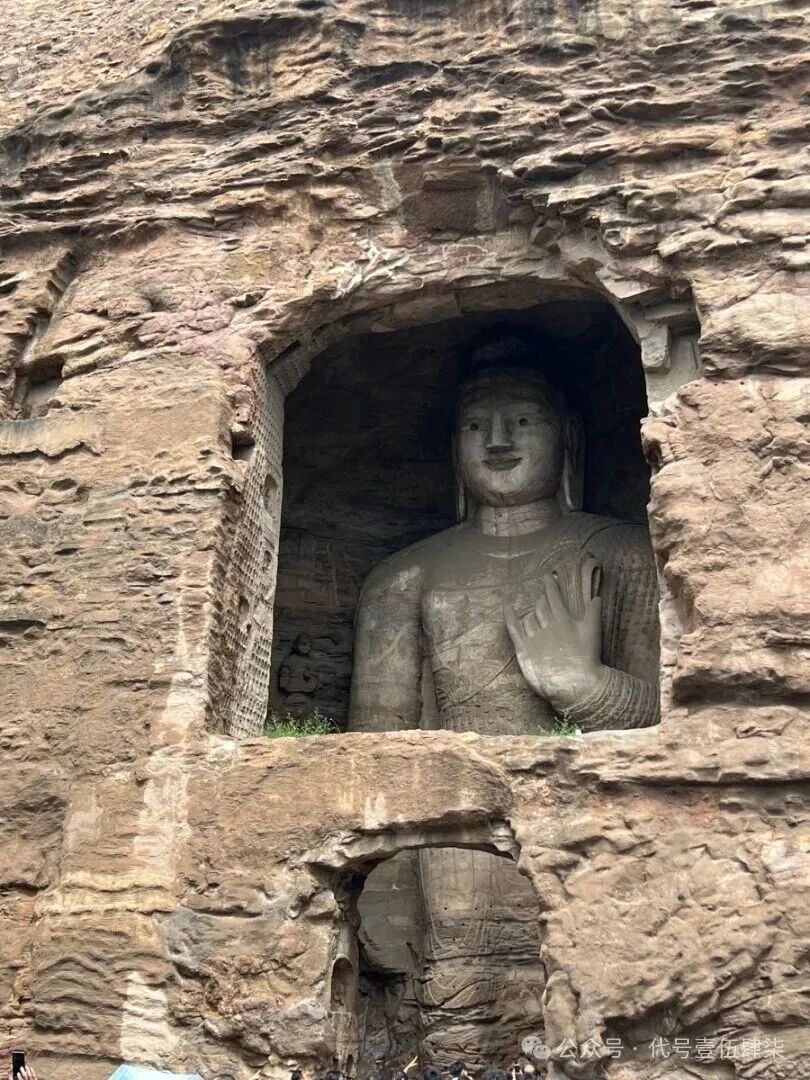
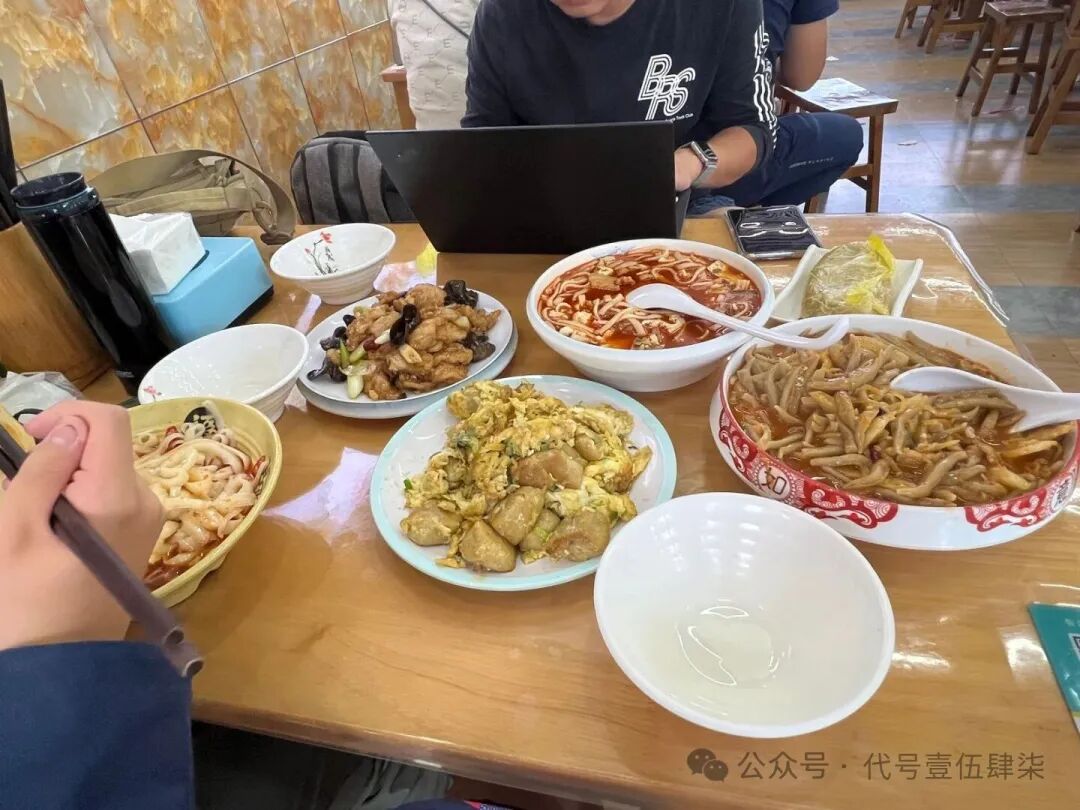
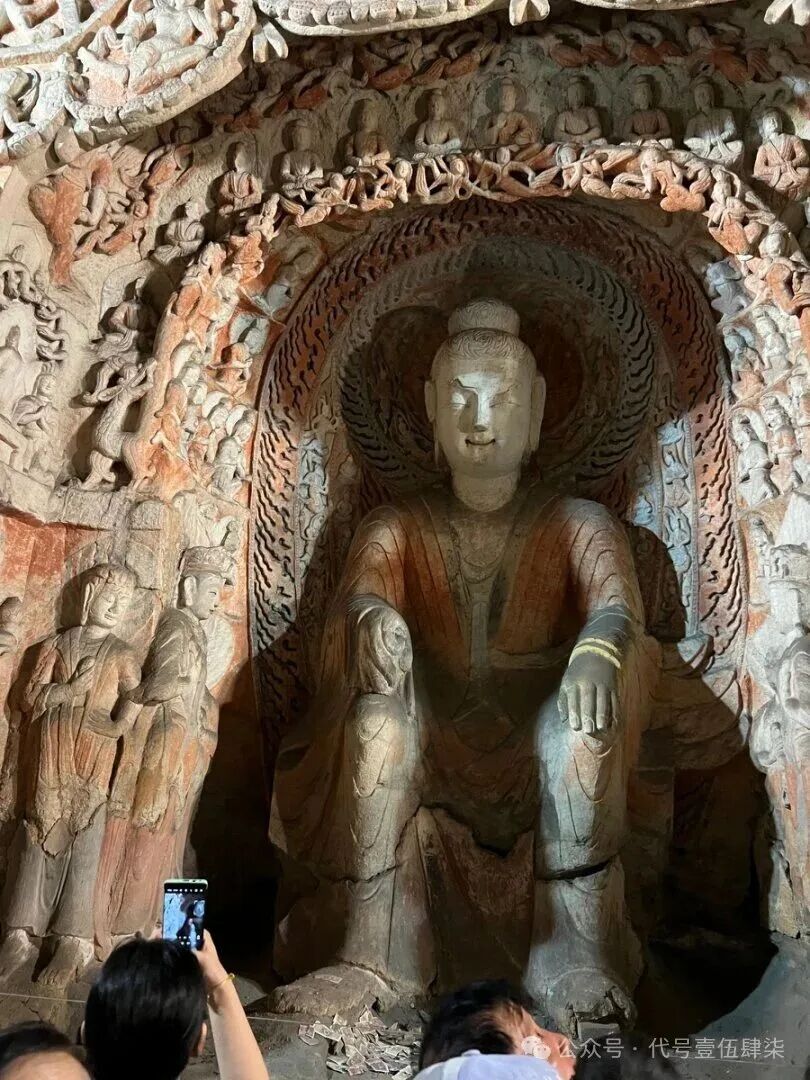 In the morning, we spent three hours among the bustling crowds, seeing the highlights of the Yungang Grottoes (visiting the Longmen Grottoes and Mogao Caves also had huge crowds), and we have now checked off all three of China’s major grottoes.In the afternoon, we headed to Yingxian to see the Yingxian Wooden Pagoda, which became popular due to Liang Lin. This is a scenic spot in a small county town. Due to the sudden influx of visitors, a brand new commercial street was built next to the attraction. However, the online traffic sources like Dazhong Dianping have not been sorted out yet, which is not very friendly for us, the out-of-town tourists relying on reviews to choose restaurants. In the end, we randomly picked a small local restaurant, and looking at the menu with many unfamiliar dishes, we ordered a bunch of random items, such as Yingxian hand-held bowls, egg fried cakes, vegetarian cakes, and fried meat. When the dishes arrived, we found that most of them were carbohydrates, and three of us couldn’t finish them; it was just too cheap, a whole table for only 100 yuan!
 At the Yingxian Wooden Pagoda, we hired a guide for the attraction, which was very cheap. However, it was obvious that the young lady was also a novice, reciting her lines to us, and when we asked deeper questions, she couldn’t answer. During the explanation, she mentioned that the wooden pagoda is continuously tilting, and there is currently no good method for correction and protection. One day, it may no longer be viewable (there’s a saying that many cultural relics in Shanxi are seen less and less).