Lightweight Embedded TinyML: The Perfect Combination of ESP32 and MicroPython
Lightweight Embedded TinyML: The Perfect Combination of ESP32 and MicroPython

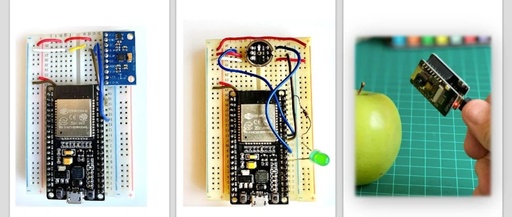
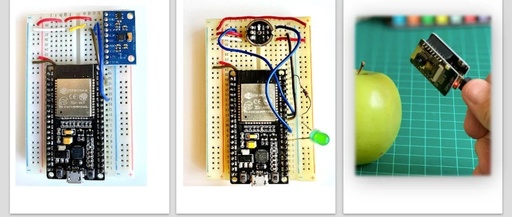
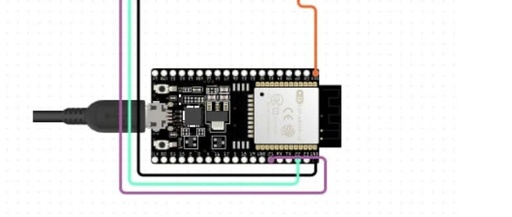
TinyML is rapidly becoming a popular technology in the Internet of Things (IoT) field, allowing machine learning models to run on resource-constrained microcontrollers. This article introduces the tinyml-esp project, which demonstrates how to develop TinyML applications on the ESP32 using MicroPython, implementing posture recognition based on accelerometer and gyroscope data. Project Overview: Implementing TinyML on … Read more

TinyML-CAM: Embedded Image Recognition System at 80 FPS with 1KB RAM

TinyML-CAM: Embedded Image Recognition System at 80 FPS with 1KB RAM

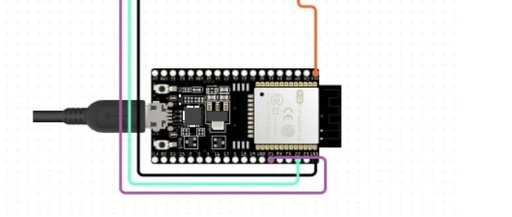
In the era of the Internet of Things (IoT) and edge computing, TinyML technology is becoming increasingly important. TinyML aims to deploy machine learning (ML) models on resource-constrained devices, making it possible to perform ML inference on microcontrollers. Next, we introduce TinyML-CAM, an efficient image recognition system based on the ESP32 platform. By using TinyML-CAM, … Read more

TinyML on ESP32: Create Your Micro Machine Learning Tool in Just a Few Steps!

TinyML on ESP32: Create Your Micro Machine Learning Tool in Just a Few Steps!

In recent years, artificial intelligence (AI) technology has developed rapidly, but the high power consumption and cost associated with high-performance hardware have limited its application on edge devices. TinyML has emerged, bringing the powerful capabilities of machine learning to resource-constrained microcontrollers like the ESP32. This article will take you deep into the tinyml-esp project, allowing … Read more

ESP32-TinyML: Unlocking The Power Of Embedded Micro Machine Learning!

ESP32-TinyML: Unlocking The Power Of Embedded Micro Machine Learning!

The ESP32-TinyML project brings powerful micro machine learning capabilities to Internet of Things (IoT) devices, allowing you to run complex machine learning models on the resource-constrained ESP32 microcontroller. This article introduces the project, explores its features, usage, and potential applications. Project Overview: Running TinyML on ESP32 The ESP32-TinyML project provides a complete set of tools … Read more

TinyML Breakthrough: Sensing MCU Status Through Induced Current

TinyML Breakthrough: Sensing MCU Status Through Induced Current

Introduction: Imagine being able to decipher the internal operational status of a target device merely by monitoring its induced current, without any physical contact. This sounds like a plot from a sci-fi movie, but thanks to the rapid advancements in TinyML technology, it has become a reality! The CurrentSense-TinyML project launched by the Santander security … Read more

ESP32-TinyML: Empowering Your Micro Devices with AI

ESP32-TinyML: Empowering Your Micro Devices with AI

In recent years, artificial intelligence technology has developed rapidly, but its applications are often limited to large servers and high-performance devices. However, with the rise of TinyML technology, embedded devices can now possess an ‘AI brain’. The ESP32, as a cost-effective microcontroller, has become an ideal platform for TinyML. This article will introduce ESP32-TinyML in … Read more

The Key to Edge AI Popularization Is Software

The Key to Edge AI Popularization Is Software

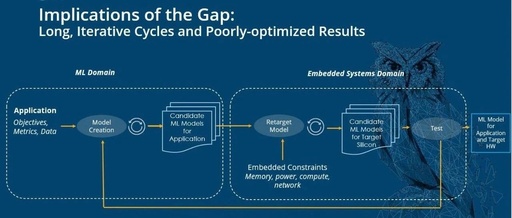
Everyone loves to talk about edge AI, but they rarely mention the long-standing gap between AI and the embedded world. Edge AI designers are caught in an endless cycle of ‘optimization’, having to tweak neural network models on hardware to achieve acceptable accuracy. They urgently need tools to lighten their burden. This is crucial for … Read more

What Is Edge AI Chip?

What Is Edge AI Chip?

1: Classification of AI Chips There are many AI chips on the market, dazzling to behold. Based on their application scope, they can generally be divided into several categories. Terminal AI Chips: Terminal AI chips require low power consumption and relatively low computational power, mainly for AI inference applications. Terminal AI chips are represented by … Read more

Edge AI – Open & Closed Area Endpoint Detection

Edge AI - Open & Closed Area Endpoint Detection

The Importance of Edge AI (Endpoint AI) Edge computing can effectively reduce the consumption of computational resources and alleviate the pressure on cloud computing centers or servers. Edge computing can reduce data transmission latency. Especially in scenarios where real-time performance is required, such as autonomous driving and real-time translation, data transmission delays can severely impact … Read more

Edge Artificial Intelligence: Transforming Industrial Processes

Edge Artificial Intelligence: Transforming Industrial Processes

Click above to follow Industrial 4.0. e-works encourages original content; for submissions, please refer to the “Original Submission” guidelines on our homepage. ✎ Introduction Manufacturing companies are increasingly focusing on the value of edge-hosted artificial intelligence in enhancing process control and automation operational efficiency and resilience, especially in remote sites or places where cloud connectivity … Read more