Comparison and Analysis of Interrupts and Core Independent Peripherals in Microcontrollers
Comparison and Analysis of Interrupts and Core Independent Peripherals in Microcontrollers

CIP (Core Independent Peripheral, independent of the core peripherals) functionality has been discussed in previous articles. CIP can alleviate some of the workload of the interrupt system, but it cannot completely replace it. Both have their own advantages and disadvantages in terms of operational characteristics, and this article provides an analysis of their pros and … Read more
Understanding the Role of RAM in Microcontrollers!

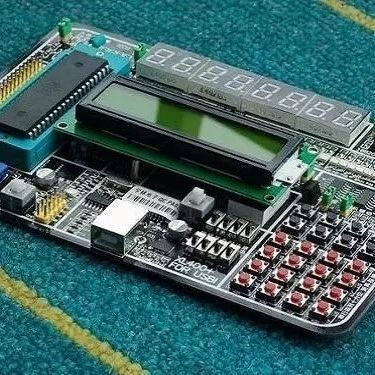
Understanding the Role of RAM in Microcontrollers!

A microcontroller is essentially a small computer, and just like a large computer, it requires a data storage system. Microcontrollers have this capability, often integrated with the CPU, making them compact and flexible.Until the early 1990s, the most accessible microcontroller in China was the 8031: a chip without built-in memory, requiring external RAM and ROM … Read more

Embedded Learning Path Showdown: Step-by-Step vs. Hands-On Microcontroller Learning, Which is Right for You?

Embedded Learning Path Showdown: Step-by-Step vs. Hands-On Microcontroller Learning, Which is Right for You?

Introduction: Why Choosing the Right Learning Path in Embedded Systems is More Important Than Effort? University students who are new to embedded systems often face a profound question:“Should I finish learning C language and digital electronics before tackling microcontrollers, or should I dive straight into hands-on development with a development board?” Step-by-Step Approach: Believes that … Read more

Creative Electronic Design Training Camp – Session 12 Projects

Creative Electronic Design Training Camp - Session 12 Projects

Creative Electronic Design Training Camp Session 12 Projects Registration Instructions Hello everyone! Welcome to register for the Creative Electronic Design Training Camp – Session 12. This session offers 22 topics for groups to choose from. Please form teams based on your personal preferences. The registration channel will open shortly. Interested students can also contact the … Read more

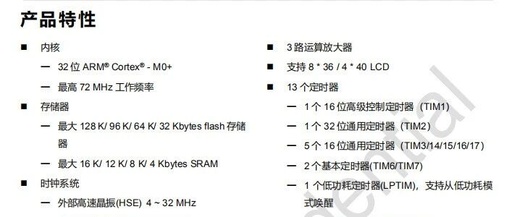
PY32F071 Microcontroller: M0+ Core with 72MHz Main Frequency, 128K Flash, USB, and Built-in OP

PY32F071 Microcontroller: M0+ Core with 72MHz Main Frequency, 128K Flash, USB, and Built-in OP

The PY32F071 series microcontroller features a high-performance 32-bit ARM® Cortex®-M0+ core. It integrates up to 128 Kbytes of flash and 16 Kbytes of SRAM memory, with a maximum operating frequency of 72 MHz. The chip includes multiple communication peripherals such as I2C, SPI, USART, a 12-bit ADC, 2 DACs, 13 timers, 1 USB 2.0, 3 … Read more

ACROVIEW Programmer Supports Nuvoton’s Low-Power Microcontroller M483SGCA

ACROVIEW Programmer Supports Nuvoton's Low-Power Microcontroller M483SGCA

ACROVIEW, a leader in the chip programming field, announced the expansion of its compatible chip model list alongside the release of its new programming software. Among the newly added models is Nuvoton’s low-power microcontroller M483SGCA, which is now supported by the ACROVIEW universal programming platform AP8000. The M483SGCA is a high-performance, low-power microcontroller based on … Read more

Design of an Intelligent Home Water Heater Based on MCU

Design of an Intelligent Home Water Heater Based on MCU

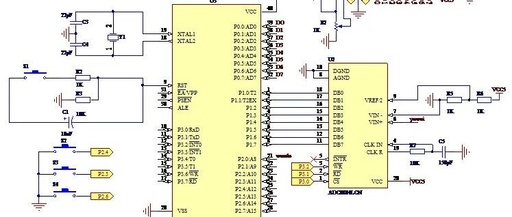
Electric water heaters are a very popular household appliance with a high usage rate. Traditional electric water heaters on the market have low control accuracy and poor reliability. As people’s quality of life improves, their requirements for electric water heaters are increasingly leaning towards intelligence and digitization. Currently, the electric water heaters sold on the … Read more

MCU Micro Classroom | CKS32K148 LPI2C

MCU Micro Classroom | CKS32K148 LPI2C

MCUMicro Classroom CKS32K148 LPI2C Issue 60 2025.09.16 LPI2C (Low Power Inter-Integrated Circuit) is a low-power I2C interface module in the CKS32K148 microcontroller. The CKS32K148 MCU features two LPI2C modules, LPI2C0 and LPI2C1, supporting communication rates of standard mode (100 kbps), fast mode (400 kbps), fast+ mode (1 Mbps), and high-speed mode (3.4 Mbps). Main Features … Read more