I am closely related to DFM – Design for Manufacturability analysis, which serves as a bridge between R&D and production. I often interact with electronic engineers, PCB layout engineers, and factories, and there is a lot of knowledge to understand, including PCB manufacturing, PCBA processes, PCBA assembly, components, reliability design, etc.
In the future, I will share related content about DFM analysis on Toutiao. If you find it useful, I hope you can give it a thumbs up. If there is anything unclear, please feel free to provide guidance.
Today, let’s start with a simple introduction to DFM. (Just to clarify, I’m not trying to say how important I am; I’m just a small cog in the machine.)
1. What Is DFM?
There is a definition on Baidu, and I’ve taken a screenshot of it; you can refer to the image below. Here, I’ll express it in my own words: DFM analysis is essentially the bridge between R&D and production, facilitating communication between the two by simplifying, optimizing, and improving product design to manufacture better products at lower costs.
DFM analysis starts with considering manufacturability from the product development design stage, ensuring a close connection between design and manufacturing, achieving the goal of successful manufacturing from design in one go.
The specific situations are as follows:
-
Identify potential issues during the design phase and provide solutions
-
Avoid design errors in components
-
Opportunity for appropriate component substitution to improve quality or reduce costs while meeting original requirements
-
Improve production efficiency of processes and component quality
-
Reduce product manufacturing costs
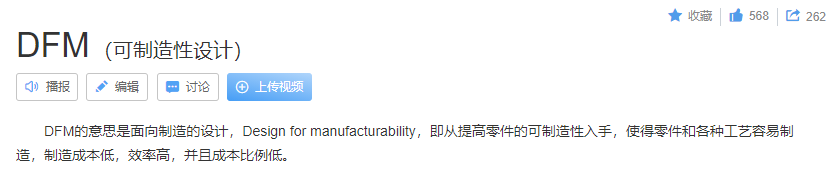
Screenshot of the DFM definition from Baidu
2. Why Is DFM So Important?
Company Goals: Low cost, High output, Good supply capacity, Long-term reliable products. In other words, producing better products for less money, and DFM can largely meet the needs of enterprises. DFM is crucial for efficiency, speed, and high productivity.
Many people believe that about 70% of product manufacturing costs come from the initial design phase, such as materials or production, so DFM has a significant ability to reduce costs. In addition, DFM can also play a role throughout the entire manufacturing and production process.

Influence diagram of product cycles (source: internet)
Here are a few specific points:
-
Using DFM can reduce production costs
-
Accelerate time to market for products
-
Shorten development costs
-
Reduce the number of revisions or unnecessary modifications, thus reducing development costs
-
Lower rework and repair costs
-
Identify errors and faults and avoid them
-
Provide higher quality products as design improvements can be made at each stage
As an engineer myself, from an engineer’s perspective,DFM analysis saves engineers a lot of trouble. No need to be rushed by bosses, no need to stay up late modifying boards, no need to bear pressure from multiple parties, and it can also reduce the number of times being reprimanded.
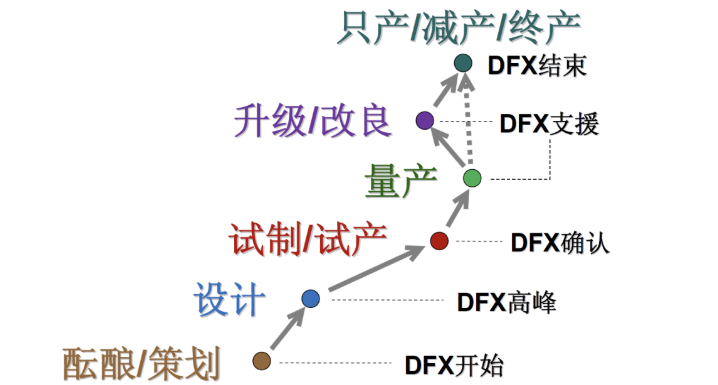
Application of DFM at various stages of product development
3. What Happens If There Is No DFM?
Designing according to DFM requirements is crucial for efficiently assembling printed circuit boards. Here are some common problems that may arise if DFM analysis is not conducted.
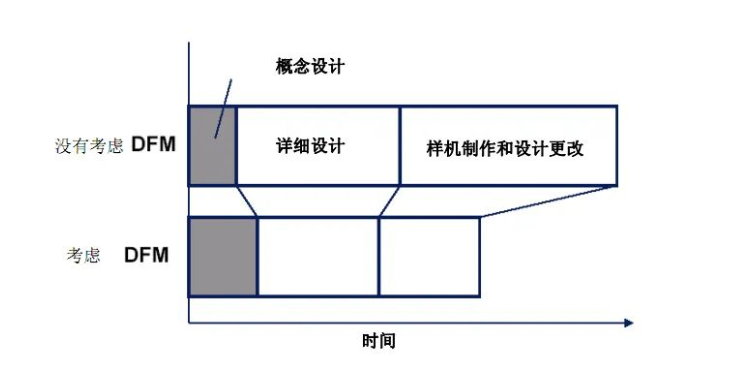
The importance of DFM
1. No optimal selection based on material prices and availability
The prices of electronic components may vary due to the supply chain, which can have unexpected effects on PCB assembly. Although this has little impact on sample costs, once put into production, costs can rise rapidly.
For example: If an electronic component used 10 times in the design costs an extra dollar, adding a dollar to one board is insignificant, but what about 10,000 boards? That’s 10,000 dollars. Considering all components on the PCBA, even a one-dollar difference can lead to huge cost disparities.
This is just one example, but in reality, there may be far more than 10,000 boards.
Of course, it’s not just about price; different suppliers and distributors may have varying applications for components. If a material is low-priced but cannot be used during production, it may cause significant manufacturing delays.
Especially at the end of the product production cycle, if materials are marked as not meeting new designs, lifespan standards, or are outdated, it is necessary to redesign the circuit board to accommodate updated materials, which may lead to staying up late to modify boards.
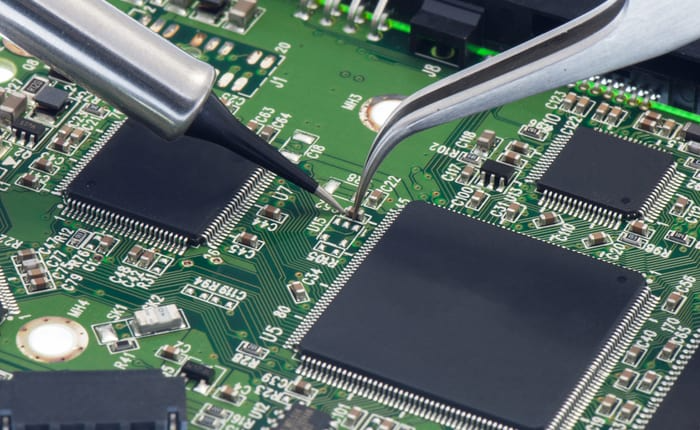
Placement diagram
2. PCBA assembly failure
If materials do not match the PCB, it can lead to many errors during manufacturing. Here are a few common ones:
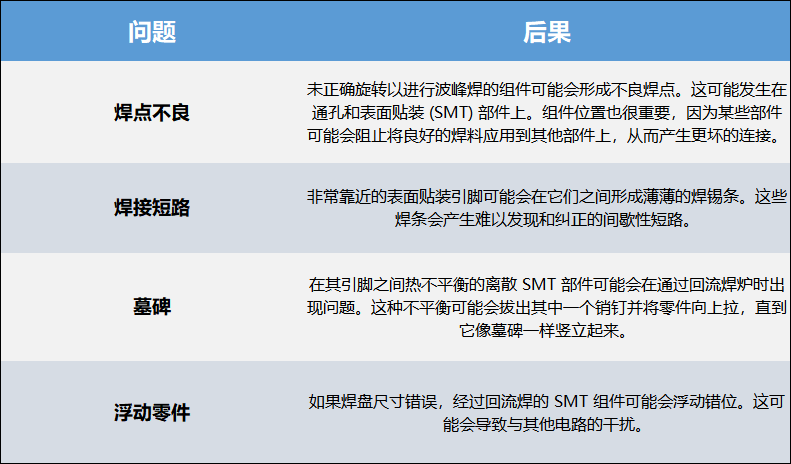
Of course, only a few are listed here; in reality, there could be more issues. Any mismatched materials may require manual soldering or even redesigning, which means slowing down PCB manufacturing and spending more time and money.
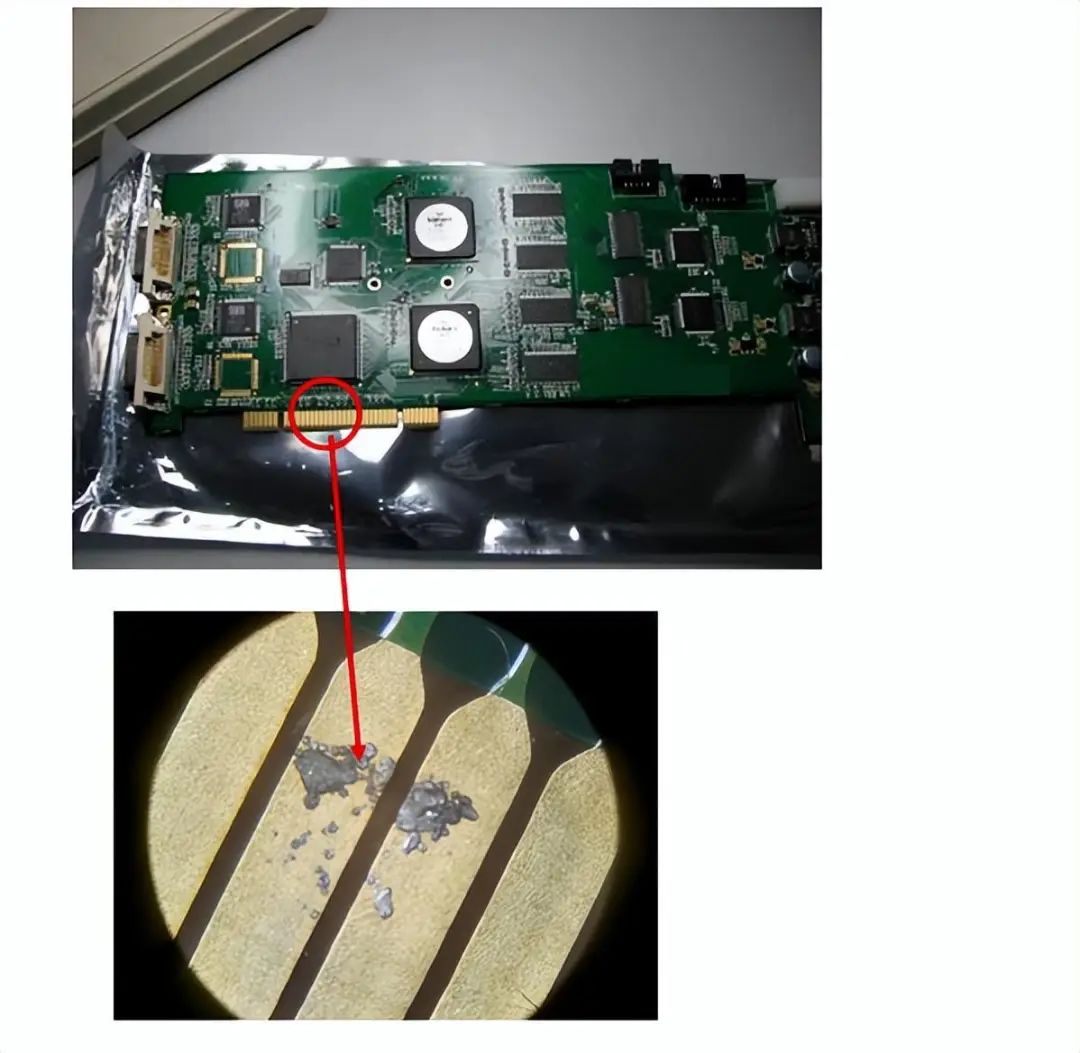
Gold finger soldering diagram (source: internet)
3. Reliability design
Reliability design is also a common issue; circuit designs do not account for PCB assembly and usability. Suppose the product is to be used outdoors and must withstand high temperatures, but this was not considered during design. Such products may fail to meet standards during testing, leading to redesign, material selection, and possibly other issues during subsequent production.
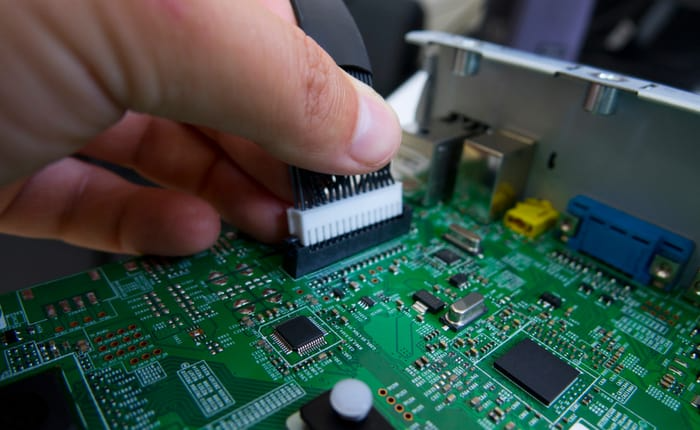
Manual soldering of components diagram
4. How to Apply DFM in Product Production?
1. Start from the schematic
When designing the schematic, designers will select the necessary materials, usually based on the functionality needed, but many other factors must also be considered, including material prices, reliability, and lifespan. Considering these factors during the design phase can save a lot of trouble and avoid issues for manufacturers.
It’s worth mentioning BOM; there are many material selection matching tools available on the market that can solve significant problems. However, when it comes to discontinuation, alternative selections may pose some challenges.
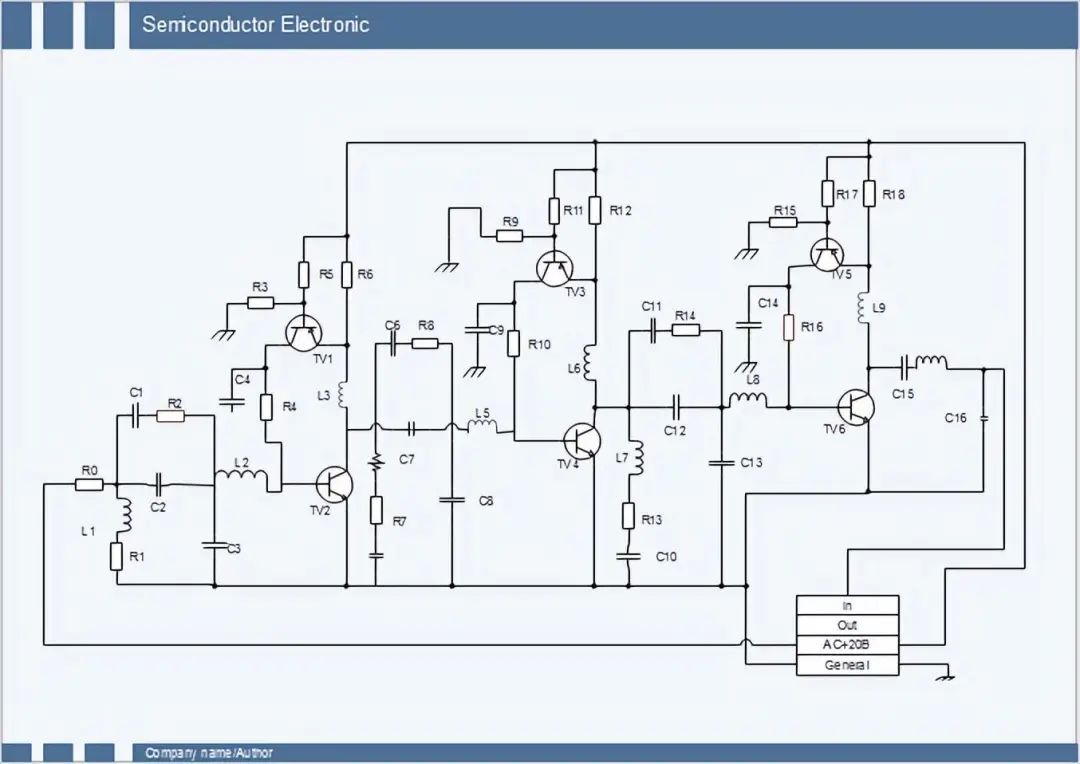
Schematic diagram
2. PCB Layout
PCB layout is also an essential part of the design; it involves crucial decisions about how to set up the circuit board and directly affects the manufacturing method.
1) Single-layer, double-layer, or multi-layer boards?
Double-layer boards are usually used for signal integrity and thermal management, and it is also necessary to consider the manufacturability of the board. For example, determining the required board thickness for the best drilling aspect ratio needs different circuit board materials or changes in the number of layers.
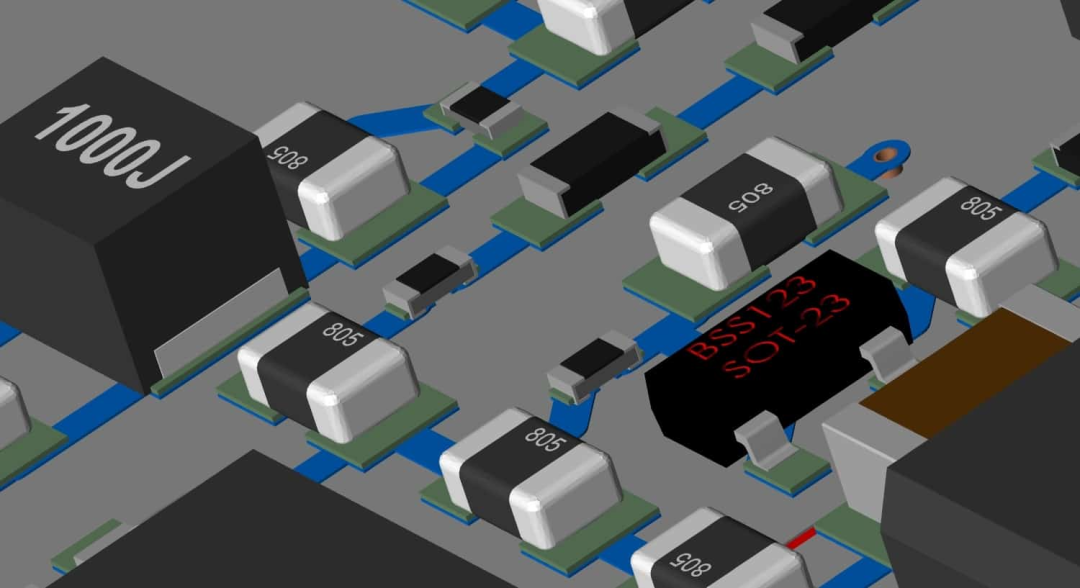
2) PCB model profile
Determining the model and profile of the PCB requires detailed shapes and dimensions, including the placement of fixed components, vias, slots, etc. Care must be taken here to avoid errors in redesign and assembly.
3) Materials
To avoid soldering issues during assembly, materials must be prepared in advance.
3. Place and route according to DFM requirements
PCB component layout and routing need to be arranged for the shortest signal paths in high-speed and power circuits to achieve optimal electrical performance. PCB designers must balance the electrical and manufacturing requirements of the circuit board, which is crucial.
Pay attention to the following points:
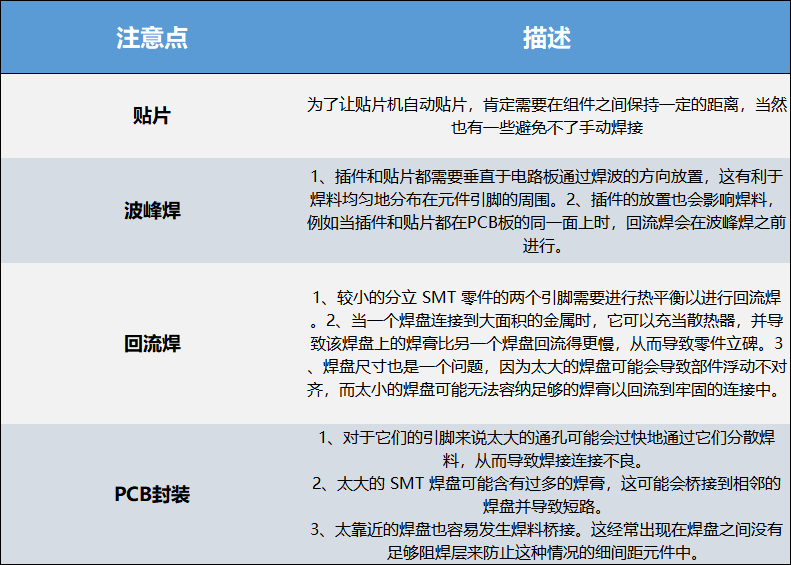
4. Finalize design and documentation
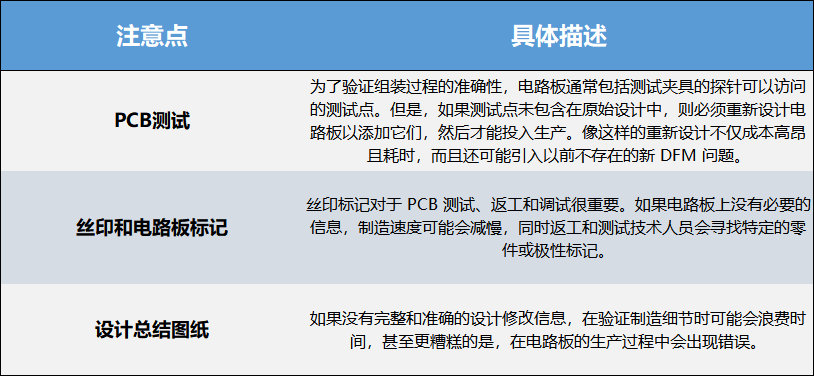
Besides layout and routing, many other tasks during PCB layout can affect the manufacturability of the circuit board:
This concludes a brief introduction to DFM, and I hope it will be useful to everyone. I welcome everyone to provide further guidance.
Further Reading:

1.[FMEA] New Edition FMEA Knowledge Collection

2.[CSR]Customer Special Requirements CSR Collection

3.[Special Characteristics] Special Characteristics Management Collection

4.[Equipment Management] Equipment Maintenance Management Collection

5.[IATF16949] IATF16949 System Knowledge Collection
THE END

Copyright Statement:This WeChat public account (IATF16949) publishes articles, some of which are sourced from the internet. Unless it is genuinely unconfirmable, we will indicate the author and source. Some articles may not have been able to contact the original author when pushed. If there are copyright issues, please contact us, and we will delete or process it within 24 hours. Thank you! If there are any inaccuracies, please feel free to criticize and correct.
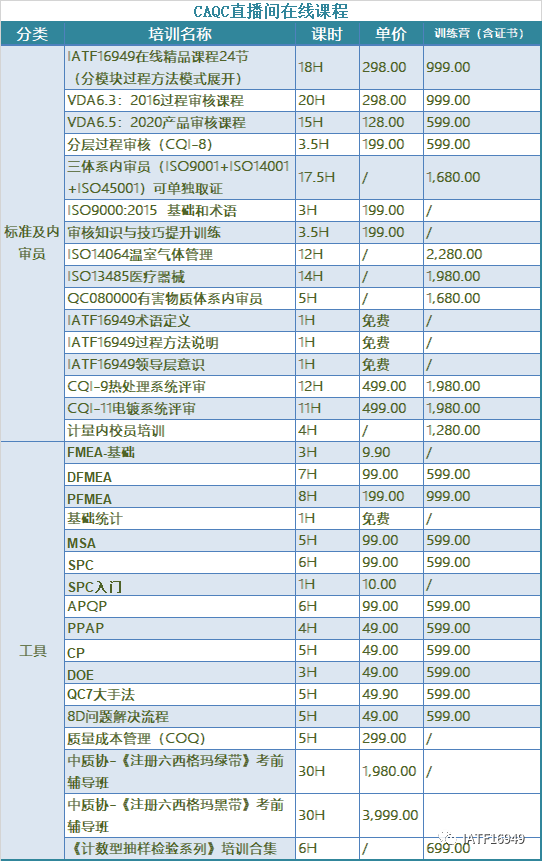
Click to read the original text to enter the live broadcast room for purchase or audition. Any questions are welcome to call the customer service hotline: 051265561989/051265561969
Add to the group or consult specific course content
Scan to add customer service WeChat for consultation



Click “Read Original” to enter the live broadcast room
Before you leave, please give a thumbs up and “looking“

THE END
Copyright Statement:This WeChat public account (IATF16949) publishes articles, some of which are sourced from the internet. Unless it is genuinely unconfirmable, we will indicate the author and source. Some articles may not have been able to contact the original author when pushed. If there are copyright issues, please contact us, and we will delete or process it within 24 hours. Thank you! If there are any inaccuracies, please feel free to criticize and correct.
Click to read the original text to enter the live broadcast room for purchase or audition. Any questions are welcome to call the customer service hotline: 051265561989/051265561969
Add to the group or consult specific course content
Scan to add customer service WeChat for consultation
Before you leave, please give a thumbs up and “looking“