Previously, intelligent monitoring systems for safety production used Hikvision cameras, with algorithm analysis performed through a backend intelligent management platform and super brain to automatically alert unsafe behaviors (such as smoking or not wearing safety helmets). The topology diagram is as follows:
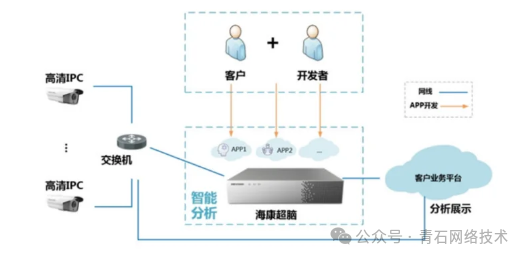
Figure 1: Hikvision Intelligent Analysis Camera Network Topology
This solution has a wide range of application scenarios, but its only drawback is the high cost. On one hand, Hikvision’s intelligent cameras are expensive (2000-3000 yuan), and on the other hand, the management backend requires additional management modules based on the number of algorithm types (charged separately), and the entire system is not compatible with cameras from other brands (such as Dahua, Uniview, Tiandy, etc.).
Recently, I encountered a device called an Edge Computing Box, which is also used for intelligent monitoring functions. However, its algorithm functions are not completed in the backend but at the front end. The edge box and cameras are connected to the access layer switch. Typically, an eight-channel video camera requires one edge box. The diagram is as follows:
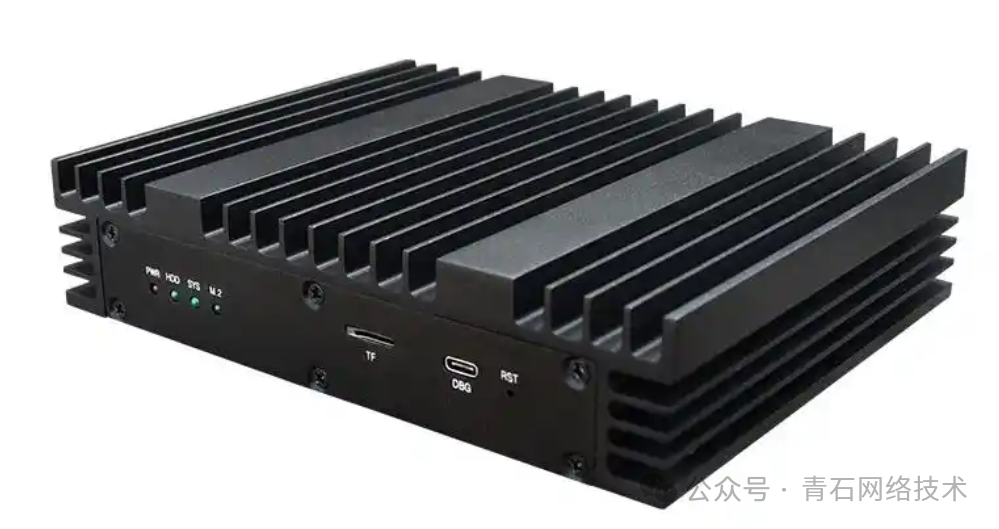
Figure 2: Edge Computing Box
An Edge Computing Box is a device used for edge computing, typically including functions such as computing, storage, networking, and security. It is usually a small computer that can be placed near IoT devices, sensors, or other edge devices to process and compute the data generated by edge devices and transmit the processing results to the cloud or elsewhere. The network topology diagram is as follows:
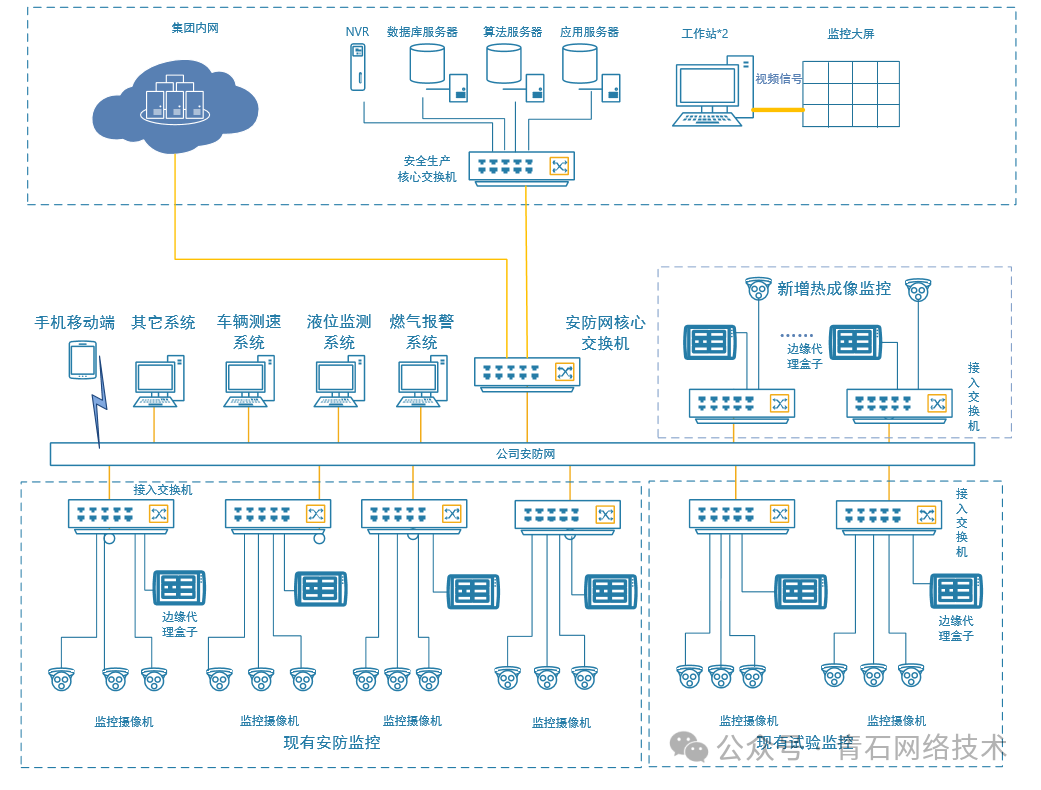
Figure 3: Edge Proxy Box Network Topology
The design of the Edge Computing Box is primarily to meet the needs of IoT devices and sensors in edge computing, such as real-time data analysis, local storage, data encryption, and privacy protection. These devices are typically equipped with efficient processors and storage capabilities to support complex algorithms and applications. Additionally, they often feature low power consumption and small size to adapt to various edge scenarios.
Application Scenarios of Edge Computing Boxes
Smart Construction Sites: A series of sub-scenarios around construction sites, including worker uniform recognition, safety helmet wearing recognition, face recognition, safety perimeter detection, phone/smoking detection, fall detection, open flame detection, soil truck, and exposed soil pile recognition.
Smart City Management: Recognition of dozens of urban violations, covering categories such as city appearance, street order, advertising, and municipal facilities. For example: out-of-store operations, disorderly street stalls, and clothes drying recognition.
Transparent Kitchen: Allows customers to visually see whether kitchen staff operations are standardized, hygiene is qualified, and whether there are any prohibited items. For example: smoking detection, chef hats, chef uniforms, phone usage, and rodent recognition.
Edge Computing Boxes generally consider their computing power and processor, encoding and decoding capabilities, the number of supported camera connections, and supported hardware interfaces. Many also look at what deep learning frameworks and systems the box supports.
Parameters to Focus on for Edge Computing Boxes
AI Computing Power (TOPS)
Key Role: Determines the model inference speed and the complexity of algorithms that can be run.
Typical Values:
Lightweight applications (such as face recognition): 1-3 TOPS (e.g., UCloud UBoxAI).
Multi-channel video analysis (such as 16-channel monitoring): 16-32 TOPS (e.g., Tianmin Box).
Hardware Type: Preferably choose chips integrated with NPU/TPU (e.g., RK3399NPU, Sunway BM1688), with energy efficiency higher than GPU.
CPU and Memory
-
CPU Architecture: Multi-core ARM Cortex-A series (e.g., A53/A72), frequency ≥1.5GHz.
-
Memory: ≥4GB RAM (8GB or more for multi-channel video), storage ≥32GB eMMC (supports algorithms and cached data).
-
Video Encoding and Decoding Capabilities
-
Industrial Quality Inspection: Must support 4-8 channels of 1080P@30fps decoding (e.g., Sunway Box).
-
Smart Transportation: Requires 16-32 channels of decoding (e.g., Tianmin Box).
-
Number of Channels and Resolution:
-
Encoding Protocol: Must support H.265/H.264 to reduce bandwidth usage.
-
Network Connection and Protocols
-
Interfaces: Dual Gigabit Ethernet ports (redundant design), support for 5G/Wi-Fi 6 expansion (e.g., M.2 slot).
-
Industrial Protocols: Compatible with Modbus, CANopen, PROFINET, etc. (to avoid device connection issues).
-
Video Protocols: ONVIF, GB28181 (compatible with mainstream cameras).
In summary, I believe that Edge Computing Boxes will definitely become the mainstream solution in the field of intelligent video analysis in the future, as they are cost-effective and highly compatible, allowing cameras from any brand to be connected for algorithm training. Even edge boxes are not closed products; there are many brands on the market, and no one can dominate the market, which facilitates future upgrades and expansions (without being constrained by manufacturers).
The intelligent video analysis solution of edge boxes is essentially a semi-finished product, requiring manual development of management platforms and algorithm models, while leading brands like Hikvision offer finished products, with AI cameras and super brains combined with management platforms that can be used immediately. Each has its pros and cons, and it depends on the user’s scenario and budget to make a flexible choice.