At 7 AM, your smart wristband vibrates to wake you up; before leaving, the smart door lock automatically recognizes your fingerprint to unlock; during your commute, the in-car system reports real-time traffic conditions; at work, the smart coffee machine brews your hot drink—these everyday scenarios are powered by the same core engine: embedded technology. This seemingly professional term has already permeated every corner of our lives.
Embedded Technology: The “Invisible Brain” Inside Devices
Imagine a computer compressed to the size of a chip, retaining only specific functions—this is the most intuitive metaphor for embedded technology. It is not a single device, but a combination of custom hardware + software programming, capable of tailoring functions according to needs, ultimately achieving “small size, low power consumption, and specialized functions” in smart products.
Unlike general-purpose computers, embedded systems are like “specialists”: smartwatches focus on health monitoring, robotic vacuums are solely responsible for cleaning, and smart speakers specialize in voice interaction. These devices come with fixed functions from the factory, requiring no software installation by users, yet they can operate continuously 24/7.
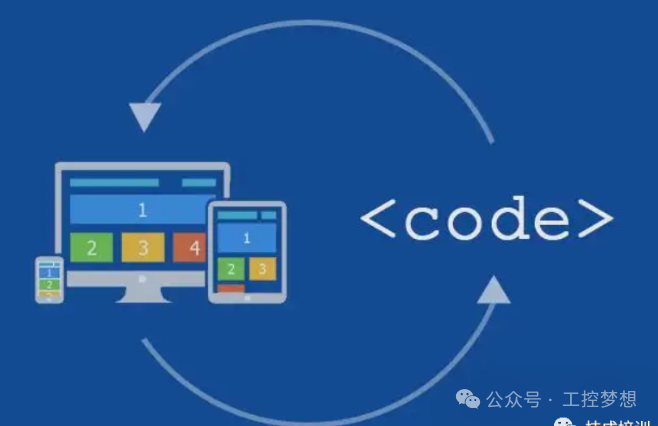
From smart wearables to industrial equipment, embedded technology supports intelligent interactions in various scenarios.
Entering Smart Homes: The “Training Ground” for Embedded Technology
As soon as you open the door, embedded devices quietly start working: the smart lock verifies identity and turns on the lights, the robotic vacuum automatically avoids pedestrians, and the air conditioner adjusts the wind speed based on indoor temperature. These devices may seem independent, but they actually form a collaborative network through embedded systems’ low-power communication modules.
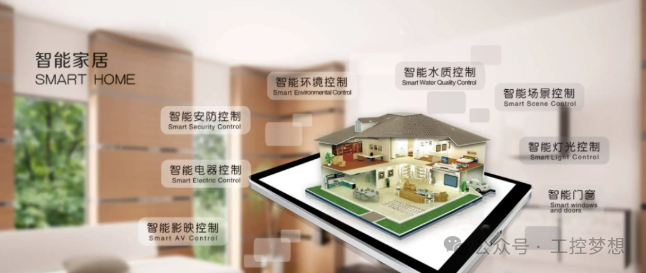
In the kitchen, refrigerators equipped with embedded systems can recognize the shelf life of ingredients; in the living room, voice assistants respond quickly to commands through local processing; in the bedroom, smart mattress pressure sensors record sleep data. The common features of these devices are:
-
Specialized functions: They do not install a variety of software like computers.
-
Compact size: Chips can be as small as a fingernail.
-
Extremely low power consumption: Smart switches can have standby power consumption as low as 0.5 watts.
-
Rapid response: Voice assistants typically wake up in less than 0.3 seconds.
Netizen @TechGeekXiaoMing shared his experience: “With over 20 smart devices connected at home, I’ve never experienced lag. I later learned that each device’s embedded system performs basic calculations locally, only uploading key data to the cloud—this is much faster than relying solely on a smartphone!”
From Life to Industry: The “Security Password” of Embedded Technology
When embedded devices form an interconnected network, security becomes paramount. How do we protect sensitive information such as facial recognition data from smart cameras, electricity usage records from smart meters, and operational parameters from industrial sensors? The answer lies in embedded security chips.
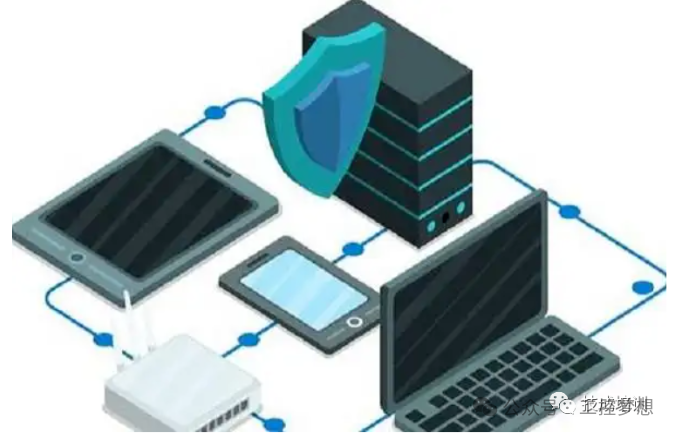
For example, an embedded system in a smart home gateway will:
-
Authenticate all connected devices
-
Encrypt data transmission (using AES-256 algorithm)
-
Monitor for abnormal access in real-time (e.g., unfamiliar IP logins)
-
Store critical keys locally (to prevent cloud leakage)
According to data from the Ministry of Industry and Information Technology, smart devices using embedded security solutions have a 92% lower probability of being attacked compared to ordinary devices. This means that when you remotely control your door with your smartphone, the embedded system is silently defending against threats from the network.
Is Learning Embedded Technology Difficult? The Distance from User to Developer
With the proliferation of embedded devices, the demand for related talent has surged. Data from a recruitment platform shows that by 2025, the average monthly salary for embedded engineers will reach 28K, a 120% increase compared to five years ago. However, many people hesitate: “Can I learn without a programming background?”

In fact, learning embedded technology is becoming more accessible:
-
Lower hardware barriers: Development boards like Raspberry Pi are now priced under a hundred yuan.
-
Visual programming: Graphical tools can replace 30% of code writing.
-
Scenario-based teaching: Progressing from “lighting an LED” to “building a smart car” step by step.
A student from the training institution “Embedded Lab,” Engineer Wang, shared: “I switched careers at 40, starting with C language, and after six months, I completed a smart flower pot project. Now companies value problem-solving abilities more than formal education.”
The Future is Here: The Future of the Embedded Technology Industry
When we dissect the smart devices around us, we see not just the combination of hardware and software, but also the precise implementation of specific scenario needs. From life monitoring in medical devices to battery management in new energy vehicles, and autonomous navigation in space probes, embedded technology always adheres to the design philosophy of “good enough”—this is precisely why it can be ubiquitous.
Perhaps one day in the future, when you use an implanted health monitoring chip, you will suddenly realize: that technology which once seemed profound has already become a part of your body. And this is the most fascinating aspect of embedded technology—solving the most practical problems with the simplest solutions.
(End)
Previous Recommendations
The Secrets Repair Technicians Won’t Tell You: The Principles and Applications of Three-Phase Rectifier Circuits
Step-by-Step Guide to Using the Siemens TIA Portal V18 Simulator
Siemens PLC S7 Communication Simulation Tutorial: Achieving Seamless Data Interaction with TIA Portal
PLC Power Outage Data Loss? 3 Steps to Set Permanent Storage of Key Parameters
Weinview Touch Screen Installment Payment Function Setup Tutorial
Using Mitsubishi PLC to Add an Electronic Lock to the Touch Screen
Test Your Knowledge: Real Electrician or Fake Electrician: How to Calculate Current with 5 Turns in a Current Transformer?
Taichuan Inverter TC600-2S0015G1 User Manual
Weinview Touch Screen OPC UA Server Communication Configuration Instructions
How to Use VBS Script to Automatically Write WinCC7.5 Data into Excel Sheets
How to Achieve Ethernet Communication between MCGS PRO and S7-200 SMART
How to Design a Vending Machine that Can Give Change Using MCGS
Weinview Touch Screen Macro Command Conditional Assignment Usage Instructions
Has Kunlun Tongtai Touch Screen Directly Controlled the Inverter?
How Logic Operations Determine the Fate of Contestants
Technical Insights | PLC Custom Countdown Timer Program Design is Actually This Simple
Two PLC Implementation Methods for Motor Delay Start and Stop
How to Control a Park Fountain with PLC to Achieve Multiple Timing Logic
TIA Portal V19 Installation Tutorial: From Beginner to Expert, Including Common Problem Solutions and Technical Training Benefits