1. What Are the Differences and Connections Between Sensors and Transmitters?Sensors are devices or instruments that can sense a specified measurement and convert it into a usable output signal according to certain rules, typically consisting of a sensitive element and a conversion element. When the output of a sensor is a specified standard signal, it is referred to as a transmitter.Sensor SENSOR: The national standard GB7665-87 defines a sensor as: “A device or instrument that can sense a specified measurement and convert it into a usable signal according to certain rules, typically consisting of a sensitive element and a conversion element.” It is a detection device that can sense the information being measured and convert the detected information into an electrical signal or other required forms of output according to certain rules, meeting the requirements for information transmission, storage, display, recording, and control. It is the primary link for achieving automatic detection and automatic control.
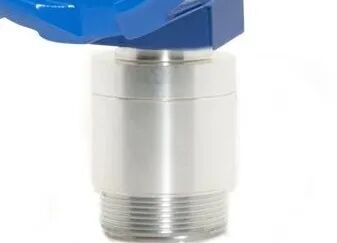
Transmitter:
When a signal converter is integrated with a sensor, it is called a transmitter. According to the definition in the “Encyclopedia of China”, a transmitter is a sensor that outputs a standard signal.
The national standard definition states: A device that outputs a specified standard signal is called a transmitter.
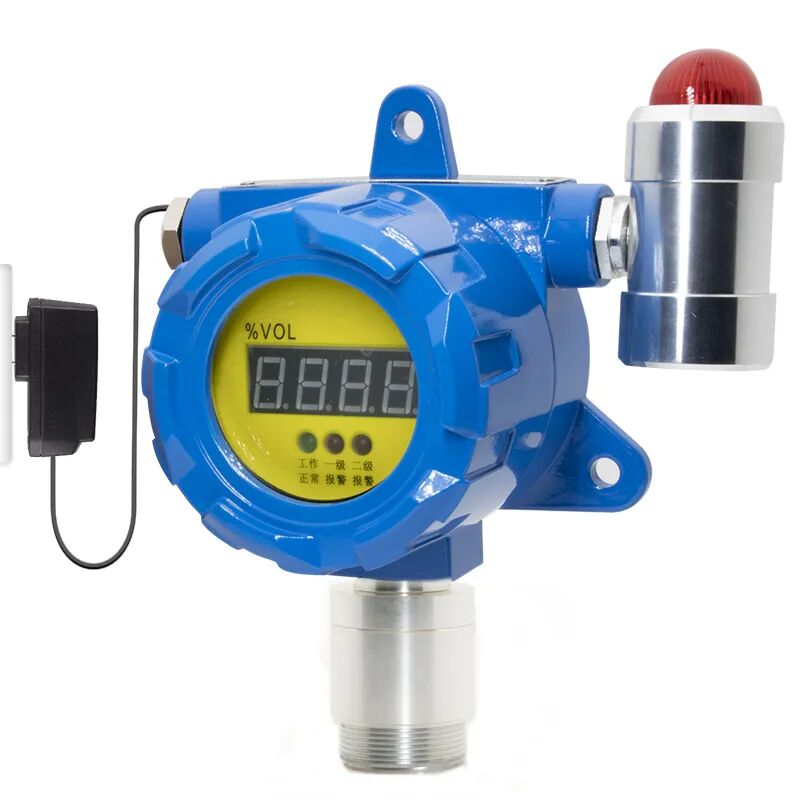
The concept of a transmitter is to convert a non-standard electrical signal into a standard electrical signal, while a sensor is a device that converts physical signals into electrical signals. Sensors and transmitters are concepts in thermal instrumentation. A sensor converts non-electrical physical quantities such as temperature, pressure, liquid level, material, and gas characteristics into electrical signals or directly sends physical quantities such as pressure and liquid level to the transmitter. The transmitter amplifies the weak electrical signals collected by the sensor for transmission or to activate control elements, or converts the non-electrical quantities input by the sensor into electrical signals while amplifying them for remote measurement and control signal sources. Depending on the needs, analog quantities can also be converted into digital quantities. Sensors and transmitters together form the monitoring signal source for automatic control. Different physical quantities require different sensors and corresponding transmitters. There are also devices that convert electrical analog quantities into digital quantities, which can also be called transmitters. The above only conceptually explains the differences between sensors and transmitters.2. Output Signals of Sensors and Transmitters1. Current signals: 4-20mA, 0-20mA 2. Voltage signals: 0-5V, 1-5V, etc., as well as mV signals 3. Resistance signals. 4. Pulse signals. All of the above signals can be converted into standard 4-20mA signals through a transmitter module or circuit board. At this point, they are no longer called sensors but transmitters.3. What Are the Two-Wire and Four-Wire Signal Transmission Methods for Transmitters?In the two-wire transmission method, the power supply, load resistance, and transmitter are in series, meaning that the two wires simultaneously transmit the power required by the transmitter and the output current signal. Currently, most transmitters are two-wire transmitters; in the four-wire method, the power supply and load resistance are connected separately to the transmitter, meaning that the power supply and the transmitter output signal are transmitted using two separate wires. The two-wire system refers to the connection between the field transmitter and the control room instrument using only two wires, which serve as both the power line and the signal line.