Click the blue text
Follow us
Utilizing Solar Energy to Power Embedded and IoT Devices
As we increasingly rely on embedded devices for a variety of applications ranging from remote IoT sensors to household gadgets, the demand for efficient and sustainable energy has become more critical than ever. Photovoltaic (PV) technology—solar energy and light energy generation—provides a promising solution for this. This article explores the process of evaluating photovoltaic systems for embedded devices and shares insights on how to optimize their efficiency and reliability.
Understanding Photovoltaic Technology for Embedded Devices
Photovoltaic technology converts light energy directly into electrical energy using semiconductor materials. For embedded devices, integrating photovoltaic systems can significantly reduce dependence on traditional power sources, enhance sustainability, and potentially lower operational costs. However, effectively utilizing solar and light energy hinges on assessing the performance and applicability of photovoltaic systems in specific applications.
Photovoltaic cells come in various forms suitable for both indoor and outdoor environments.
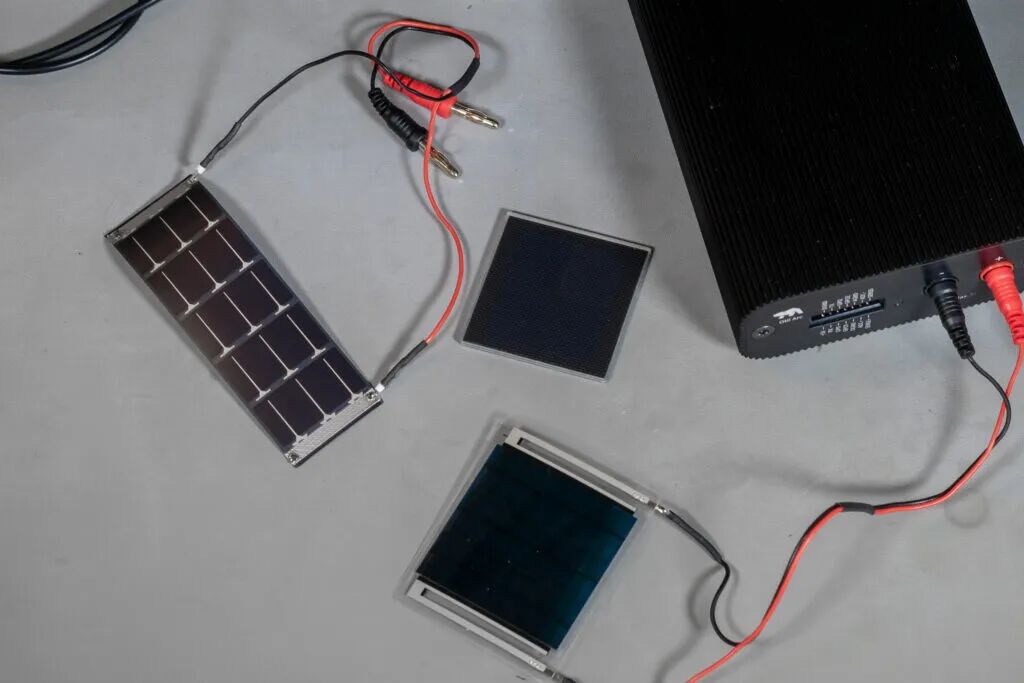
Key Considerations for Photovoltaic Assessment
1. Solar Energy Potential
The first step in assessing a photovoltaic system is to analyze the solar energy potential of the deployment area, including factors such as indoor/outdoor environments, geographical location, climatic conditions, and variations in sunlight.
2. Energy Consumption ProfileIt is necessary to evaluate the energy consumption characteristics of the embedded device, including power consumption in different operational states (active, standby, sleep), and estimate daily energy consumption.
3. Photovoltaic System SelectionBased on the solar energy potential and device energy consumption profile, select the appropriate type and size of photovoltaic cells to ensure that the annual energy output meets the device’s requirements.
4. Energy Storage BatteriesSince solar energy is not available at all times, integrating energy storage batteries is crucial. It is necessary to assess the battery capacity and efficiency to ensure reliable power supply during low light conditions.
Practical Steps for Photovoltaic Assessment
1. Measurement Tools and TechniquesUse high-precision measurement tools to collect solar radiation and generation data. For example, Qoitech’s Otii product suite can help measure the power consumption of embedded devices and provide insights into energy harvesting and storage efficiency.
2. Simulation and TestingValidate the performance of the photovoltaic system through software simulations or small-scale tests before deployment, simulating operational effects under different conditions.
3. Field TestingDeploy the system in the target environment and conduct long-term monitoring, adjusting to optimize efficiency and reliability based on feedback.
4. Optimization SolutionsOptimize system configurations based on test data, such as adjusting the angle of solar panels, optimizing storage settings, or fine-tuning the energy management algorithms of embedded devices.
Using the Otii Product Suite for Photovoltaic Assessment
Measuring the self-sustainability of photovoltaic (PV) systems is crucial for the long-term operation of electronic devices. Developers need precise data regarding the energy generated by energy harvesters, the energy stored in storage devices, and the energy consumed by the device in active, communication, and sleep states.
To this end, it is recommended to use three units of Otii Ace Pro and Otii Battery Toolbox. Two Otii Ace Pro units are connected in series between the photovoltaic cells and the storage device to assess their performance. The third Otii Ace Pro acts as a load, representing the IoT device.This setup allows for flexible testing of the photovoltaic system under different usage scenarios (e.g., communication protocols and duty cycles). The behavior of the Otii Ace Pro can be customized based on the power consumption characteristics and specific use cases of the embedded device.
Whether assessing photovoltaic systems for indoor electronic devices or solar panels for IoT, this setup ensures the longevity and reliability of the system.
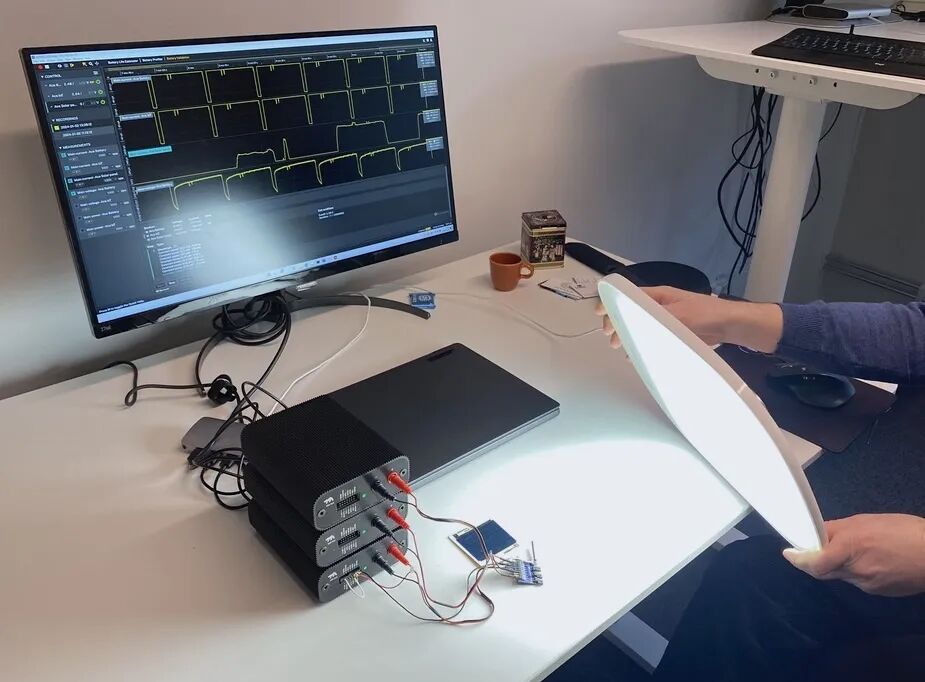
The Otii product suite provides a comprehensive testing solution for evaluating energy harvesting systems (including energy storage devices and IoT applications).
Conclusion
Evaluating and optimizing photovoltaic systems for embedded devices is a complex yet rewarding process. By carefully considering factors such as solar or indoor light energy potential, energy consumption characteristics, and system capacity, you can develop efficient and reliable solar power solutions. Utilizing advanced measurement and testing tools (such as the Otii product suite) will further enhance the ability to create sustainable and efficient embedded systems.
About Beijing Miko-Xinye
Beijing Miko-Xinye Electronics Technology Co., Ltd. (referred to as Beijing Miko) has experienced rapid growth alongside China’s economic development since its establishment. It has become an excellent supplier of testing instruments and system integration services, and has launched an online mall for electronic measurement instruments—Yice Mall. Beijing Miko focuses on electronic measurement solutions and related product design, research and development, and sales in industries such as aviation, aerospace, national defense, electric power, transportation, electronics, communications, and education.
For many years, Beijing Miko has adhered to the service tenet of “creating value for customers, saving costs, and improving efficiency,” establishing and maintaining good cooperative relationships with numerous clients. By providing high-quality services to customers over the long term, the company has accumulated electronic measurement solutions for multiple industries and built a team of product sales and system integration services with good quality and rich experience.
About Yice Mall
Yice Mall is an online shopping mall for instruments carefully crafted by a professional instrument agency. Initiated and operated by Beijing Miko-Xinye Electronics Technology Co., Ltd., it has received strong support from many well-known manufacturers, especially Keysight Technologies. The electronic measurement instrument industry is a traditional industry primarily based on direct sales, a model that has continued to this day. Miko innovatively combines the traditional electronic measurement industry with modern marketing models, introducing a B2B online mall model.
Beijing Miko-Xinye Electronics Technology Co., Ltd.
Address: Room 702, Tower C, Caizhi International Building, No. 18 Zhongguancun East Road, Haidian District, Beijing, China
Tel: 010-82863522-430 13911621853
Email: [email protected]
Like us

Share us

Like us