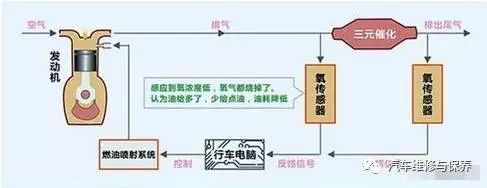
A sensor is a detection device that can sense the information being measured and convert that information into electrical signals or other required forms of output according to certain rules, in order to meet the requirements for information transmission, processing, storage, display, recording, and control (for example, the oxygen sensor on a catalytic converter detects the concentration of oxygen in the exhaust and sends feedback signals to the ECU, converting oxygen concentration into electrical signals).
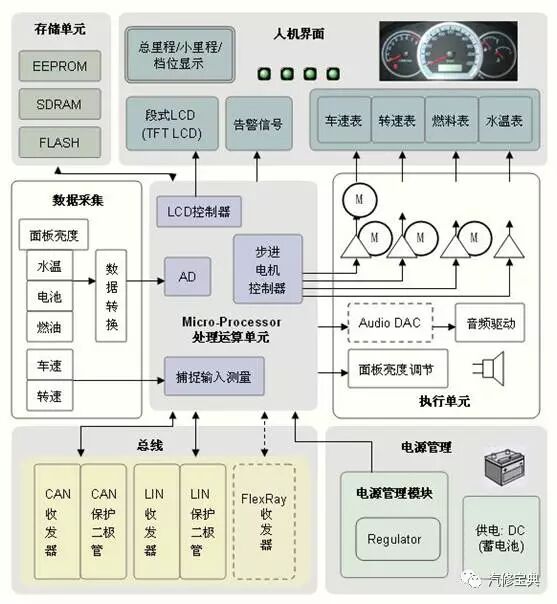
Modern vehicles are equipped with over a hundred sensors, primarily used for measurement (in the vehicle’s instrument and indicator systems) and control (in the vehicle’s electronic control systems).
1. Measurement of Operating State Parameters and Limit Parameters
In the vehicle’s instrument system, the role of various sensor instruments is to convert physical parameters such as engine temperature, oil pressure, engine speed, transmission output shaft speed, and fuel tank level into corresponding voltage, current, or electrical pulses. These drive the corresponding instruments to display the measured parameters. When the measured values reach preset limit values, warning lights will activate.
2. Implementation of Various Automatic Controls in Vehicles
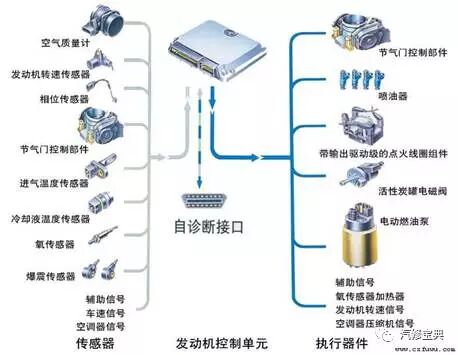
The vehicle’s electronic control system consists of sensors, electronic control units (ECUs), and actuators. In the vehicle’s electronic control system, the role of sensors is to convert relevant parameters of the controlled object into corresponding electrical signals and send them to the controller. The controller analyzes and judges the working conditions and status of the controlled object based on the signals from the relevant sensors, then outputs control signals to achieve automatic control through the actuators. The electronic control system is divided into engine electronic control systems, chassis electronic control systems, and body electronic control systems.
1) The engine electronic control system includes control functions for fuel injection, ignition, engine idle speed, and carbon canister ventilation volume.
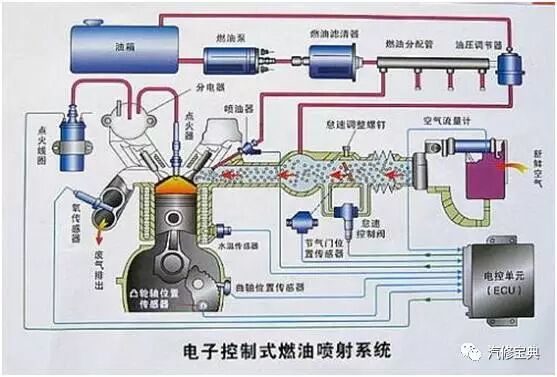
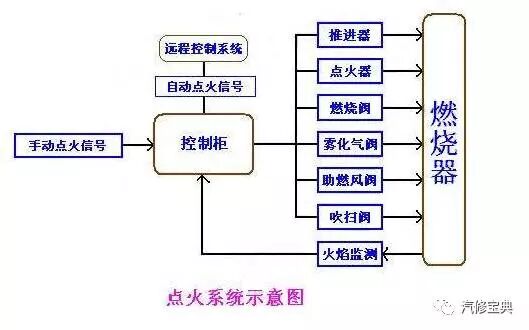
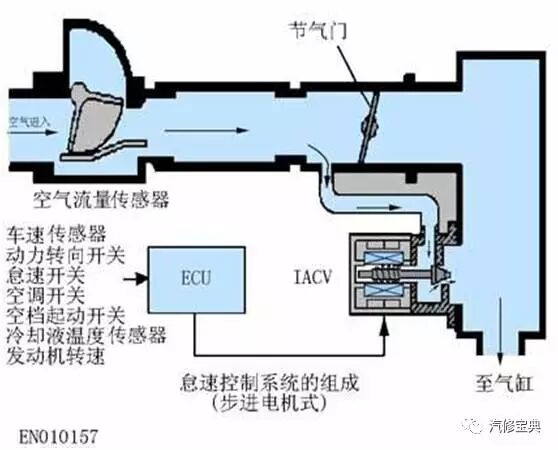
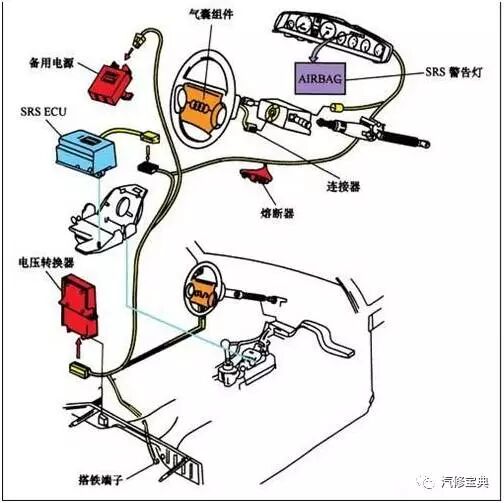
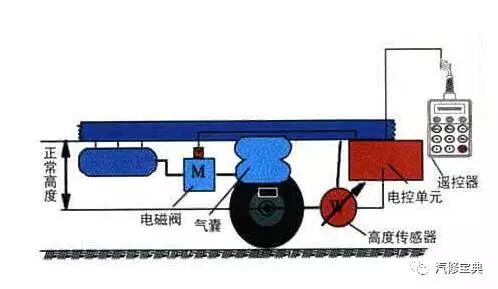
2) The chassis electronic control system includes anti-lock braking systems (ABS), traction control systems (ASR), suspension electronic control systems, automatic transmission electronic control systems, and cruise control systems.
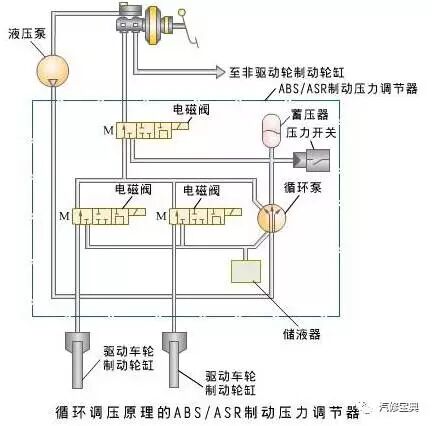
3) The body electronic control system includes airbag systems, automatic air conditioning systems, electronic instrument systems, and anti-theft systems.