Last night, Lei Jun delivered his sixth personal annual speech, stating that Xiaomi will need at least 10 years and an investment of 50 billion yuan to develop SOC chips. Currently, global listed companies are investing hundreds of billions in intelligent computing infrastructure, and under such extraordinary efforts, it is only a matter of time before a phenomenal edge AI application emerges. SOC chips are the core control units for edge AI, widely used in smartphones, automotive electronics, smart homes, AI glasses, and robotics. In the future, as edge AI applications commercialize, SOC chips will also see large-scale deployment. CEO Qi reviewed five leading companies in the SOC chip sector across IoT, Wi-Fi, audio and video, and other niche markets for reference. No.1: Rockchip
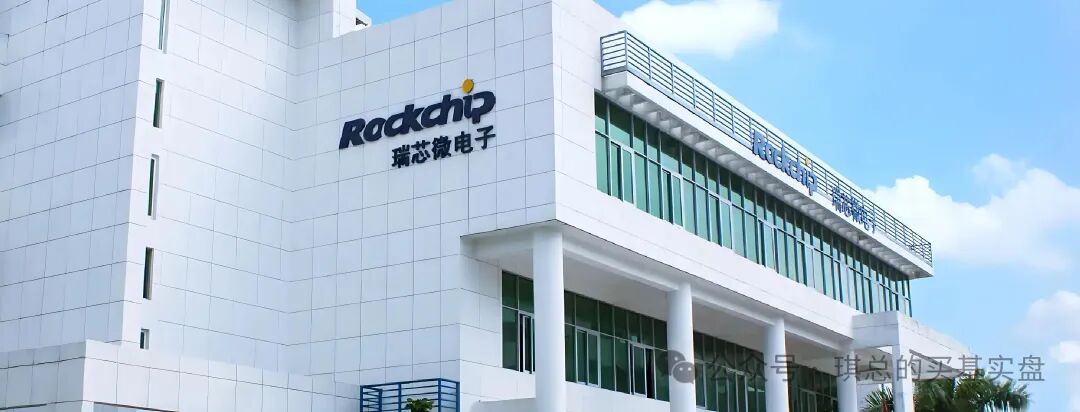
Industry Position: The leading provider of smart IoT SOC chips, ranked first in revenue, focusing on the AIoT sector, with products covering smart homes, intelligent cockpits, machine vision, and more. Core Advantages: – The 8nm RK3588 series is widely used in over 30 models from BYD, GAC, and others. – RK3588 is used for motion control in the Yush robot, RK3576 powers the visual navigation of Ecovacs lawnmowers, and RV1126K is used for dynamic obstacle avoidance in robots. Performance in the first half of 2025: Revenue of 2.046 billion yuan, an increase of 63.85%; net profit of 531.1 million yuan, an increase of 190.61%. No.2: Hengxuan Technology

Industry Position: The leader in smart audio SOC chips, supplying TWS earphone chips to top brands like Huawei, Samsung, and Xiaomi. Core Advantages: – The 6nm Bes3800 chip integrates an NPU, supporting local large model operations, used in high-end devices like Samsung Galaxy Buds3 Pro and Xiaomi AR glasses. – The smart watch chip is expected to ship over 40 million units in 2024, dominating the Android camp. Performance in the first half of 2025: Revenue of 1.938 billion yuan, an increase of 26.58%; net profit of 304.8 million yuan, an increase of 106.45%. No.3: Espressif Technology
Industry Position: The leader in Wi-Fi SOC chips, focusing on AIoT connectivity and processing. Core Advantages: – Wi-Fi MCU chips dominate the smart home, energy management, and AI toy markets, with a market share of over 30%. – The ESP32-P4 chip supports local image/voice processing, used in ByteDance’s “Eye-catching Bag” AI toy. Performance in the first half of 2025: Revenue of 1.246 billion yuan, an increase of 35.35%; net profit of 261.3 million yuan, an increase of 72.29%.
No.4: AmlogicIndustry Position: The leading provider of audio and video codec SOC chips, ranked first in market share, covering set-top boxes, smart TVs, automotive electronics, and more. Core Advantages: – The 6nm S905X5 chip supports local simultaneous translation and 8K video decoding, with sales expected to exceed 4 million units in the first half of 2025. – The 8K ultra-high-definition S928X chip has received millions of orders from top overseas operators. – A machine vision chip is set to launch in 2025, targeting robotics and industrial inspection applications. Performance in the first half of 2025: Revenue of 3.33 billion yuan, an increase of 10.42%; net profit of 496.6 million yuan, an increase of 37.12%. No.5: Allwinner Technology
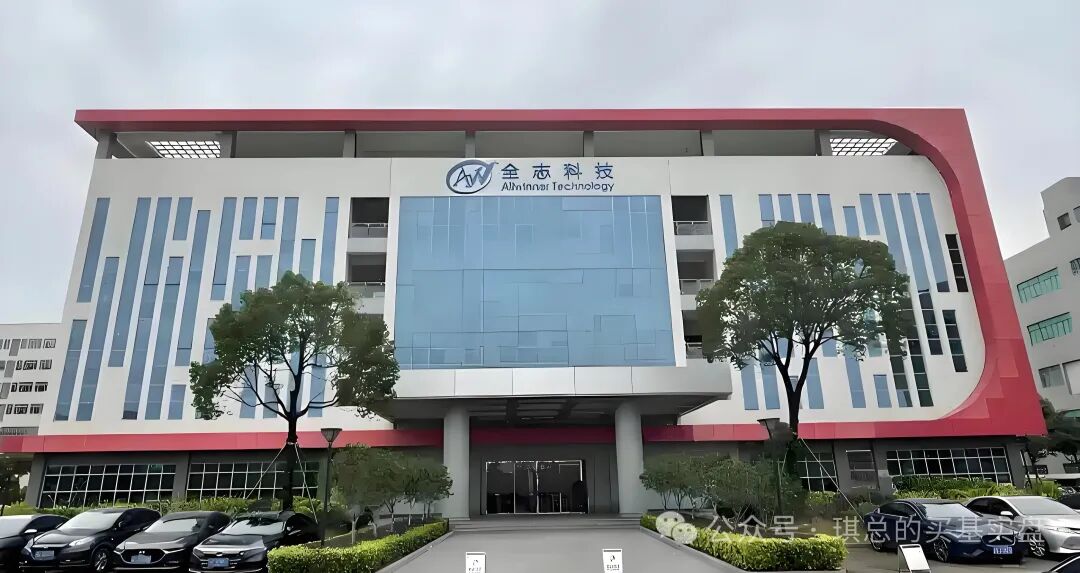
Industry Position: The leader in audio and video SOC control chips, with applications in automotive systems, smart homes, AI glasses, and more. Core Advantages: – In the smart speaker sector, it primarily supplies Tmall Genie, Baidu, and others, with a market share of over 50%. – In the robotic vacuum sector, it mainly supplies Ecovacs and Roborock, with a market share of over 40%. – Deep collaboration with major internet companies, jointly developing the D1 series chips with Alibaba’s Pingtouge and the Tiedan robot chip with Xiaomi. Performance in the first half of 2025: Revenue of 1.337 billion yuan, an increase of 25.82%; net profit of 161.2 million yuan, an increase of 35.36%.