Explore Spark—the robotic stretcher developed by Stem EMS, which revolutionizes medical transportation. Lightweight, sturdy, and technologically advanced, it relies on LATAMID 66 H2 G/50 composite materials to ensure outstanding performance.
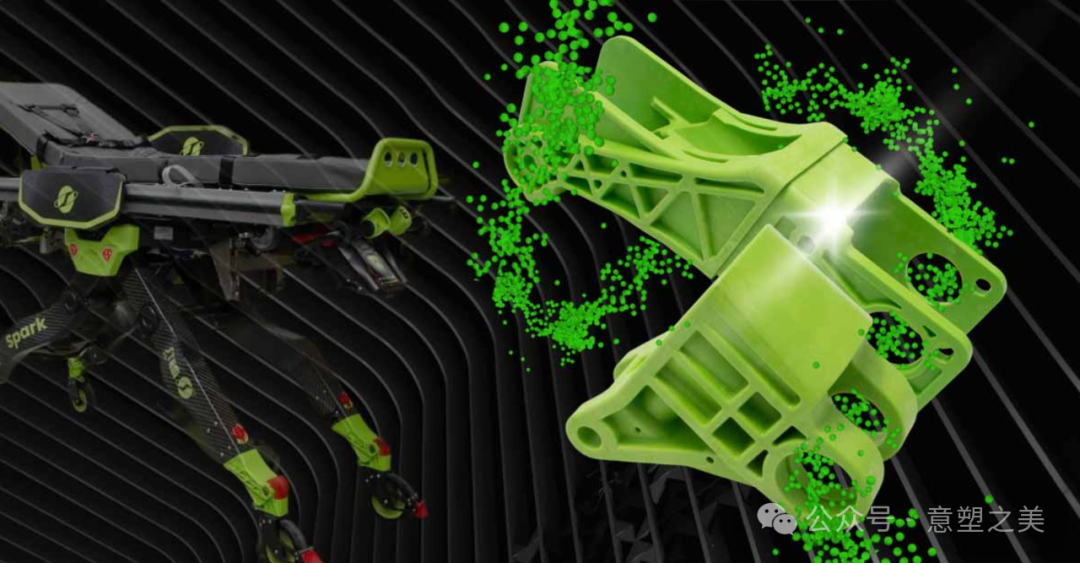
Stem EMS’s Spark: Innovation in Medical Transportation
Stem EMS is a leading Italian manufacturer of patient handling systems, and its Spark robotic stretcher redefines medical transportation. With an advanced computer control mechanism, Spark provides safety, comfort, and high adaptability in complex environments.The core technology of Spark is its robotic mechanism, designed to keep the patient in a horizontal position while adjusting height, arm spacing, and tilt angle to accommodate uneven terrain and loading operations.This technology is also suitable for specific configurations, such as neonatal transport or bio-safety transport, making Spark a versatile medical device.
Decisive Materials
To ensure sturdiness, lightness, and good maneuverability, Stem EMS collaborated with Capra in Parma to develop the wheel support system using advanced technical materials.The composite material used for structural components is LATAMID 66 H2 G/50 (50% glass fiber reinforced PA66), selected based on the following criteria:
- Resistance to prolonged static loads
- Ability to absorb shocks and impacts during transport
- Excellent aesthetic quality to meet the visual requirements of components
[View the technical and molding specifications of LATAMID 66 H2 G/50]The mechanical properties of LATAMID 66 H2 G/50 have been validated through FEM numerical simulations by LATI. Tests indicate that this material can withstand a load of 1000 N applied from multiple directions and passes an 8000 N impact test.The application of this structural composite requires advanced mold engineering solutions. Capra developed a special mold with nitrided slides to counteract the abrasive effects of glass fibers while using high thermal conductivity steel for more precise thermal regulation.
Technology and Structural Composites in the Spark Robotic Stretcher
Discover Spark, the robotic stretcher from Stem EMS that revolutionizes healthcare transport. Lightness, robustness, and advanced technology come together thanks to the LATAMID 66 H2 G/50 compound, ensuring extraordinary performance.
Spark by Stem EMS: Innovation in Healthcare Transport
Stem EMS, a leading Italian company in patient handling systems, presents Spark, a robotic stretcher that redefines healthcare transport. Thanks to an advanced computerized mechanism, Spark guarantees safety, comfort, and adaptability even in the most complex operating contexts.The heart of Spark is its robotic mechanism, designed to keep the patient always in a horizontal position, adjusting height, relative arm distance, and tilt for uneven terrains and loading and unloading operations.This technology is perfectly suited for specialized configurations, such as neonatal transport or bio-containment, making Spark a versatile device for every medical need.
The Material That Made the Difference
To ensure robustness, lightness, and maneuverability, Stem EMS collaborated with Capra in Parma to develop the wheel support group, using technologically advanced materials.The compound chosen for the structural parts of the product is LATAMID 66 H2 G/50 (50% glass fiber reinforced PA66), selected to meet the following requirements:
- Resistance to prolonged static loads
- Ability to absorb shocks and impacts during transport
- Careful aesthetic appearance, necessary for the visibility of components
[Read the technical and molding characteristics of LATAMID 66 H2 G/50]
The mechanical performance of the compound has been validated by LATI through FEM numerical simulations. Tests have confirmed that the material can withstand a load of 1000 N applied in different directions and passes the crash test with a force of 8000 N.The use of this structural compound also required advanced engineering solutions for molding. Capra developed a special mold with nitrided carts to counteract the abrasive action of glass fibers and made with high thermal conductivity steel for more accurate thermal regulation.
The Beauty of Material Design
Introducing the beauty of LATI materials from Italy, exclusive public account