The current market situation is like an unreasonable girlfriend—skyrocketing. All you can do is hold on tight and trust that many of you have experienced this recently!With Cambrian reaching 1391 yuan, shaking the position of Moutai seems just around the corner, and the title of “King of Cold” is well-deserved. Zhongke Shuguang follows closely, setting a new historical high and pushing domestic AI computing power chips into the market spotlight!
AI computing power chips rely on domain-specific architectures (DSA) to solve the inefficiencies of traditional CPUs, focusing on three core aspects:
Parallel Computing Design: Through Tensor Processing Units (TPUs), Streaming Multiprocessors (SMs), etc., meeting over 90% of matrix computation needs in neural networks. For example, NVIDIA’s Blackwell architecture achieves 1.1 EFLOPS FP4 inference power with 12,288 CUDA cores, far exceeding CPU efficiency.
Data Flow Optimization: Using compute-in-memory technology to embed computing units into storage arrays, reducing data transport energy consumption (over 70% in traditional architectures). For instance, optoelectronic hybrid compute-in-memory architectures and silicon photonics + phase change material chips can improve energy efficiency by three times to 167 TOPS/W.
Precision and Scheduling Synergy: Supporting mixed precision computing such as INT8 and FP8, combined with compiler dynamic scheduling of data flows. For example, GPT-4.5 uses UE8M0 FP8 precision to adapt chips, reducing inference costs by 80%.
Market Space: Growth and Challenges in a Trillion-Dollar Arena
Scale and Growth: The global market is projected to reach $57 billion in 2024, expected to exceed $150 billion in 2025, and reach $400 billion by 2027. In China, smart computing power is expected to reach 725.3 EFLOPS in 2024 and 2781.9 EFLOPS by 2028 (a compound growth of 46.2%).
Competitive Landscape: NVIDIA holds a 70% market share (with over 80% of Blackwell shipments in 2025); domestic chips (Ascend 910B, MLU370-X8) are expected to see a 259% increase in procurement by 2025; Google TPU (expected to ship 2.2 million units in 2025) and Amazon’s Trainium are rapidly growing self-developed chips.
Drivers and Challenges: Demand-side (generative AI, autonomous driving, etc.) is driving inference chips to account for 50% by 2025; supply-side (SMIC’s 7nm, Changjiang Electronics Technology’s packaging breakthroughs) supports domestic substitution; bottlenecks include high costs of advanced processes (over $400 per chip for 5nm), heat dissipation, and quantum integration technology that need breakthroughs.
In the field of domestic AI computing power chips, the companies in the A-share market with core technological advantages and established large-scale applications include the following, with their technical characteristics and market performance as follows:
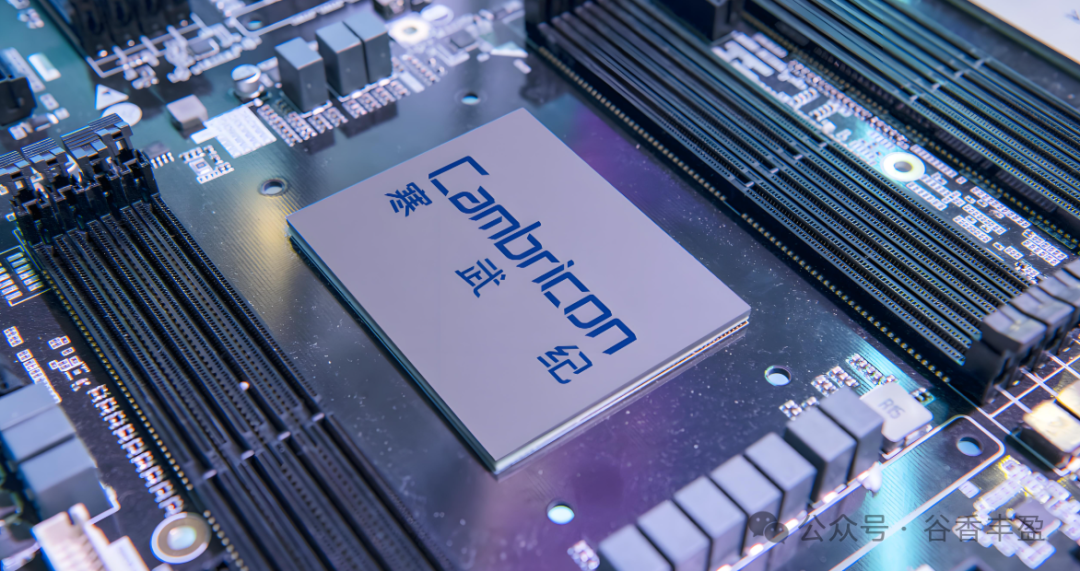
1. Cambrian: Leader in Full-Stack AI Chips
Core Technological Advantages:
Architecture Autonomy: Self-developed MLUarch® architecture supports dynamic inference graph optimization, adapting to mainstream models such as Transformers and CNNs. The Siyuan 690 chip uses a 5nm process (equivalent to TSMC’s 7nm), achieving FP16 computing power of 512 TFLOPS, with an energy efficiency ratio of 2.8 TOPS/W, performing at 80% of NVIDIA A100’s performance in training large models like Llama3 and Qwen.
Ecological Breakthrough: Collaborated with the Zhiyuan Institute to develop the DeepSeek-R1 multi-chip version, achieving alignment with NVIDIA H100 performance, supporting one-click distributed inference tuning.
Wide Scene Coverage: Simultaneously deploying training (MLU370) and inference (MLU290) chips, covering data centers, edge computing, and other scenarios.
Shipment Volume:
In 2025, the Siyuan 690 chip received a procurement order worth billions from ByteDance, with Q2 order volume increasing by 300% compared to the previous generation 590, reaching 200,000 units. SMIC’s 5nm production line has a yield rate stable at over 80%, with plans for mass production in Q4, expecting annual shipments of 30,000 units, contributing approximately 5.4 billion yuan in revenue (unit price 180,000 yuan/unit).
In 2024, overall revenue is expected to grow by 127% year-on-year, with AI chips accounting for over 85%.
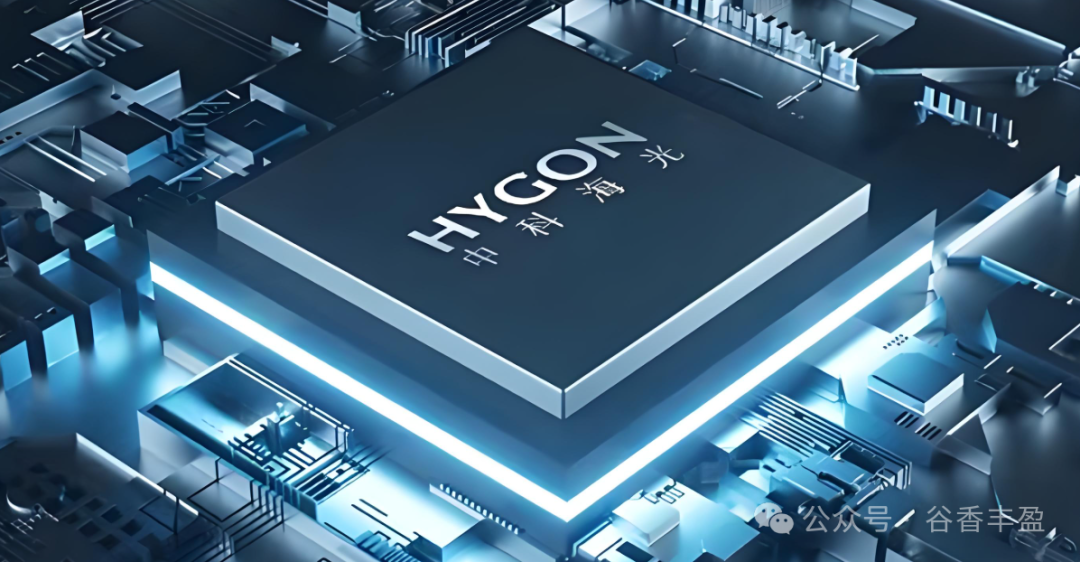
2. Haiguang Information: Benchmark for DCU Ecological Compatibility
Core Technological Advantages:
x86 Ecological Compatibility: DCU products are compatible with the AMD ROCm 5.5+ ecosystem, supporting seamless migration of mainstream frameworks such as PyTorch and TensorFlow, adapting to model training for GPT-4, Stable Diffusion, etc.
Performance Benchmarking International Standards: The Deep Computing Unit 3 DCU single card achieves FP64 computing power of 2.5 PFLOPS, matching NVIDIA A100 performance, with shipments expected to exceed 500,000 units in 2024, capturing 28% of the domestic AI training card market, second only to Huawei Ascend (35%).
Fast Process Iteration: The 7nm Deep Computing Unit 2 has been mass-produced, and the 5nm Deep Computing Unit 4 is in the tape-out stage, with plans for mass production in Q1 2026.
Shipment Volume:
In 2025, the net profit attributable to the parent company is expected to grow by 40.78% year-on-year, with DCU shipments increasing by 60%, with major clients including Alibaba Cloud, Baidu Smart Cloud, and other leading cloud vendors.
In 2024, DCU market share is 28%, expected to rise to 35% in 2025 with the volume release of Deep Computing Unit 3.
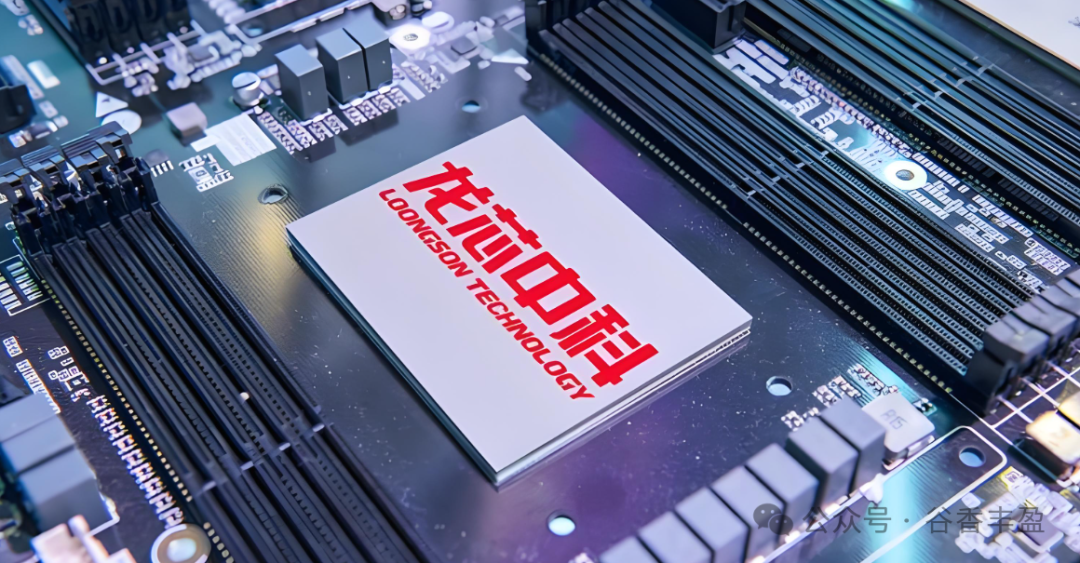
3. Loongson Technology: Pioneer of AI Chips in Industrial Control
Core Technological Advantages:
Self-Developed Instruction Set: Based on the LoongArch architecture, the Loongson 3B6000M integrates an 8-core LA364E processor and a second-generation self-developed GPGPU LG200, achieving single-precision floating-point performance of 256 GFLOPS and 8-bit fixed-point performance of 8 TOPS, supporting OpenCL and AI acceleration software.
Low Power Design: The 2K3000 chip consumes only 15W at a main frequency of 2.5GHz, suitable for industrial control, smart terminals, and other scenarios, with sales expected to reach 20,000-30,000 units (including boards) by the end of 2024, with clients including Advantech and North China Control.
Security and Trustworthiness: Integrates hardware-level national secret algorithm modules, meeting the Level 4 standard of classified protection, replacing imported chips in government affairs, power, and other fields.
Shipment Volume:
In Q1 2025, the printer-specific chip 2P0300 successfully taped out, with expected annual shipments exceeding 50,000 units.
In 2024, AI chip-related revenue is expected to reach 120 million yuan, a year-on-year increase of 90%.
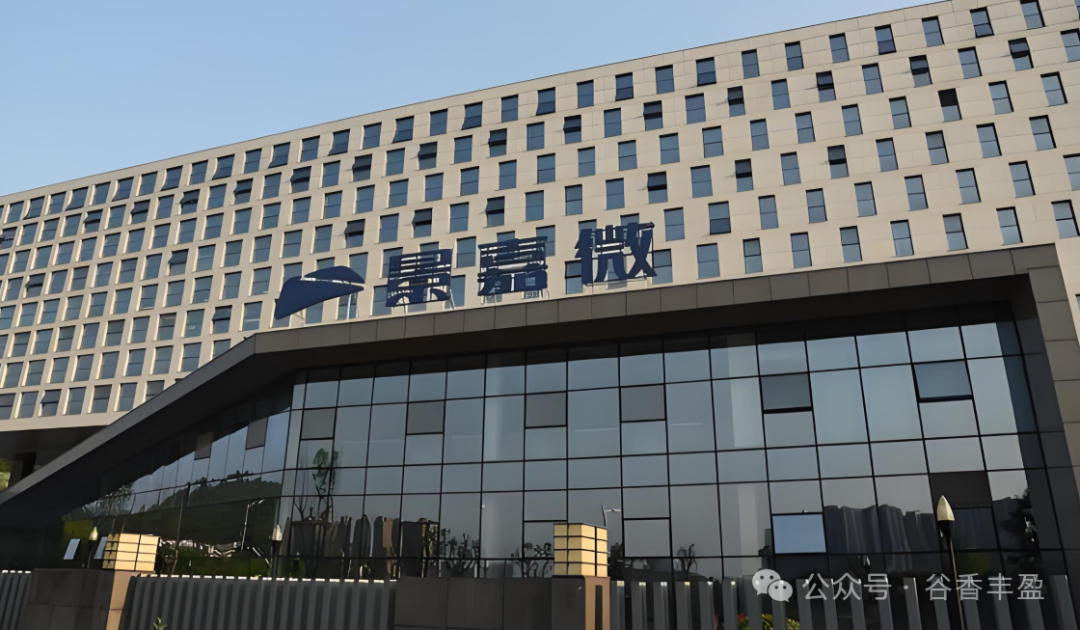
4. Jingjia Micro: Core Force of GPU Localization
Core Technological Advantages:
Graphics Computing Integration: The JM11 series GPU supports hardware virtualization, compatible with Windows/Linux and domestic operating systems, achieving single-card FP32 computing power of 12 TFLOPS, meeting high-performance demands for cloud rendering, geographic information systems, etc.
AI Inference Optimization: The JM9 series achieves efficient deployment of the DeepSeek R1 model through the vLLM framework, reducing inference latency by 15% compared to NVIDIA T4, and has been selected for a new reconnaissance satellite project, expected to contribute 320 million yuan in revenue by 2025.
Process Breakthrough: The 14nm JM12 series has entered the tape-out stage, with performance targets benchmarking NVIDIA A2000.
Shipment Volume:
In Q1 2025, the JM9 series revenue is expected to reach 135 million yuan, a year-on-year increase of 33.72%, accounting for 29% of total chip business revenue.
In 2024, GPU shipments are expected to exceed 100,000 units, with military applications accounting for 60% and civilian applications for 40%.
5. Fudan Microelectronics: Innovator of Edge AI Chips
Core Technological Advantages:
Heterogeneous Computing Architecture: The FMQL100TAI chip uses a 28nm process, integrating a quad-core A53 processor, a 27.5 TOPS AI acceleration engine, and 440K programmable logic units, supporting 4K video encoding/decoding and multimodal data fusion.
Cache Architecture Breakthrough: In 2025, a “prefetch + cache” dual-module design will be launched, reducing parameter access latency by 40%, already applied in smart grids, industrial robots, and other fields.
Security Protection: Achieved GB35114 video security certification, replacing Hisilicon chips in smart city projects.
Shipment Volume:
In Q2 2025, shipments of edge AI chips are expected to grow by 120% year-on-year, with major clients including Dahua, Uniview, and other security manufacturers.
In 2024, AI chip revenue is expected to reach 380 million yuan, with a gross margin of 65%.
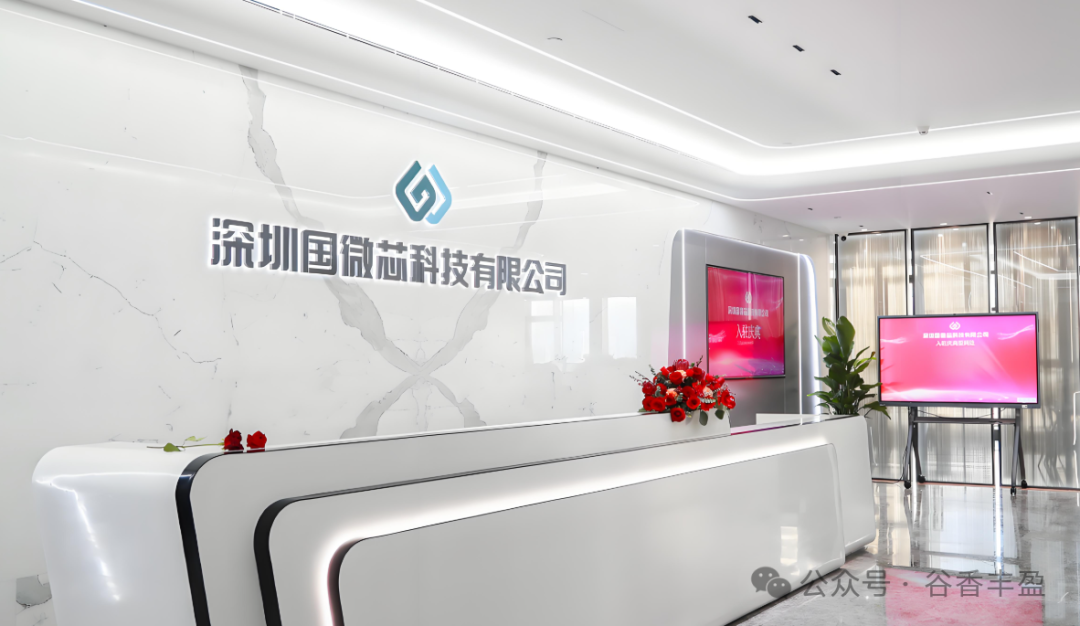
6. Guoxin Technology: Leader in Edge AI MCUs
Core Technological Advantages:
RISC-V + NPU Architecture: The CCR4001S chip integrates a 0.3 TOPS NPU, supporting algorithms such as MobileNet and Yolo, with a power consumption of only 200mW, already mass-produced for applications in smart air conditioning, baby monitoring, and other scenarios.
Industrial-Grade Reliability: Achieved 99.9% accuracy in arc detection in photovoltaic inverters, with a response time of < 10ms, replacing similar products from TI and Infineon.
Ecological Cooperation: Jointly developed a “perception-decision” integrated module with Meidian Technology, landing in commercial air conditioning, security, and other fields.
Shipment Volume:
In Q1 2025, mass production plans include commercial air conditioning, baby monitoring, etc., with expected annual shipments exceeding 500,000 units.
In 2024, AI chip revenue is expected to reach 150 million yuan, a year-on-year increase of 150%.
**The above companies each have unique characteristics in technological breakthroughs and market expansion. Investors should focus on the long-term growth potential of Cambrian (wide scene coverage), Haiguang Information (strong ecological compatibility), and Jingjia Micro (GPU localization replacement), while being cautious of international sanctions and supply chain risks.

👇Click the card to follow me!👇
Move your little hand to like, share,♡ recommend, and comment!
Your recommendation is my motivation for creation!
**Disclaimer: The content of this article is sourced from public information, and any opinions expressed represent personal thoughts and do not constitute investment advice. Operate at your own risk; investment carries risks, and caution is required when entering the market.