Source: Chip Theory
Introduction: The first part briefly described the discovery, understanding, and research of semiconductors over a period of 114 years, starting 188 years ago. It also outlined major inventions such as vacuum tubes, transistors, integrated circuits, silicon planar processing technology centered around photolithography, CMOS circuits, non-volatile memory, and single-transistor DRAM. In the more than 20 years following the invention of the transistor, these inventions laid the foundation for the rapid development of chip technology, paving the way for its advancement in line with Moore’s Law. This article is the second part, introducing the rapid development history of chip technology starting from 1970.
7. The World’s First Microprocessor Chip is Born, Opening the Era of Information in Human Society
In 1971, Intel Corporation in the United States launched the world’s first microprocessor, the 4004 chip. It is a 4-bit central processing unit (CPU) chip, manufactured using MOS technology, integrating 2,250 transistors on a single chip. This was a milestone in the history of chip technology development. That same year, Intel also introduced the 1kb dynamic random-access memory (DRAM), marking the emergence of large-scale integrated circuits (LSI).
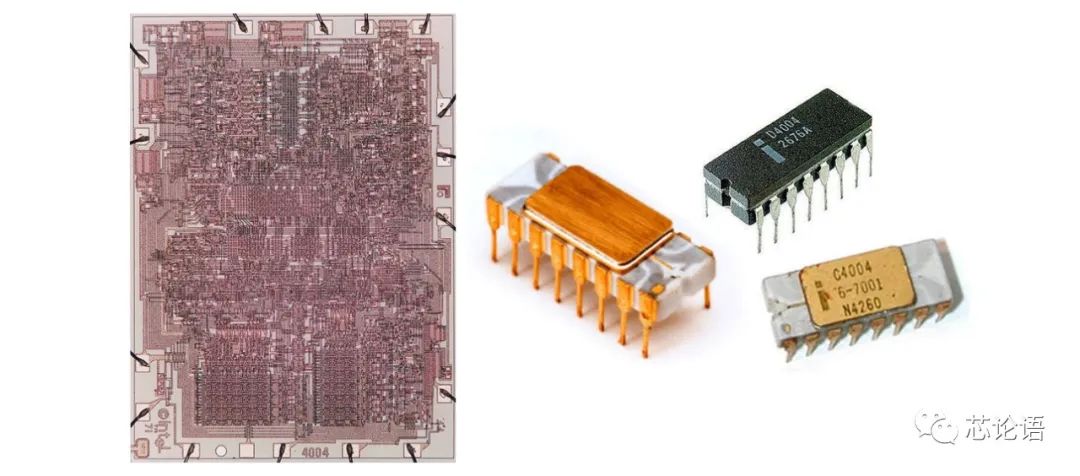
Figure 25: Microscopic photo of the Intel 4004 CPU chip
and the appearance of the packaged chip
In 1974, RCA Corporation in the United States introduced the first CMOS microprocessor, the 1802 chip. It is an 8-bit CPU chip that first adopted the CMOS circuit structure, significantly reducing power consumption. The RCA 1802 was the first microprocessor used in aerospace applications, such as the Viking, Galileo, and Voyager projects.
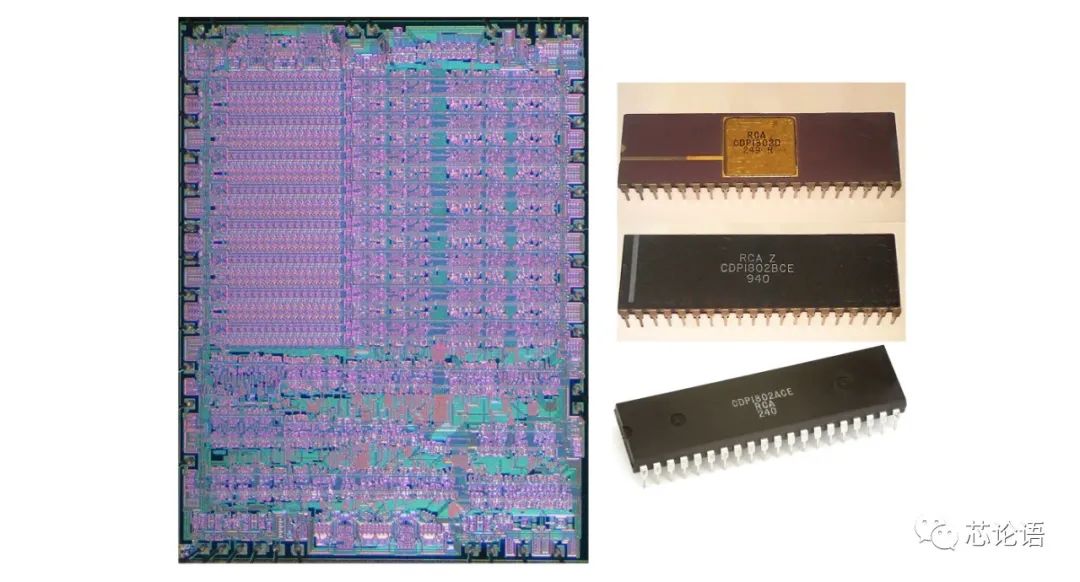
Figure 26: Microscopic photo of the RCA 1802 CPU chip
and the appearance of the packaged chip
In 1976, 16kb DRAM and 4kb SRAM were introduced.
8. x86 Opens a New Era of Chip Industry Driven by PCs
In 1978, Intel released the new 16-bit microprocessor 8086, establishing the x86 dynasty. The Intel 8086 integrated about 40,000 transistors, manufactured using HMOS technology, powered by +5V, with a clock frequency of 4.77MHz to 10MHz, and a 16-bit external data bus, with an address bus of 4+16 bits. Shortly after the 8086 was launched, Intel also released its variant, the 8088. The Intel 8086 ushered in the era of x86 architecture computers. The x86 architecture is a continuously expanding and improving CPU instruction set, as well as a CPU chip internal architecture, and an industry standard for personal computers (PCs).
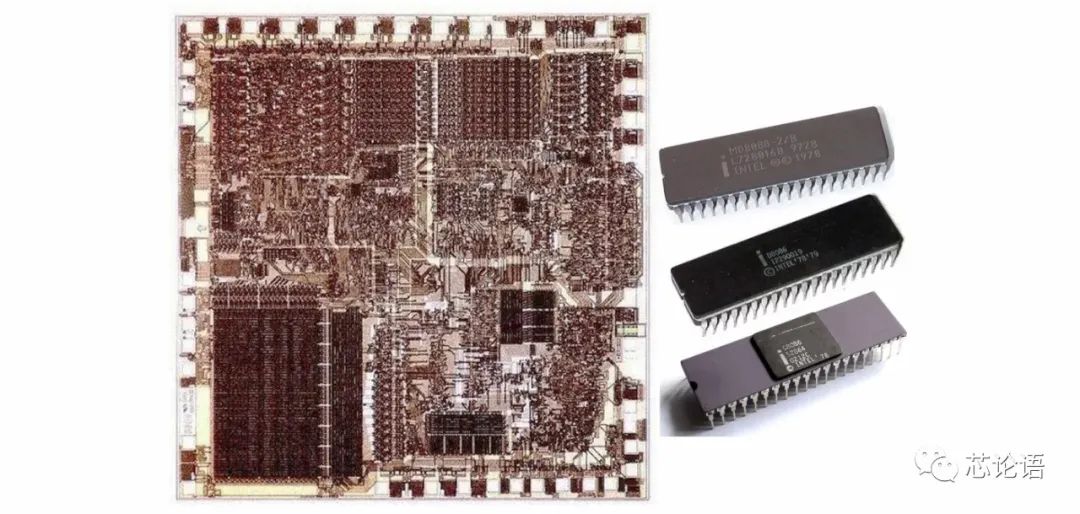
Figure 27: Microscopic photo of the Intel 8086 CPU chip
and the appearance of the packaged chip
Also in 1978, the 64kb dynamic random-access memory was born, integrating as many as 150,000 transistors on a silicon chip of less than 0.5 square centimeters, with a line width of 3 micrometers. This marked the entry of chip technology into the era of very large scale integrated circuits (VLSI).
Thus began the era of desktop computers named after x86. Intel introduced an innovative microprocessor approximately every 3 to 4 years. Early models represented by the 8086, 80186, 80286, 80386, and 80486 basically dominated the realm of desktop and laptop computers. Most PC models were named after the CPU, such as 286, 386, 486, etc. Intel CPUs represent the world’s most advanced chip technology and lead the development direction of cutting-edge chip technology.
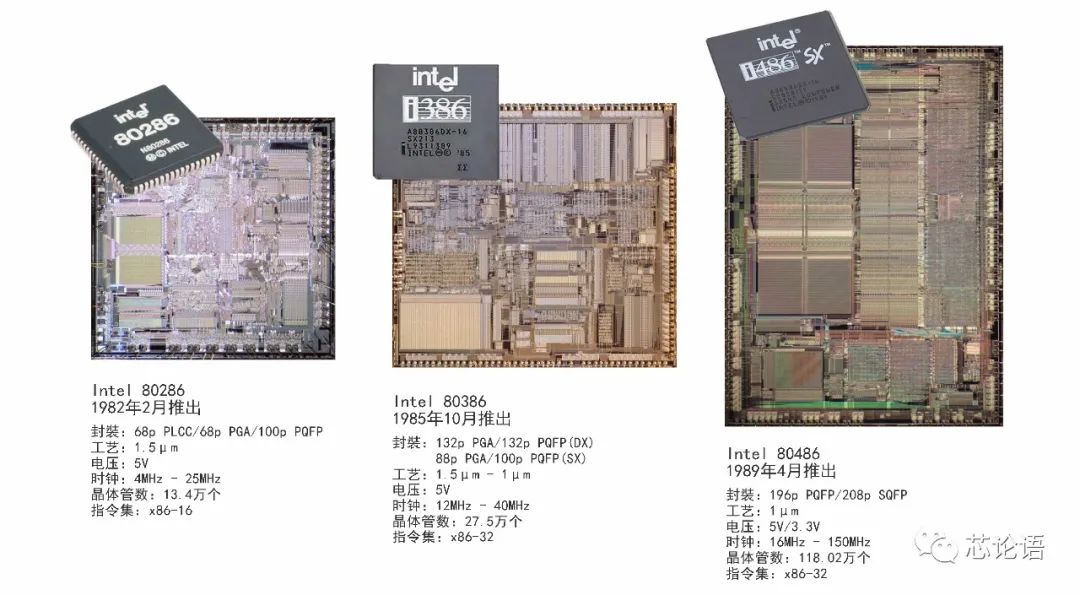
Figure 28. Intel 80286/386/486 CPU chips
Microscopic photos and the appearance of the packaged chips
In 1980, Fujio Muoka from Toshiba, Japan, invented NOR Flash Memory, also known as NOR Flash. In 1987, he invented NAND Flash Memory, also known as NAND Flash.
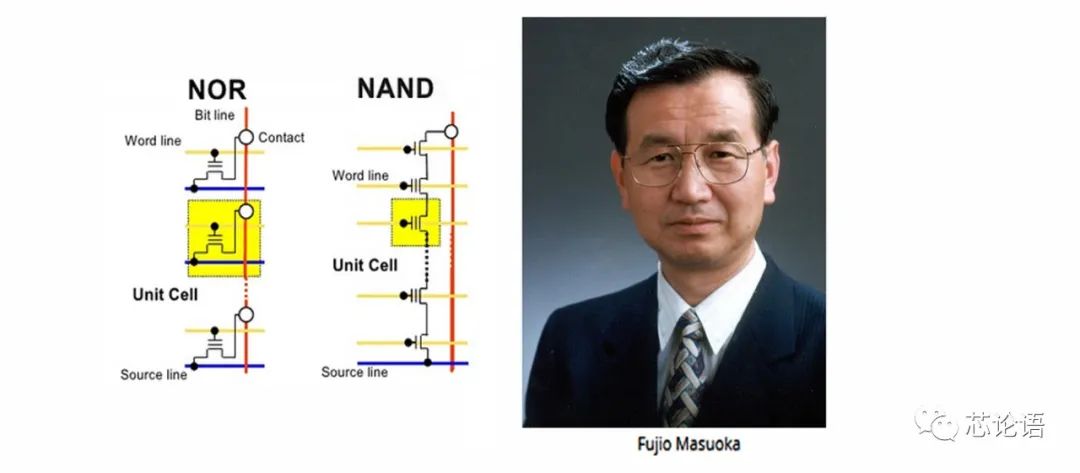
Figure 29. Fujio Muoka from Toshiba invented Flash
In 1981, IBM launched the world’s first personal computer (PC) based on the 8088. The first IBM PC used the Intel 8088 with a frequency of 4.77MHz and operated on Microsoft’s MS-DOS. It has been said that the history of PCs is essentially the history of IBM in the 1980s. The project supervisor for the IBM PC was Don Estridge, who is hailed as the father of the IBM PC.
Starting with the IBM PC, personal computers truly entered people’s work and lives, marking the beginning of the era of widespread computer application, as well as the era of PC consumer-driven chip technology innovation and industry development. In 1981, 256kb DRAM and 64kb CMOS SRAM were also introduced.
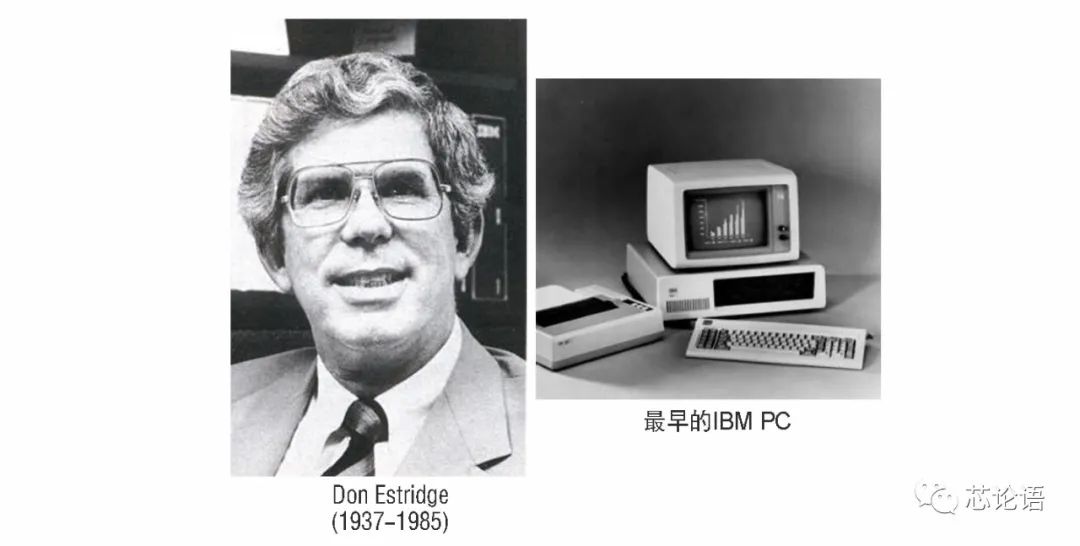
Figure 30: Estridge with the earliest IBM PC
In 1982, Intel launched the 80286 microprocessor (Figure 28).
In 1984, Japan announced the launch of 1Mb DRAM and 256kb SRAM.
In 1985, Microsoft launched the Windows operating system. The early versions of Windows, such as 1.X, 2.X, and 3.X, can be considered graphical interface shells for MS-DOS. After the release of Windows 95 in 1995, Windows gradually replaced the MS-DOS underlying system used for the previous 15 years. Later, Microsoft and Intel formed the so-called Wintel computer architecture, greatly promoting the popularity of desktop computers and significantly advancing the globalization and informatization of the chip industry. In 1985, Intel also launched the 80386 microprocessor (Figure 28).
In 1988, Intel recognized the enormous potential of Flash memory and launched the first commercial Flash memory chip, successfully replacing EPROM products, primarily used for storing computer software. In 1988, 16M DRAM was also introduced, integrating about 35 million transistors on a silicon chip of 1 square centimeter, marking the entry of chip technology into the ultra-large scale integrated circuits (ULSI) stage.
In 1989, Intel launched the 80486 microprocessor (Figure 28). 1Mb DRAM entered the market.
In 1992, 64Mb random-access memory was introduced.
In 1993, Intel launched the Pentium CPU chip, marking the arrival of the “Pentium” era in computing. Four years after the launch of the Intel 80486, it was anticipated that the 80586 CPU would be released. However, in 1993, Intel showcased a new series of CPUs, naming it Pentium. The Pentium CPU could execute two instructions per clock cycle, making it about five times faster than the 80486 at the same clock speed.
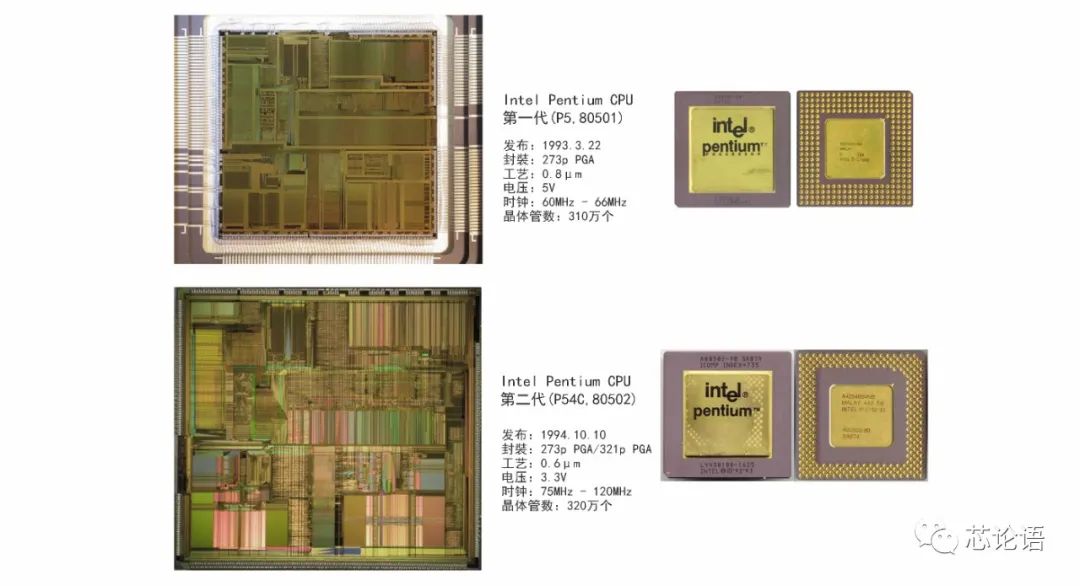
Figure 31. Microscopic photo of the Intel Pentium CPU chip
and the appearance of the packaged chip
After four generations of upgrades, the Pentium CPU series was launched by Intel. In 1997, Intel began to release the Pentium II series CPU chips; in 1999, the Pentium III series CPU chips; and in 2000, the Pentium IV series CPU chips. Each Pentium product had several generations of upgraded versions or special styles.
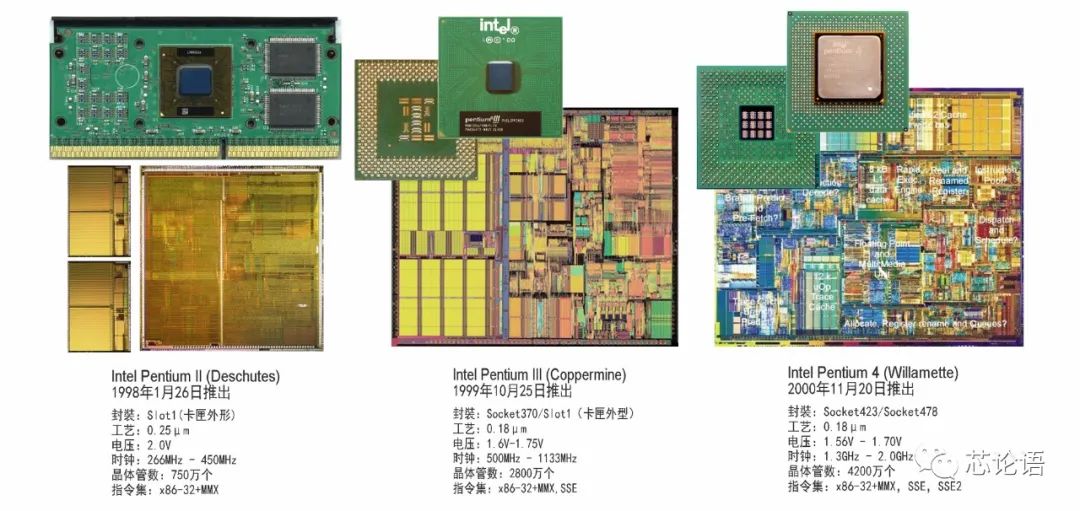
Figure 32. Microscopic photos of Intel Pentium II/III/IV CPU chips
and the appearance of the packaged chips
In 1994, the successful development of 1G DRAM, integrating 100 million components, marked the entry of chip technology into the giga scale integrated circuits (GSI) era.
In 1997, IBM developed the chip copper interconnect technology. At that time, the aluminum interconnect process was no longer fast enough for 180nm CMOS. IBM’s initial research showed that copper’s resistance is 40% lower than aluminum, leading to over a 15% speed increase in processors, with copper’s reliability being 100 times higher than aluminum. When the first batch of PowerPC chips was produced in 1998, the copper interconnect version was 33% faster than the previous generation 300MHz PowerPC chips. In 1997, Intel also began releasing the Pentium II series CPU chips (Figure 32).
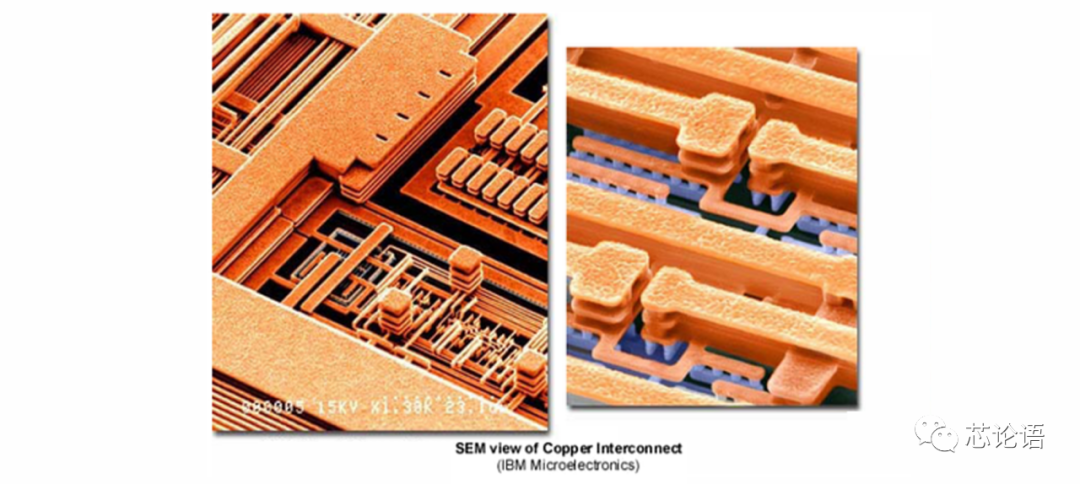
Figure 33. IBM developed chip copper interconnect technology
In 1999, Professor Hu Zhengming developed FinFET technology. He is regarded as the father of 3D transistors. When the size of the transistor is less than 25nm, traditional planar transistors can no longer be shrunk. The emergence of FinFET allows transistors to be three-dimensional, further increasing transistor density and continuing the legend of Moore’s Law today.
This invention is recognized as a major innovation in semiconductor technology over the past 50 years. FinFET is the foundation for modern nano-electronic semiconductor device manufacturing, and current 7nm chips utilize FinFET designs. On May 19, 2016, U.S. President Obama awarded the 2015 National Medal of Technology and Innovation to Professor Hu Zhengming, one of the inventors of FinFET. Professor Hu also received the IEEE Medal of Honor in 2020. In 1999, Intel also began releasing the Pentium III series CPU chips (Figure 32).
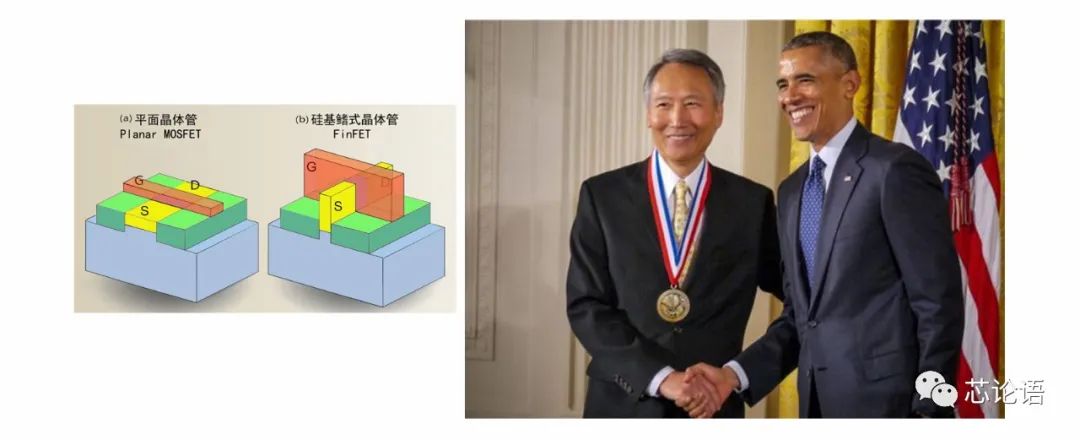
Figure 34. Professor Hu Zhengming, inventor of FinFET technology
In 2000, Intel began releasing the Pentium IV series CPU chips (Figure 32). The same year, 1Gb RAM was launched.
The Intel Core CPU Era Begins, Multi-Core CPUs Take the Historical Stage. The “Pentium” processor era lasted for 12 years, and in January 2006, Intel launched the microprocessor chip named “Core”, which was initially mainly used for mobile computers. Shortly after its launch, it was replaced by the Core 2 series, followed by the Core i3, Core i5, Core i7, and Core i9 multi-core CPU series.
In January 2006, Intel launched Core Solo and Core Duo, and in August, Intel released the desktop and mobile versions of the dual-core Core 2, known as Core 2 Duo, manufactured using 65nm technology.
In 2007, Apple introduced the iPhone, setting the standard for smartphones. Since then, smartphones have appeared in the form of tablets + touchscreens. This has promoted the popularity of mobile smart terminals (including smartphones, tablets, etc.) and played an important role in the development of the mobile internet industry. Subsequently, the mobile internet gradually replaced the desktop internet, becoming the main driving force for the development of the chip industry. See also 【Chip Theory】 popular science: The Development History of Chip Technology Over 60 Years (Part 3).
In 2008, Intel launched the quad-core Core 2, known as Core 2 Quad, manufactured using 45nm technology.
In 2010, Intel Core i series was newly launched using advanced 32nm technology, including Core i3 series (2 cores), Core i5 series (2 cores, 4 cores), Core i7 series (2 cores, 4 cores, and 6 cores), and Core i9 (up to 12 cores) series, with subsequent versions using the next generation 22nm technology released one after another.
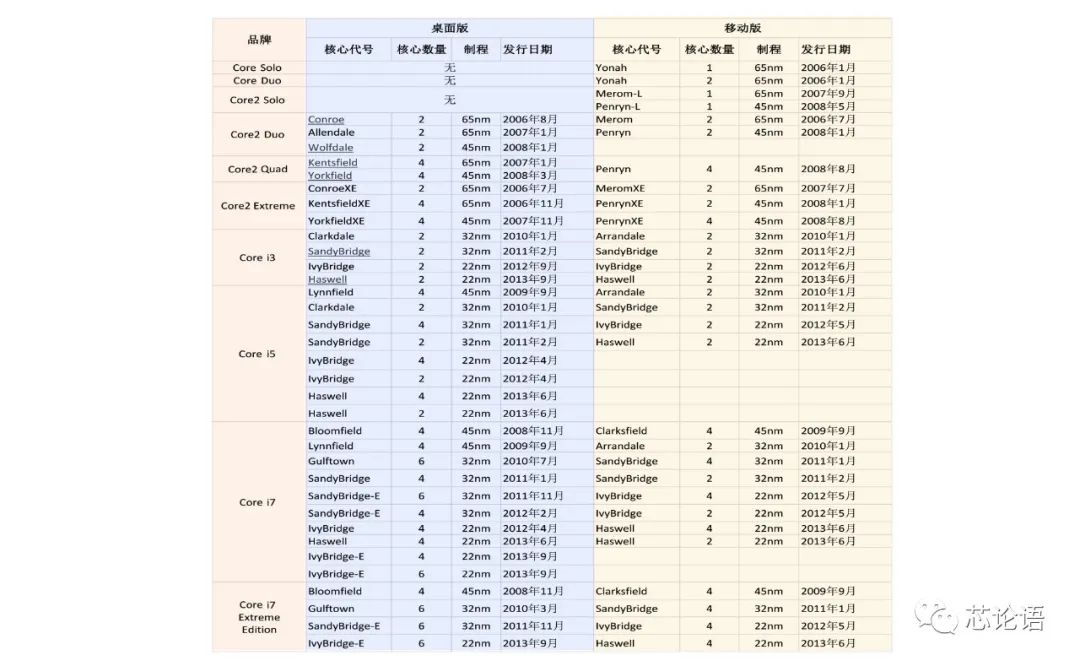
Figure 35. Family photo of Intel Core series CPUs
(Taken in 2013)
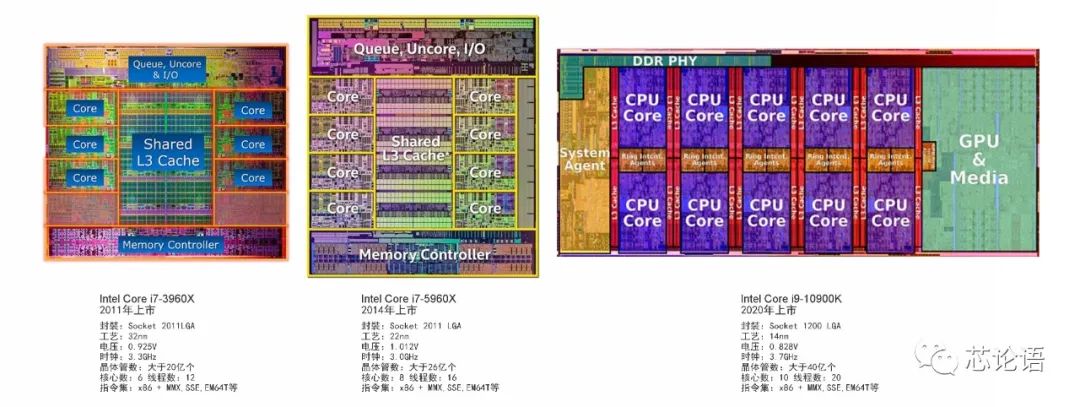
Figure 36. Examples of Intel Core series multi-core CPUs
In 2011, Intel commercialized FinFET technology, applying it to its 22nm technology node.
AMD, the Second Major Player in Desktop CPU Chips, is a Remarkable Presence. Founded in 1969, AMD is Intel’s sibling company by blood, and over more than 50 years of development, it has walked alongside Intel. As the global leader in CPU chips, Intel occasionally bullies the second place AMD, but rarely succeeds and never dares to think of eliminating its sibling. Objectively, AMD’s existence prevents Intel from being accused of industry monopoly, which is what Intel values most.
Both companies have pursued the x86 route with a mutual effort in technological innovation, contributing to the development of chip technology. The development history of Intel and AMD chips can be briefly expressed using their desktop CPU ladder chart.
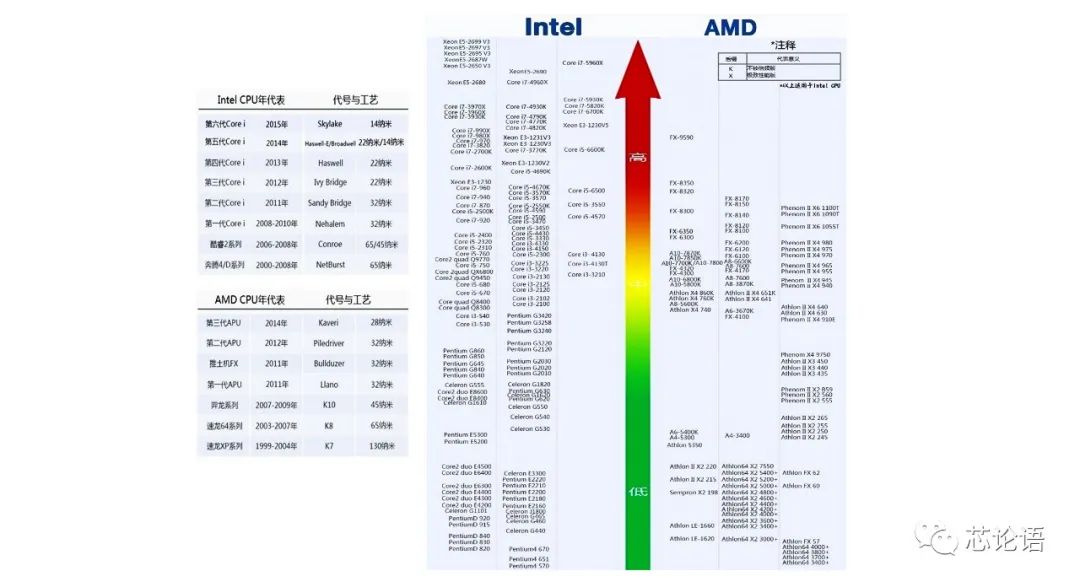
Figure 37. Intel and AMD Desktop CPU Ladder Chart
In 2012, Samsung invented stacked 3D NAND Flash, ushering in the 3D era of chip technology. The first generation of 24-layer 3D NAND flash memory chips was launched in 2013, followed by the second generation of 32-layer V-NAND chips in 2014.
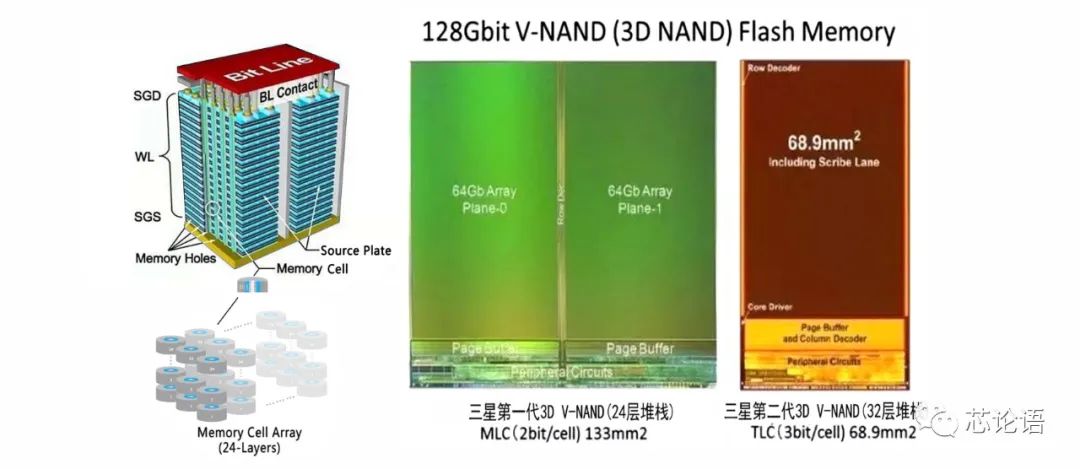
Figure 38. Comparison of the first two generations of Samsung’s 3D NAND Flash technology
In 2018, Intel launched the Xeon W-3175X server CPU chip, manufactured using 14nm technology, featuring 28 cores and 56 threads, with a frequency of 3.1 to 4.3GHz, a level 3 cache of 38.5MB, and memory support for six-channel DDR4-2666 ECC/512GB, packaged with the C621 chipset, priced at an astounding $2999 (over 20,000 RMB).
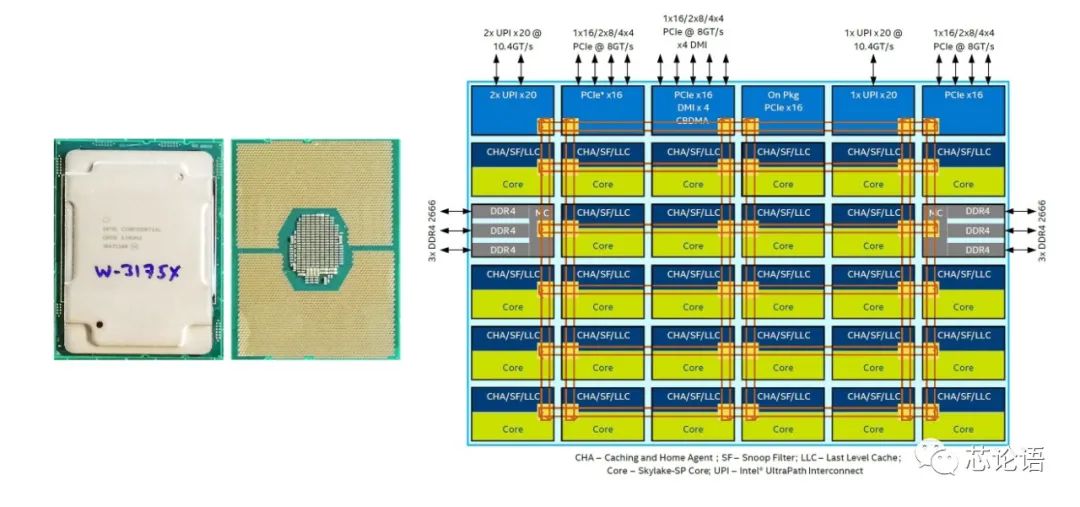
Figure 39. Example of Intel Xeon W-3175X 28-core
server CPU
To be continued.
Stay tuned for 【Chip Theory】 popular science: The Development History of Chip Technology Over 60 Years (Part 3), focusing on the mobile internet as a driving force for the chip industry; the post-Moore era, accelerating chip technology innovation and industrial transformation.
Postscript: From 1970 to 2010, the global division of labor and cooperation in the chip industry chain was well-coordinated, and chip technology developed rapidly. The invention of CPUs, PCs, and large-scale storage devices opened the curtain on global computerization and informatization, forming the Wintel computer architecture, with the desktop internet becoming the main force driving the advancement of chip technology and industry development. Intel CPUs have become the flag of chip technology advancement, experiencing upgrades from x86 CPUs to Pentium CPUs, and currently, continuous innovations in Core CPU technology. The AMD CPU, which has developed alongside Intel CPUs, is also a remarkable presence, promoting the development of chip technology. The chip development规律 predicted by Moore’s Law has been well validated during this period.
The next part will mainly discuss the history of the mobile internet driving the advancement of chip technology and industry development.
References:
1. Lin Xiaofeng, Through Storms and Rain, The Development History of Intel Desktop Processors, Zhongguancun Online: https://biz.zol.com.cn/45/454098.html, 2006.11.14
2. Andrew Huang, The Computer Expert Training Program 2-6: The Development History of Early CPUs, Website: https://isite.tw/2016/01/26/14760, 2016.1.26
3. Andrew Huang, The Computer Expert Training Program 2-7: The Development History of CPUs in the Late Early Era (Part 1), Website: https://isite.tw/2016/01/27/14785, 2016.1.27
4. Andrew Huang, The Computer Expert Training Program 2-8: The Development History of CPUs in the Late Early Era (Part 2), Website: https://isite.tw/2016/01/28/14819, 2016.1.28
5. Andrew Huang, The Computer Expert Training Program 2-9: The Development History of CPUs in the Late Early Era (Part 3), Website: https://isite.tw/2016/01/30/14850, 2016.1.30
6. Red Giant, CPU and SOC Chip Die Shot Collection, Zhihu: https://zhuanlan.zhihu.com/p/114554933, 2020.11.23
7. QbitAI, The Father of 3D Transistors, Professor Hu Zhengming, Receives IEEE’s Highest Honor, Former CTO of TSMC, Extending Moore’s Law for Many Years…, CSDN Blog: https://blog.csdn.net/QbitAI/article/details/104765123, 2020.3.9
8. Moore Chip News, Understanding 3D NAND Flash in One Article, Sohu: https://www.sohu.com/a/110141175_465984, 2016.8.11
9. Wang Xinbing, Understanding Flash Memory in Storage Systems, Zhihu: https://zhuanlan.zhihu.com/p/28347814, 2017.8.7
10. DOIT Academy, The Development History of Flash Memory from 1967 to Present, Sohu: https://www.sohu.com/a/333668728_120172415, 2019.8.14
11. Aihuo Network, Core i9-10900K Processor First Test: The Pinnacle of Gaming, Fast Report: https://kuaibao.qq.com/s/20200520A0PBKT00?refer=spider, 2020.5.20
12. Li Bochao, 8-Core 5960X with DDR4 Intel Haswell-E First Test, Zhongguancun Online: https://cpu.zol.com.cn/475/4755866_all.html?_t_t_t=0.7139762167843171, 2014.8.30
Editor: Southern Cat