
![]()
Chongdiantou Network Deep Review No. 3231
Chongdiantou Network Deep Review No. 3231
The Yangtze Memory Technologies (YMTC) EC150 is built on the innovative Xtacking architecture and complies with the eMMC 5.1 standard. This product offers capacity options ranging from 64GB to 256GB, with read speeds of up to 320MB/s, and supports advanced features such as HPB 2.0+, providing lower latency, better power control, and long-term reliability.
In previous tests, Chongdiantou Network has adapted the EC150 for compatibility testing with various X86 architecture platforms such as N5105, N97, N3350, and X5-Z8350, as well as ARM architecture platforms including RK3568, RK3566, RK3528A, RK3588, RK3399, and RK3576, demonstrating broad adaptability.
In addition to Rockchip, the ARM architecture platforms also include mainstream brands such as Allwinner and Amlogic. To further validate the comprehensive performance of the YMTC EC150, we chose the Allwinner H618 for this test. The H618 is a low-power platform aimed at smart screens and set-top boxes. I personally soldered the EC150 onto the H618 development board and installed both Android TV 12 and Ubuntu 22.04.4 LTS operating systems to observe the performance of the EC150 on a low-power platform.
ARM Development Board
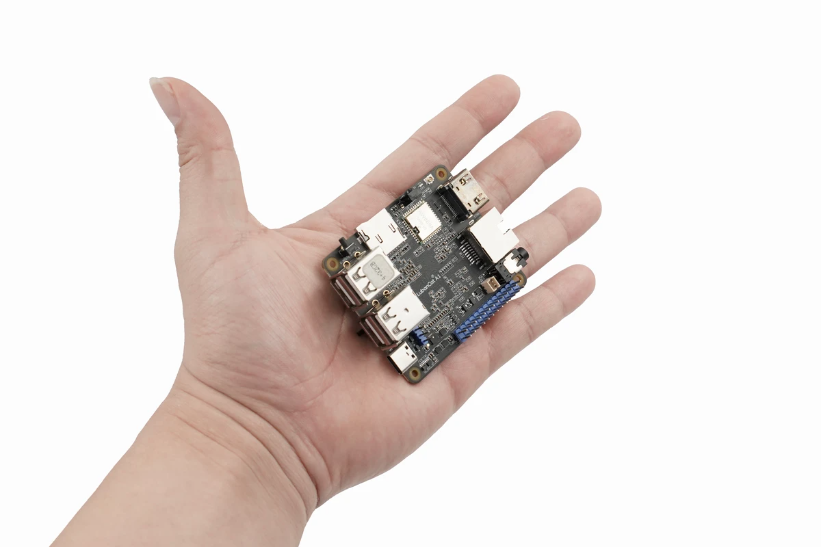
The LubanCat A1 is primarily aimed at makers and beginner embedded developers. The board is compact, measuring only 56*65mm, and features low power consumption with high efficiency, supporting both Linux and Android systems. It can serve as a mobile single-board computer or function as an embedded motherboard, suitable for various applications such as office work, education, programming development, and embedded development.
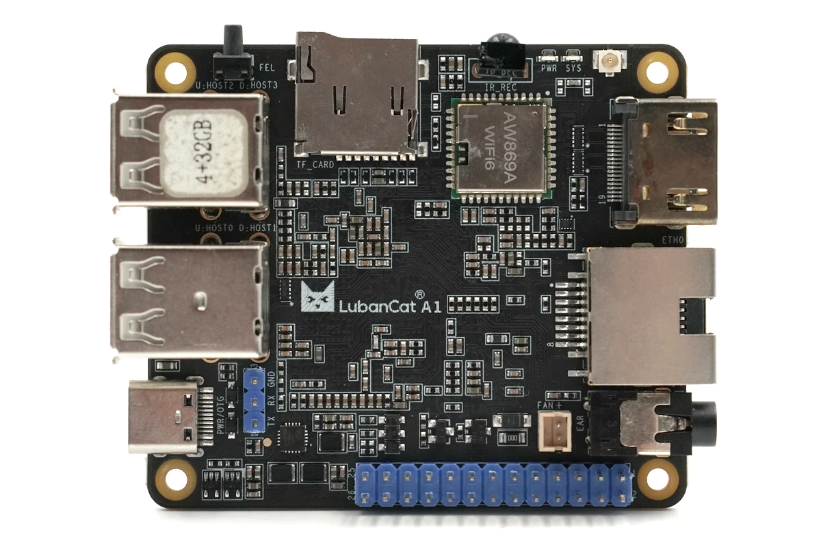
This development board uses the Allwinner H618 as the main control chip and is equipped with a dual-band WiFi 6 + BT 5.0 wireless module. In terms of interfaces, it provides USB 2.0 HOST/OTG, HDMI 2.0 video output, Gigabit Ethernet interface, TF card slot, etc. Additionally, it has a 26-pin expansion interface supporting common functions such as GPIO, SPI, UART, and PWM.
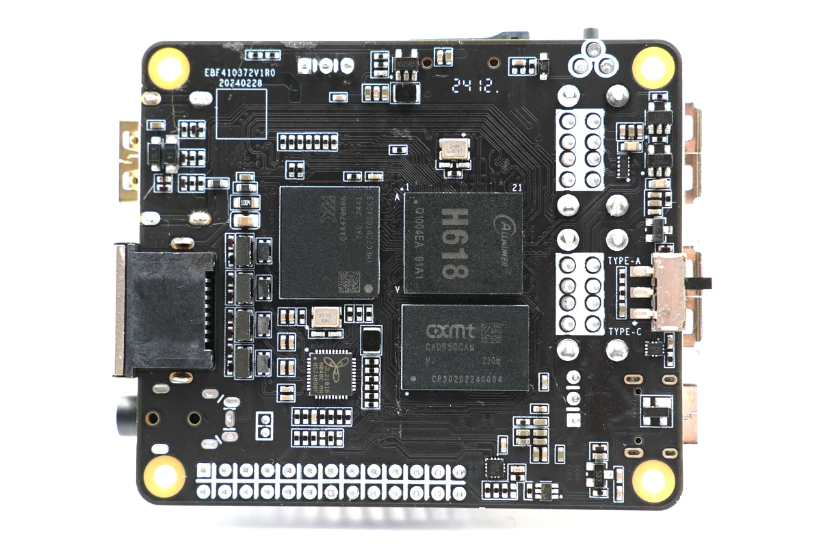
The processor, memory, and flash storage are all designed at the bottom of the board. The memory uses LPDDR4, offering three capacity options: 1GB, 2GB, and 4GB; the onboard eMMC flash storage provides two specifications: 8GB or 32GB. The sample I tested was configured with 4GB of memory and 32GB of eMMC.
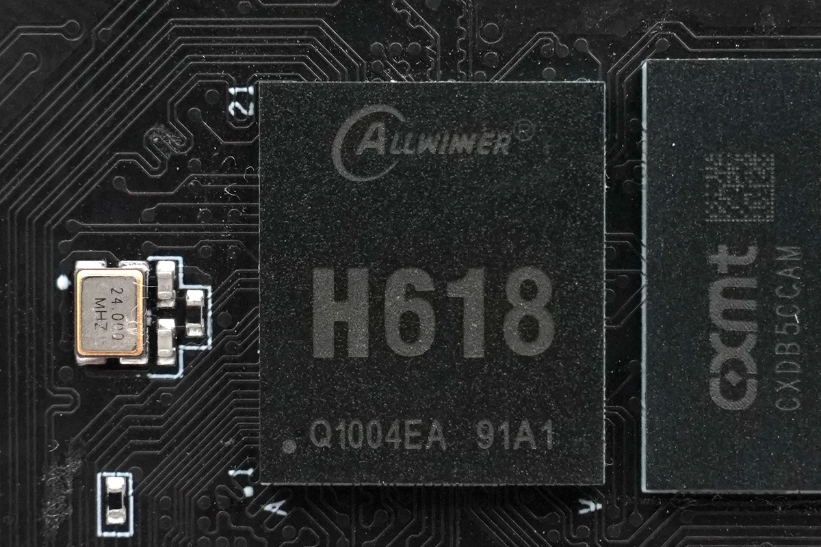
The main control chip is the Allwinner H618. This chip is mainly used in OTT (Over The Top Internet TV), smart screens, set-top boxes, and other products. The H618 integrates a quad-core Arm Cortex-A53 CPU and Mali-G31 GPU, featuring Allwinner’s self-developed image quality enhancement engine, supporting up to 8K@24fps H.265 video decoding and 4K@25fps H.264 video encoding.
YMTC Yangtze Memory Technologies eMMC EC150
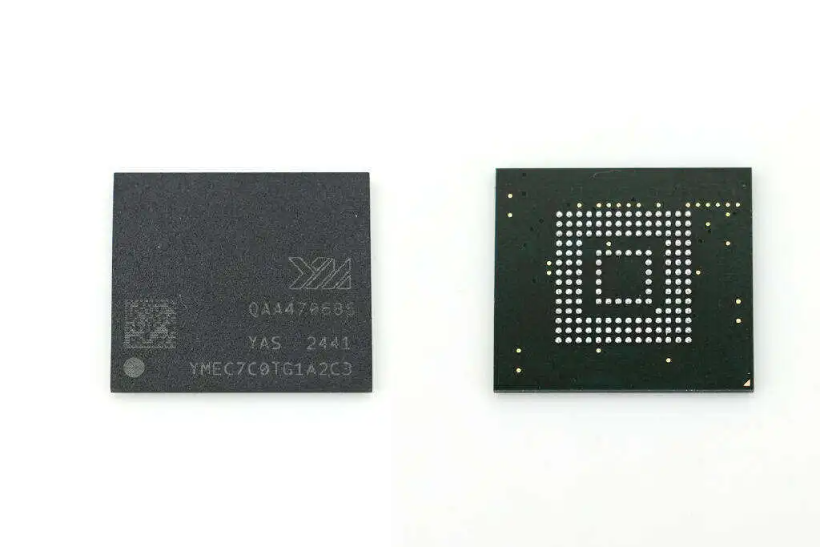
YMTC eMMC EC150 is a new generation of eMMC 5.1 embedded storage product built on the Yangtze Memory Technologies’ Xtacking 4.0 three-dimensional flash memory architecture. It supports HPB2.0+, automatic energy-saving features, effectively reducing device latency and power consumption; after undergoing HTOL 1000-hour testing (equivalent to 10 years of aging testing), it is stable and durable, significantly enhancing device lifespan; it is available in three capacity designs: 64GB, 128GB, and 256GB, providing high-performance, large-capacity storage solutions for mobile terminals, tablets, smart TVs, and other smart AIoT devices.
YMTC eMMC EC150 adopts a BGA153 package, compliant with JEDEC standards. The version we have is the 64GB capacity version, marked with “YMEC7C0TG1A2C3” on the top.
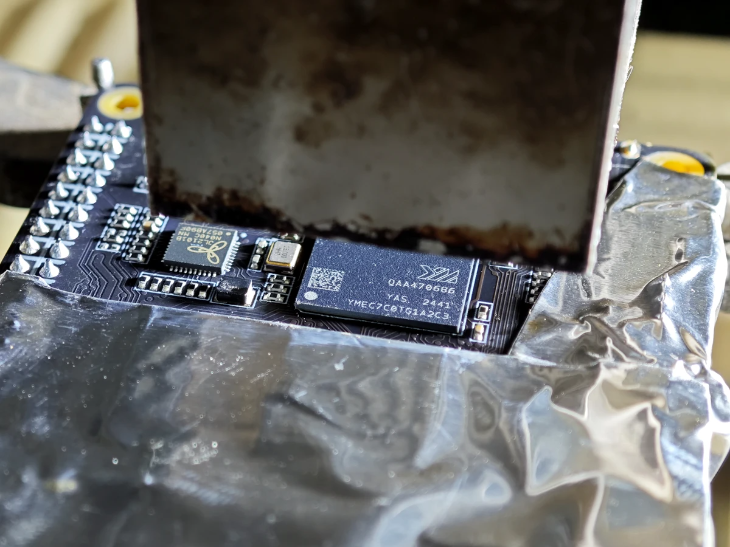
To test platform compatibility, the Yangtze Memory Technologies eMMC EC150 embedded storage chip was soldered onto the development board using a BGA soldering station.
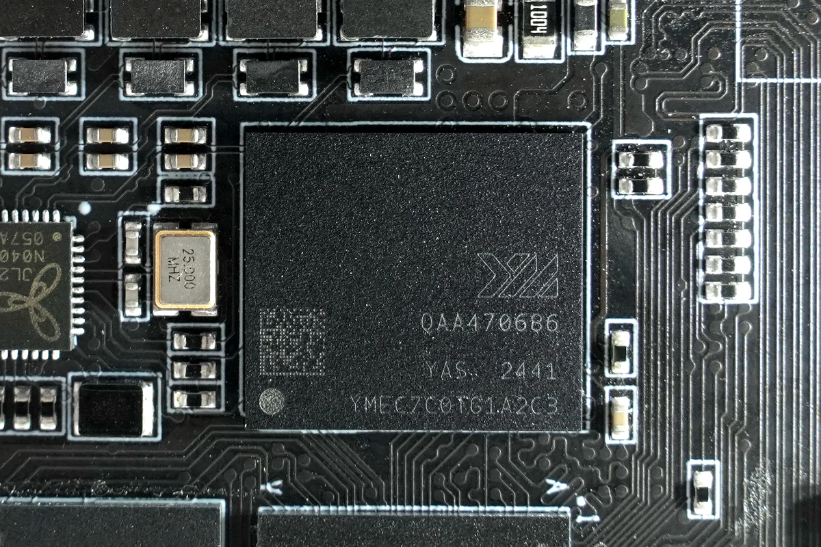
As shown in the figure, the Yangtze Memory Technologies eMMC EC150 has been successfully soldered onto the development board.
Development Board Clock Mode Description
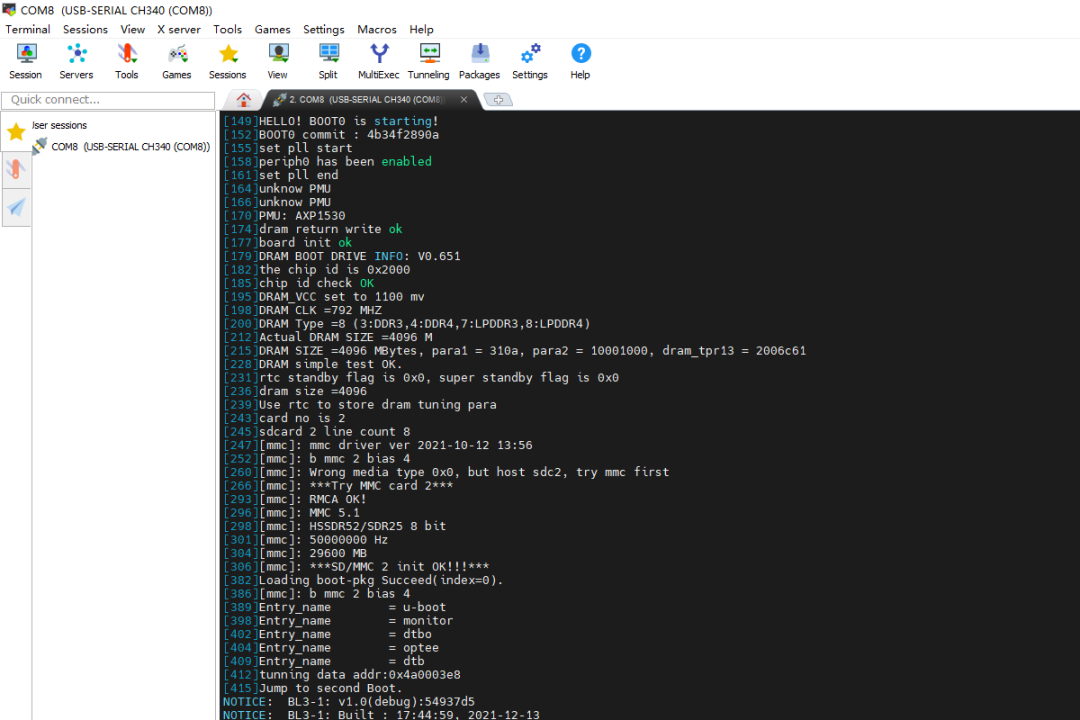
During the testing preparation phase, by reading hardware information through the serial port, it was found that the eMMC currently operates in HSSDR52 / SDR25 8-bit mode, with a working frequency of 50MHz, which is a relatively low-speed mode.
The Yangtze Memory Technologies EC150 supports various high-performance clock modes such as SDR, DDR, HS200, and HS400. To adapt to the current development board hardware, the EC150 is actually running in the backward-compatible SDR25 8-bit state.
Android TV 12
This time, the Android TV system was flashed onto the H618 platform using the PhoenixSuit tool, which is primarily designed for tablets, set-top boxes, and smart TVs. PhoenixSuit supports firmware flashing and upgrading for all Allwinner chips, featuring a user-friendly interface that simplifies the flashing process.

Entering the one-click flashing interface of PhoenixSuit, select the corresponding image file. After connecting the development board to the computer, the tool instantly recognizes the device and automatically starts flashing the firmware.

The entire image flashing process took about 1 minute, which is very fast.
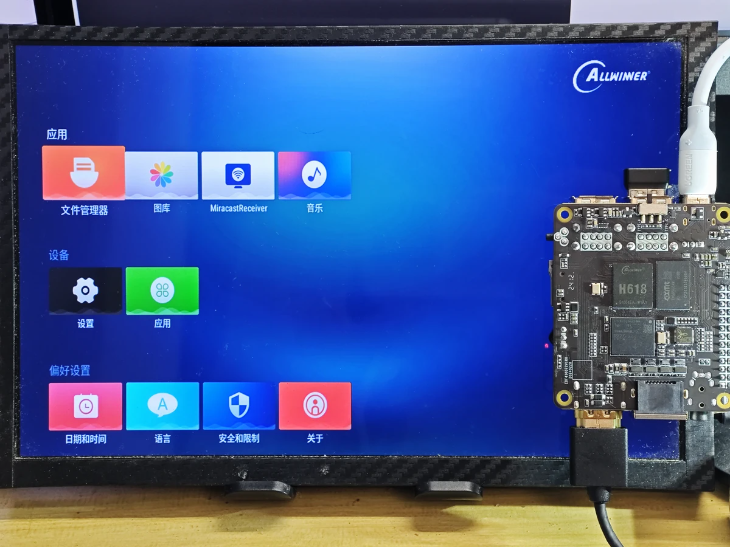
After rebooting the development board, it entered the Android TV system.
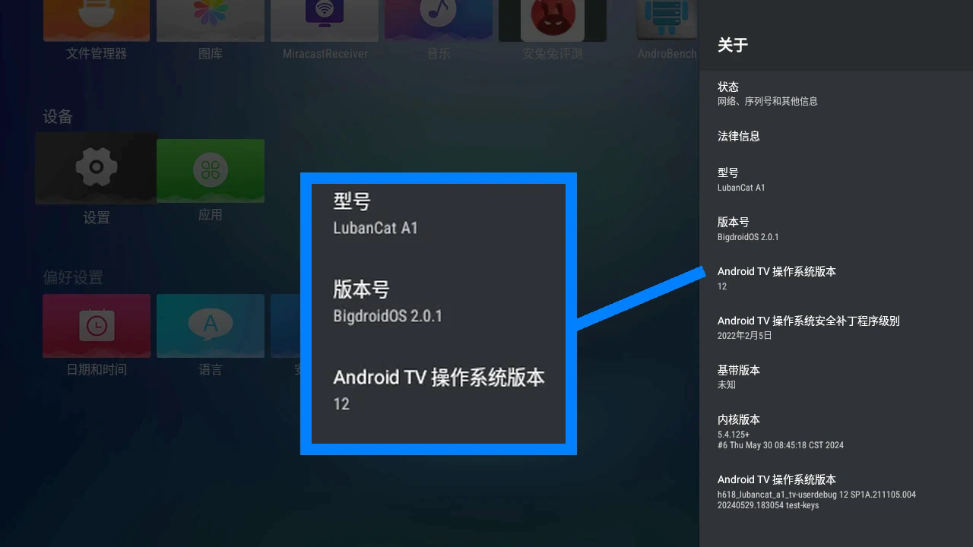
Entering the system settings to check the system version, it can be seen that the current version is Android TV 12.
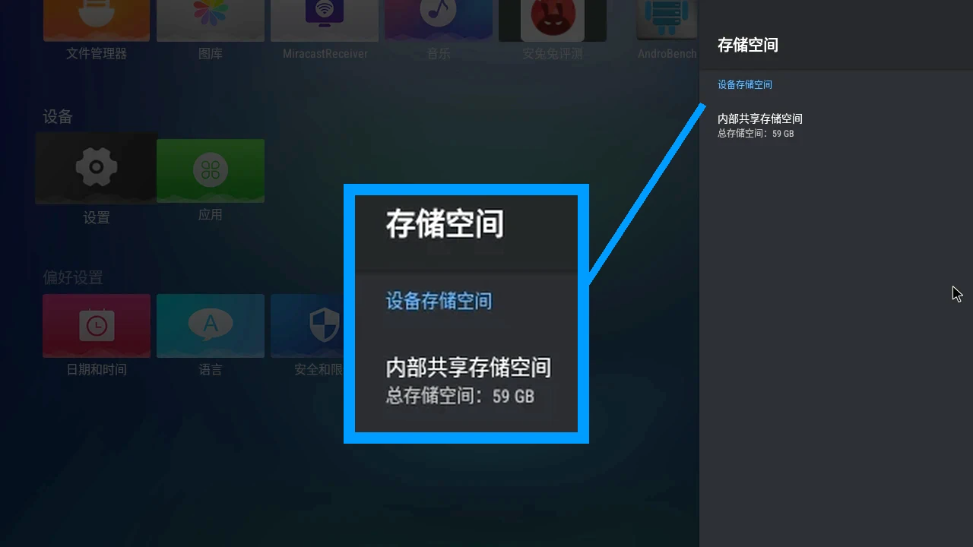
Entering the storage space view, the total capacity shows 59GB, indicating that the EC150 64GB flash chip has been correctly recognized by the system, successfully expanding the development board’s storage from the original 32GB to 64GB.
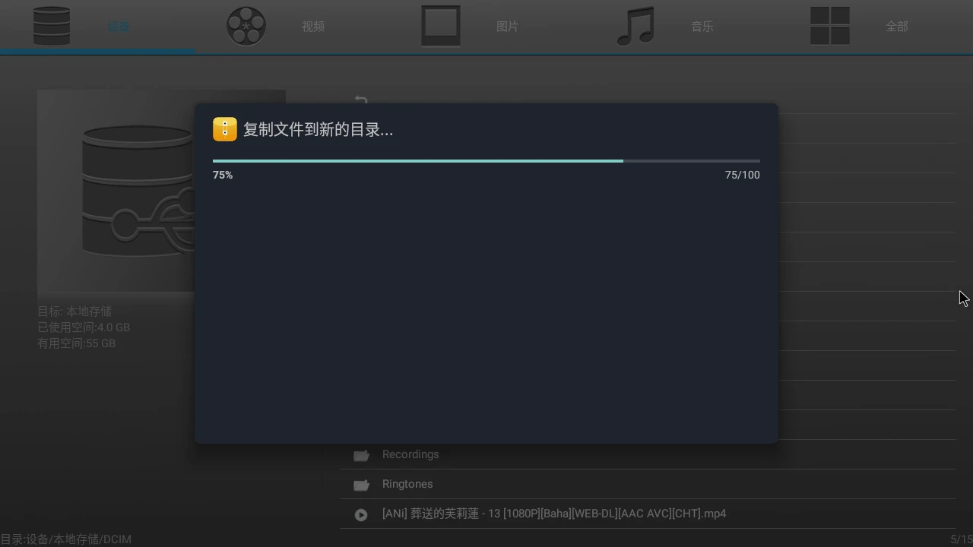
Copying video files from a USB drive to the eMMC to test media playback smoothness.
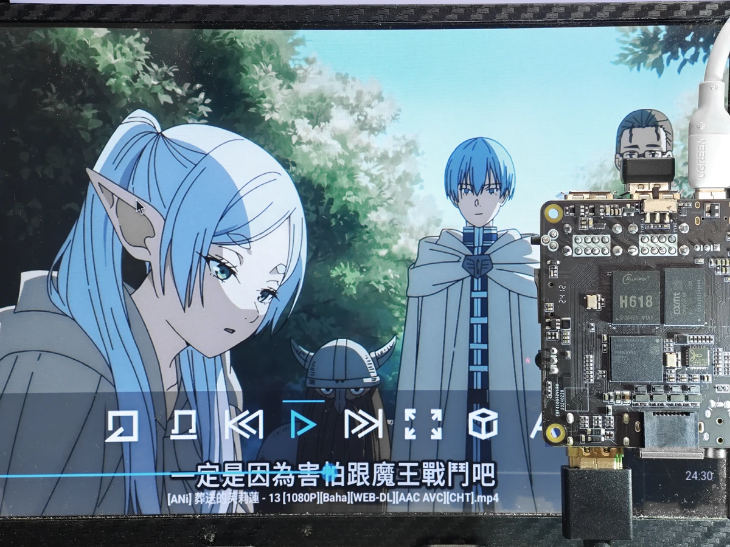
Using the built-in player to watch the video, dragging the progress bar showed no stuttering, and the audio and video were synchronized without any issues.
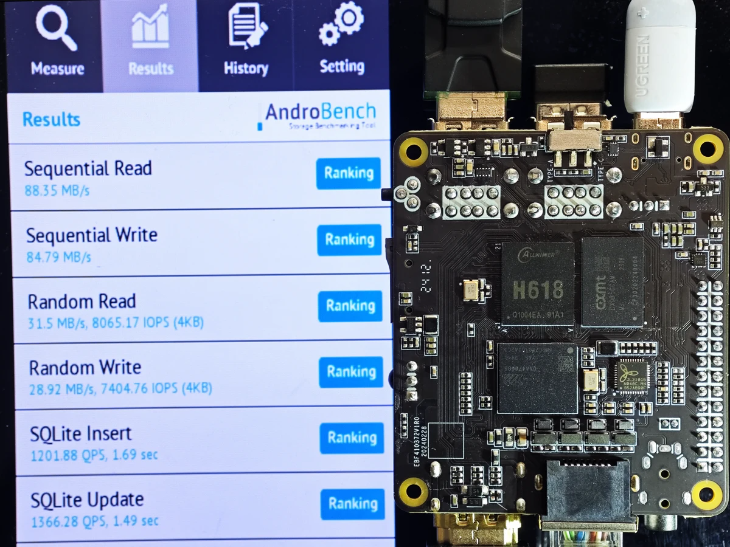
Finally, using AndroBench for read and write performance testing, the sequential read speed was 88.35MB/s, and the sequential write speed was 84.79MB/s; the 4K random read speed was 31.5MB/s, and the 4K random write speed was 28.92MB/s, demonstrating excellent small file read and write performance.
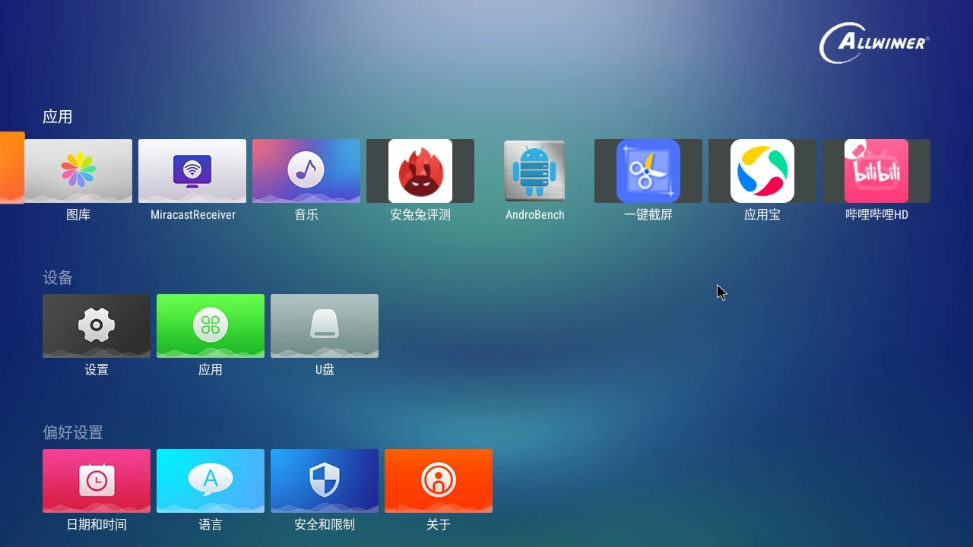
Installing apps through USB drives, network downloads, and app stores all worked normally, with quick program startup responses, achieving a near “instant open” experience.
Ubuntu 22.04.4 LTS
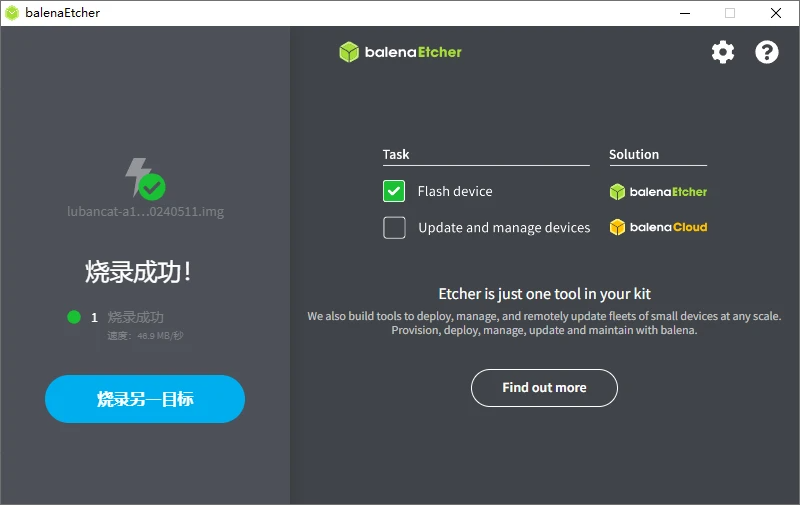
For the Linux system, the Allwinner H618 platform requires firmware to be written via a card flashing method. Here, we first used balenaEtcher to flash the Ubuntu system onto the TF card.
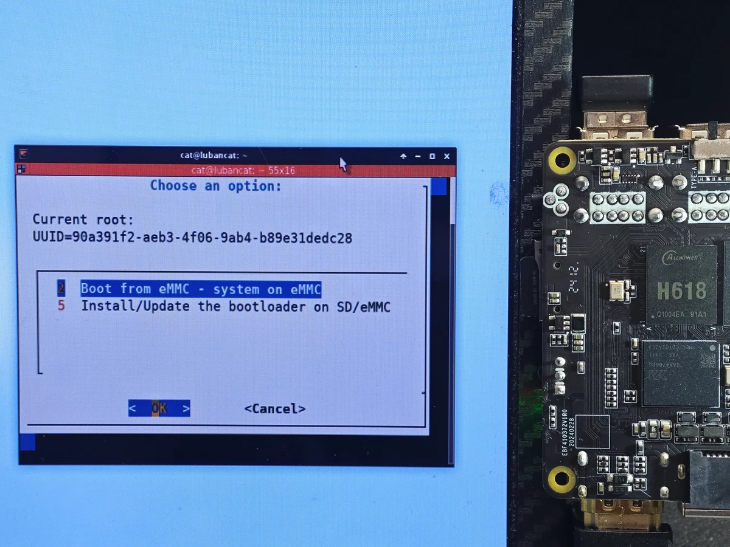
Insert the flashed TF card into the H618 development board and run the Ubuntu system based on the TF card. By using the “sudo nand-sata-install” command, we enter the eMMC flashing interface and select “Boot from eMMC – system on eMMC”.
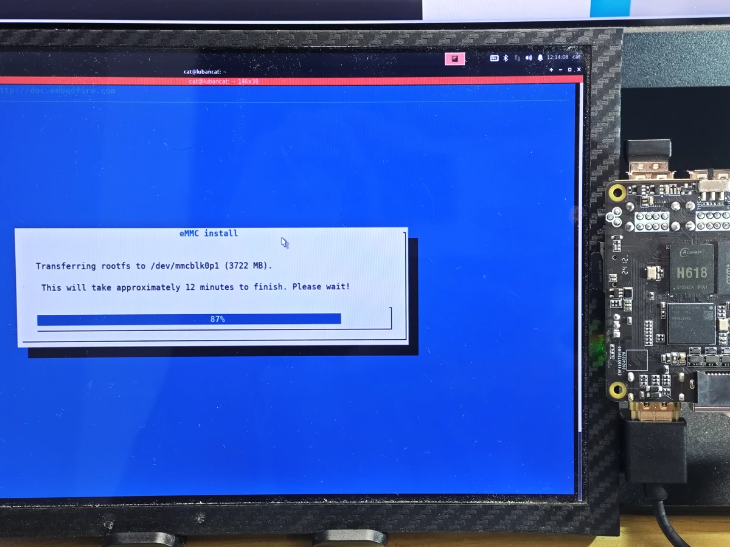
After confirming with the Enter key, the program will first erase all content on the eMMC, and then flash the Ubuntu system from the TF card to the eMMC. The image shows the flashing progress bar, and after a few minutes, the system flashing is complete.
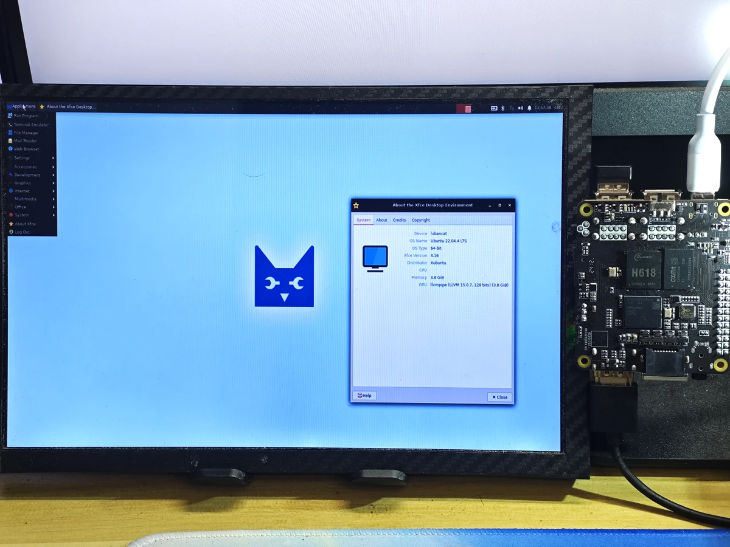
After rebooting, the Ubuntu system successfully runs on the EC150.
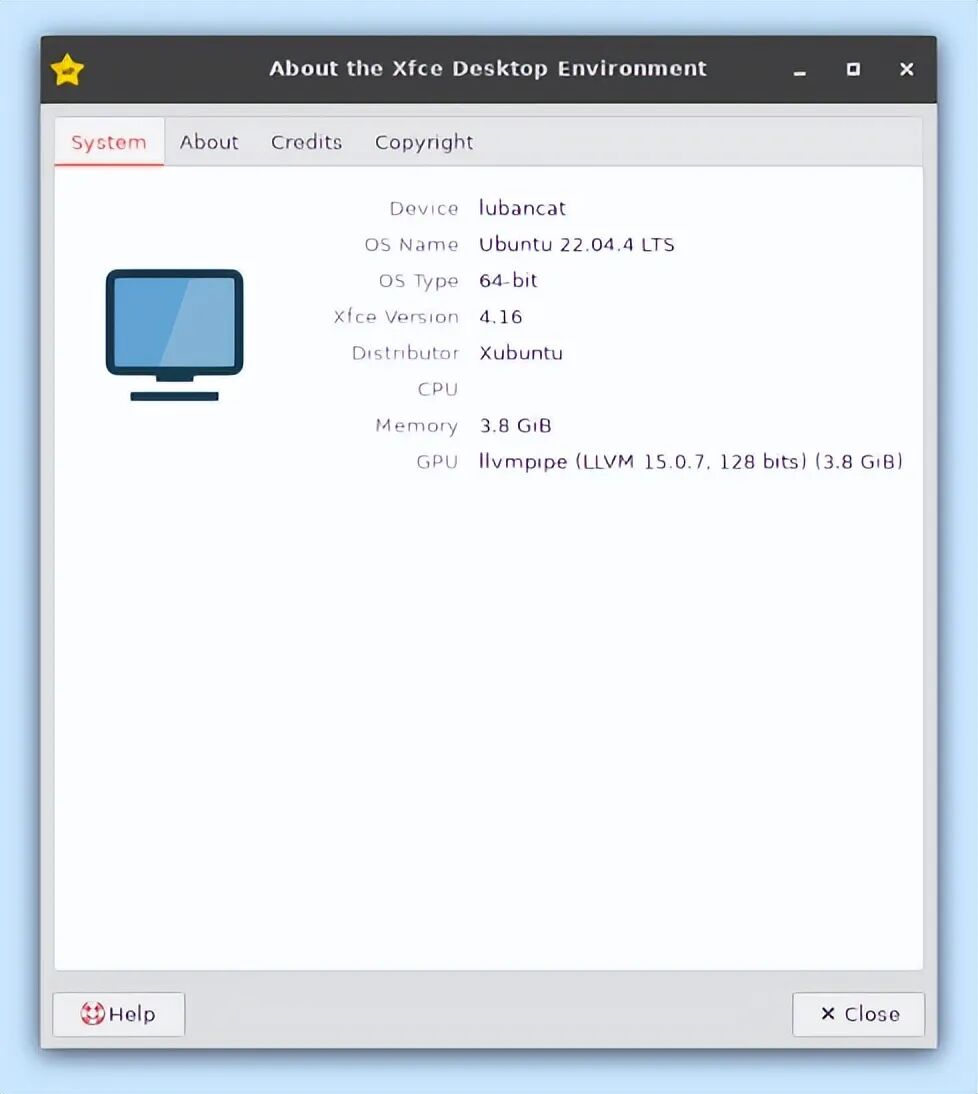
The system version is Ubuntu 22.04.4 LTS.
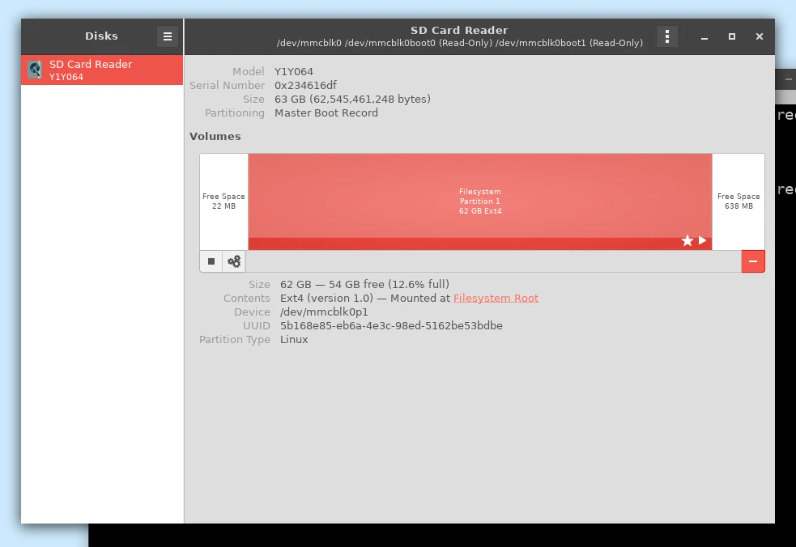
First, let’s see if Ubuntu can recognize the EC150 properly. The system shows the current storage space as 63GB, with approximately 12.6% used.
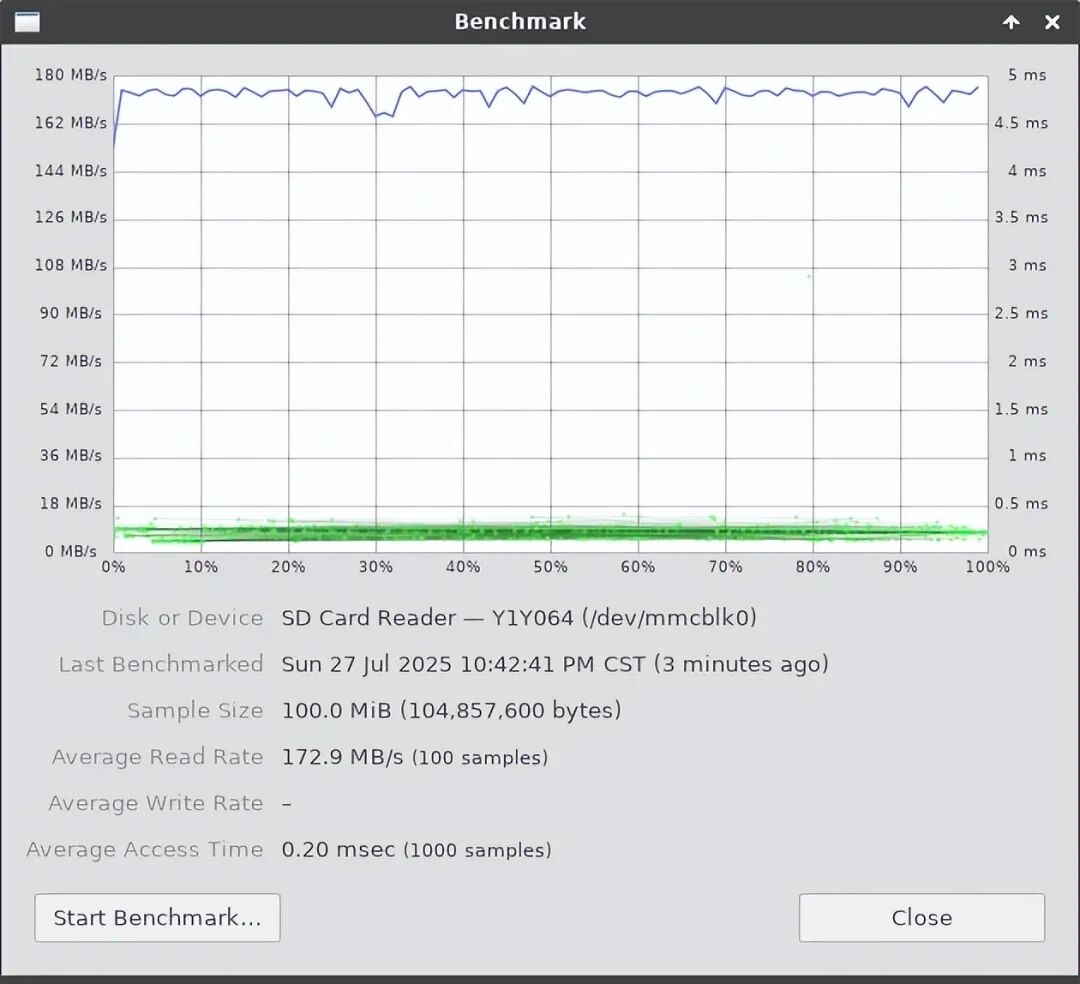
Since the eMMC EC150 is used as the system disk, only read speed can be tested. Using the system’s built-in disk tool, the average read speed was measured at around 172.9MB/s. The chart shows a smooth curve, indicating excellent performance.
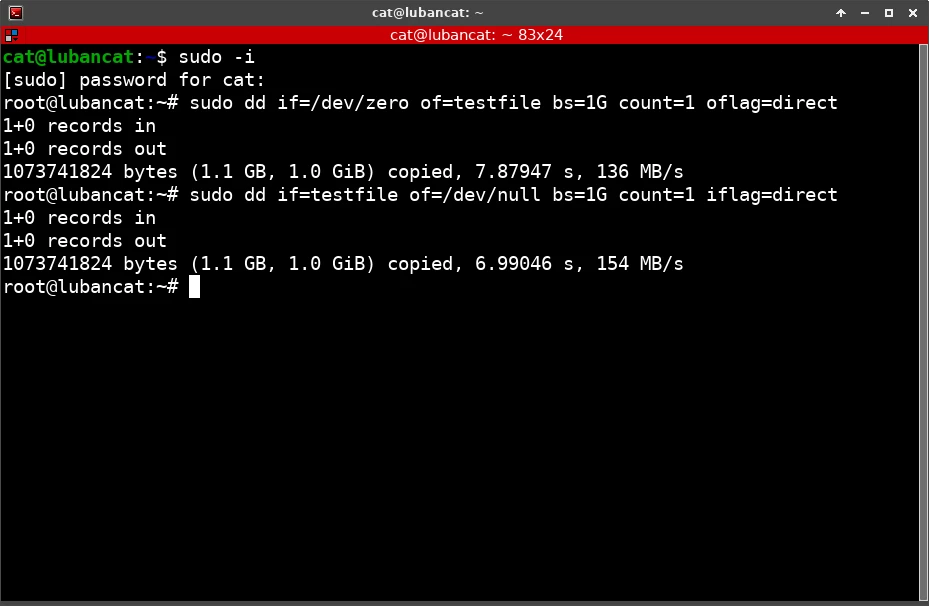
In the Ubuntu 22.04.4 LTS system, using the dd command to test the read and write performance of the eMMC EC150, the performance for a 1GB large file is as follows: sequential write speed is 136MB/s, and sequential read speed is 154MB/s.
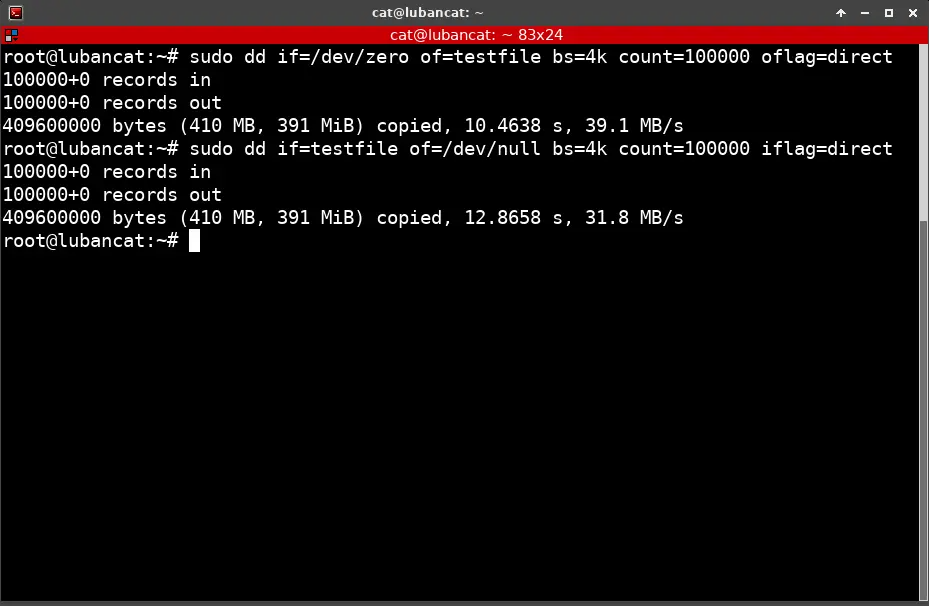
In the 4K small file random read and write test, the random write speed was 39.1MB/s, and the random read speed was 31.8MB/s, which is consistent with the excellent small file read and write performance observed during the Android system tests.
Power Consumption
Next, let’s look at the power consumption performance. The development board is powered via a USB-C interface, and the image shows that the system’s power consumption is as low as 1.9W in desktop idle state.
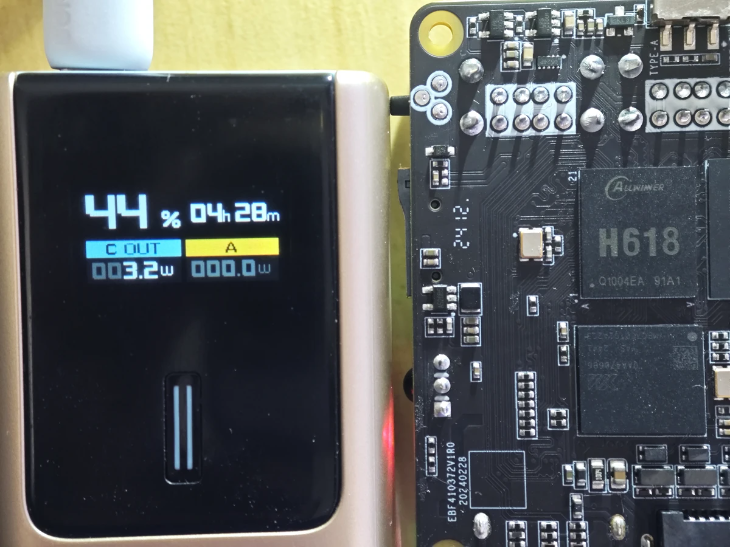
During high-load scenarios, the overall power consumption is about 3.2W, which is typical for a low-power platform.
Chongdiantou Network Summary
This in-depth review of the Allwinner H618 ARM platform with the Yangtze Memory Technologies eMMC EC150 embedded storage chip completed comprehensive testing from hardware compatibility verification to system-level performance evaluation.
In terms of hardware compatibility and system stability, the Yangtze Memory Technologies EC150 (64GB) uses a standard BGA153 package. After soldering it onto the LubanCat A1 development board, it was seamlessly recognized in both Android TV 12 and Ubuntu 22.04 LTS dual operating system environments. The system accurately reported the available storage capacity (approximately 59GB on Android and approximately 63GB on Ubuntu), and core operations such as system installation, application loading, and data read/write ran stably without compatibility errors or interruptions, fully validating the comprehensive adaptation capability of the Yangtze Memory Technologies EC150 for mainstream embedded operating systems.
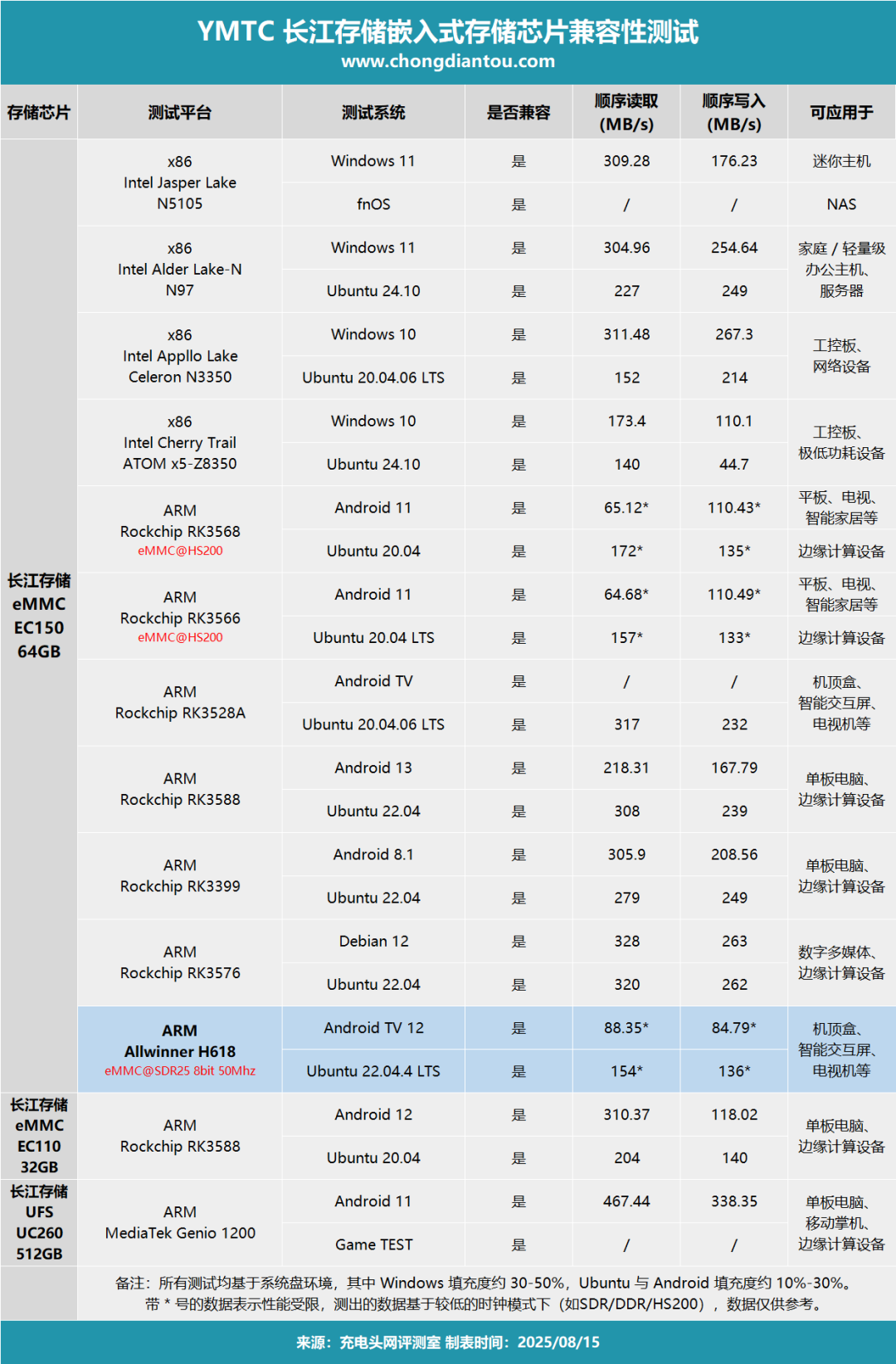
The eMMC on this development board operates in a lower clock mode of HSSDR52 / SDR25 8-bit at 50MHz, and the actual measured data did not reach the full speed state of the EC150.
In the Android TV environment, the measured AndroBench sequential read and write speeds reached 88.35 MB/s and 84.79 MB/s, respectively, with 4K random read and write performance at 31.5 MB/s and 28.92 MB/s. In the Ubuntu system environment, the system disk tool measured an average read speed of 172.9 MB/s, with sequential read and write speeds of 154 MB/s and 136 MB/s, respectively; the 4K random read and write performance reached 31.8 MB/s and 39.1 MB/s. However, operating in SDR25 8-bit mode did not significantly affect random read and write performance.
The system’s energy efficiency control also performed excellently. When the development board is running the EC150, the overall power consumption in idle desktop state is only 1.9W, maintaining around 3.2W in high-load scenarios. It is particularly noteworthy that storage performance is closely related to processor computing power and system power consumption. Under the stringent power constraints of the Allwinner H618 platform, the EC150 achieved over 30 MB/s in 4K random read performance across both systems, approaching the storage performance of high-performance embedded platforms, significantly surpassing the typical standards of similar low-power solutions, providing a foundational guarantee for overall system smoothness.
The Yangtze Memory Technologies eMMC EC150 has passed rigorous testing for compatibility, read and write performance, and energy efficiency on the Allwinner H618 platform. Whether for high-performance scenarios or high energy efficiency requirements, the EC150 demonstrates excellent comprehensive technical strength, meeting commercial-grade embedded application requirements, and providing a reliably validated optimal solution for those seeking stable and efficient storage solutions.