Click 【Industrial Automation Insights】 to follow us!
A Distributed Control System (DCS) is a widely used automation control system in the industrial field, designed for centralized monitoring and distributed management of industrial processes. One of the cores of DCS is its integration of various types of sensors to collect real-time parameters from industrial processes, ensuring the system’s reliability and efficiency. Below, we will detail the common types of sensors in DCS systems and their applications.
Source: Industrial Visualization
1. Temperature Sensors
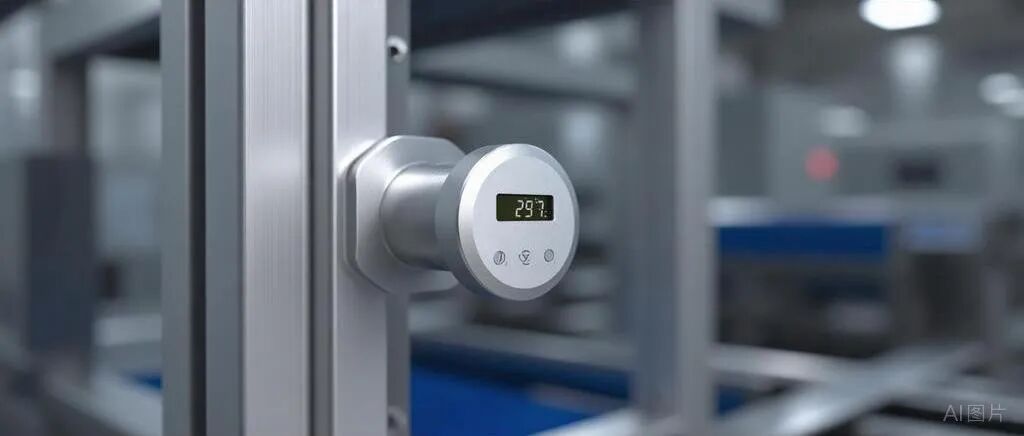
Temperature sensors are one of the most commonly used components in DCS systems, used to track temperature changes in industrial processes.
Common Types:
- Thermocouples: Suitable for high-temperature scenarios, fast response, moderate accuracy.
- Resistance Temperature Detectors (RTD): Commonly used in medium to low-temperature environments, high accuracy, but slower response.
For example, chemical plant reaction vessels require thermocouples to maintain stable temperature control.
2. Pressure Sensors
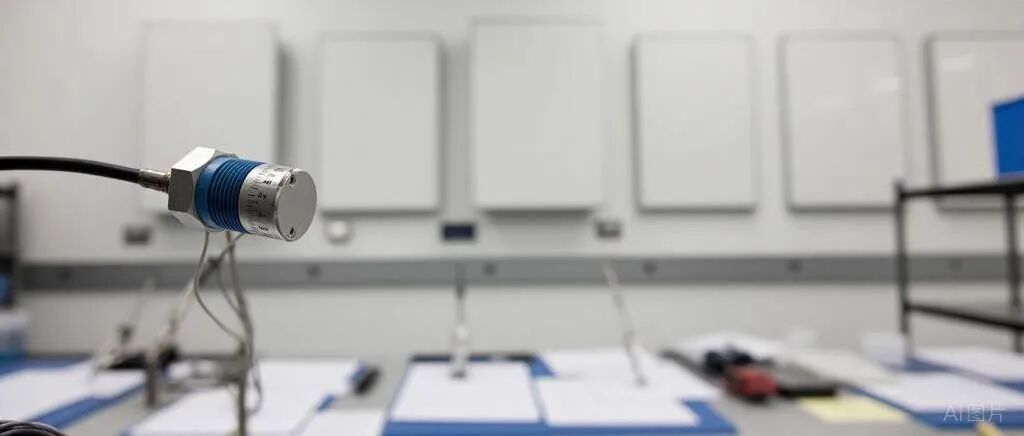
Pressure sensors are used to monitor the pressure of gases, liquids, or process pipelines, ensuring the safe operation of equipment.
Application Scenarios:
- Pressure regulation in steam pipelines.
- Indirect measurement of liquid levels in storage tanks (calculating level through liquid column pressure).
# Example: Pressure Signal Acquisition
pressure_value = sensor.read_pressure("Pipeline A")
if pressure_value > rated_value:
    activate_safety_valve()
3. Flow Sensors
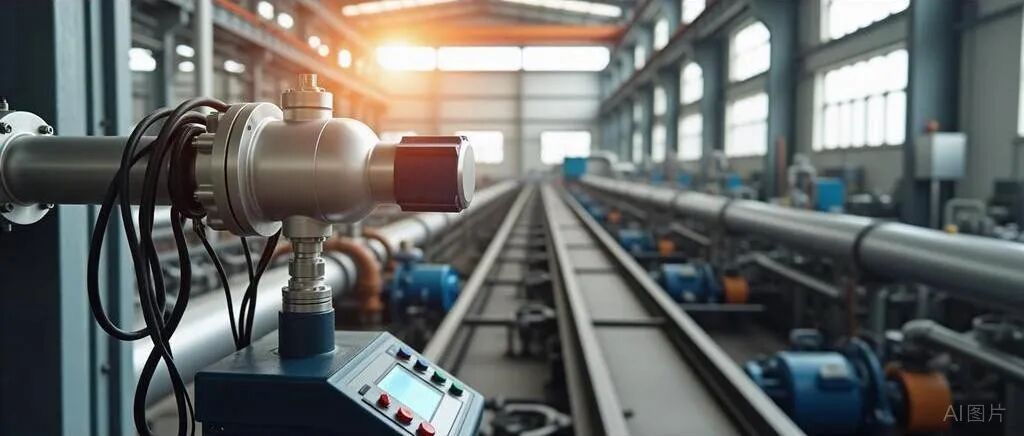
Flow sensors in DCS systems are primarily used to measure the flow rate of liquids and gases.
Common Types:
- Electromagnetic flow meters: Suitable for measuring conductive liquids.
- Turbine flow meters: Widely used for flow measurement in the oil and gas industry.
By monitoring flow data, precise material measurement and flow control can be achieved.
4. Level Sensors
Level sensors are used to detect the height of liquids in tanks or containers, playing a crucial role in liquid material management.
- Ultrasonic level meters: Suitable for non-contact measurement.
- Float sensors: Simple mechanical devices used to detect liquid levels.
Level sensors can be integrated with alarm systems to prevent liquid overflow or tank dry running.
5. Gas Sensors
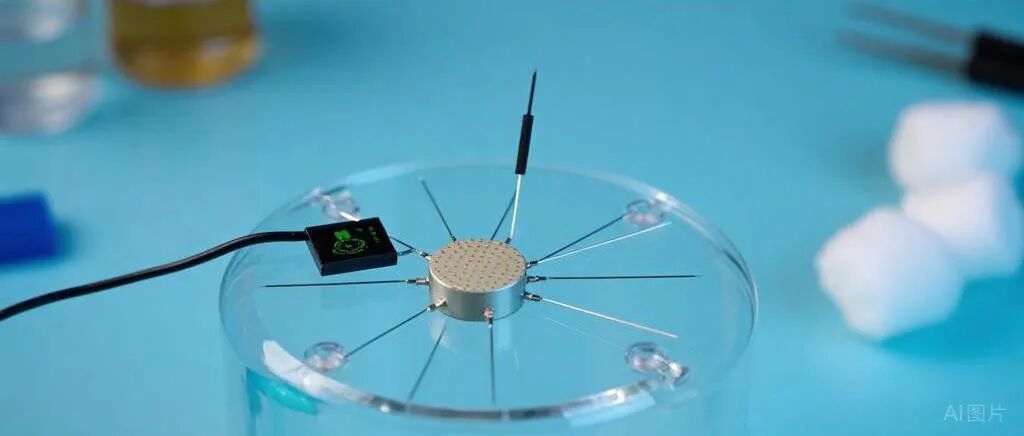
Gas sensors can detect specific gas components or concentrations in the air surrounding industrial sites, such as:
- Oxygen Sensors: Ensure proper operation of ventilation systems.
- Toxic Gas Sensors: Such as H2S and CH4, used for safety monitoring in industrial sites.
# Gas Monitoring Example
gas_concentration = sensor.detect("H2S")
if gas_concentration > standard_value:
    trigger_alarm("Danger: Toxic gas concentration too high!")
6. Vibration Sensors
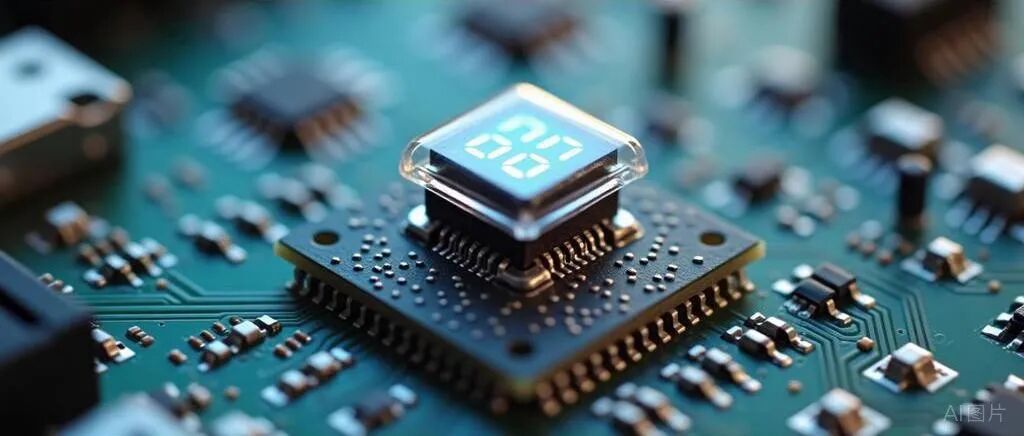
Vibration sensors are primarily used for early warning of machine equipment failures by monitoring the frequency and amplitude of equipment vibrations, detecting early mechanical issues such as bearing wear and imbalance.
- Commonly found in turbines and pump equipment in power plants.
7. Optical Sensors
Optical sensors also play an important role in DCS systems, especially for detecting changes in intensity of luminous objects or the position of objects.
Application Scenarios:
- Dust detection.
- Laser ranging and target positioning on automated production lines.
DCS integrates various sensors, covering the collection of temperature, pressure, flow, level, gas, vibration, and even optical signals. All these sensors form a collaborative working system, processing and analyzing the collected data through the DCS platform to achieve automated operations and efficient management.

↓
Long press the QR code to register online