☝Click the blue text above to follow the China Stage Art Society → top right corner “…” → “Set as Star”
This article is adapted from: New Media Art Station
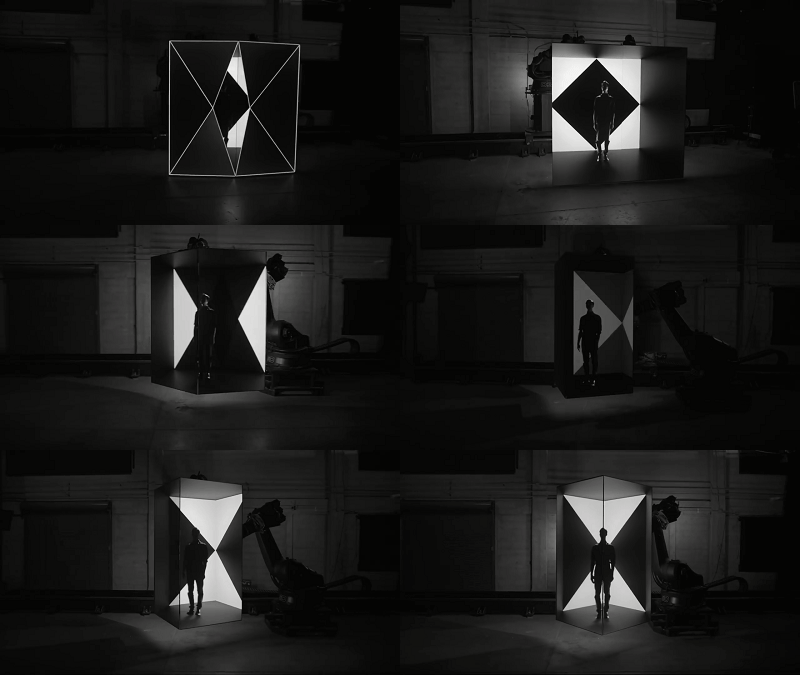
by Bot & Dolly
Robotic arms, as the earliest industrial robots,
have long been regarded as tools to assist humans,
performing many inefficient repetitive tasks.
However, when artists discovered and utilized robotic arms,
they seemed to possess infinite possibilities.
They can have their own “independent consciousness”
and evolve into “new species”
to create public art,
dance battles,
and even play in bands.
……
1
Italy: Sonic Weapon – Robotic Dance Performance
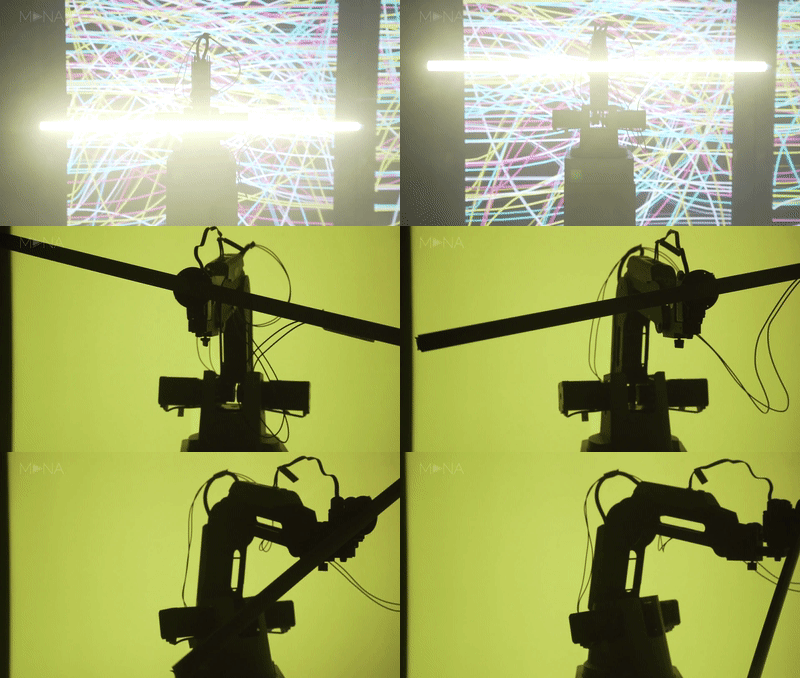
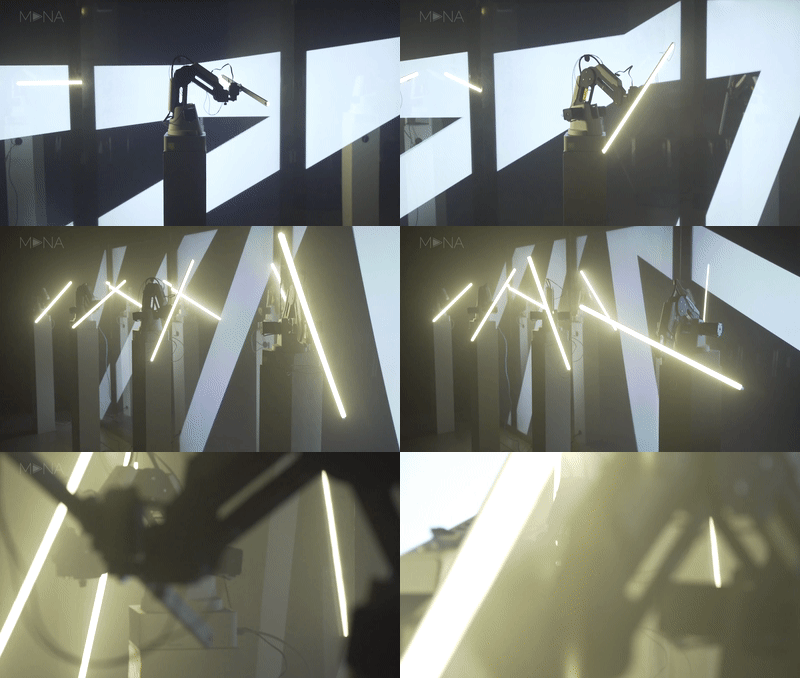
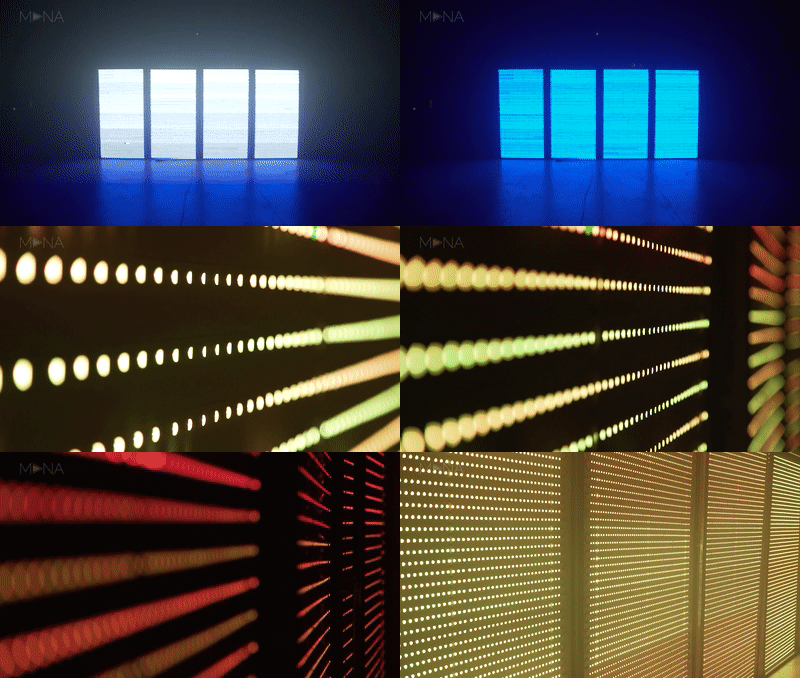

In an industrial space in Rome, four robotic arms perform an ethereal dance. “Sonic Arms” is a dance composed of robotic arms, lights, and images, based on generative scores, enhancing the humanity of robots and breaking the dichotomy between humans and technology. The Ultravioletto team explores the impact of machines on digital culture through this work.
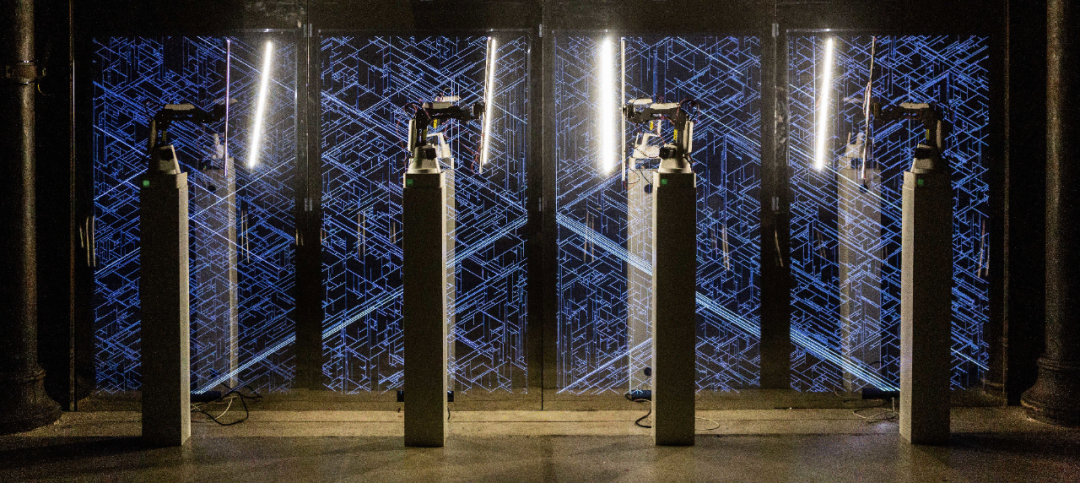
Ultravioletto is an interactive design studio whose creations span multiple disciplines: architecture, design, art, and new media, bringing interactive installations, performances, and immersive experiences into life.
2
Switzerland: Robotic Arm Trapped in a Closed Sphere
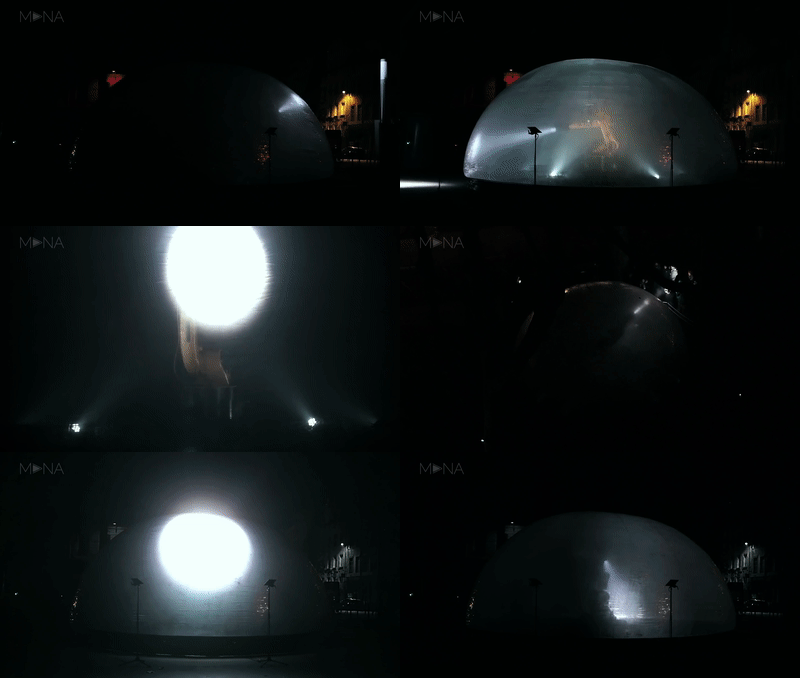
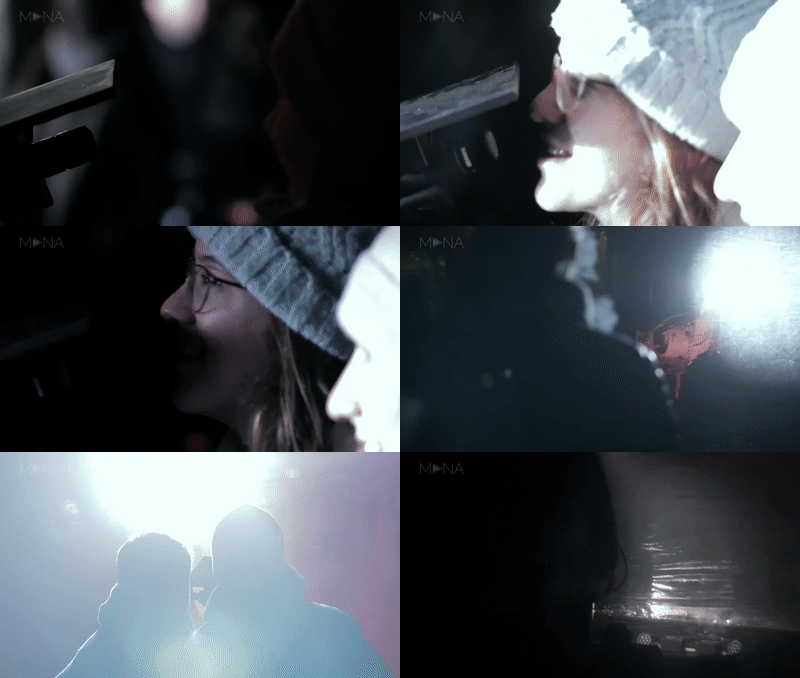
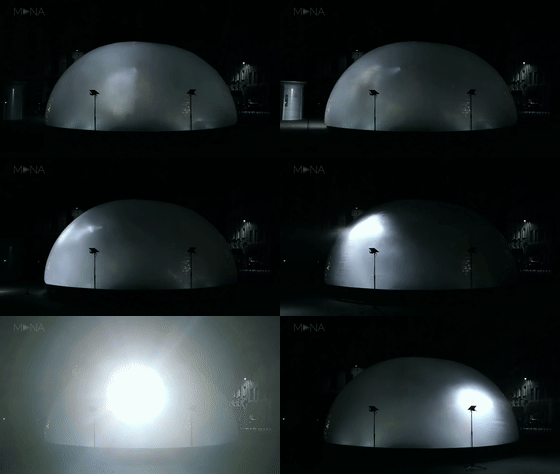

The robotic arm is confined in a closed space, like an animal in a cage. For its own safety, it evolves in the atmosphere, responding to the environment like an animal and attempting to break free. The audience stands comfortably outside the sphere, trying to stimulate the robotic arm to tame it. Meanwhile, the robotic arm hopes to engage in dialogue with the public, detecting human presence and attempting to communicate.
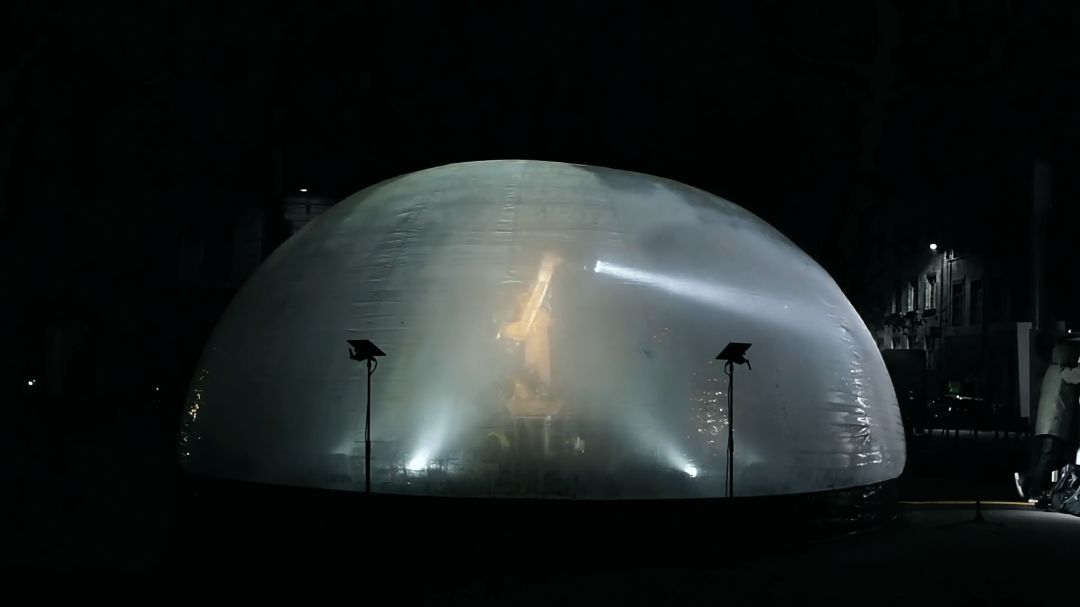
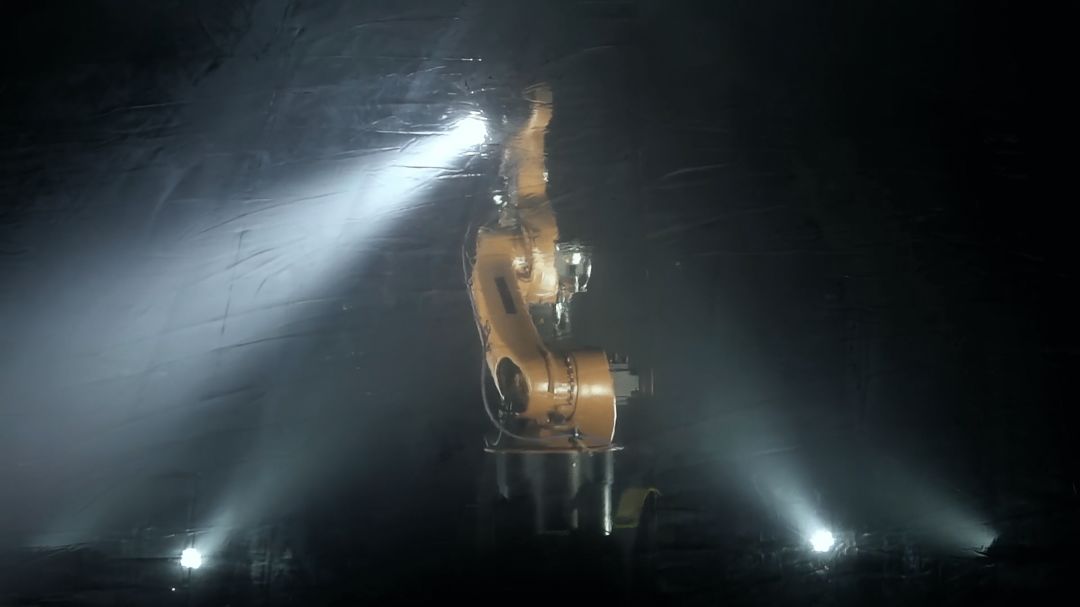
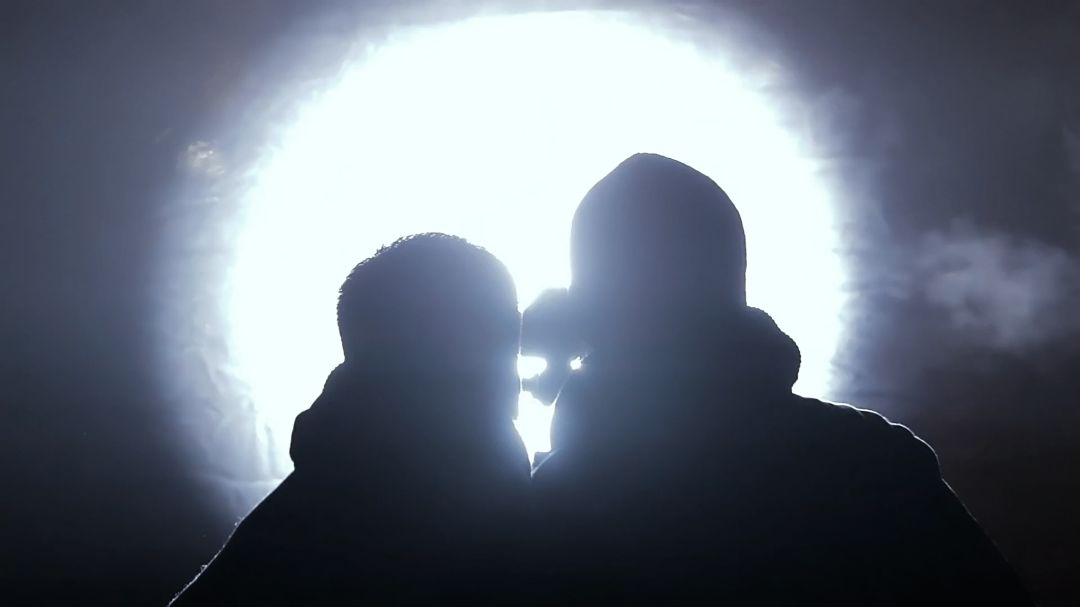
ENCOR STUDIO is a digital art collective based in Geneva, Switzerland, specializing in large projection projects, audio-visual interaction, light installations, and CG imagery. They operate under the name Supermafia for commercial and public projects, while they are known as ENCOR STUDIO for more artistic creations.
3
Germany: Robotic Arm-Controlled Ritual Performance
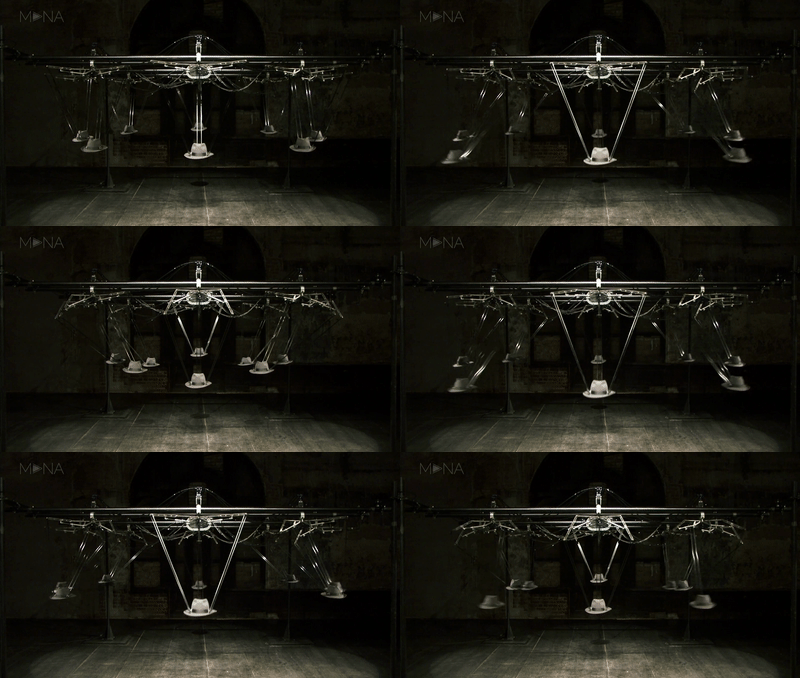
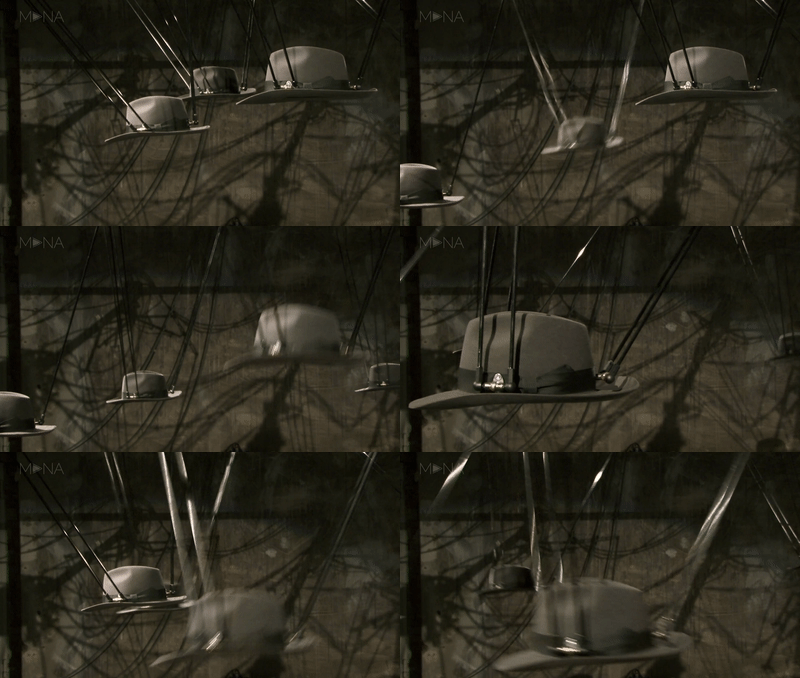

Artist Peter William Holden pays tribute to the helicopter attack scene in the film “Apocalypse Now” with this work. Repetitive robots hang from a metal frame, with black rods connecting each of the eight hats to these machines, which appear in a flying formation, ready to attack at any moment. As Wagner’s piece “Ride of the Valkyries” plays, the hats bend and rotate, creating a surreal sculptural performance with a sense of ritual.
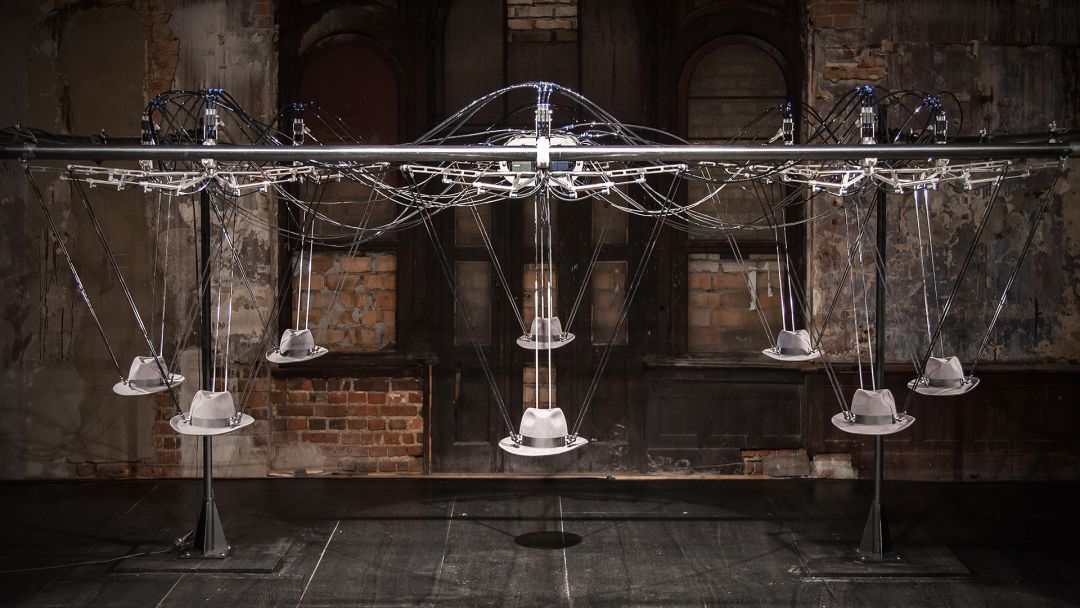
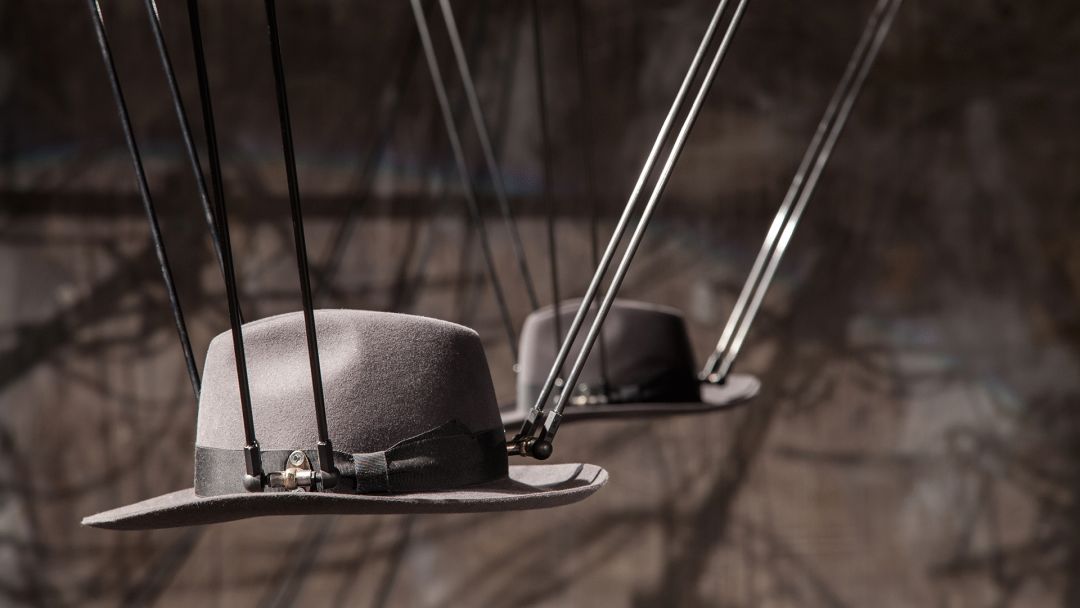
Peter William Holden has a strong interest in imagery and has been exploring ways to unify sculpture and photography. In his research, he merges computational devices with robotic elements to create dynamic sculptures reminiscent of mandalas.
4
South Korea: Robotic Café

Recently, a robotic café created by the South Korean team d’strict and the robotics automation company T-robotics opened in South Korea. This 660 square meter café space resembles a media art exhibition hall.
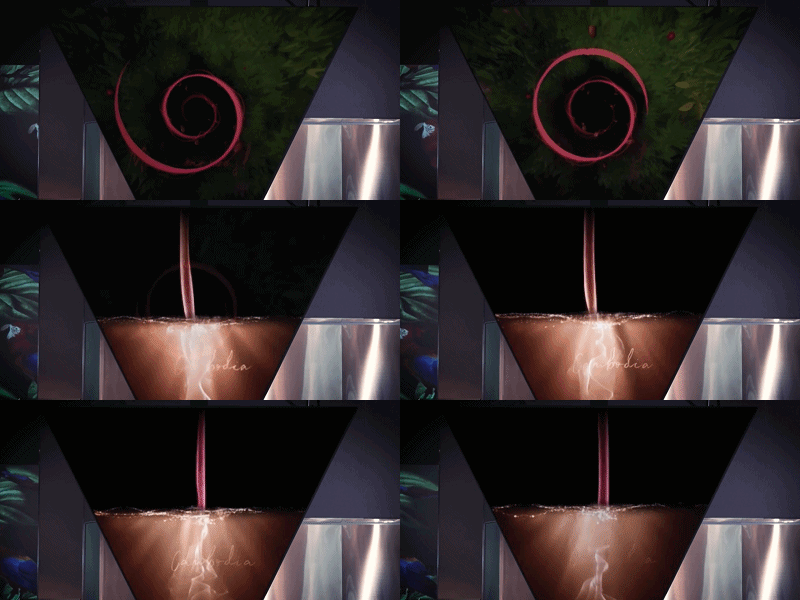

The robots in this café have a different appearance and movements compared to other robotic cafés. They stand alongside real baristas, collaborating to make coffee. The types of robots are also diverse. The coffee robot is responsible for making coffee, while the larger cocktail robot prepares cocktails and soft drinks, retrieving the appropriate ingredients from above and shaking them in a stainless steel container.
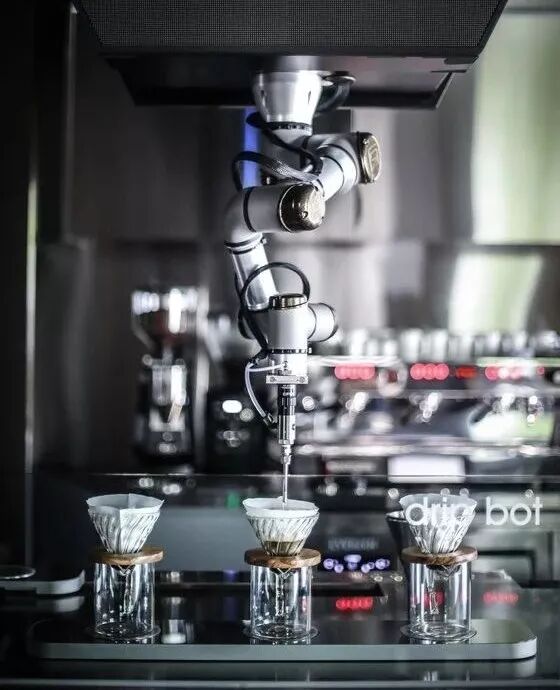
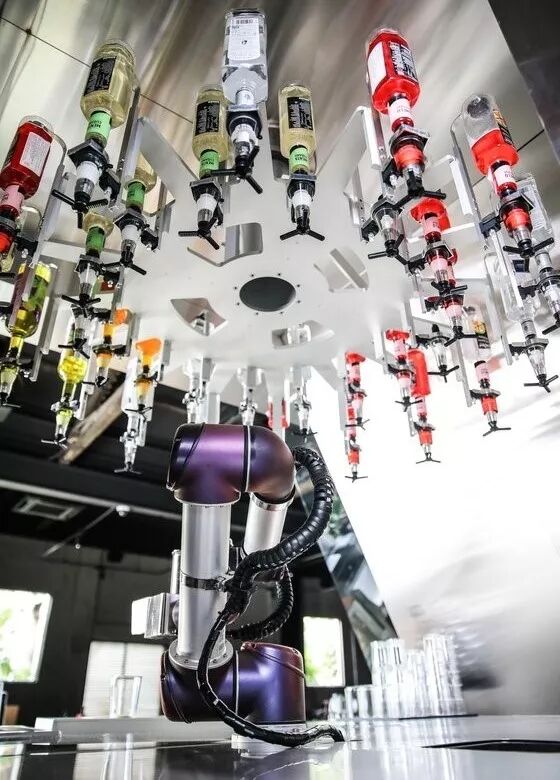
d’strict is a world-renowned cultural and creative team based in the Gangnam area of Seoul, South Korea, combining art and digital technology to provide customer-centered spatial experience products and services.
5
China: Robotic Arm Camera System Capturing XR Extended Reality
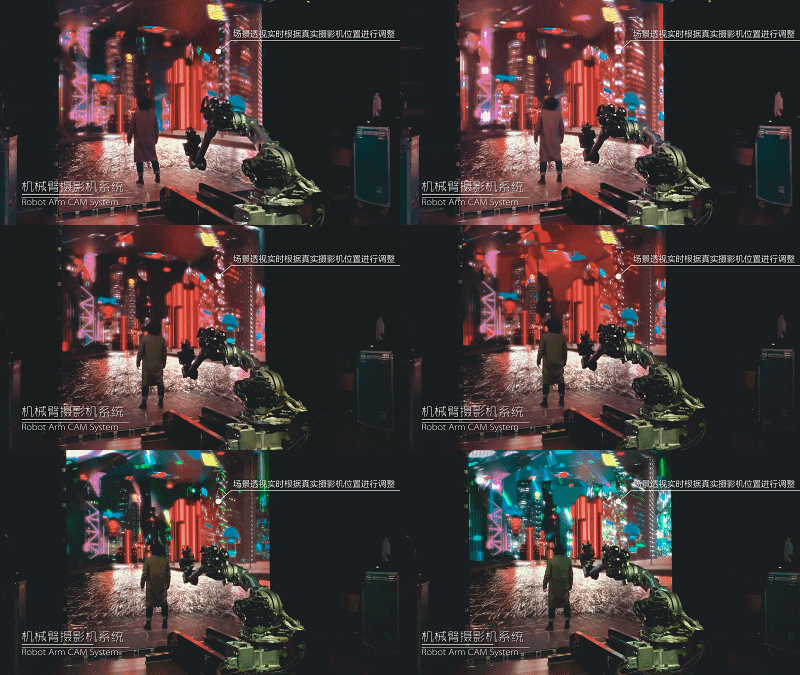
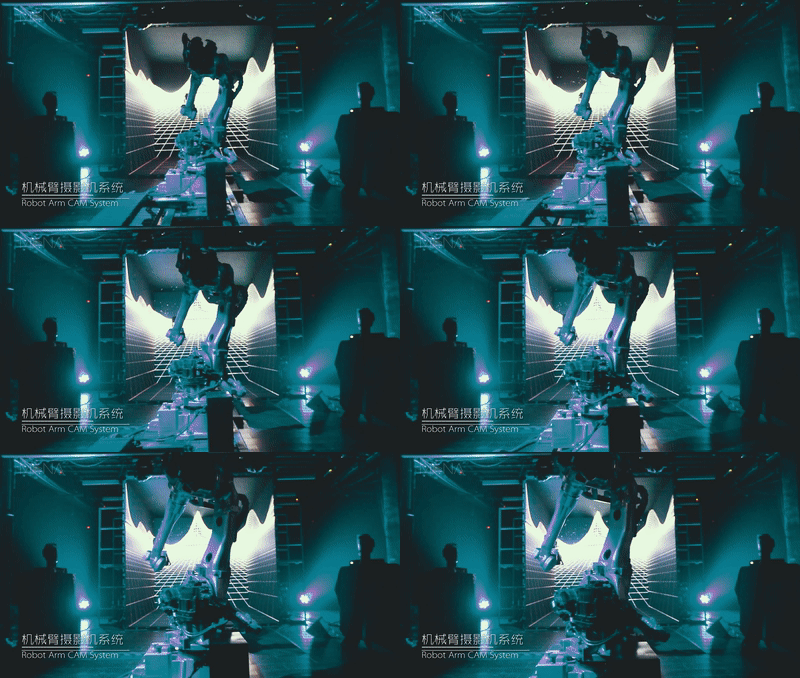
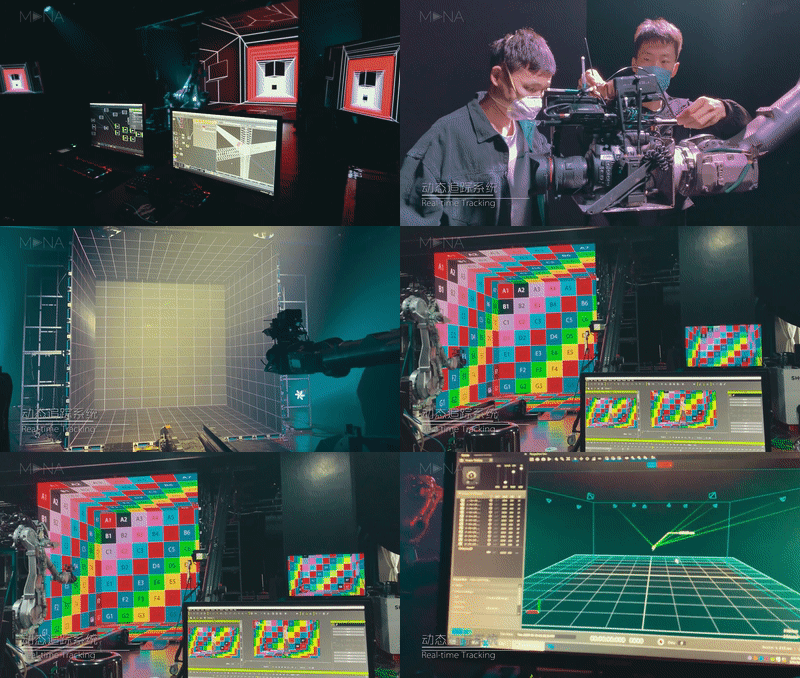

With the advent of the Internet of Things and the 5G era, the term “XR” has increasingly appeared in the field of technological art creation, with more and more creative methods entering the “XR” domain, resulting in many unprecedented works.
The work “Deep Dream” created by the new media art team DING DONG STUDIO and the Yuning Brothers utilizes XR extended reality technology, assisted by robotic arms, showcasing the infinite possibilities of XR in the future.
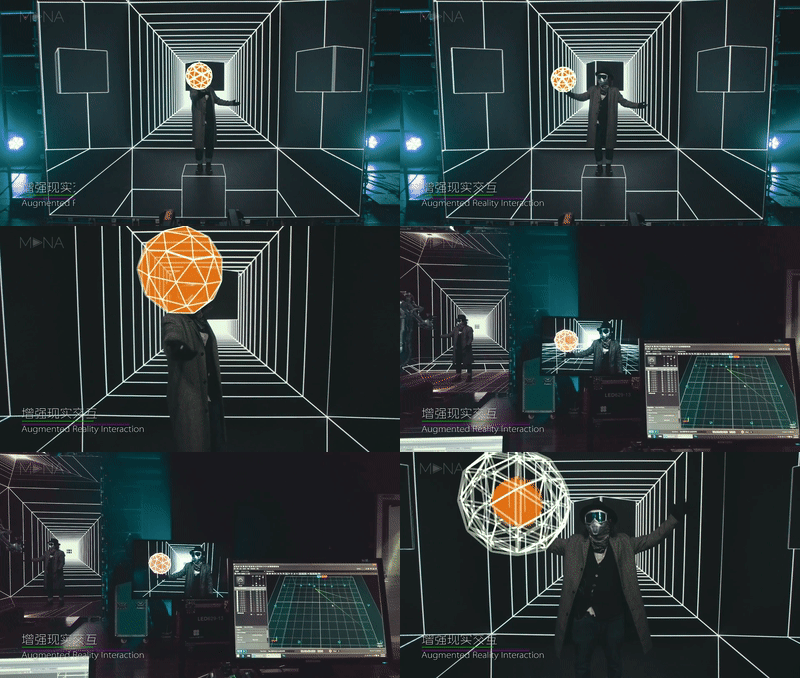
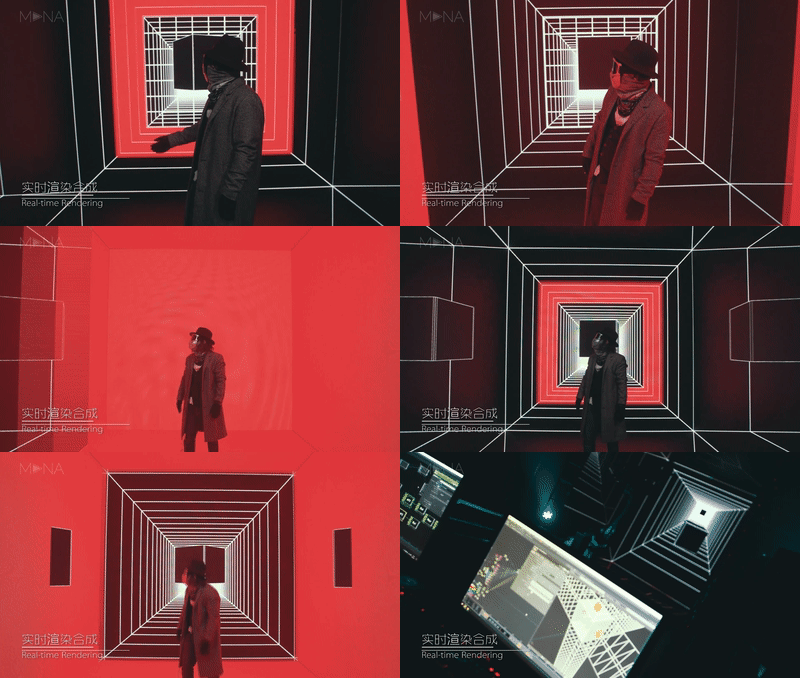
DING DONG STUDIO was founded in Beijing in 2009, focusing on new media art, live visual design, and stage performance. Their creations encompass various art forms and technical disciplines. The studio consists of artists and engineers who continuously collaborate with professionals from different fields, proposing new artistic possibilities through the development of new technologies and materials.
Yuning Brothers, a stage equipment hardware company with over twenty years of rich experience, has a professional stage technology service team and has trained many elite individuals in the industry. Since its establishment, the company has been dedicated to turning the creative ideas of many outstanding domestic and foreign designers and directors into reality using its strong equipment resources and technical capabilities.
6
Ukraine: Robotic Arm Assisting Actors in Holographic Shows
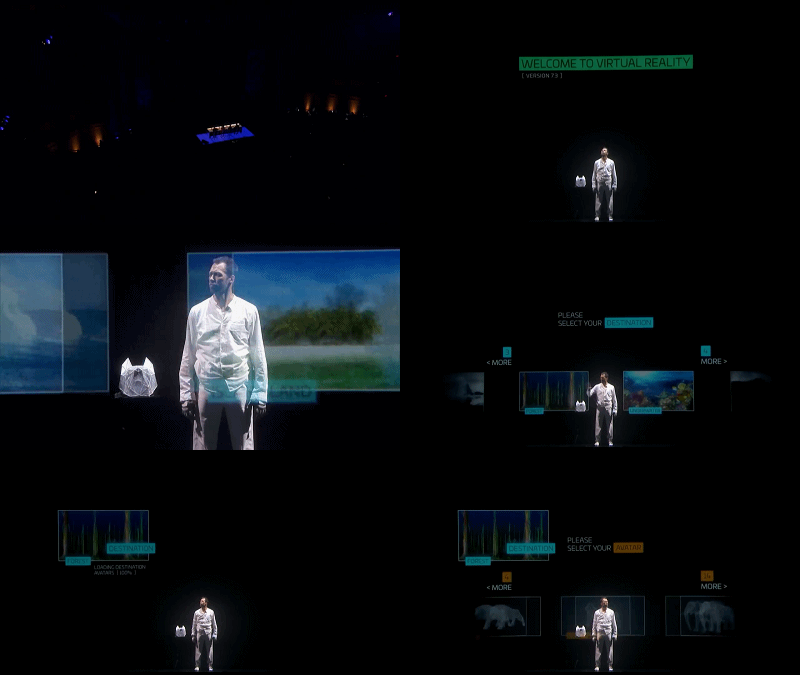
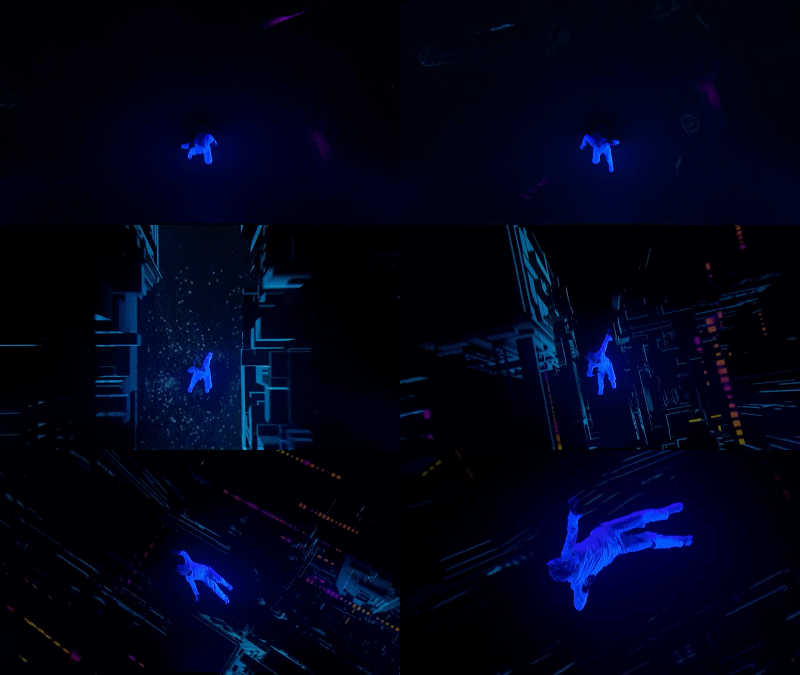

“The Escape” premiered on June 12, 2018, on America’s Got Talent. This performance quickly won the judges’ acclaim and became a huge success. When the stage lights go out, the “Traveler” arrives, selecting the next world he will enter. Flying, falling, and flipping, these actions, never experienced in real life, are boldly interpreted on this stage, ultimately forming a stunning visual feast that combines technology, art, and performance. This work was jointly created by the creative teams Front Pictures, Red Rabbit Entertainment, and PROFI LTD.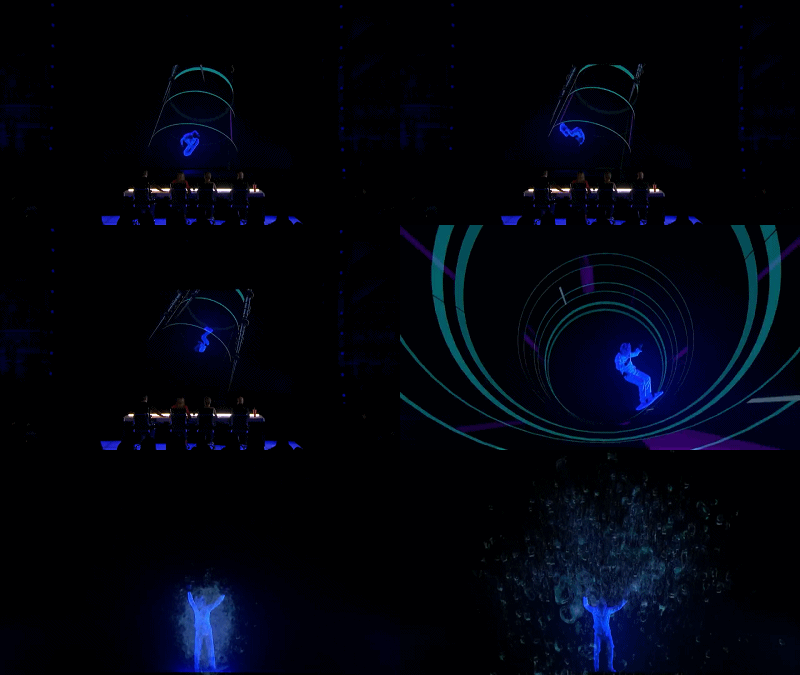 Front Pictures is a creative production team from Ukraine, established in 2003, with branches in the USA, UK, and Israel. The team consists of video, interaction designers, and software engineers. Their business ranges from creating media content to building comprehensive hardware and software architectures, providing innovative visual solutions.
7
Russia: Robotic Arm Holographic Nuclear Power Plant Industrial Showcase
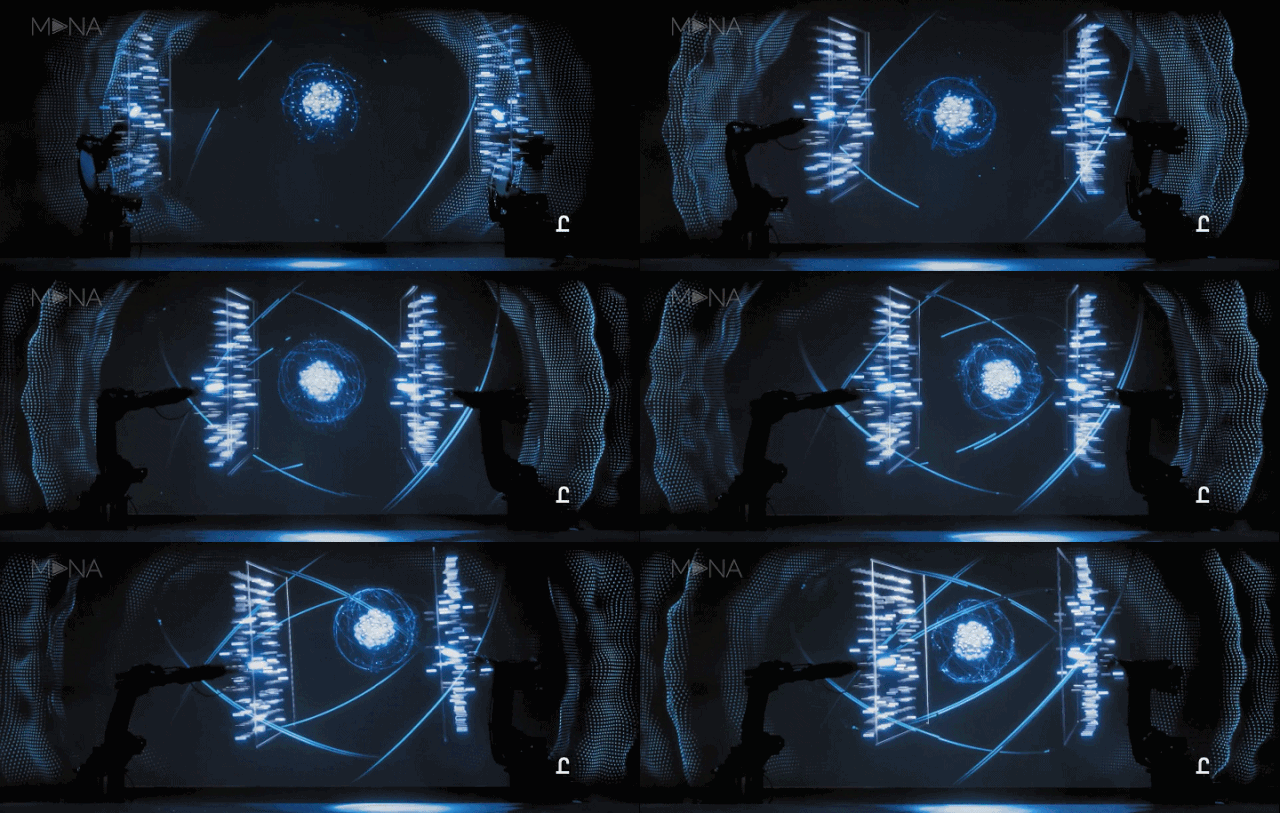

Radugadesign developed a creative exhibition installation for Rosatom. Set in a multimedia space, this installation employs various multimedia technologies, including projections on walls and floors, Kuka robotic arms, and holographic projections, all synchronized during the operation of the installation, responding to each other. The project reveals the possibilities of international cooperation in building nuclear power plants by Rosatom around the world.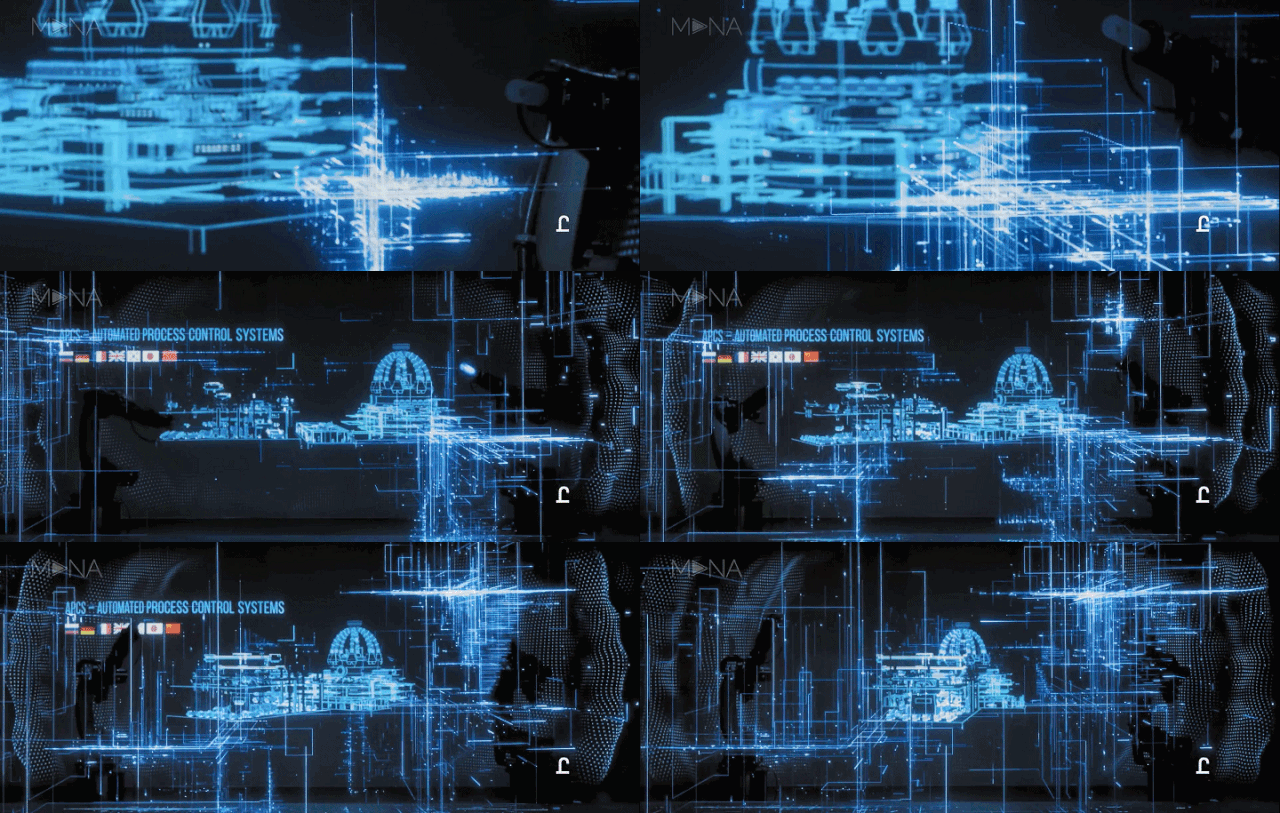 Radugadesign is a creative multimedia design studio and production company, focusing on creating at the intersection of design, technology, and physical space. Established in 2007, the studio has launched over 300 projects for agencies and brands such as Mercedes-Benz, Samsung, MKTG, Avant-Garde, Jinwei, and NHL.
8
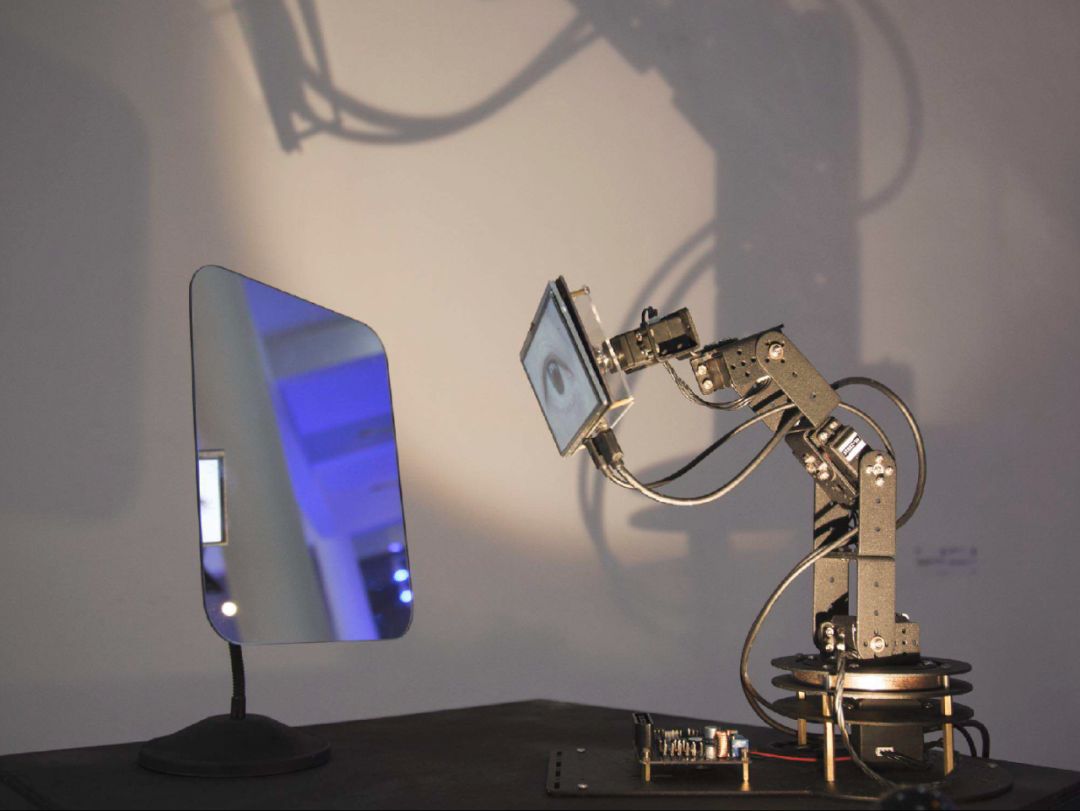
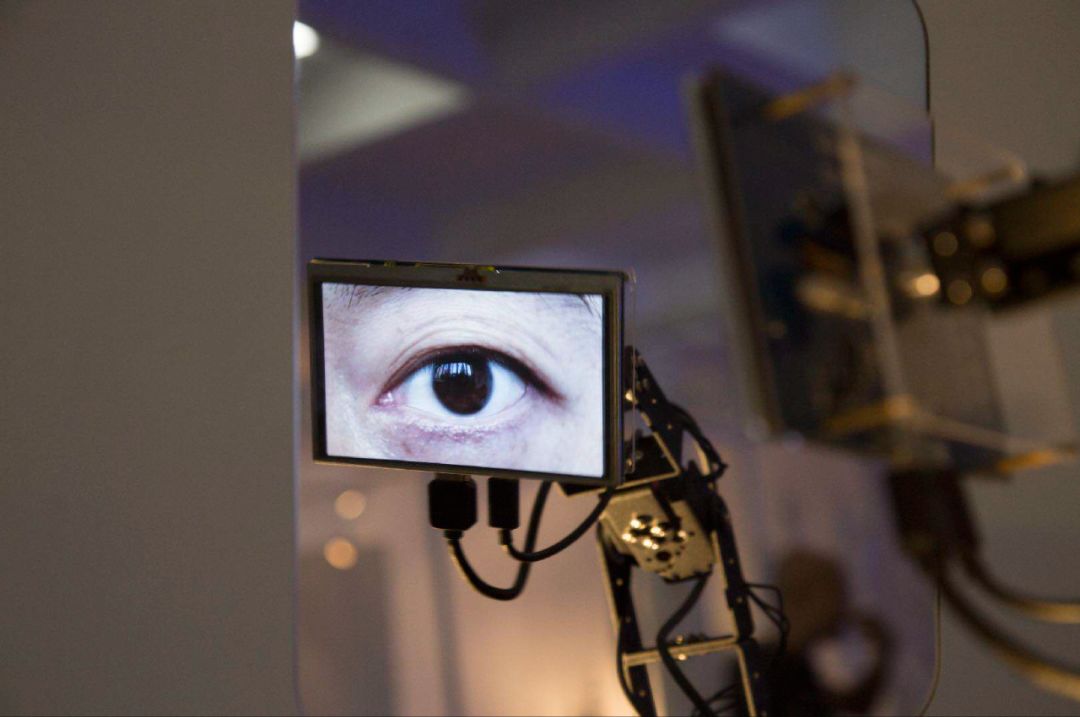
China: Mechanical Control Eyes See Controlled Eyes in the Mirror
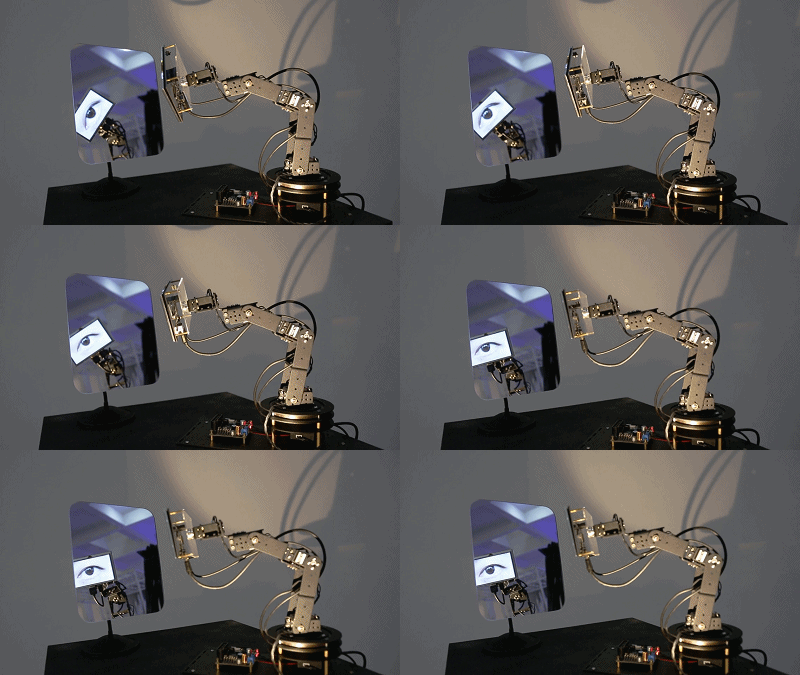
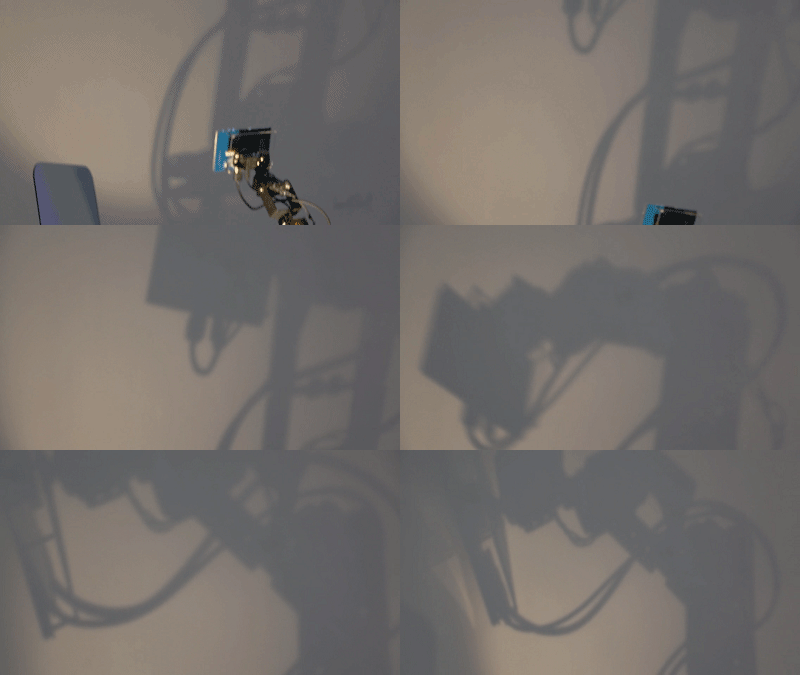

This work is a human-machine art project by artist Qiu Yu: a mechanical device with “eyes” constantly moves, seemingly observing its surroundings. During the observation, it suddenly discovers a mirror in front of it, and the “eyes” in the mirror are also looking at it. The mechanical device examines itself in front of the mirror, as if having a dialogue with it…
Qiu Yu, born in 1986 in Hebei, currently resides in Beijing. He graduated from the Central Academy of Fine Arts with a focus on digital media and is currently a doctoral candidate in art and technology at the same institution, engaging in new media art creation and research. His work often explores the language relationships inherent in technological media through mixed media such as sound, imagery, installations, and performances.
9
France: Robotic Arm Performing “Futuristic Ballet”
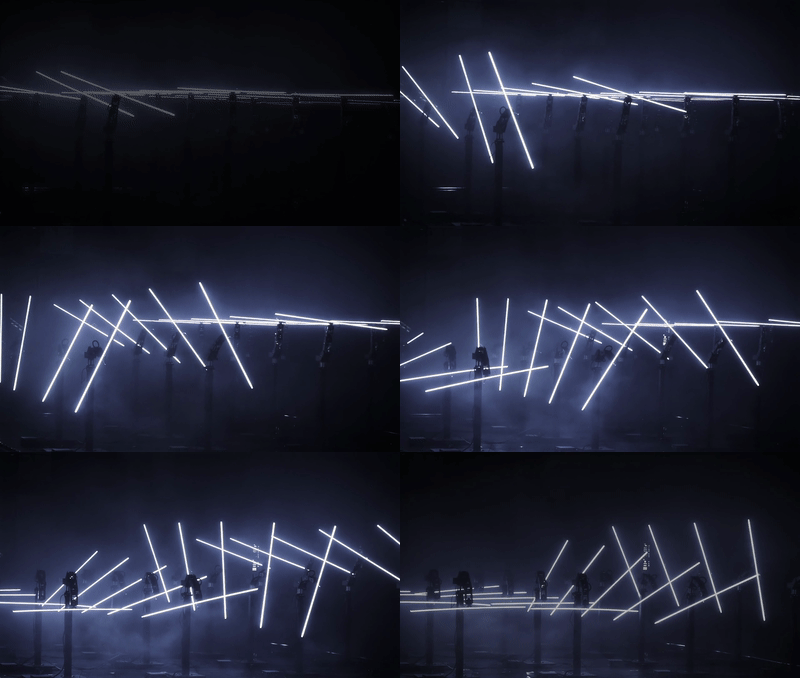
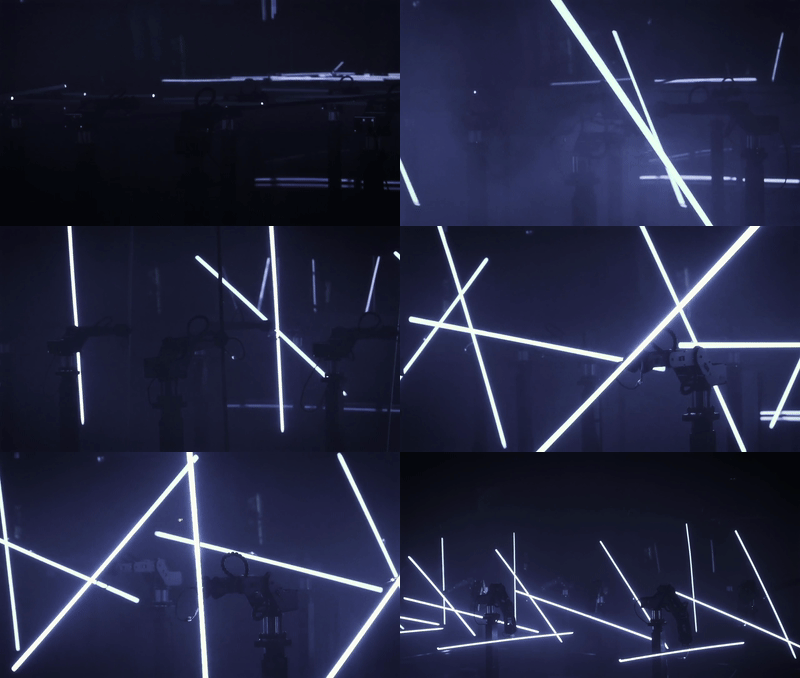

During the 2019 Lyon Light Festival, the French art team Collectif Scale showcased their latest light installation “Coda”, a futuristic ballet performance composed of robotic arms that successfully integrates light design, dynamic movement, and music. The name “Coda” (translated as “epilogue”) comes from the dance and classical music world, where in both cases, “coda” refers to the final chapter of a piece (or movement). The installation consists of 20 robotic arms, each equipped with 1.5-meter-long LED strips.
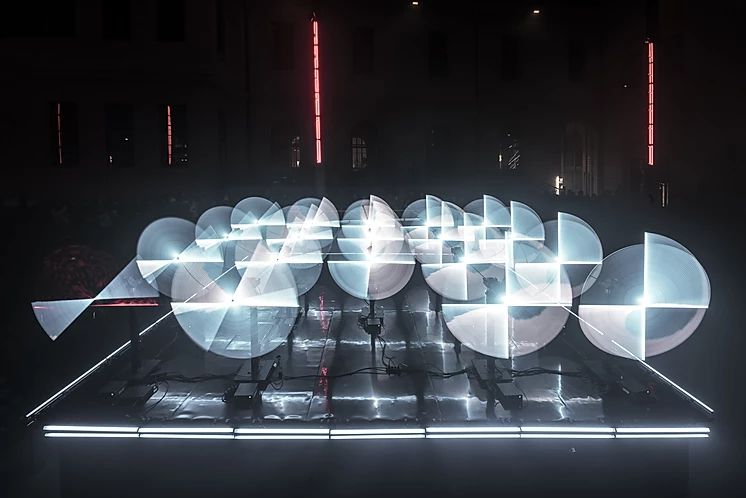
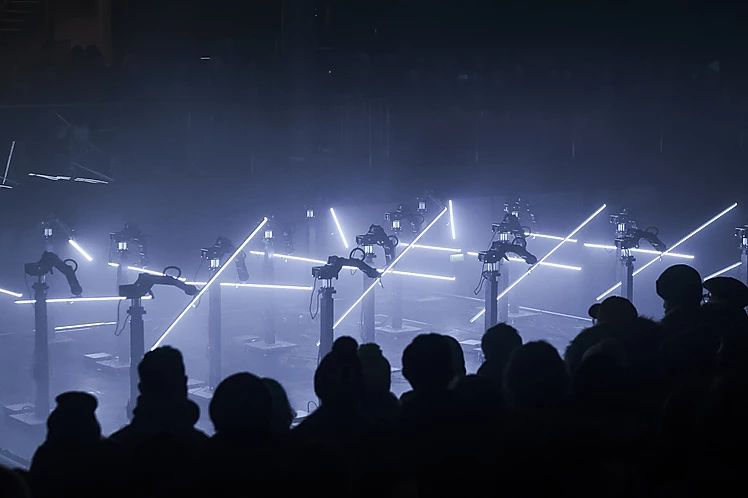
Collectif Scale was established in 2010 and is a team composed of artists and technicians from different backgrounds, united by their passion for visual and stage installations. The team is dedicated to developing multi-media, multi-sensory forms of expression through experimentation and innovation, achieving a collision between technology and art.
10
New Zealand & Germany: Robotic Arm Band
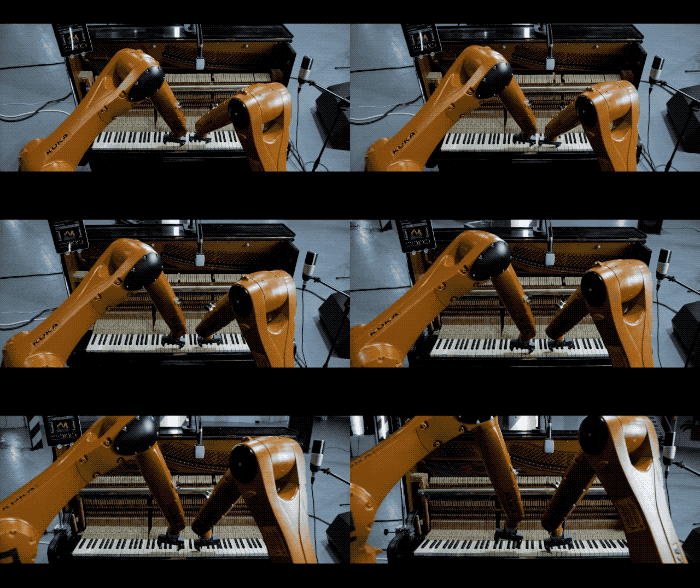
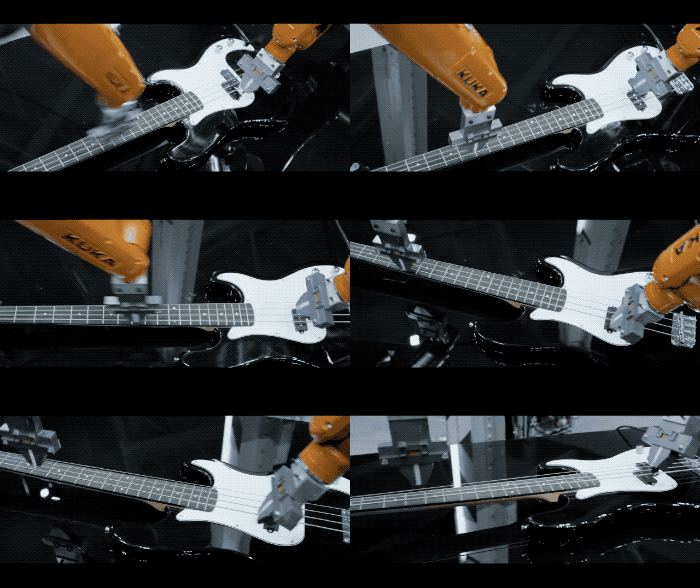
In the music video for AUTOMATICA by New Zealand music artist Nigel Stanford, robotic arms from KUKA Robotics take center stage as the band.KUKA Robotics is known in Germany for its precision and speed, with these robotic arms achieving a movement accuracy of 0.03mm, utilizing a robotic animation programming software called Robot Animator.
Today, concepts like artificial intelligence, singularity, robotics, and automation are ever-present in people’s minds, and AUTOMATICA uses music to understand these concepts. “I believe that in the future, AI will create great music, but that won’t hinder musicians or anyone else.”
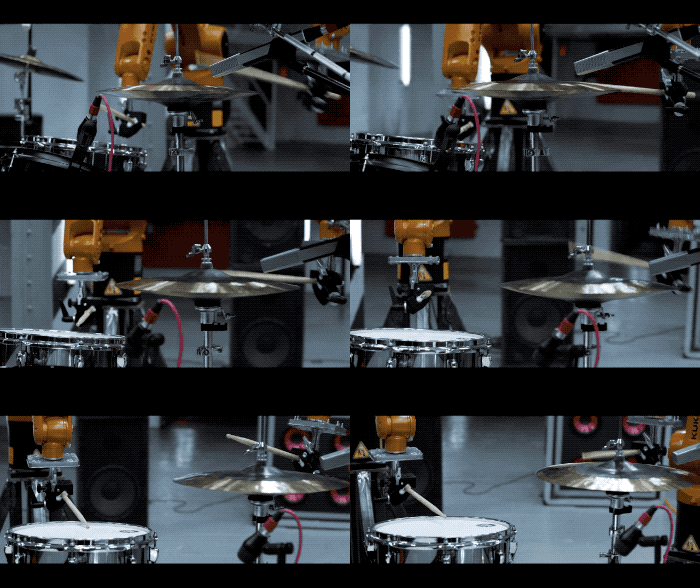
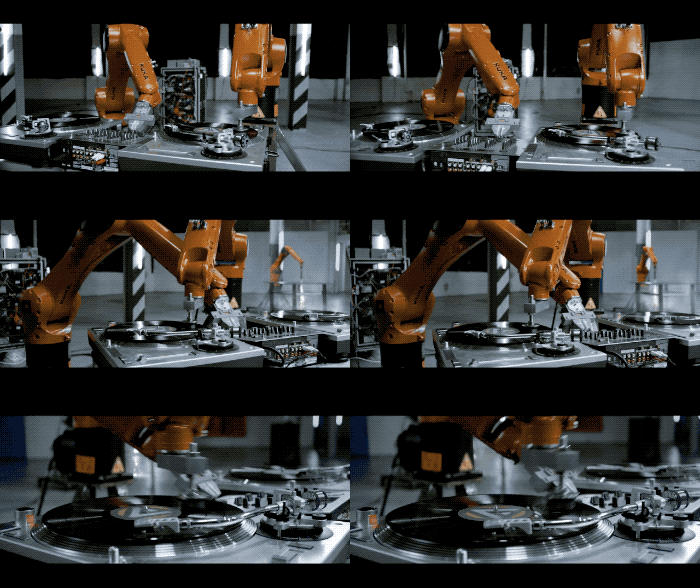
Nigel Stanford, a producer and original musician, is an ambient musician from New Zealand who initially studied piano and guitar before entering Victoria University of Wellington to study music. While he aims for space music, he openly acknowledges that modern pop culture significantly influences his creations. More information: NigelStanford.com
KUKA Robotics was established in 1995 in Augsburg, Bavaria, and is one of the world’s leading manufacturers of industrial robots.
11
Ukraine: Robotic Arm VR Rotating Game Chair
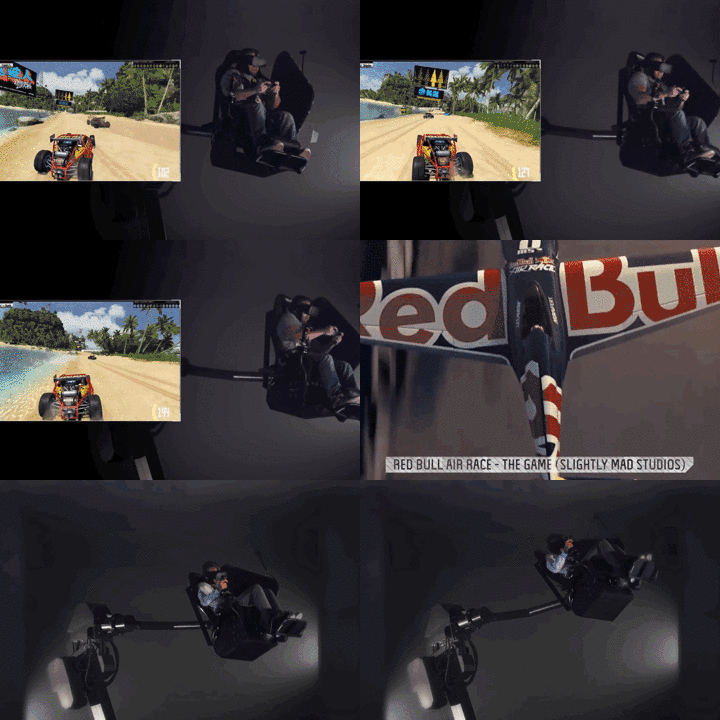
“MMOne” is a large VR amusement device developed by the Ukrainian company MMOne Company, consisting of three bearings that allow the base to rotate left and right by 30 degrees, the arm to lift and lower by 30 degrees, and the arm and chair to rotate 360 degrees without dead angles. This device provides a realistic experience of rotation, elevation, and flipping in the game scene, enriching the gaming experience.
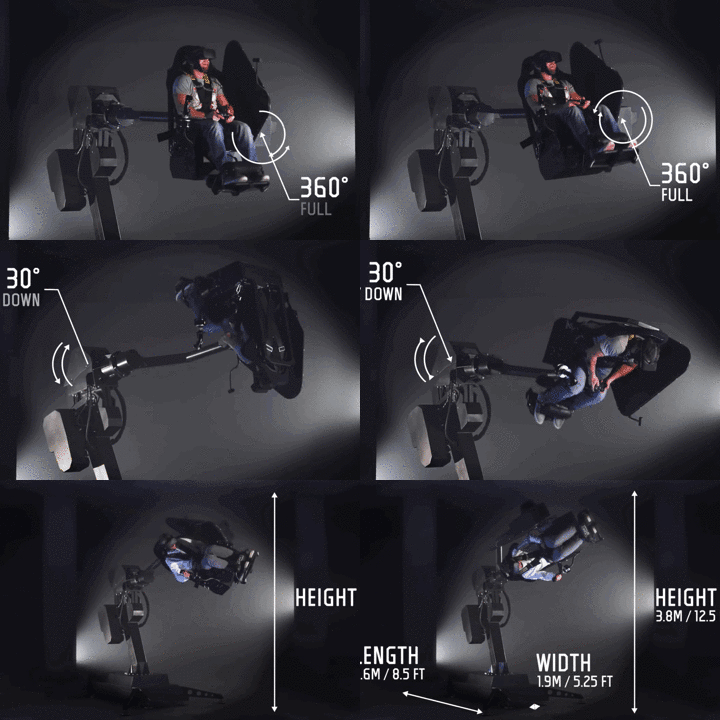
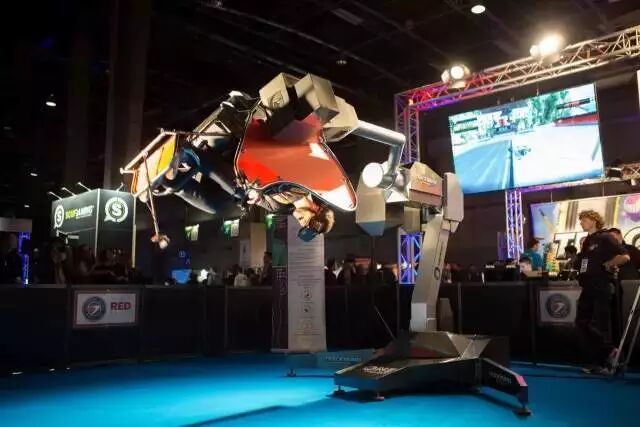
MMOne Company was established in 2012. The company produces the interactive VR robot simulator MMOne, which is the world’s first rotating virtual reality simulator capable of 360-degree rotation on its own axis. The MMOne simulator can be used for entertainment, training, education, military, and medical purposes. Official website: http://mm-company.com
12
New Zealand: Robotic Arm Dynamic Table Lamp
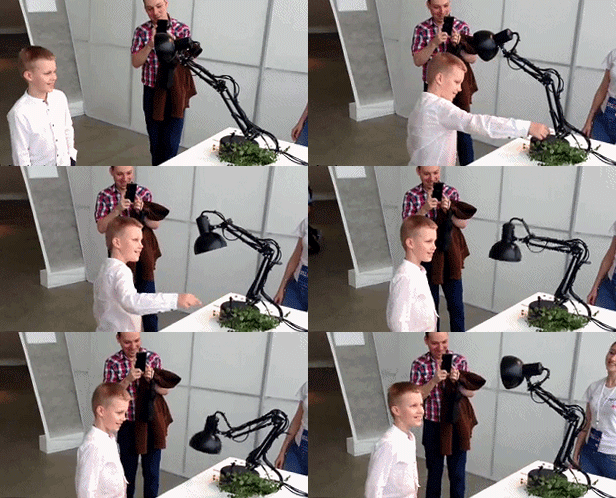
A team of university students from New Zealand created this animated and cute table lamp—it can see you and hear your voice. The “lamp” consists of three parts: open-source hardware Arduino, one camera, and six servo motors—of course, software is also an important component.
This interactive device is part of a project called Pinokio, designed by three students from Victoria University of Wellington: Adam Ben-Dror, Shanshan Zhou, and Joss Doggett. More information: www.ben-dror.com/pinokio/
13
China & Germany: Robotic Arm Dancing with Humans
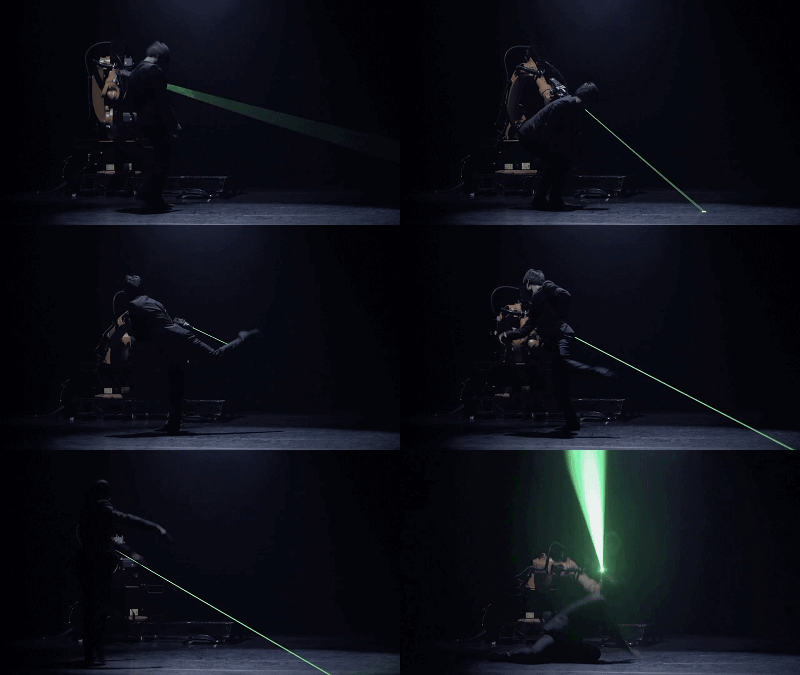
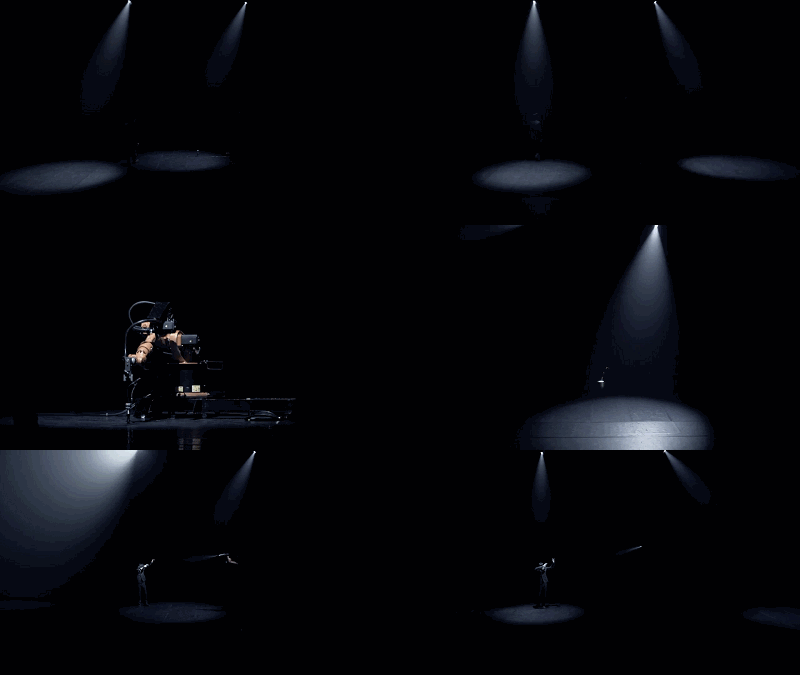
“HUANG YI & KUKA” is a performance collaboration between a robot and a dancer, featuring Taiwanese dancer Huang Yi sharing the stage with the KUKA robot, which seems to possess human-like soul and emotions, completing a dance of life together with the dancer to live music.KUKA Robotics was established in 1995 in Germany and is one of the world’s leading manufacturers of industrial robots.Huang Yi is a new generation choreographer and dancer, born in 1983 in Taiwan, graduated from the Graduate Institute of Dance Creation and Research at Taipei National University of the Arts, skilled in combining rich imagery with delicate physical expression. He was selected as one of the “25 Most Notable Dance Workers” by Dance Magazine in the USA.
14
USA: Robotic Arm “Magic”
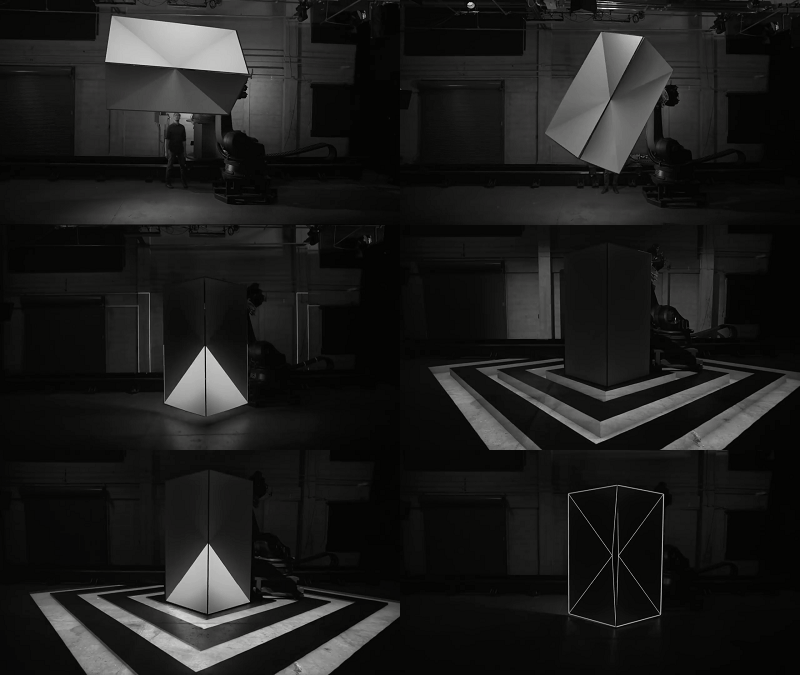
“Box” is a creative project produced by the creative agency Bot & Dolly, which won the Best Performance Award at the 41st Computer Animation Festival in 2014. This project combines the movements of robotic arms with projected images and human performances, creating a visual effect where the two robotic arms seem to perform magic through constant transformations, blurring the line between reality and illusion.
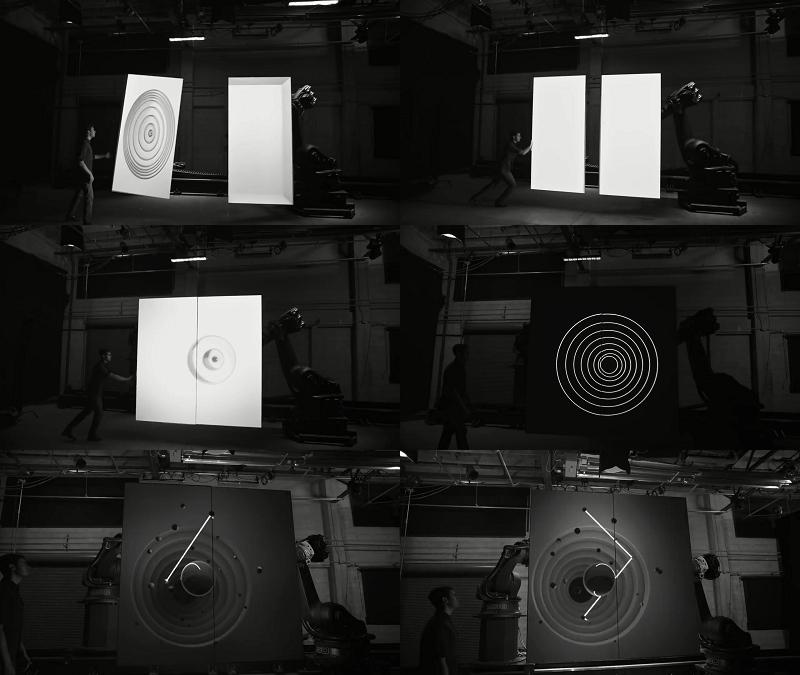
Bot & Dolly studio was founded in 2010 in San Francisco, specializing in combining large robotic arms with custom software, focusing on automation, robotics technology, and film production. More information: http://www.botndolly.com/
15
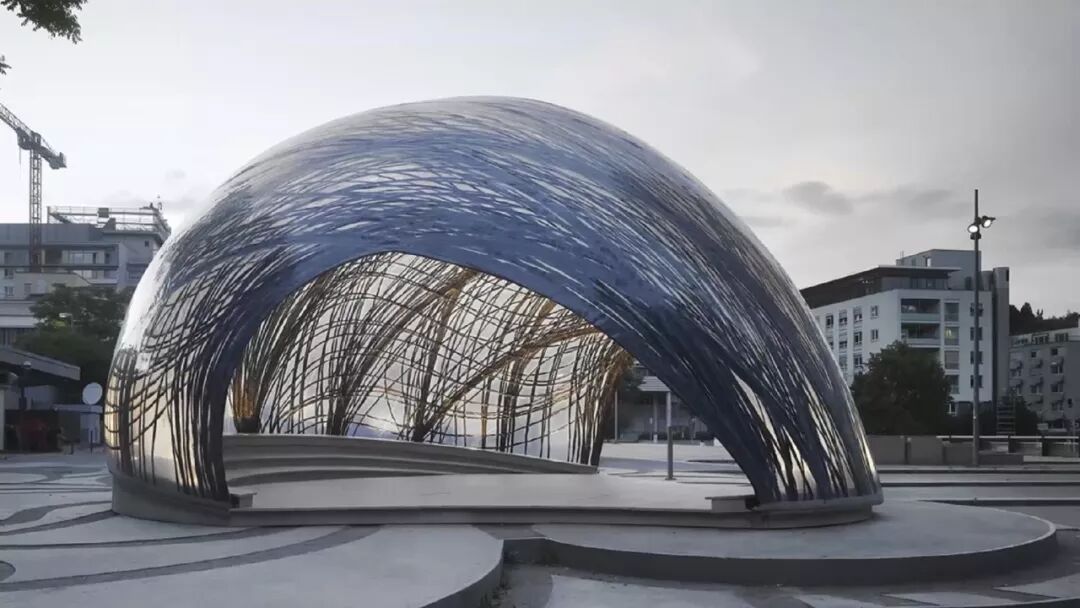
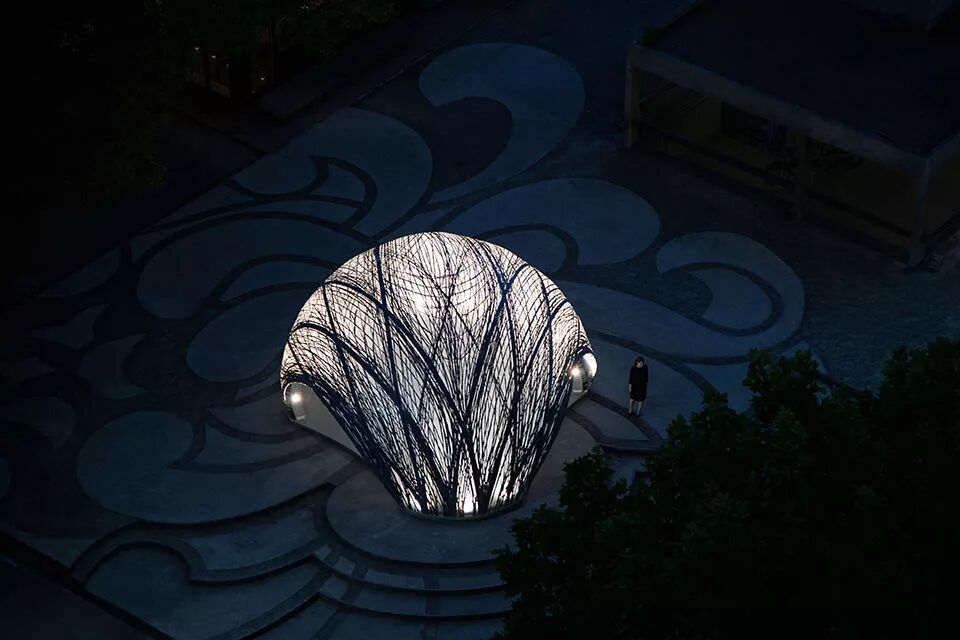
Germany: Robotic Arm “Nest” Public Art
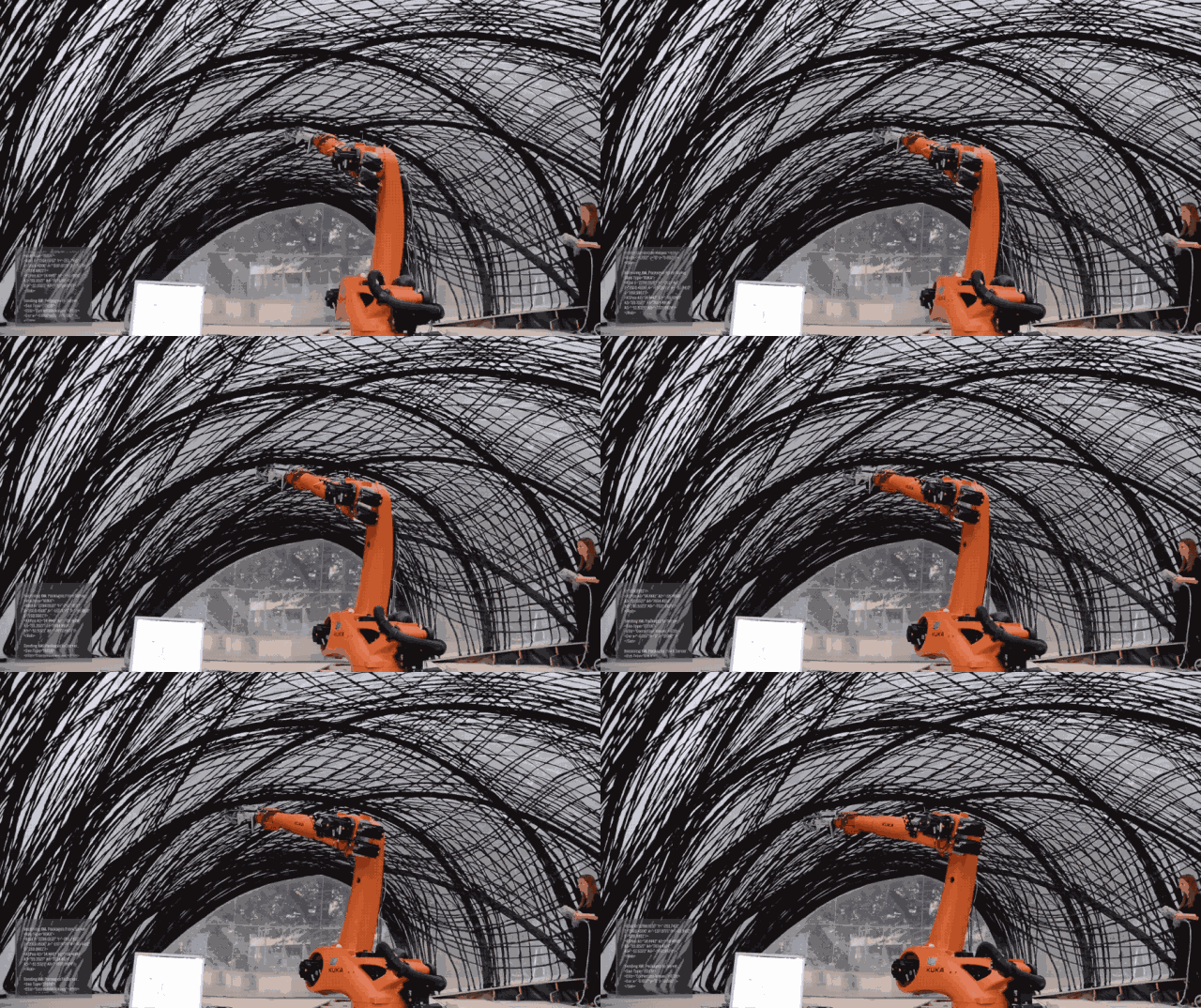
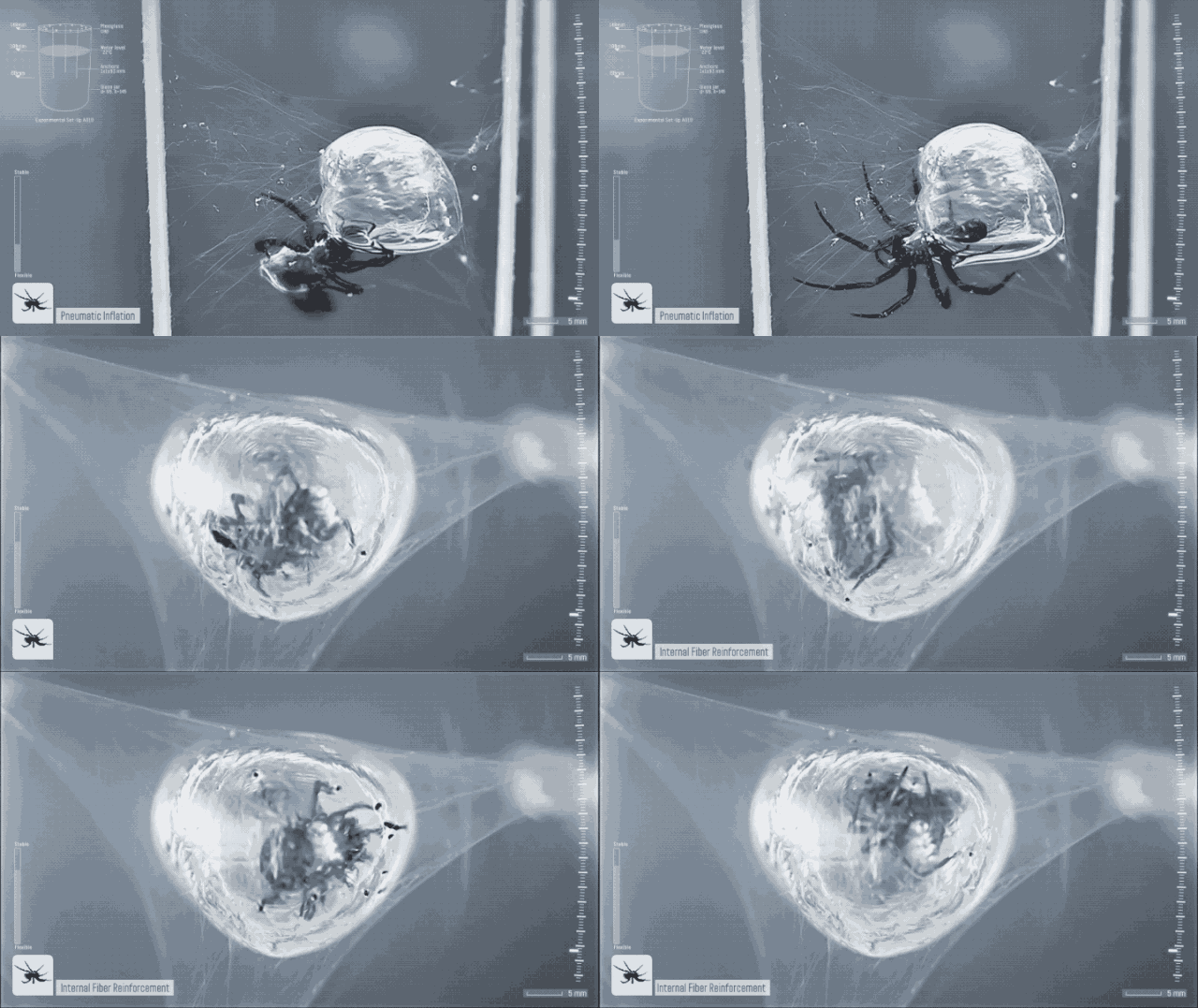
The ICD/ITKE Pavilion for the 2014-15 season was woven from carbon fiber and is part of a series of comprehensive experimental projects being conducted by the Institute for Computational Design (ICD) and the Institute for Structural Design (ITKE) at the University of Stuttgart, inspired by the nesting methods of water spiders living underwater and residing in bubbles.
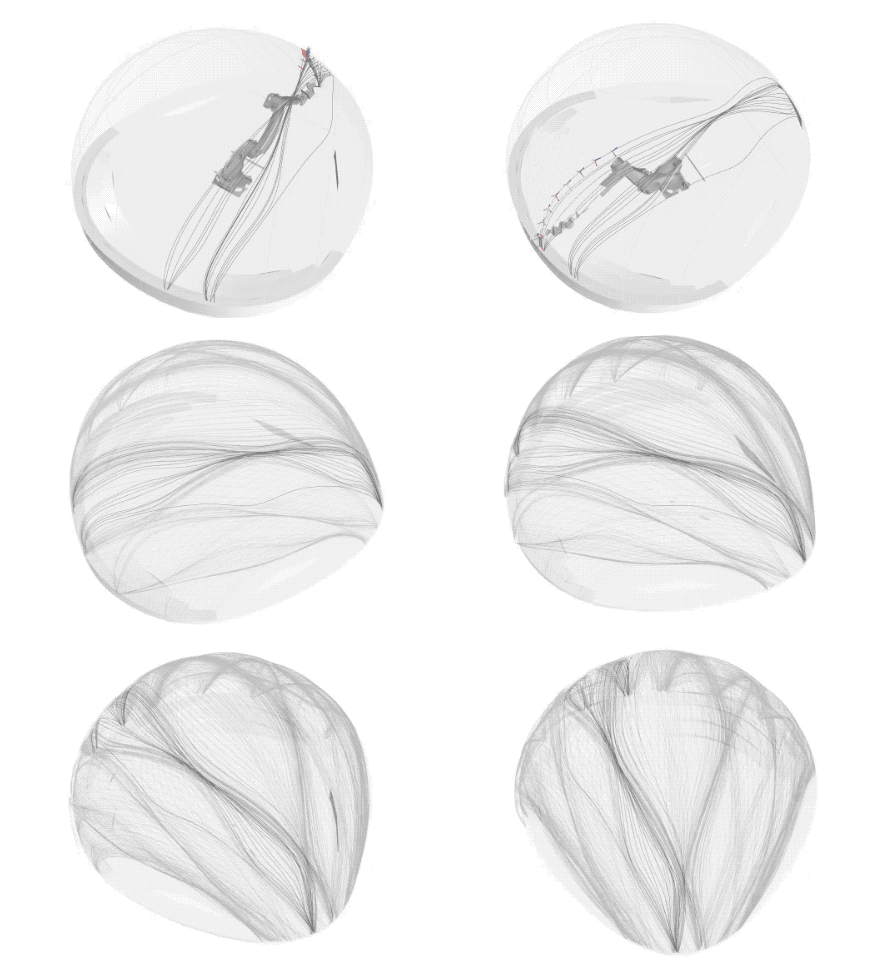
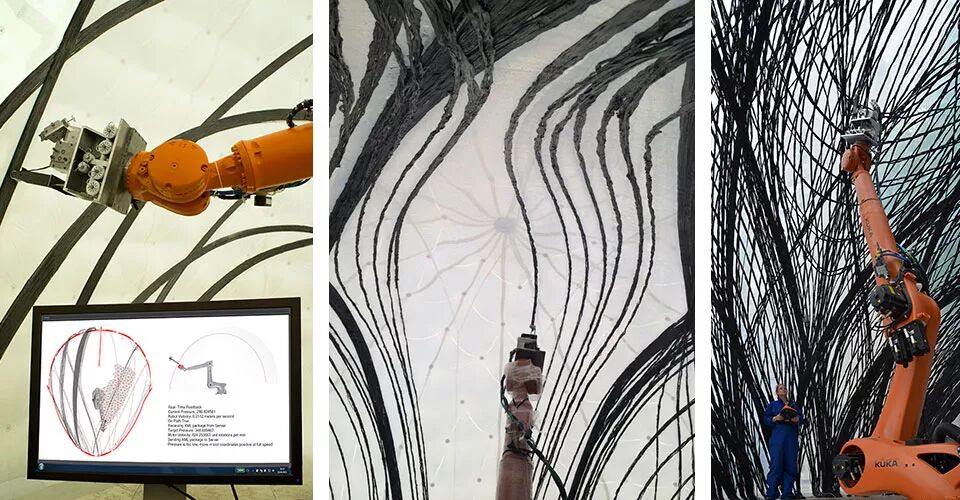
The entire pavilion is constructed from a lightweight fiber composite shell woven by robotic arms using carbon fiber, enhancing structural stability while using minimal materials.
16
USA: Robotic Arm “Dance Battle”
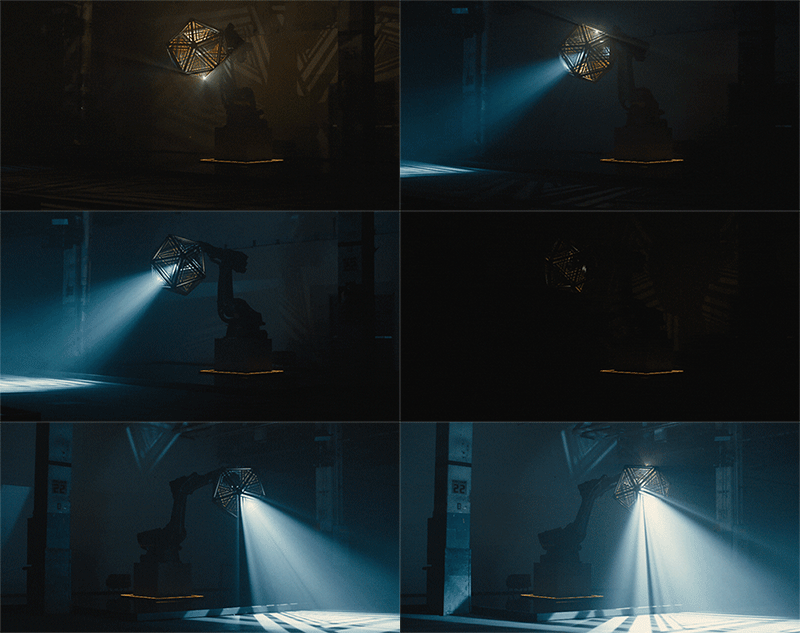
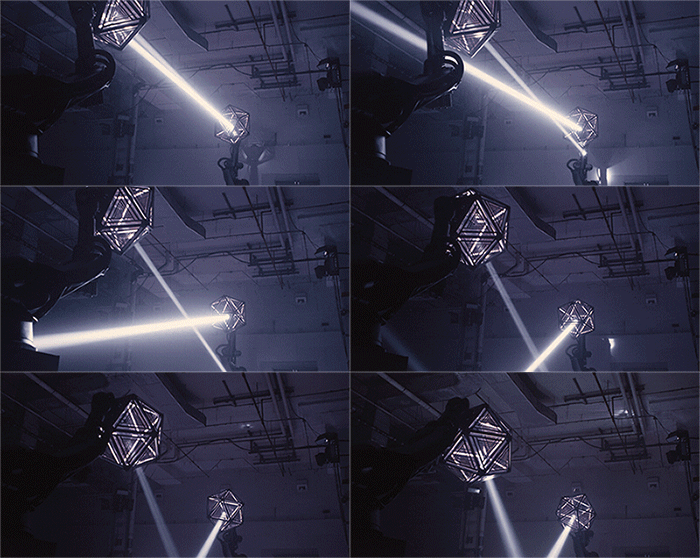
This large light installation appeared at the Day for Night festival in Houston, Texas, created by artist bradley g. munkowich in collaboration with the creative team VT pro Design. The audience is guided into a room where they can see two separate pools, with two robots positioned in each pool. Accompanied by rhythmic background music and changing light and shadow, the two robots seem to converse, battle, and dance with each other.
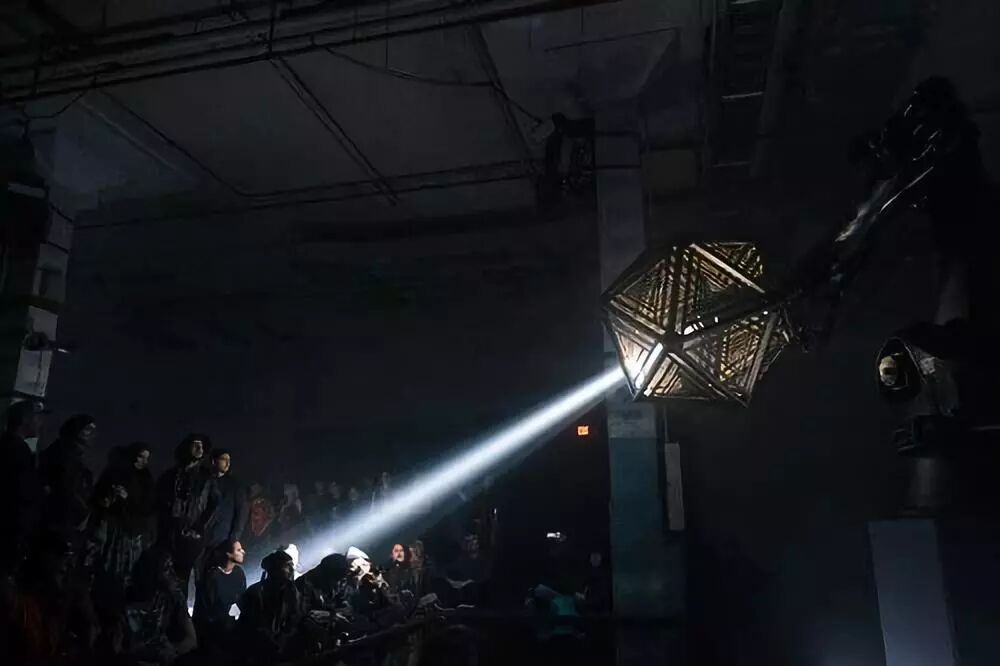
VT Pro Design is a full-service creative design company, offering services in creative design, video production, projection mapping, interactive installations, lighting and audio design, and custom media services. Their clients include Google, Nike, Microsoft, and Toyota.
17
China: Robotic Arm “New Species”
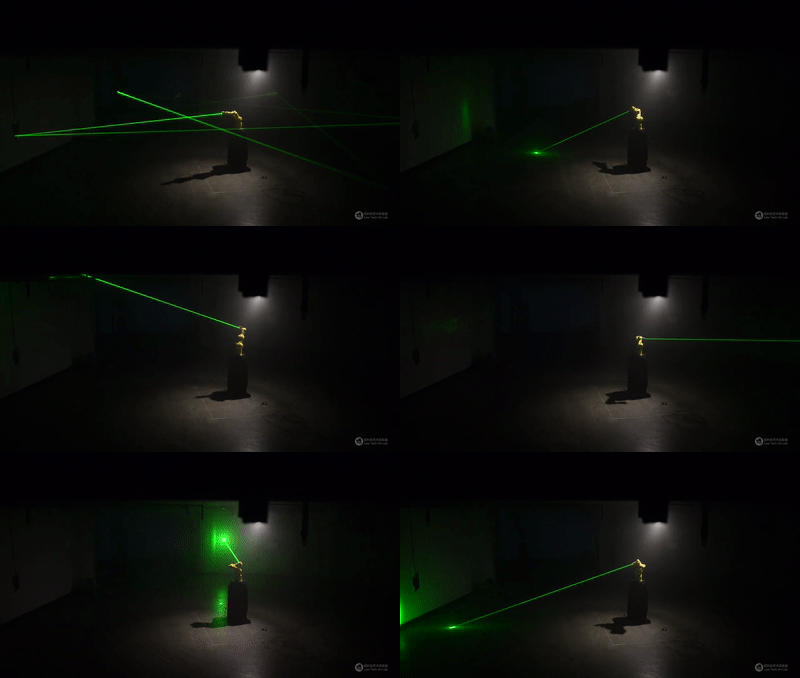

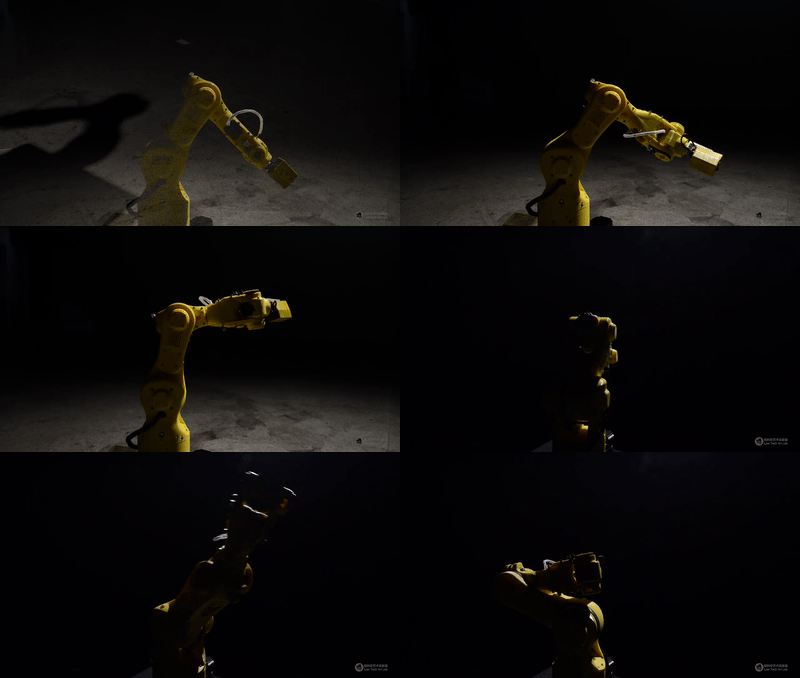
The starting point of this work is to express the new species created by the fusion of technology and humanity, showcasing the themes of repetitive and imitative movements through the motions of robotic arms, with the changes arising from the overlap of the two themes gradually revealing the “form” of this new species.
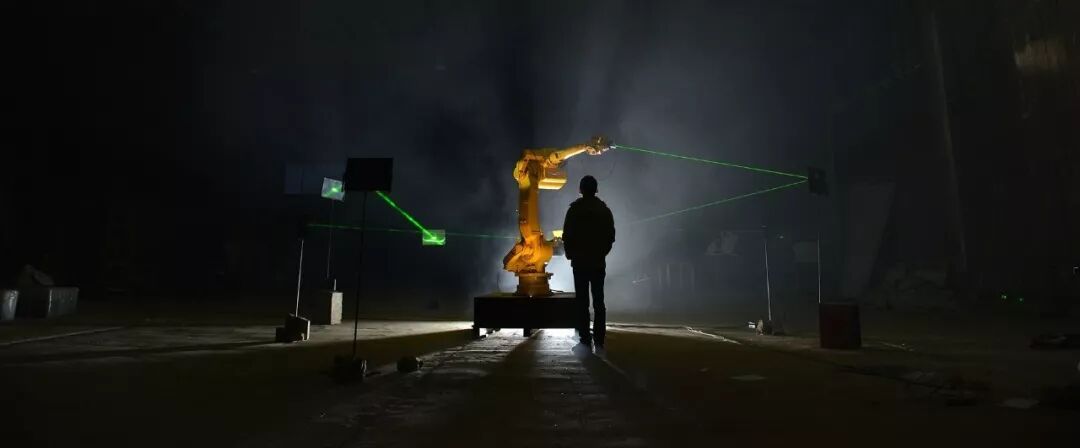
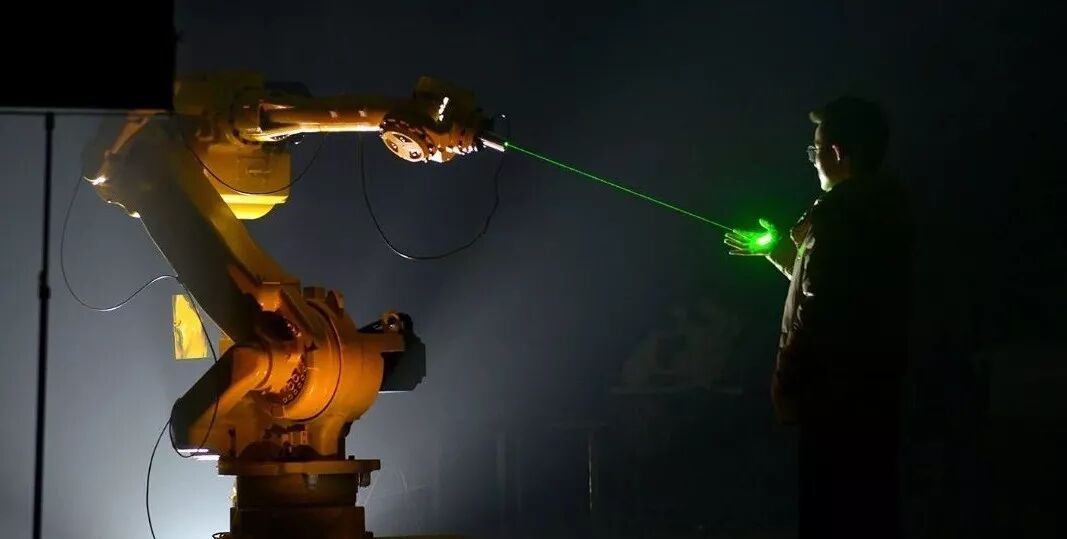
Zheng Da’s “Uploader” (2018, light mechanical installation)
Visual: Shangguan Yongjian
Prototype Design: Chen Dezhong
Technical Support: Low-Tech Art Laboratory
Zheng Da, associate professor at the School of Fine Arts, Central China Normal University, director of the Digital Media Art program (DMA), visiting scholar at the Department of Art, University of British Columbia, and researcher at CPI in Seoul, South Korea. His creative trajectory reflects the exploration and practice at the intersection of reality and virtual worlds, and the “Low-Tech Art Laboratory” he founded focuses on the integration of contemporary media culture and interdisciplinary approaches. His works have won the UK’s “2017 Lumen Prize” for interactive art, and he is also the recipient of the “2018 Third Wang Shikuo Art Award.”
Editor: Wei Rong

Media Cooperation Platform

One-click 5 hits: Like + Share + View + Comment + Star
There is always one that suits you →→→