Two Extremes! Polestar’s Global Sales Surge by 51% While Monthly Sales in China Remain in Single Digits: Who Are Consumers Really Paying For?
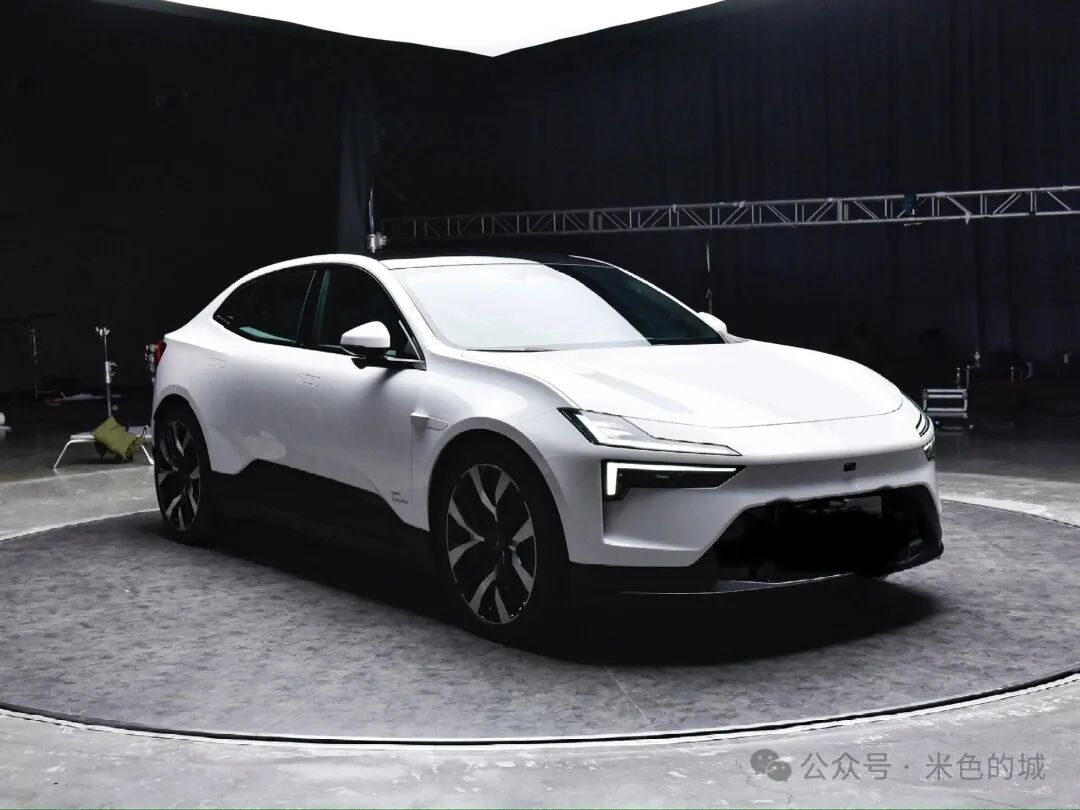
The same brand, the same era, yet playing out a completely opposite fate—while Polestar is making great strides in the European market, it is mired in the “single-digit monthly sales” quagmire in China, becoming a brutal reflection of the severe polarization in the automotive market.
In the first half of 2025, the global electric vehicle market witnessed a dramatic split: Polestar’s overseas sales surged by 51% year-on-year, surpassing 30,000 units, with its market share in Germany jumping from 2.5% to 4.1%, and North American orders skyrocketing by 60%; however, in the Chinese market, Polestar recorded a dismal performance of only 225 units sold in the first four months, with March’s sales plummeting to just 1 unit. June also failed to break into double digits, with only 6 units sold.
This phenomenon of “flourishing overseas while wilting at home” is not an isolated case—it exposes the deepest cracks in the current automotive market: on one side, brands like BYD and Wuling are in high demand, while on the other, traditional luxury car showrooms are nearly empty.
As consumers cast their votes with orders, they are no longer satisfied with the superficial luxury of “sofas, TVs, and large refrigerators.” A profound revolution centered around intelligence, scenario-based experiences, and emotional value is reshaping the survival rules of the automotive industry.
01 Sales Gap: The Cruel Map of Polarization
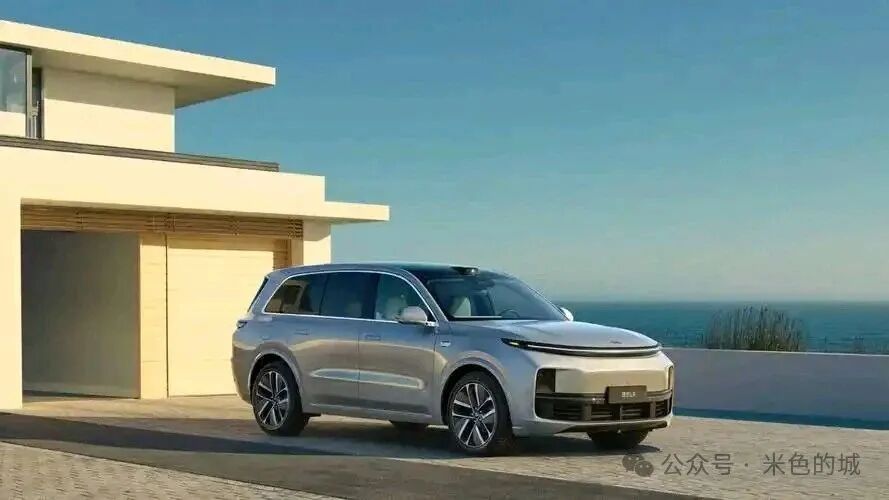
The icy and fiery landscape of the automotive market reached unprecedented intensity in 2025. On one side is the fire: the Wuling M9 has received over 120,000 orders within three months of its launch, and the Li Auto L6’s first-week delivery exceeded 10,000 units; on the other side is the ice: Polestar’s average monthly sales in China are less than 2 units per store, and the Infiniti Q50L’s national monthly sales are only 37 units.
Polestar’s global financial report is like a scene of split personality: in the first half of 2025, overseas retail sales reached 30,319 units, a year-on-year increase of 51%, with European market share surging by 15% and online orders in North America soaring by 60%. In contrast, the performance in the Chinese market can only be described as disastrous: only 63 units were delivered in the first quarter, with 6 units in February and 1 unit in March, and some stores recorded zero sales in a month, with only 6 units sold in June.
Table: Comparison of Polestar’s Global and Chinese Market Sales in 2025
| Market Region | Sales Performance | Year-on-Year Growth | Core Driving Factors |
|---|---|---|---|
| Europe | Market share increased from 2.5% to 4.1% | Double-digit growth | Design aesthetics + localized production |
| North America | Online orders increased by 60% | Sales doubled | Tariff avoidance + rapid response center |
| China | Only 225 units sold in the first four months | 98% drop | Misalignment in positioning + lagging intelligence |
This split reflects a deeper industry reshuffle:
- Technological Lag Becomes Apparent: Models equipped with Huawei ADS 3.0 have an average waiting period of over 3 months, while traditional fuel-to-electric products are piling up in inventory;
- Localization Capability Determines Survival: Polestar’s China division has seen 5 CEOs in 6 years, with product definitions detached from local needs;
- Supply Chain Resilience Becomes a Threshold: Models using CATL’s supercharging batteries have a 30% faster delivery speed, while brands relying on imported chips frequently face production halts.
As the penetration rate of new energy vehicles in China exceeds 50%, this elimination race has entered a “strangulation phase”—there is no middle ground, only life and death.
02 The Secret to Hot Sales: Six Essential Needs Beyond “Sofa and TV”
The results of consumers voting with their wallets show that successful models have established a new value coordinate system:
1. Scenario-Based Intelligence: From Parameter Competition to Experience Revolution
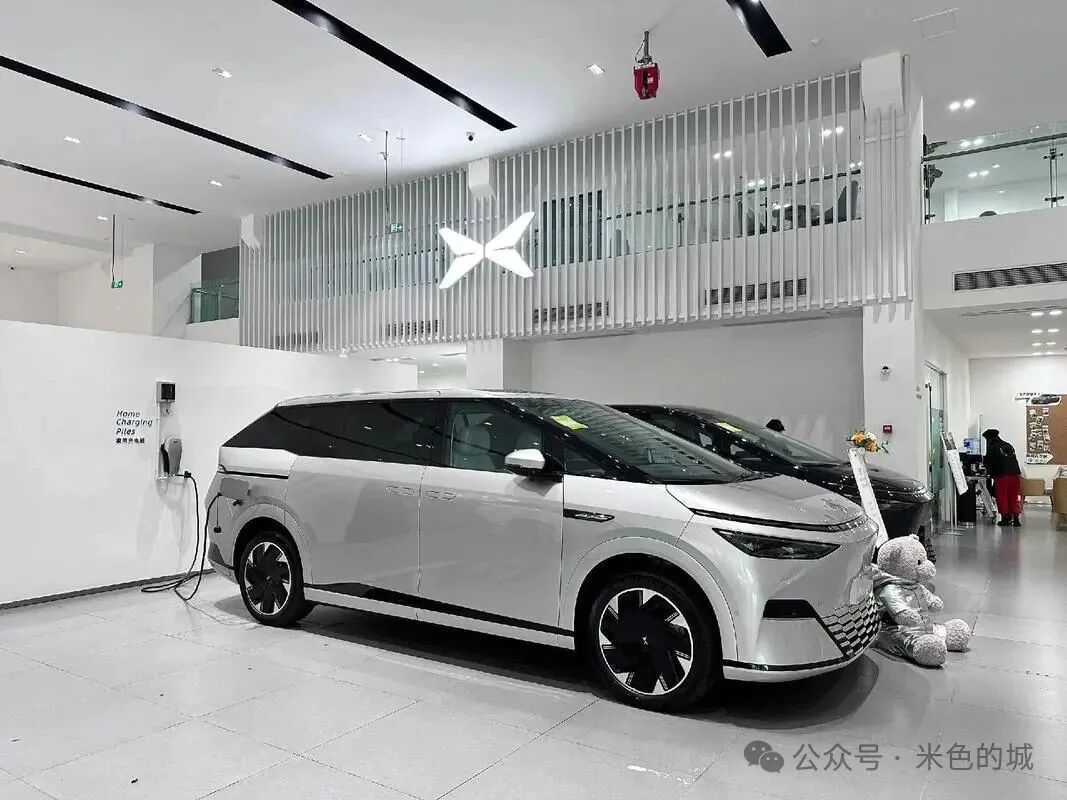
The Wuling M9’s “Pangu Model” achieves seamless interconnectivity across devices: navigation on the phone automatically continues in the car, and the status of the child seat is synchronized to the central control screen. This “human-vehicle-home” full-scenario coverage makes users willing to pay a 30% premium. The Xpeng X9’s XNGP achieves a 92% takeover rate in complex traffic conditions in Beijing’s CBD, improving commuting efficiency by 40%, directly boosting the selection rate to 78%.
2. Safety Redundancy Design: Making Hidden Costs Apparent
The Zeekr 009’s “submarine-grade cage body” set a record in CCTV’s crash test, driving a 35% increase in sales; BYD’s Yunlian-Z system reduces rollover risk by 60% through predictive chassis control. Consumer research shows that safety features have become the primary consideration for families buying cars, accounting for 34% of the weight.
3. Precise Positioning: Saturated Attacks on Niche Markets
The Li Auto L6 eliminates redundant configurations, focusing on “the first range-extended SUV for young families,” standard equipped with air suspension and CATL batteries under 300,000, with first-month orders exceeding 50,000; the Deep Blue S7 precisely targets the “outdoor light off-road” scenario, equipped with 2.5-ton towing capacity and external power supply function, creating 140,000 promotional notes on Xiaohongshu.
4. Cost Reconstruction: Technological Equality Disrupts Premium Pricing
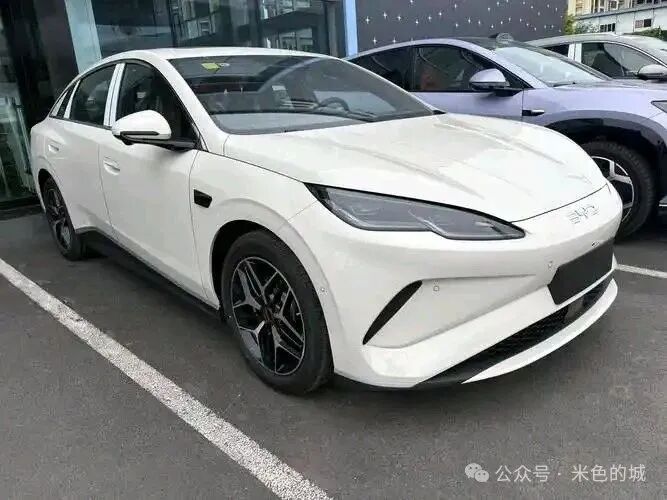
The BYD Seal 06, equipped with DM5.0 hybrid technology, reduces fuel consumption to 2.9L/100km, with a cost of only 0.2 yuan per kilometer, directly seizing the market from the Nissan Sylphy; the Tesla Model 3’s refreshed version uses integrated die-casting, reducing maintenance costs by 30%, with insurance advantages attracting practical consumers.
5. Emotional Value: From Transportation Tools to Emotional Partners
The NIO ET9’s “external interactive light language” supports customizable animations, increasing social sharing rates by 50%; the Wuling Bingo has materialized female design elements—soft light makeup mirrors and pet box designs, resulting in a female user ratio of 67%.
6. Ecological Stickiness: The Snowball Effect of User Data
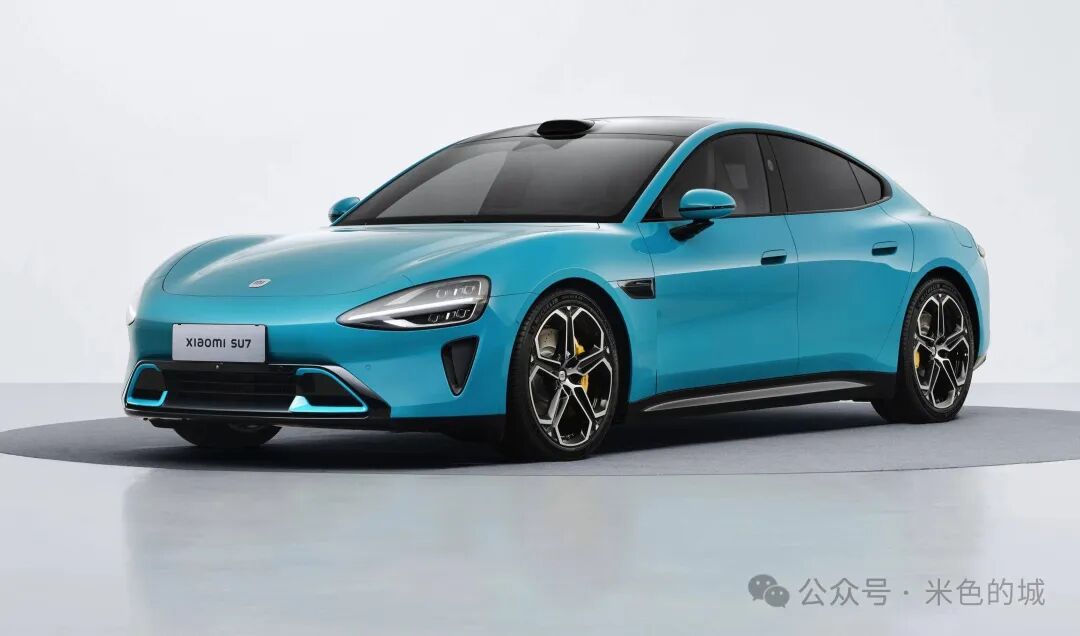
The Xiaomi SU7 deeply integrates with the Mijia ecosystem, with 78% of owners waking up Xiao Ai every day; the Zeekr 01 connects to the Wenxin large model, with the usage rate of custom scene cards reaching an average of 4.6 times per day. This high-frequency interaction builds a migration barrier, tripling repurchase intent.
03 Polestar’s Failures: Five Fatal Wounds from Loss of Localization
As the successful ones surge ahead, Polestar’s collapse in China serves as an excellent cautionary tale:
Misguided Positioning: Ineffective Attachment of Luxury Labels
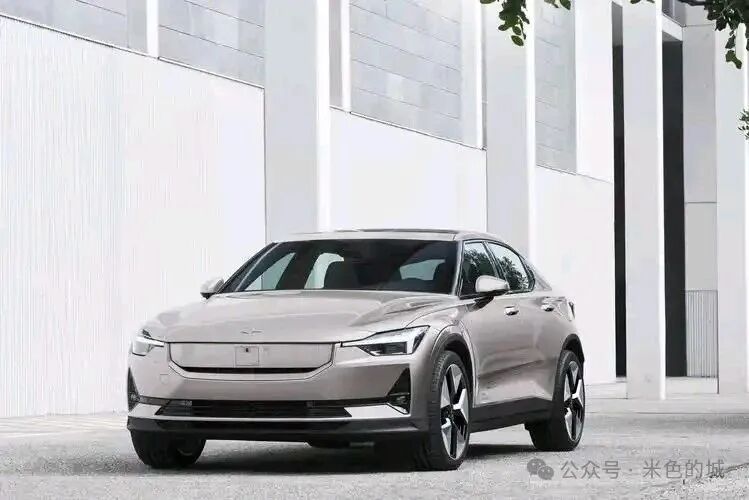
Attempting to replicate the European “high-performance” positioning in China, it overlooked that the local market places greater emphasis on intelligence and space. The Polestar 2’s rear space is only 880mm, far below the Model 3’s 920mm; the vehicle’s system still uses native Android, with local app adaptation rates below 40%. While brands like Wuling and NIO offer large model cabins, Polestar’s voice assistant remains stuck in command control.
Channel Collapse: Self-Closure of Online Islands
Over-reliance on direct sales through the official website has led to a severe lack of offline touchpoints. In 2024, Polestar had only 23 showrooms in China, while NIO had 398; more critically, they terminated cooperation with Meizu, losing the opportunity to draw traffic from Meizu’s 400 stores. While competitors achieve “1-hour test drive at home,” Polestar users must travel to remote stores.
Product Gap: A Disconnected Rhythm
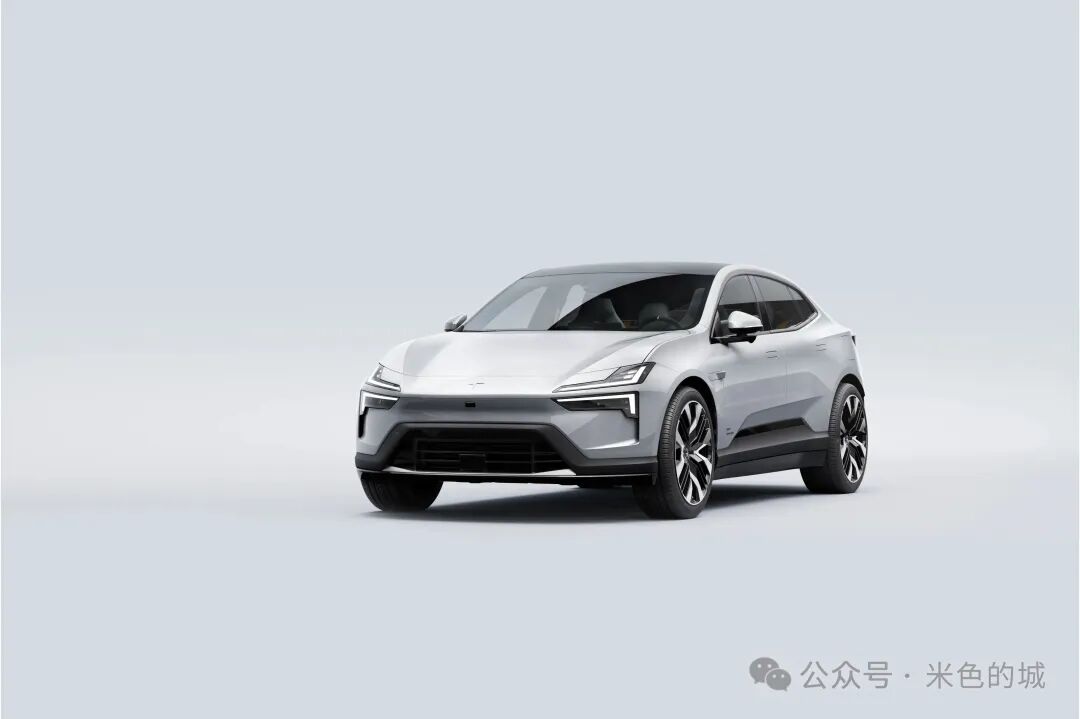
The main model, Polestar 2, has not been updated for seven years, while Chinese brands average 1.5 iterations per year; the Polestar 4 has been delayed due to software issues, missing the golden window of 2024. In 2025, when the 800V architecture has become mainstream, Polestar’s entire lineup still uses the 400V platform.
Safety Trust Crisis: The Chain Reaction of Recall Events
In 2024, the Polestar 4 was recalled due to a “brake controller software defect” affecting 1,867 units; in 2025, another recall occurred due to “insufficient torque in the brake module” affecting Polestar 1. In the safety evaluation by Dongche Di, Polestar 2 scored the lowest in active safety, exacerbating consumer doubts.
Cost Control Failure: Tariff Chains Choking the Throat
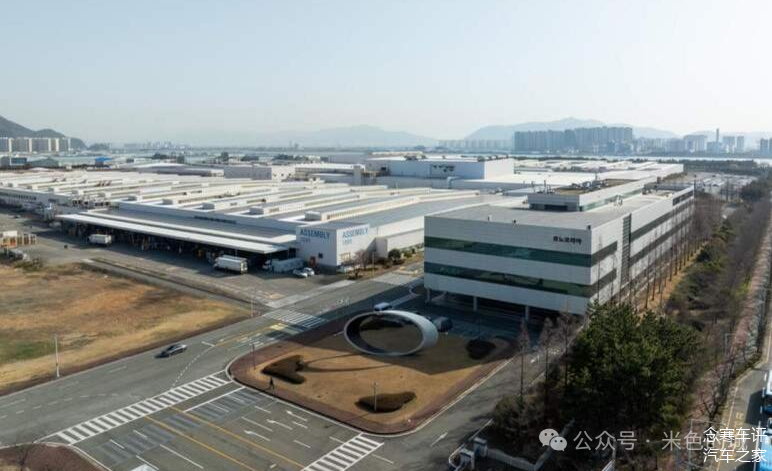
Polestar 2 produced in China faces a 27.5% tariff when exported to the U.S., forcing production to be moved to the Busan factory in South Korea. The supply chain disconnection has led to an 18% increase in unit costs, with the final price exceeding the Model Y by about 50,000 yuan. While the BYD Seal is priced 15% lower in the U.S. than in its home market, Polestar’s pricing has become a suicidal act.
04 Consumer Leap: From Configuration Piling to Scenario Co-Creation
As Generation Z becomes the main force in car buying, the decision-making logic has fundamentally changed:
- Parameter Demystification: Basic parameters like horsepower and range have become entry tickets, with consumers focusing more on “scenario satisfaction“—for example, the third-row magic space of the Xpeng X9 meets the needs of families with two children for weekend camping;
- Technological Perception Becomes Apparent: The CATL Shenxing battery’s “10 minutes to recharge 400km” is visualized as “charging in the time it takes to drink a cup of coffee,” increasing conversion rates by 34%;
- Community Recognition Reinforces Brands: The Tank 300 owner’s club spontaneously organizes off-road activities, resulting in a 35% referral rate, far exceeding the effects of advertising.
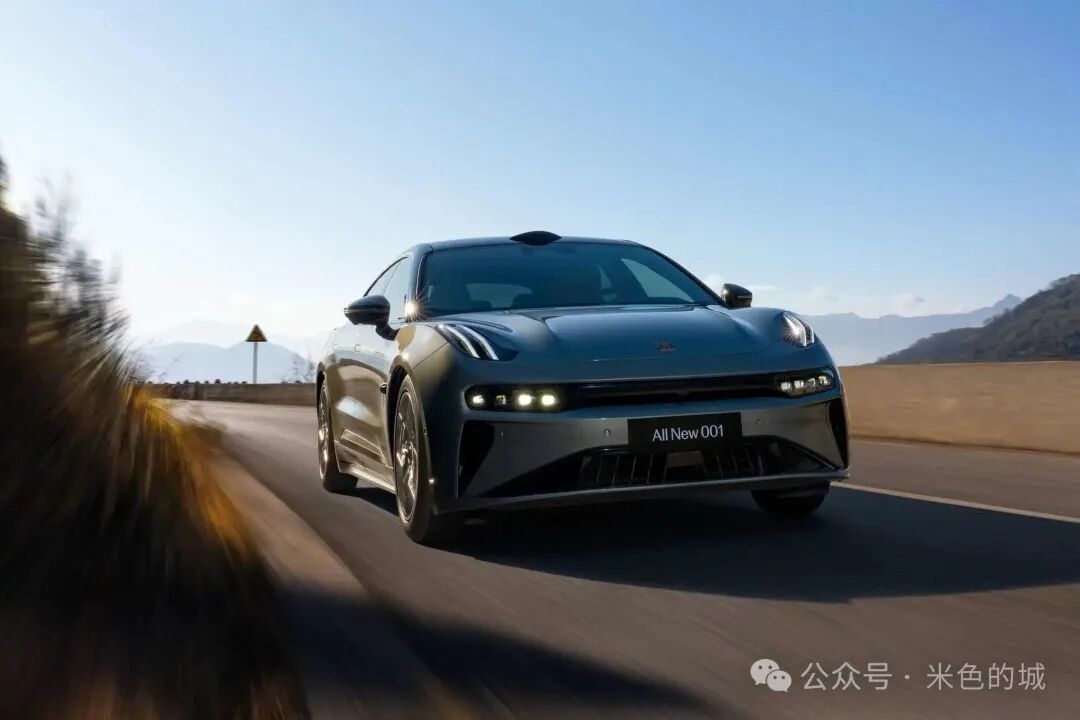
User research reveals a harsh truth: consumers are unwilling to pay for “a better car”; they are only willing to pay for “a better version of themselves.” Among Zeekr 001 owners, 68% believe “this car represents my technological aesthetics”; while Wuling users view intelligent driving capabilities as an “extension of family responsibility.”
05 Future Battlefield: Three Major Leaps in Restructuring Human-Vehicle Relationships
In the second half of the survival battle, the decisive points have shifted to deeper dimensions:
Neural Center: The In-Vehicle Revolution of AI Large Models
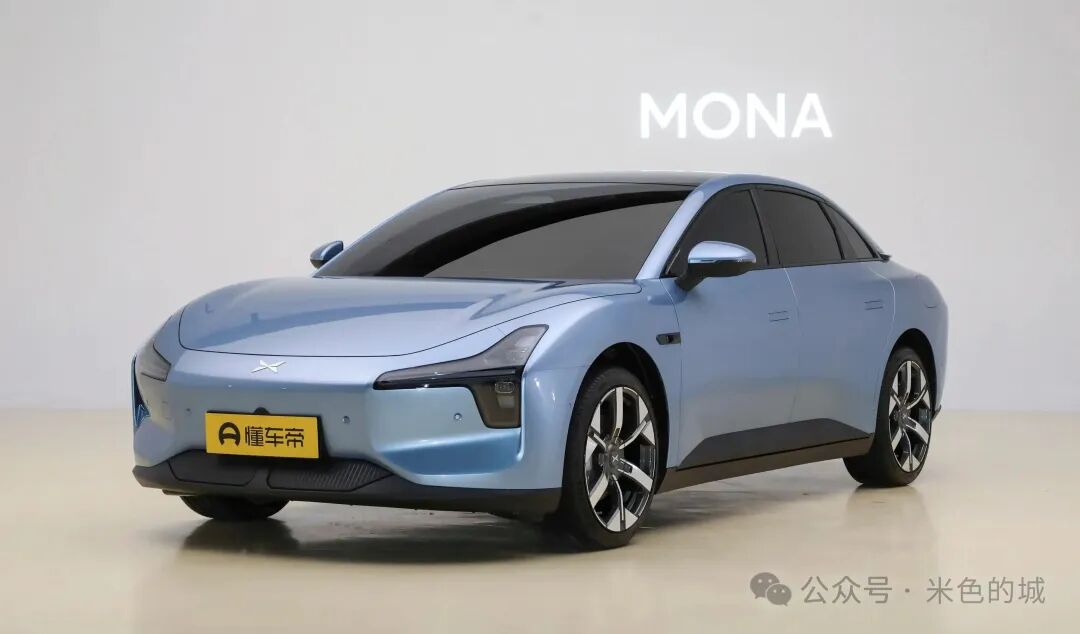
The Xpeng MONA will be equipped with a cloud-edge collaborative large model, achieving “predictive services”—automatically reserving company parking spots when commuting routes are congested; NIO’s “Tianshu” system monitors driver fatigue through biosensors, linking to seat massage reminders. The competition for computing power has shifted from chips to algorithms: by 2025, leading automakers’ algorithm teams will exceed 2,000 people.
Flexible Manufacturing: Modular Production Lines Disrupting Economies of Scale
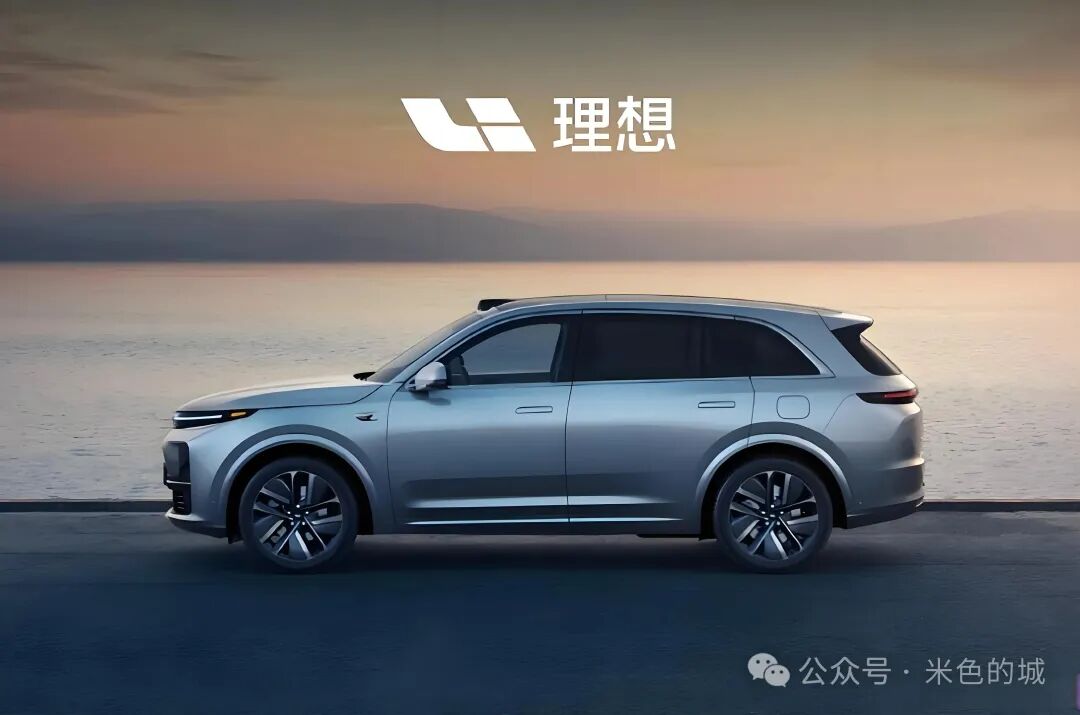
BYD is exploring a “modular body platform” that allows for vehicle switching in 72 hours; Li Auto’s Beijing factory uses AGV flexible production lines, compatible with 5 different models on a single line. This “small-batch fast iteration” model compresses the new car development cycle from 36 months to 18 months.
Data Closed Loop: Instantaneous Feedback from User Responses
The Xiaomi SU7 collected 370,000 user feedback entries in its first week of delivery, with 186 items upgraded rapidly via OTA; the Zeekr 01 analyzes user frowning actions through cabin cameras to identify experience pain points. The real moat is forming—a firewall of experience built on tens of millions of real scene data.
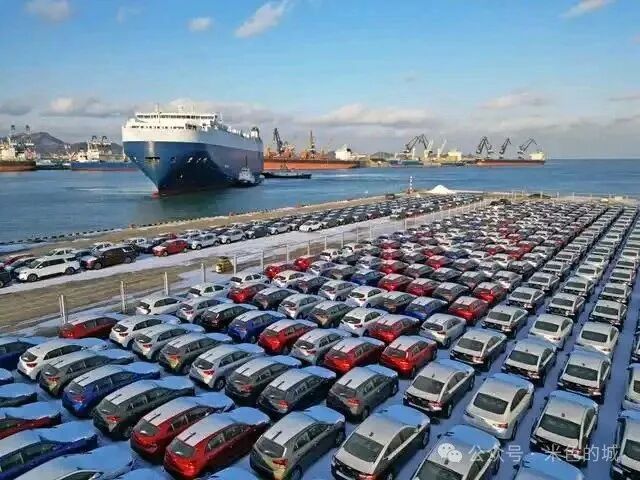
As one Polestar 2 waits at the Shanghai port for shipment, another sits gathering dust at a Beijing 4S store—this surreal scene is the most authentic metaphor for the Chinese automotive market. Consumers are not abandoning luxury, but rather rejecting pseudo-luxury that is disconnected from real scenarios; they are not resisting new technologies, but rather the cold performance of technology.
Polestar’s global success and its collapse in China simultaneously prove: there is no saturated market, only misaligned products. When sofas, TVs, and large refrigerators become mere backdrops, the true winning hand has long shifted—who can transform cold technology into warm life proposals will build the bridge to the future between ice and fire.
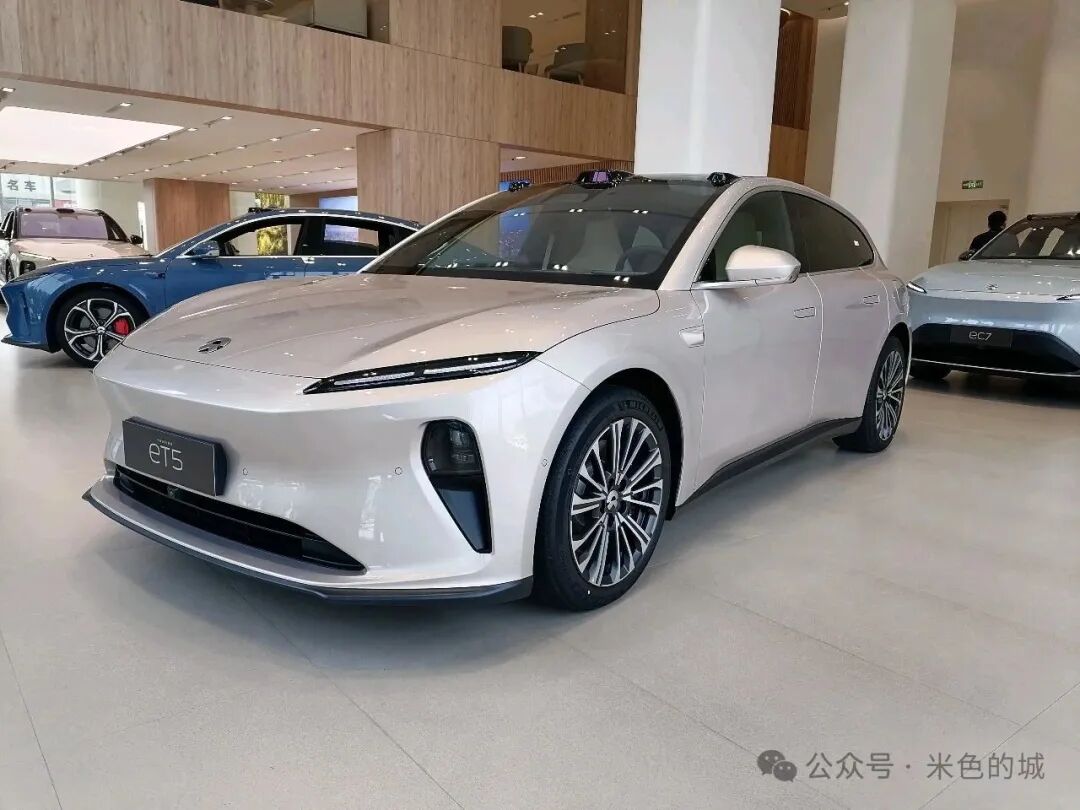
In the showroom at this moment, a young couple is testing the “baby sleep mode” on the Wuling M9, while a retired professor nods and smiles at the NIO ET5’s Peking opera light language. These scenes silently declare: the ultimate competition in the automotive industry is ultimately a deep competition in understanding human nature.