The “IVD Instrument Map” series, based on NMPA, compiles valid registration certificates. Registration certificate keywords: immunoassay analyzers, chemiluminescence. Data as of: December 31, 2022. This series consists of 15 articles, including: blood, biochemistry, blood gas, immunology, molecular, microbiology, body fluids, mass spectrometry and chromatography, image analysis, sampling, pre-treatment, separation and purification, culture and incubation, inspection assistance, and medical protection.
Main content: (1) Overview of instruments, classification directory, concepts and definitions, directory of excellent domestic products, distribution of registered provinces, distribution of registration years, domestic vs. imported ratio; (2) Manufacturers and products, instrument introduction, common testing items, brief history of instrument development, related product videos, geographical distribution and directory of manufacturers, product model list, future development trends, etc.

Instrument Overview
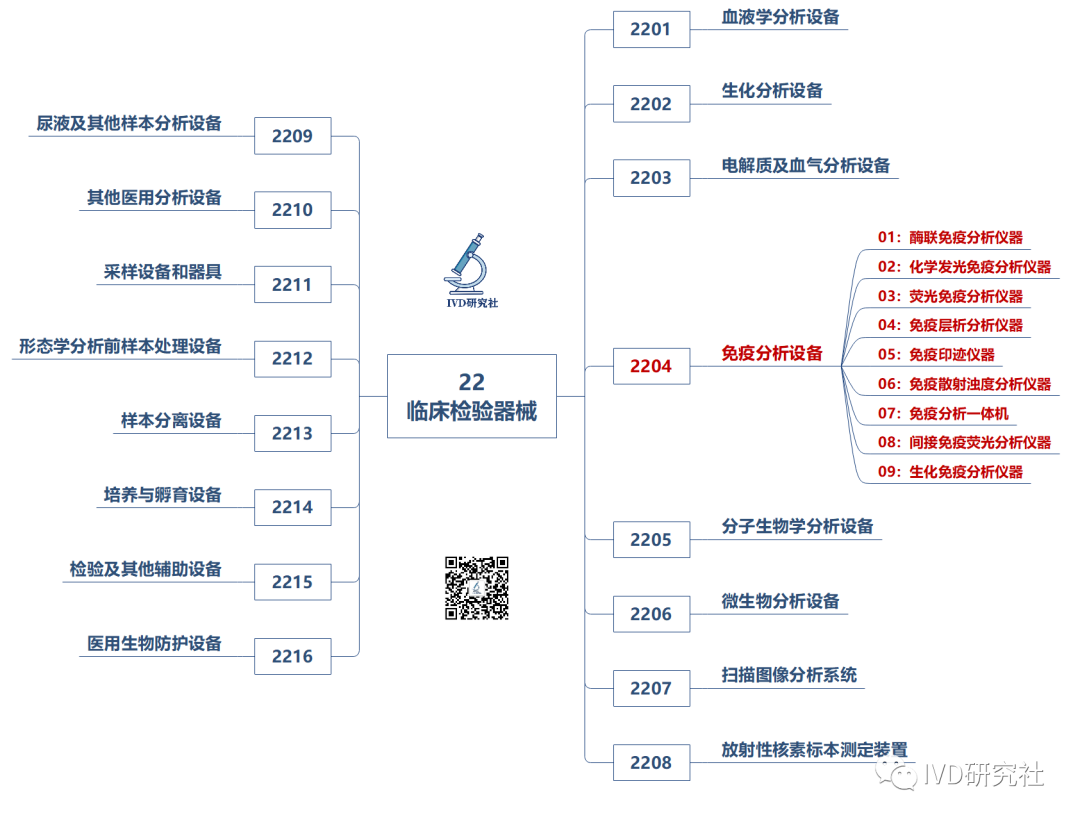
The chemiluminescent immunoassay analyzer, according to the NMPA “Medical Device Classification Catalog (2017 No. 104)” document, belongs to the second-level classification of immunoassay devices, with registration number: 2204. The chemiluminescence analyzer belongs to 2204-02. Other types include enzyme-linked immunoassay instruments, fluorescent immunoassay instruments, immunochromatographic analyzers, immunoblotting instruments, immunoturbidimetric analyzers, immunoassay integrated machines, indirect immunofluorescence analyzers, biochemical immunoassay instruments, totaling 9 third-level classifications.
 The chemiluminescent immunoassay analyzer combines chemiluminescence technology with immunoreaction to determine the content of various markers such as antigens, antibodies, hormones, enzymes, and fatty acids in clinical tests. Chemiluminescence refers to the light emitted by compounds formed when antigens and antibodies bind during a chemical reaction, which does not require an external light source for excitation. The immunoreaction is the specific binding of antigens and antibodies.
There are four main classifications of chemiluminescence.
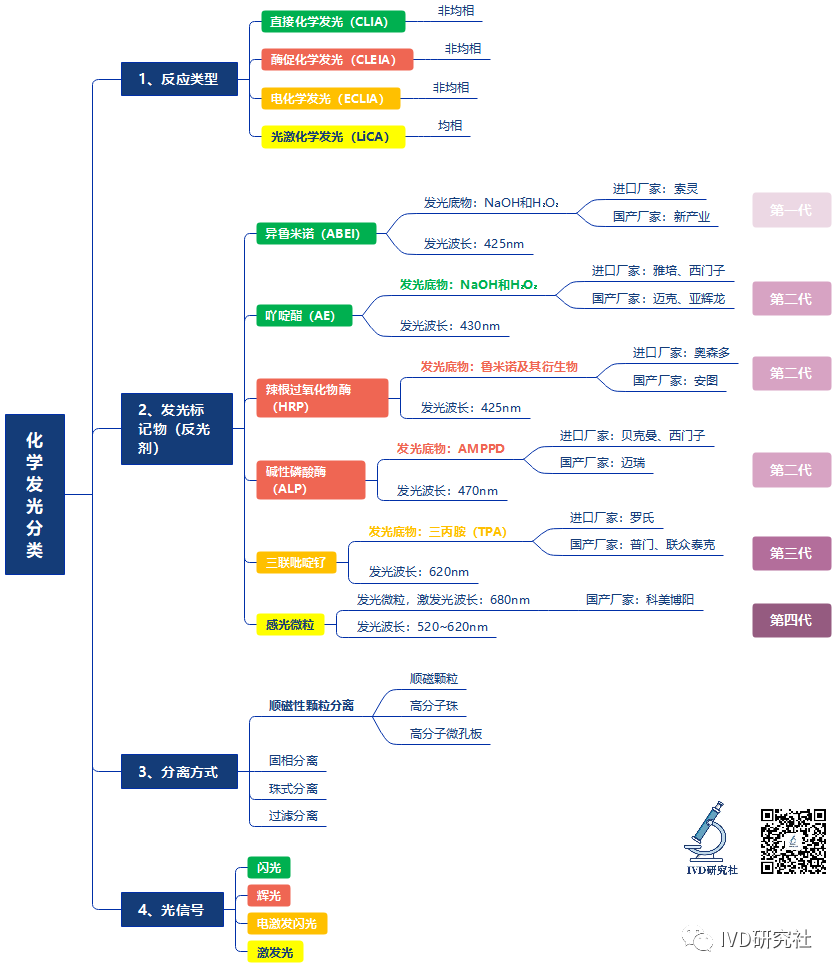 Specifically, the four principles of chemiluminescent reactions generally follow the reaction process as follows.(1) Direct chemiluminescence: acridinium ester, ABEI derivatives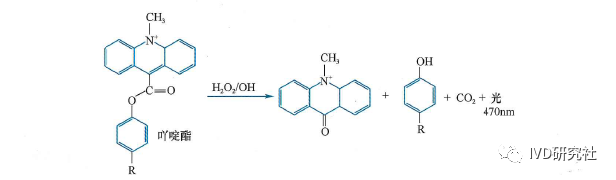
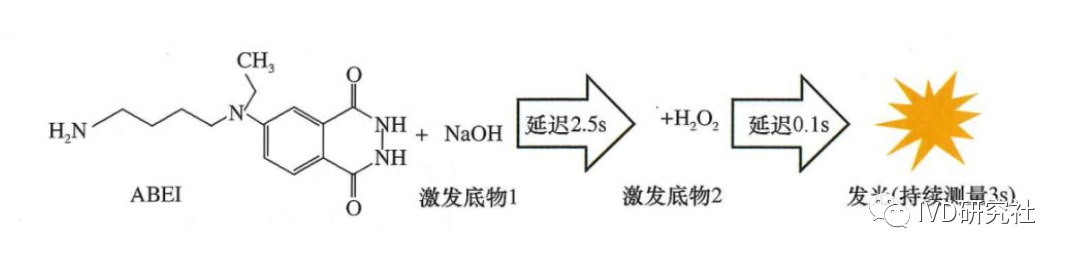 (2) Enzyme-catalyzed chemiluminescence: horseradish peroxidase (HRP), alkaline phosphatase (ALP)
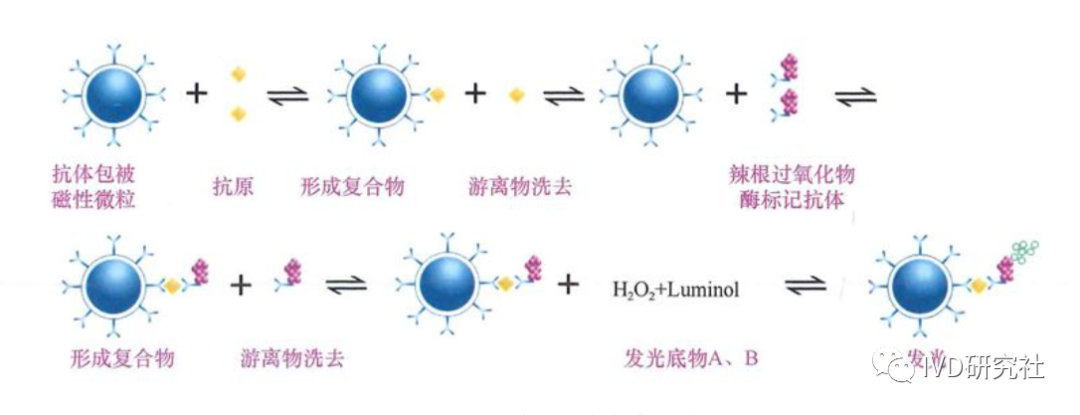 (3) Electrochemical chemiluminescence
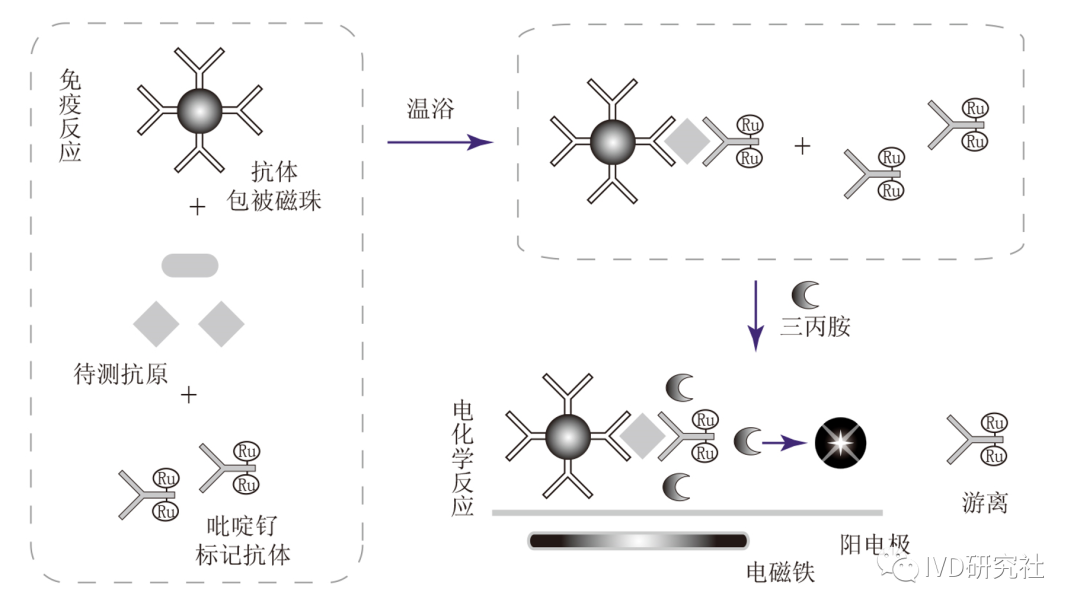 (4) Photo-activated chemiluminescence principle
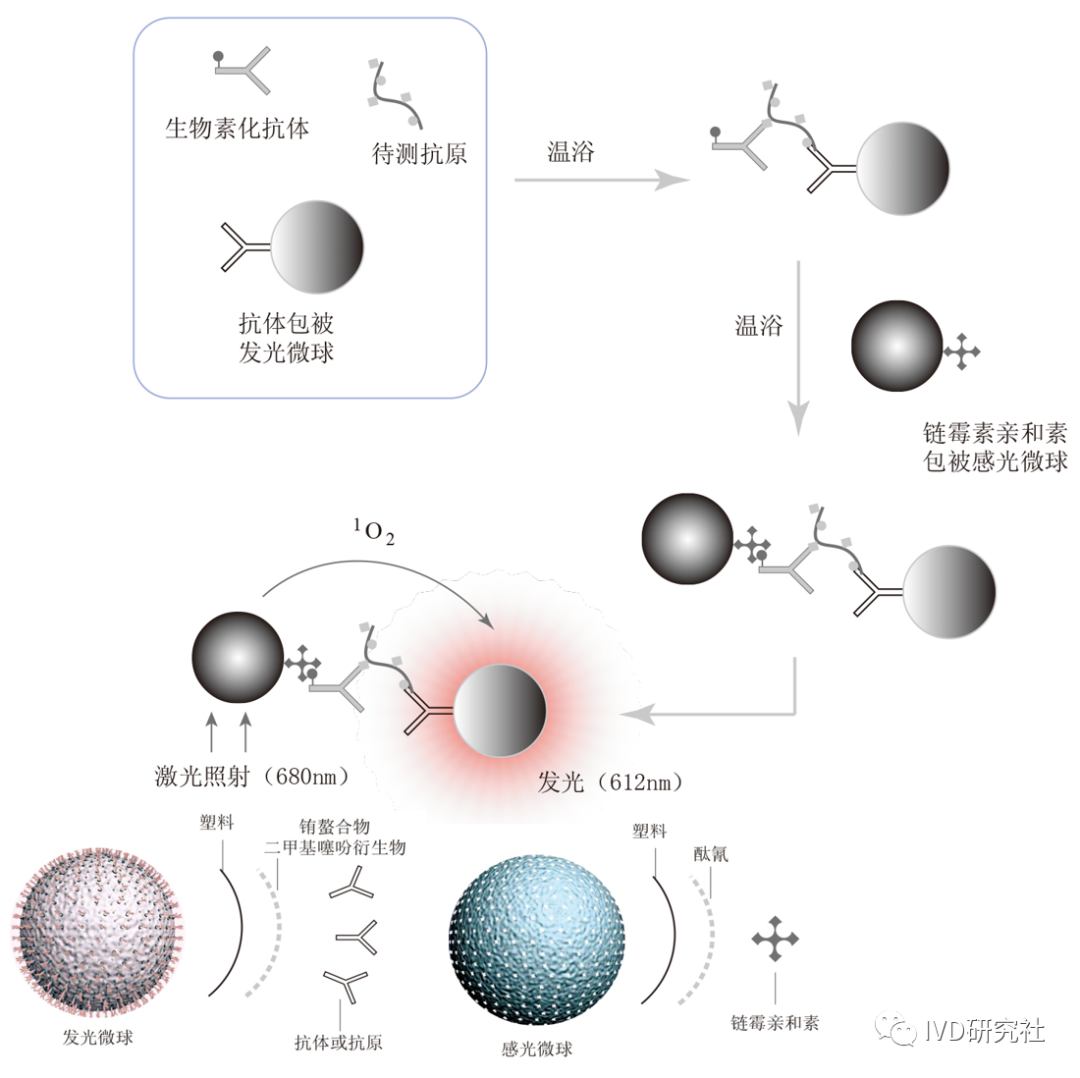 Immunoreactions can occur in three ways: competitive method, sandwich method, and indirect method.(1) Competitive method: commonly used for small molecule detection
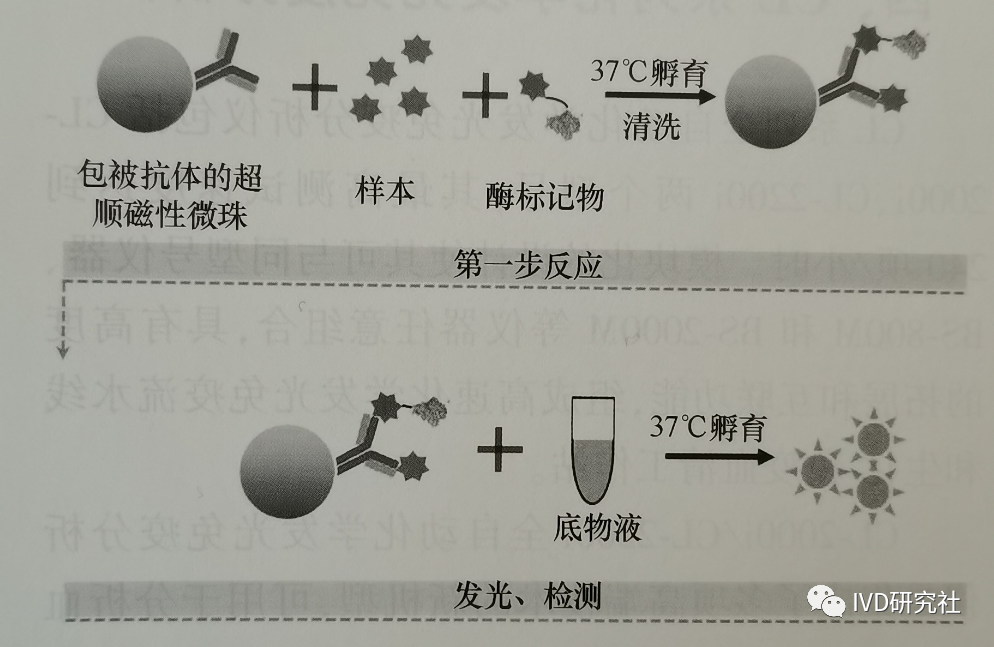 (2) Sandwich method: commonly used for large molecule detection
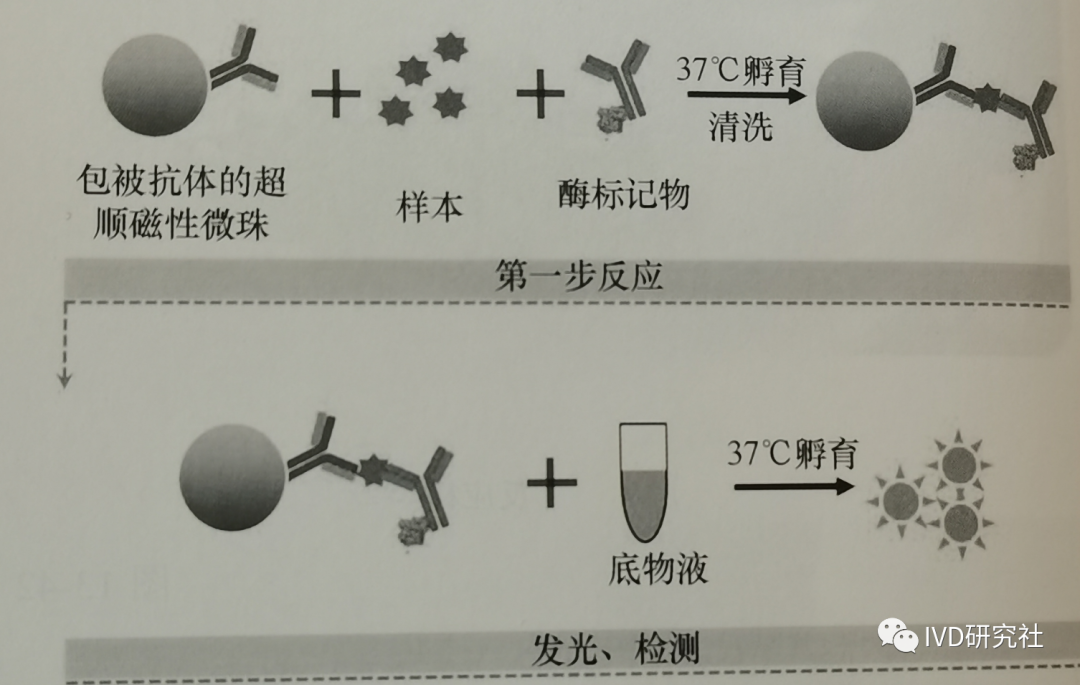 (3) Indirect method: primarily detects antibodies in human fluids
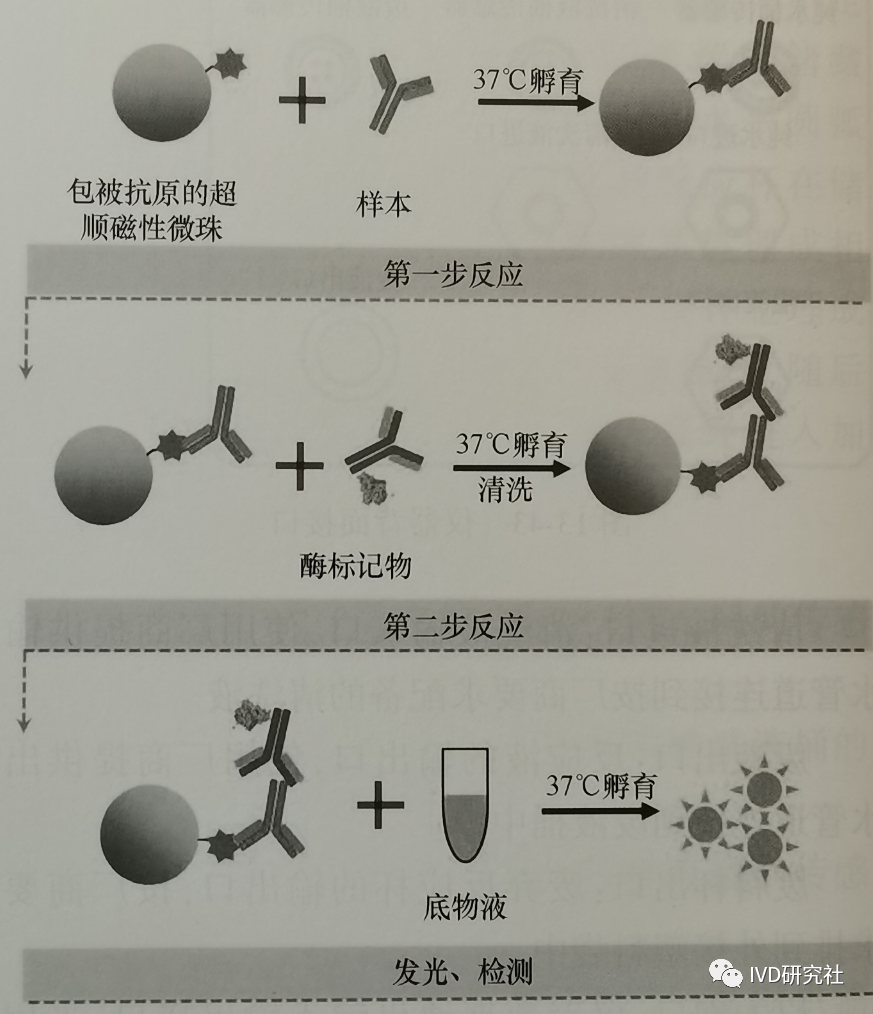 So what does the specific luminescence process look like?
It utilizes chemiluminescent substances, catalyzed by catalysts and oxidized by oxidants, to form an excited state intermediate. When returning from the excited state to the stable ground state, photons are released, and the luminescent substance emits light, which is detected by a single-photon detector and transmitted to an amplifier, where the high-voltage current amplifies it. The amplifier converts the analog current into digital current, measuring the photon yield using single-photon counting method.The two diagrams below are schematic representations of the single-photon counter’s working principle, which can help understand the logic of photonic signal conversion more intuitively.

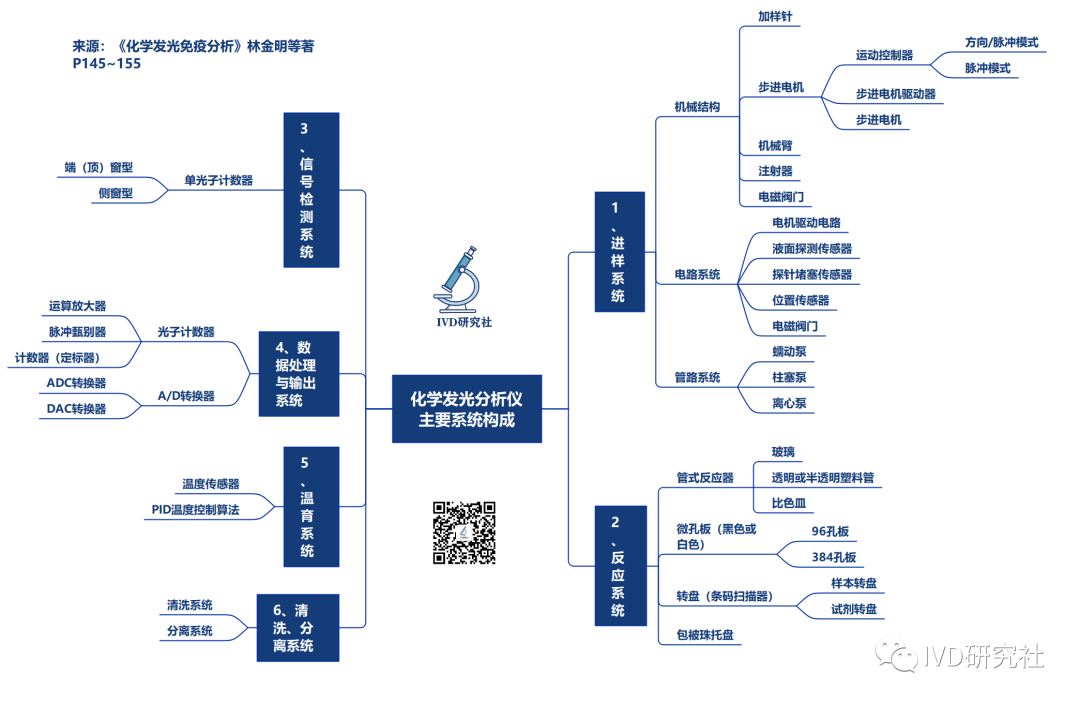
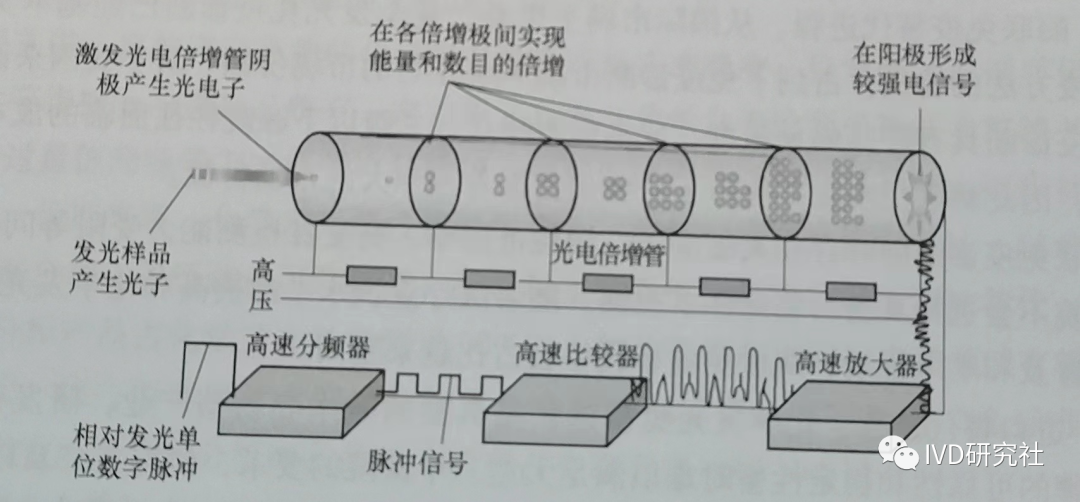 From a macro perspective, let’s look at the system composition of the chemiluminescent immunoassay analyzer. It generally consists of six subsystems: sample injection system, reaction system, signal detection system, data processing and output system, incubation system, and cleaning and separation system.
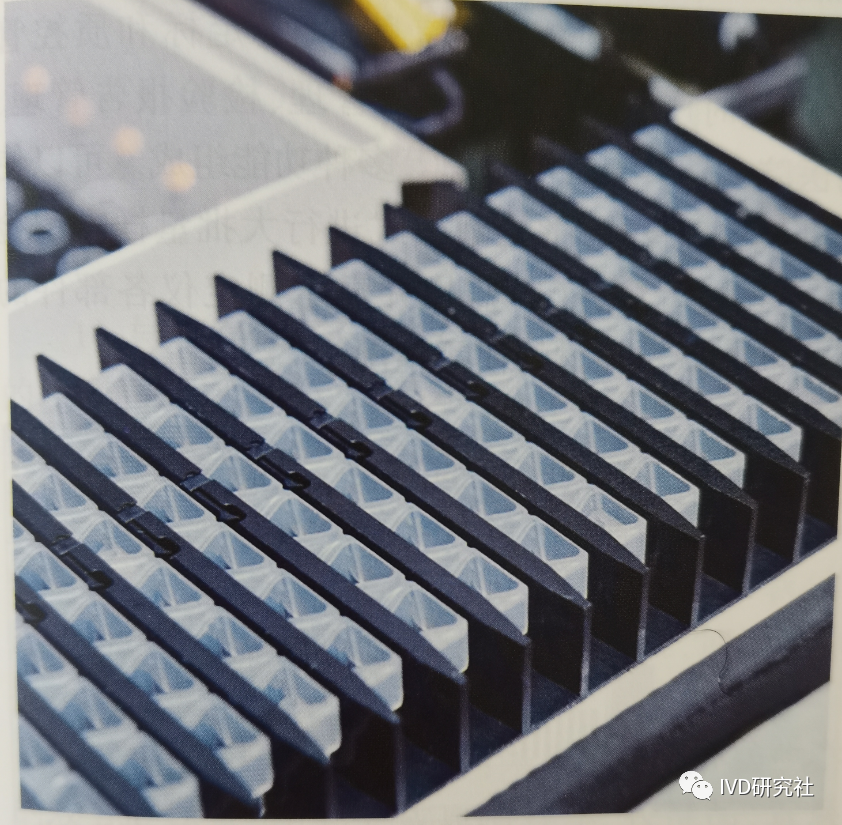
Let’s take a look at some real partial system diagrams. These images come from instruments of different manufacturers.(1) Layout
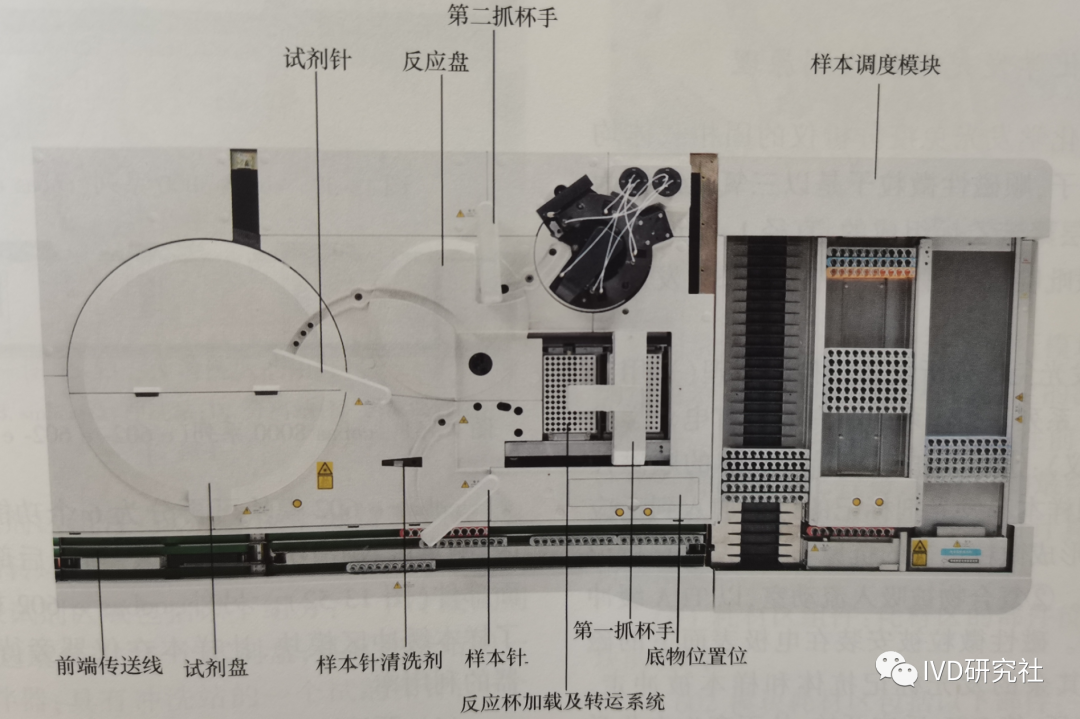
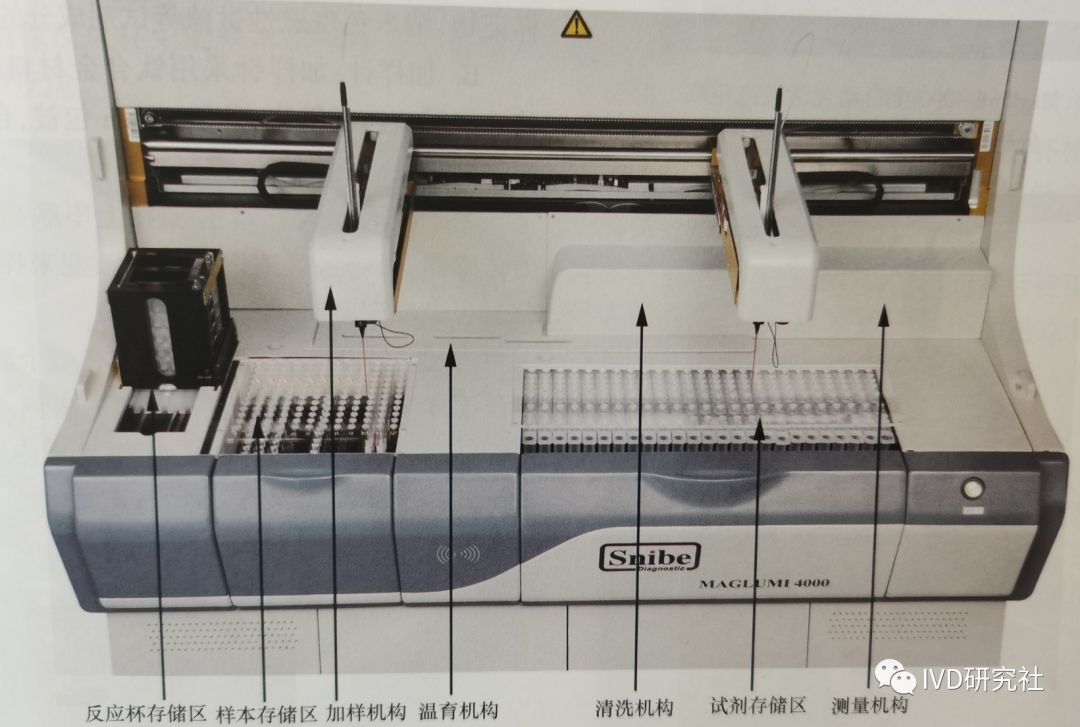 (2) Pipetting system
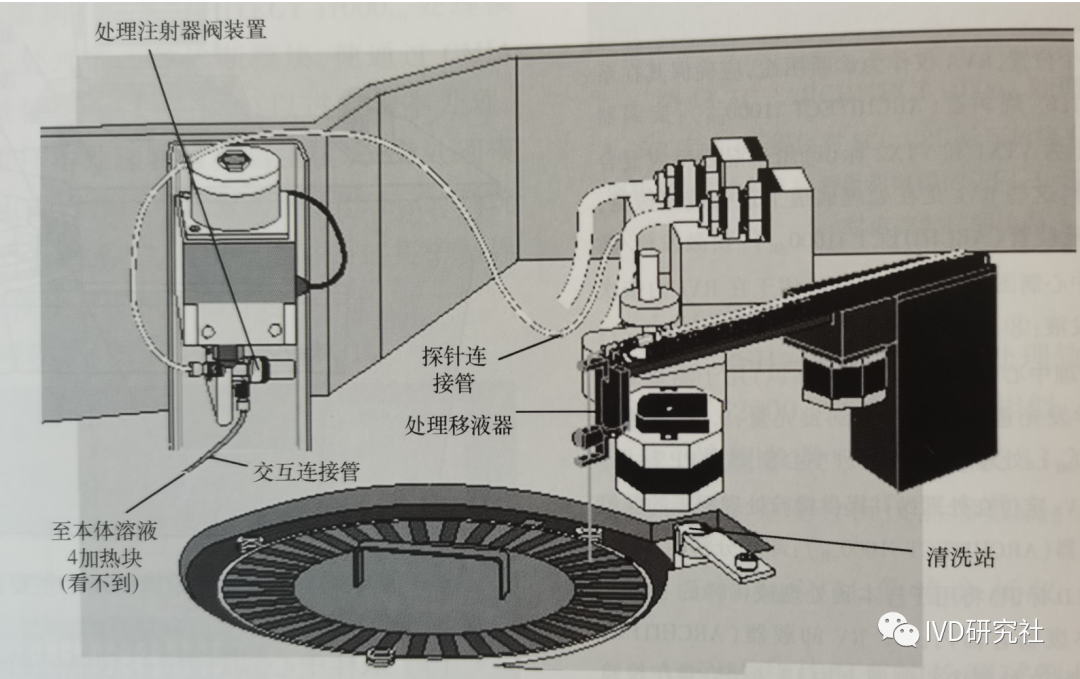 (3) Signal measurement system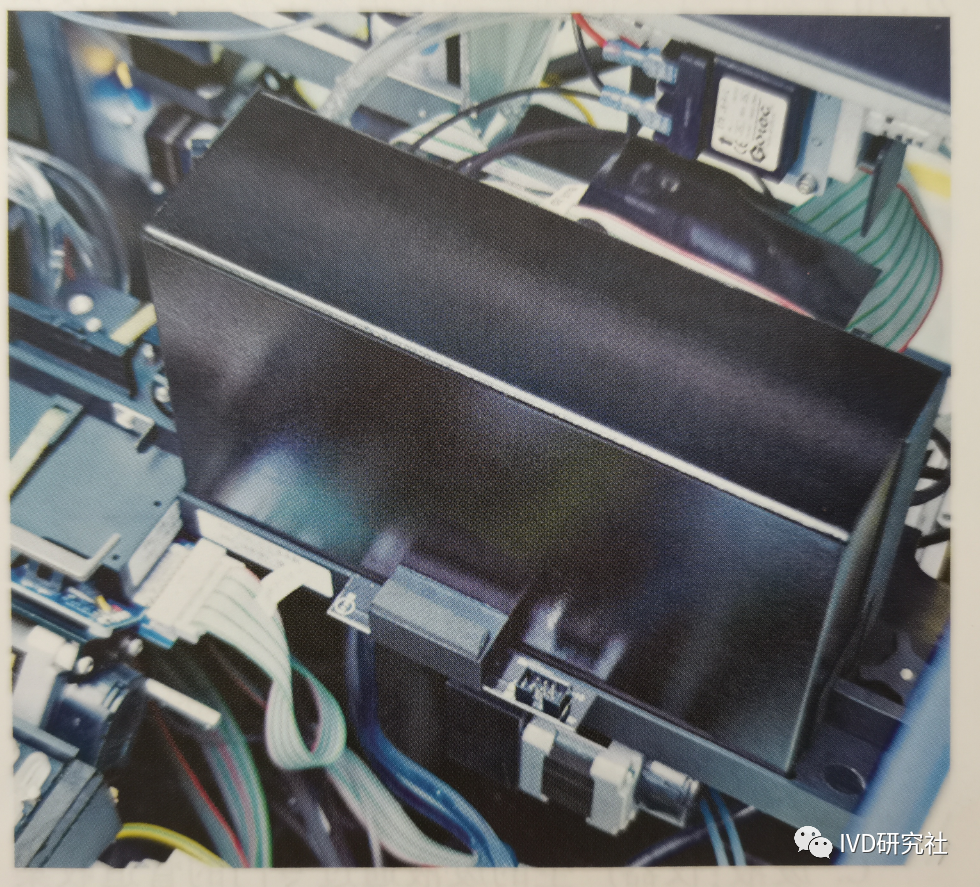
(4) Incubation system
 (5) Cleaning system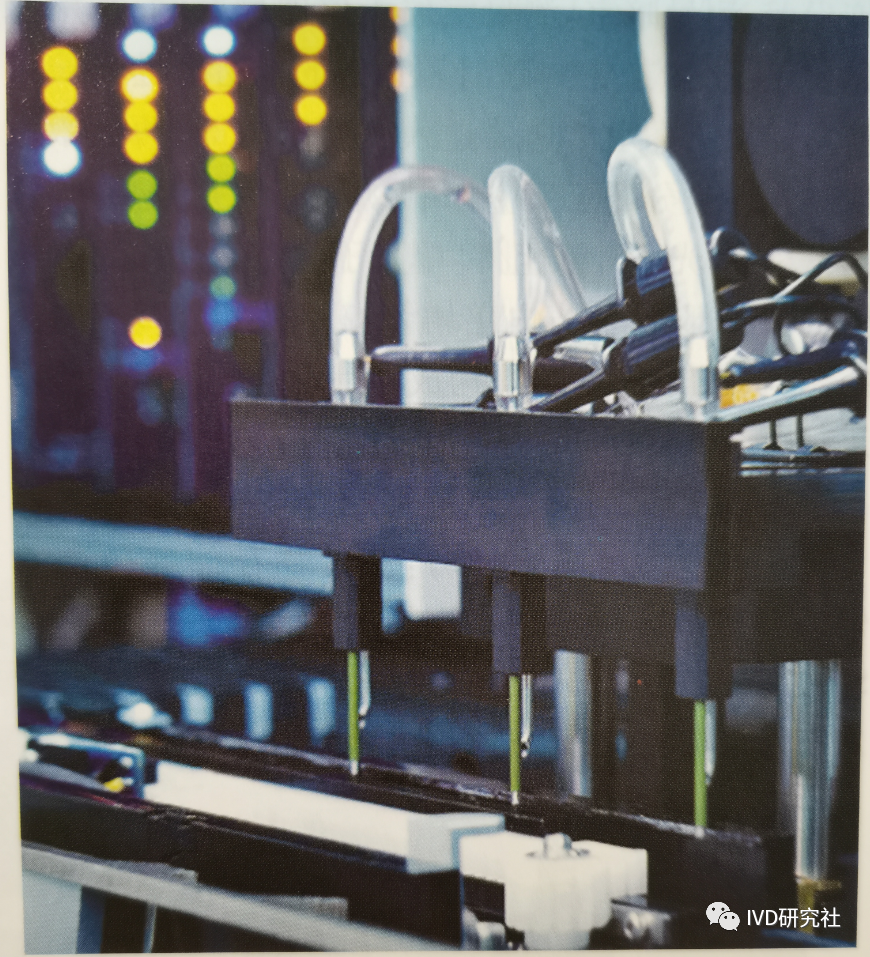
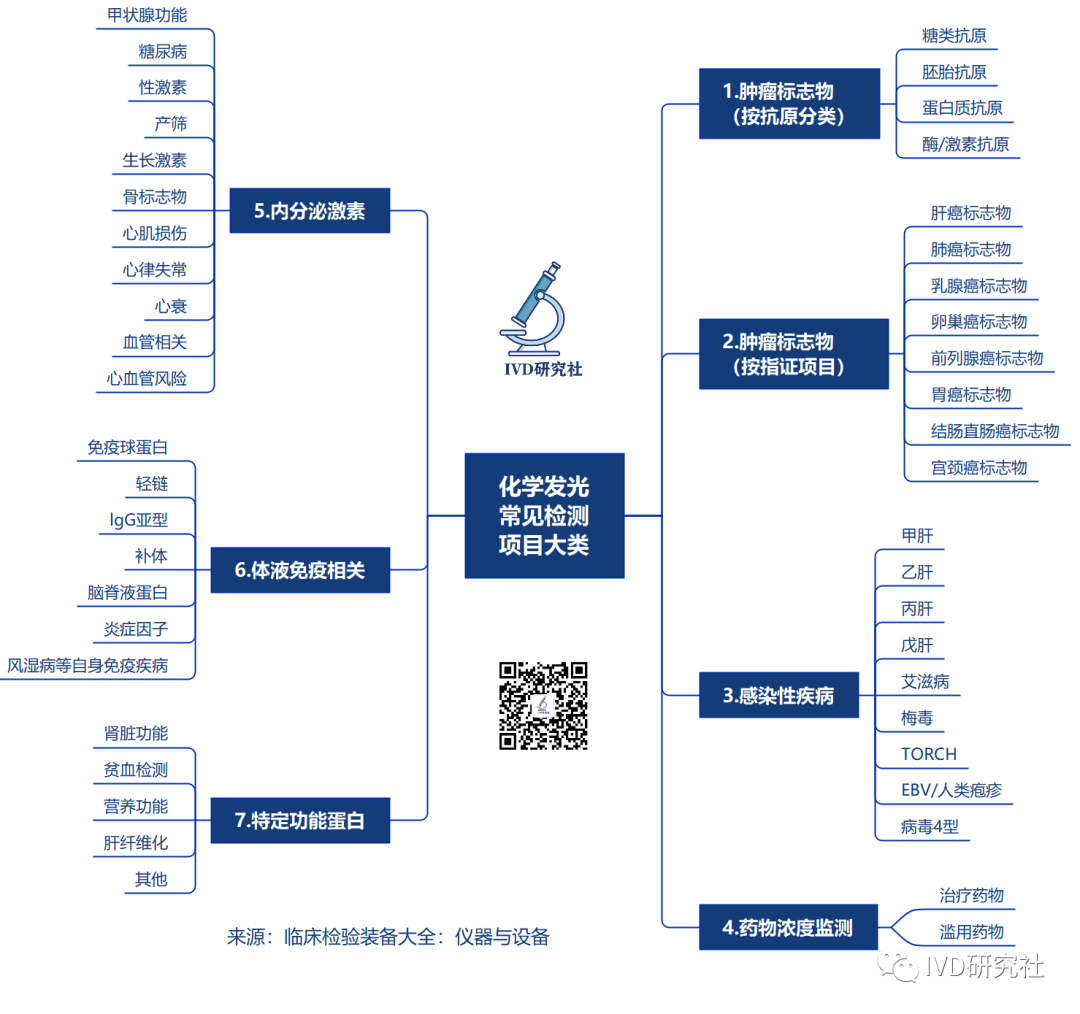
What testing items are commonly used with chemiluminescence analyzers?

Manufacturers and Products
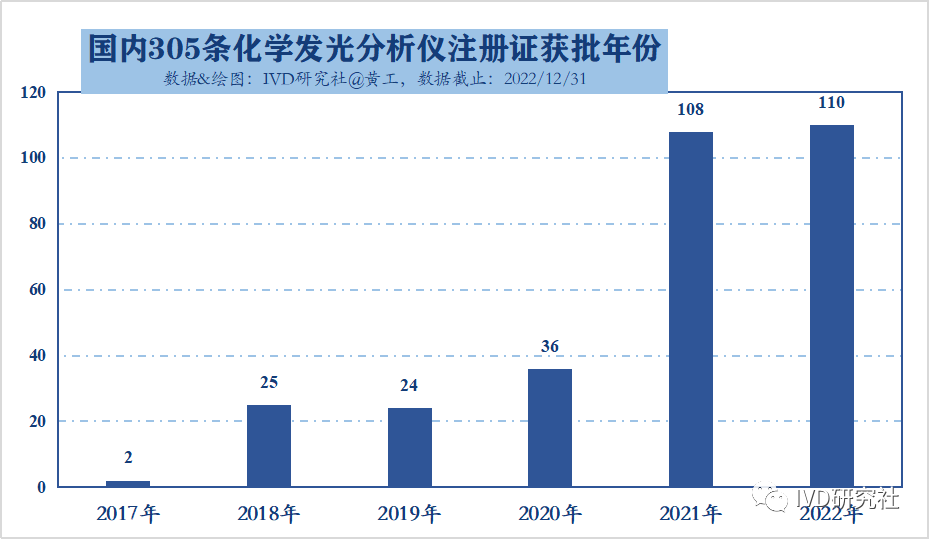
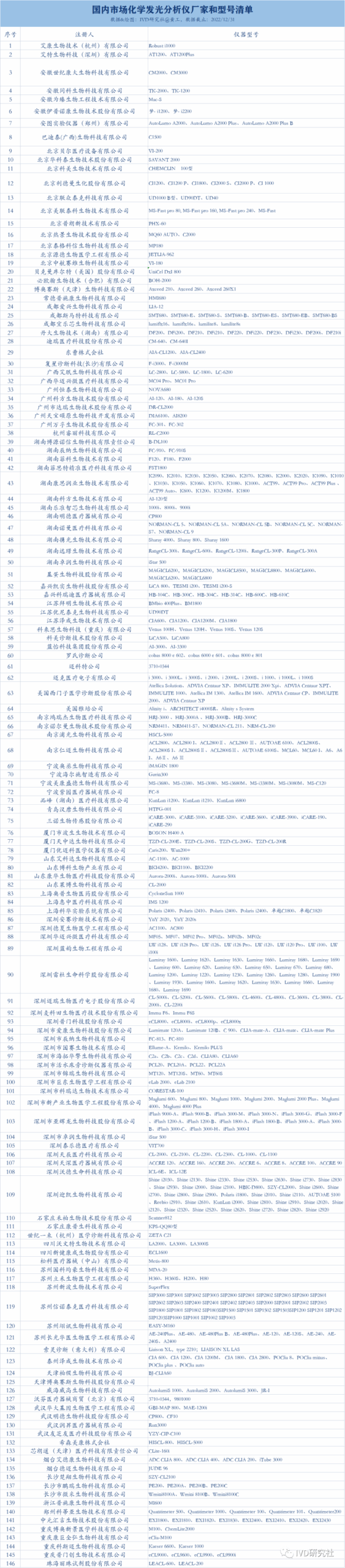
According to Engineer Huang’s statistics, as of the end of December 2022, there are a total of 305 valid registration certificates for chemiluminescent analyzers in China, from 146 manufacturers, including imports. Domestic products account for 278 certificates, or 91.15%; imported products account for 27 certificates, or 8.85%. Engineer Huang reveals the distribution by region, approval time, management category, product country, representative product videos, etc.
By the end of 2022, there are 146 approved manufacturers of chemiluminescent analyzers in China (including 9 imported manufacturers), distributed across 18 provinces and 53 cities. The map of chemiluminescent analyzer companies and the manufacturer directory is shown below. The leading companies in chemiluminescence are distributed in three regions: South China: Mindray, New Industry, YHLO, Pumen; Central China: Antu; Southwest: Mike. Will there be a fourth region, with a leading chemiluminescence company going public? Beijing or Shanghai?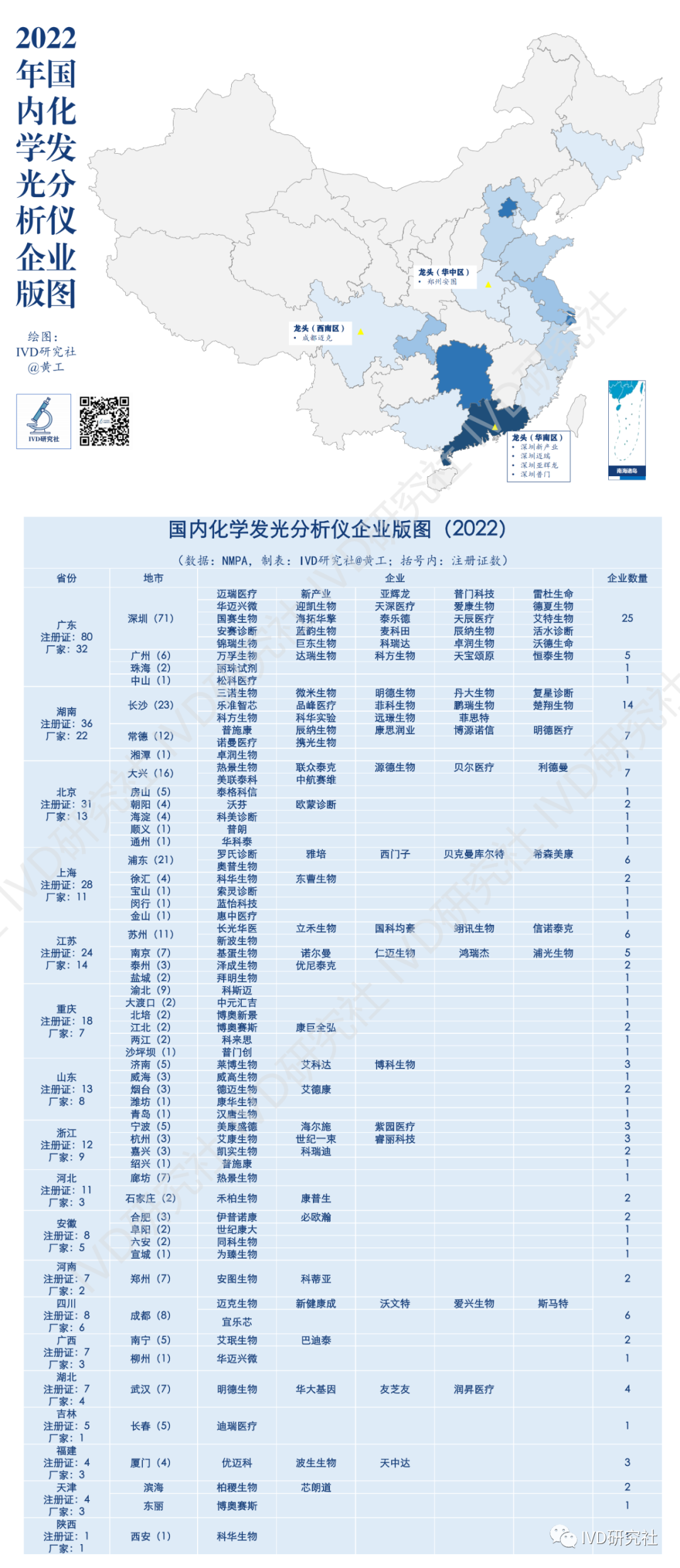
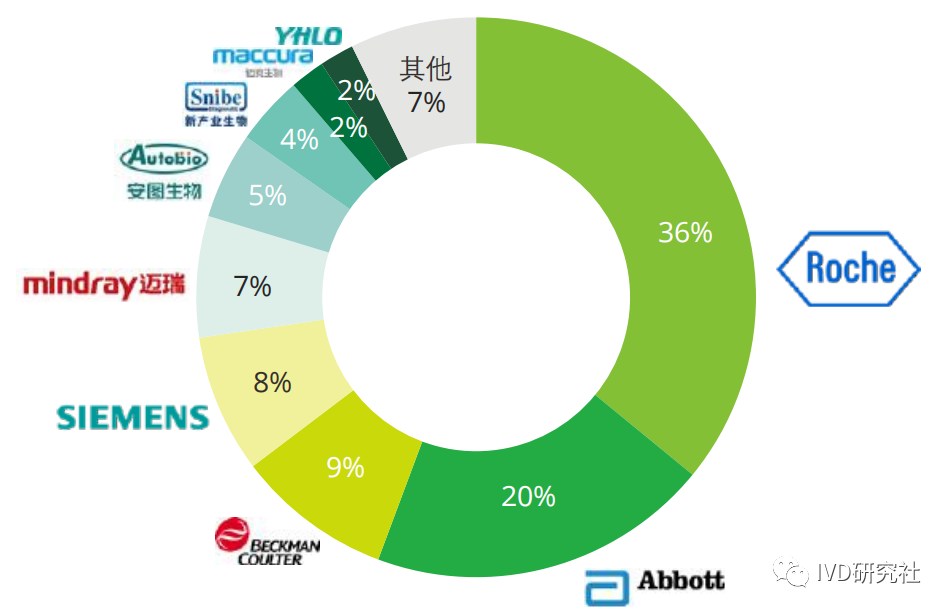
Deloitte’s report shows that in 2021, the domestic IVD market, based on sales revenue, the chemiluminescence sector (including reagents and instruments) was approximately 40 billion, with the market structure as follows: Roche 36%, Abbott 20%, Beckman 9%, Siemens 8%, Mindray 7%, Antu 5%, New Industry 4%, Mike 2%, YHLO 2%, others 7%.
Let’s take a look at the representative product videos of the nine major chemiluminescence manufacturers. Engineer Huang has always enjoyed watching the promotional videos of listed companies, which clearly showcase the reaction principles, working processes, and some technical details, some even have a sci-fi feel. Coupled with some textual descriptions, it becomes easy to understand this type of product. We have compiled the videos of the leading chemiluminescence manufacturers, and we can find some references and learning points from them. Eight videos are recommended to be watched several times; they are not to be missed.
NO.1: Roche Cobas e801
NO.2: Abbott Alinity
No.3: Beckman DXI800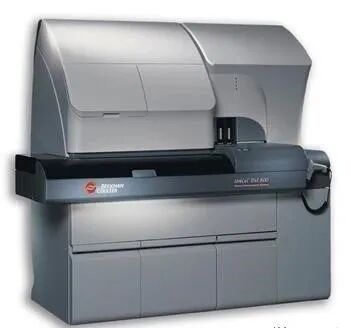
(Video not found)
No.4: Siemens Atellica
No.5: Mindray CL8000i
No.6: New Industry MAGLUMI X8
No.7: Antu AutoLumo A6000No.8: Mike i3000
No.9: YHLO iFlash 9000
Below is the product video of the fourth-generation chemiluminescence: photo-activated chemiluminescence domestic representative, Kemei (Boyang), which can also be compared here.
Below is the current list of all manufacturers and models of chemiluminescent analyzers in the domestic market.

Some Thoughts
This article only organizes the list of all manufacturers and models of chemiluminescent analyzers. There is still much to explore in depth. Next, based on the above list, we will delve into the technical principles, luminescent systems, advantages and disadvantages of each instrument, which may be more valuable. The chemiluminescence sector, whether it is 40 billion or 50 billion, will the market structure undergo significant changes by 2025? Among these 146 instrument manufacturers, which ones might be merged? Or will several companies join forces to create a larger publicly listed company, forming a new leader? The future holds some exciting possibilities, as many developments may exceed our expectations. In the next 3-5 years, what will the landscape of chemiluminescence look like? Let’s wait and see. Comments and discussions are welcome.References:
[1] Core data of this article: National Medical Products Administration data query center, https://www.nmpa.gov.cn/datasearch/home-index.html#category=hzp
[2] Blue Book of China’s In Vitro Diagnostic Industry, 2015-2020 Volume
[3] Comprehensive Guide to Clinical Testing Equipment: Instruments and Devices
[4] Chemiluminescence brokerage research reports, related listed company prospectuses, annual reports, etc.
[5] In Vitro Diagnostic Industry Technology
 — END —