In September 2025, Antarctic Bear published several articles on the application of metal 3D printed cooling components in the AI GPU chip sector, which generated a huge market response. The Antarctic Bear WeChat backend received numerous urgent inquiries from chip supply chain manufacturers.Urgent!!Urgent!!! On September 15, 2025, Antarctic Bear learned that NVIDIA is pushing upstream suppliers to develop a type of water cooling component called MLCP (Microchannel Liquid Cooling Plate) to address the increasing heat generation of NVIDIA’s AI GPU chips with each generation.The next generation “Rubin” GPU from NVIDIA will contain two GPU chips in a single package, with a power consumption expected to exceed 2000W. Although the larger surface area is beneficial for heat conduction, it still imposes stringent requirements on cooling systems that exceed the current cooling capabilities of water cooling plates.High-precision metal 3D printing technology, including equipment and high thermal conductivity materials, can become a significant solution for NVIDIA’s requirements for microchannel liquid cooling plates. This could trigger a new wave of growth in the application of metal 3D printing, particularly in the SLM and Binder Jetting (BJ) technology routes.Previously, metal 3D printing mostly focused on larger scales, such as increasing the number of lasers and larger forming sizes. Now, shifting metal 3D printing towards smaller scales and ultra-high precision could be a new major avenue. For example, domestic micron-level metal 3D printing manufacturers like Yunyao Shenwei, ultra-high precision metal 3D printing service providers like Jiusi Additive, and green metal 3D printing manufacturers like Xihe Additive, micron-level 3D printing manufacturers like Mofang Precision, and niche market metal 3D printing service providers like Southern Additive (a subsidiary of the listed company Nanfeng Co., Ltd. 300004) may welcome new market breakthroughs.According to Antarctic Bear, some listed companies have already begun deploying multiple metal 3D printers to print related components for microchannel cooling. In the future, the entire cooling market may require hundreds or even thousands of metal 3D printing devices to process and produce components, especially for high thermal conductivity metals like copper, which will also face new market opportunities.
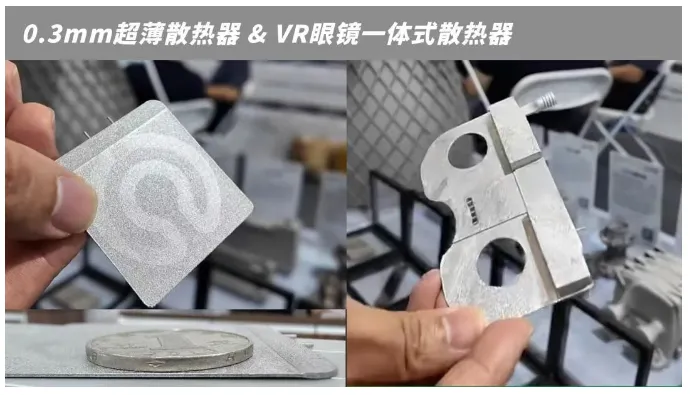 △ Beifeng Technology’s metal 3D printed 0.3mm ultra-thin heat sink, with an overall thickness of only 0.3mm, contains a 0.15mm cooling water channel, made from self-developed GA520 material, exhibiting exceptional performance. By leveraging the advantages of 3D printing, internal cooling channels can be topologically optimized from the design stage to achieve stronger cooling capabilities, effectively solving the heat dissipation challenges in consumer electronics, advanced computing power, and high-end chips.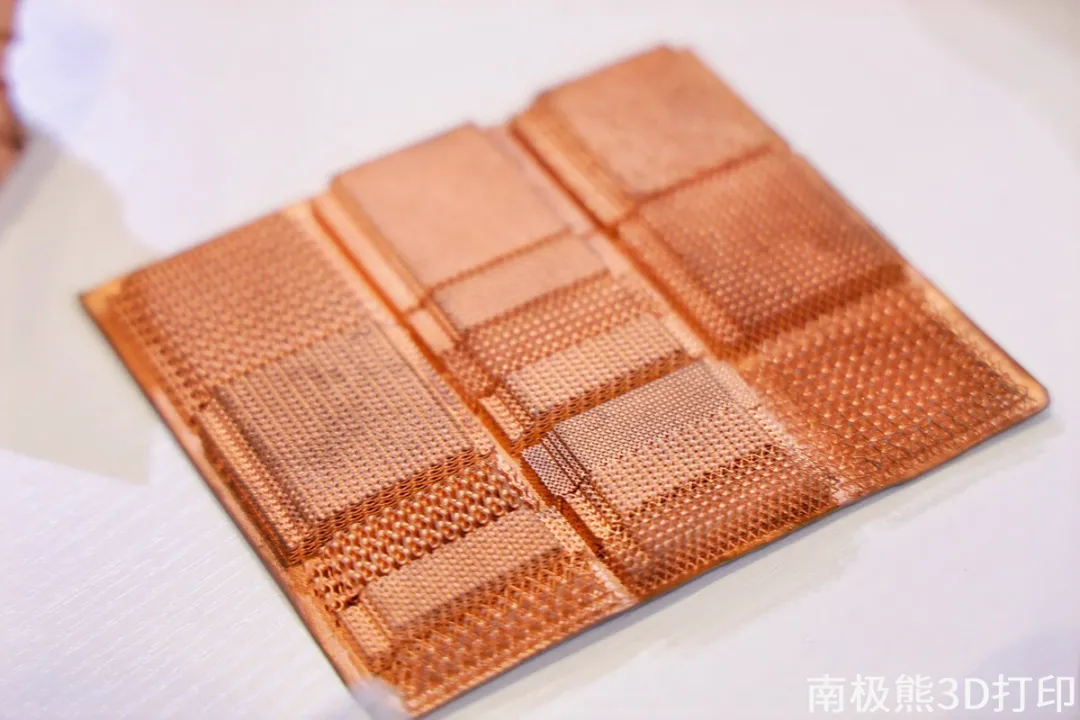
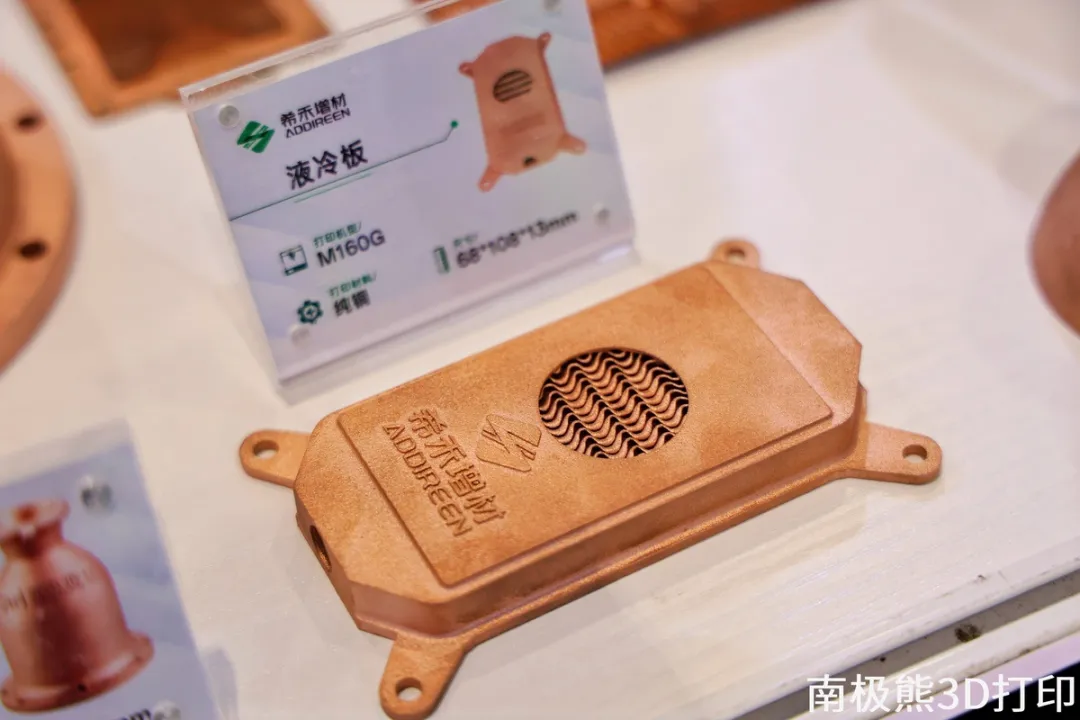
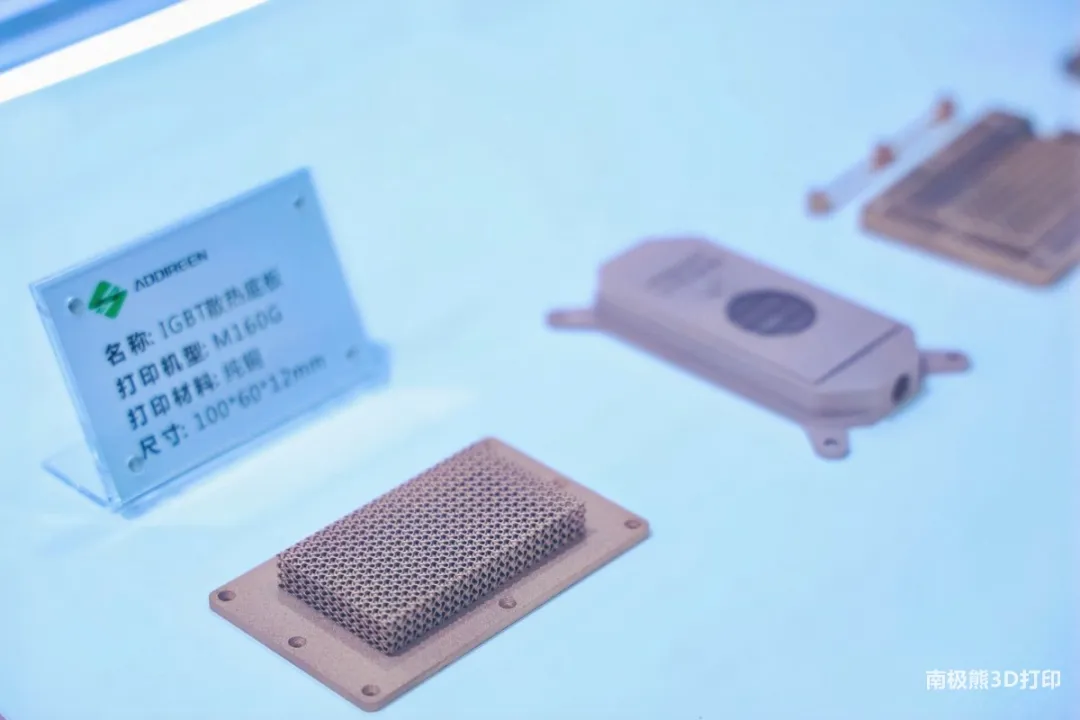 △ Xihe Additive focuses on research and development around copper substrates. Copper, due to its excellent thermal and electrical conductivity, is widely used in heat sinks, IGBT power modules, and high-efficiency electrical components. To address the limitations of traditional pure copper processing, the company has successfully overcome challenges through green laser printing technology, achieving more complex and efficient heat dissipation and conduction structures.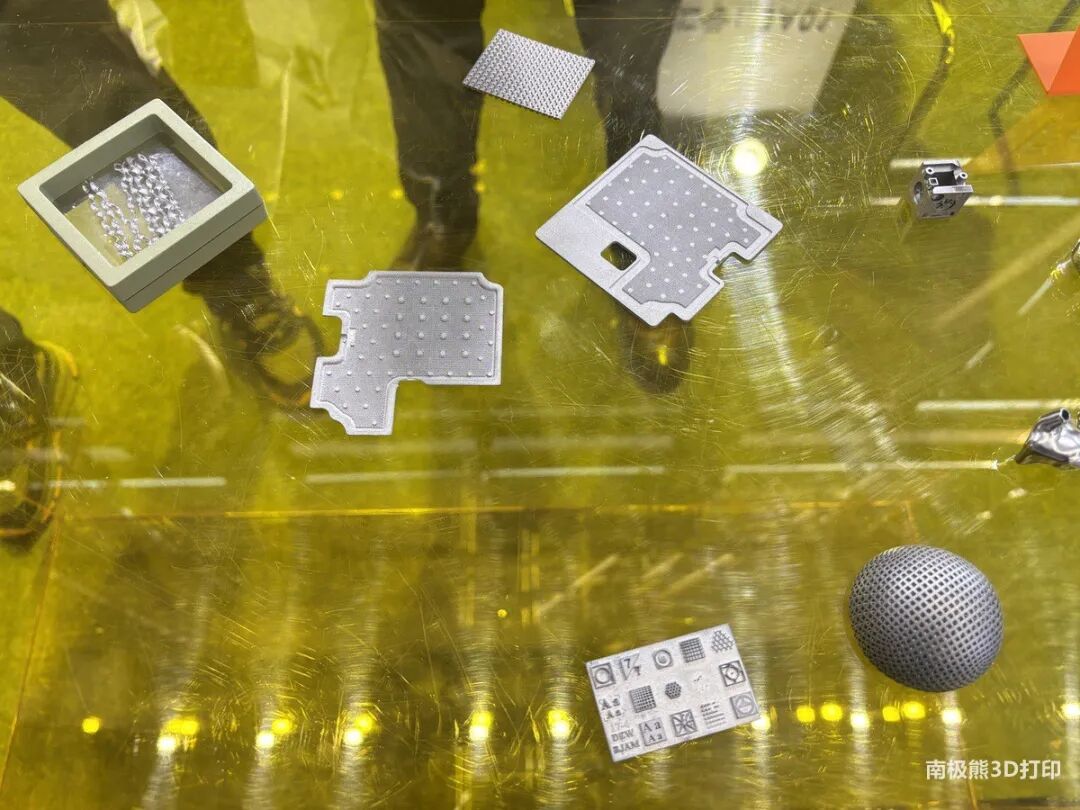
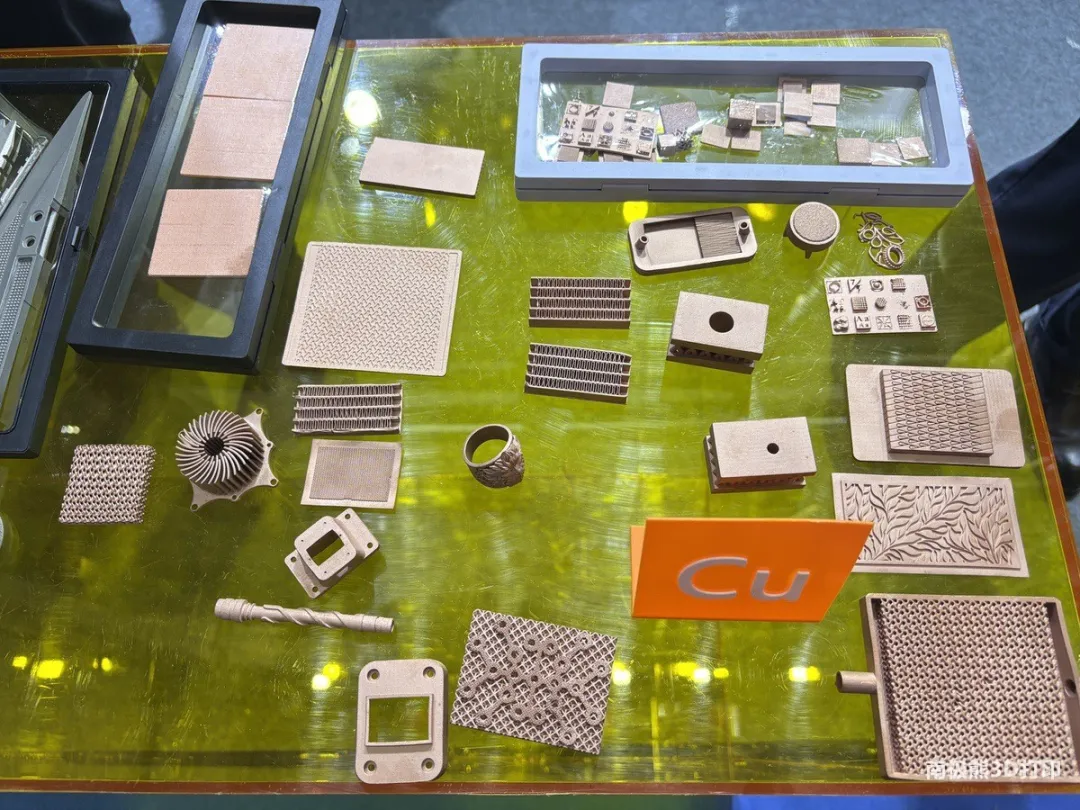
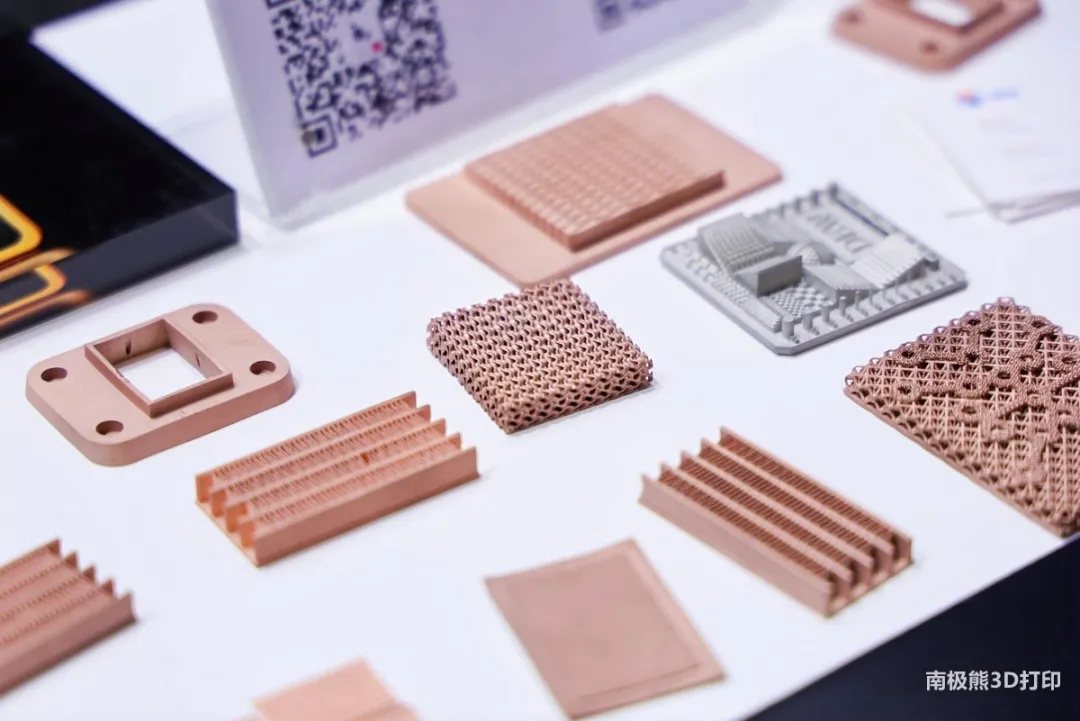
 △ Heat sinks produced using binder jetting metal 3D printing technologyTo showcase more possibilities of metal 3D printing in the cooling field to our readers in the chip supply chain, Antarctic Bear is currently soliciting related solution providers and samples to form a series of articles on the metal 3D printing cooling supply chain, to promote the application process. We invite all metal 3D printing equipment manufacturers, material suppliers, and service providers to contact Antarctic Bear.Metal 3D Printing Cooling Articles:“Metal 3D Printed 0.3mm Ultra-thin Heat Sink”“AI Liquid Cooling Demand Explodes, Metal 3D Printed Microchannels Bring New Breakthroughs in Cooling and Energy Saving”“Is NVIDIA Igniting Metal 3D Printing? Rubin AI GPU Chips to Use Microchannel Liquid Cooling”