This article is an excerpt from the original WeChat public account “Lianxing Hezhong Knowledge Sharing” published on December 6, 2020, titled “Discussion on the Essence of Intelligence and Logical Analysis of Its Application in the Medical Industry (Part II).”
The article in the original series titled “Discussion on the Essence of Intelligence and Logical Analysis of Its Application in the Medical Industry (Part I)” has been renamed to “Exploration of the Essence of Artificial Intelligence Applications“.
We believe that the essence of artificial intelligence applications mainly lies in two aspects:
1 Actively replacing human thinking and experience as a control device in closed-loop control systems, forming machine intelligence;
2 Replacing the role of humans in detection and execution processes.
In short, artificial intelligence is replacing the role of humans in closed-loop control systems.
Next, we will analyze the logical application of artificial intelligence in the medical industry as an example, and similar analyses can be conducted in other industries. This analysis may help us clarify our business development strategy.
First, let us provide a brief overview of the medical industry.
The medical industry is a vast and complex system involving numerous people, events, and entities, including patients, doctors, hospitals, pharmacies, social security institutions, quality supervision agencies, research institutions, manufacturing enterprises, and distribution companies. From the perspective of product attributes, it can be divided into two main categories: pharmaceuticals and medical devices. Furthermore, pharmaceuticals include traditional Chinese medicine materials, Chinese medicine pieces, Chinese patent medicines, Western patent medicines, chemical raw materials and their preparations, antibiotics, biochemical drugs, radioactive drugs, serums, vaccines, blood products, diagnostic drugs, etc. Medical devices can generally be divided into instruments and consumables. Consumables can be further classified into high-value and low-value consumables based on safety requirements, and into disposable and reusable consumables based on reusability; similarly, instruments can be classified into implantable and non-implantable devices based on whether they are implanted in the human body, and into active and passive devices based on whether they require power supply. Based on their usage, they can be divided into diagnostic and therapeutic instruments. For example, biochemical analyzers, blood analyzers, B-ultrasound detectors, MRI machines, and CT scanners commonly used in hospitals belong to diagnostic instruments, while electric knives and various surgical instruments used in operating rooms belong to therapeutic instruments. Some instruments can be used for both diagnosis and treatment, such as endoscopes with working channels. Given the numerous departments involved in hospitals, the types of corresponding instruments are also diverse and difficult to list in detail.
Because of this, the application fields of artificial intelligence in the medical industry are very broad, with many subdivided closed-loop systems that can be explored, and the market prospects are promising. In fact, the medical industry is indeed a very important application field for artificial intelligence.
However, due to the wide range of application fields, we cannot list all intelligent closed loops; we can only provide some examples. Our goal is to sort out the underlying logic of applications and master the analytical capabilities of intelligent applications in the industry. We believe that as long as we possess such capabilities, all specific applications can be easily addressed.
Before analyzing intelligent application case studies in the medical industry, let us first envision some final forms of industry intelligence. We take a fully intelligent hospital as an example.
When a patient enters the hospital, a robotic front desk doctor conducts a consultation, retrieves medical history, and uses various probes to detect basic physiological parameters such as heart rate, blood pressure, and blood oxygen saturation. Ultimately, it integrates various information to make decisions. If it can clearly identify the patient’s condition and determine that the treatment plan is simple, the robotic front desk will directly issue a prescription. Subsequently, the intelligent hospital logistics transmission system will deliver the medication to the front desk pickup window. After confirming the patient’s physiological characteristics, the medication will be distributed to the patient. If the robotic front desk believes that the patient requires more complex examinations to locate the cause, it will automatically assign the most optimized examination path based on the situation of patients in various examination rooms. The patient can use the intelligent auxiliary devices provided by the hospital to sequentially visit each examination room for checks. These auxiliary devices include augmented reality (AR) navigation glasses or indoor voice navigation wristbands. After completing all examinations, the patient’s treatment plan and guidance will be directly issued to the intelligent auxiliary device the patient is using, which will further guide the patient to complete subsequent treatments.
From the above envisioning of the intelligent hospital form, it can be seen that the essence of intelligent applications in hospitals is to replace the work of humans such as doctors and nurses, with artificial intelligence systems managing the entire operation of the hospital. Its advantages include:
1 Artificial intelligence, based on the vast amount of sensor information collected and its powerful data analysis capabilities, can manage the medical process more efficiently, reducing the time for individual medical visits and enabling hospitals to reduce costs and increase efficiency;
2 Artificial intelligence operates without rest and can conduct diagnosis and treatment in various forms across different scenarios, not limited to specific settings such as examination rooms. For example, the aforementioned intelligent auxiliary devices can be designed in the form of portable doctors. These features can maximize the efficiency of time and space utilization in hospital operations, further promoting cost reduction and efficiency improvement in hospital operations;
3 Through extensive learning and possessing medical knowledge and experience, artificial intelligence, based on its powerful data analysis capabilities, can discover more subtle lesions and the probability correlations of disease occurrence, obtaining more balanced treatment plans and continuously improving clinical diagnosis and treatment levels.
However, everything has two sides, especially requiring specific scene analysis. While intelligent hospitals have their advantages, from the current perspective, there are also many issues: intelligent hospitals essentially represent a form of “unmanned hospitals,” and caring for patients is a matter that requires strong humanistic concern, which cannot be viewed purely from a rational perspective. For example, in terms of emotional care for patients, artificial intelligence may appear rigid; similarly, for treatment plans involving end-of-life care, overly rational presentations may seem cold. These factors determine that for a long time, even in the future, the role of humans will remain indispensable. This is also one of the reasons why ethical review requirements exist in the medical industry.
Even if we have good balancing solutions for various issues, from a technical perspective, the intelligentization of hospitals also requires a long development process. First, as mentioned earlier, the medical industry is a vast and complex system, and medical knowledge is profound. Due to the strict safety and quality requirements in the medical industry, intelligent applications require extensive learning and rigorous experimental evaluations. Additionally, the integration and utilization of data within and between hospitals is a massive and long-term task, which is not only related to technology but also requires a series of policy support. Finally, intelligent applications also involve the transformation of hospital physical construction and processes, all of which require time and costs, and cannot be achieved overnight.
Therefore, in summary, our viewpoint is:
1 Intelligent applications are not always superior to automation, remote information applications, and other control applications. For specific stages and specific applications in specific industries, we need to adopt the most suitable technology rather than necessarily the most advanced technology;
2 The development of artificial intelligence is a process that requires not only technological maturity but also the improvement of relevant laws and regulations and the acceptance of people and society.
Similar to the grading of autonomous driving in cars, we can also envision different stages of intelligent application development in the medical industry. For example, for hospital disease diagnosis and treatment, we can classify the degree of intelligent application into the following three stages:
Initial Stage: Mainly dominated by human experience, with facilities and equipment providing only simple assistance. For example, early direct laryngoscopes could only provide light source illumination, relying more on the doctor’s experience and skill proficiency during the intubation process.
Intermediate Stage: Facilities and equipment play a strong auxiliary role in examination and treatment, greatly reducing the requirements for doctors’ experience and/or skill proficiency, but decision-making is still dominated by doctors. For example, video laryngoscopes provide real-time dynamic images of the human throat, epiglottis, and trachea through cameras, making intubation operations easier, more efficient, and more accurate for doctors.
Advanced Stage: Artificial intelligence becomes the dominant force in the entire process of disease diagnosis and treatment, including examination, decision-making, and treatment.
Next, we will analyze the logical applications of intelligence in some areas of the medical industry, starting with medical devices.
Most medical devices currently operate at an application stage dominated by humans, with varying degrees of intelligence depending on the level of medical knowledge, experience, and/or skill proficiency required from humans. For example, in medical monitoring equipment, the closed-loop control system primarily serves as a detection component, as shown in Figure 1:
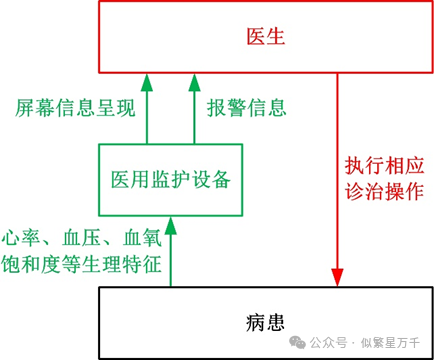
Figure1 Current stage closed-loop control system based on medical monitoring equipment
Following a similar logical analysis, we can find that for ultrasound detection devices and biochemical detection devices, the control process is also dominated by doctors, with the equipment providing detection assistance, differing only in the extent to which such assistance reduces the requirements for doctors’ medical knowledge, experience, and/or skill proficiency. For example, current ultrasound detection devices still require a high level of experience and skill proficiency from doctors in detection methods and medical knowledge. The closed-loop control systems formed by this series of medical devices are shown in Figures 2 to 3:
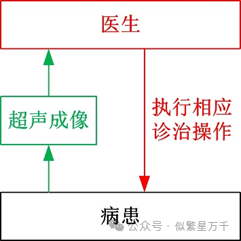
Figure2 Current stage closed-loop control system based on medical ultrasound detection equipment
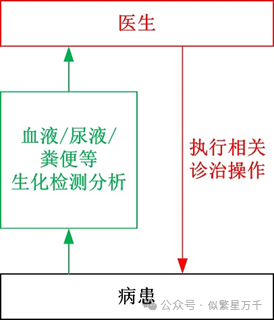
Figure3 Current stage closed-loop control system based on biochemical detection equipment
In some inpatient wards and/or operating rooms, there are devices such as infusion pumps, ventilators, and anesthesia machines. Sometimes we may find that these devices seem to operate independently of medical staff. Does this mean that these devices have achieved a higher level of intelligence? Not necessarily; the closed-loop control systems based on these devices are still centered around medical staff. For example, for infusion pumps, the type of liquid to be infused, the dosage, and the infusion speed must all be preset by medical staff. The infusion pump mechanically executes the infusion task as set by the medical staff and alerts them upon completion. The operation of ventilators and anesthesia machines follows a similar procedure, although the parameters set are usually more specialized and complex, requiring higher levels of medical knowledge, experience, and proficiency from doctors. In fact, there is currently a strong and widespread demand for skilled anesthesiologists in the market. The closed-loop control systems formed by these devices are shown in Figures 4 to 6: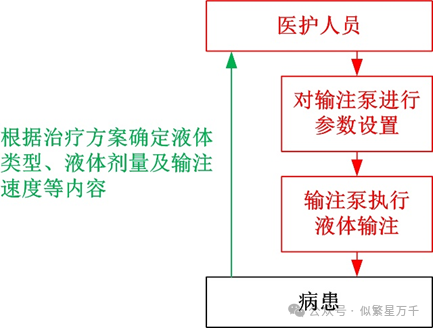
Figure4 Current stage closed-loop control system based on fully automatic infusion devices
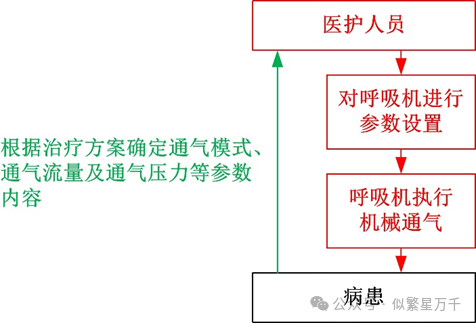
Figure5 Current stage closed-loop control system based on medical ventilators
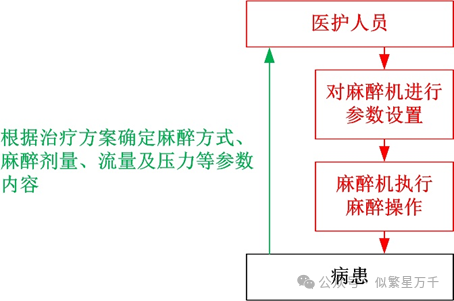
Figure6 Current stage closed-loop control system based on medical anesthesia machines
In the field of minimally invasive surgery, the expensive Da Vinci surgical robot still relies on the control of surgeons. Its advantage mainly lies in the mechanical arms’ ability to perform more precise movements compared to humans, better avoiding possible tremors during surgery, thus improving surgical accuracy and minimally invasive levels, and enhancing the patient’s postoperative recovery process. The closed-loop control system formed by the Da Vinci surgical robot is shown in Figure 7:
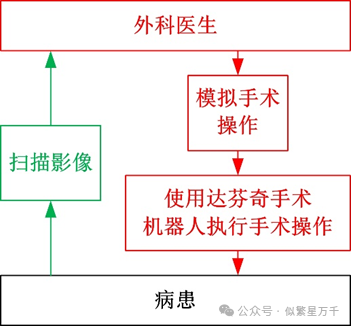
Figure7 Current stage closed-loop control system based on Da Vinci surgical robots
Is there a closed-loop control system constructed by more advanced, artificial intelligence-driven medical devices? We believe that such devices and closed-loop control systems have not yet emerged at this stage; the current closed-loop control systems still require human control as the core. However, some science fiction movies have conceptualized such devices. For example, in the movie “Prometheus,” there are medical devices entirely controlled by artificial intelligence, as shown in Figure 8:
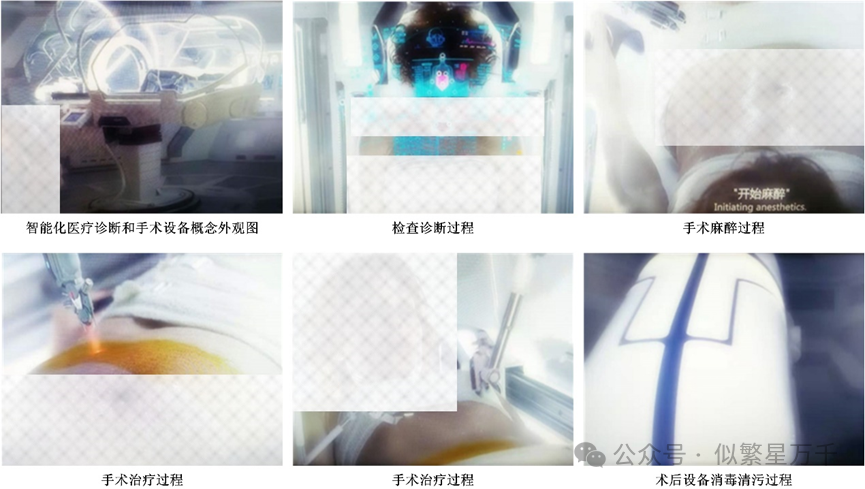
Figure8 A conceptual intelligent diagnostic and surgical medical deviceFigure
This intelligent diagnostic and surgical medical device integrates surgical beds, surgical lights, vital sign monitoring equipment, imaging detection devices, anesthesia equipment, high-frequency energy devices, robotic surgical arms, and surgical instrument attachments, equivalent to a miniaturized capsule surgical room. The closed-loop control system it constructs is shown in Figure 9:
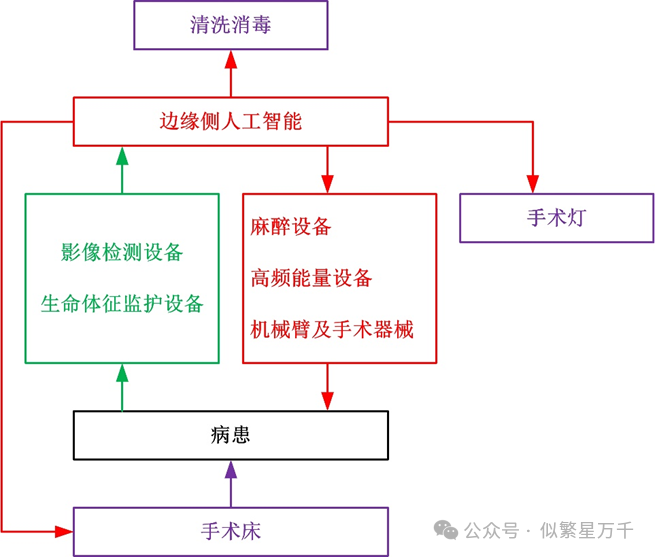
Figure9 Closed-loop control system based on the conceptual intelligent diagnostic and surgical medical device
Finally, let us look at a current actual medical device and analyze its intelligent application. This medical device is the high-end monitoring equipment BeneVision N22/N19 patient monitor designed and manufactured by Mindray, a leading domestic medical device company.
“N22/N19” corresponds to the screen size of the patient monitor, which are 22 inches and 19 inches, respectively, and can display in both landscape and portrait modes. The larger screen size allows for more parameters to be displayed and larger font sizes, as described on the Mindray official website, as shown in Figure 10:
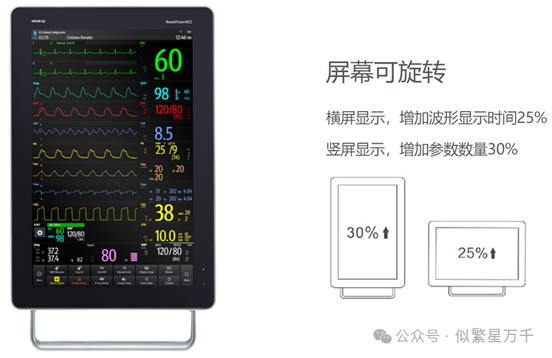
Figure10 Introduction to the screen of the BeneVision N22/N19 patient monitor (source: Mindray official website)
In terms of intelligent applications, this product mainly features the “Rui Zhiku” application. The official description of the “Rui Zhiku” application is shown in Figure 11:
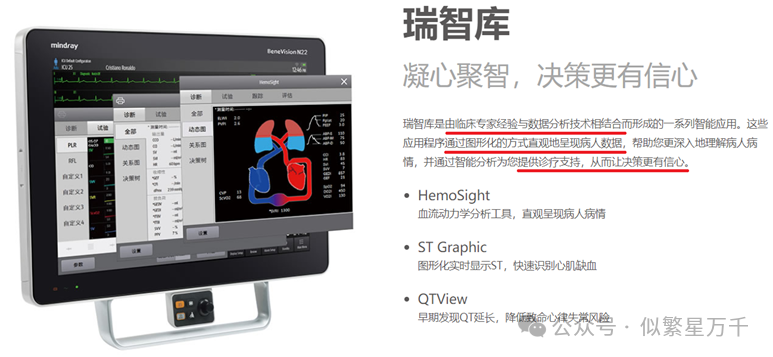
Figure11 Introduction to the “Rui Zhiku” intelligent application of the BeneVision N22/N19 patient monitor (source: Mindray official website)
Among them, we believe that the key core points are:
1 Artificial intelligence is based on clinical expert experience and actual clinical data;
2 It replaces the presentation of clinical data with graphical displays, reducing the workload of medical staff in analyzing and diagnosing conditions using medical knowledge, thus improving diagnosis and treatment efficiency;
3 It achieves predictability in the diagnosis and treatment of certain diseases.
In summary, if we refer to the grading of autonomous driving in cars to classify the intelligentization of medical devices into three levels: high, medium, and low, the “Rui Zhiku” intelligent application should achieve a medium level of intelligence, effectively assisting medical staff in diagnosis and treatment based on its closed-loop control system.
However, essentially, similar to single medical devices like medical monitoring equipment, their role positioning determines that it is difficult to construct a fully intelligent form. For example, medical monitoring equipment exists primarily as a monitoring device for vital sign parameters, serving more as a sensor component in closed-loop control systems. Therefore, the fully intelligent form based on medical devices is likely to be the integration of artificial intelligence across various types of medical devices, similar to the intelligent diagnostic and surgical medical device system shown in Figure 8. The operation of artificial intelligence algorithm models can be completed on independent computing devices or on specific medical devices within the integrated system. To achieve such a fully intelligent integrated system, in addition to improving the intelligence level of individual medical devices, it is also necessary to establish data interconnectivity, data integration processing and analysis, and coordinated control among different medical devices. This requires a collaborative effort between different medical device manufacturers and/or various business lines of medical device manufacturers to create intelligent solutions.
Next, we will analyze the logical applications of intelligence in the pharmaceutical field, focusing on two aspects:
1 Intelligent applications in medication management
Including categories, dosages, and methods of medication, tracking medication effects, and making adjustments.
At the current stage, medication management is still primarily dominated by doctors, with a low degree of artificial intelligence application. For example, in most scenarios, after a patient completes an examination, the doctor diagnoses the patient’s condition based on the examination report, then issues a prescription and guides the patient on medication. After a certain period, the patient undergoes a follow-up examination, and the doctor adjusts the medication based on the patient’s recovery. The closed-loop control system constructed is shown in Figure 12:
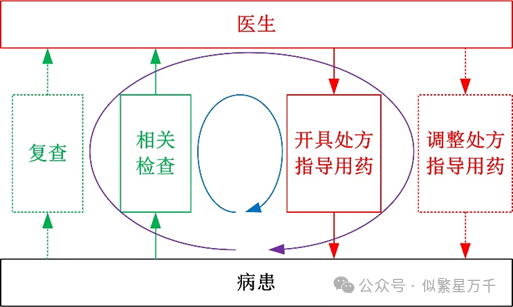
Figure12 Example of a current stage medication management closed-loop control system
An envisioned scenario for intelligent medication management applications is: artificial intelligence diagnoses the patient’s condition based on relevant examination results and formulates a medication plan. It then uses remote portable medical devices to obtain physiological changes during the patient’s medication phase, adjusting the medication plan in a timely manner until the patient recovers. The closed-loop control system constructed is shown in Figure 13:
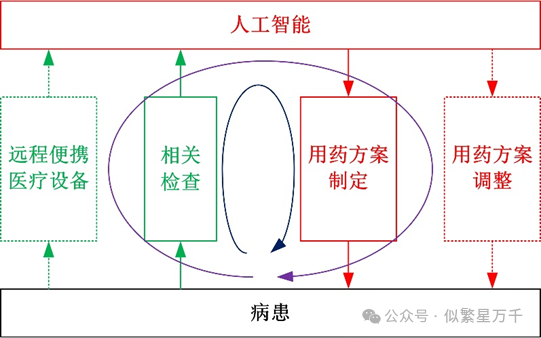
Figure13 An envisioned scenario for an intelligent medication management closed-loop control system
Currently, there are some intelligent applications for medication management on the market, mainly focusing on reminding patients about medication during their home recovery. Specific cases will not be detailed here; interested readers can search for them independently.
2 Intelligent applications in drug development
Drug development is a high-investment, time-consuming process that encompasses disease mechanism exploration, compound screening, and clinical effect evaluation. Among these, the most time-consuming and labor-intensive stage is evaluating the effects of a large number of compound combinations and conducting clinical trials on the most promising combinations. From the perspective of data generation and analysis, these stages exhibit characteristics suitable for big data processing, which is precisely the area where artificial intelligence excels. For example, a recent news report mentioned that DeepMind, a company known for developing artificial intelligence AlphaGo that defeated the famous Korean Go player Lee Sedol, has made significant breakthroughs in biology, accurately predicting how proteins fold into 3D shapes. Its predictions are comparable to the time-consuming laboratory results, which will help streamline the mechanisms leading to certain diseases and facilitate drug design.
Of course, the application of artificial intelligence in the pharmaceutical field extends beyond the two aspects mentioned above. For example, it can also play a role in the pharmaceutical distribution process, which will not be described further here. Next, we will analyze the logical applications of intelligence in the field of medical information technology.
Medical information technology is a major business direction for many companies focusing on the concept of “smart healthcare” and is also the field where we can most easily experience the improvement of intelligent levels in our daily lives. Taking the medical process as an example, in the era before the internet became popular, the medical scenario often involved patients feeling unwell and going to the hospital, waiting in long lines to register, then queuing outside the examination room, receiving relevant examinations from the doctor, and then asking around to find the corresponding examination room to queue for various checks. After completing the checks, they patiently waited for the report, and upon receiving the report, they returned to the examination room for consultation. After the consultation, they queued at the pharmacy to collect their medication. The entire process was inefficient and had a poor experience. This medical process was based on a human-dominated closed-loop system, with no information technology involved, as shown in Figure 14:

Figure14 Example of the medical process before the information technology era
In contrast, the medical process in some hospitals has changed significantly today. For example, in some scenarios, when patients feel unwell, they can use mobile applications to make appointments. The hospital system assigns electronic appointment slips and estimates the consultation time based on past diagnostic experiences, accurately informing patients of the floor and detailed location for their consultation. When patients arrive at the hospital at the designated time, they often do not have to wait long to be seen, greatly reducing the pain and anxiety caused by long waits. After the doctor issues an examination order, patients can complete payment on their mobile phones, receiving examination order numbers, estimated examination times, and detailed location guidance. After completing the examination, the doctor informs them of the report completion time. Once the report is ready, patients do not need to print a physical report immediately; they can go directly to the examination room, where the doctor has already accessed the patient’s examination report through the hospital’s information system and can review it in detail on the computer to issue a prescription. Similarly, after completing payment on their mobile phones, patients can obtain a pickup number for their medication and detailed location guidance for the pharmacy. While patients walk to the pharmacy, the hospital information system has already transmitted the medication pickup information to the pharmacy, which has completed the medication preparation process. When patients arrive at the pharmacy, they can quickly collect their medications. The entire process is illustrated in Figure 15:
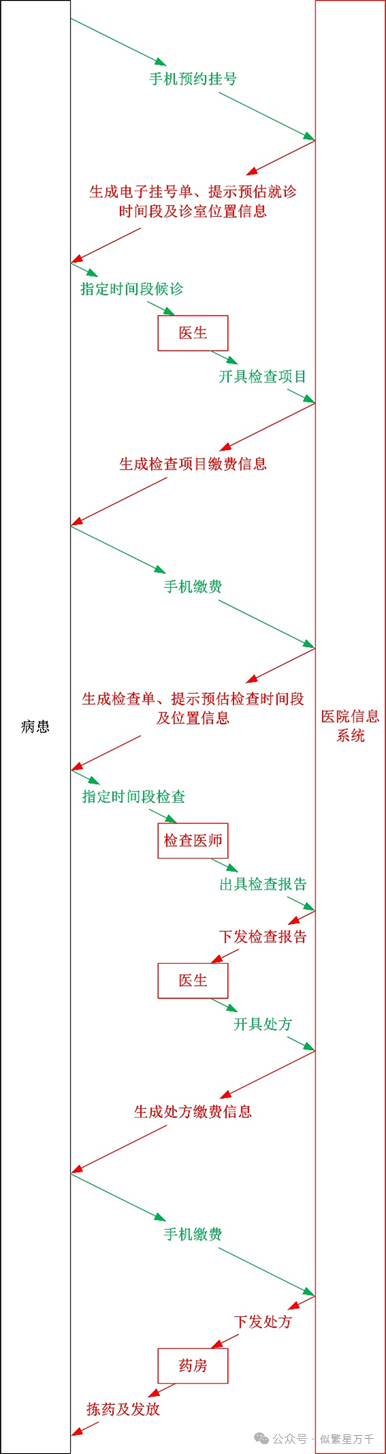
Figure15 Example of the medical process in the information technology era
It is evident that although the medical process in the information technology era is still human-dominated, the hospital information system, as an auxiliary tool, has significantly improved medical efficiency. If we refer to the grading of autonomous driving in cars to classify the intelligent level of hospital information systems in the medical process, the current application of hospital information systems in the medical process is approaching a medium level of intelligence.
All of this is thanks to the information technology construction of hospitals and the support of relevant equipment manufacturers for information technology integration.
However, hospital information technology is not limited to medical management; it also includes numerous applications in internal hospital operations. According to Baidu Baike, the description of hospital information systems is as follows:
“Hospital information systems refer to the comprehensive management of the flow of people, logistics, and financial flows in hospitals and their affiliated departments using modern means such as computer hardware technology and network communication technology. They collect, store, process, extract, transmit, and summarize data generated at various stages of medical activities, forming various information to provide comprehensive automated management and various services for the overall operation of the hospital.”
Hospital information systems can include HIS (Hospital Information System), CIS (Clinical Information System), LIS (Laboratory Information Management System), PACS (Picture Archiving and Communication System), etc. Companies engaged in the development of hospital information systems, such as Neusoft Corporation, a well-known software company in the domestic information technology field, have developed numerous information systems for healthcare, creating three open platforms: RealOne Suite, CloudOne Suite, and ClinicalOne Suite. The descriptions of these three open platforms on the Neusoft official website are shown in Figures 16 to 18:
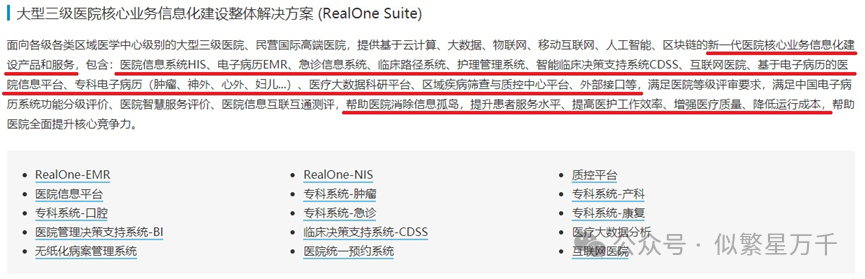
Figure16 Neusoft Corporation’s RealOne Suite open platform (source: Neusoft official website)
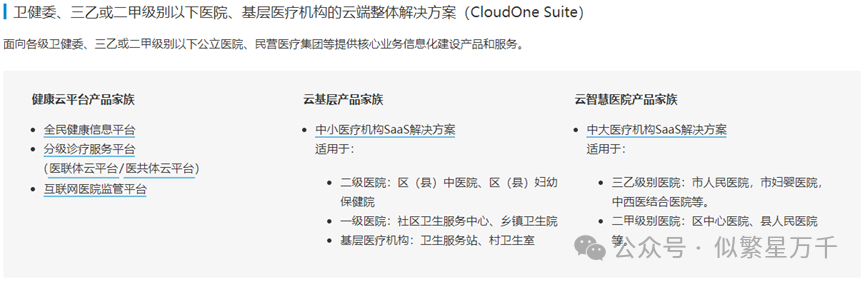
Figure17 Neusoft Corporation’s CloudOne Suite open platform (source: Neusoft official website)
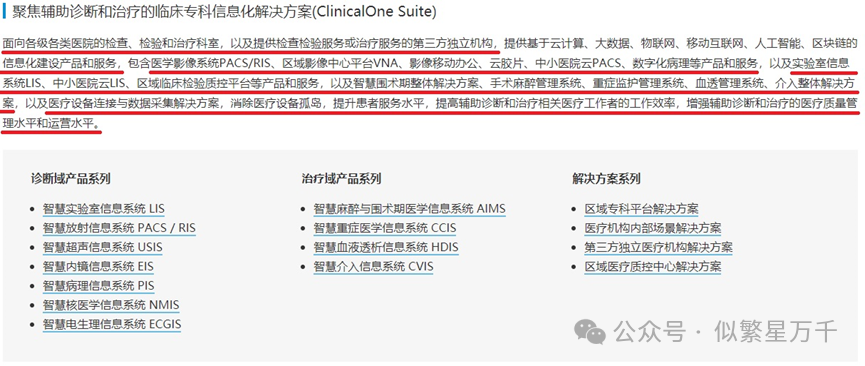
Figure18 Neusoft Corporation’s ClinicalOne Suite open platform (source: Neusoft official website)
In addition to constructing hospital information systems, many medical device manufacturers are also integrating diagnostic information to form series of solutions and connecting them to hospital information systems. For example, the surgical room integration solution provided by NDS Company is shown in Figure 19:
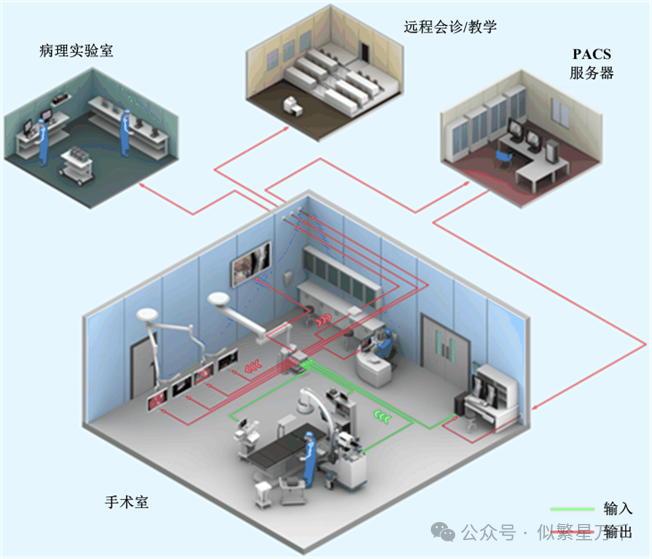
Figure19 NDS Company surgical room integration solution diagram (source: NDS official materials)
This integration solution can integrate some or all device information in a specific area or multiple areas for a specific purpose, displaying and operating on one or more devices, or transmitting to the hospital information network for process management.
In the previously mentioned Mindray high-end monitoring equipment BeneVision N22/N19 patient monitor, intelligent features also include the “Rui Zhilian” application, which is described in the official materials as shown in Figure 20:
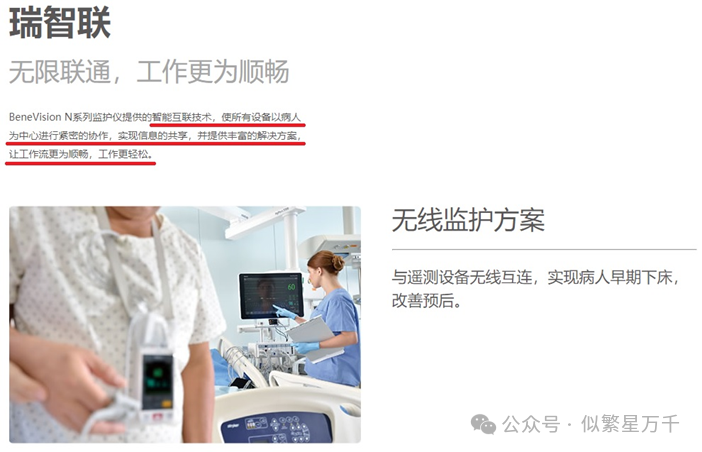
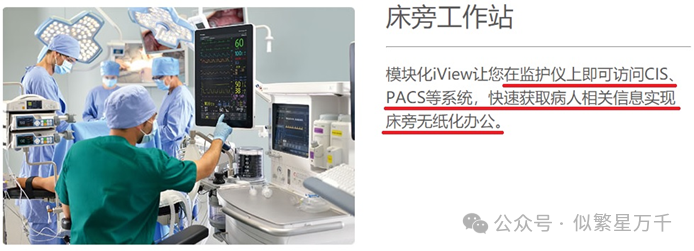
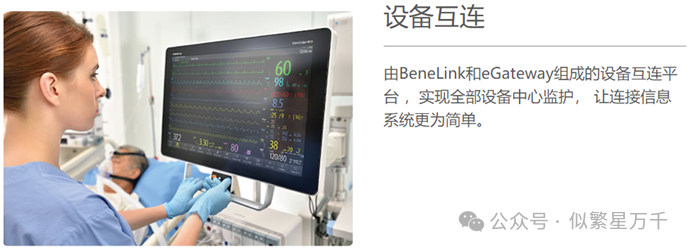
Figure20 Introduction to the “Rui Zhilian” intelligent application of the BeneVision N22/N19 patient monitor (source: Mindray official website)
After analyzing the current status of intelligent applications in the field of medical information technology and providing some case descriptions, we can step back from these specific analyses and cases to view the overall picture. Essentially, medical information systems do not exist as isolated intelligent entities in closed-loop control systems; they primarily undertake control tasks. As mentioned earlier, the intelligence of medical devices is not limited to single medical devices but also involves the integration of various medical devices. This integration work is one of the tasks and objectives of medical information systems. The acceptance of hospital information systems in hospital use and the unified standardization requirements for integration will facilitate the operational integration of different medical devices. The continuous improvement of the intelligence level of medical information systems will ultimately promote the realization of medical intelligence.
The reason why the intelligentization of the medical industry often presents an integrated form is related to the comprehensive nature of the medical industry itself. Surrounding more effective disease diagnosis and better medical processes, various solutions can be constructed to accomplish various tasks and solve various problems. Companies and individuals in the medical industry should not only focus on the development of their own business but also maintain an open mindset and broad vision to observe and think about the solutions that can be integrated and constructed in their business, seeking opportunities for win-win cooperation while better improving medical standards.
In this article, we have selected case studies from various fields in the medical industry to analyze their intelligent application logic and levels of application. The medical industry is a vast and complex system, and due to our limited experience and capabilities, we cannot cover all fields comprehensively. However, there are many more intelligent application developments in various fields, such as in the medical logistics field during the pharmacy picking process. During my visit to the new campus of West China Second University Hospital in Chengdu, Sichuan Province, I observed the use of automated picking devices, significantly improving the efficiency of patients collecting medications. Even with a large number of patients, it is now possible to achieve a situation where patients can collect their medications after the doctor issues a prescription and payment is completed.
The purpose of this article is to explore the essence and logical applications of intelligent applications, allowing us to analyze the degree and development of intelligent applications in specific cases from a macro perspective, rather than being confused by the complex technical concepts that hinder our grasp of the essence of applications. At the same time, this understanding and analytical capability also help us think from a higher perspective about how intelligence can integrate with the business of the industry we are engaged in, clarifying what problems intelligence can solve for the industry and what forms of intelligence are most suitable for the industry, thus discovering more strategic development opportunities.