In the past few years, Linux has made incredible progress in the gaming field. Once a platform despised by gamers for its complexity and limited compatibility, it has now become a potential force to break Microsoft’s monopoly in the PC gaming sector. With the continuous investment from Proton, Bazzite, and the Linux user community, there are now almost no games that cannot run on Linux.
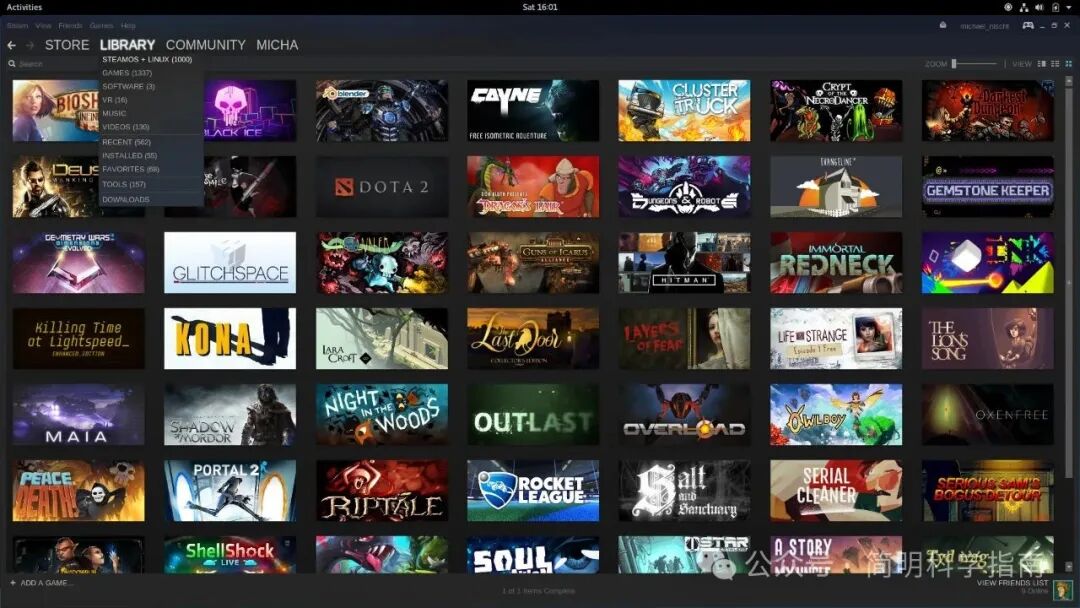
However, to be fair, while the Linux gaming experience has significantly improved compared to three years ago, it is still far from excellent. You can consider Linux as a primary gaming platform; although the supporting game ecosystem has made great strides, many issues still hinder it from becoming a mainstream choice for PC gaming.
The 30-Year Construction of Windows Gaming Barriers History
The development of PC gaming has been quite tortuous. Although computer games predate consoles, arcades and home consoles laid the foundation for modern gaming recognition. In the 1980s, personal computers were not known for gaming performance, with Nintendo’s FC and Sega’s MD being the market mainstream. Most people did not buy PCs for gaming. When the mainstream gaming market began to embrace PCs, flexible configurations of DOS machines became the preferred choice due to price advantages, rather than Apple II and other models.
A turning point occurred in the early 1990s. The release of the Intel 80486 processor—designed under the leadership of Intel’s former CEO Pat Gelsinger— allowed PCs to achieve higher speeds (the initial frequency of the 486 was only 25MHz), and graphics processing capabilities first surpassed those of gaming consoles.
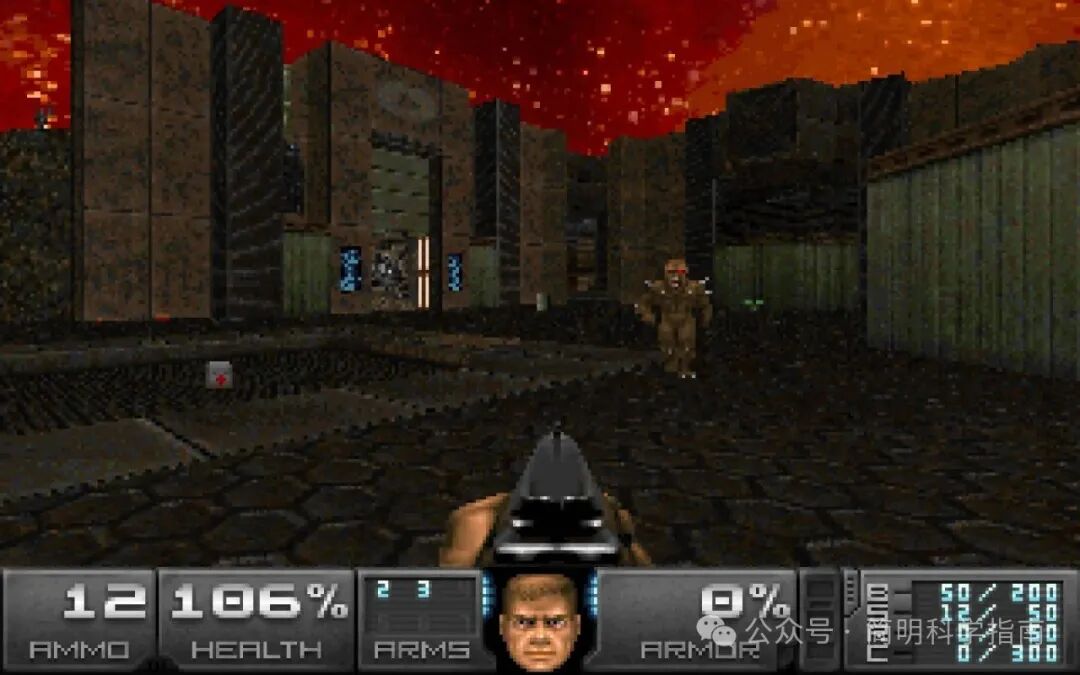
In 1993, DOOM became a watershed moment for PC gaming, as its smooth first-person experience was something that console platforms could not match at the time. Microsoft, leveraging the accumulation of the MS-DOS system and its precise positioning in the market for low-cost DOS computers, began systematically building a PC gaming ecosystem to compete with gaming consoles.
However, with the release of Windows 95, issues arose between Microsoft and game developers. Developers lost direct hardware access that they were familiar with in DOS, and compatibility issues led many teams to abandon support for Windows. Three Microsoft engineers—Craig Eisler, Alex St. John, and Eric Engstrom—solved this dilemma by creating DirectX.
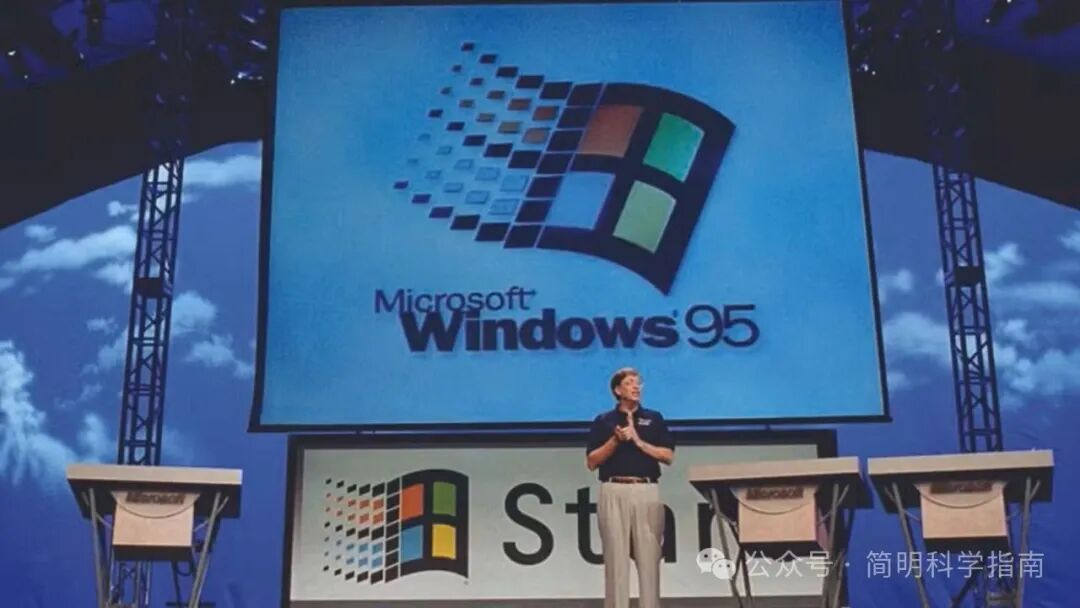
“What would happen if game developers could fully utilize the advanced features of graphics cards? Could games smoothly transition from DOS to Windows 95? Could Windows really become a platform to compete with Nintendo and Sega? At that time, we were also uncertain.” Microsoft engineer Eisler wrote in a blog reflecting on the early history of DirectX. The Microsoft development team showcased to graphics card manufacturers like ATI and S3 how the Windows 95 game SDK (later known as DirectX) could unleash hardware potential, and proposed to port DOOM to Windows 95 for free for id Software. Ultimately, the Microsoft team completed the port of DOOM 95, which even involved Gabe Newell (GabeN), and the resolution of this version (640×480) surpassed that of the original (320×240), marking the true beginning of the modern PC gaming era.
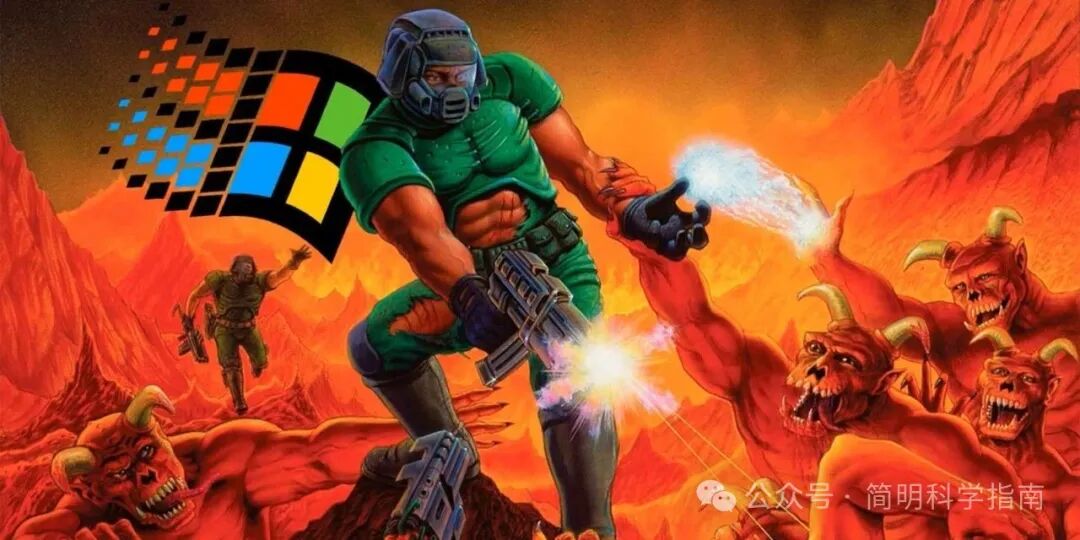
Microsoft did not limit itself to the technical framework of DOS, but instead provided developers with a unified path to release cutting-edge games—without needing to adapt to dozens of hardware configurations. As PC hardware evolved and Microsoft continued to invest in DirectX, game developers flocked to the Windows platform, and the development of the PC gaming industry snowballed. Windows also became the main platform for PC gaming, ultimately forming a 30-year ecological barrier.
Meanwhile, the Linux kernel began to thrive in the commercial sector, largely due to its free and flexible nature, becoming a cheap alternative to Windows, but gaming has never been a development goal for Linux, while Windows has clearly identified gaming as a core strategy from the beginning.
Microsoft does not seem to intend to create a closed system, but the reality is that game developers and hardware brands have focused on Windows and DirectX, and this focus has remained largely unchanged over the past 30 years.
Linux, the awkward reality of being a ‘Windows Compatibility Layer’
Today, the breakthrough of Linux as a gaming platform does not stem from the construction of a native gaming ecosystem, but rather from achieving compatibility with Windows APIs through technical means. Valve’s Proton has truly opened the floodgates in this regard, transforming the universal Wine translation layer into a gaming-optimized runtime environment. In just six years, Valve has significantly improved Linux’s game support; except for some games with anti-cheat mechanisms, mainstream titles can basically run.
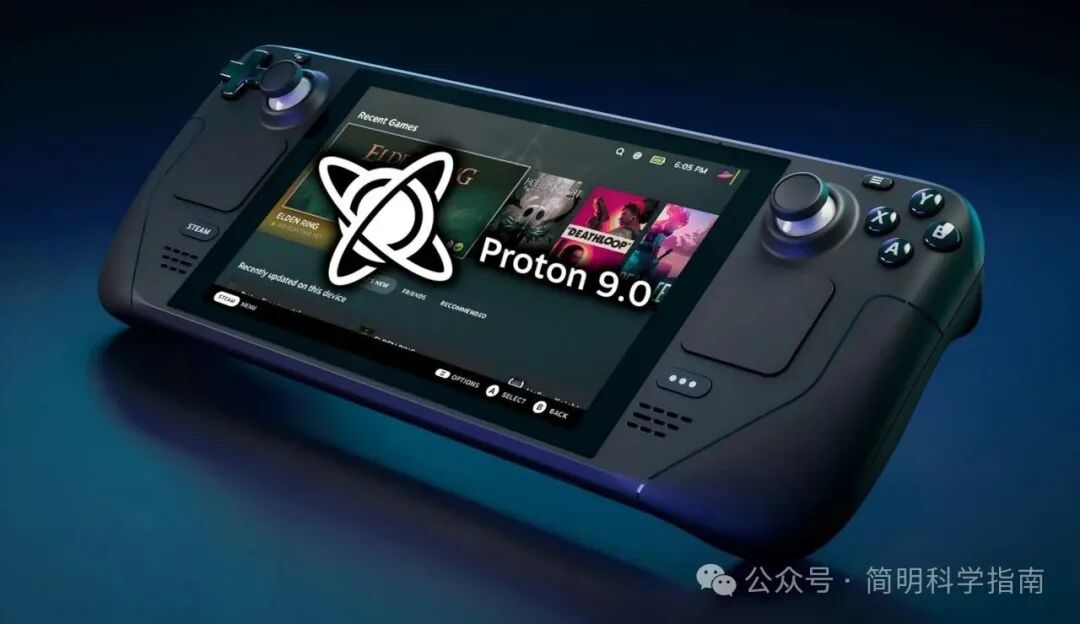
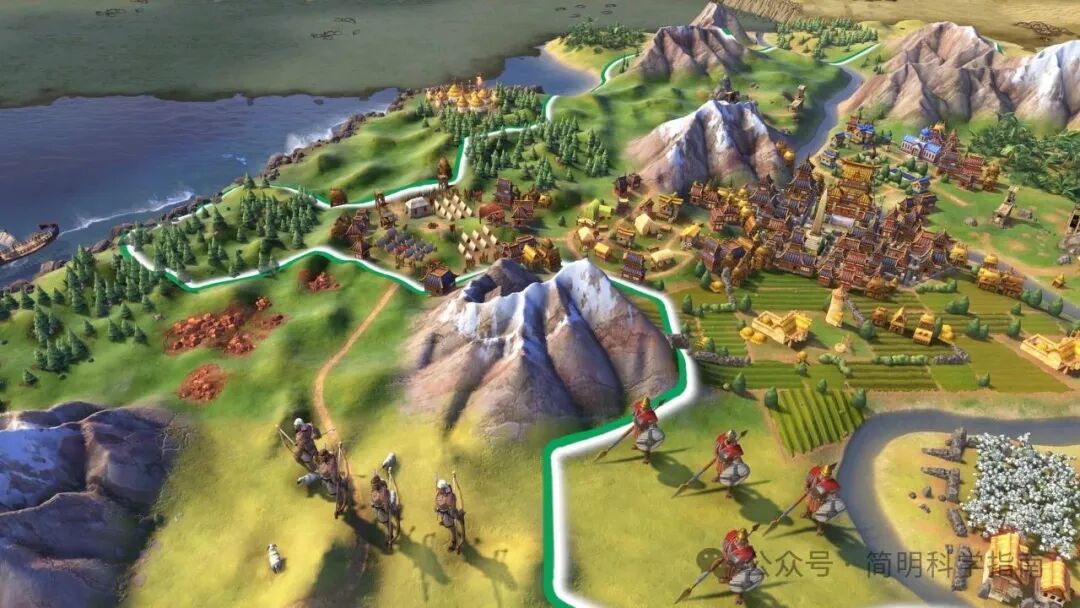
However, the existence of Proton precisely exposes the dilemma of Linux in the gaming field: it has not prompted game manufacturers to develop native Linux versions, after all, the DirectX ecosystem has formed a path dependency with decades of accumulation and tens of thousands of developers. The essence of Proton is to allow Windows games to “run on” Linux, rather than creating a dedicated gaming ecosystem for Linux. This distinction is crucial when examining platform deficiencies. Valve’s efforts have indeed improved the Linux gaming experience, but among the PC game developer community, those willing to adapt for native Linux support remain a minority. There are exceptions, such as Firaxis Games’ Civilization VI.
Of course, you can stubbornly argue: isn’t it enough that you can play? Is native support really that important? You can indeed run most games on Linux, but what about other supporting applications? While AMD and Nvidia’s graphics drivers are supported through the open-source community, the absence of Nvidia Control Panel and Radeon Software means that features like DLSS 4 cannot be used, and FSR 4 support is completely lacking (some games like Cyberpunk 2077 can support DLSS through Proton, but require complex manual configurations).
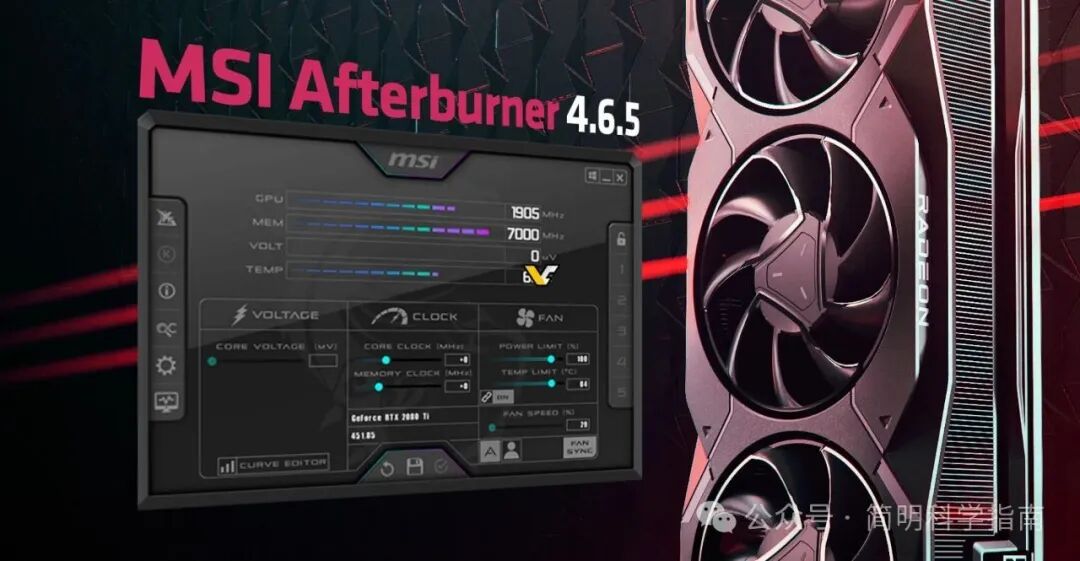
These are just the tip of the iceberg for commonly used tools on gaming PCs: graphics card management tools MSI Afterburner and RivaTuner Statistics Server (RTSS) do not have Linux versions, so you need to look for alternatives like MangoHUD and CoreCtrl. Tools like Special K can run on Linux, but you need to repeatedly test the compatibility of different Proton versions, as well as the file dependencies of specific games. Not to mention that anti-cheat mechanisms have become the entry barrier for dozens of popular games like Rainbow Six Siege and Fortnite, directly blocking the possibility of Linux users running them.
When it comes to Steam Deck, some may mistakenly believe that Linux is currently more compatible than Windows. However, as a primary gaming PC, Linux users encounter various issues daily that simply do not exist on the Windows platform. Those Linux wizards who can overcome these obstacles deserve admiration, but for most people, the software support shortfall of Linux is indeed hard to overcome, and even with support, the experience often lags behind the Windows version, which is not limited to gaming but reflects a systemic gap in the entire ecosystem.
Facing the Ecological Divide of Linux
I do not intend to belittle the incredible progress Linux has made as a gaming platform, nor do I want to undermine the hard work of open-source community developers, who have made it possible for Linux gaming to go from impossible to possible. But we must recognize that: Linux faces a 30-year accumulation of technology that has formed the Windows ecological barrier, and the reality that 95% of PC users choose Windows. Breakthroughs like Proton should not be seen as the norm, but merely as a technical breakthrough for a niche group.
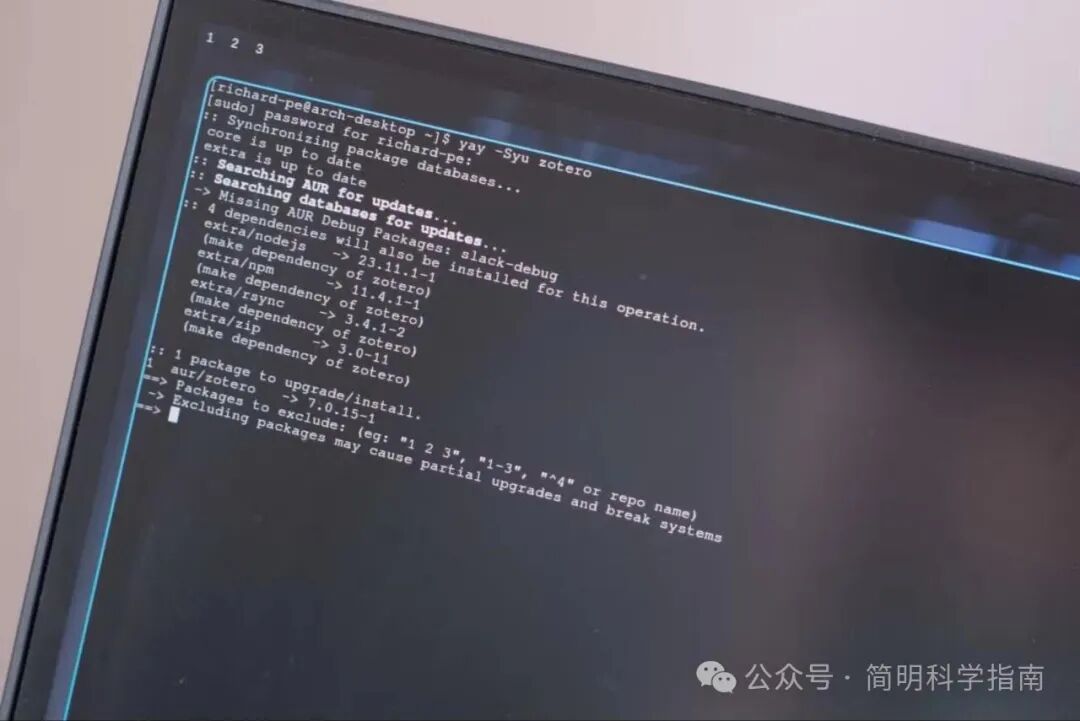
Even with the support of Proton, and even with thousands of developers contributing to the Linux gaming dream over the past decades, the market landscape has not fundamentally changed. Steam’s hardware survey shows that Windows has a share exceeding 95%, while Linux is only at 2.69% (which is already more than MacOS, so be content)). Even if a game claims compatibility with Linux, its features and support priority will always lag behind Windows. Even with some Linux-friendly development teams, the primary task of developers remains Windows support.
If you are one of the few users who have chosen Linux as your primary PC gaming platform, then I wish you well. You are as patient with Linux as I am, even though I am not a user afraid of terminal operations, I am well aware of the hardships involved. It is this small, passionate, and dedicated community that drives progress, but we must admit: ecological change is not a matter of months or years, but requires decades of long-term accumulation.
Linux gaming is in its best historical state, and the future is worth looking forward to. However, regrettably, it still needs to cross a long technological and ecological divide to become a mainstream platform for PC gaming.