Ulcerative colitis (UC) is a chronic, recurrent inflammatory bowel disease that not only significantly reduces the quality of life for patients but also sharply increases the risk of colorectal cancer (CAC) due to prolonged inflammation. Currently, oral probiotics are considered a promising biological therapy for UC due to their advantages in regulating gut microbiota and competitively inhibiting pathogenic bacteria. However, the harsh physiological environment of the gastrointestinal tract damages probiotic viability, and probiotics have a weak ability to selectively colonize the affected sites. Additionally, probiotics struggle to achieve co-delivery with anti-inflammatory drugs that have vastly different physicochemical properties, limiting their efficacy. To address these issues, Professor Huiyuan Gao, Professor Jin Sun, and Associate Professor Mengchi Sun from Shenyang Pharmaceutical University developed a triggerable probiotic-drug conjugate that enables synchronized site-specific colonization of probiotics and on-demand drug release for the treatment of UC and its complications. This research was recently published online in J. Am. Chem. Soc.
Specifically, a sticky inner layer is formed on the surface of the probiotic Escherichia coli Nissle 1917 (EcN) through natural polyphenol tannic acid and Fe3+; the outer layer is designed based on the high expression characteristics of reactive oxygen species (ROS) at the site of inflammation, utilizing an ROS-responsive lipid membrane (a prodrug linked by thioether bonds with Tannic acid-phospholipid). After oral administration, this conjugate protects probiotics from the harsh gastrointestinal environment (such as gastric acid, proteases, and bile salts), significantly improving probiotic survival rates. Upon reaching the colonic lesion site, the pathological high concentration of ROS triggers the cleavage of the outer lipid coating, simultaneously releasing the anti-inflammatory small molecule Tannic acid and the encapsulated probiotics. The natural drug Tannic acid improves the microenvironment of the lesions through anti-inflammatory effects and ROS scavenging, and works synergistically with the adhered probiotics to regulate gut microbiota. In mouse models of UC and UC-related colorectal cancer, this conjugate demonstrated significant therapeutic and preventive efficacy, highlighting its translational potential in clinical combined applications for gastrointestinal diseases.
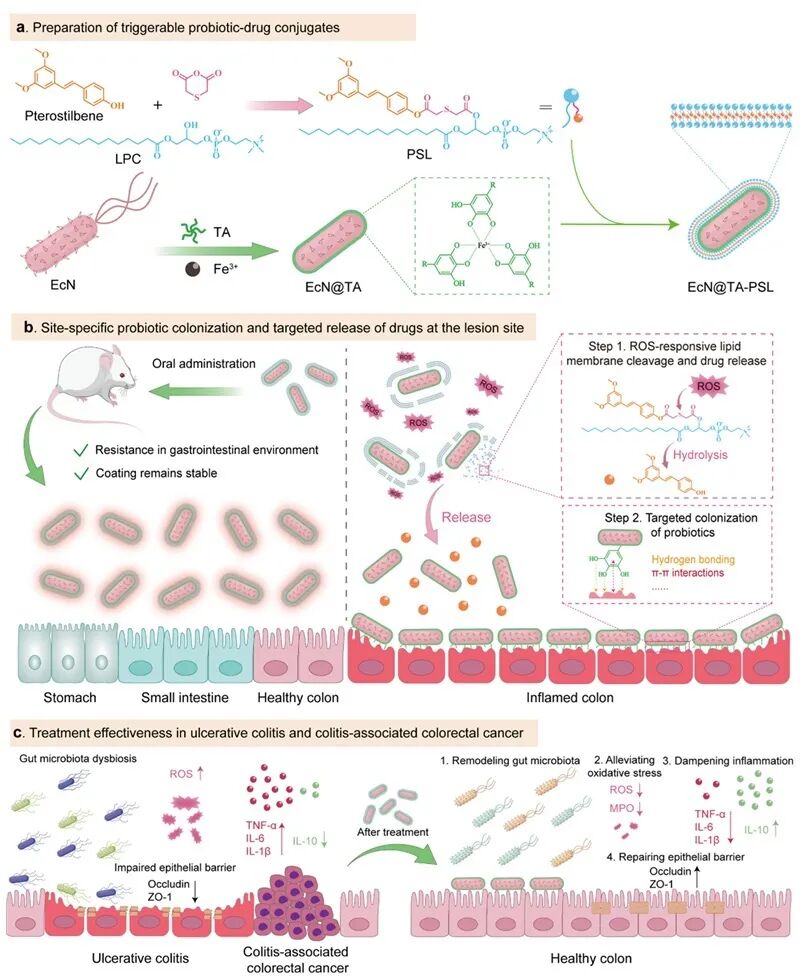
Figure 1. Schematic diagram of the triggerable probiotic-drug conjugate and its mechanism for treating UC and CAC
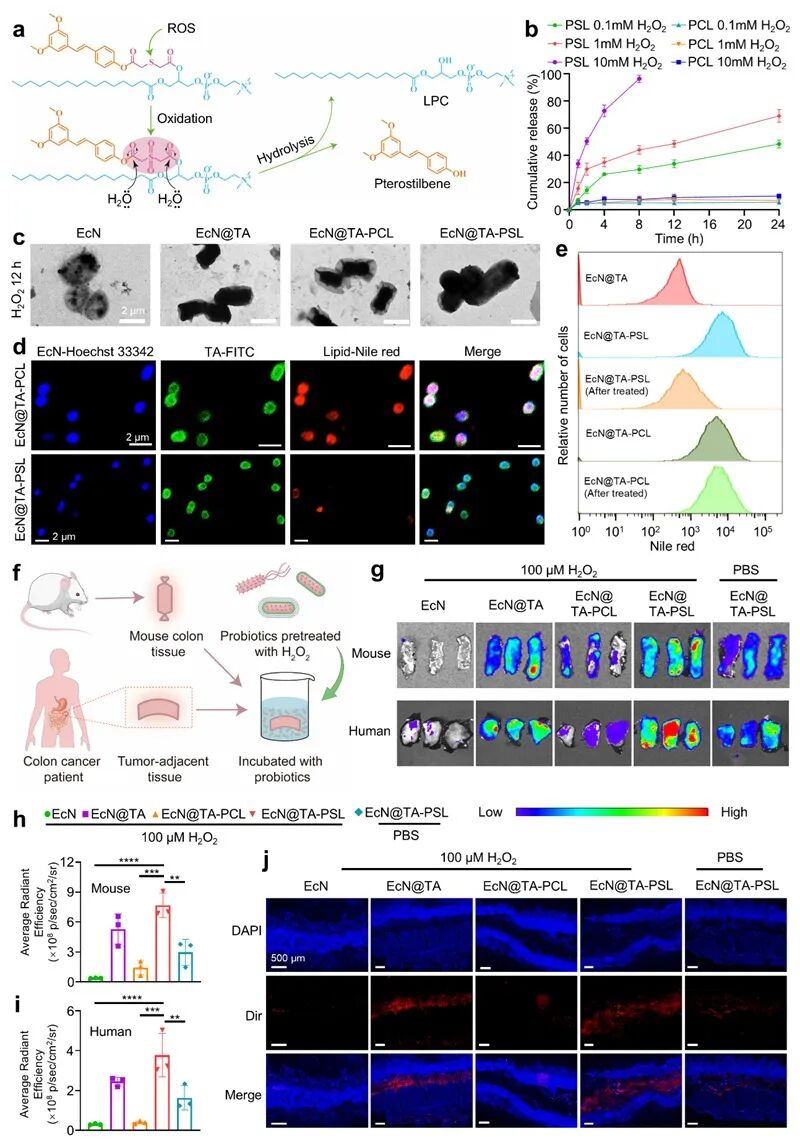
Figure 2. Membrane dissociation, drug release, and ex vivo tissue adhesion triggered by ROS from the conjugate
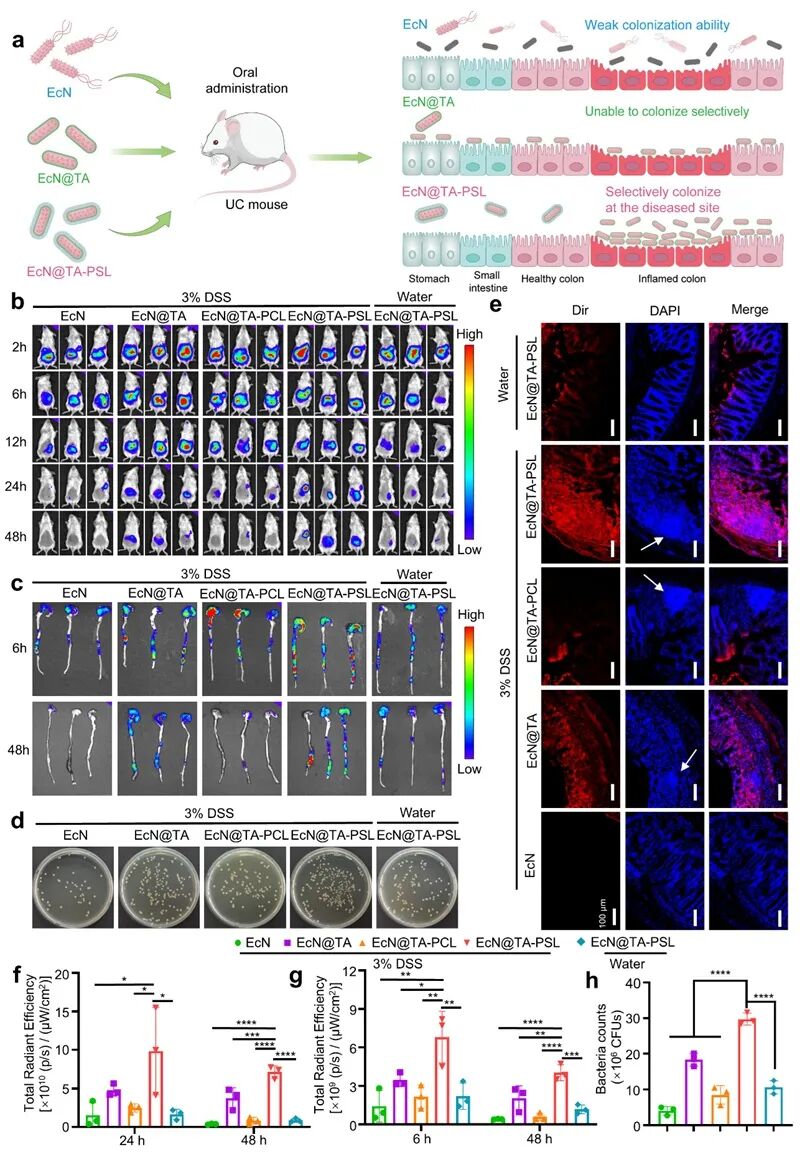
Figure 3. Specific colonization of probiotic-drug conjugates in vivo
Summary
This study aims to construct a “triggerable” probiotic-drug conjugate system that integrates the following three major functions: (1) providing an efficient barrier for probiotics throughout the oral route to resist the lethal effects of gastric acid, bile salts, and digestive enzymes; (2) upon reaching the colonic inflammatory area, utilizing the high ROS microenvironment at the lesion site to trigger the disintegration of the outer lipid membrane, achieving on-demand release of the anti-inflammatory drug Tannic acid; (3) simultaneously exposing and releasing live probiotics encapsulated by the tannic acid-Fe3+ inner layer with strong mucosal adhesion ability, allowing precise colonization at the lesions, exerting a synergistic anti-inflammatory and microbiota remodeling effect of the “drug-probiotic” combination, ultimately enhancing the therapeutic effect and preventive potential against UC and its complications CAC.
Professor Huiyuan Gao, Professor Jin Sun, and Associate Professor Mengchi Sun from Shenyang Pharmaceutical University are co-corresponding authors, with the first author being doctoral student Linzhou Yin from Shenyang Pharmaceutical University, and Professor Shuwen Han from Tarim University as co-first author. This work was guided by Professor Zhonggui He and assisted by Professor Xiaowen Jiang.
Probiotic−Drug Conjugates Achieve Synchronized Site-Specific Probiotic Colonization and On-Demand Drug Release against Ulcerative Colitis and Its Complication
Linzhou Yin, Shuwen Han, Jiang Xiaowen, Jie Liu, Zhichao Chen, Xi Yang, Zhonggui He, Mengchi Sun,* Jin Sun,* and Huiyuan Gao*
J. Am. Chem. Soc., 2025, DOI: 10.1021/jacs.5c08094
 StatementContent source: X-MOL NewsIf there are any copyright issues, please contact the medical academic within 30 days of publication.Unauthorized reproduction of original content on other platforms is prohibited.©2021 Medical Academic All rights reserved.