

Is Propylene (C₃H₆) Leak Always Hard to Detect? ‘Olfaction’ Upgrade Plan for Old Petrochemical Plants
01
Why Are Trace Propylene (C₃H₆) Leaks Always Missed?
In an ethylene plant area, an operator noticed a slight leak at the seal of a propylene compressor, but the handheld detector showed “0ppm”. It only alarmed when the concentration rose to 500ppm — far exceeding the early warning value of 200ppm. The reason is that traditional catalytic combustion sensors have a delayed response to low-concentration propylene.

02
Precautions for Propylene (C₃H₆) Detection

1. Hazardous Properties of Propylene
◦ Explosion limit: 2.4%~10.3%, prone to explosion when exposed to static electricity
◦ Occupational exposure limit: 400ppm (8-hour time-weighted average)
2. Detection Difficulties
◦ When the concentration is <100ppm, the response time of catalytic combustion sensors exceeds 60 seconds
◦ High humidity (>90% RH) can reduce sensor sensitivity by 40%
3. Safety Specifications
◦ Online monitoring points must be installed at the flanges of propylene pipelines, with a sampling frequency of ≥1 time/second
◦ Portable instruments should be calibrated with 50ppm propylene standard gas weekly
03
Solution
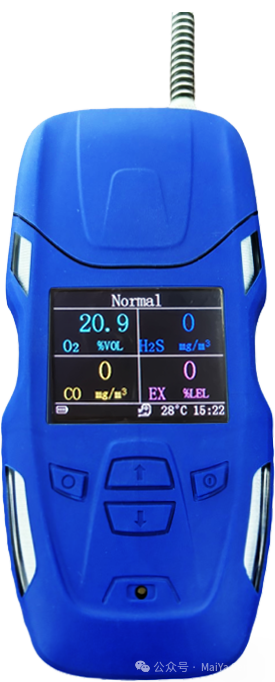
MST 410P Portable Pumping Multi-gas Detector
1. Key Advantages
✔ Equipped with an infrared sensor, with a response time of <3 seconds within the 0-1000ppm range, ensuring no lag in low-concentration detection
✔ IP66 waterproof and dustproof, suitable for high-humidity environments in petrochemical workshops
✔ Built-in pump-suction sampling with a built-in extended detection tube, enabling detection of hidden leak points such as pipeline gaps
✔ Accessories include a float, allowing underwater gas detection
2. Application Case
• After replacing the sensor in a petrochemical plant, the detection time for propylene leaks was shortened from 5 minutes to 10 seconds.
Have you encountered “low-concentration false negatives” in propylene detection? Leave a message to share your experience, and our engineers will analyze the reasons for you!
▼ Click the business card below to follow Mai Ya Sensor ▼A Comprehensive Guide to Methane (CH₄) Safety ProtectionComprehensive Analysis of Carbon Monoxide (CO) Safety ProtectionAbout (H₂S) Leakage: The Lethal Crisis Behind the Rotten Egg Odor
Click on the blue word to follow us