
Star Design Magazine Follow for more exciting content
ⓒ Interviewed by:Li Ye
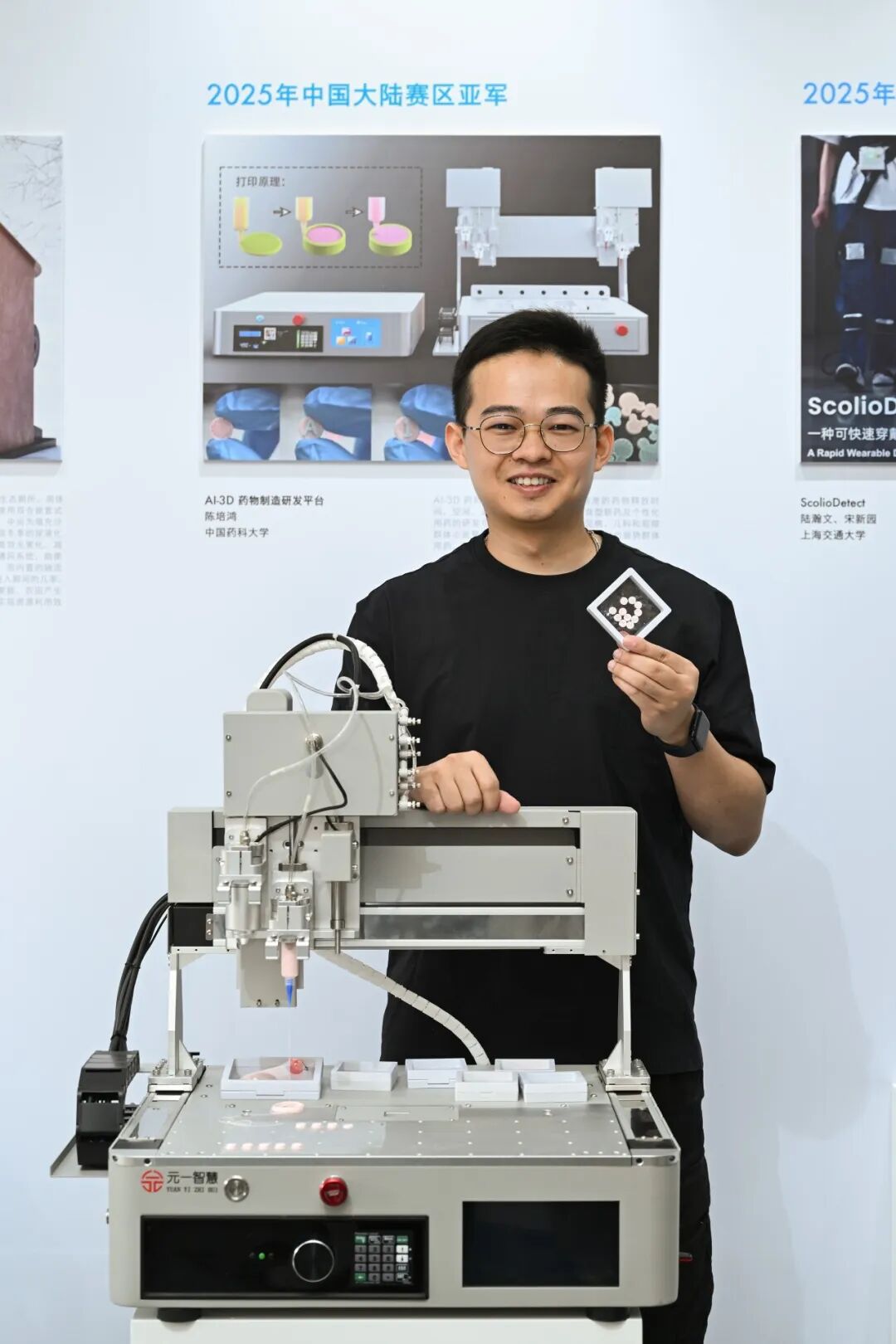
ⓒ Interviewee: Chen Peihong (Runner-up of the 2025 Dyson Design Award in Mainland China, PhD student at China Pharmaceutical University)
 Introduction
The AI-3D drug manufacturing research and development platform created by Chen Peihong from China Pharmaceutical University won the runner-up in this year’s Dyson Design Award in Mainland China. This design addresses pain points such as the need for manual dosage for children and the elderly, and the high costs of on-demand drug production for rare disease patients, achieving personalized and precise medication. Additionally, its AI printing technology can create tactile labels for medications, alleviating difficulties for visually impaired individuals.
 Refined Perspective
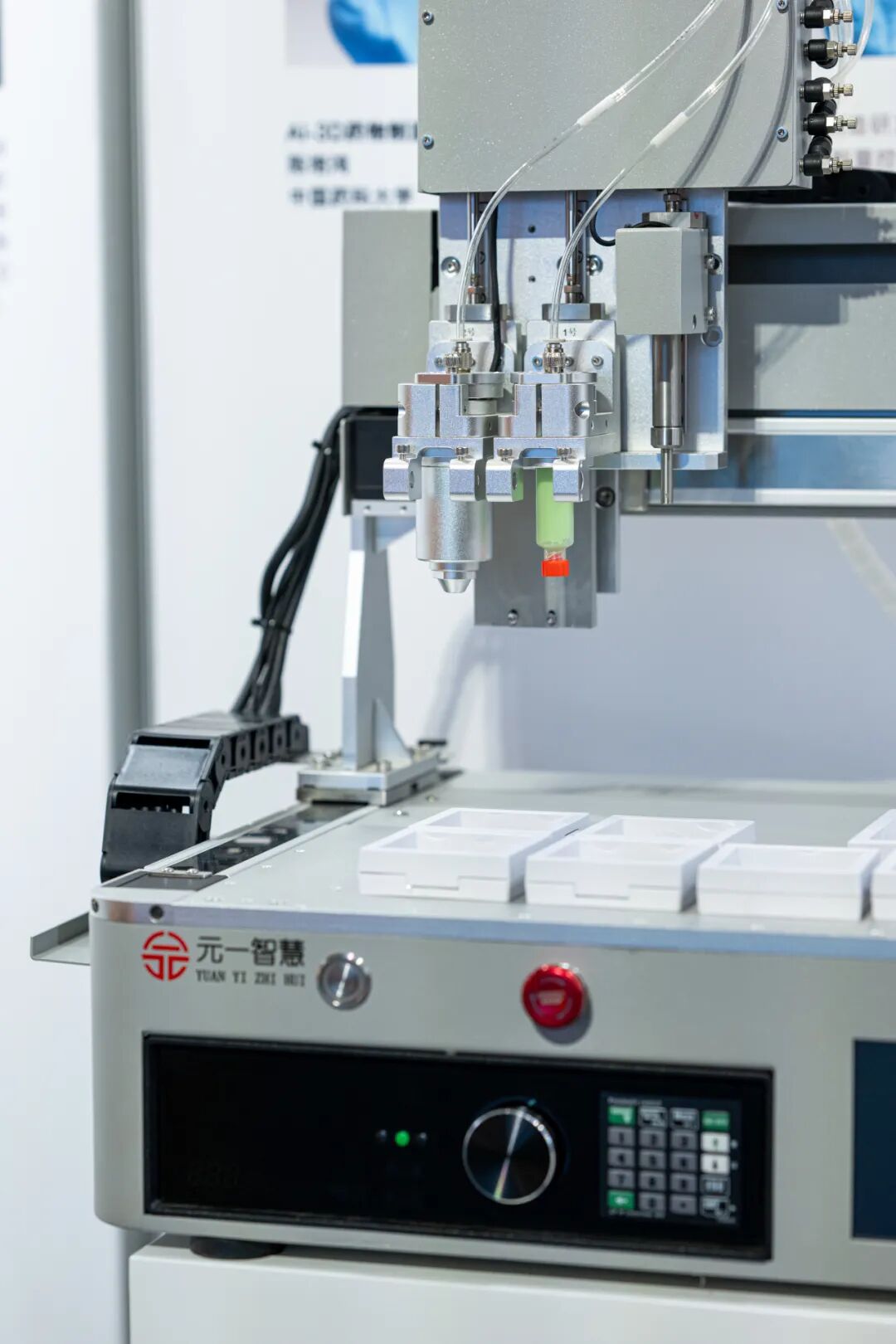
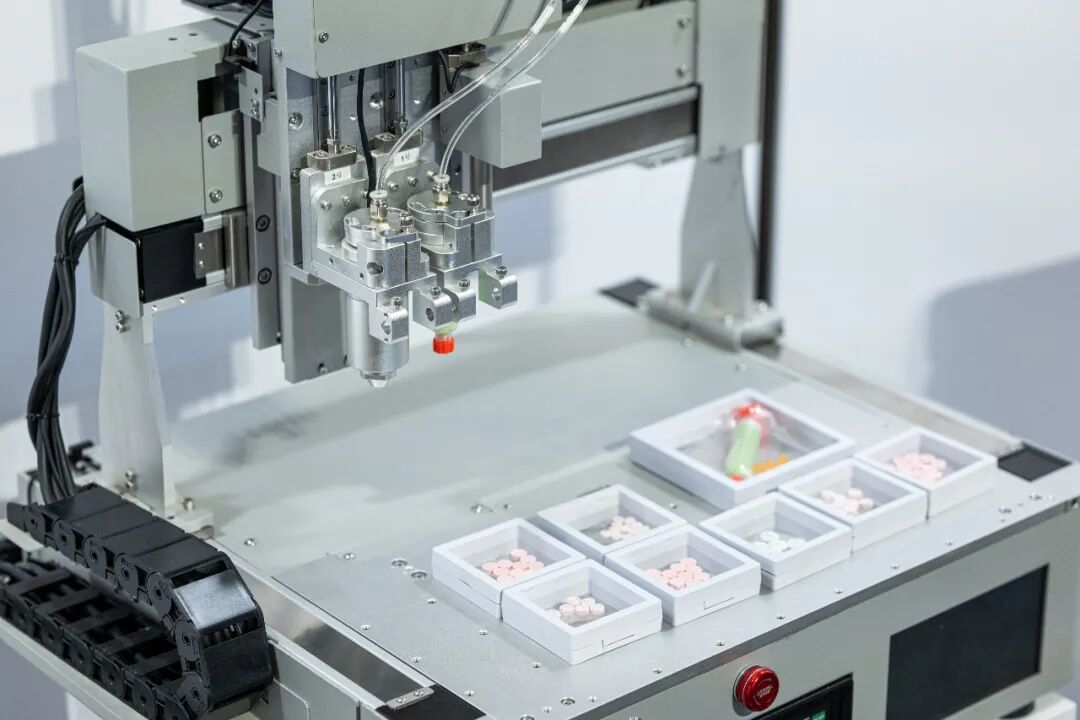
The core mission of the “AI-3D Drug Manufacturing R&D Platform” is to “design” pharmaceuticals. Through a single-use drug cartridge and specialized DIW printing equipment, the platform converts the drug release time, action location, and dosage into programmable parameters, achieving unprecedented safety and compliance within a completely closed-loop system.
This is not just an innovation in hardware or software, but a complete ecological closed loop from R&D to end manufacturing. It integrates drug-loaded “ink”, AI optimization models, printing hardware, and prescription databases, with high application extensibility, potentially extending to precision nutrition, dietary supplements, and other diverse scenarios in the future.
The top three finalists of the 2025 Dyson Design Award in Mainland China were recently announced. This international design and engineering award was established by Dyson founder James Dyson to inspire more young people to solve global challenges in technology, healthcare, environment, and sustainable development through engineering, technology, and design. Since its introduction to China in 2016, the competition has continuously provided a global exchange and display platform for young inventors in China, paving the way for outstanding works to achieve success and helping them produce innovative inventions with social value and industrial potential.
In the grand narrative of traditional pharmaceuticals, a disruptive force is quietly rising, driven by the profound wisdom of artificial intelligence and the intricate craftsmanship of 3D printing, aiming to write a new chapter in personalized medicine for those minorities forgotten by standardized production lines—patients with rare diseases, children, and visually impaired individuals. This is the core mission of the “AI-3D Drug Manufacturing R&D Platform”: it is not merely about manufacturing drugs, but about “designing” them. Through a single-use drug cartridge and specialized DIW printing equipment, the platform converts the drug release time, action location, and dosage into programmable parameters, achieving unprecedented safety and compliance within a completely closed-loop system. This system supports the concept of “distributed production”, allowing hospitals or pharmacies to print on-demand on-site, making each medication a unique, precisely designed product for individual lives.
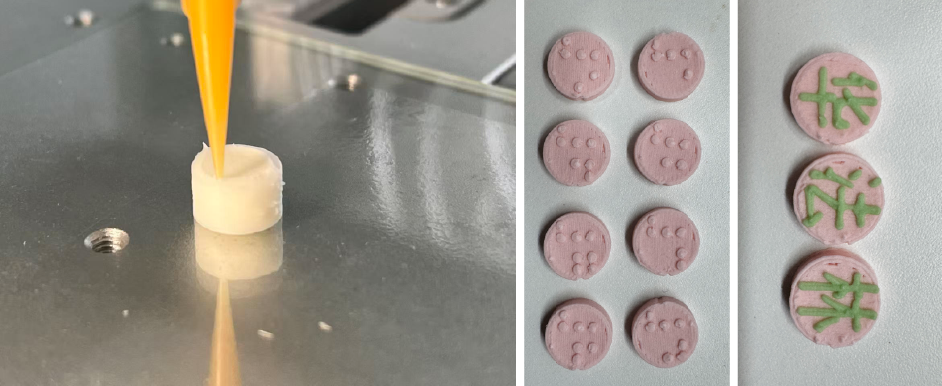
This is not just an innovation in hardware or software, but a complete ecological closed loop from R&D to end manufacturing. It integrates drug-loaded “ink”, AI optimization models, printing hardware, and prescription databases, with high application extensibility, potentially extending to precision nutrition, dietary supplements, and other diverse scenarios in the future. The platform’s design is filled with humanistic care: it can print braille on the surface of medications, lighting up a beacon of medication safety for visually impaired patients; it can also design complex controlled-release structures for patients with renal insufficiency, effectively reducing the risk of drug accumulation in the body and decreasing the frequency of administration. This is not only a victory of technology but also a victory of design warmth.
Looking ahead, the team’s plans are clear and specific, divided into six strategic directions. First, hardware upgrades through motion control and new designs to enhance compliance and precision; second, accelerating the development of drug formulations for multiple sclerosis and advancing preclinical/clinical research; third, the team will focus on expanding the formulation library by developing new excipients and digital protocols to support the realization of micro-doses and complex release curves. In terms of business models, efforts will be made to build a B2B ecosystem, collaborating with pharmacies and hospitals to deploy on-site on-demand production solutions. At the same time, the team will act as advocates for rare diseases, showcasing 3D printing applications at global forums to promote regulatory innovation. Finally, to achieve clinical translation, strict pilot and compliance processes will be implemented, completing GMP batch production and preparing all materials for FDA/EMA drug clinical trial applications.
“Design”:Dr. Chen, your academic background is in pharmacy. What prompted you to combine the seemingly engineering technologies of “AI” and “3D printing” with traditional drug development? What was the core “pain point” you initially aimed to address?
Chen Peihong: The core “pain point” I initially wanted to address was the contradiction between the traditional “one-size-fits-all” drug production model and the growing personalized demand for precision medicine. During my undergraduate internship at the provincial maternal and child health hospital, I learned that children require precise dosages, but the conventional practice is to manually split or grind adult tablets. While it is possible to roughly divide tablets into halves or quarters, accurately dividing them into thirds or fifths is nearly impossible, leading to significant dosage errors and risks of contamination and cross-contamination. Patients with rare diseases face poor drug accessibility due to the small population base, as pharmaceutical companies lack the motivation for R&D and production; visually impaired patients need identifiable labels to ensure their autonomy and dignity in medication. These are essentially contradictions between small-batch medication needs and traditional large-scale manufacturing methods, requiring new technologies to balance them.
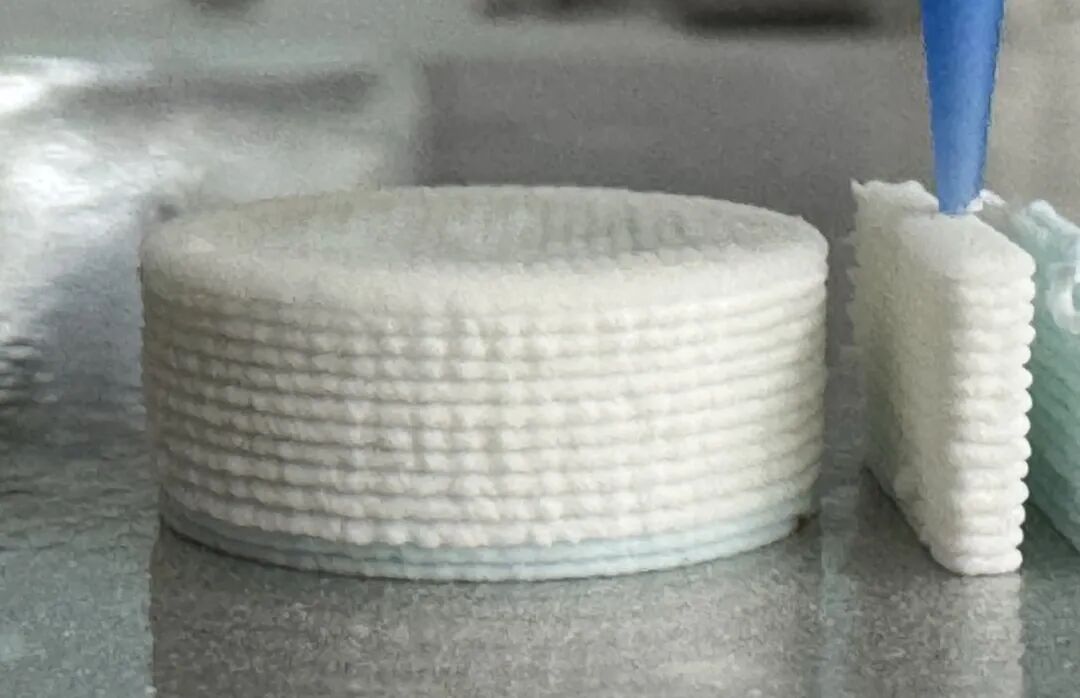
My undergraduate major was pharmaceutical engineering, and I was very interested in the design of pharmaceutical machinery and drug manufacturing processes. Later, I encountered 3D printing technology and saw its widespread application in consumer goods, medical devices, etc., achieving rapid prototyping and small-batch manufacturing. I began to think about whether this personalized manufacturing method could be applied to drug R&D and production, thus achieving small-batch, precise dosage drug preparation. My master’s research focused on how to apply 3D printing to personalized and improved drug formulations. We can achieve precise dosages, special markings (numbers, braille, etc.), and small-batch on-demand manufacturing of controlled-release formulations. By the doctoral stage, we faced a deeper issue: the research during my master’s phase enabled us to develop complex drug formulations, but this raised a new challenge—how to accurately predict the drug release behavior of these complex structures? At that time, the answer still relied on complicated and repetitive trial-and-error experiments. Therefore, we further integrated artificial intelligence (AI) to train AI to guide our formulation structure design, allowing us to obtain accurate release curves given a structure. At that moment, I realized that we were no longer just making a tablet, but creating a “product” that could be redesigned and endowed with new functions, taking a significant step towards personalized medication.
“Design”: In your view, traditional tablets are “industrial products”, while the tablets you manufacture through 3D printing technology are more like “designed products” or “software-defined products”. How do you redefine the concept of “drug design”? What changes have occurred in its connotation?
Chen Peihong: What I refer to as “drug design” specifically pertains to the design of drug formulations. I redefine it as a “drug delivery system design” that is closer to “design engineering”. Its goal is to use AI-assisted structural design based on existing drug molecules, linking formulation structure with function, to design formulations with expected delivery routes, dosage form characteristics, and in vivo release behaviors. Traditional drug design focuses more on the drug molecules themselves, i.e., developing new active ingredients, but no matter how novel the molecules are, they will ultimately be manufactured into a single specification industrial product. The core of my defined “drug design” is to answer four delivery questions: Where should the drug be delivered? When should it start releasing? How fast should it release? And what is the release dosage? This is essentially a “design engineering” proposition that requires personalized design for different patients, but the traditional large-scale industrial production model cannot meet this flexibility.
I hope to promote the connotation of “drug design” from the past “molecular chemistry” to “system engineering”, expanding from single-component R&D to an overall plan for the timing, space, location, and dosage of drug release. By leveraging AI and 3D printing technology, we view drugs as a programmable system, shifting the focus of design from “what the components of the drug are” to “how the drug is delivered” throughout the entire process. This means that drugs are no longer passive manufactured standard products, but can be actively designed and programmed non-standard products based on individual needs.
“Design”: Transitioning from pharmacy to smart hardware and software ecosystems, what challenges has this cross-disciplinary thinking posed for you and your team? How do you think “design thinking” has played a bridging role in this process?
Chen Peihong: In combining pharmacy with smart hardware and AI technology, the biggest challenge faced by the team is not merely the differences in disciplines, but the incompatibility in logical thinking: pharmacy emphasizes the efficacy and safety of drugs, while engineering and AI pursue structural efficiency and predictive accuracy, leading to conflicts in problem definition and evaluation criteria. For example, pharmaceutical research often focuses on whether drug components can achieve therapeutic goals, while engineers care more about how to print stably and quickly, and AI researchers hope algorithms can generalize models from limited data. A single discipline’s approach cannot meet the multiple demands of clinical personalization, safety, and operability. It is in this contradiction that design thinking becomes a key bridge. It requires the team to center on “user experience”, transforming complex problems into systematic design logic: starting from patient needs, then breaking them down into achievable structural and functional modules. As a result, the dosage, release rhythm, and appearance identification of tablets are no longer isolated research variables but are re-integrated as programmable design parameters. For example, the team introduced braille labeling for visually impaired patients, solving the issues of drug identification and medication dignity; developed precision dosage split-printing tablets for children, avoiding errors and contamination caused by manual splitting; and controlled the drug release speed in patients with renal insufficiency through structural design, helping to reduce accumulation risks. These cases demonstrate that design thinking not only helps the team cross the disciplinary barriers between pharmacy, hardware, and AI but also transforms drug formulations from traditional industrial standard products into programmable systems oriented towards patient needs, achieving an organic unity of function, experience, and efficacy.
“Design”: “Personalization” often implies “high costs”. How do you design (including product design and business model design) to ensure that this technology serves not only the high-end market but also benefits the many patients who truly need it, thus promoting medication equity?
Chen Peihong: Indeed, in traditional pharmaceutical models, “personalization” is often seen as a “luxury”, as it usually means small-batch production, additional R&D investment, and higher unit costs. However, we believe that with technological and model changes, personalization can be achieved at “low cost and widely accessible”. We mainly address this contradiction from three levels:
(1) Cost reduction in manufacturing methods—combining 3D printing with automation. Traditional drugs require mold opening and production line establishment, and any adjustment in dosage or specification means re-manufacturing an entire batch, leading to high fixed costs. Our platform adopts digital, mold-free 3D printing, allowing direct printing once prescription data is available, eliminating waste from batch production. Additionally, through AI-optimized design, trial-and-error experiments and R&D cycles can be significantly reduced. Coupled with automation and single-use cartridges, labor demand is greatly reduced. Especially with the rapid development of the Internet of Things, artificial intelligence, and automation, more and more regions have seen the emergence of “dark factories”. We believe that the cost structure of this manufacturing model will be further simplified in the future, primarily depending on energy and raw materials rather than labor and production line investments.
(2) We have drawn on the concepts of “cloud printing” and “prefabricated meals” to promote the transition of pharmaceuticals from traditional single-specification, large-scale centralized production to a model of “centralized prefabrication—distributed personalized manufacturing”. This is essentially a thought process of “breaking down the whole into parts and decentralizing the centralized”: a central factory produces standardized drug-loaded ink, which is then distributed to local pharmacies or hospitals, where terminal devices print personalized medications on demand according to prescriptions. This retains the cost advantages of industrial scale while accommodating individual patient needs. Especially for small markets like rare diseases or pediatric medications, the distributed model can effectively avoid the dilemma of no one willing to produce due to small batch sizes, thus enhancing drug accessibility and equity.
(3) Value aspect—transforming personalization into widespread accessibility. In the past, personalized medications were often considered “luxuries” due to the high costs of small-batch production. Our model reconstructs the cost structure, allowing personalization to be mass-produced and networked—rare disease patients no longer have to pay high prices, children can use medications safely, and grassroots hospitals can obtain personalized drugs on-site. In other words, we are transforming personalization from a “high-end label” into a basic guarantee that everyone can afford. This is the core intention behind our proposal for “technological equity”.
“Design”: The platform is specifically designed for children, patients with rare diseases, and visually impaired individuals. Can you share a story from the user research process that touched you the most? How did this story directly influence the final design of the product? (For example: the introduction of braille labeling, precise dosage splitting)
Chen Peihong: The first scene I saw during my internship at the provincial maternal and child health hospital pharmacy was that many children needed low-dose medications, but only adult specifications were available on the market. Pharmacists or guardians could only split tablets or grind them for repackaging; while halves might be manageable, achieving accurate thirds or fifths was nearly impossible, not to mention the errors and cross-contamination risks from different operators. A phrase that deeply touched me was: “Medication relies on splitting, dosage relies on guessing”; at that moment, I felt there must be a more precise and safer way. Later, when I communicated with patients with rare diseases, they expressed that “not only are available medications scarce, but they are also very expensive” due to the small population base leading to low R&D and production motivation. These experiences made me realize that so-called “technological innovation” is not just about creating more complex tablets, but about transforming the most genuine pain points of patients into product functions. It was these simple needs that directly led to our platform’s introduction of precise dosage control, pollution-free small-batch manufacturing, and braille labeling on tablets.
“Design”: The AI algorithm is the “brain” of the platform, but it is intangible; while the 3D printed tablets are the tangible final experience. How do you design to ensure that doctors, pharmacists, and patients trust and understand this complex system driven by “black technology”? What efforts have been made in the interactive interface, hardware appearance, or the design of the tablets themselves to establish this trust?
Chen Peihong: This is a very core issue. Medications concern health and life, so establishing trust is a prerequisite for our entire system to be accepted and applied. We view this as a system engineering challenge, where the design consideration of “establishing trust” runs through both the intangible algorithm and the tangible device. First, we must make the intangible AI algorithm traceable. Our AI “brain” is not a “black box” making decisions out of thin air; it is based on a large amount of laboratory research data, and its decision-making process adheres to the basic logic of pharmacy. It aims to solve a very specific pain point: 3D printing can create various complex structures, but which structure corresponds to which drug release curve? This previously required a lot of trial-and-error experiments. Our AI model allows researchers to input structural parameters and calculate theoretical dosages and release curves, replacing the process of “guessing” and “testing” with a scientific model, providing a scientific basis for the decisions of doctors, pharmacists, and researchers, which is the first step in establishing professional trust.
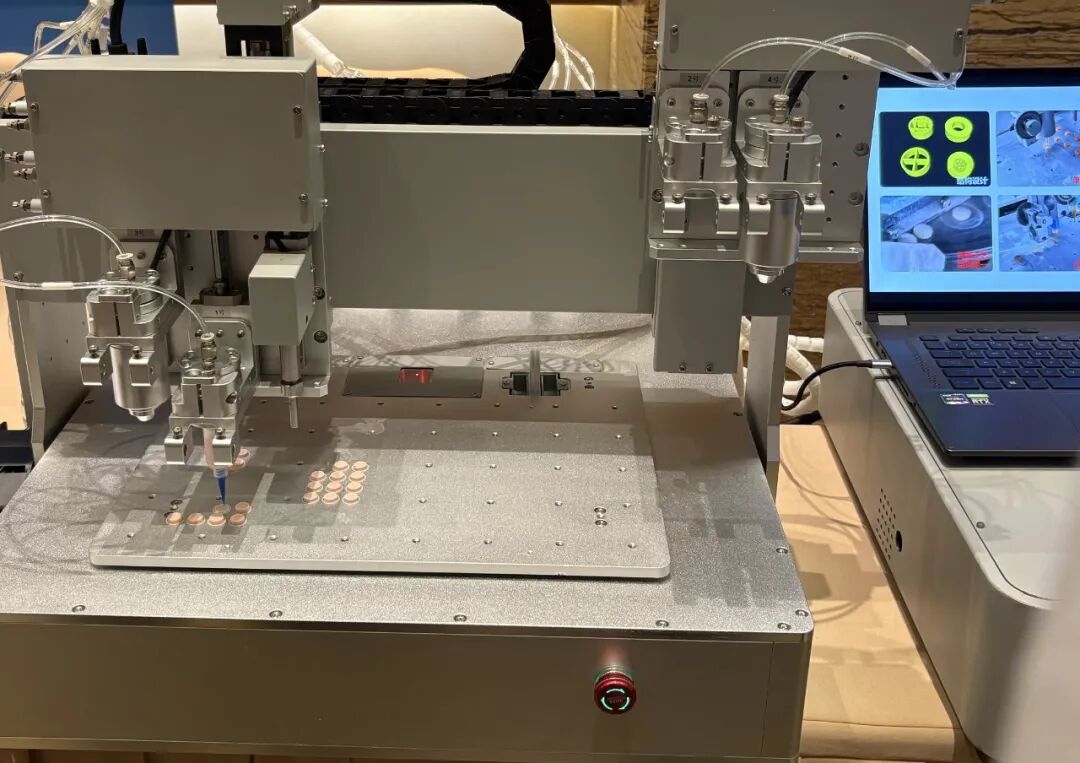
Secondly, we ensure the safety and compliance of the entire process through rigorous closed-loop system design, making trust visible and tangible. Our design of the “single-use drug cartridge” is the cornerstone of ensuring drug safety; it adopts a pre-filled, sealed design that is discarded after use, fundamentally eliminating the risk of cross-contamination between different drugs. Additionally, we use pneumatic methods to drive printing, ensuring that compressed air, rather than mechanical components, comes into contact with the drugs, maintaining the purity of the printing process and eliminating the need for complicated cleaning steps. In terms of hardware appearance, we want it to resemble a precise “desktop instrument” rather than a cold industrial machine; the simple and friendly design aims to seamlessly integrate into the application environment, making users feel it is reliable and easy to use at first glance.
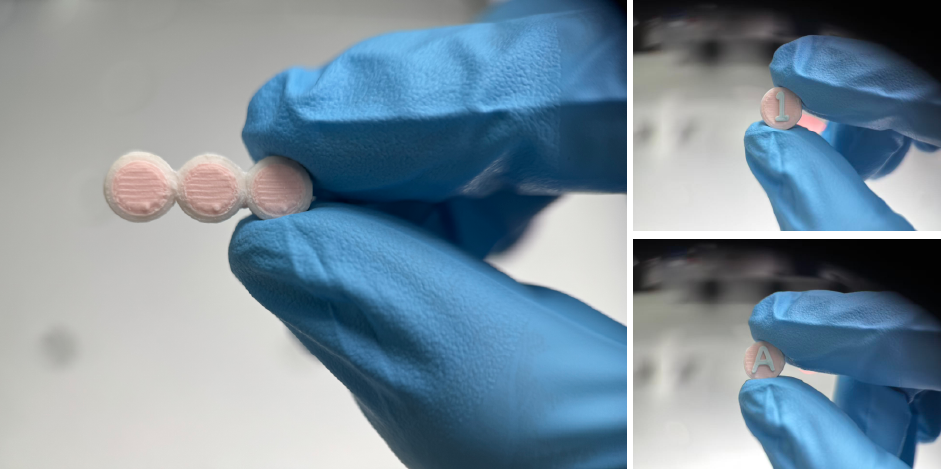
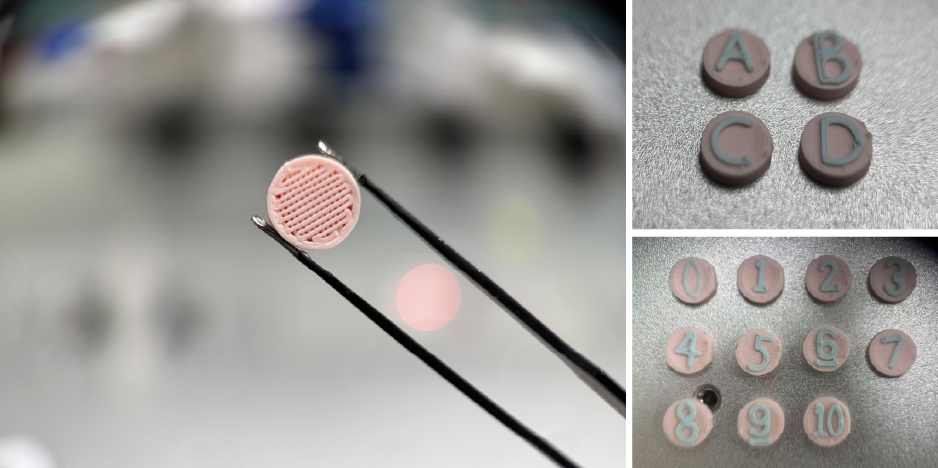
Finally, trust must ultimately be conveyed through tangible experiences. We have put significant effort into the design of the tablets themselves, such as printing braille, numerical codes, and even traceable QR codes on the tablets. When visually impaired patients can touch the labels, and users can scan the QR codes to learn about the medication information, the care brought by this “black technology” becomes concrete and perceptible, fostering a sense of trust. Furthermore, we have adopted a pragmatic approach: currently, we are not developing entirely new drugs but rather reprocessing existing medications on the market, essentially using our equipment to perform the work pharmacists do daily with greater precision. In essence, we are “transporters of drugs”, which makes our equipment easier for the industry to understand and trust. Ultimately, trust must be proven through rigorous clinical data; we are collaborating with multiple hospitals to conduct clinical research to scientifically validate its safety and efficacy.
“Design”: What is the design language of this device? Do you want it to look like a rigorous “medical device” or a friendly “desktop appliance”? How was this decision made in terms of appearance?
Chen Peihong: The core keywords in our appearance design are “stability, safety, and reliability”, which are essential qualities for all medications and medical devices. However, we do not want it to resemble a cold, large industrial machine, but rather a friendly desktop medical device. Therefore, we made many trade-offs in the design—making the device compact, simplifying its appearance, and using an intuitive touchscreen interface that allows users to understand the operational logic at a glance. This not only retains the rigor and professionalism of medical devices but also reduces the psychological distance for operators during use. Our ultimate goal is to “make medicine less serious”; we hope to create a gentler, more humanistic experience for operators while ensuring professionalism and rigor.
“Design”: Your “distributed production” concept is a disruption of the traditional centralized, large-scale pharmaceutical model. What was the biggest resistance you encountered in designing this new model? Was it technical bottlenecks, regulatory restrictions, or people’s inherent beliefs?
Chen Peihong: “Distributed production” is indeed the concept we most want to convey, and the biggest resistance encountered during the R&D process primarily stems from regulatory restrictions and people’s inherent beliefs. When a new technology emerges, it inevitably faces many doubts. Initially, many people believed this technology could only remain in the laboratory to “publish papers” because it was costly, inefficient, and produced low yields. In 2023, when we sought cooperation with the first-generation prototype, we faced very direct and even frustrating questions: “Your machine is clumsy, expensive, and slow; can it make money here?” This pressure from external efficiency and profit-oriented beliefs led me to deep self-doubt.
In addition to ideological resistance, deeper challenges come from the existing drug regulatory system. Global drug laws and regulations are built around centralized, large-scale production models, with no regulations designed for small-batch, decentralized manufacturing models. Our model fundamentally challenges this existing framework. However, we believe that the relationship between technological development and regulations is mutually reinforcing; just like autonomous driving technology, when it first appeared, there were no corresponding regulations, but technological development ultimately pushed for regulatory improvements. Therefore, our philosophy is to use technology to drive the improvement of laws and regulations, rather than waiting for regulations to allow us to start.
“Design”: Drug regulation is one of the strictest regulations in the world. How does your design process actively incorporate considerations for GMP (Good Manufacturing Practice) and FDA/EMA submissions? Have you invented new design criteria or validation methods for this purpose?
Chen Peihong: Indeed, compliance is a core issue we must face from the very beginning of the design. Fortunately, the global regulatory environment is also evolving. The FDA in the United States is designing new regulatory frameworks for 3D printed medical devices, and domestically, the first production license for 3D printed drugs was issued in September this year, marking a breakthrough in compliance. Our design process actively moves towards compliance; we do not consider how to meet regulations only after the technology is formed, but rather make compliance a core principle from the source of design. For example, our closed system design, single-use drug cartridges, and pneumatic printing technology inherently meet the core requirements of GMP to avoid contamination.
Since traditional drug quality control standards do not fully apply to 3D printing, we have indeed established a series of quality standards and validation methods specifically for 3D printing processes, namely Critical Quality Attributes (CQA) and Critical Process Parameters (CPP). Currently, we can achieve over 95% production rates and 98% pass rates for single batches, providing reliable data for future large-scale validation. Additionally, we are collaborating with hospitals to use 3D printed drugs in clinical research, such as for treating morning hypertension. If these trials can move from the laboratory to clinical settings, it means we have gained regulatory recognition.
“Design”: Based on your vision, can you describe what a “future pharmacy” or “future clinic” deploying your system will look like in 10 years? What revolutionary changes will occur in the experiences of patients and doctors?
Chen Peihong: In our vision, the “future pharmacy” in 10 years will make obtaining medications as convenient as picking up a package. Patients will bring the QR code prescription issued by their doctors to community pharmacies, and within minutes, they will be able to print a complete course of medication tailored to them. Behind this is a model of “central factory + distributed printing”: the central pharmacy produces standardized drug-loaded ink, which is then distributed to various distributed centers, where pharmacies or clinics’ printers produce personalized medications on demand according to prescriptions.
For patients, pediatric medications can achieve precise dosages without the need to split tablets or grind them; chronic disease patients can achieve controlled release and reduced burden through specially structured tablets, decreasing the frequency of administration and lowering bodily burdens; visually impaired patients can even identify medications directly through braille on the tablets, maintaining their independence and dignity in life. For doctors and pharmacists, this will completely change workflows: prescriptions will no longer correspond to single-specification industrial tablets, but rather to programmable treatment plans. Future diagnosis and treatment will be more efficient, safer, and more patient-centered.
“Design”: You mentioned that the platform can extend to precision nutrition and pet medications. Does this mean you are designing a universal platform that can print anything? How is the extensibility of the design being considered?
Chen Peihong: Yes, our goal is indeed to build a highly extensible universal platform. You can think of our system as a “water dispenser”: this “dispenser” itself is a universal hardware that can be filled with “bottled water” (a type of medication) or switched to “juice” (another type of medication or nutritional supplement). However, the core problem we solve is not merely simple dosage control; our innovation lies in the ability of this device to perform “deep processing” on standard “drug ink” by altering its internal 3D structure to achieve highly personalized outputs. In other words, even when using the same medication, we can achieve entirely different release times and locations through different structural designs. For example, for medications treating Helicobacter pylori in the stomach, we do not want them to enter the intestines too quickly. Traditional tablets sink to the bottom of the stomach, while we can design them to be hollow or have “airbags” to float on gastric juices; we can even design them to “bloom” after entering the stomach, increasing their size so they are not easily expelled, thus remaining in the affected area long enough to maximize their efficacy. This underlying logic of controlling drug efficacy through structural design is universal, so our platform has strong extensibility and can easily expand into precision nutrition, dietary supplements, and other fields.
“Design”: As a disruptive innovation, how high are the technical barriers of this platform? Will it become a popular track? What is the current team composition like?
Chen Peihong: The technical barriers in this industry are very high, which is why, since the FDA approved the first 3D printed drug for market in 2015, no second one has emerged. Our team began promoting this technology in 2023, and another domestic peer has already started clinical research.
The high threshold is due to the requirement for a rare integration of interdisciplinary knowledge: the team must not only be proficient in pharmacy but also familiar with mechanical design, system engineering principles, and software algorithms. For manufacturers who only understand mechanical design, it may not be difficult to produce similar machines, but the true core and moat of our platform lie in the “ink”—how to deeply integrate pharmaceutical knowledge into mechanical manufacturing to prepare drugs that are compliant, effective, and can be printed stably as “water”; this is an extremely difficult and painful integration process.
Because of the high technical barriers, it is currently not a crowded popular track, but this is precisely where its potential lies. Disruptive innovations are often lonely in their early stages; high thresholds filter out the vast majority of participants, creating opportunities for us to focus on R&D and establishing standards. We believe that as the trend of personalized medicine becomes increasingly clear, and as we continue to make breakthroughs in regulations and clinical applications, the heat of this track will follow, but by then, the teams that have first crossed the technological divide will have the first-mover advantage in defining the industry landscape.
Our current team composition is precisely designed to tackle this interdisciplinary challenge. The team consists of three core partners with clear divisions of labor: I am primarily responsible for the core “ink” R&D, as well as the design of the platform and AI algorithm module; another partner, Luo Jianxu, is responsible for hardware manufacturing and overall company operations; and another partner focuses on finance, commercialization, and marketing. In addition, our team includes several graduate students to ensure we maintain close connections with academic frontiers.
“Design”: For young designers and entrepreneurs who also want to use design and technology to challenge traditional industries and solve social problems, what insights based on your own experience can you share?
Chen Peihong: I have a few profound insights I would like to share with everyone.
Good design stems from specific and simple social problems. Just as Dyson founder James Dyson encourages us, design is meant to better solve problems. My inspiration came from a small confusion in my childhood: “Why do children have to take tablets that adults have split?” Therefore, I suggest that everyone first calm down and focus on those issues that truly resonate with you; these problems are the original motivation that supports you to persist.
Second, dare to challenge the notion that “existence is reasonable”. Many traditional industries seem self-evident, but this is often just because no one has thought of a better way. Large-scale production of pharmaceuticals sacrifices personalized needs, which is not a perfect model but a reluctant reality. The greatest advantage of young people is their courage to break conventions and explore new possibilities.
Third, be prepared for “sitting on the cold bench”. In an era that pursues efficiency, true innovation is often long and lonely, filled with setbacks. Our project has been in development for nearly eight years, and we have considered giving up due to external doubts. The team often encourages each other by saying: “Sow seeds where no one pays attention, and take root where everyone is watching.” To challenge traditional industries, one must endure solitude.
Finally, focus on the “system”, not just the “product”. Solving complex social problems often requires a complete ecological closed loop. What we do is not just a printer, but also drug-loaded ink, AI models, hardware, and future service networks. At the same time, we must consider how to turn “innovation” into “entrepreneurship”, finding a model that generates both social value and economic sustainability, allowing design to truly land and create a long-term impact. Participating in competitions like the Dyson Design Award can also help you gain exposure and resource support, giving you opportunities to establish potential collaborations and enhance our visibility.
END
Updates every Tuesday and Thursday at 7 PM
Article copyright belongs to “Design” magazine, unauthorized reproduction is prohibited
If needed, please reply in the background of the public account【Reprint】 to view relevant specifications
For details, please click:
Introduction to “Design” Magazine
Submission Guidelines | Magazine Subscription | Visit Official Website
National Academic Journal of China
Good Design, Good Life
For paper submissions, please add
WeChat: DESIGN_PAPERS (16686229978)
QQ: 3087852728
QQ: 2536382306
For inquiries, please call 010-65816771
“Design” Magazine WeChat Official Account
designmag


Follow me to get
more exciting content
If you like our articles, please share them with your friends
For reprints of public account articles, please leave a message in the background