2025 Carbon Neutrality Policy Interpretation: From Industrial Parks to Household Appliances, These Changes Are Closely Related to You
As we reach the halfway point of 2025, national and local carbon neutrality policies have been intensively introduced. From the construction of national zero-carbon parks to household photovoltaic grid connections, from industrial carbon capture to green finance support, policy dividends are permeating all aspects of industrial development and daily life. Today, we will break down the key points of the latest policies and explore the development opportunities and lifestyle changes hidden within the wave of carbon neutrality.
National Zero-Carbon Parks: The “Test Fields” for Industrial Carbon Reduction Officially Launched
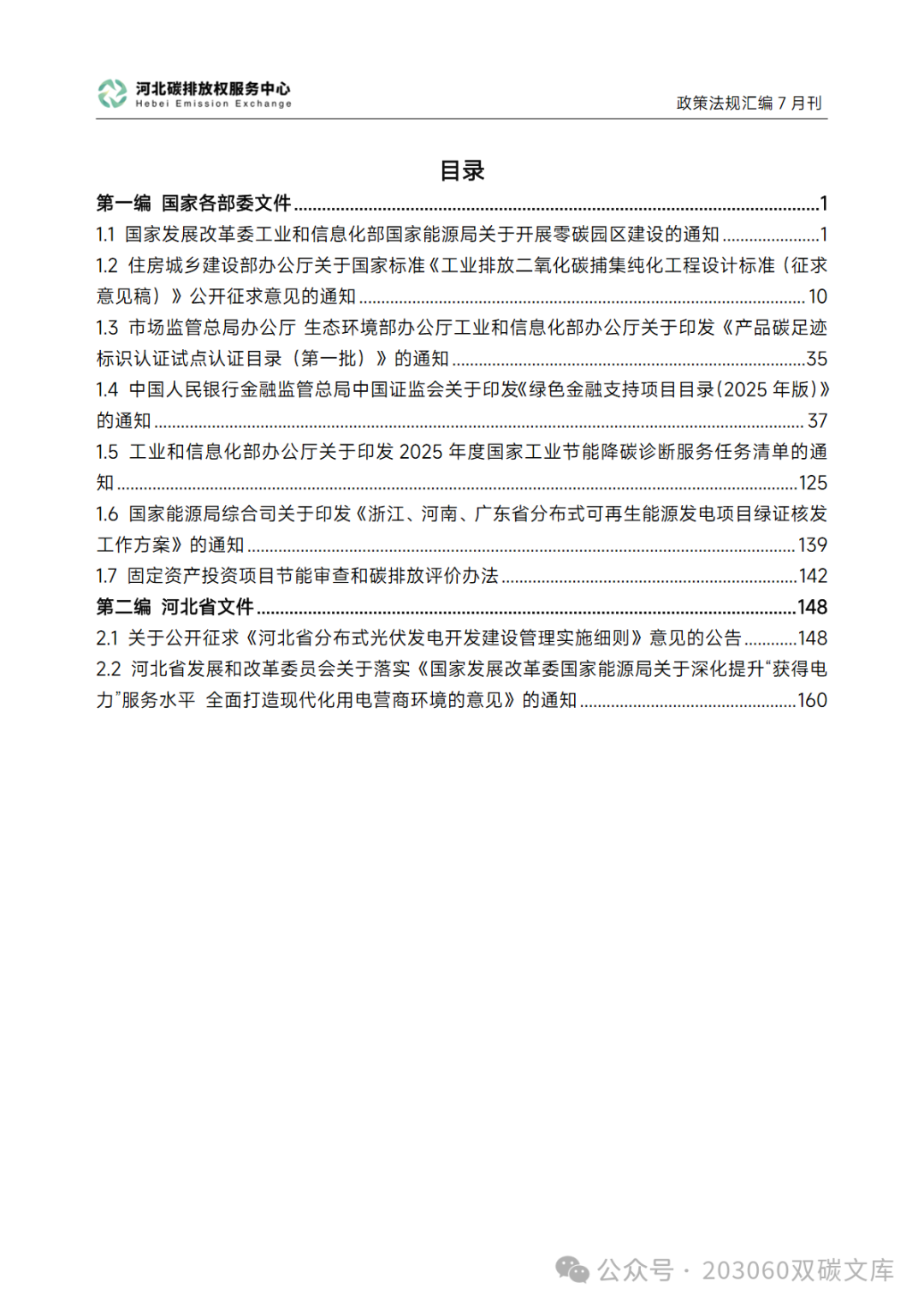
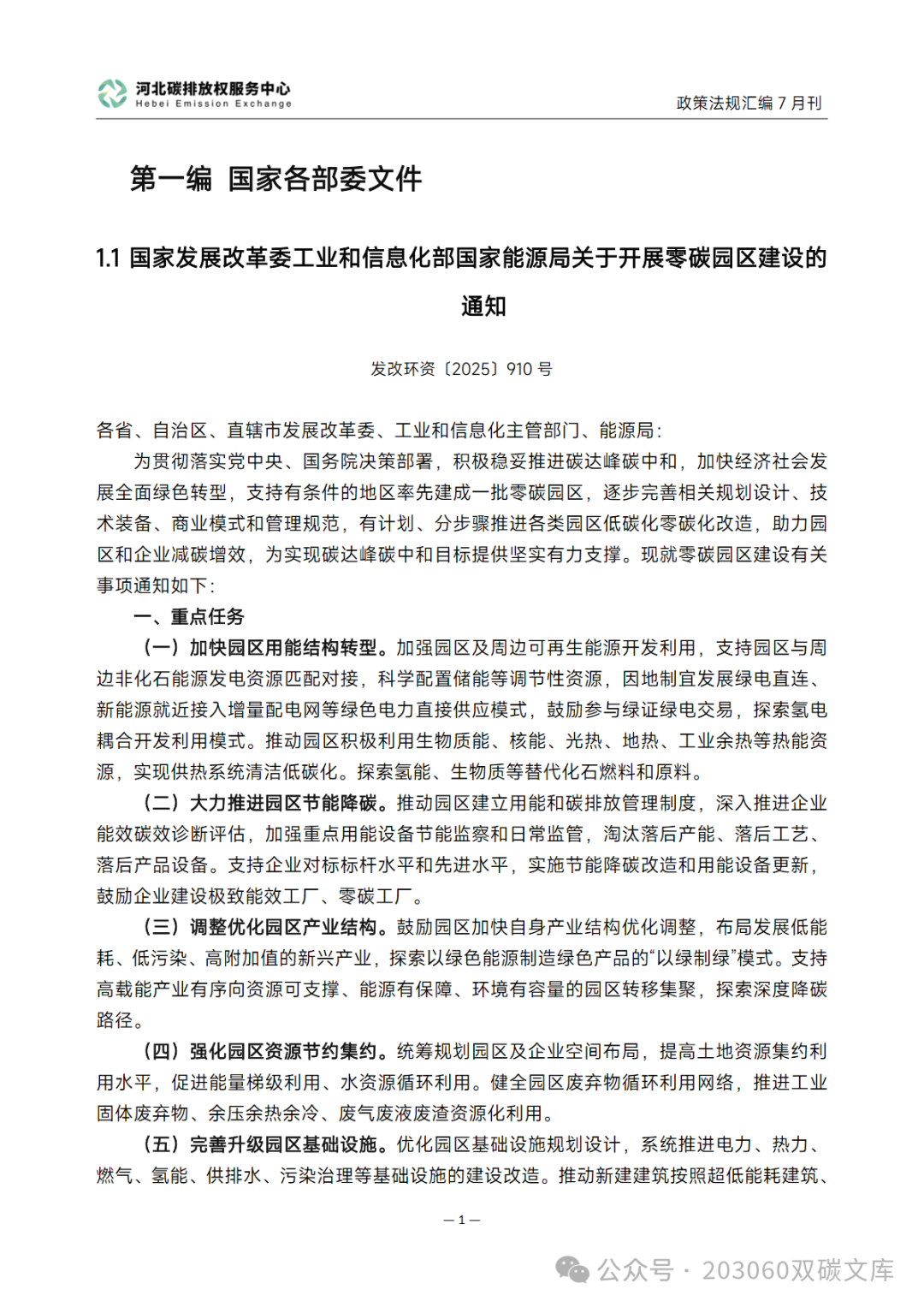
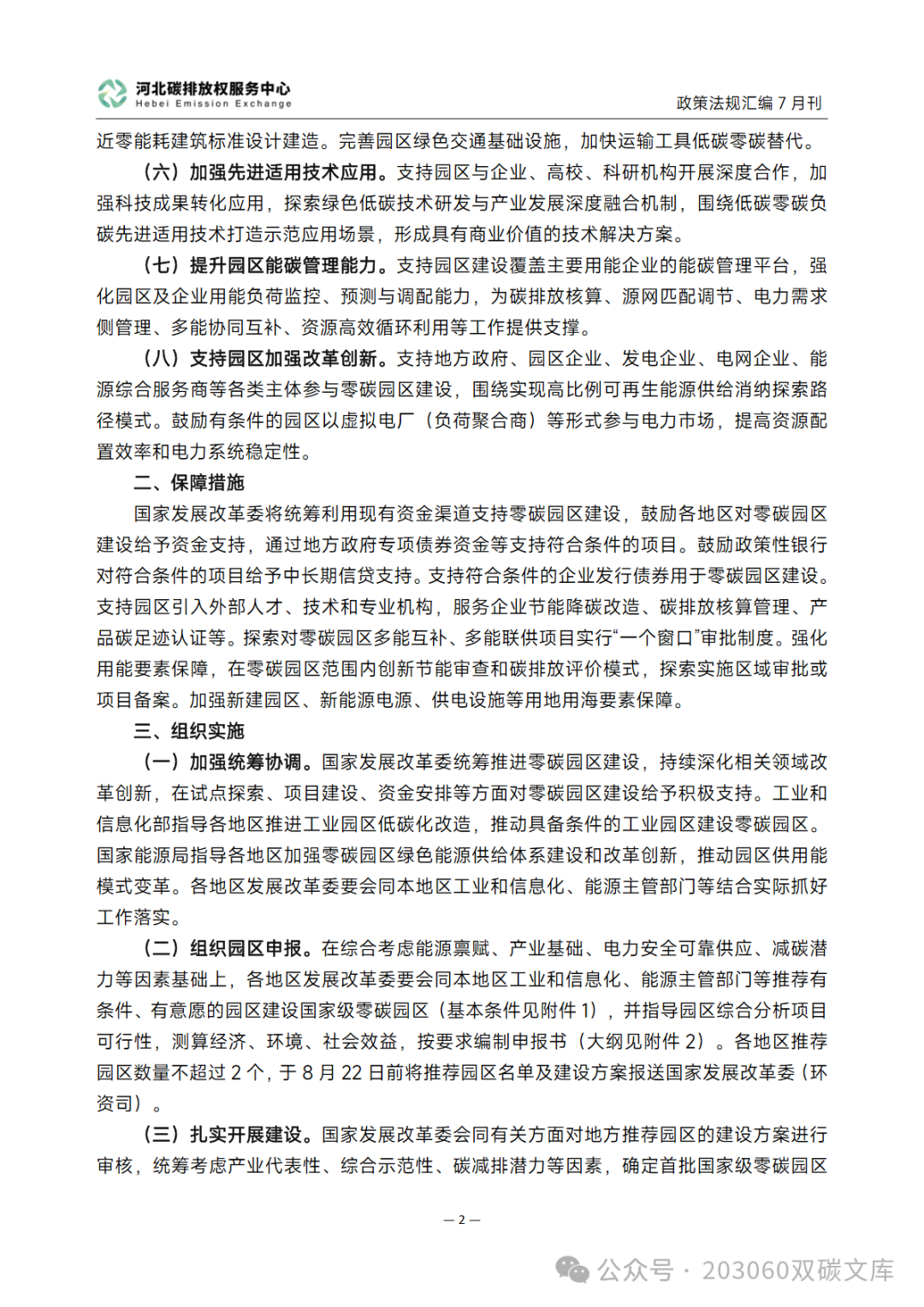
The National Development and Reform Commission and other departments have jointly issued a document, clearly stating the goal of creating the first batch of national zero-carbon parks across the country. This is not merely a simple “low-carbon transformation”; it aims to establish a comprehensive zero-carbon system from energy to industry. The parks must focus on eight major tasks: not only developing renewable energy such as wind and solar power on a large scale but also eliminating outdated production capacity, laying out low-consumption, high-value emerging industries, and even building intelligent management platforms that can monitor energy consumption and carbon emissions in real-time.
To apply for a zero-carbon park, there are strict requirements: it must be a provincial-level or higher development zone, have no major safety or environmental accidents in the past three years, and possess a complete energy consumption statistical accounting foundation. Parks that pass the acceptance can receive financial subsidies, special bond support, and even explore participation in electricity market transactions through virtual power plants, with unprecedented policy support.
Carbon Capture and Carbon Footprint: Industrial Carbon Reduction Has “Hard Standards”
In response to the challenges of industrial emissions, the Ministry of Housing and Urban-Rural Development has released a draft for public consultation on carbon capture and purification engineering design standards, clarifying the application specifications for five mainstream capture technologies. For example, chemical absorption can be used by chemical enterprises, while steel companies are suitable for oxygen-enriched combustion methods, and high-concentration emissions with purity over 70% are recommended to use low-temperature distillation methods, with a carbon capture rate requirement of no less than 90%.
Moreover, it is noteworthy that the first batch of product carbon footprint certification pilot directories has been released, with 15 types of products including lithium-ion batteries, photovoltaic modules, steel, and textiles set to be the first to bear “carbon labels.” In the future, when purchasing household appliances or selecting building materials, checking the carbon footprint will become a new habit, which will also compel enterprises to reduce carbon emissions from the production source.
Green Electricity and Green Certificates: Ordinary People Can Also Participate in the “Zero-Carbon Action”
Distributed photovoltaics are receiving significant benefits! Zhejiang, Henan, and Guangdong have taken the lead in piloting comprehensive green certificate issuance, and Hebei has also introduced photovoltaic management regulations, categorizing distributed photovoltaics into four types. Individuals can build stations on their rooftops and entrust the grid to handle the filing, while commercial projects that meet self-consumption ratios can enjoy electricity price discounts.
Now, building photovoltaics not only saves electricity costs, but the generated electricity can also earn green certificates. The self-consumed electricity generates non-tradable green certificates, while the surplus electricity fed into the grid generates tradable green certificates, allowing both enterprises and individuals to gain additional income through green certificate trading. The grid companies also provide “one-stop” grid connection services, with zero investment for low-voltage project connections.
Green Finance: Financial Resources Tilt Towards Low-Carbon Fields
Three financial departments have jointly updated the green finance support directory, covering nearly a hundred types of projects that can receive funding support through loans, bonds, etc., ranging from the production of energy-efficient appliances to ecological restoration. From the production of efficient energy-saving refrigerators to the construction of hydrogen energy storage and transportation facilities, all can enjoy the benefits of green finance.
From industrial parks to household rooftops, from industrial production to daily consumption, the carbon neutrality policies of 2025 have established a complete system of “top-level design + specific implementation.” Whether it is enterprises laying out low-carbon transformations or individuals participating in green electricity consumption, seizing these policy opportunities can help gain an advantage in the wave of carbon neutrality. Are you ready to join this zero-carbon transformation?