1. The Essence of Polymorphism and the Structure of Virtual Function Tables
Polymorphism is a core feature of object-oriented programming, achieved through base class pointers/references calling overridden functions in derived classes to implement runtime dynamic binding. For example, in an animal sound system:
cpp
|
class Animal { |
|
public: |
|
virtual void speak() const { cout << “Animal sound” << endl; } |
|
}; |
|
class Dog : public Animal { |
|
public: |
|
void speak() const override { cout << “Woof!” << endl; } |
|
}; |
|
Animal* animal = new Dog(); |
|
animal->speak(); // Output“Woof!” to achieve polymorphism |
Structure of the Virtual Function Table (vtable):
·Each class containing virtual functions has its own virtual function table, which stores an array of pointers to the addresses of the virtual functions.
·The vtable of the base class Animal:[Animal::speak address]
·The vtable of the derived class Dog:[Dog::speak address] (overrides the base class virtual function)
Object Memory Layout: The starting address of the object stores a virtual pointer vptr, which points to the corresponding class’s vtable: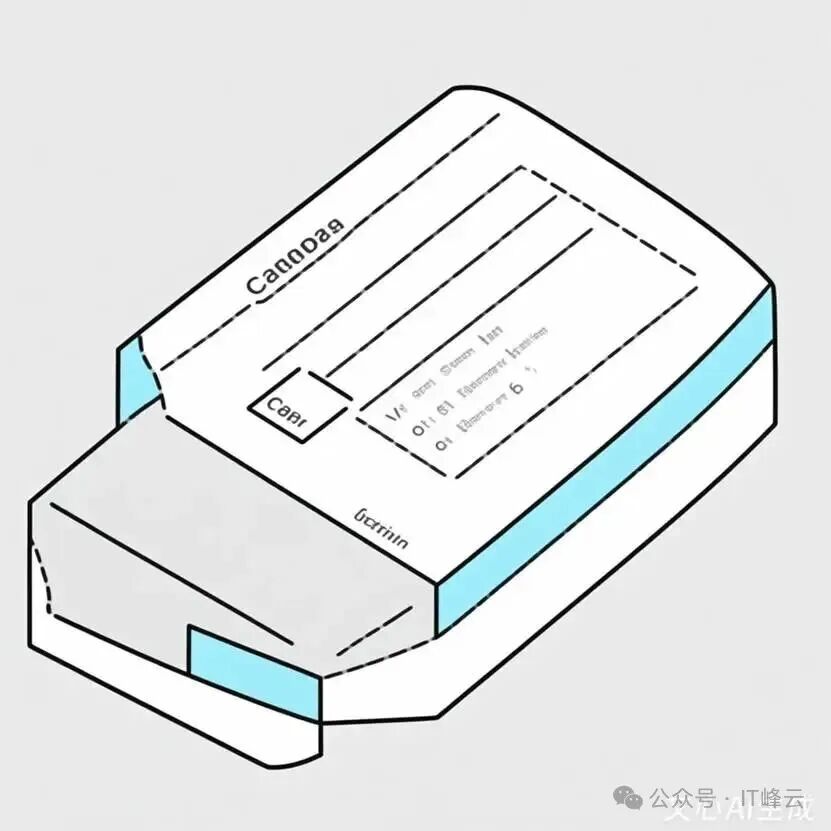
2. Initialization of Virtual Pointers and Inheritance Mechanism
Initialization Sequence:
1.Immediately initialize vptr to point to the base class vtable after memory allocation.
2.Update vptr to point to the derived class vtable when executing the derived class constructor.
3.In multiple inheritance, there may be multiple vptr (e.g., the first virtual base class corresponds to an independent vptr).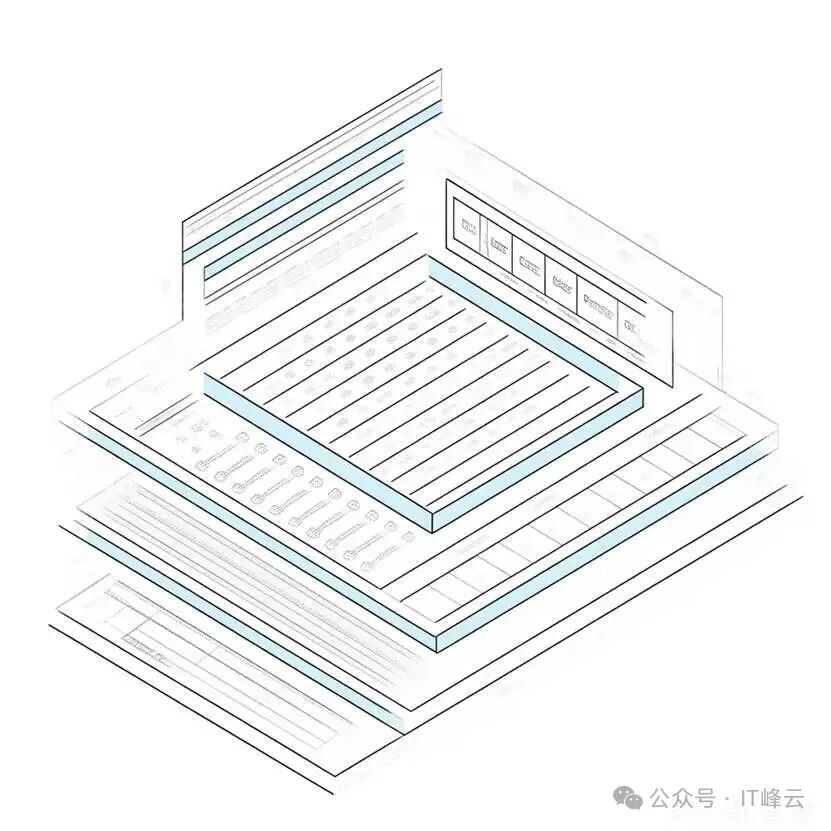
Key Restrictions:
·Constructors cannot be virtual functions: The virtual table is not established before the object is constructed, making dynamic binding impossible.
·Destructors must be virtual functions: This prevents resource leaks when a base class pointer deletes a derived class object.
3. Usage Norms and Restrictions of Virtual Functions
Inline Functions and Virtual Functions Conflict:
·Inline virtual functions are only effective when the object type is determined at compile time.
·When called through a base class pointer, inline optimization fails and reverts to dynamic binding.
Pure Virtual Functions and Abstract Classes:
cpp
|
class Shape { |
|
public: |
|
virtual double area() const = 0; // Pure virtual function |
|
}; |
·Abstract class characteristics: A class containing pure virtual functions cannot be instantiated.
·Derived classes must override all pure virtual functions to create objects.
Static Function Limitations:
·Static functions belong to the class scope and do not have a this pointer, making it impossible to access non-static members.
·Virtual functions depend on object instances and achieve dynamic binding through vptr.
·Static functions cannot be declared as virtual functions.
4. The Underlying Principles of Virtual Functions Implementing Polymorphism
Dynamic Binding Process:
2.The compiler generates a vtable for classes containing virtual functions.
3.When an object is created, the vptr is inserted at the starting address, pointing to the vtable.
4.When calling a virtual function through a base class pointer:
oFind the vptr pointing to the object.
oAccess the corresponding address in the vtable based on the function offset.
oExecute the target function to achieve polymorphism.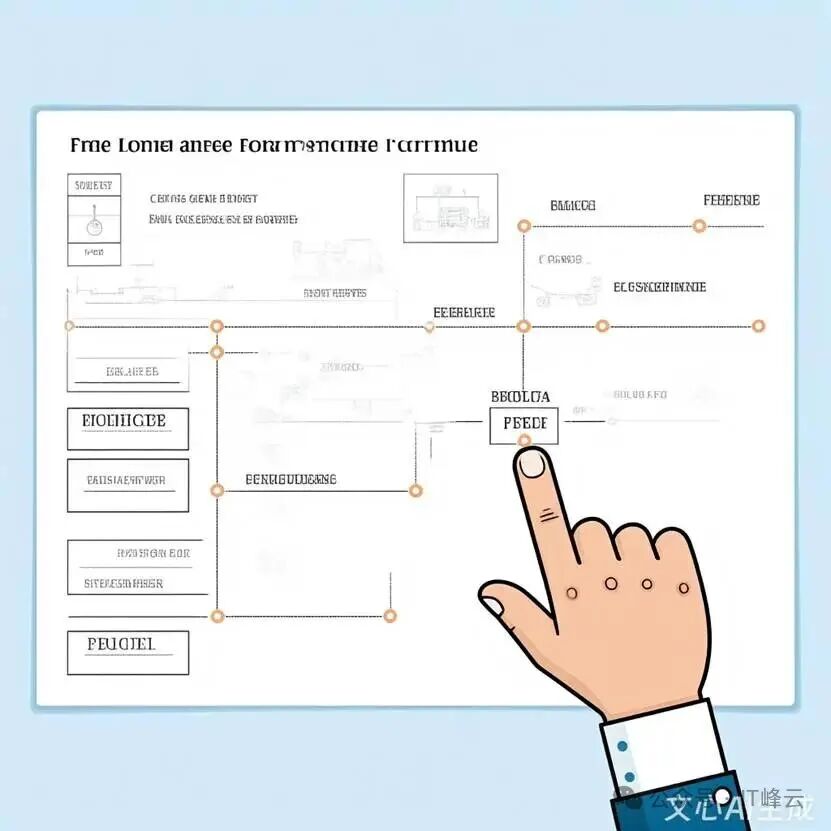
Structure of the Virtual Function Table:
5. Limitations of Virtualizing Special Function Types
Constructor Limitations:
·Cannot be declared as virtual functions: The virtual table is not established before the object is constructed.
·Example verification:
cpp
|
class Base { |
|
public: |
|
Base() { func(); } // At this point, vptr has not been initialized. |
|
virtual void func() { cout << “Base” << endl; } |
|
}; |
Best Practices for Destructors:
·Must be declared as virtual functions: This prevents resource leaks when a base class pointer deletes a derived class object.
cpp
|
class Base { public: virtual ~Base() {} }; |
|
class Derived : public Base { ~Derived() { delete[] data; } }; |
|
Base* obj = new Derived(); |
|
delete obj; // Correctly callsDerived destructor |
6. Summary and Best Practices
1.The virtual function table is the cornerstone of achieving runtime polymorphism.
2.Destructors must be declared as virtual functions to prevent memory leaks.
3.Constructors should not be virtualized to avoid uninitialized vptr access.
4.Pure virtual functions are suitable for interface definitions and abstract class designs.
5.Proper use of final and override keywords enhances code safety.
By deeply understanding the virtual function table mechanism, developers can design object-oriented systems more efficiently, balancing performance and scalability. It is recommended to analyze the virtual function call process in conjunction with the assembly code generated by the compiler to master the underlying implementation details.